


Find auto parts that fit
Let’s search for parts that fit your vehicle.Automotive Stands and Supports in Automotive Tools & Equipment



















About Automotive Stands and Supports in Automotive Tools & Equipment - Walmart.com
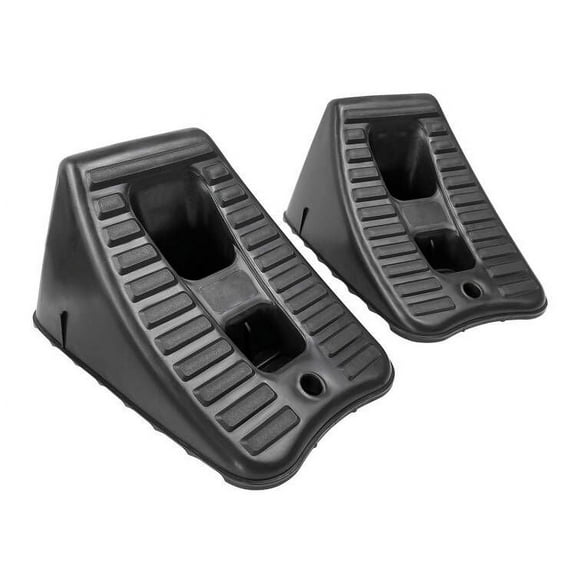
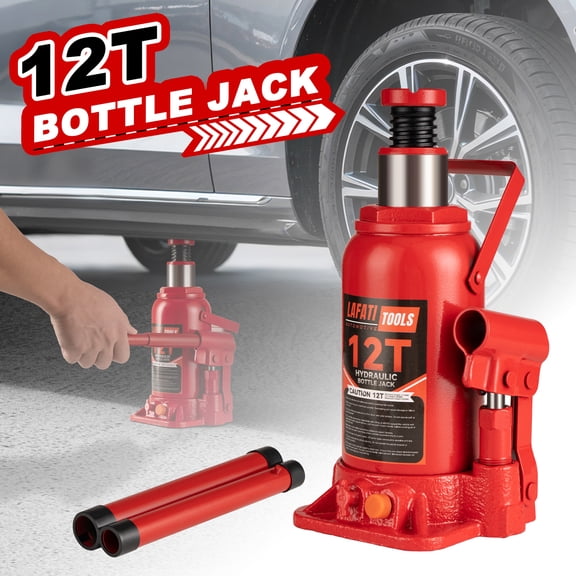
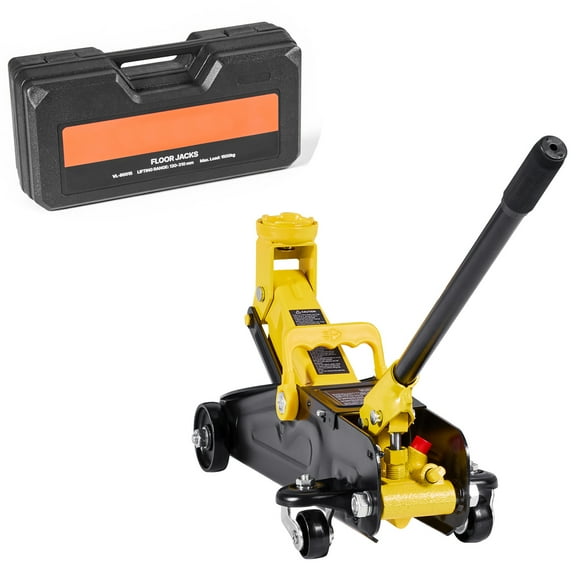
Automotive stands and supports help you hold vehicles or major parts steady while you work. You can compare jack stands, engine stands, underhoist support stands, and wheel ramps in one place.
When you choose this category, you can focus on load rating, lift range, and locking design. You also get options for sedans, SUVs, heavy trucks, and motorcycles.
How to choose automotive stands and supports
You should start with your vehicle weight and the part of the vehicle you need to support. You can then compare stand type, tonnage rating, and the space you have in your garage.
Look for a support type that matches your task, not just your vehicle. You may need jack stands for wheel service, engine stands for rebuilds, or wheel ramps for quick access.
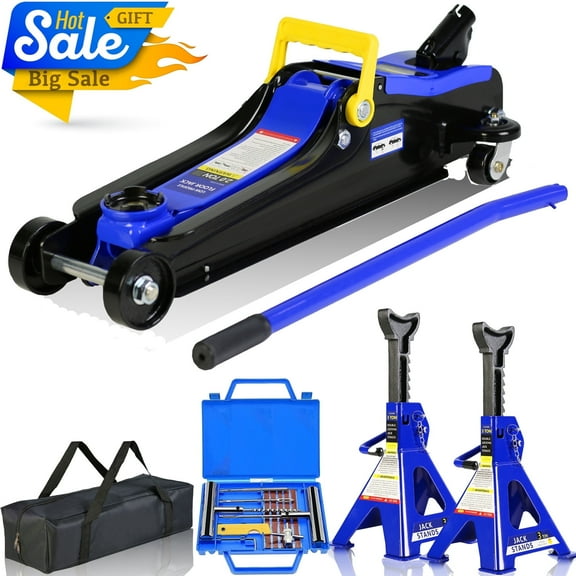
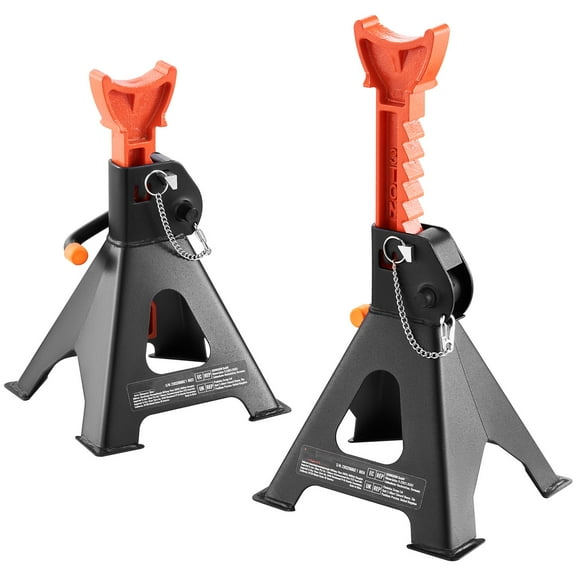
- You can use jack stands when you need secure support after lifting with a jack.
- You can use engine stands when you want stable access to an engine block during assembly work.
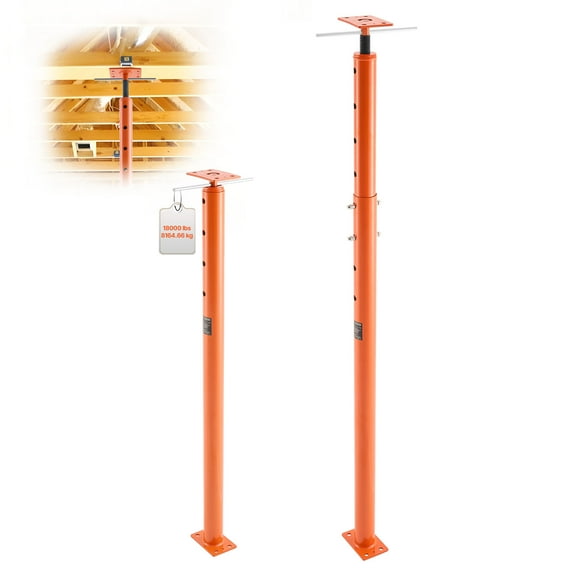
- You can use underhoist support stands when you need extra support beneath a raised vehicle section.
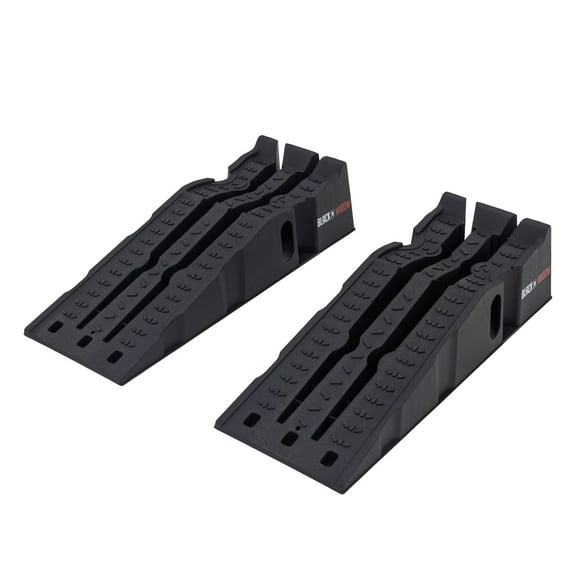
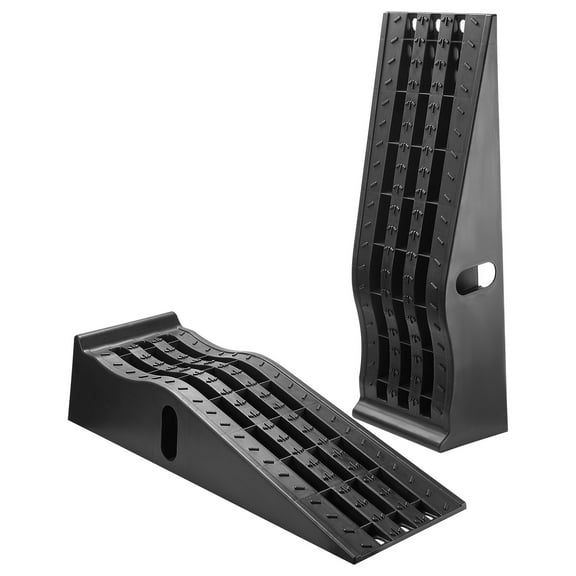
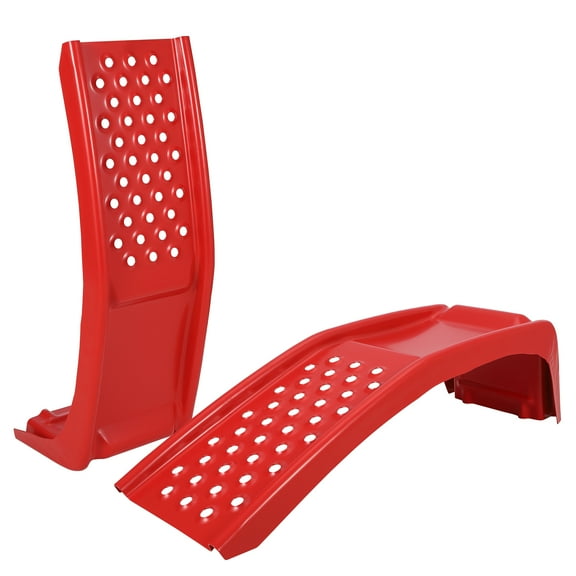
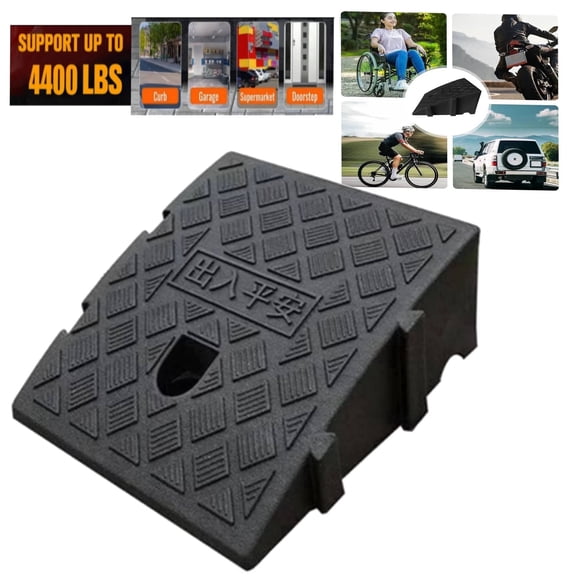
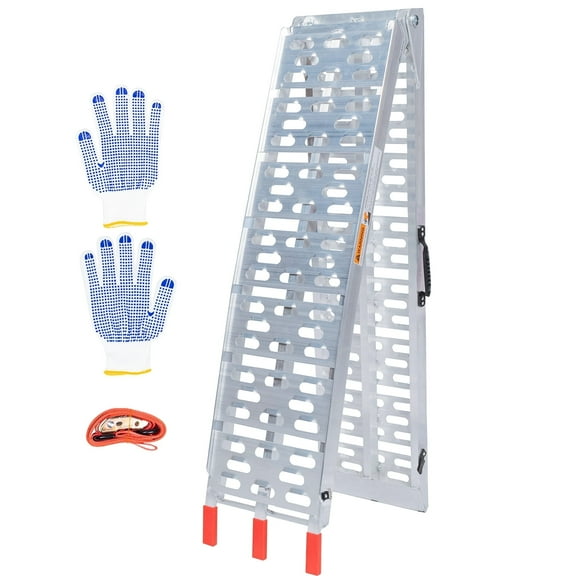
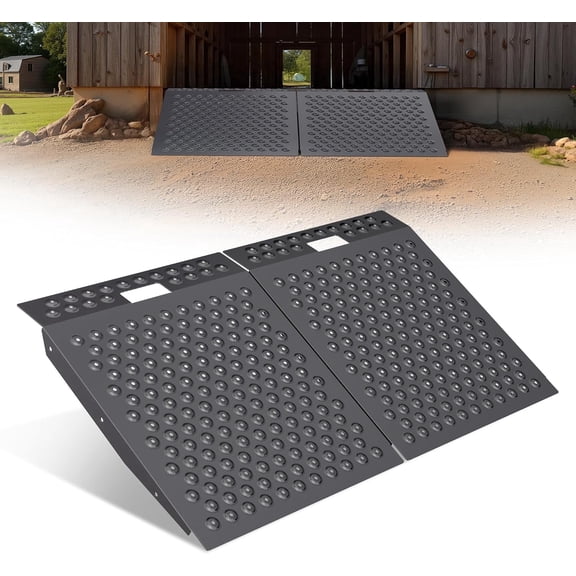
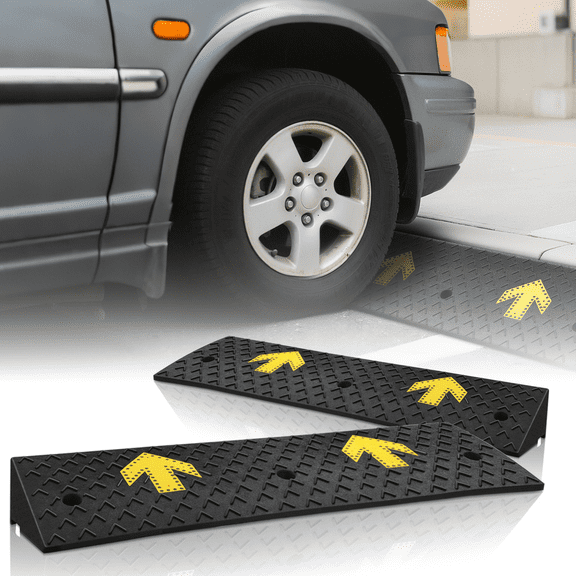
- You can use wheel ramps when you want drive-on access for maintenance under the front or rear.
- You can compare motorcycle stands when you need compact support for two-wheel storage or service.
You’ll notice that each style solves a different shop task. You can narrow your choice faster when you match the stand to the job first.
Choosing jack stands by weight capacity and base design
You should compare tonnage ratings with your vehicle’s curb weight before anything else. You also want a safety margin, so your stands aren’t working close to their limit.
Many shoppers compare 2 ton, 3 ton, and 6 ton options for common garage needs. You may also find 1000 lbs supports for smaller components and specialized tasks.
You should check whether the pair rating or single-stand rating matches your planned use. You can make a smarter choice when you confirm how the listed capacity is measured.
Base width matters because you want a stable footprint on your garage floor. You may prefer a wider base when you support larger vehicles or work on uneven concrete.
Heavy duty jack stands often use heavy-duty steel or cast iron for a more planted feel. You may prefer aluminum when you want lighter handling and easier storage.
You should also compare minimum height and maximum extension before you buy. You can look for enough low clearance for your vehicle and enough height for your working space.
Comparing engine stands and underhoist support stands
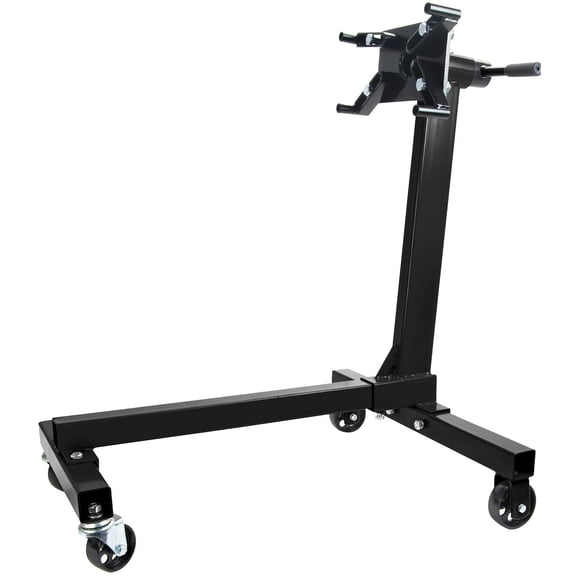
Engine stands help you hold an engine securely while you rotate or position it for service. You can compare frame shape, mounting head design, and capacity for your project.
You may want an engine stand when you’re rebuilding, cleaning, or inspecting a removed engine. You can work with clearer access because the block stays elevated and supported.
Underhoist support stands serve a different purpose than engine stands or jack stands. You can place them under vehicle components that need added support during shop work.
You should review lift height range carefully for these taller supports. You may need the stand to reach your working height without forcing an unstable setup.
Material choice affects handling and long-term shop use. You may lean toward steel frames when you want a durable structure for repeated lifting tasks.
What to look for in locking mechanisms and lift range
You should compare ratchet lock, pin lock, and hydraulic designs based on your task. You can look for a mechanism that feels simple to engage and easy to inspect.
Ratchet lock styles let you raise the support quickly in set increments. You can then confirm the bar seats fully before you place weight on it.
Pin lock designs give you a visible locking point that many shoppers like to verify. You may also see double-locking setups that pair a ratchet bar with a pin.
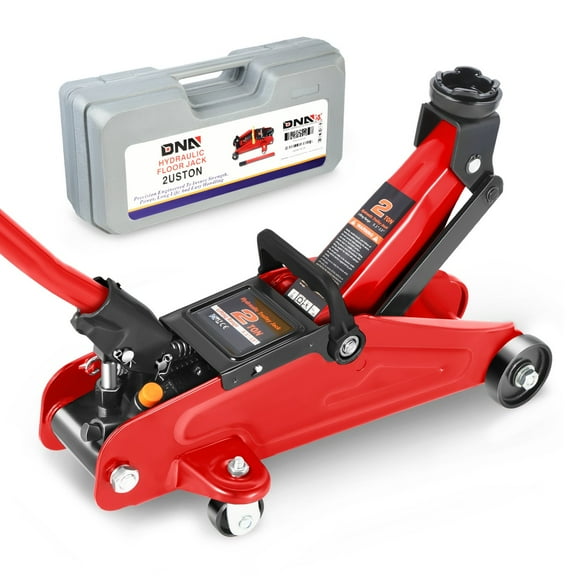
Hydraulic supports can help you fine-tune height during positioning work. You should still check the lock design and rated capacity before you rely on that adjustment.
Lift range is just as important as the lock style. You need a low enough starting height for clearance and a tall enough extension for the repair.
You can avoid fit issues by measuring your vehicle clearance and planned working height first. You’ll shop with more confidence when those numbers guide your choice.
Matching support types to your vehicle and garage tasks
You may choose jack stands for brake jobs, tire rotation, and suspension work on sedans or SUVs. You can step up to heavier capacities when you service larger trucks.
Wheel ramps can make sense when you want drive-on access for oil changes or inspections. You may appreciate that style when your vehicle clearance works with the ramp angle.
Motorcycle stands fit a different setup than four-wheel supports. You should compare contact points and overall footprint when your bike needs steady storage or service support.
If you rebuild engines, you can focus on engine stands with the right mounting pattern and load rating. You can keep parts accessible while you move through teardown or reassembly.
Automotive stands and supports also vary by storage needs and shop space. You may want foldable designs, lighter materials, or compact bases for smaller garages.
When you compare tonnage, base width, lock type, and height range together, your choice becomes clearer. This helps you find support equipment that fits your vehicle and your workflow.
You can make a confident decision when you match the stand style to the exact repair. This can help you get steadier support, easier access, and a setup that fits your garage routine.