

Screw Eyes in Metal Hooks and Eyes
























About Screw Eyes in Metal Hooks and Eyes - Walmart.com
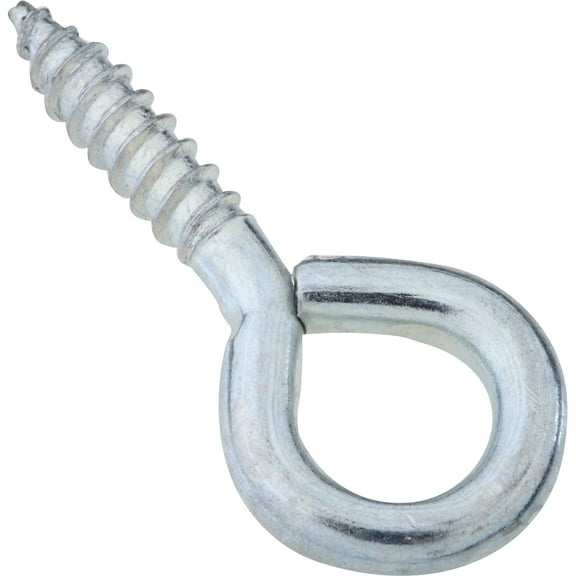
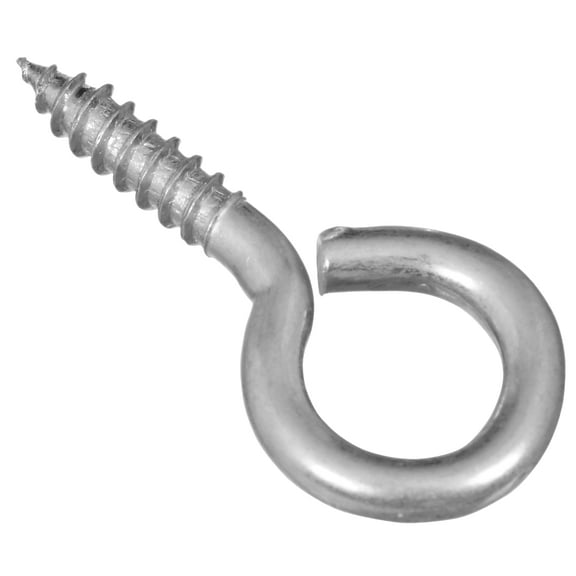
Screw eyes give you a simple way to create hanging points, tie-down spots, and anchor loops for wood, crafts, and utility projects. You can compare mini sizes for detail work or heavy duty options for larger loads.
How to choose screw eyes for your project
You’ll get a cleaner fit when you start with the right material, size, thread type, and load rating. You should also match indoor or outdoor use, because finish choices affect how your hardware holds up.
When you compare screw in eyes, you’ll notice small differences that matter during installation. You can avoid guesswork by checking shank thickness, eye diameter, and the safe working load listed.
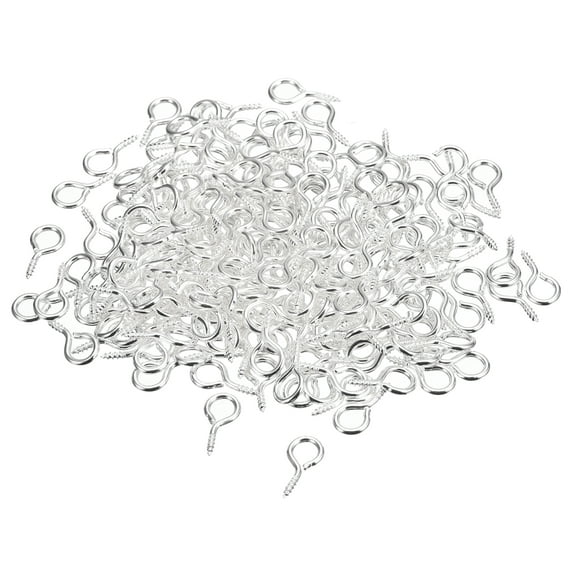
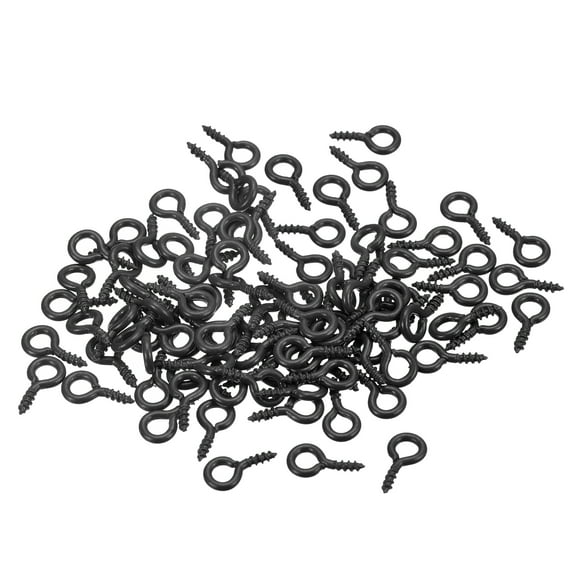
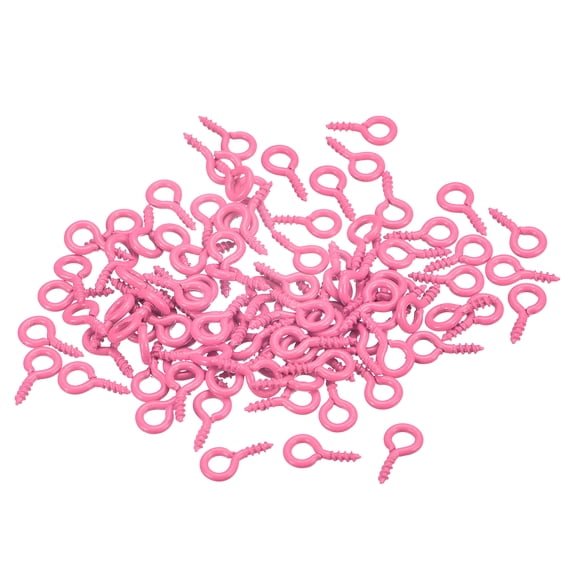
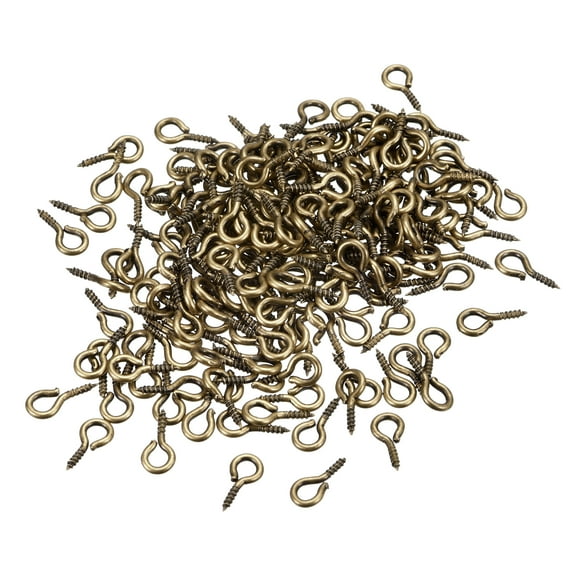
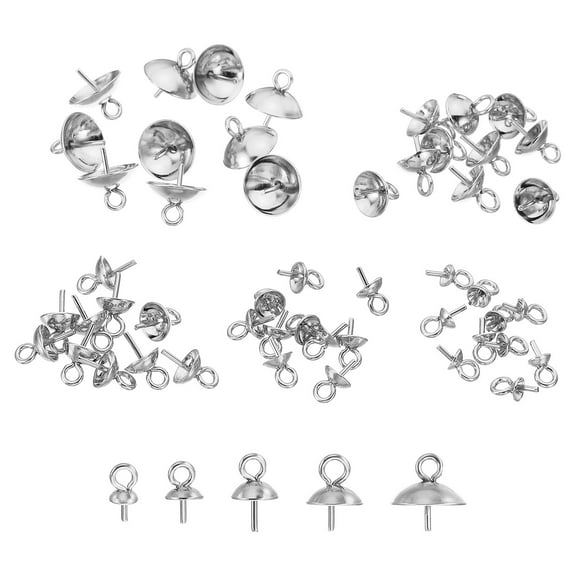
- You can use mini screw eyes for ornaments, jewelry, and lightweight craft projects.
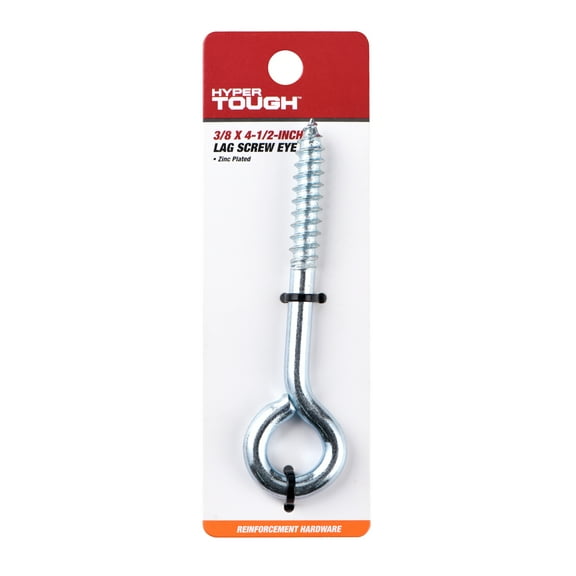
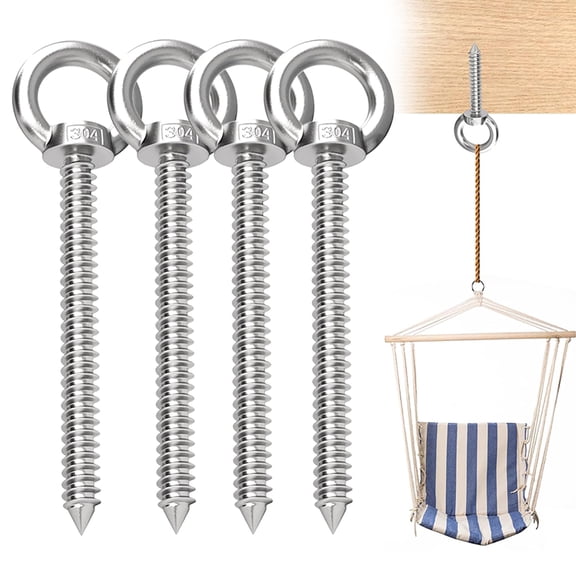
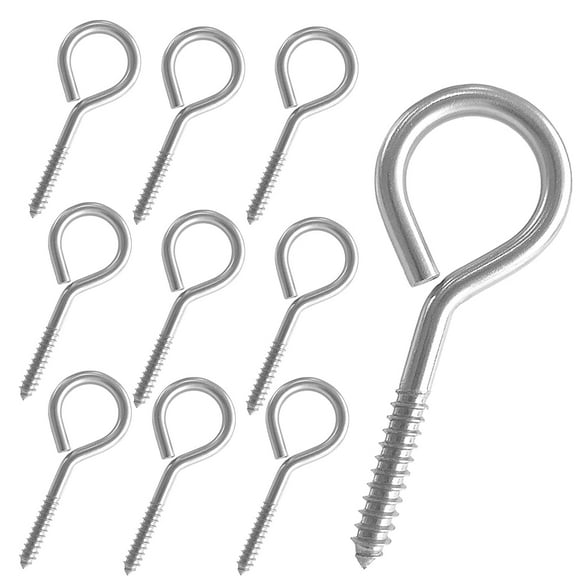
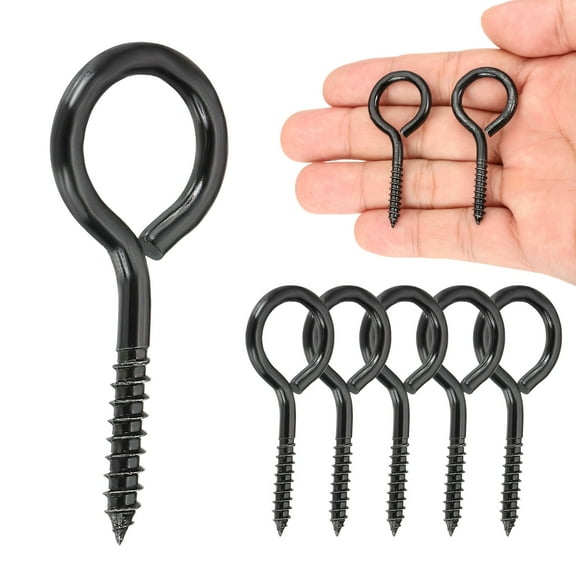
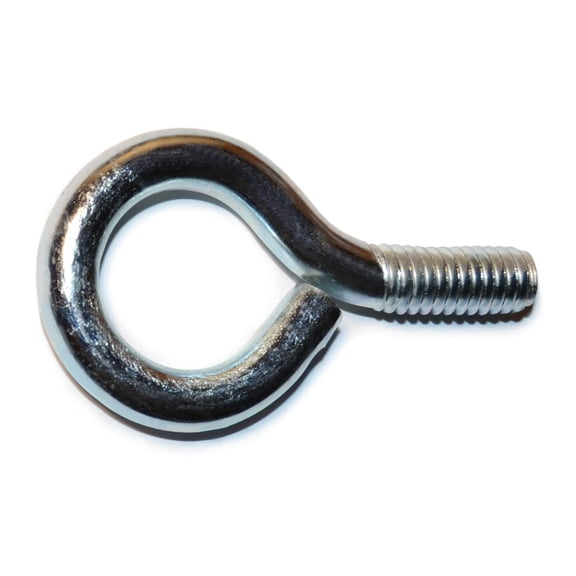
- You can choose heavy duty screw eyes for hanging planters, tarps, ropes, and utility lines.
- You can pick stainless steel when your project stays outside or faces frequent moisture.
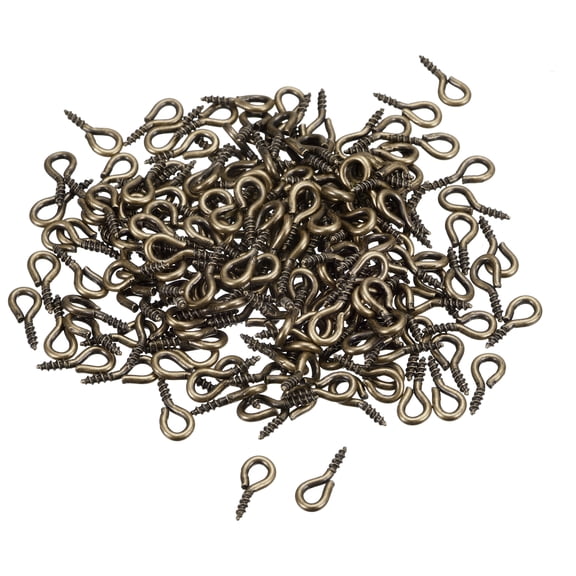
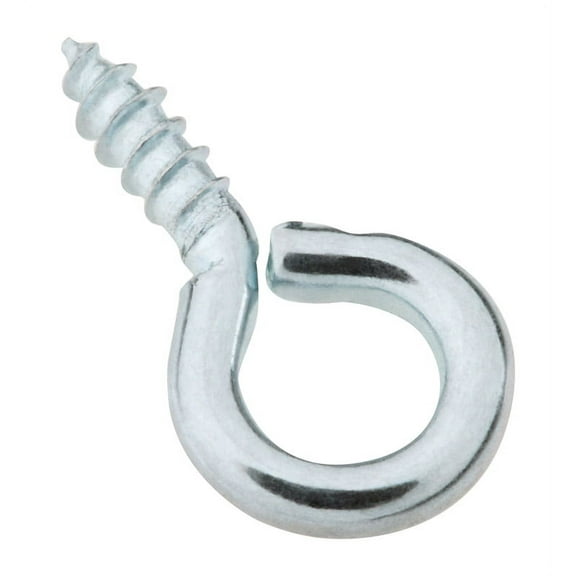
- You can use zinc-plated or brass finishes when your project needs a specific look or indoor corrosion resistance.
Choosing material and finish
You should look at material first, because outdoor exposure changes what works well over time. You’ll often prefer stainless steel when your hardware faces rain, humidity, or repeated washing.
You can choose zinc-plated options when you want a common finish for general indoor use. You may prefer brass when your project needs a warm tone for visible hardware.
When you compare metal hooks and eyes, you should check whether the listing specifies solid metal construction. You’ll want that detail when your project needs a sturdy feel and consistent threading.
Choosing the right size and scale
You can match size to both the item you’re hanging and the space around the mounting point. You’ll often use screw eyes small enough for crafts, frames, and lightweight décor.
For utility work, you should compare medium, large, and heavy duty eye screw sizes carefully. You’ll want an eye opening that fits rope, wire, chain, or hooks without forcing them.
Mini screw eyes and screw eye pins work well when you need a discreet connection point. You can use them for tags, handmade items, ornaments, and small hanging accents.
Understanding thread type and installation
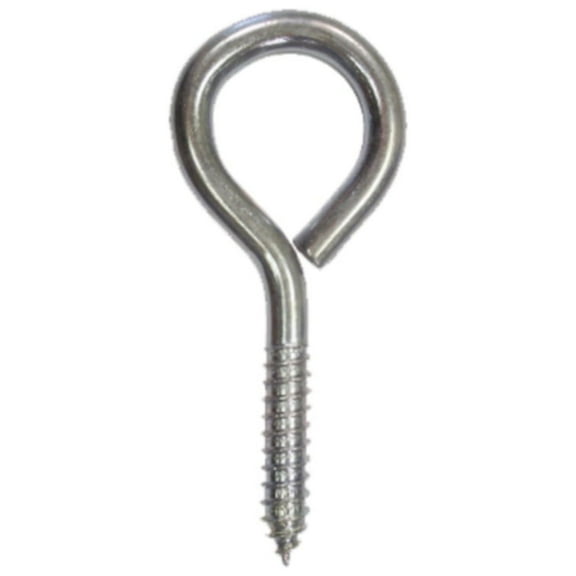
You should compare thread type before installation, because wood density affects how easily hardware goes in. You’ll usually see self-tapping, lag thread, or wood thread styles in this category.
Self-tapping options can help you start faster in some materials with less prep. Lag thread styles give you a deeper bite, while wood thread designs suit many common household builds.
You should measure and pre-drill a pilot hole when your wood feels dense or your screw eye is thicker. You can make installation smoother and help keep the wood from splitting.
When you choose a pilot hole, you should check the shank size rather than the outer thread width. You’ll usually want a hole that supports the core while letting the threads grip.
Checking load capacity and heavy duty screw eyes
You should treat load capacity as a key decision point, especially for utility, garage, or patio projects. You’ll want to review the safe working load so your hardware matches the job.
Heavy duty screw eyes can suit larger hanging items, rope guides, and tie-down points in wood structures. You should still compare the listed load rating, because eye size alone doesn’t tell the full story.
If your project carries light weight, you can often use smaller hardware with a slimmer profile. If your project carries more weight, you should step up in diameter, thread depth, and mounting surface strength.
Matching screw in eyelet options to real uses
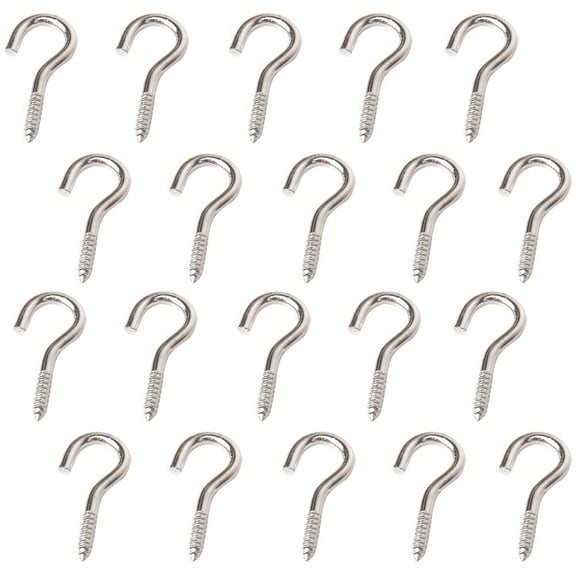
You can use a screw in eyelet for picture wire routing, plant hangers, porch décor, or workshop organization. You’ll also find these pieces helpful for guiding cords, fastening lines, or adding anchor points.
For outdoor seating areas, you may want stainless steel hardware with a heavy duty rating. You can pair that choice with a larger eye opening when you’re using thicker rope.
For craft tables and seasonal décor, you may want mini screw eyes or screw eyes small enough for delicate materials. You should keep the eye opening proportional so your finished project looks neat.
In sheds, garages, and utility rooms, you can use screw in eyes to organize cords, tools, and hanging accessories. You’ll get a more reliable result when you match the thread style to the wood type.
When you compare screw eyes across materials, sizes, and load ratings, you can build a cleaner plan before installation starts. You’ll finish with hardware that fits your project, holds securely, and looks right in place.