

Sound Level Meters for Noise Measurement


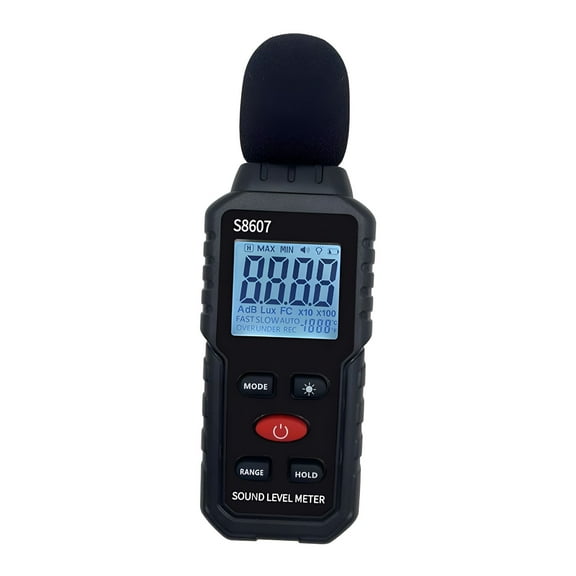
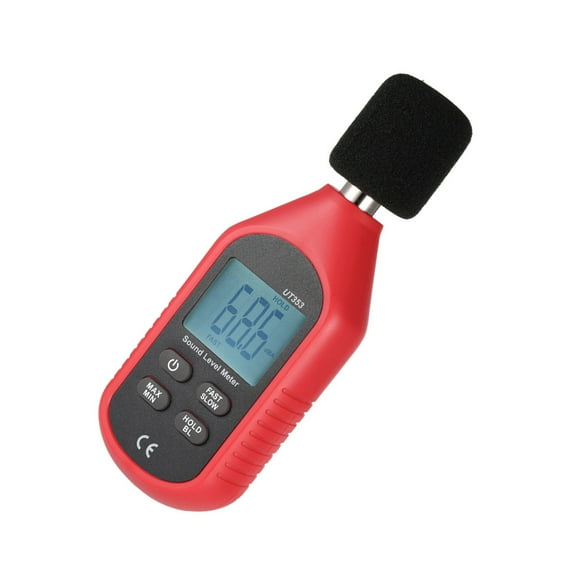
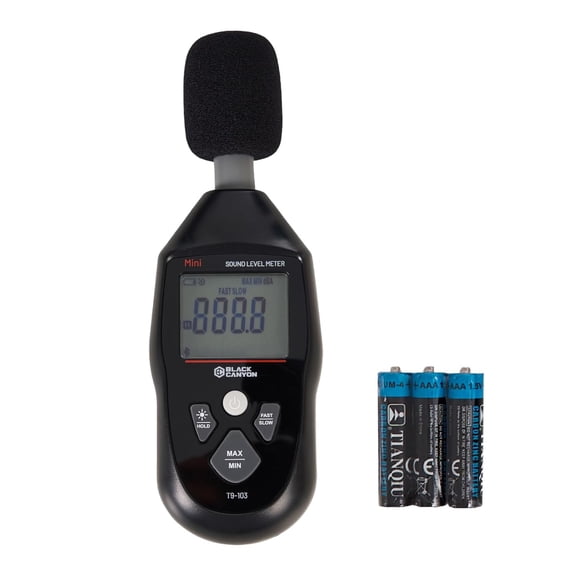
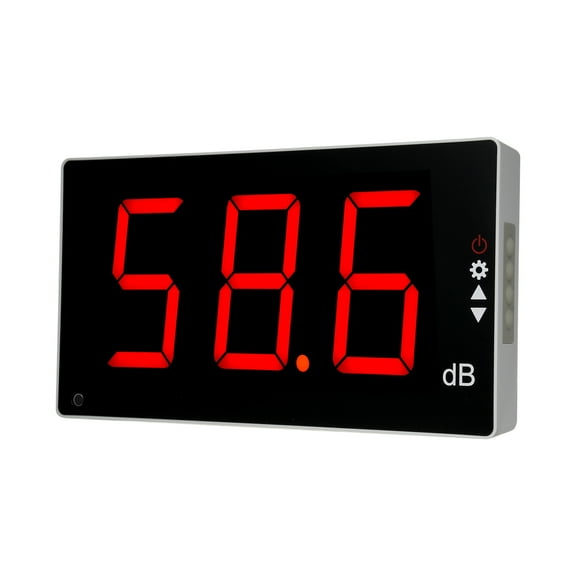




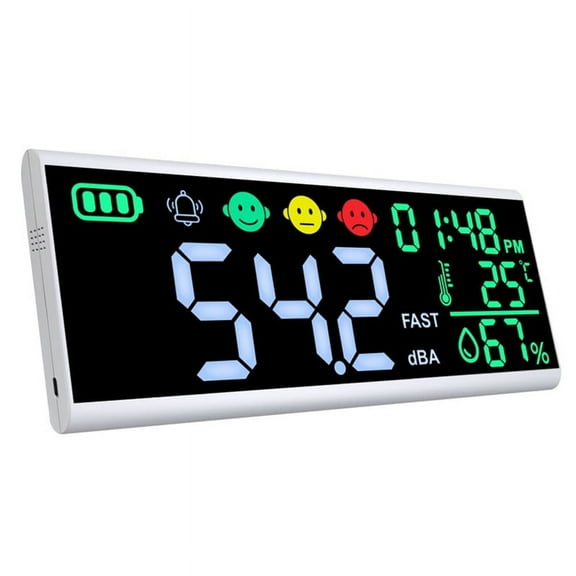
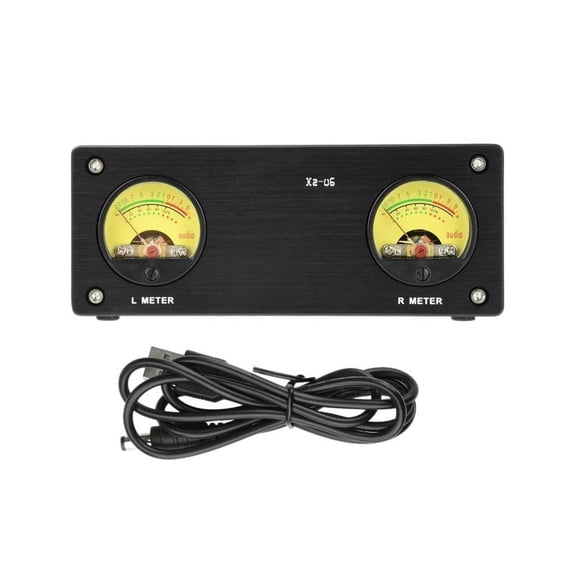
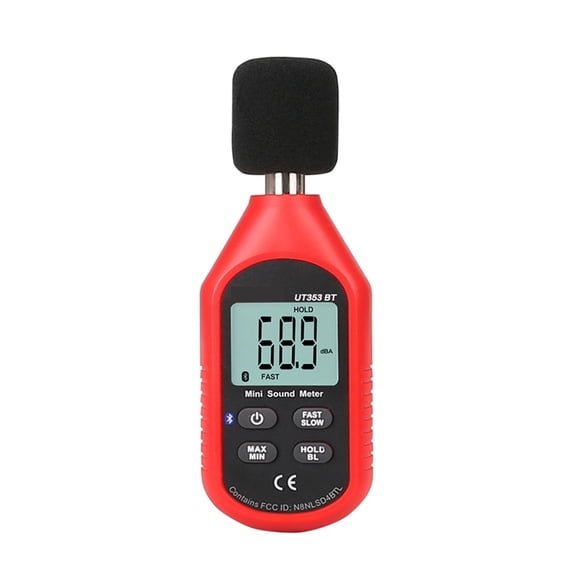
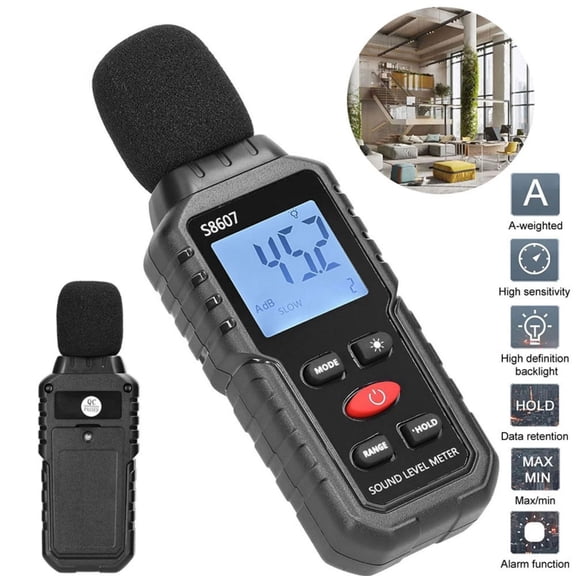

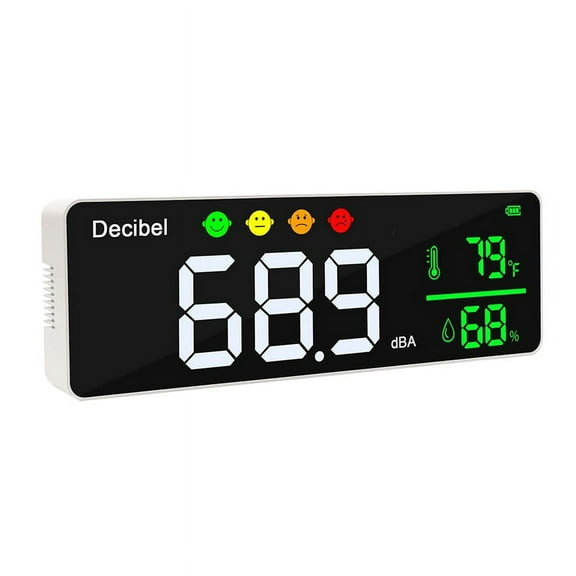
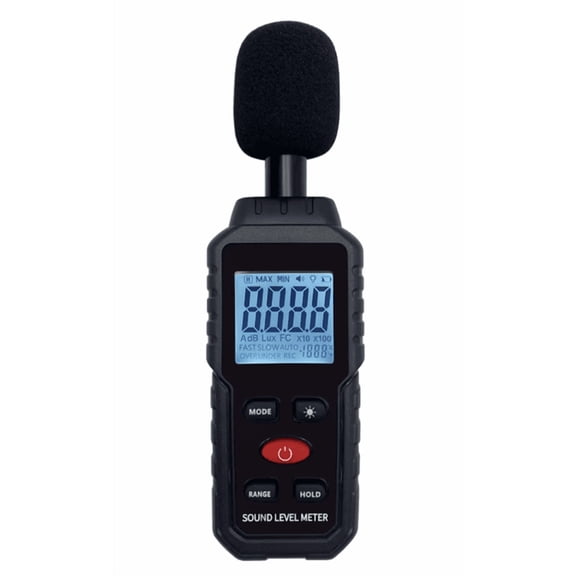
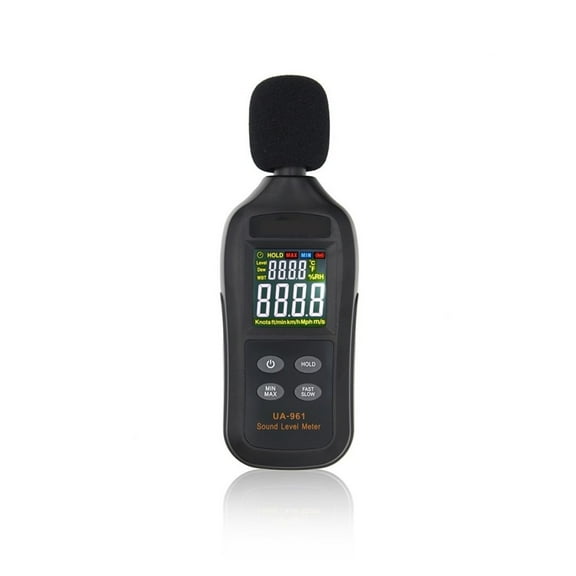
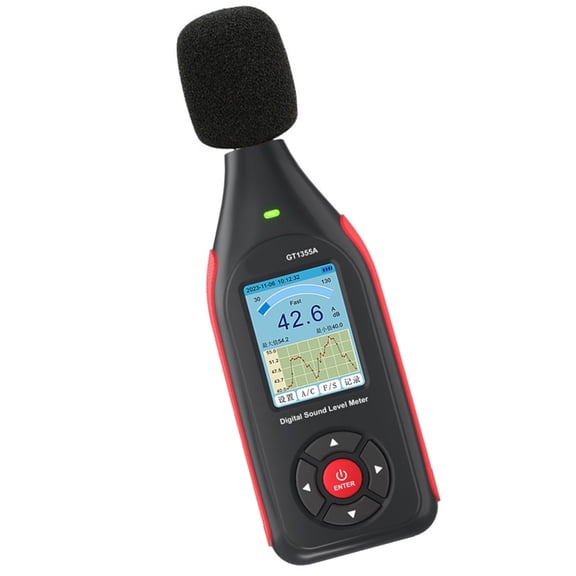

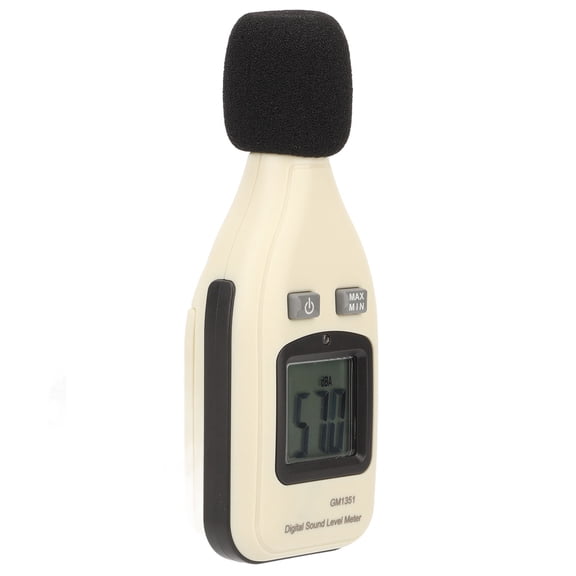


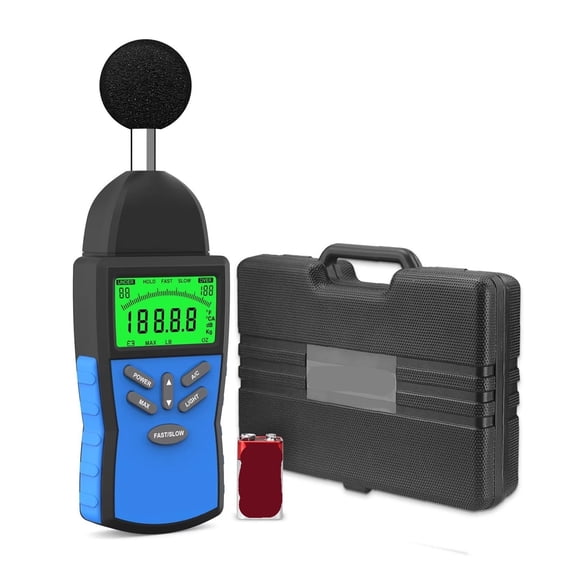
About Sound Level Meters for Noise Measurement - Walmart.com
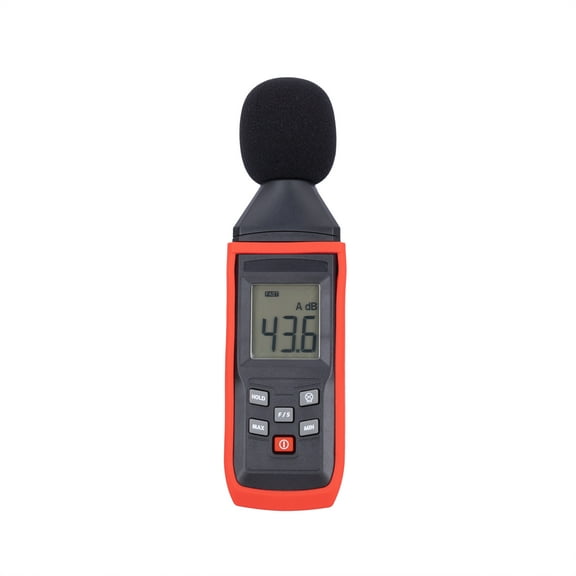
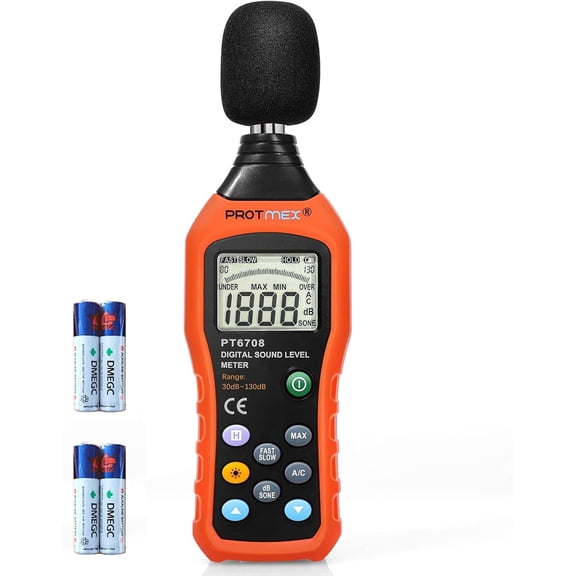
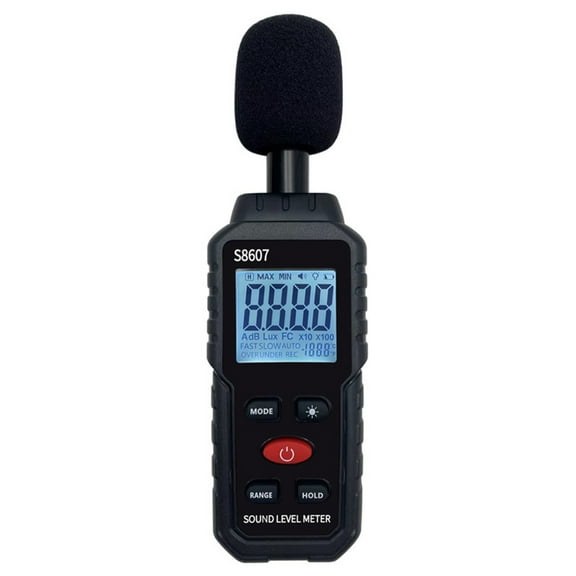
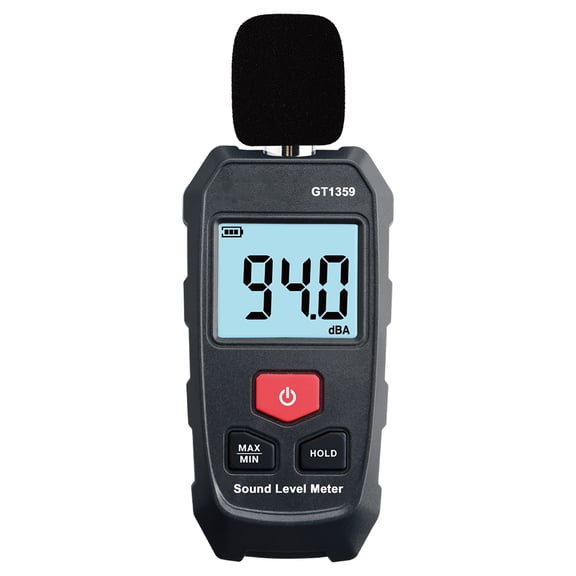
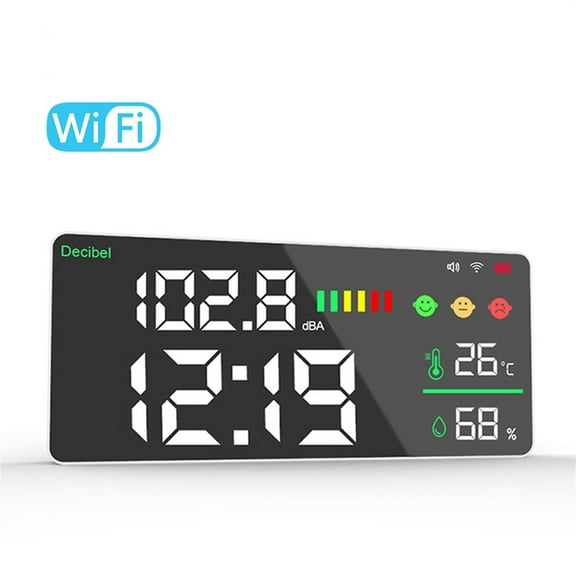
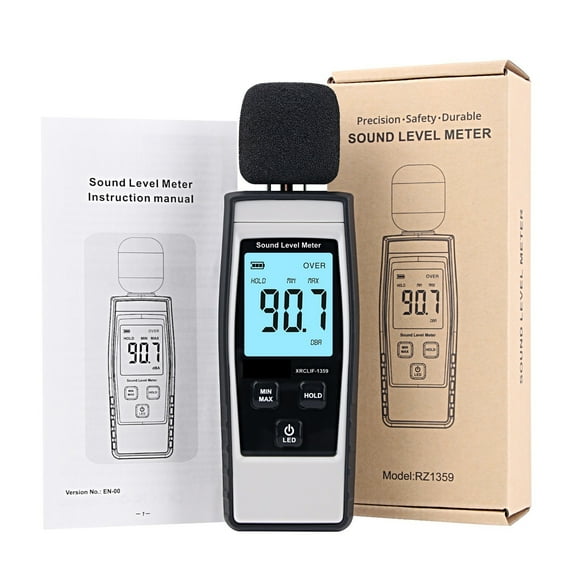
Sound level meters help you measure everyday noise with clear readings and practical controls. You can compare dB ranges, accuracy classes, and display styles to match your space and testing goals.
How to choose sound level meters
You should start with the environment you plan to measure most often. You may need a decibel meter for workshops, home theater setup, classrooms, or general building checks.
Another key decision is measurement range. You can choose ranges like 30-130 dB, 40-130 dB, or 30-80 dB based on the sounds you expect.
If you plan to check quieter rooms, your lower starting point matters. If you expect louder equipment, your upper range helps you capture stronger readings without switching tools.
Why the right meter helps you work smarter
You can make faster decisions when your readings appear clearly and consistently. You also spend less time guessing when your noise measuring device matches your setting and sound level.
- You can compare room noise for studios, offices, and shared spaces.
- You can check equipment output with a digital sound level meter during setup.
- You can monitor changing sound conditions with a noise level monitor over time.
- You can review louder and quieter areas by choosing an appropriate decibel meter range.
For home projects, you can use a sound level tester to check speaker placement, appliance output, or hobby equipment. For jobsite tasks, you can document readings with more confidence when your meter fits the required class.
You may also want simpler operation if several people will use the same tool. A clear screen, direct buttons, and readable numbers help your team capture results with less confusion.
Choosing the right accuracy class
You should compare Class 1 and Class 2 before anything else if precision matters in your workflow. You can think of Class 1 as precision-focused and Class 2 as general-purpose.
If you need tighter measurement tolerance, you may look for a precision sound level meter in Class 1. If you need routine checks, you may prefer Class 2 for everyday monitoring tasks.
This difference matters because your reporting needs may vary by setting. You can use the class choice to align your meter with formal testing, facility reviews, or regular spot checks.
What frequency weighting means for your readings
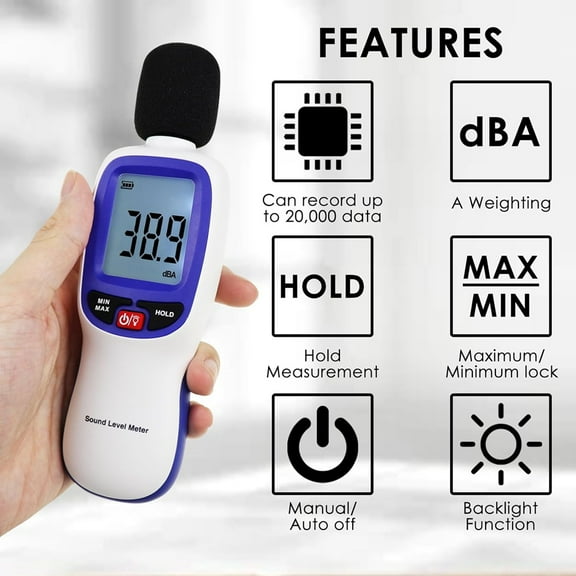
You should also check whether your db meter uses A-weighting, C-weighting, or both. You can use dBA when you want readings that align more closely with typical human hearing.
You may choose dBC when you want to capture stronger low-frequency sound. You can find this useful for bass-heavy audio, machinery rumble, and other deeper noise sources.
When you compare weighting options, you get readings that fit your actual purpose. You can avoid confusing results by matching the setting to the sound profile you expect.
What to look for in displays and data handling
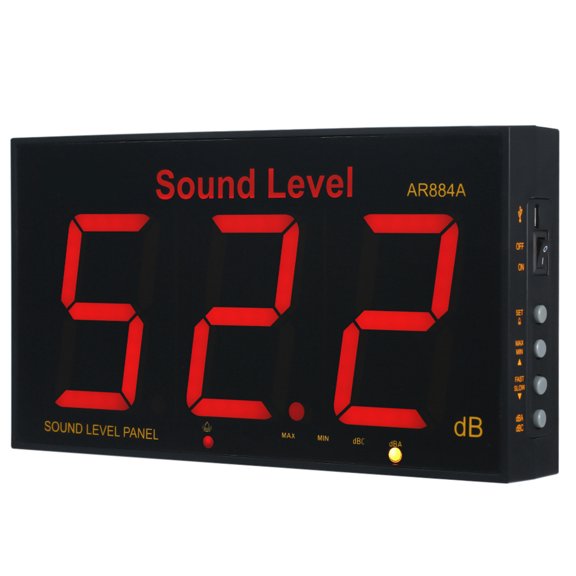
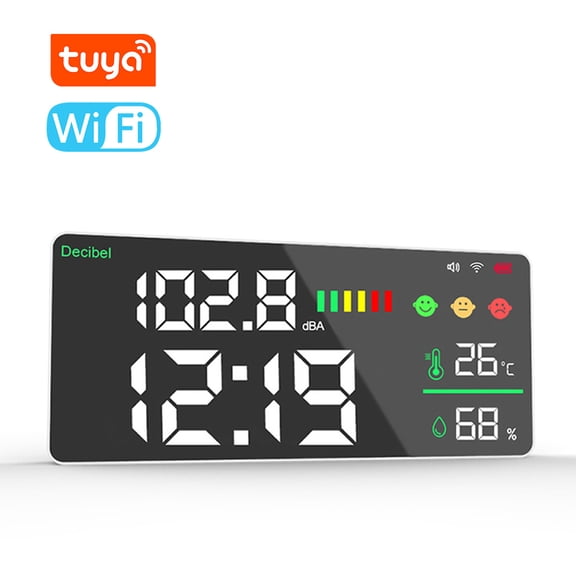
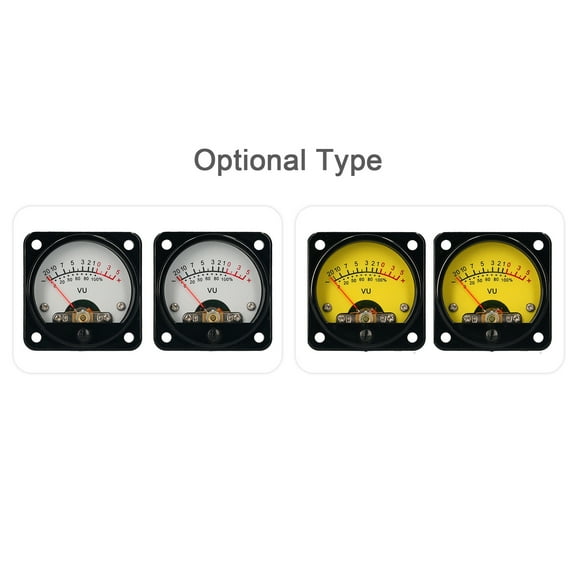
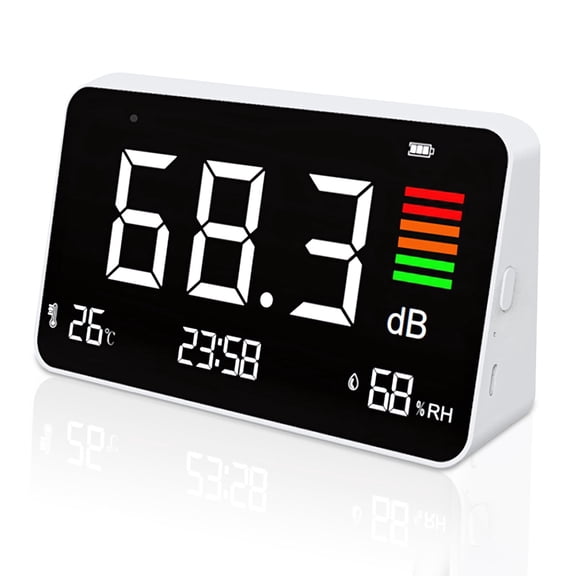
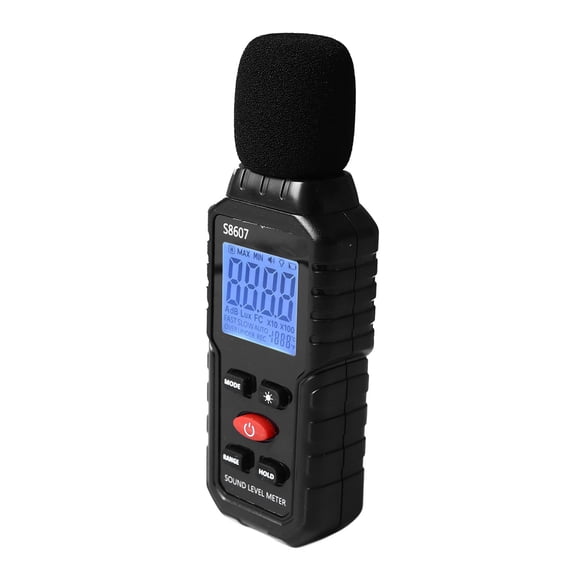
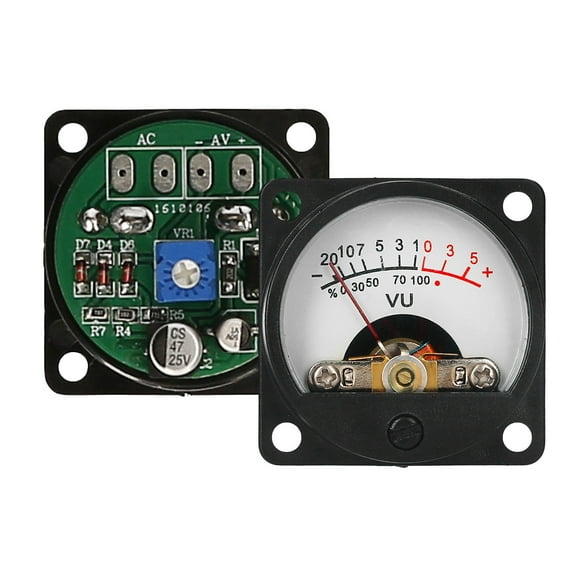
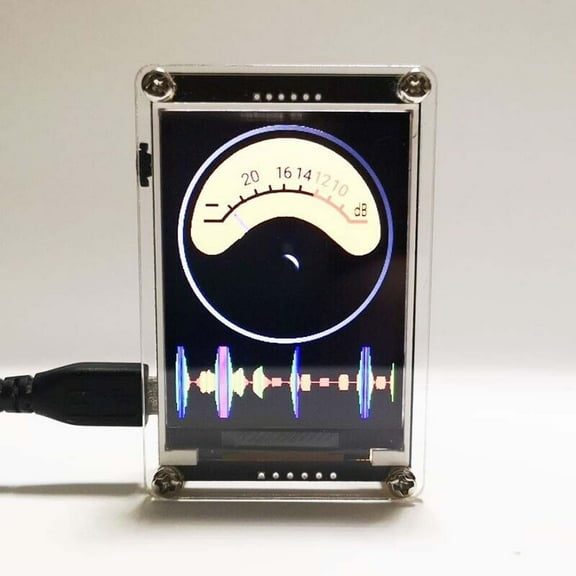
You can read results more easily when your meter has the right display type. You may prefer a digital LCD, a backlit display, or an analog needle based on your workspace.
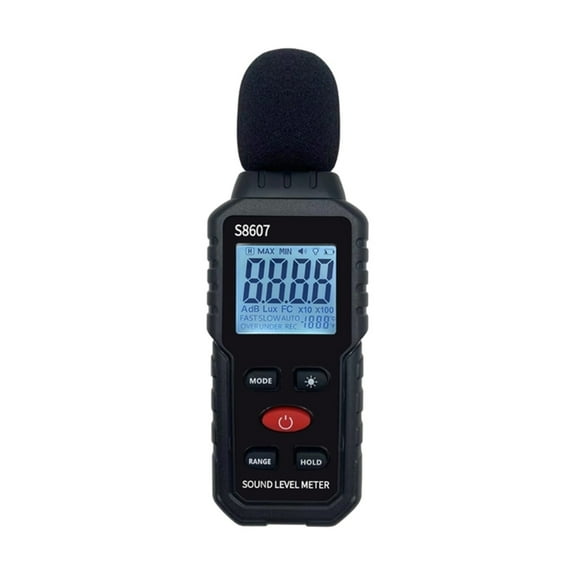
If you work in dim areas, your backlit screen can improve readability. If you want quick number checks, your digital sound level meter can make changing values easier to follow.
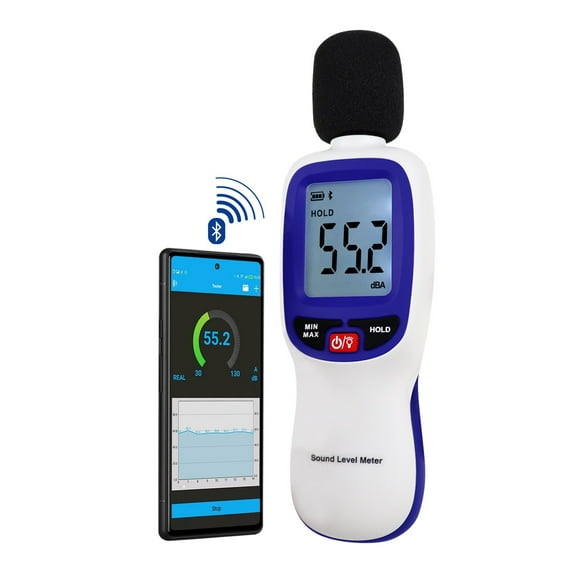
You may also want memory storage or USB export for recordkeeping. You can use those features to track trends, move readings to a computer, or organize repeat measurements.
Other practical details can shape your experience during longer sessions. You can look for tripod compatibility, straightforward controls, and battery life that fits your routine.
How sound level meters fit real use cases
You can use sound level meters for home theater calibration when speaker balance and room response matter. You can also use them for workshop checks, venue setup, and environmental testing tasks.
For quieter indoor spaces, you may prefer a lower starting range like 30 dB. For mixed environments, you may compare a 30-130 dB or 40-130 dB model for wider coverage.
If you support facilities or technical inspections, you may compare Class 1 and Class 2 with extra care. You can pair that choice with dBA or dBC settings based on the sounds you record.
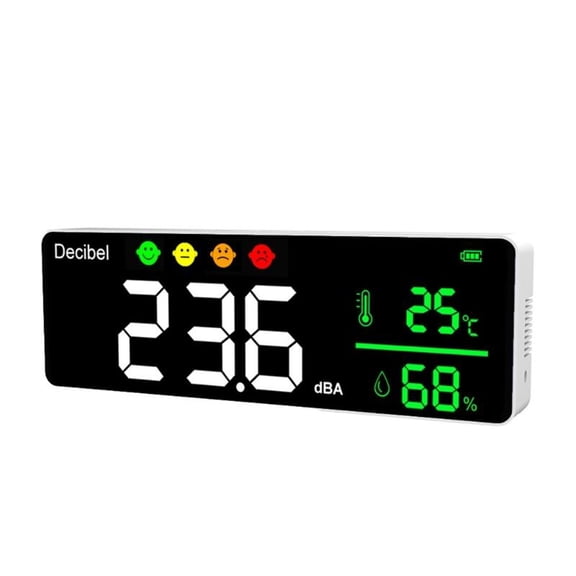
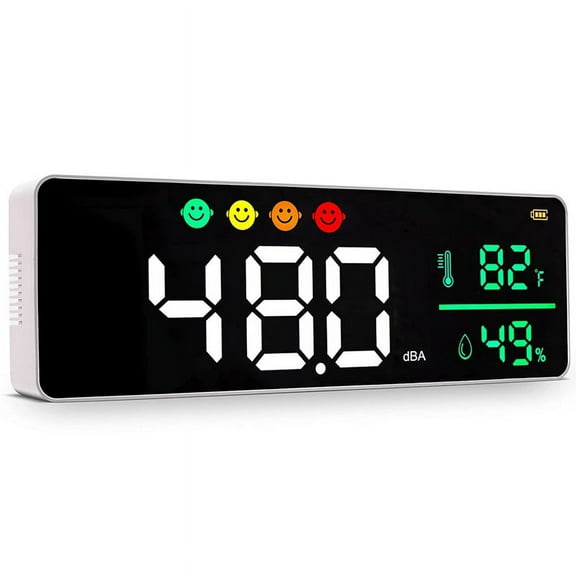
In classrooms, offices, or shared buildings, you may want a noise level monitor with easy-to-read digits. In music rooms or equipment areas, you may want weighting flexibility and stored readings.
You can also build a more complete testing setup with related tools. You may compare options alongside multimeters, oscilloscopes, and environmental testers when your work covers several measurements.
When you choose the right range, class, and weighting, your readings become easier to interpret. You can move from rough estimates to consistent numbers that support your setup, review, or documentation.