

Carport Canopies in Carports





















About Carport Canopies in Carports - Walmart.com
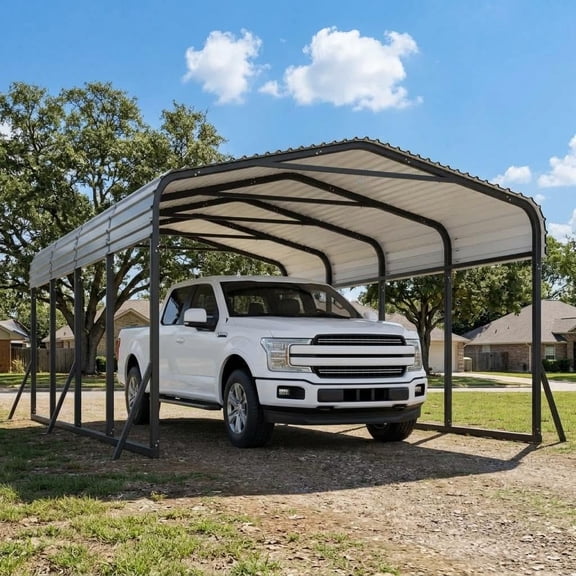
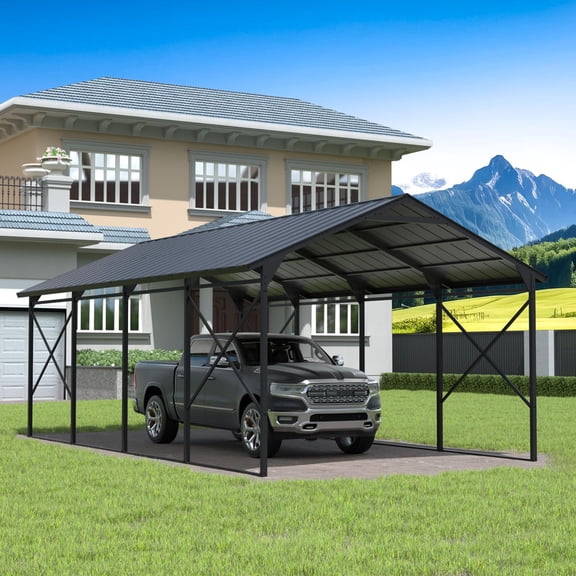
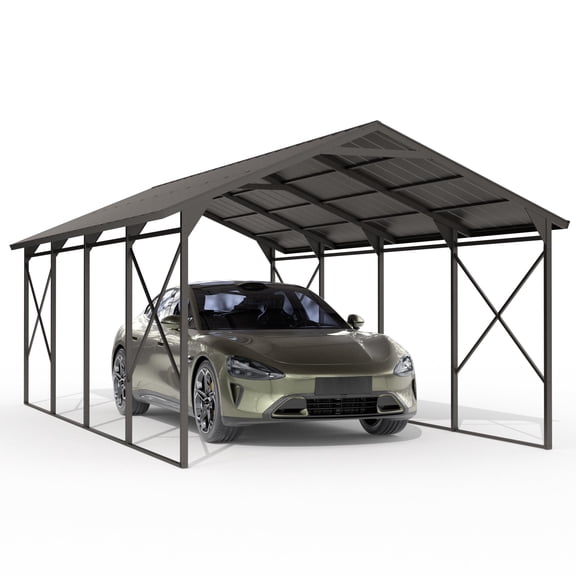
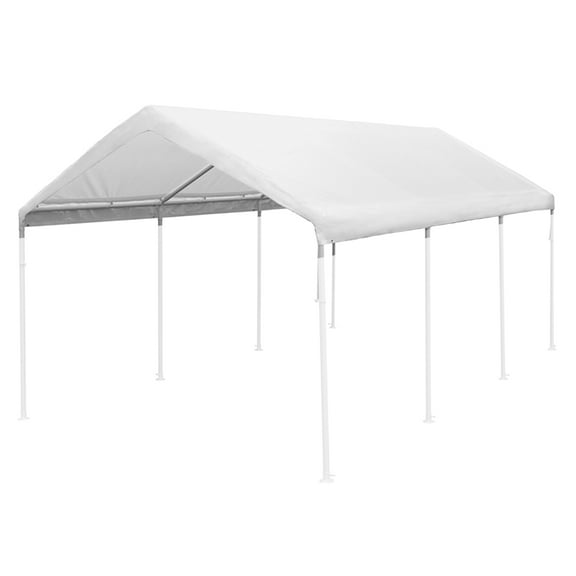
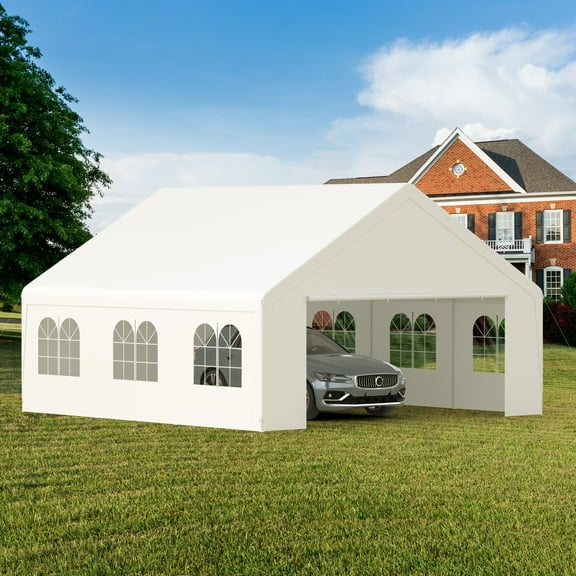
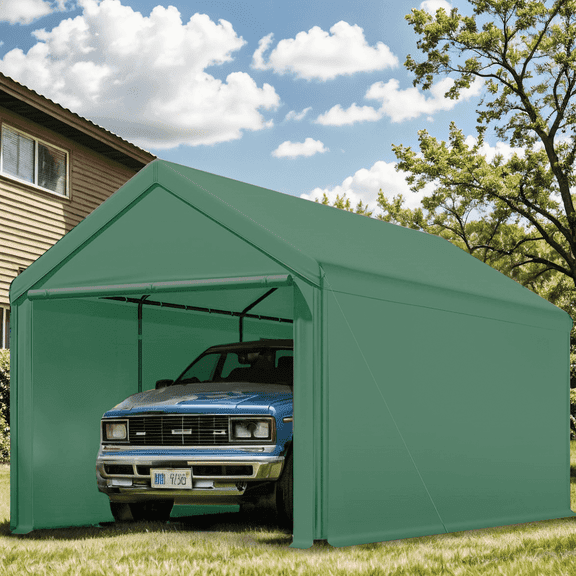
Carport canopies give you covered vehicle storage without a permanent build. You can compare frame strength, canopy material, enclosure style, and sizes like a 10x20 carport canopy.
If you need seasonal coverage for a car, truck, boat, or equipment, you’ll want practical guidance before you choose. You can use this guide to compare a carport shelter by material, setup style, and replacement options.
How to choose carport canopies for your space
You should start by measuring your vehicle length, door clearance, and driveway or pad width. You can get a smoother fit when your canopy leaves room for mirrors, walk-around access, and stored gear.
When you compare common footprints, you’ll often see 10x15, 10x20, and 12x20 sizes. You may prefer a 10x20 carport canopy when you need coverage for longer vehicles, small trailers, or lawn equipment.
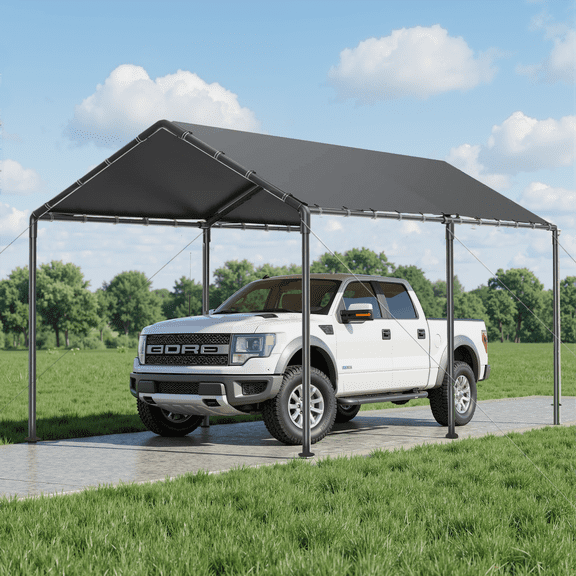
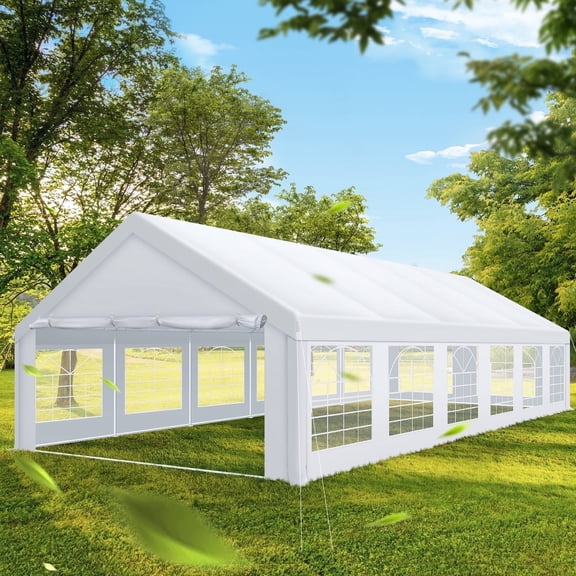
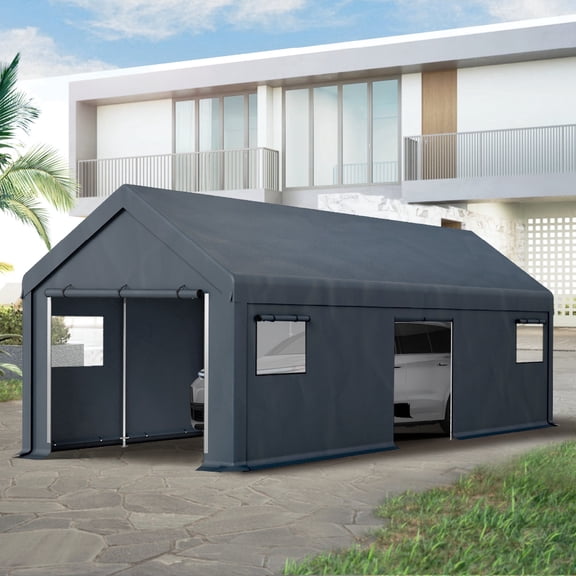
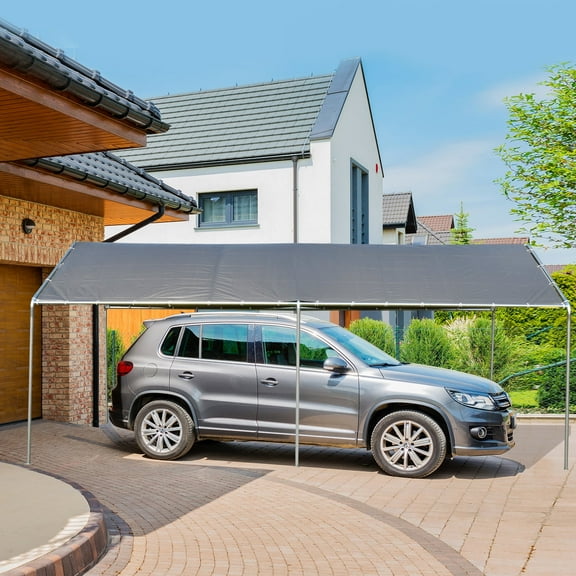
You should also check whether you want open sides, a fully enclosed layout, or a canopy top only. Your choice affects airflow, side coverage, and how much access you want during daily parking.
Choosing a heavy duty carport by frame material
You’ll want to compare the frame first because it shapes long-term stability. You can often choose powder-coated steel, galvanized steel, or aluminum for your metal carport frame.
Powder-coated steel can suit you when you want a strong frame with a finished surface. Galvanized steel can appeal to you when you want added durability for outdoor exposure.
Aluminum may work for you when you want a lighter structure that feels easier to move and position. You should compare steel gauge too, because thicker metal usually feels sturdier in demanding conditions.
If wind and winter weather matter to you, check the listed wind rating and snow-load guidance. You can make a more informed choice when you match those numbers to your location and placement.
- You can look for powder-coated or galvanized frames when you want dependable outdoor structure.
- You should compare steel gauge if you want a clearer sense of frame thickness.
- You can check wind rating details when you’re choosing a heavy duty carport for exposed spaces.
- You may prefer slip-fit frames for simpler assembly or bolt-together frames for a fixed setup.
What to look for in canopy materials and covers
You’ll also want to compare the roof and side panel material before you decide. You can find polyethylene, polyester, vinyl, and metal options across this category.
Polyethylene can suit you when you want a common canopy cover material for general outdoor use. Polyester may appeal to you when you want a fabric option with a clean, flexible feel.
Vinyl can be worth comparing when you want a thicker cover style for a heavy duty carport setup. Metal roof styles may fit you when you want a more fixed overhead surface.
You should check fabric weight details like denier count or GSM when specs list them. This helps you understand that higher numbers often mean a thicker cover with a more substantial feel.
If sun exposure is part of your plan, check whether UV resistance details appear in the specs. You can use those details to compare a summer setup or a winter carport canopy.
Replacement carport canopy options and fit details
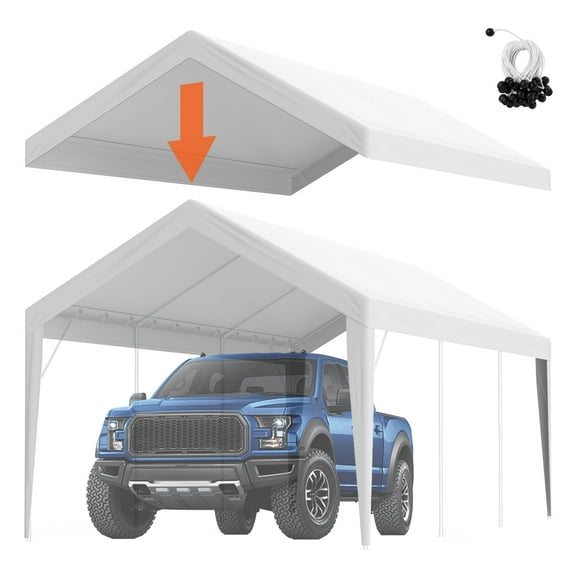
You may not need a full new frame if your cover needs an update. A replacement carport canopy can help you refresh overhead coverage while keeping your existing structure in service.
You should match the replacement size to your frame dimensions before you order. You’ll also want to compare roof shape, attachment style, and panel layout for a closer fit.
If your current setup uses canopy top only coverage, you can focus on roof panel compatibility. If your structure uses sidewalls or doors, you should check each panel type separately.
You can also compare replacement choices by material weight and enclosure style. That makes it easier for you to keep your carport shelter aligned with your current use.
Choosing anchoring and assembly for your surface
You can achieve more stability when you match your anchors to the surface below. You can use different anchor styles for dirt, gravel, asphalt, or concrete, depending on the setup area.
If you’re placing your canopy on soil or gravel, you should check for auger-style or ground anchors. If you’re using a slab, you’ll want concrete-friendly hardware that matches the frame base.
Assembly style matters when you want less guesswork on setup day. You may find slip-fit frames easier to organize, while bolt-together designs can give you a structured build process.
You should also think about how often you’ll move the shelter during the year. A lighter frame may suit you for occasional repositioning, while a heavier design may suit you for a more fixed spot.
Matching enclosure types to your parking needs
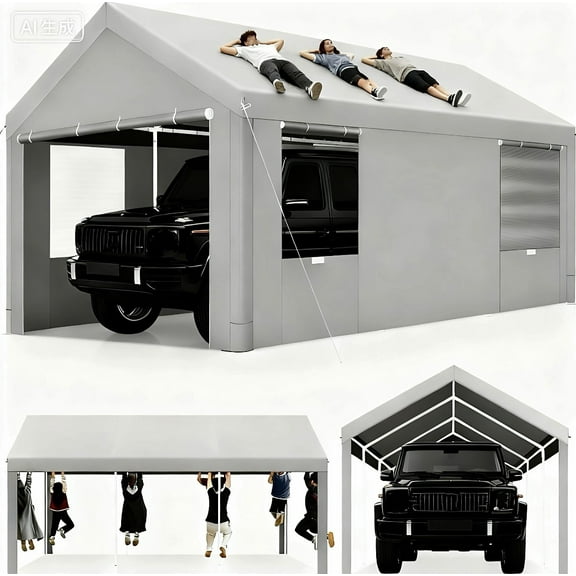
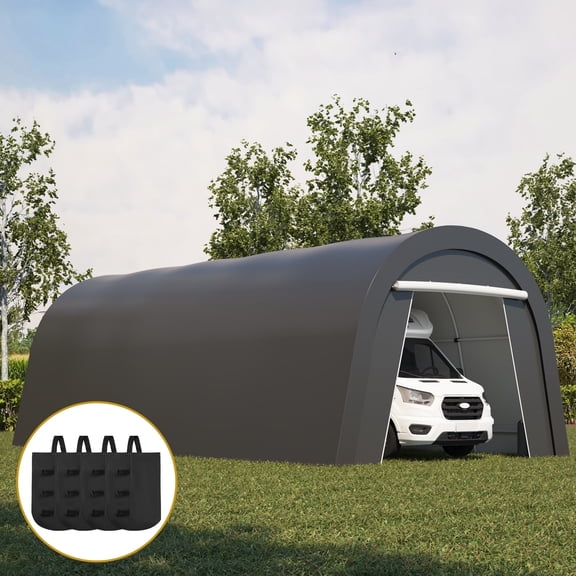
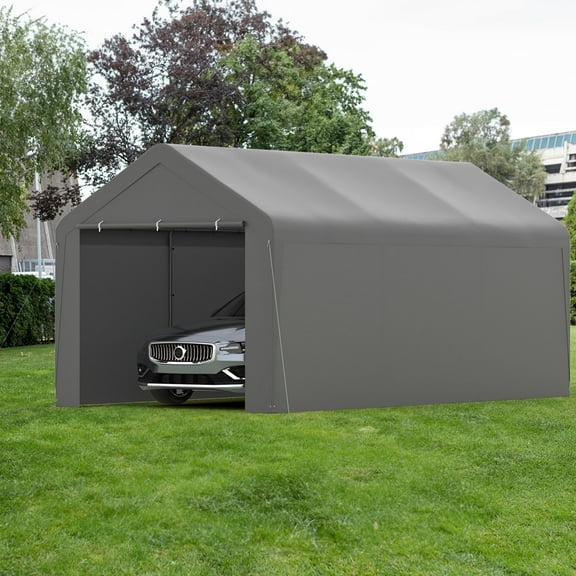
You can narrow your options faster when you choose your enclosure type early. Open sides may suit you for easier entry, while fully enclosed styles give you extensive all-around coverage.
If you need quick daily parking, you may prefer a simple canopy roof with open access. If you store tools, motorcycles, or seasonal equipment, you may want enclosed panels and a zippered door.
You can also use these shelters beyond vehicle coverage. A carport shelter can work for outdoor equipment, mower storage, small boat coverage, or overflow space during projects.
When you compare frame material, canopy weight, size, and anchors together, you’ll choose with more confidence. The right setup helps you keep your vehicle or gear covered with practical outdoor protection.