

A Frame Ladders in Ladders
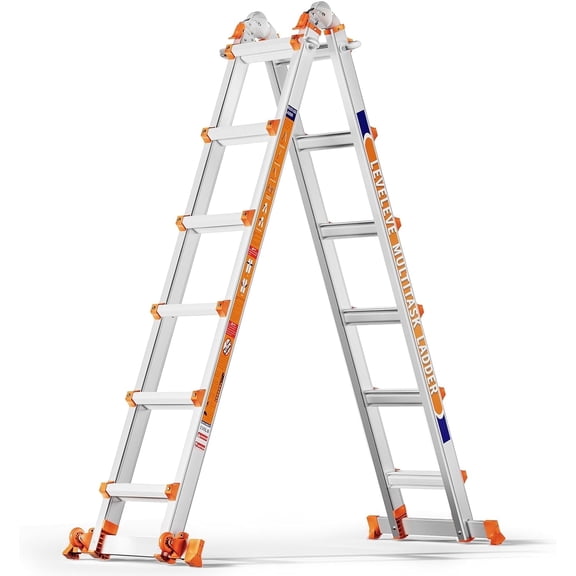
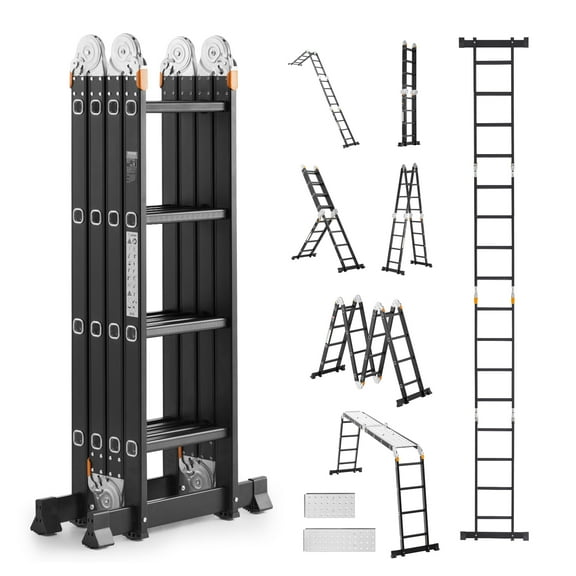
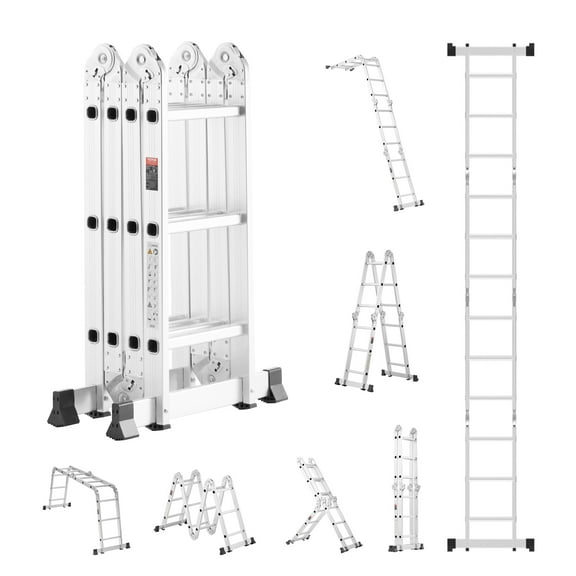

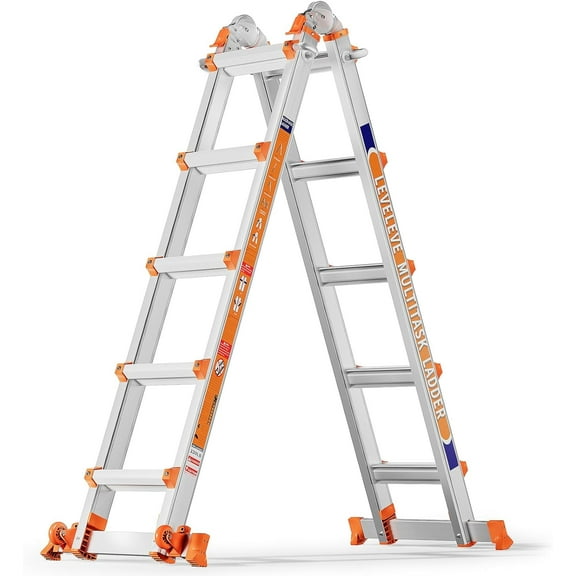








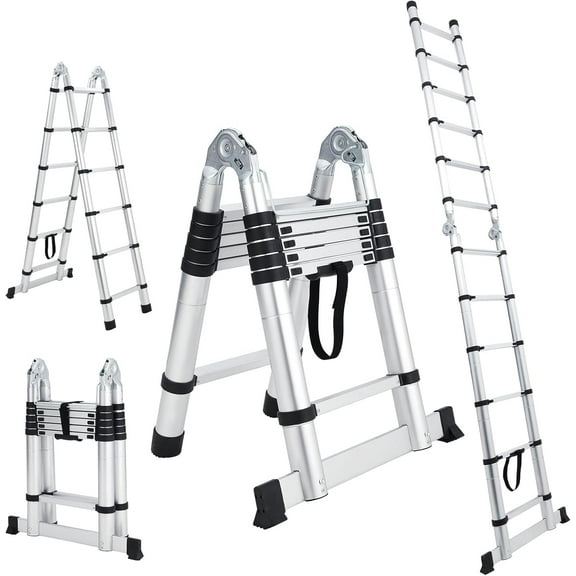
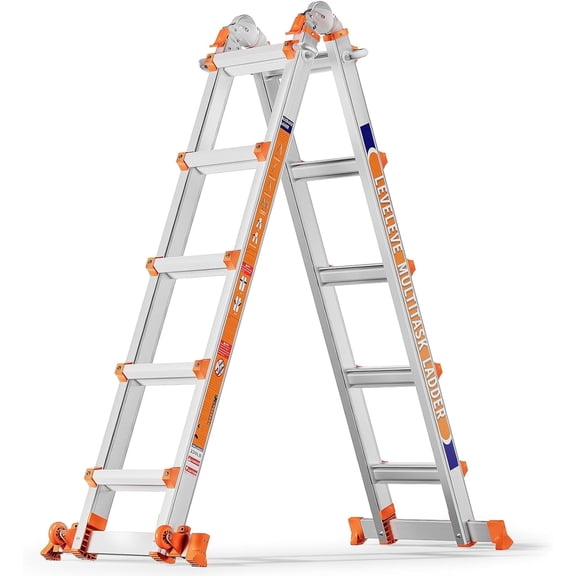
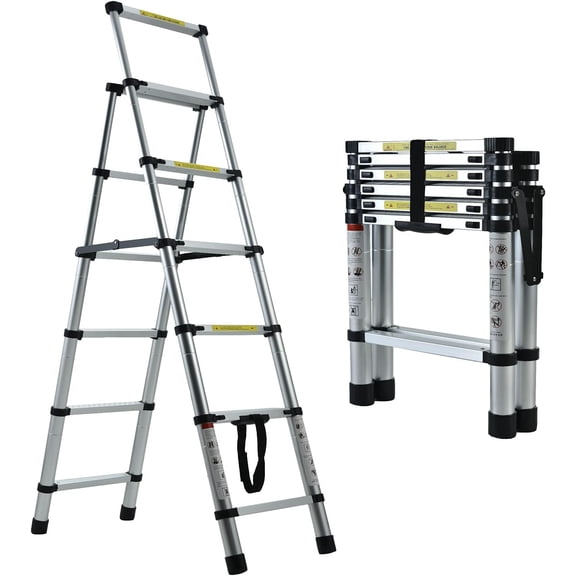

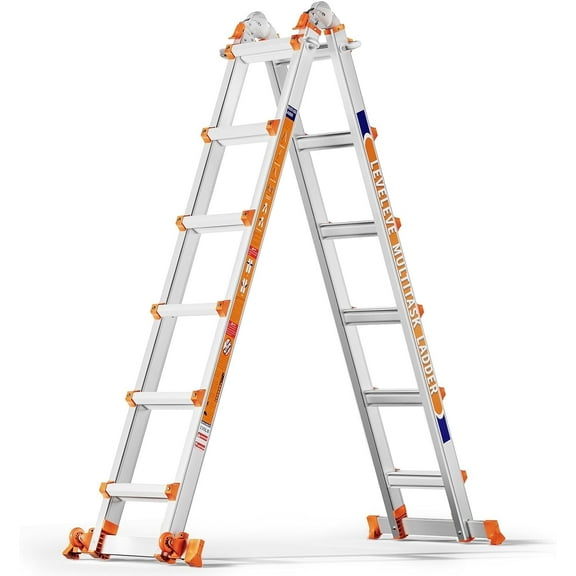







About A Frame Ladders in Ladders - Walmart.com
You can compare a frame ladders by material, height, duty rating, and design, so your next project feels more efficient from setup to storage. You’ll also find category-specific choices like fiberglass rails, double-sided steps, and folding frames that fit your workspace.
How to choose a frame ladders material
When you compare materials, you should start with where and how you work most often. You’ll usually notice that aluminum options feel lighter to carry, while fiberglass styles suit jobs around wiring.
If your tasks involve outlets, fixtures, or breaker areas, you should look closely at a fiberglass a frame ladder. You’ll get a material choice that aligns with electrical work situations and common indoor maintenance needs.
For quick painting, decorating, or routine household tasks, you may prefer an aluminum a frame ladder. You’ll often appreciate easier lifting when you move from room to room or around the yard.
Wood choices can also matter if you want a traditional feel for specific shop settings. You should still compare overall weight, spreader design, and step width before you decide.
What to look for in height and reach
You should choose ladder height based on your working reach, not just your standing height. You can use a simple guide and expect about four extra feet of reach above ladder height.
A four foot or six foot step ladder often suits pantry access, light bulb changes, and closet storage. You’ll usually want an eight foot or 10 foot option for taller walls and entryway projects.
If you’re painting foyers or reaching higher shelving, you may consider a 12 foot model. You should always match the ladder to your task, so you’re not stretching for tools or supplies.
- You can use four foot and six foot sizes for everyday indoor tasks.
- You may choose eight foot and 10 foot sizes for taller ceilings and wall work.
- You should consider 12 foot options when your project calls for added reach.
- You can compare platform height and stored size before you pick a spot to keep it.
Choosing duty rating and heavy duty support
You should check duty rating before you compare color, brand, or extra features. You’ll see ratings like Type I, Type IA, and Type IAA, which indicate supported load levels.
If you carry a drill, paint tray, or hardware pouch, you may need more support than your body weight alone. You should include your tools and materials when you compare a heavy duty a frame ladder.
A Type I rating supports 250 lbs, which can fit many common household projects. A Type IA rating supports 300 lbs, and a Type IAA rating supports 375 lbs.
You’ll want the right rating when your jobs involve repeated climbing, heavier tool loads, or commercial spaces. You can narrow your options faster when you treat capacity as a core buying decision.
Comparing folding, adjustable, and double-sided designs
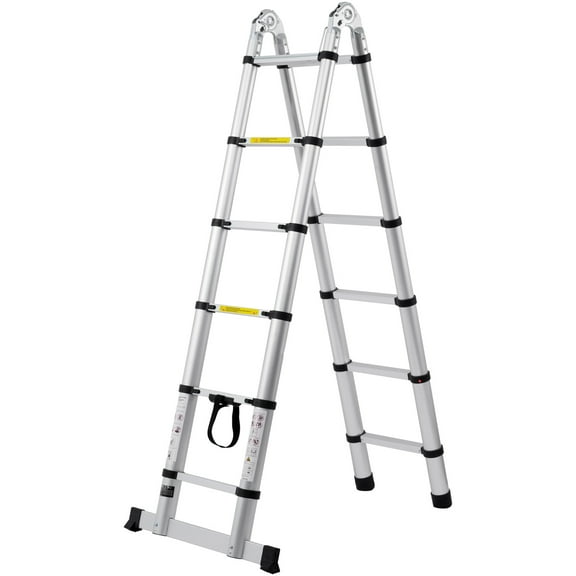
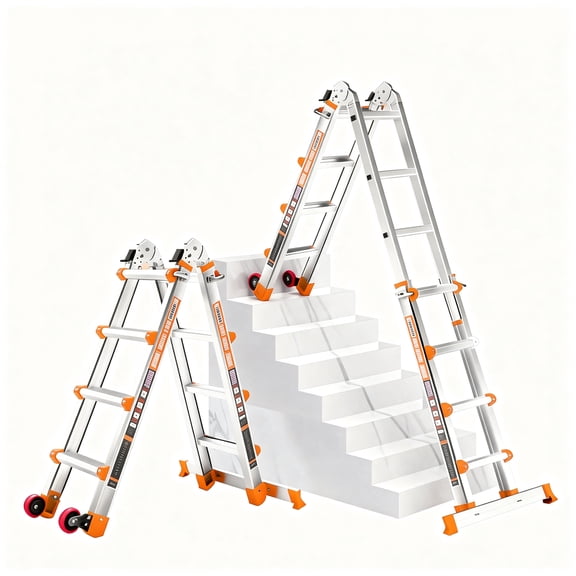
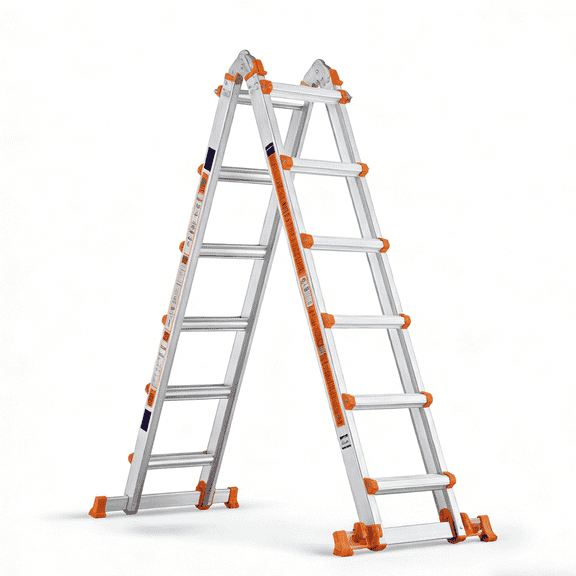
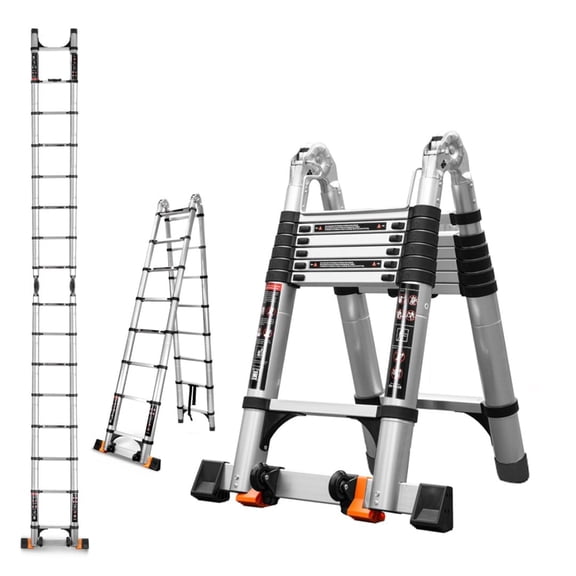
You should also compare how the ladder opens, stores, and supports your movement. You’ll notice design differences quickly when your garage, shed, or utility closet has limited space.
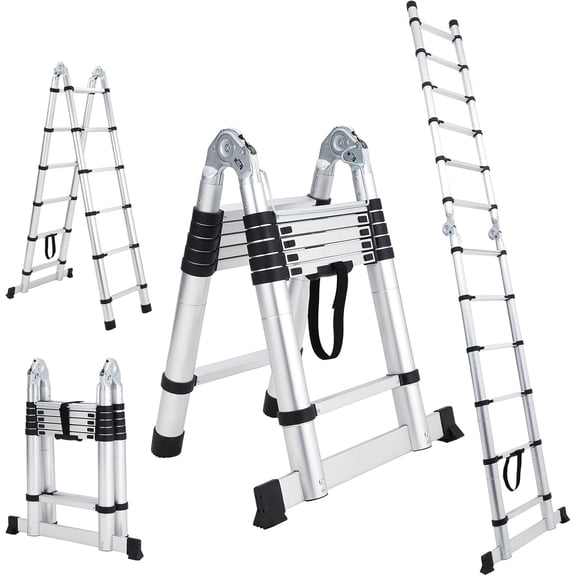
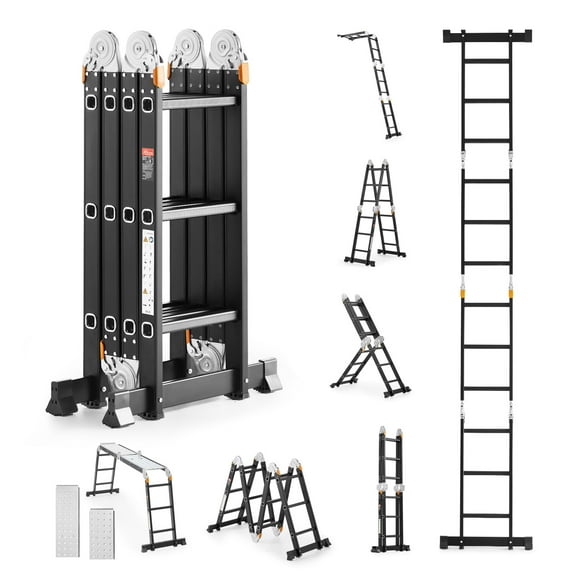
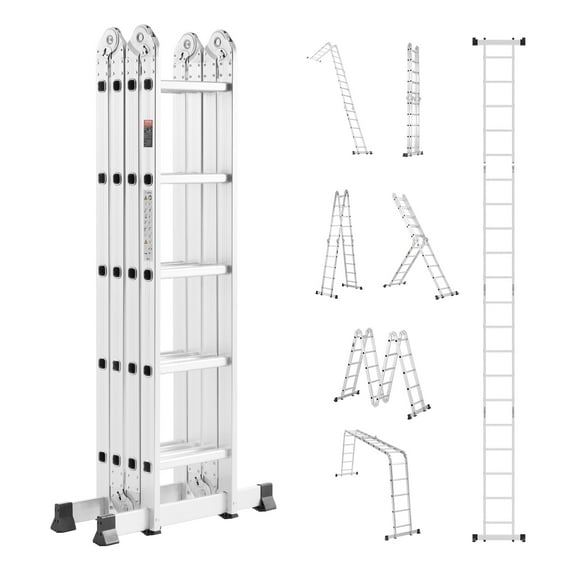
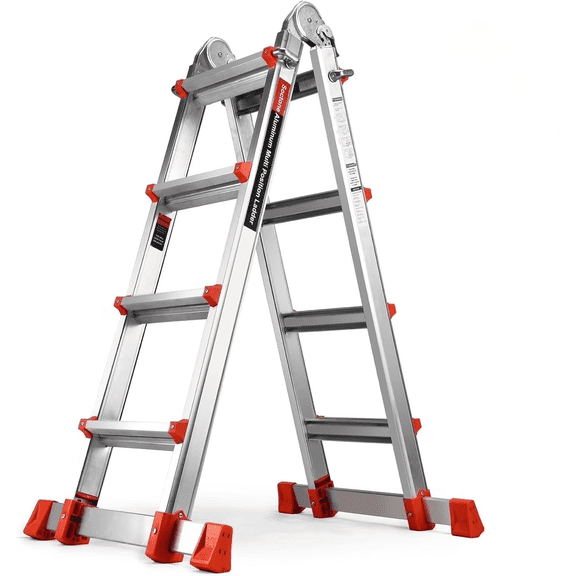
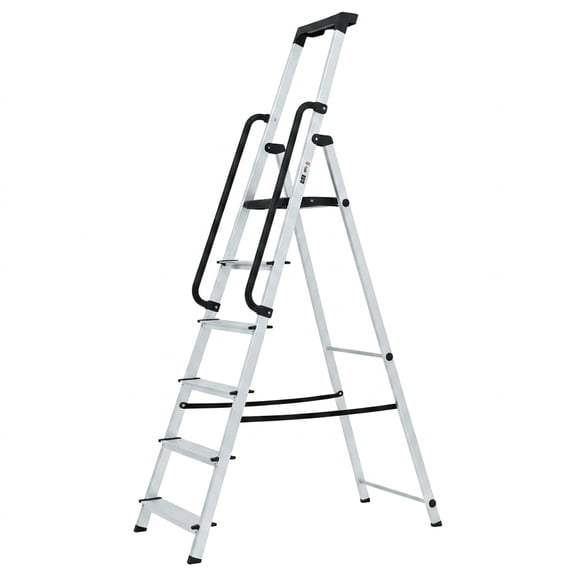
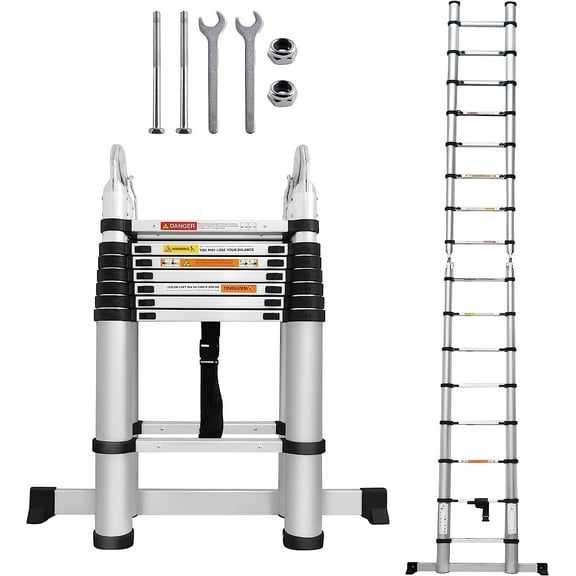
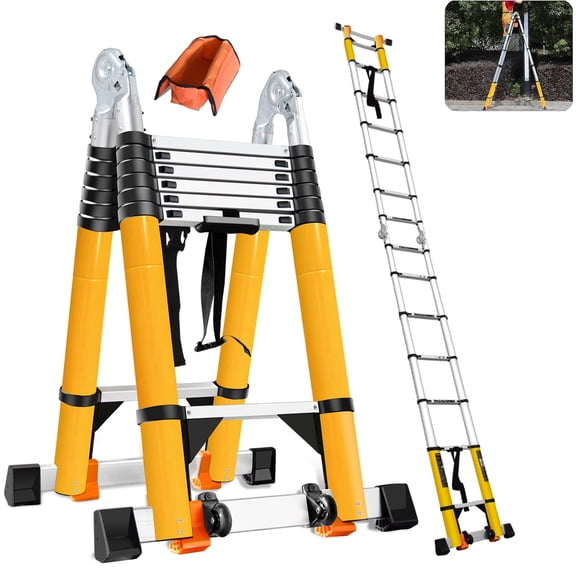
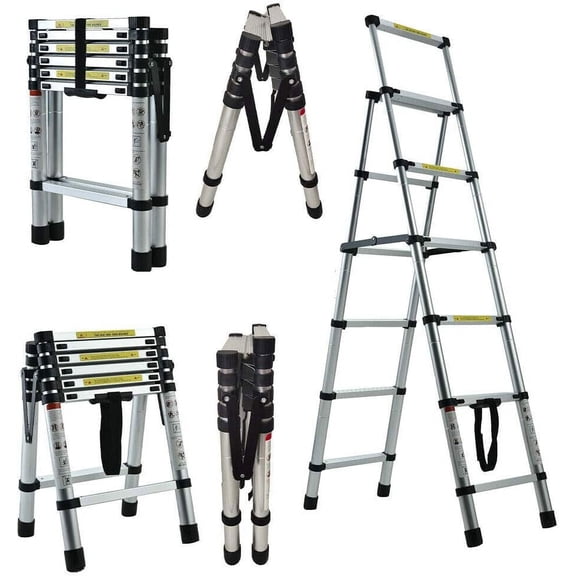
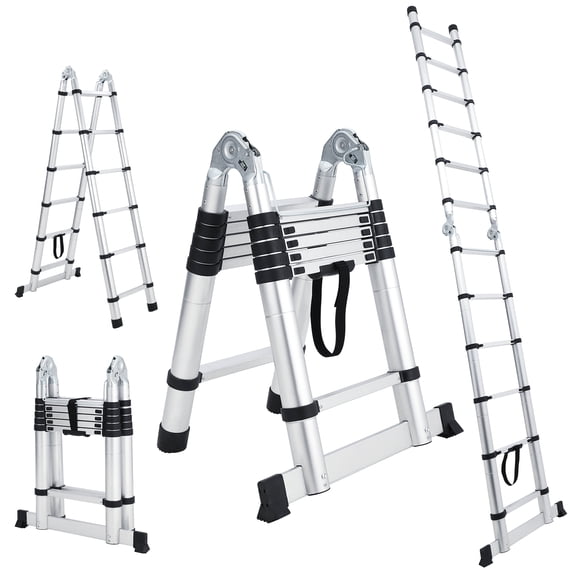
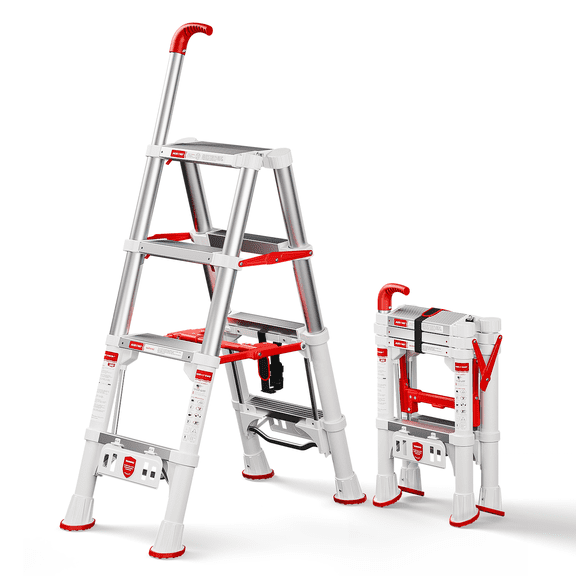
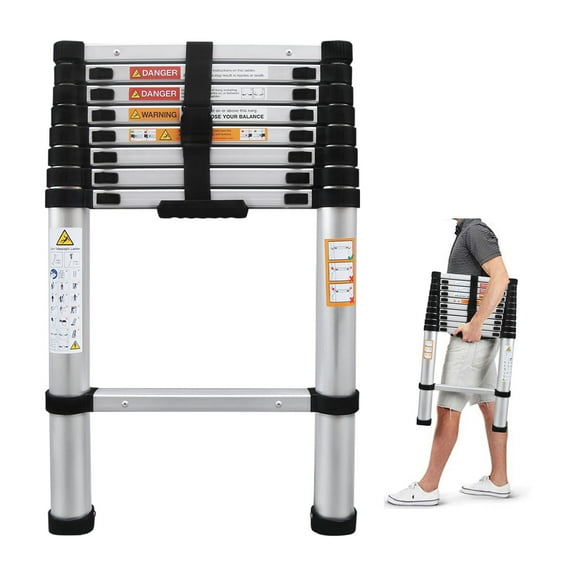
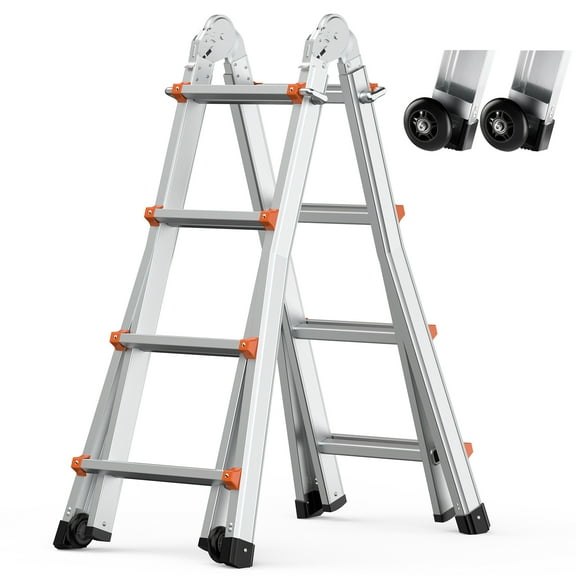
A folding a frame ladder works well when you want straightforward setup and compact storage. You can tuck many folding styles along a wall, beside shelving, or behind workbench areas.
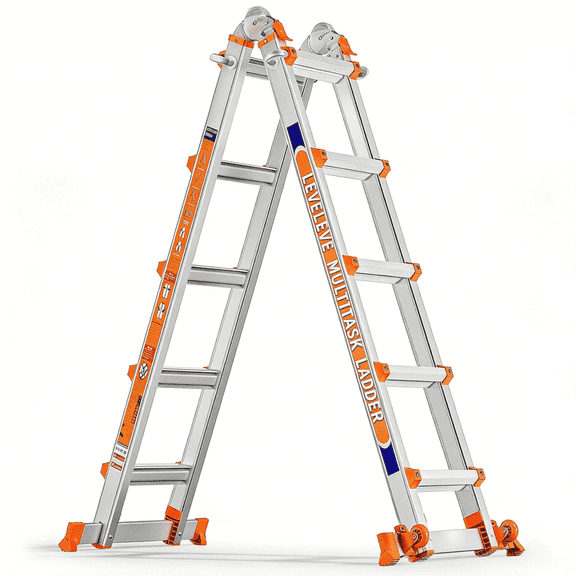
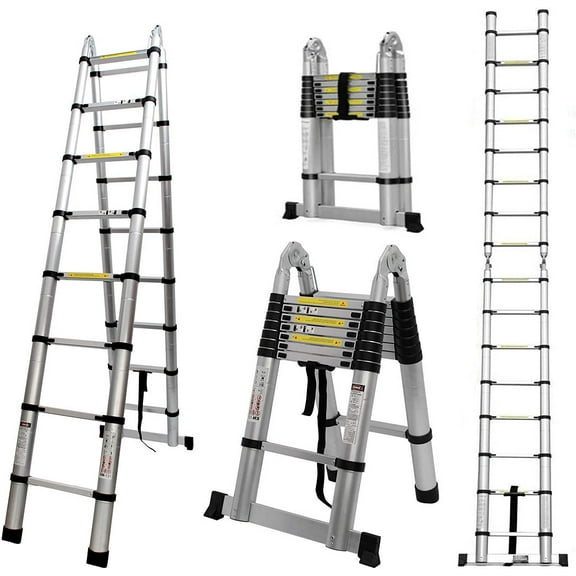
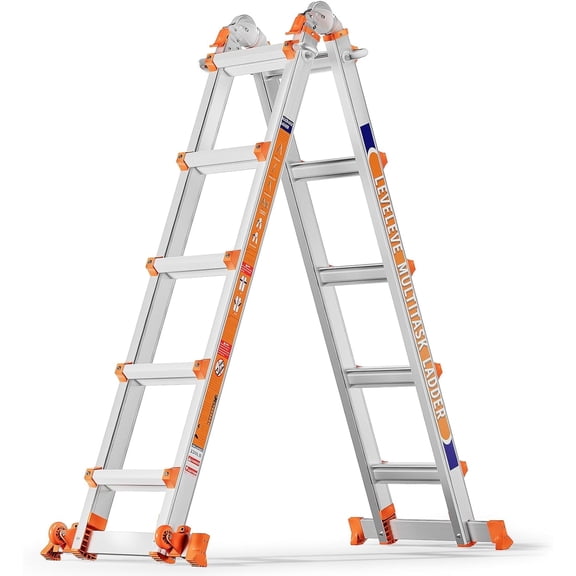
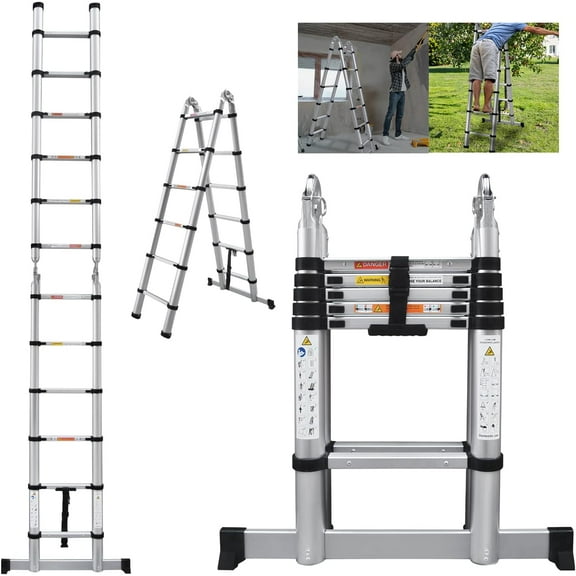
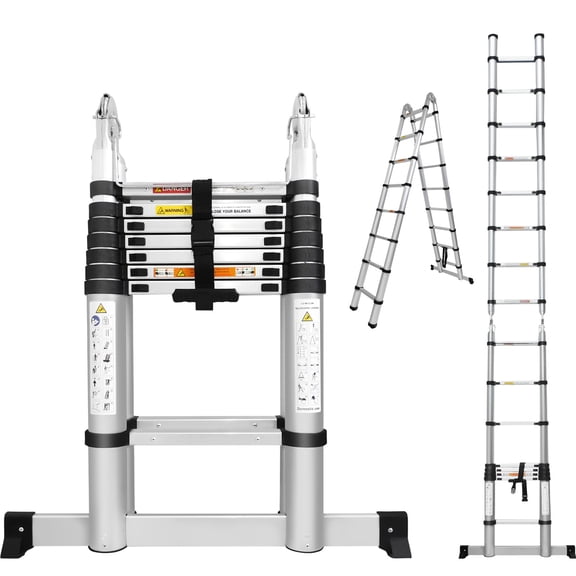
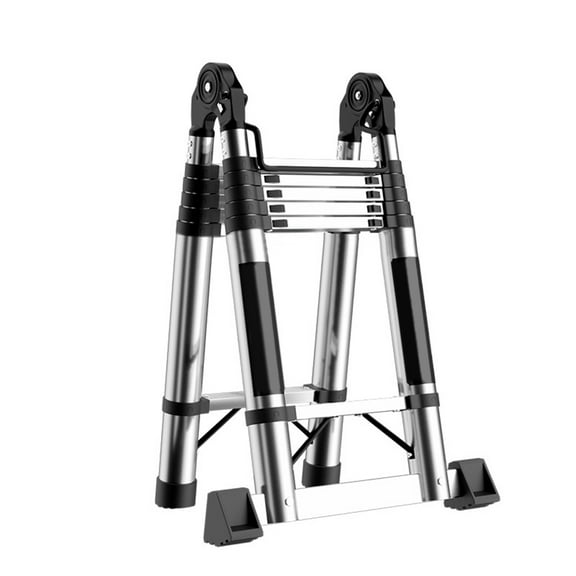
An adjustable a frame ladder can help when your tasks vary from room to room. You may prefer that flexibility when you handle mixed ceiling heights, seasonal decorating, or changing maintenance lists.
A double sided a frame ladder gives you steps on both sides for shared tasks. You’ll find that setup useful when you work with a partner on painting, trimming, or overhead installs.
How to match features to your project
You should compare step depth, top cap layout, and spreader design before you choose. You’ll often appreciate wider steps and organized tool access during longer projects around your home.
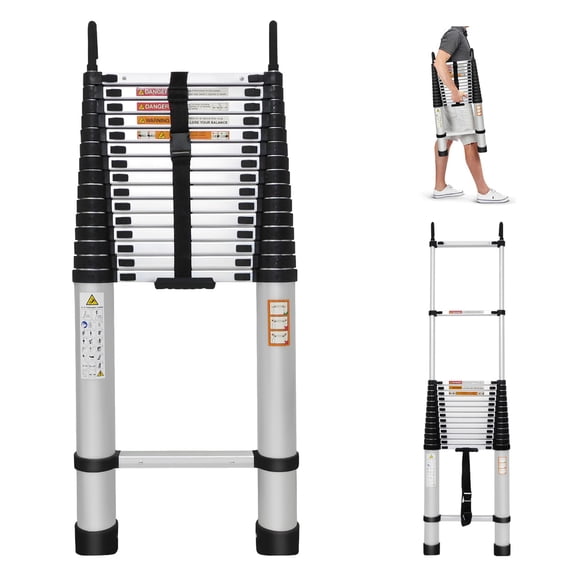
If portability matters most, you may look for lighter frames and easy-carry shapes. You can also check folded dimensions, so your ladder fits your vehicle, storage area, or workspace corner.
For repeated use, you should examine rail construction and hinge hardware with care. You’ll want a design that matches the pace, weight demands, and movement of your typical jobs.
You may also compare a standard step ladder against adjustable or double-sided options by task type. You can make a clearer choice when you match features to painting, repairs, cleaning, or installation work.
Use cases for aluminum and fiberglass a frame ladder options
You can simplify your search by matching each ladder style to a real project at home or work. You’ll often save effort when your material, height, and rating fit the job from the start.
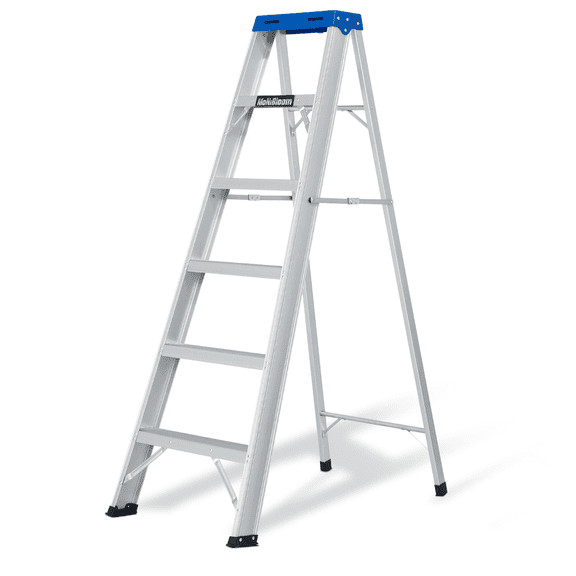
For indoor maintenance, you may choose a six foot aluminum a frame ladder with a Type I rating. You can move it easily for vents, cabinets, curtain rods, and wall touch-ups.
For utility rooms, workshops, or projects near wiring, you should consider a fiberglass a frame ladder. You’ll get a practical option for changing fixtures, reaching panels, or handling routine electrical-area tasks.
If two people need access from both sides, you may want a double-sided model. You can use that design for decorating, signage setup, or shared painting projects in open areas.
For demanding loads and taller reach, you should compare eight foot or 10 foot heavy duty choices. You’ll be better prepared for larger renovations, repeated contractor use, or stocked tool belts.
You can feel more confident when your ladder choice reflects your reach, load, and storage needs. You’ll end up with a setup that supports smoother climbs, simpler carrying, and a better fit for your projects.