

TourenRTXMOTIVDormanION AudioRough CountryOE WheelsCarbon ExpressRoad Ready WheelsGear Off RoadRacelineFactory Wheel WarehouseKrazeLibra Trailer PartsAmerican RacingREV WheelsYeulionCraftMilesubWinjetMethod Race WheelsMudder TruckerKaiJante WheelVISIONAction Crash PartsAlpenaeCustomRimVoxxPetrolFuel 1PCBlack RhinoMarketplace Auto PartsDirty LifeRidlerUltraMoto MetalMotegiGrid Off-RoadonesaimeiICON ALLOYSPro CompAsantiFuel Off RoadNiche WheelsFUELAPRXDTSWUnbrandedRocktrixVision WheelCragarBaiCHKMC WheelsXXRTaskmaster ComponentsN'ICEFOUNIQUENicheLafatiKMCPlatinumOMACRTX WheelsRotiformUS MagsAmerican TruxxAOMSAZTOCali Off-RoadAntegoDUBAzaraPart SynergyJanteUpgrade Your AutoPrimaxPerformance ReplicasBuickDGJ Wheel CapsICONXD SeriesVelospinnerKoolooJrswinMazzi4PLAYArtmeilanRecstuffCoast to Coast AccentsPGPartsGet All PartsGenericKiaWheelerShipG-FX WheelsFactory ReproductionsCarroll Shelby WheelsStradaTuskLRG RimsMSA Wheels / EFX TiresTusk RacingMSA Wheels / System 3 TiresSystem 3 Wheels / System 3 TiresNextSet WheelsMSA Wheels / ITP TiresSystem 3 Wheels / EFX TiresMSA Wheels / Maxxis TiresAllstar PerformanceITPSystem 3 Wheels / ITP TiresMSA Wheels / High Lifter TiresSystem 3 Wheels / High Lifter TiresFuel Wheels / System 3 TiresFuel Wheels / EFX TiresSystem 3 Wheels / Maxxis TiresRaceline Wheels / System 3 TiresMSA Wheels / Interco TiresRaceline Wheels / EFX TiresMSA Wheels / Super ATV TiresRaceline Wheels / ITP TiresLKQ CorporationRaceline Wheels / High Lifter TiresMSA Wheels / Sedona TiresRaceline Wheels / Maxxis TiresFuel Wheels / ITP TiresFuel Wheels / High Lifter TiresITP Wheels / EFX TiresITP Wheels / System 3 TiresKMC Wheels / System 3 TiresSystem 3 Wheels / Tensor TiresFuel Wheels / Maxxis TiresITP Wheels / Maxxis TiresSystem 3 Wheels / Obor TiresMSA Wheels / Tensor TiresSystem 3 Wheels / Interco TiresHigh LifterSystem 3 Wheels / Sedona TiresMSA Wheels / Obor TiresKMC Wheels / High Lifter TiresITP Wheels / High Lifter TiresMSA Wheels / Frontline TiresKMC Wheels / EFX TiresSystem 3 Wheels / Super ATV TiresKMC Wheels / ITP TiresMethod Wheels / ITP TiresValor Wheels / EFX TiresRaceline Wheels / Sedona TiresMethod Wheels / High Lifter TiresRaceline Wheels / Tensor TiresRaceline Wheels / Obor TiresValor Wheels / ITP TiresITP Wheels / Interco TiresValor Wheels / High Lifter TiresRaceline Wheels / Interco TiresMSA Wheels / Pro Armor TiresFuel Wheels / Tensor TiresHigh Lifter Wheels / EFX TiresDynamic PerformanceITP Wheels / Super ATV TiresFuel Wheels / Super ATV TiresFuel Wheels / Obor TiresMSA Wheels / BKT TiresKMC Wheels / Maxxis TiresSystem 3 Wheels / Frontline TiresSedonaMotoSportRaceline Wheels / Super ATV TiresValor Wheels / Maxxis TiresMethod Wheels / EFX TiresValorHigh Lifter Wheels / System 3 TiresMSA Wheels / Kenda TiresMethod Wheels / System 3 TiresValor Wheels / System 3 TiresITP Wheels / Sedona TiresXF Off-RoadFuel Wheels / Sedona TiresMSA WheelsSystem 3 Wheels / Pro Armor TiresRaceline Wheels / Frontline TiresSedona Wheels / EFX TiresMetalFX Wheels / System 3 TiresMSA Wheels / Valor TiresKMC Wheels / Obor TiresSedona Wheels / ITP TiresTISKMC Wheels / Tensor TiresCavallo WheelsDouglasSedona Wheels / High Lifter TiresITP Wheels / Tensor TiresHigh Lifter Wheels / High Lifter TiresITP Wheels / Obor TiresSPEC-1Fuel Wheels / Frontline TiresSedona Wheels / Maxxis TiresHigh Lifter Wheels / Interco TiresHigh Lifter Wheels / Super ATV TiresValor Wheels / Obor Tires
Shop Wheels and Rims by SizeShop Wheels and Rims by ColorShop Wheels and Rims by Brand17 Inch Wheels and RimsShop Wheels and Rims by MaterialSilver Wheels and Rims20 Inch Wheels and RimsBlack Wheels and RimsDorman Wheels and RimsOEM Wheels and RimsJeep Wheels and RimsAftermarket & Performance Wheels and RimsOff-Road Wheels and RimsOffset Wheels and RimsTrailer Wheels and RimsTruck Wheels and RimsWheels Savings

Find auto parts that fit
Let’s search for parts that fit your vehicle.*Required fields
Shop Wheel Rims, Trailer Wheels & Hubcaps for Cars & Trucks
Uses item details. Price when purchased online


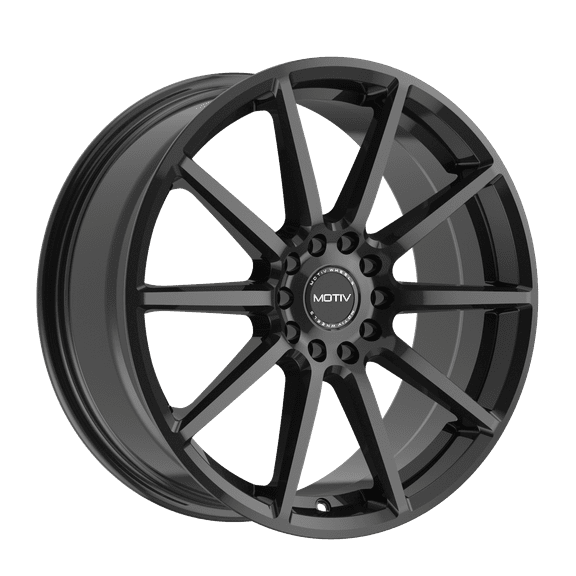

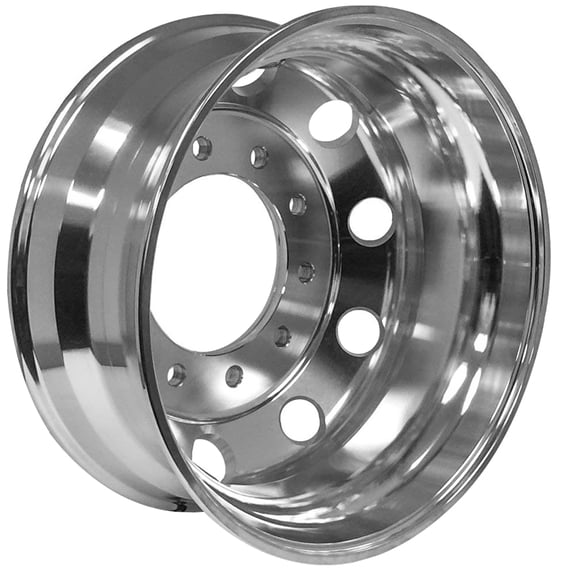
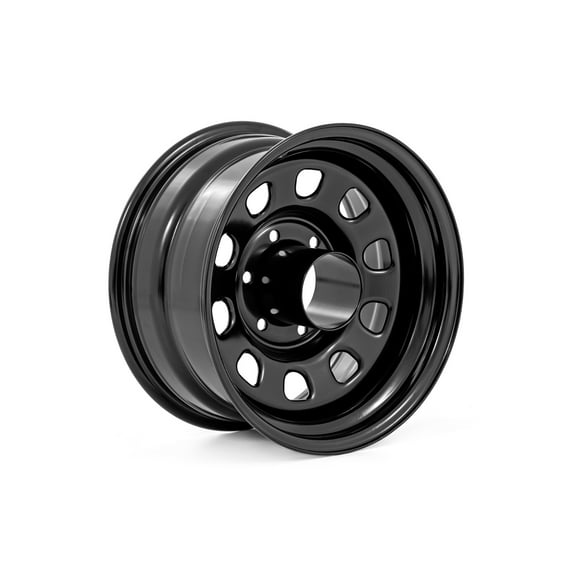
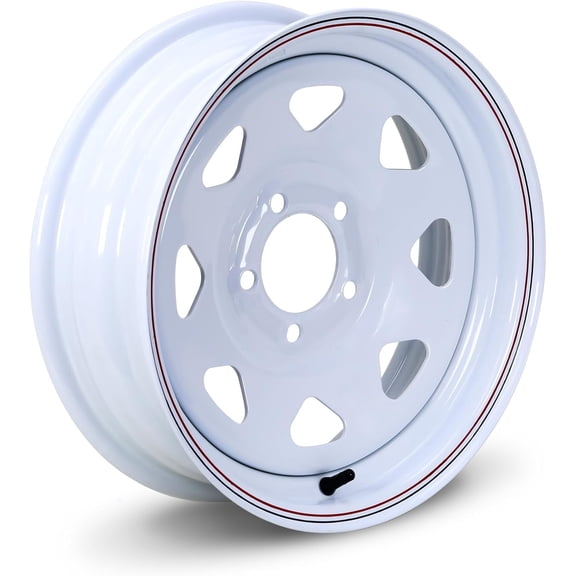

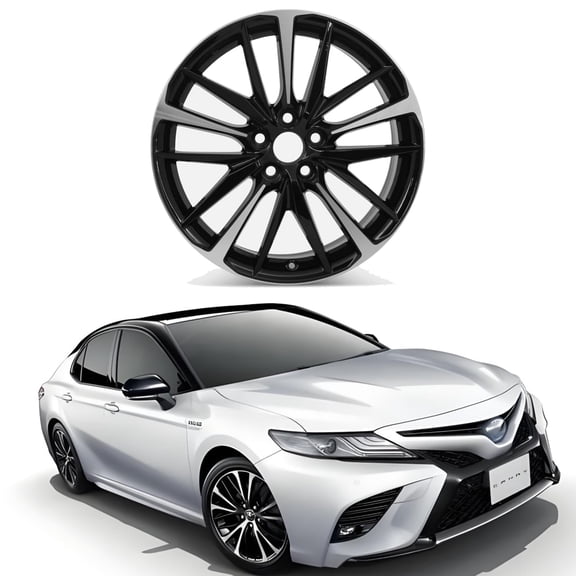


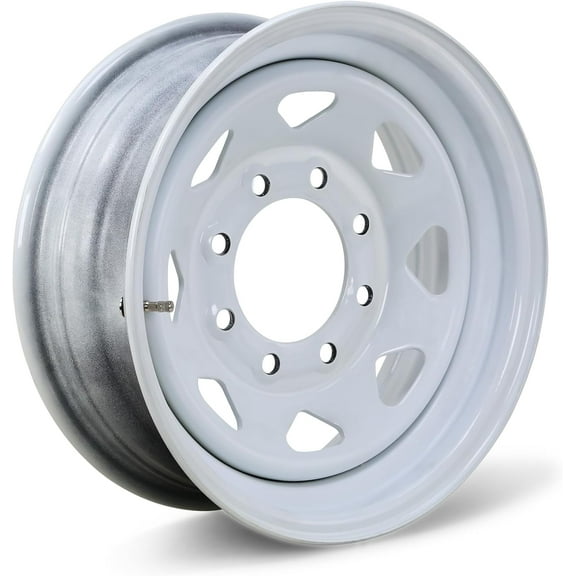
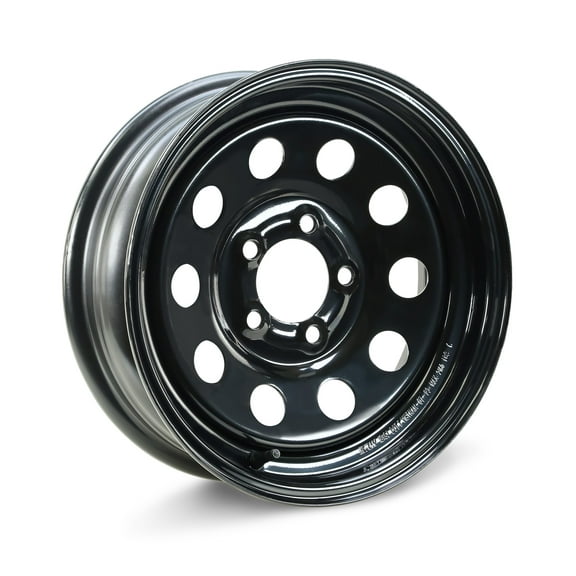
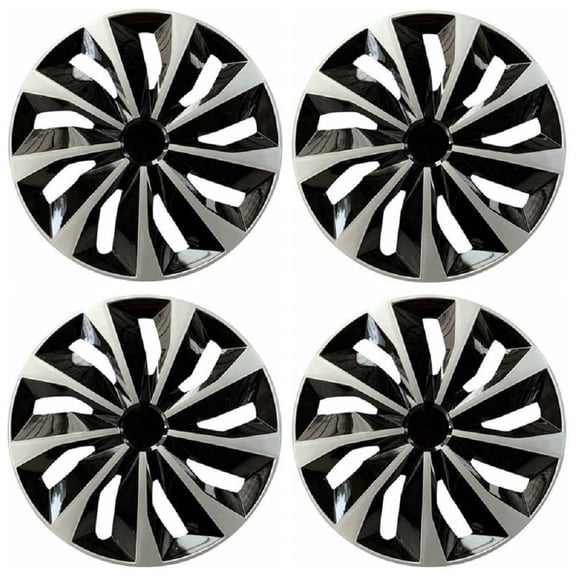
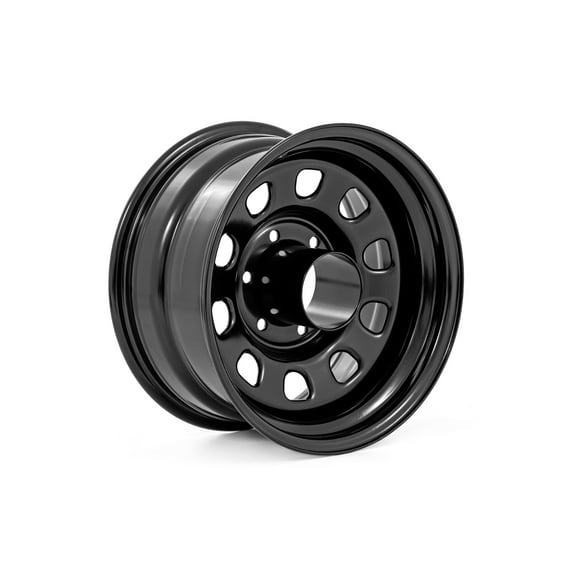
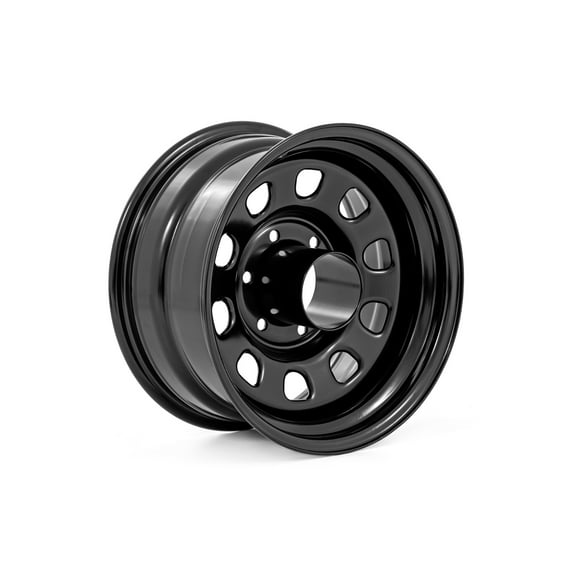


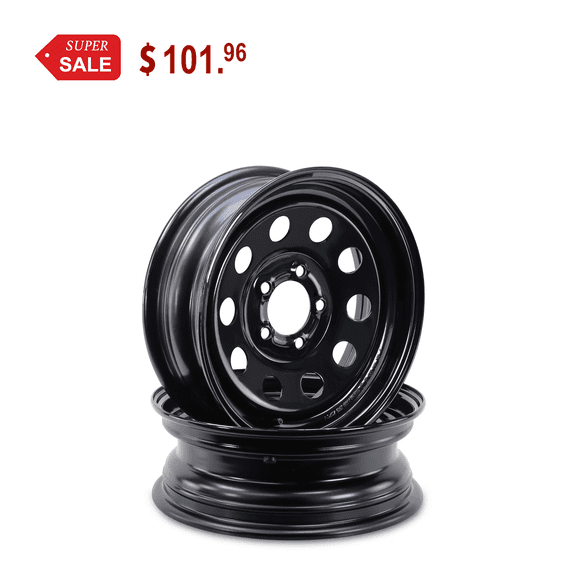
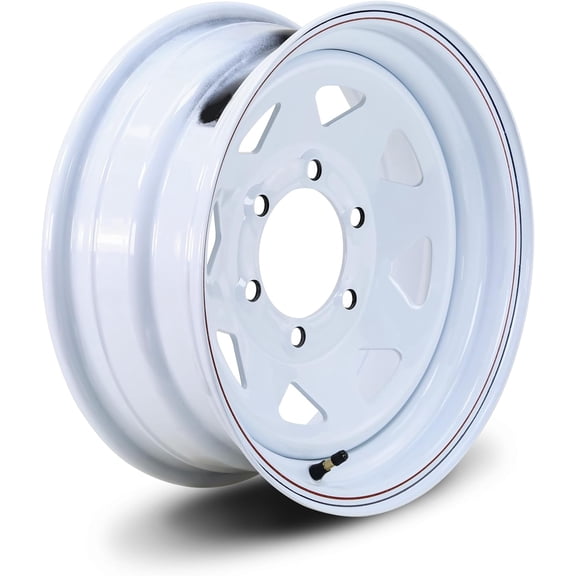

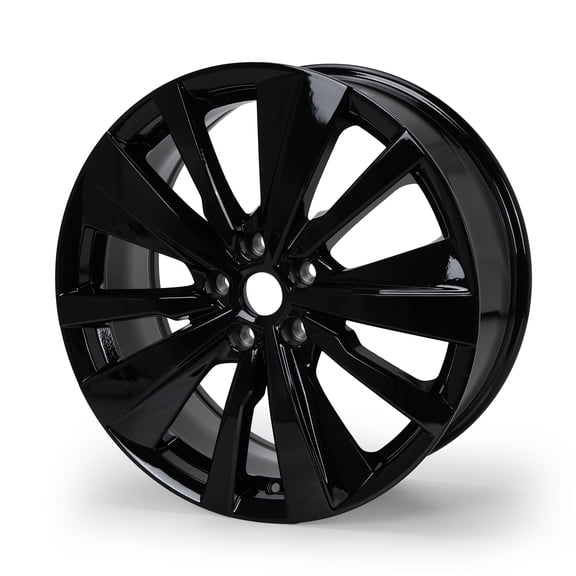


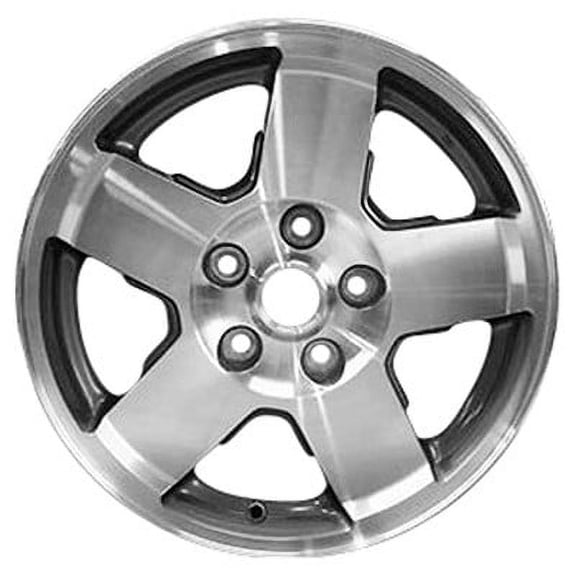
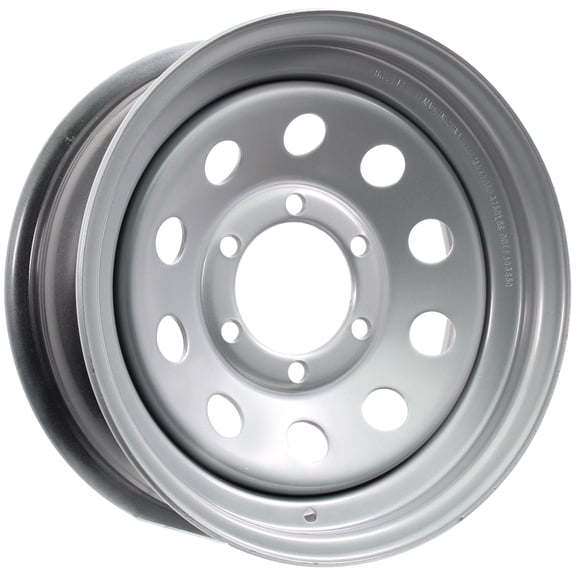


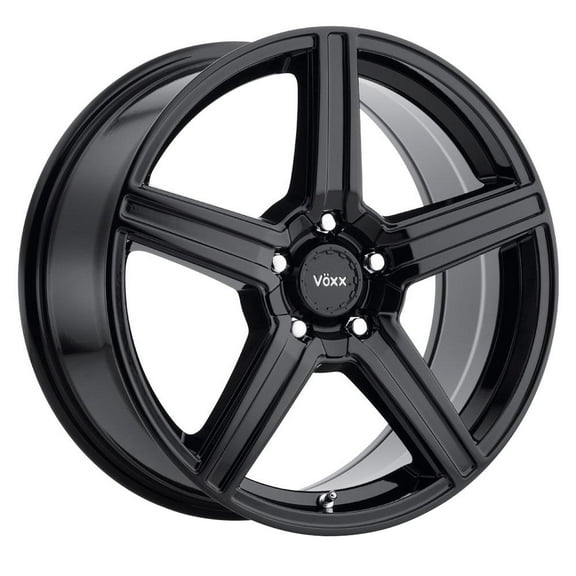


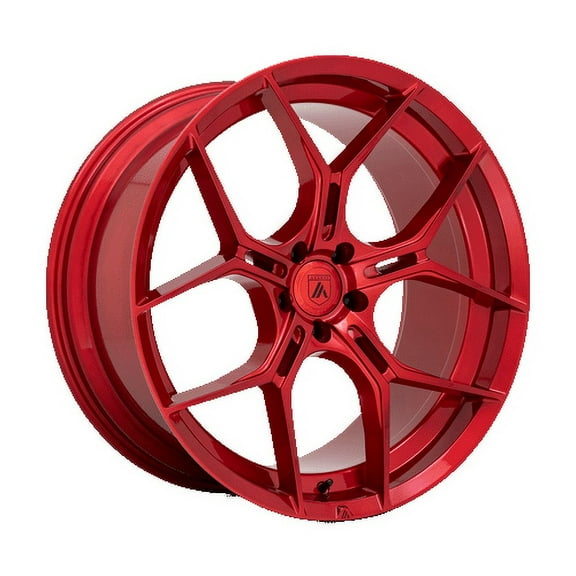

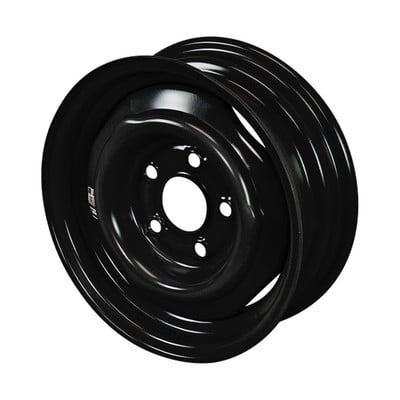

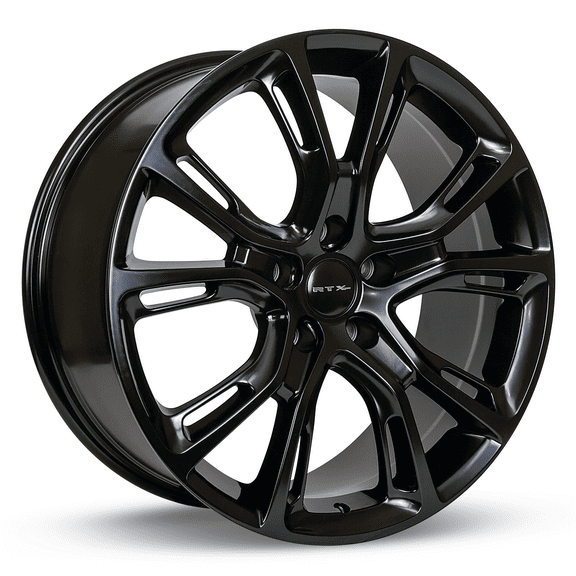

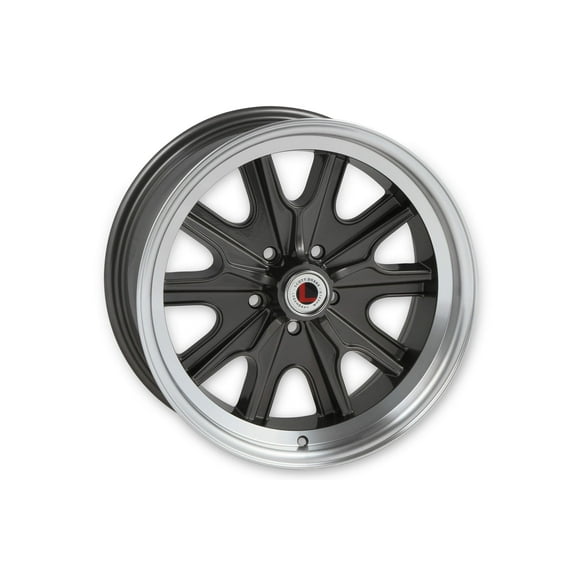

About Shop Wheel Rims, Trailer Wheels & Hubcaps for Cars & Trucks - Walmart.com
Upgrade Your Vehicle with Wheels and Rims for Every Need
Transform your ride with Walmart's wide selection of wheel rims, trailer wheels, and hubcaps — designed for cars, trucks, and trailers. Discover options that blend fitment, style, and reliability, so you can drive with confidence and showcase your unique taste.
Why Shop Wheels and Rims at Walmart?
- Explore Tailored Fitment Solutions: Find wheels and rims matched to your vehicle, whether you drive a passenger car, truck, SUV, or a trailer. Navigate size, bolt patterns, and offset choices for a seamless installation.
- Diverse Materials and Finishes: Choose from steel, alloy, and forged aluminum options to suit durability and design preferences. Select finishes like matte black, chrome, or bronze to complement your vehicle's paint and trim.
- Convenient Guided Shopping: Easily filter by diameter, width, material, and color—making it simple to browse by size, brand, or trending look. Stay focused on style and compatibility with Walmart's helpful navigation tools.
- Usage-Driven Comparisons: Select wheels and rims based on your driving routine, whether commuting, towing, or adventuring off-road. Compare replacement sets, custom upgrades, and winter-ready designs for confident year-round performance.
- Visual Customization Made Easy: Personalize your vehicle’s appearance with a range of finishes, materials, and styles that help your ride stand out—no matter your need for a factory refresh or a one-of-a-kind build.
Shop with Confidence at Walmart
Enjoy straightforward guidance from selection to installation. Walmart makes it easy to discover wheels and rims that fit your vehicle, match your style, and support your everyday driving needs. Start your upgrade with hassle-free browsing and find the perfect fit for your ride.