


Find auto parts that fit
Let’s search for parts that fit your vehicle.OEM Wheels and Rims Replacement Options

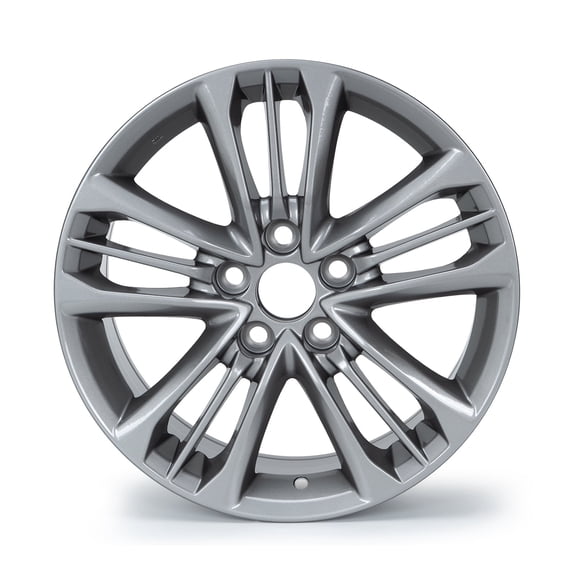
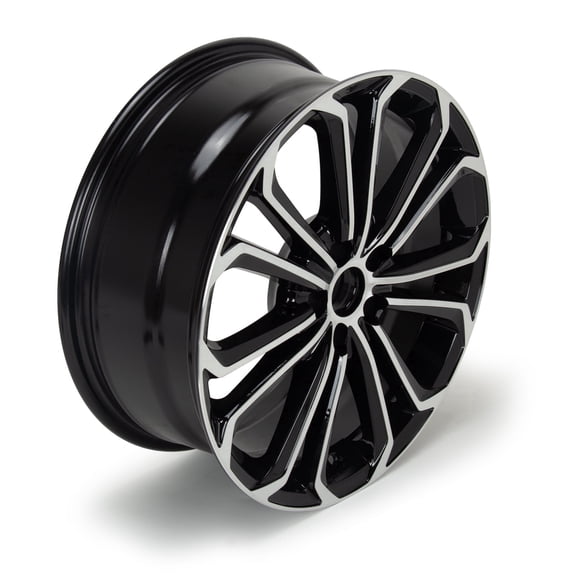
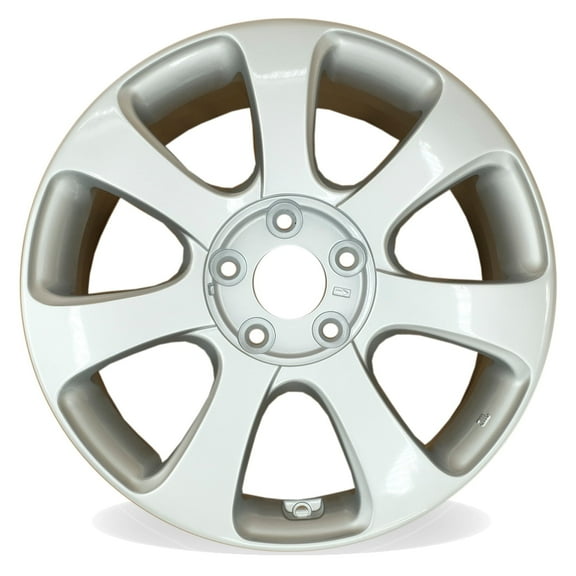
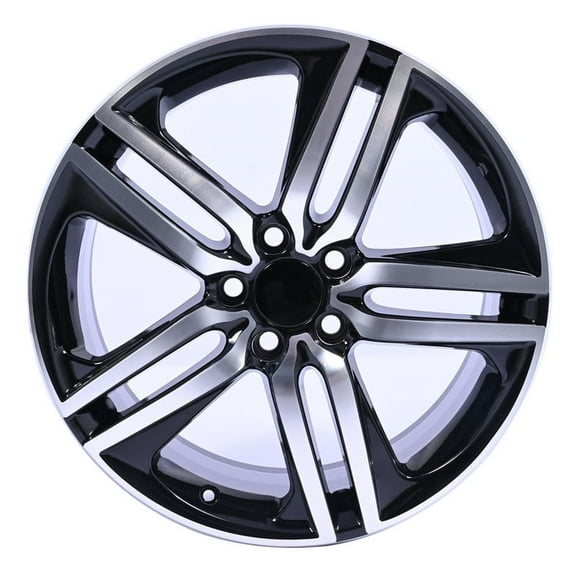
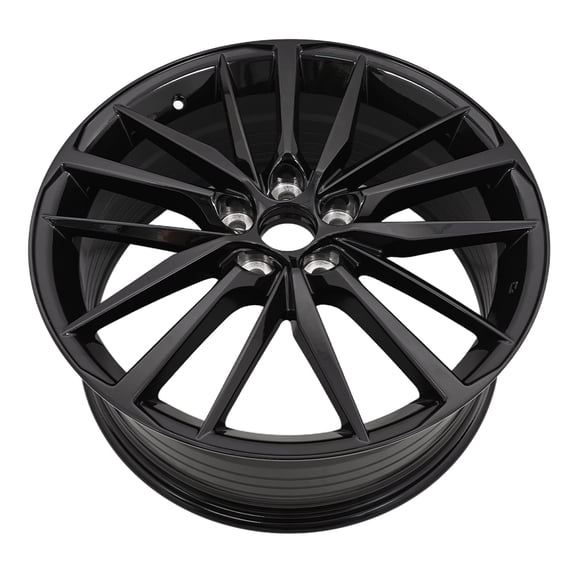
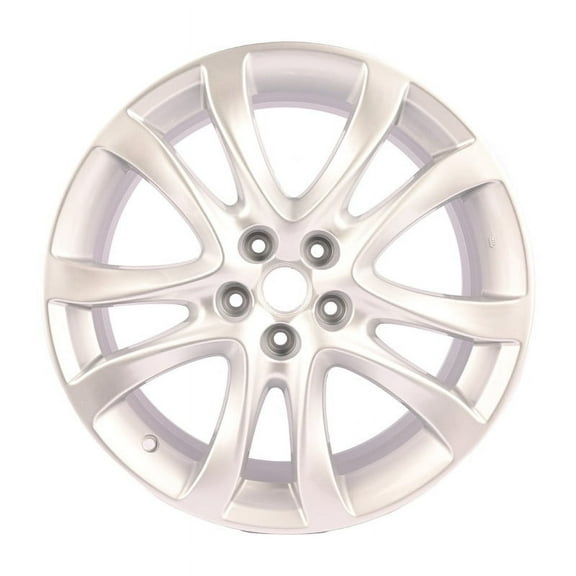

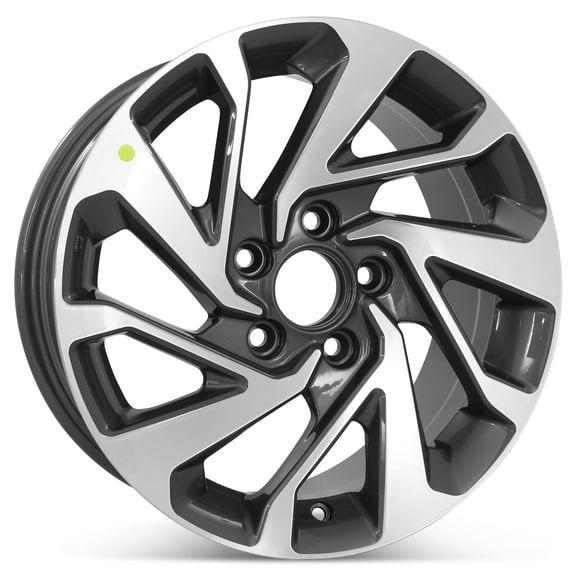
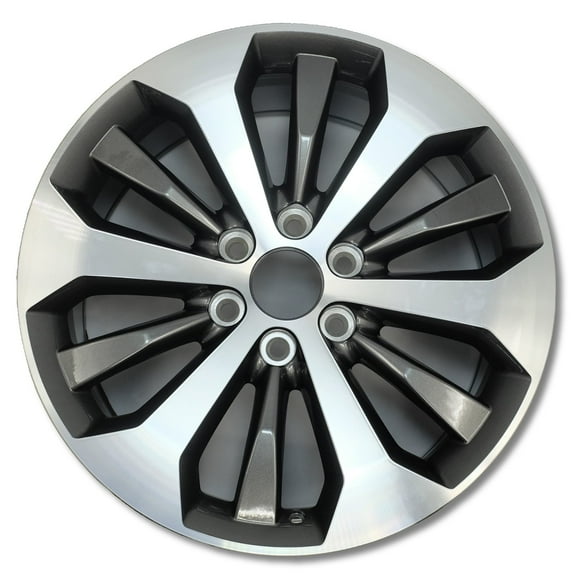









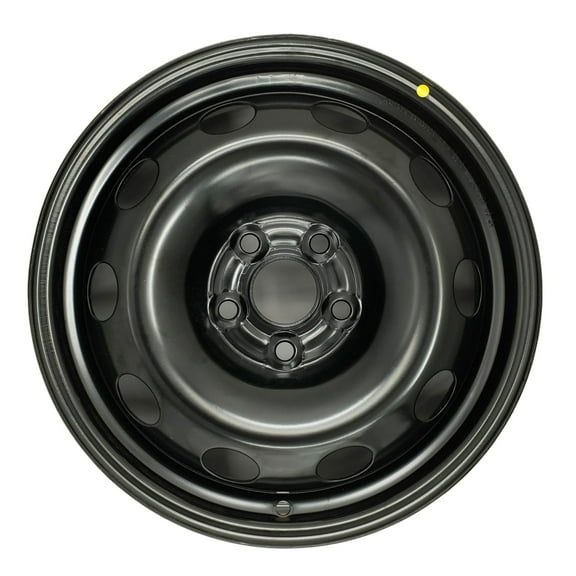

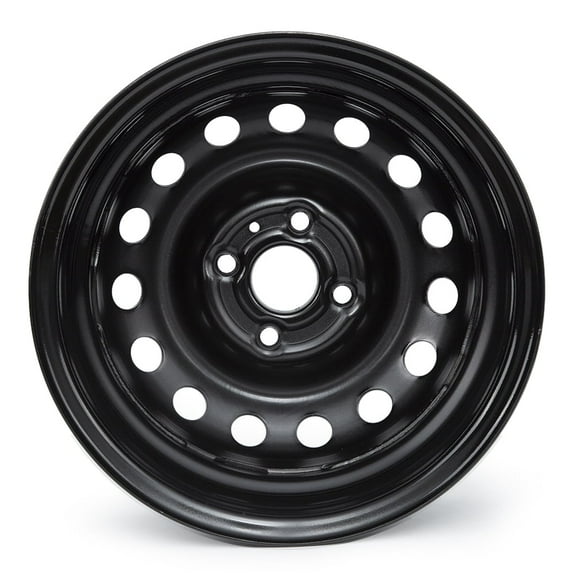

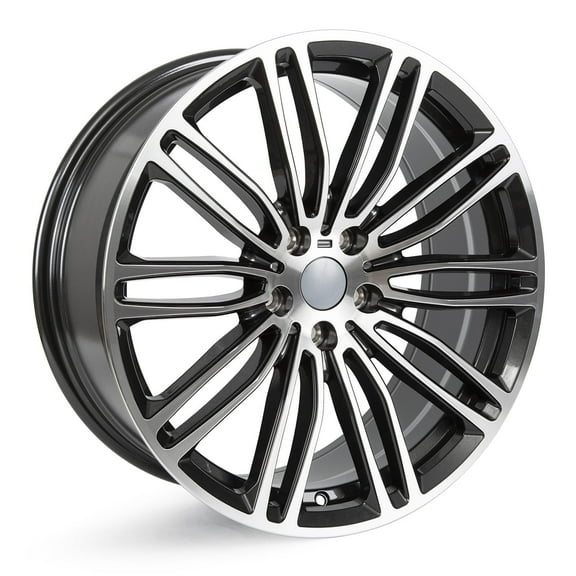
About OEM Wheels and Rims Replacement Options - Walmart.com
Replacement OEM wheels help you restore factory fit, finish, and styling when your vehicle needs an exact-match wheel. This category helps you compare stock rims by size, material, finish, and compatibility before you choose.
How to choose replacement OEM wheels
Start with your vehicle year, make, and model because your fitment details matter on every wheel. Then compare bolt pattern, offset, and center bore so your wheel mounts where your original wheel sat.
You may also need to confirm whether your listing includes one wheel or a set of four. That detail helps your replacement plan match your vehicle setup and your appearance goals.
As you narrow options, focus on the details that shape fit and factory appearance. These filters help you compare replacement paths with less guesswork.
- You should check wheel diameter, such as 15 inch, 16 inch, 17 inch, 18 inch, or 20 inch.
- You can compare materials like alloy, steel, and aluminum based on the look and wheel style you want.
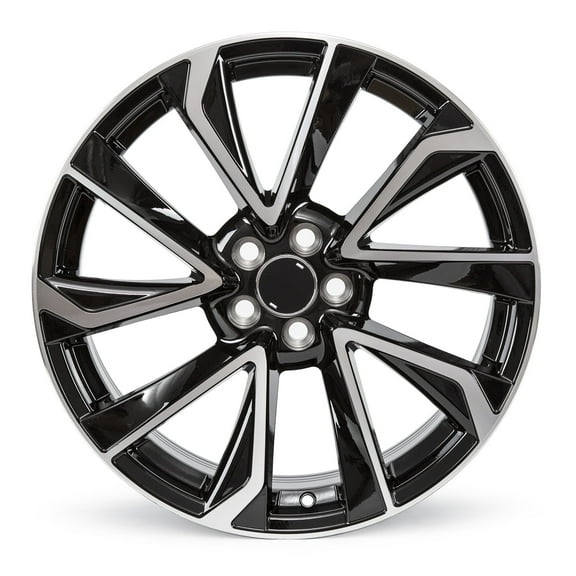
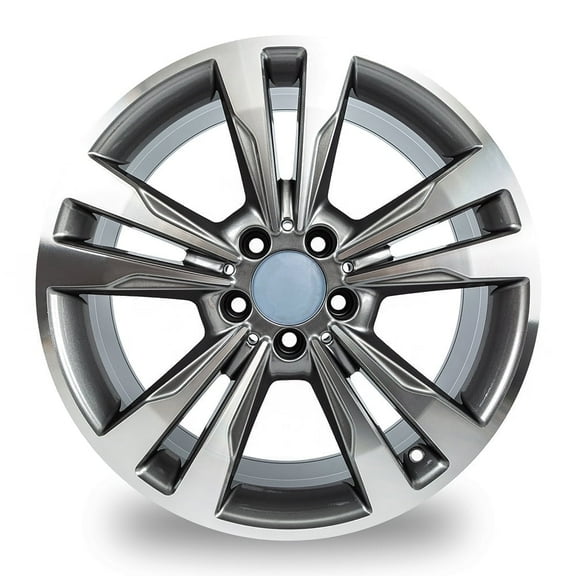
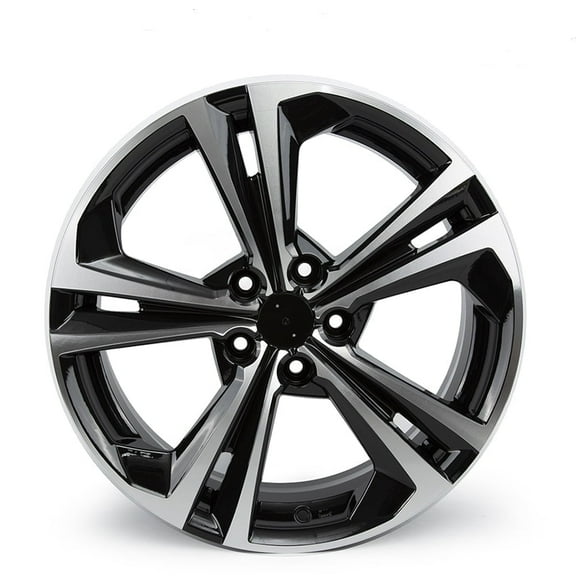
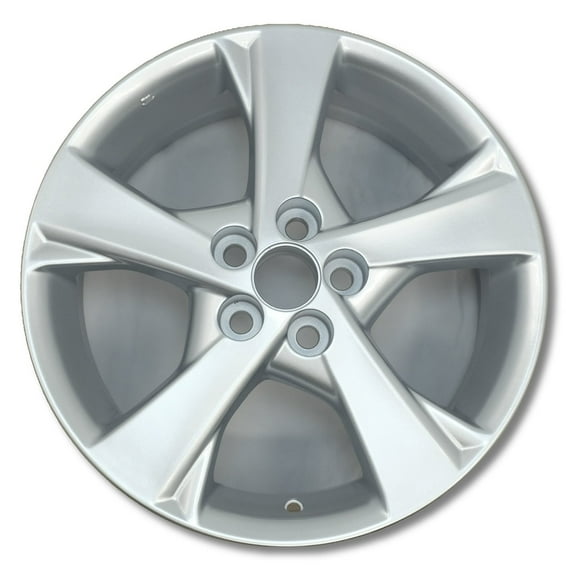
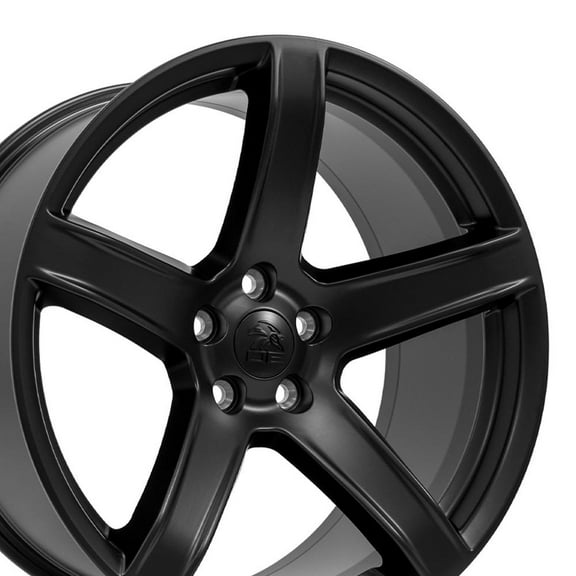
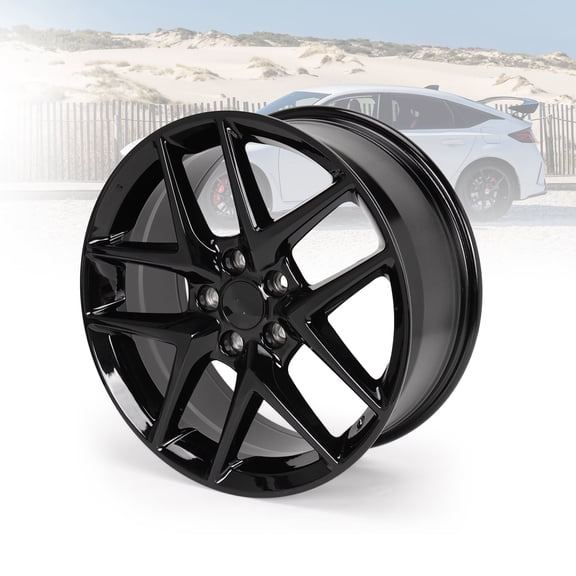
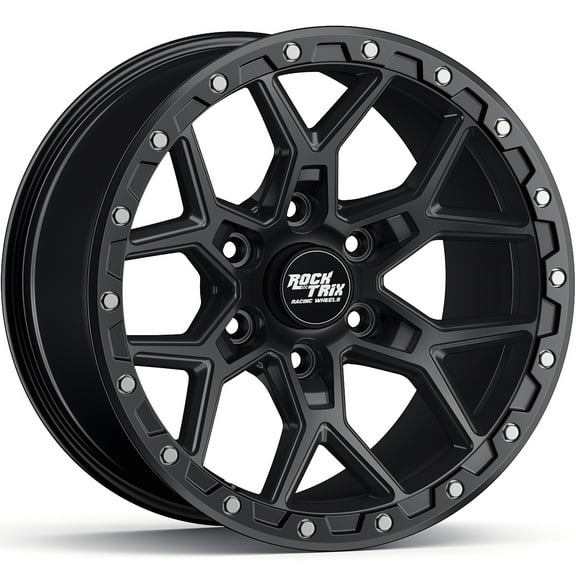
- You should match finishes like chrome, matte black, silver, or machined to your current stock rims.
- You can verify vehicle compatibility for Ford, Chevrolet, Toyota, Honda, and Kia before you decide.
Choosing stock rims by size and fitment
Wheel diameter should be your first filter because it affects both fit and factory appearance. Matching the listed size to your original specification can make your replacement process simpler.
You may see 15 inch, 16 inch, 17 inch, 18 inch, and 20 inch options across many vehicles. Comparing those sizes with your current setup helps you sort factory replacement rims more accurately.
Bolt pattern shows how the lug holes align, while offset shows where the wheel sits. Center bore describes the hub opening, so you should compare all three measurements with your original wheel.
When those measurements line up, you can get a clearer fit check before ordering. That extra review helps your wheel sit correctly and keeps your factory look more consistent.
Comparing materials and stock rim finishes
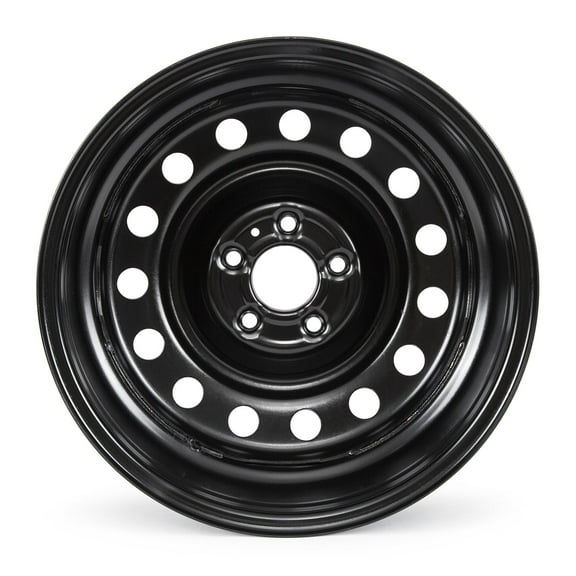
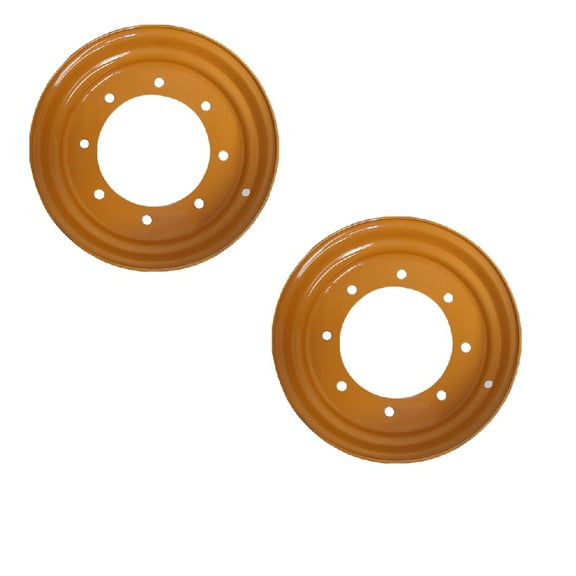
Material affects the look and design language you see across different wheels. You may prefer steel for a simple factory appearance, while alloy or aluminum can show more detailed spoke patterns.
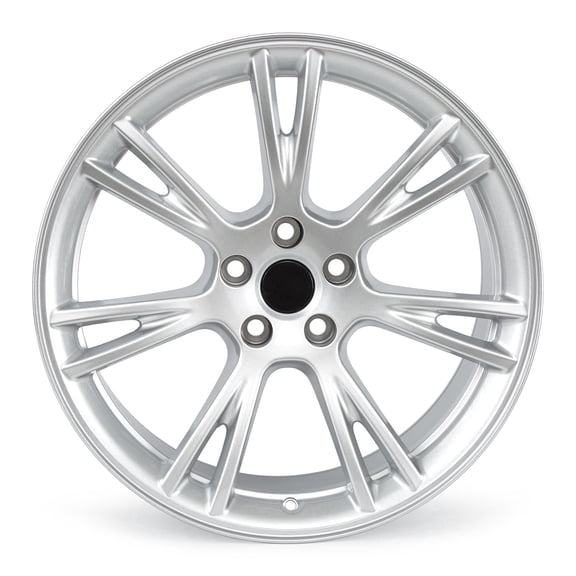
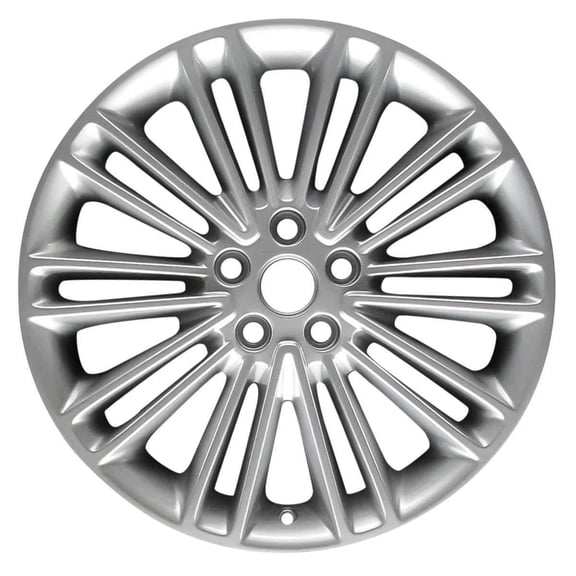
Finish matters just as much when you want your new wheel to match the others. Looking at chrome, silver, matte black, and machined options helps you compare color and surface style.
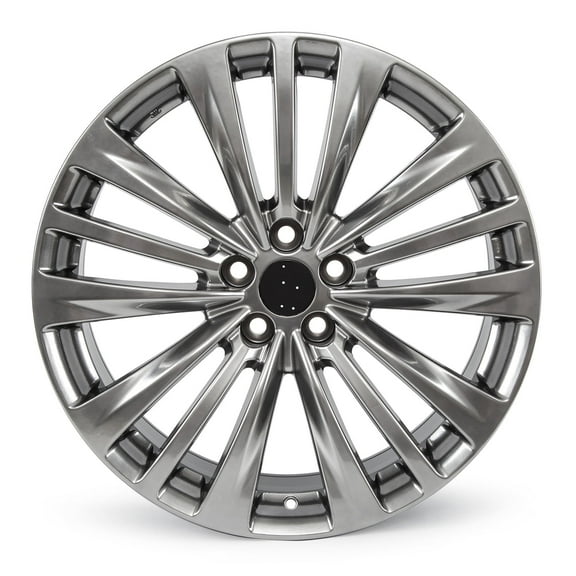
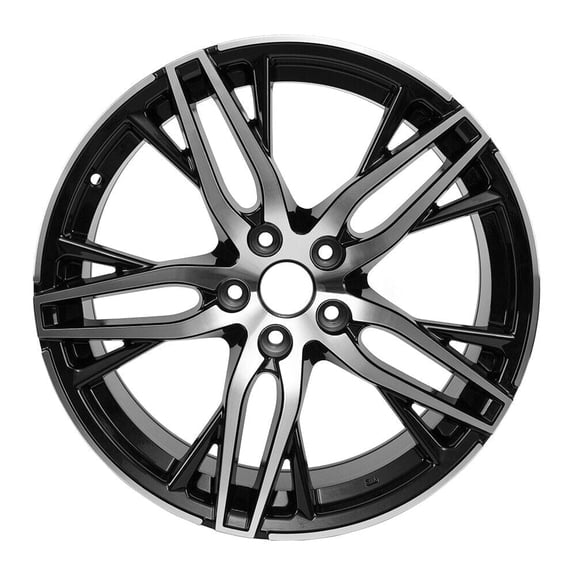
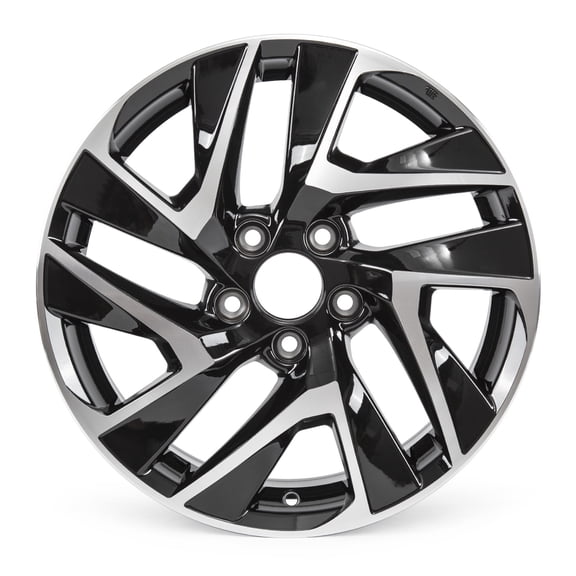
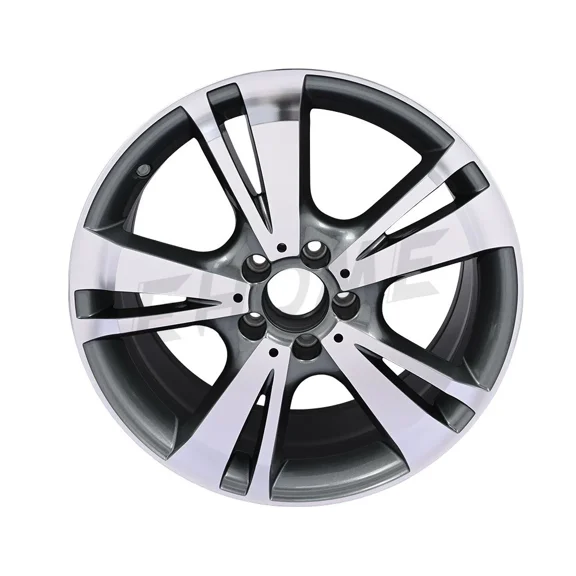
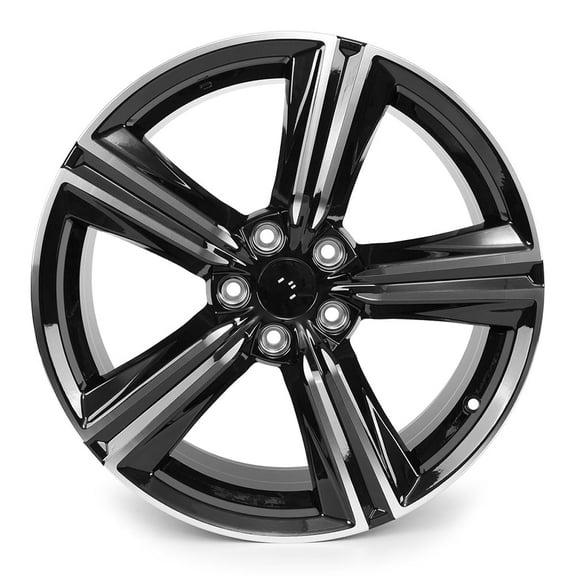
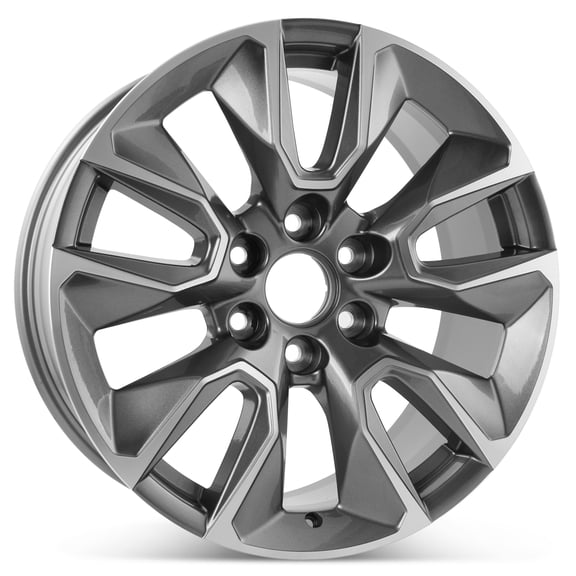
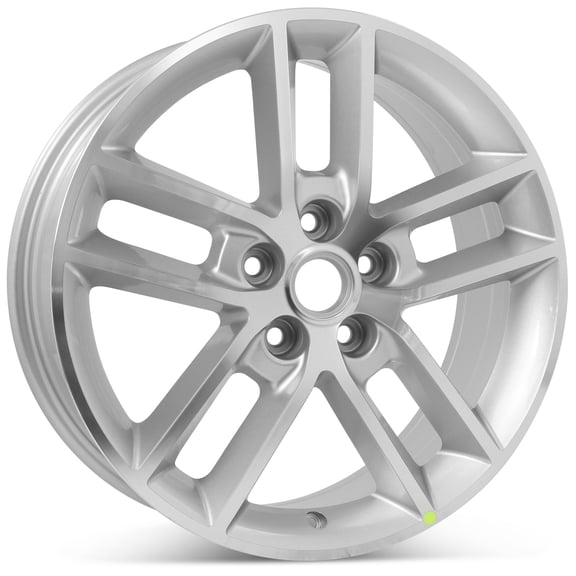
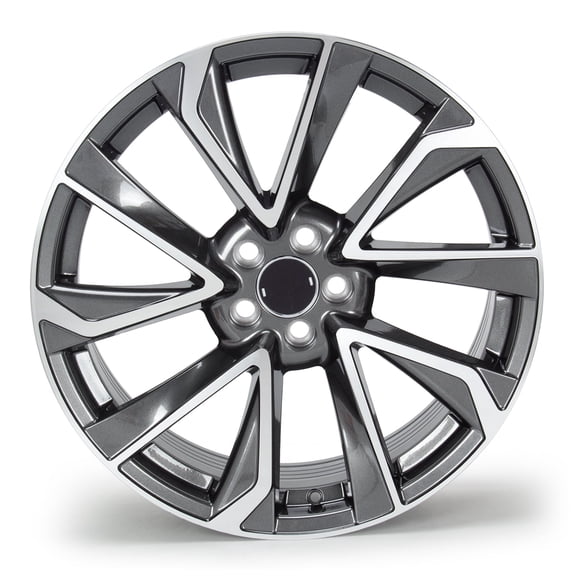
A machined finish usually combines painted sections with bright cut areas across the face. That makes it useful when your original wheel has visible contrast on the spokes or outer edge.
Finish matching becomes especially important when you replace only one wheel. A close visual match helps your vehicle keep a balanced, factory-style appearance from every angle.
Understanding factory replacement rims and OEM fit
OEM wheels match original factory specifications for a vehicle application. That can help you stay closer to the size, finish, and general design your vehicle used from the start.
You may also compare OEM wheels with aftermarket replicas during your search for a stock rim. In plain terms, OEM focuses on original-style replacement, while replicas focus on a similar look.
Check the listing details for size, finish, and vehicle application before you choose. Those details help you confirm whether the wheel matches your trim level and your existing setup.
Matching replacement OEM wheels to real vehicle needs
Filters can help you shop by compatibility for Ford, Chevrolet, Toyota, Honda, and Kia models. Even then, you should confirm the exact year and trim because one model line can use different wheel specs.
You may be replacing one Kia wheel after curb contact, or you may be updating a full set on a Honda sedan. You can also match truck and SUV wheels on Ford or Chevrolet models when the listed specs align.
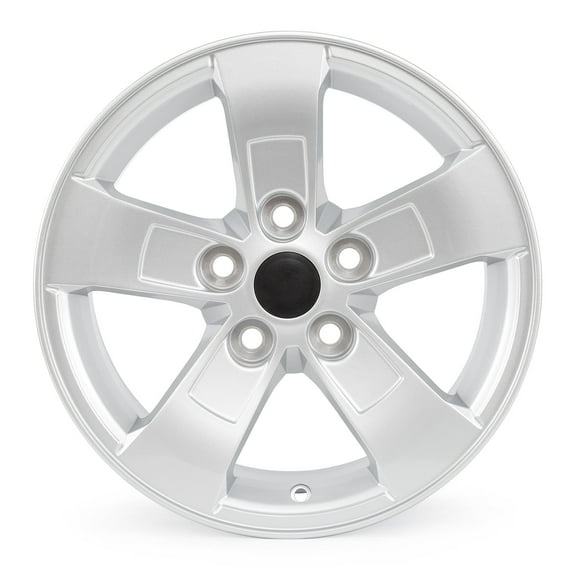
Some shoppers need a direct match for a silver commuter sedan wheel, while others need a machined finish for a sport trim. Comparing finish, diameter, and quantity helps your order fit the job.
You might also need stock rims for a seasonal setup, a restoration project, or a clean factory-style refresh. In each case, matching one wheel versus four changes how you compare listings.
What to look for before you choose replacement OEM wheels
Review diameter, material, finish, quantity, and compatibility before moving forward. Those details help you narrow factory replacement rims that fit your vehicle and match your existing wheels.
Your choice feels easier when your wheel aligns with original specs and factory styling. That attention to fit and finish helps you restore a clean, consistent look on your vehicle.