

Shoe Covers in Facility Safety
























About Shoe Covers in Facility Safety - Walmart.com
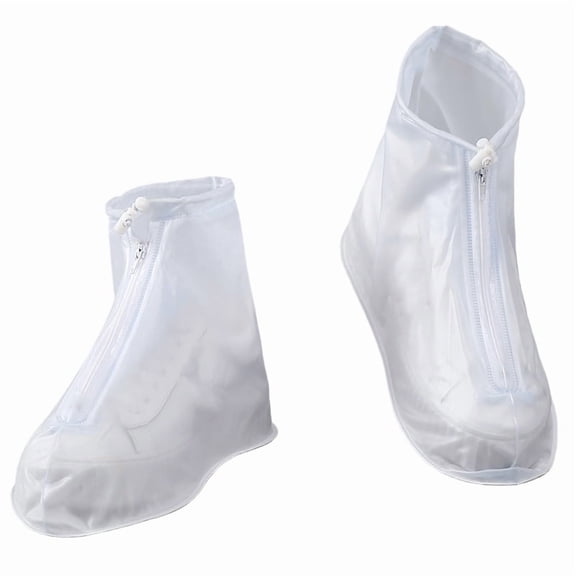
You can use shoe covers to keep floors cleaner, protect footwear, and match facility safety needs across busy worksites and controlled spaces. You'll find options for wet entry points, polished floors, boot coverage, and bulk routines that need fast, simple changes.
How to choose shoe covers for your facility
You'll want to compare material, traction, durability, and pack size before you choose shoe covers for daily tasks. Your decision often depends on floor type, foot traffic, and whether you're covering sneakers, dress shoes, or work boots.
When you match the right cover to your environment, you can reduce tracked-in dirt and keep transitions quicker between rooms. You'll also make it easier to support visitor protocols, contractor access, and cleanup standards.
Choosing material for disposable shoe covers
You should start with material because it affects fit, feel, and moisture protection. You'll commonly see CPE plastic, non-woven fabric, chlorinated polyethylene, and silicone across disposable shoe covers and reusable styles.
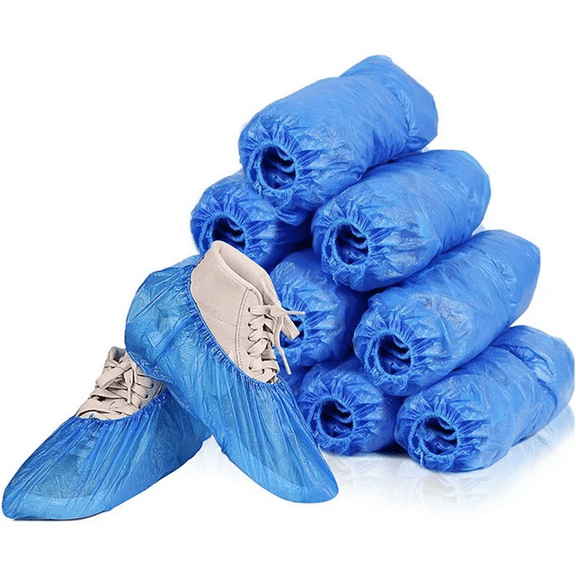
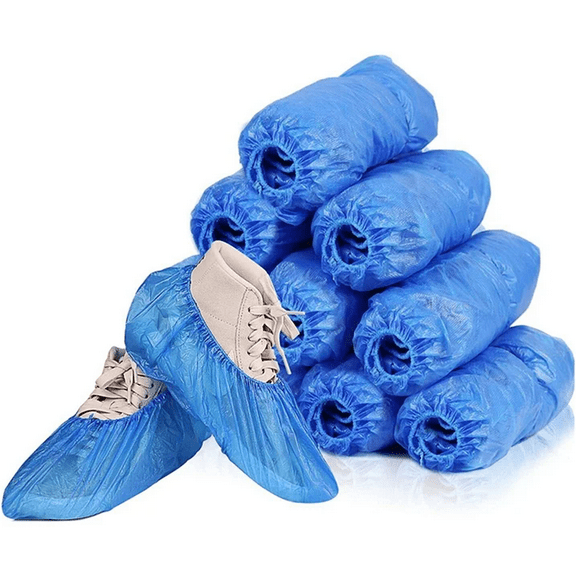
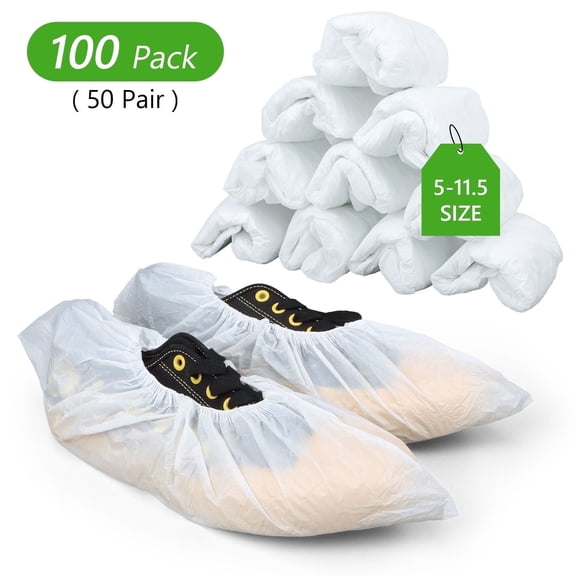
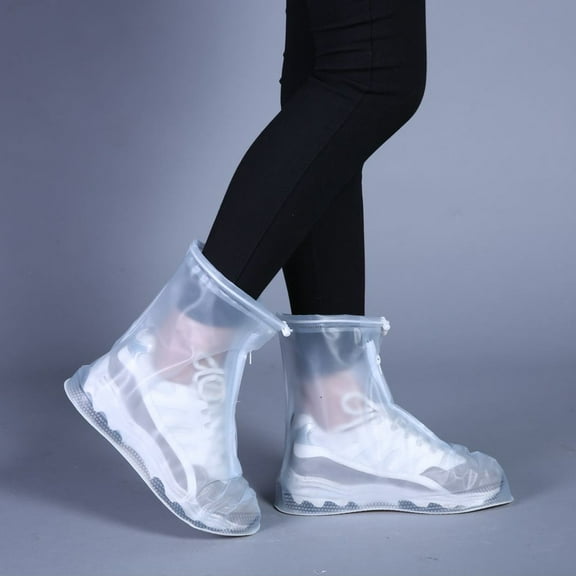
If you need a smooth barrier against splashes and grime, you may prefer plastic shoe covers made from CPE plastic. You'll usually get a lightweight feel that slips on quickly over everyday footwear.
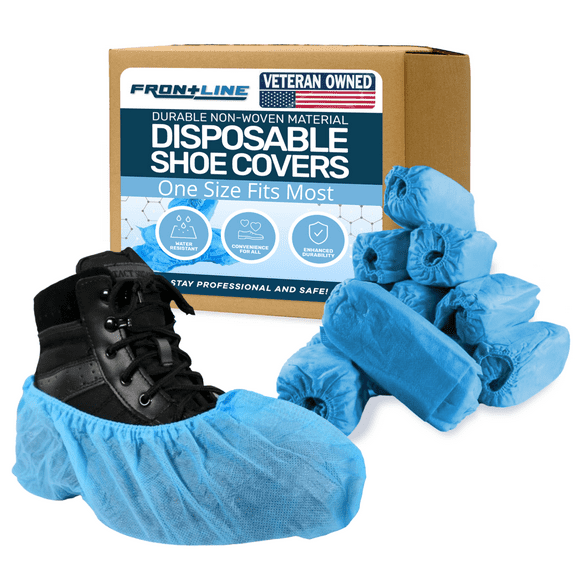
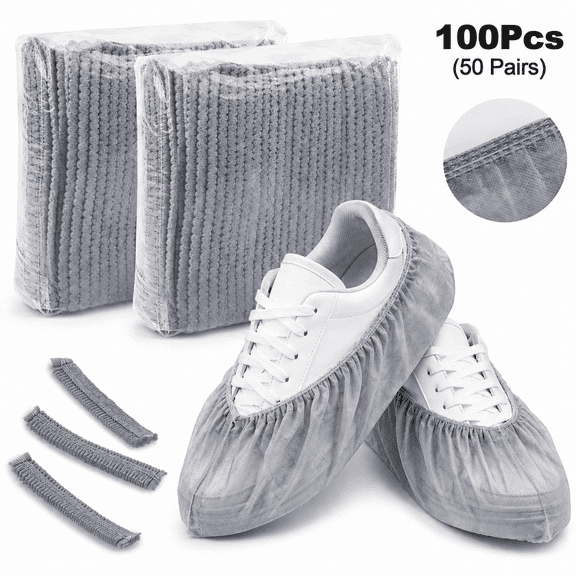
When you want a softer feel, you can compare non-woven fabric options for short visits and dry indoor spaces. You'll often notice they feel less slick while still helping contain dust and debris.
If your workflow includes rougher conditions, you should check chlorinated polyethylene for stronger stretch and thicker coverage. You'll often see it on heavy duty shoe covers that need more resistance during longer wear.
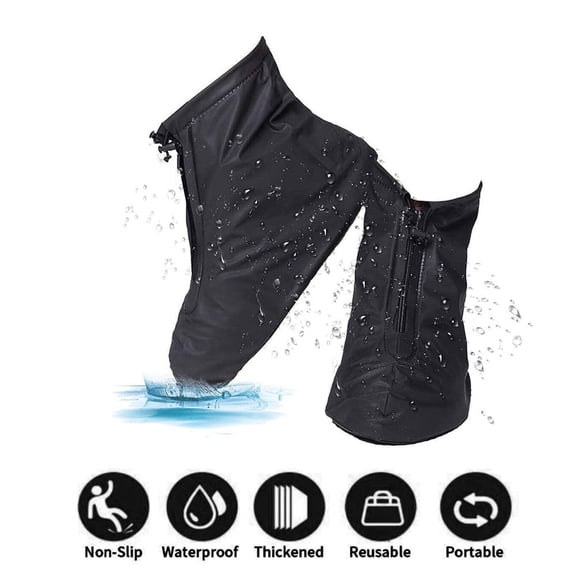
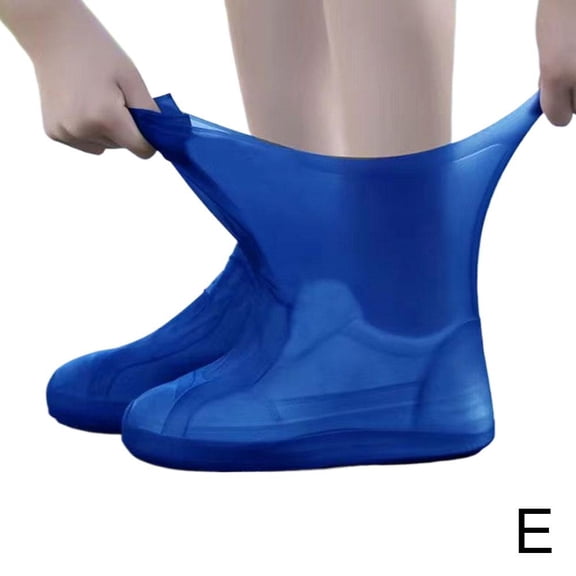
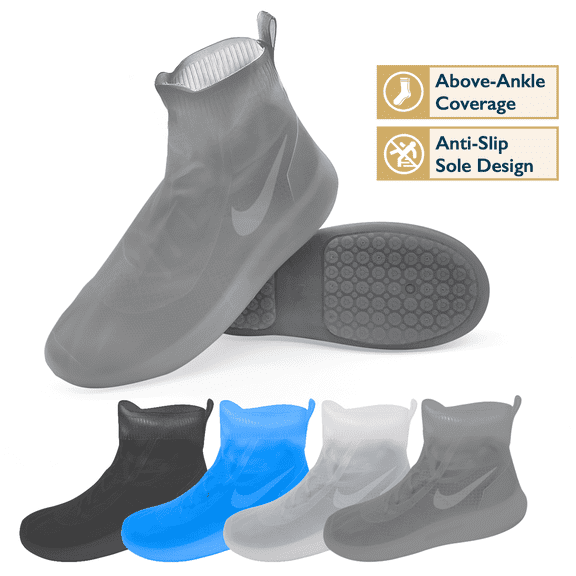
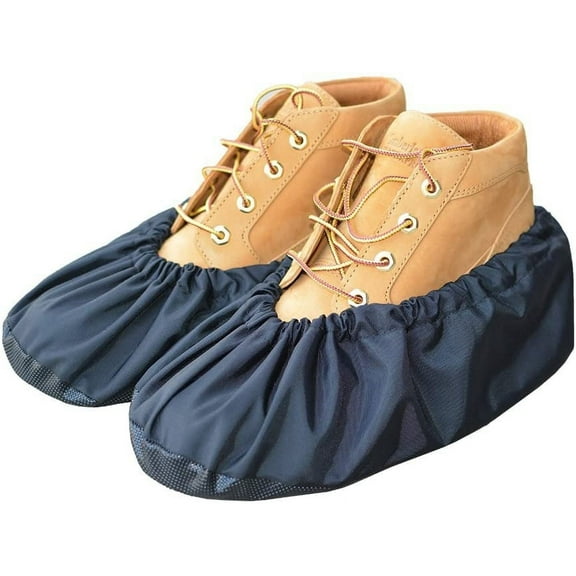
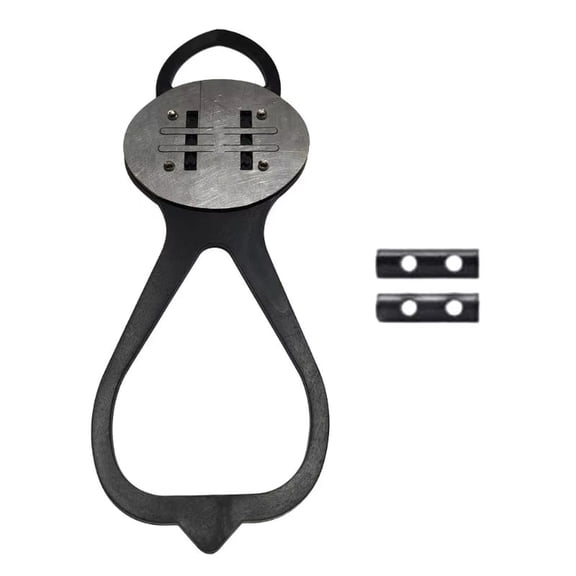
For repeated use, you can look at silicone styles that hug the sole and upper more closely. You'll get a reusable option that works well when your team moves through rain, slush, or muddy entrances.
What to look for in non slip shoe covers
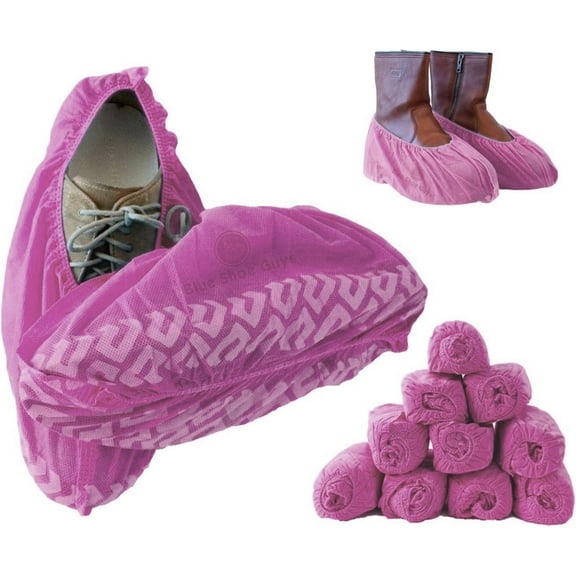
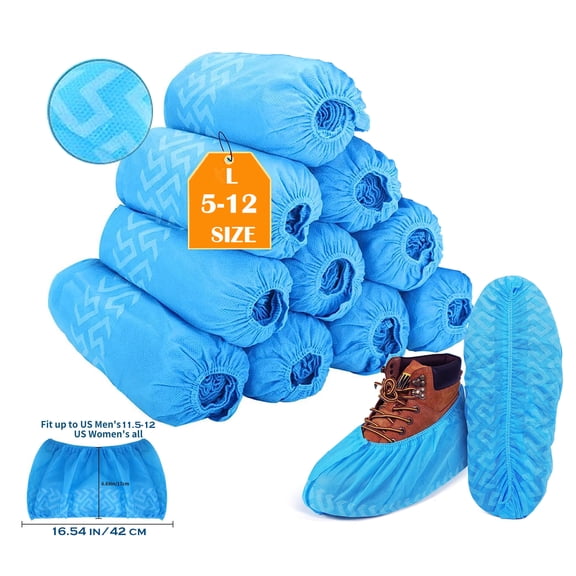
You should compare sole texture when you expect tile, sealed concrete, hardwood, or other smooth floors. Your traction can feel more secure when non slip shoe covers include patterned bottoms or skid-resistant treads.
- You can use textured soles when your team walks across polished hallways or freshly cleaned surfaces.
- You should check whether the tread covers the full foot, not just the heel or toe.
- You may prefer a snug ankle opening so your cover stays in place while you move.
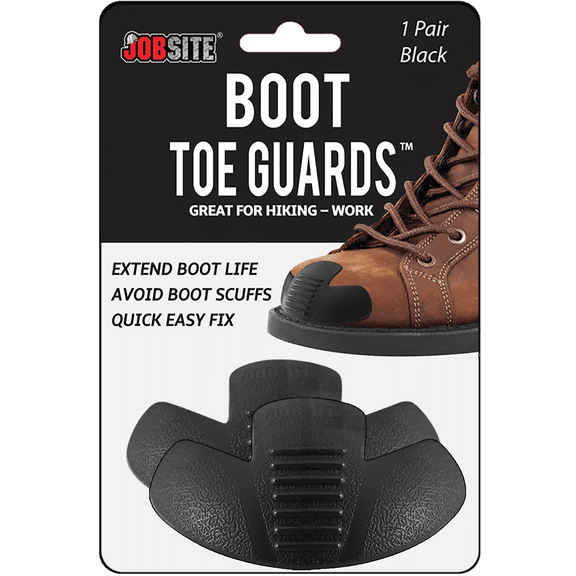
- You can choose wider sizing when your footwear includes bulky work boots or overshoes.
If your visitors move quickly between rooms, you should look for covers that stay centered under the foot. You'll want less bunching at the heel and less shifting near the toe box.
When sizing matters, you should measure your shoe length and compare stretch capacity before ordering. You'll get a more reliable fit over large boots, safety shoes, or high heels.
Comparing waterproof shoe covers and dry-use options
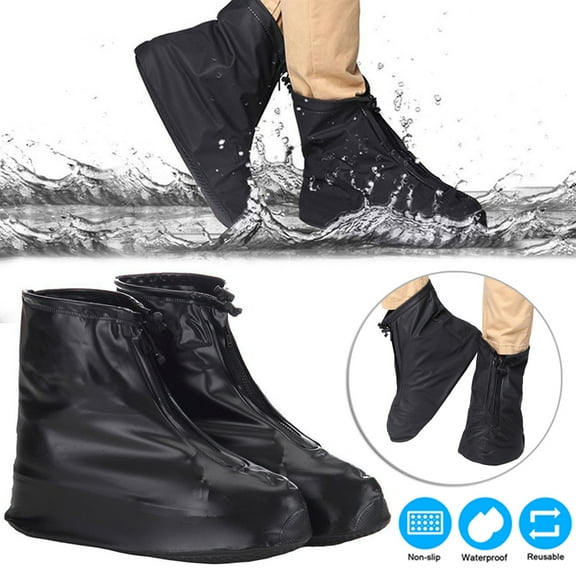
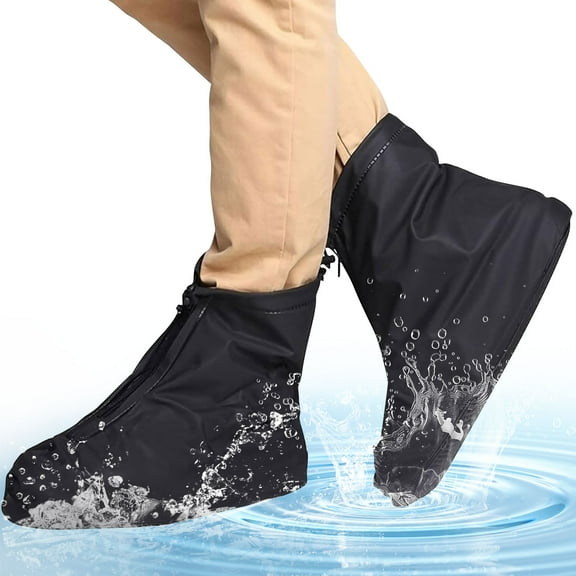
You should separate waterproof shoe covers from dry-use covers because they handle moisture differently. You'll usually see denser plastic or silicone designs when your job includes rain, damp entryways, or washdown areas.
If you only need dust control, you can choose lighter covers that focus on quick changes and simple disposal. You'll often use those in inspections, open houses, painting prep, and indoor contractor visits.
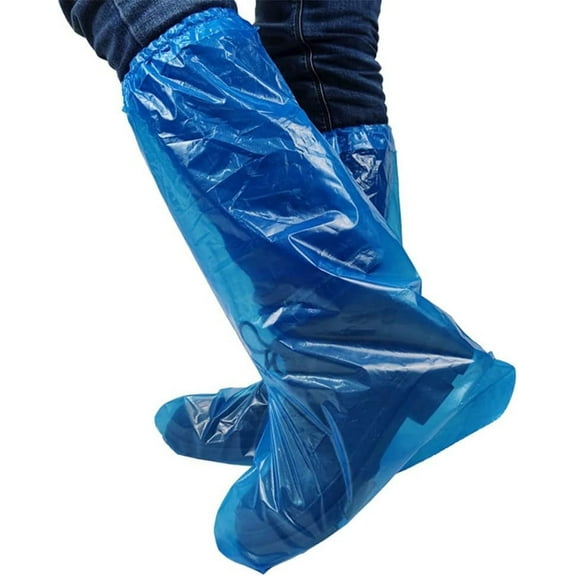
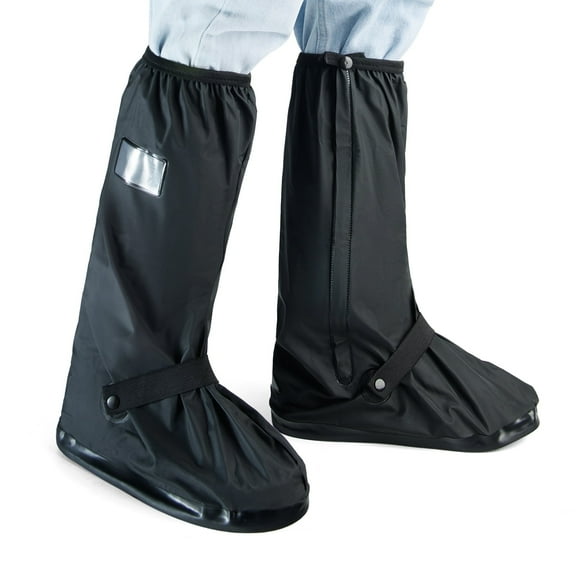
For wet conditions, you should compare coverage height as well as material density. You'll want stronger splash protection when your cover rises above the ankle or reaches partway up the boot.
When weather shifts, you can keep rain shoe covers available for deliveries, service calls, and outdoor-to-indoor transitions. You'll help limit water marks on finished floors and reduce cleanup after traffic-heavy periods.
How to compare light duty and heavy duty shoe covers
You should think about wear time before you choose between light duty and heavy duty shoe covers. Your workday may call for a quick disposable layer or a thicker cover that handles extended walking.
Light duty covers work well when you need short-term protection for tours, appointments, and one-room tasks. You'll usually appreciate easier changes when many guests enter and exit throughout the day.
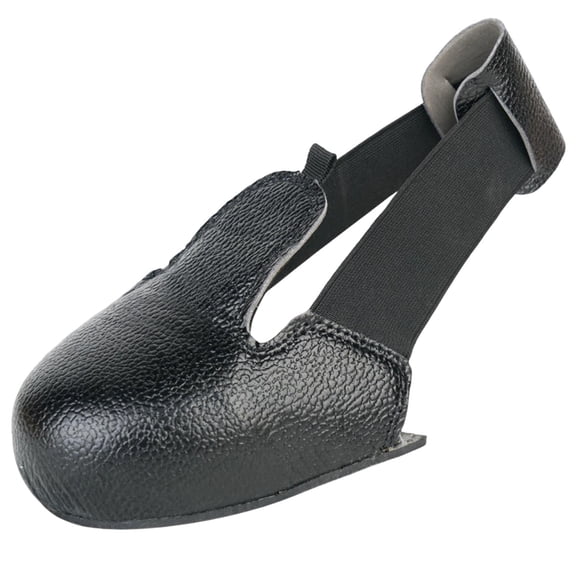
Heavy duty shoe covers make more sense when your team crosses rough surfaces or carries tools and supplies. You'll want extra thick material when sharp grit, repeated steps, or long routes are part of the job.
If your site needs frequent restocking, you should compare 100-pack, 200-pack, and bulk formats. You'll make distribution easier when each station has enough covers for peak traffic periods.
Matching shoe covers to real work scenarios
You can use disposable shoe covers for home services, facility maintenance, labs, real estate showings, and renovation walkthroughs. You'll keep flooring presentation cleaner while making entry and exit routines more efficient.
If you manage a construction site with finished interiors, you should look for extra thick covers with roomy sizing. You'll need enough stretch capacity to fit over work boots without tearing during normal movement.
When you support janitorial teams or visitors in polished spaces, you can focus on non slip shoe covers. You'll want treaded soles that help maintain traction on smooth, recently cleaned floors.
If your job moves between parking lots and indoor areas, you should consider waterproof shoe covers or taller boot covers. You'll contain moisture and outdoor residue before it reaches carpet, tile, or wood surfaces.
For high-volume check-in points, you can streamline setup with bulk cartons and easy-open packaging. You'll reduce interruptions when staff can replenish entry stations without sorting mixed sizes.
You can feel more prepared when your shoe covers match your floor type, footwear size, and daily traffic pattern. You'll get cleaner transitions, steadier footing, and coverage that fits the way your facility actually runs.