


Fenix Flashlights in Flashlights by Brand










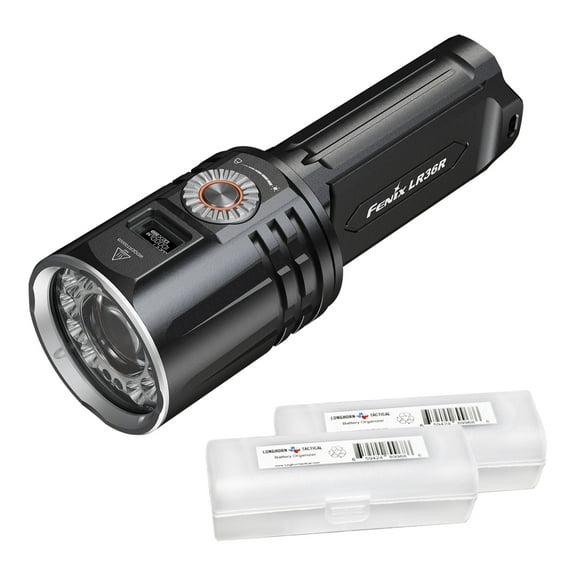
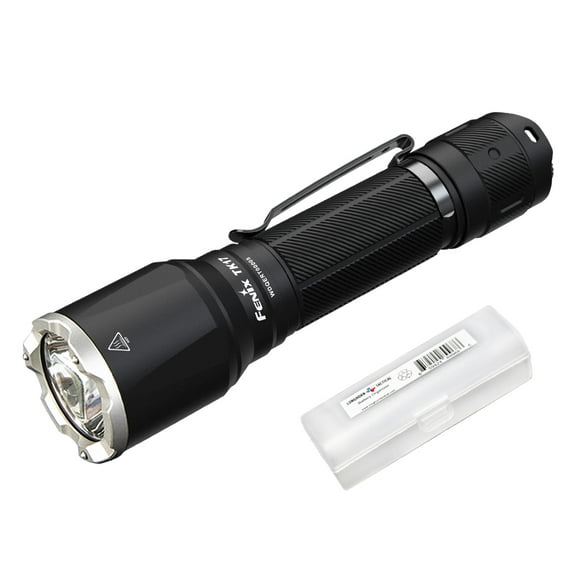
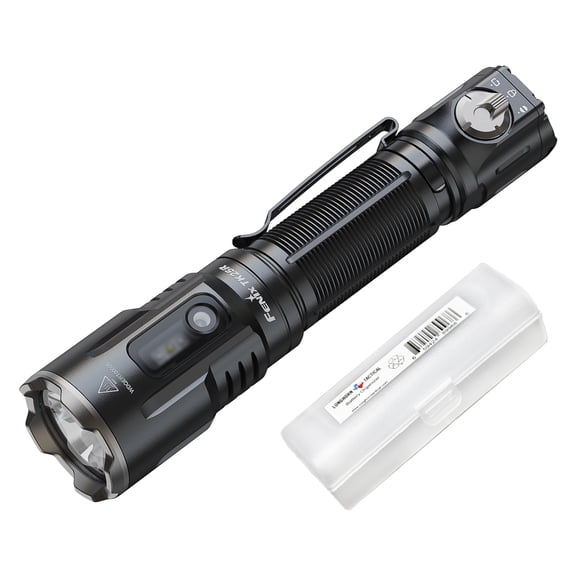
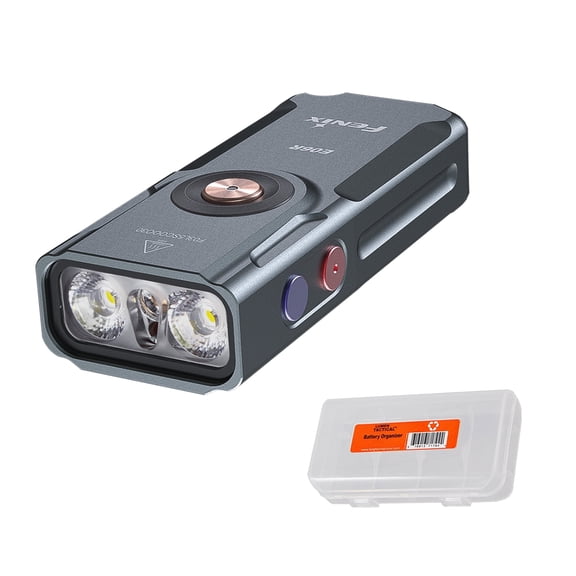


About Fenix Flashlights in Flashlights by Brand - Walmart.com
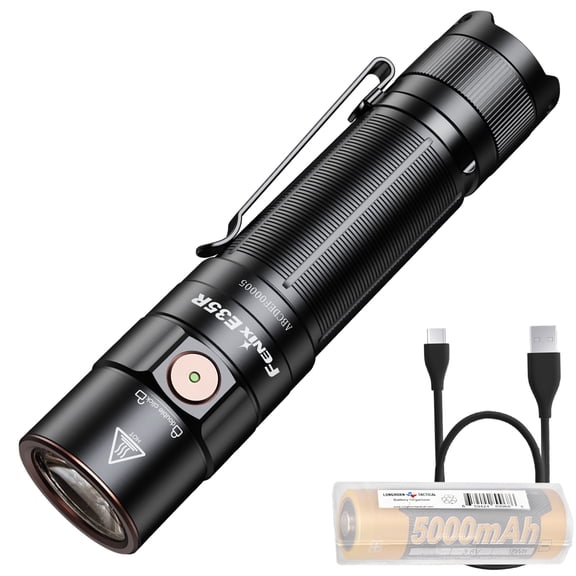
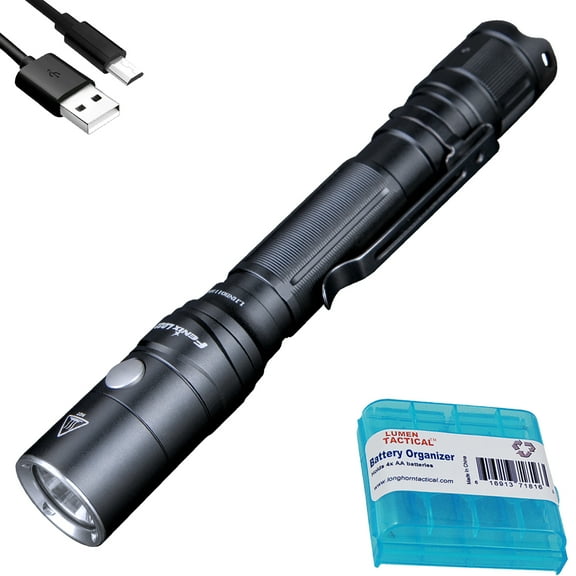
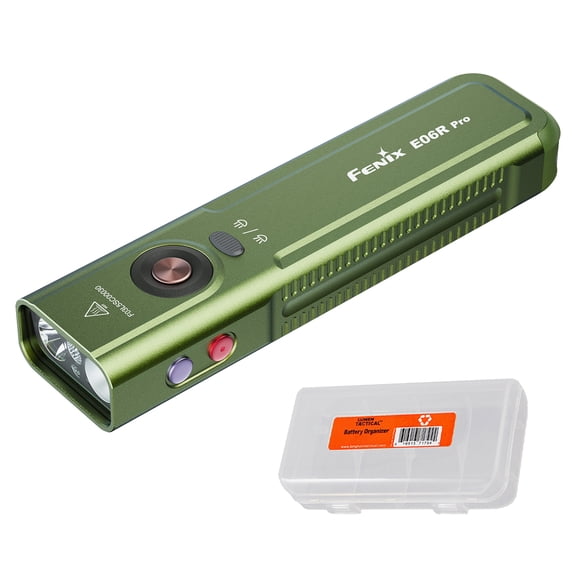
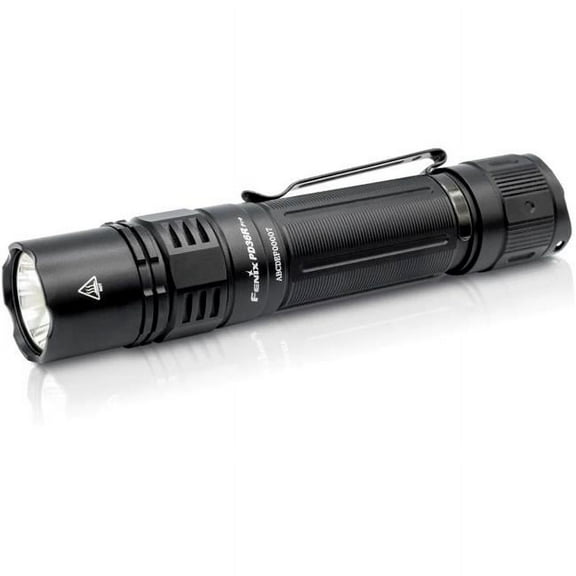
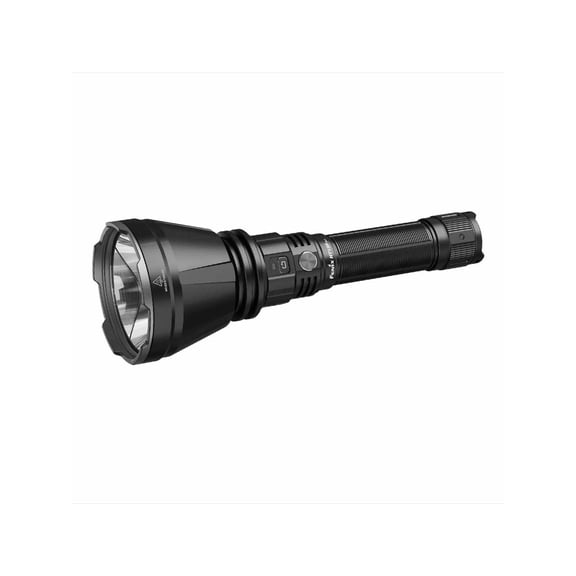
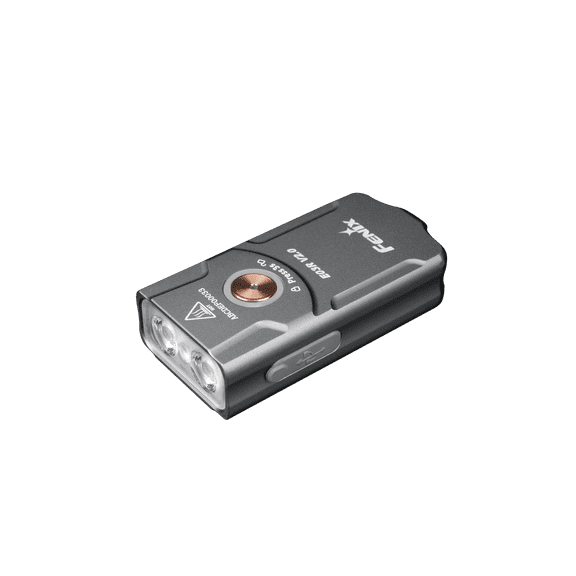
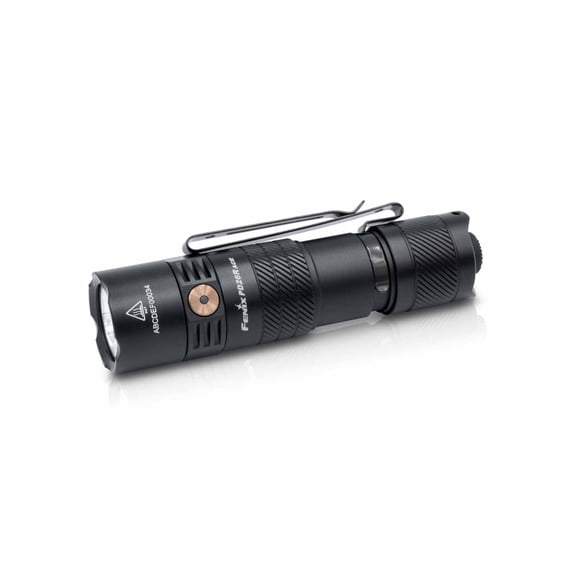
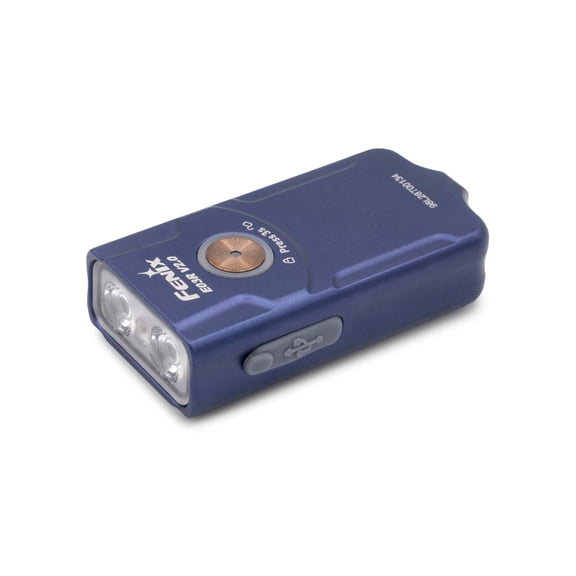
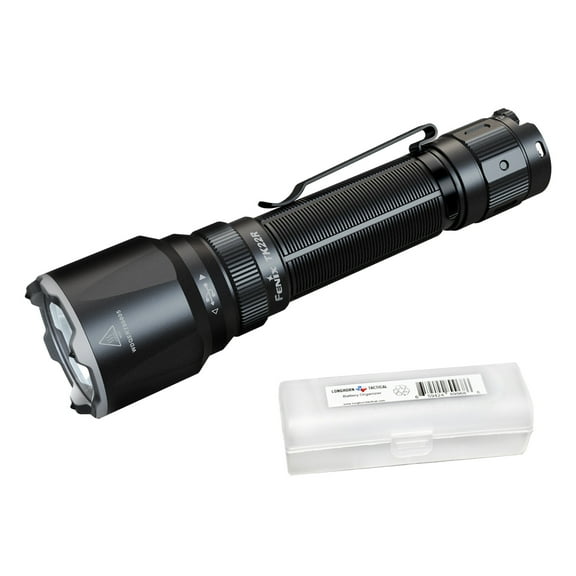
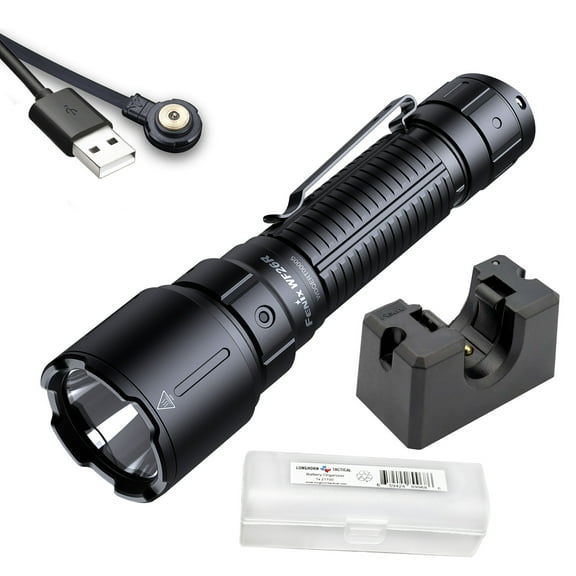
Fenix flashlights help you compare tactical, outdoor, and everyday lighting tools with clear differences in power source, lumens, and form factor. You can use this guide to narrow handheld lights, angle lights, and a fenix headlamp for the way you move.
If you want dependable output, you should compare runtimes, throw distance, and charging options before you choose. You’ll also want to check beam shape and IP ratings, because those details affect how your light performs outside.
How to choose fenix flashlights by power source
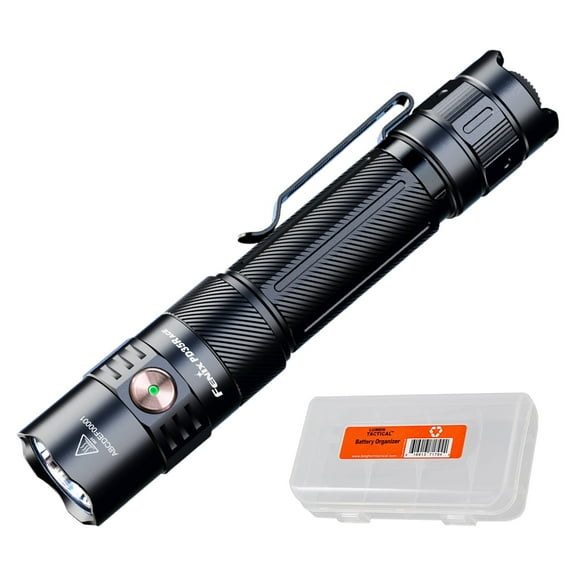
When you compare power options, you should start with how often you use your light and where you charge it. You may prefer a fenix rechargeable flashlight if you want simpler charging between trips, shifts, or daily carry.
If you use your light for longer sessions, you should compare 18650 and 21700 lithium-ion setups. You can usually get more capacity from a 21700 cell, while an 18650 format can feel more familiar and compact.
USB-C direct charging matters when you want fewer accessories in your bag or truck. You can plug in faster at home, at work, or from a power bank during travel.
- You can choose rechargeable models when you want easier charging and repeat use.
- You can choose battery powered options when you want quick swaps in the field.
- You can compare USB-C rechargeable designs when you want simple cable compatibility.
- You should check cell type when you want the right balance of size and runtime.
Choosing a fenix tactical flashlight for your activity
Your activity should guide your light choice, because carry style and beam control change from one task to another. You may want a fenix tactical flashlight for duty gear, glove box storage, or fast access outdoors.
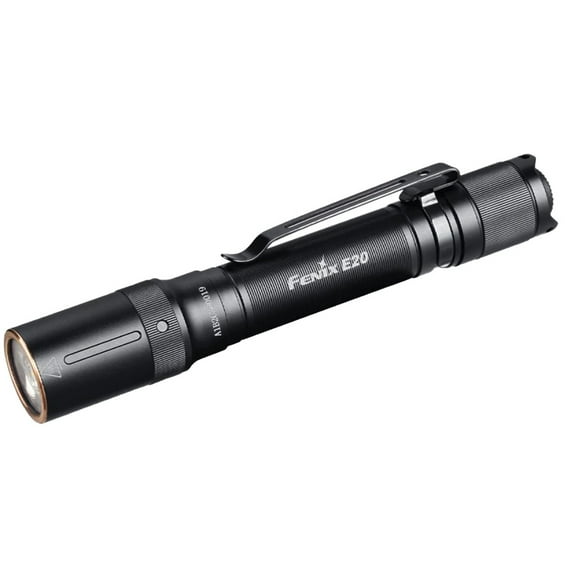
For everyday carry, you should look for a slimmer handheld body and straightforward controls. You’ll appreciate a light that fits a pocket, jacket, or small organizer without feeling bulky.
For outdoor trips, you should compare wider beams for trails and campsites against longer throw for distance checks. You can use a flood beam for nearby work, while a narrow spotlight reaches farther ahead.
Search and rescue use calls for more output and longer throw distance in open spaces. You should also look for longer runtimes when you expect extended use after dark.
Comparing lumens, throw distance, and runtimes
When you review output, you should match lumens to your environment instead of choosing a larger number. You can use under 1000 lumens for close tasks, 1000 to 2000 lumens for versatile use, and over 2000 lumens for demanding conditions.
Throw distance tells you how far a beam reaches in a narrow, focused pattern. You should compare that spec when you need to spot markers, scan property lines, or check distant objects.
Runtimes matter just as much as output, because brighter modes often shorten use between charges or battery swaps. You should read mode charts closely so your light matches your usual session length.
Beam profile also changes what you actually see in front of you. You may prefer a wide floodlight for work areas and campsites, while your narrow spotlight helps with distance and target identification.
What to look for in durability and weather resistance
If you carry a light outdoors, you should check the body material, sealing, and impact specs. You’ll want those details when your light rides in a pack, tool bag, or vehicle console.
IP68 waterproof construction is a useful decision point when you expect wet weather or rough conditions. You should compare that rating with impact resistance, because both help you judge long-term durability.
Switch design and grip texture also affect control when your hands are busy or gloved. You can look for shapes that feel secure, especially if you use your light in rain, cold, or uneven terrain.
Deciding between handheld lights, angle lights, and a fenix headlamp
Your form factor affects comfort as much as brightness, so you should choose it early. You may prefer handheld lights for general use, while angle lights and headlamps support hands-free tasks.
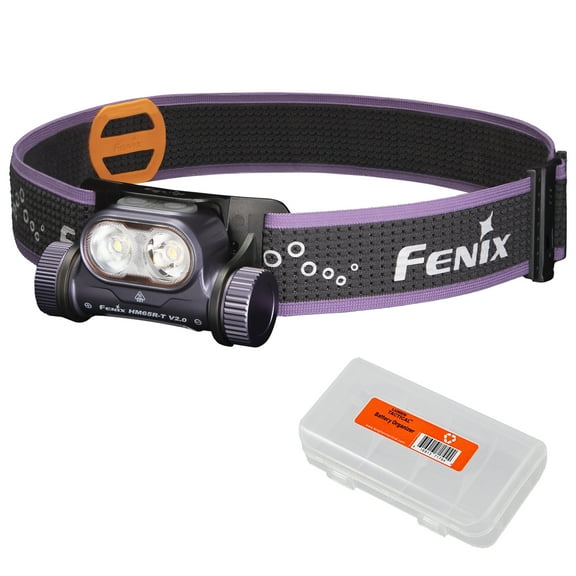
A fenix headlamp works well when you need both hands for setup, repair, hiking, or camp chores. This keeps light pointed where you look, which helps during close work and movement.
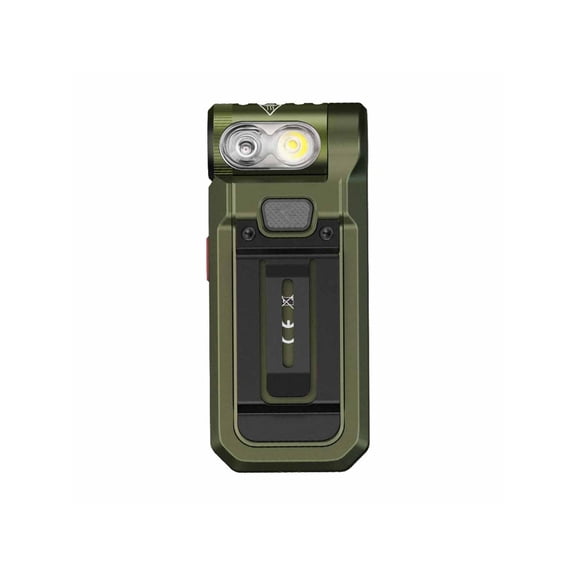
Angle lights can clip to gear and direct light across a work surface or path. You should consider them when you want flexible carry and a beam that sits lower on your body.
Handheld models make sense when you want quick access, longer throw options, or a more traditional grip. You can compare size, switch placement, and beam style to match daily carry or outdoor use.
Using fenix led flashlights in real-world situations
You can use fenix led flashlights for home backup, trail navigation, campsite tasks, or late-night gear checks. You should match output and charging style to how often you use the light and how far you need to see.
If you commute or travel often, you may want a compact rechargeable model with USB-C convenience. You’ll get easier charging from common cables and simpler storage in a backpack or vehicle.
If you spend time outdoors, you should compare stronger weather sealing, longer runtimes, and beams with useful throw distance. You can also pair your needs with a headlamp when hands-free light is essential.
With the right mix of lumens, runtime, charging, and form factor, you can choose confidently from this category. You can find a light that fits your routine, your gear, and the way you use it after dark.