

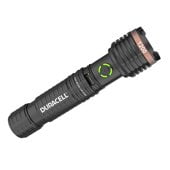
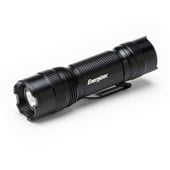
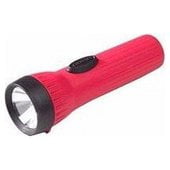
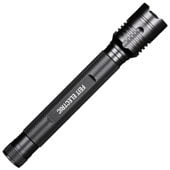
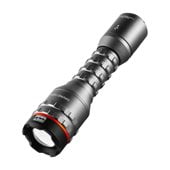
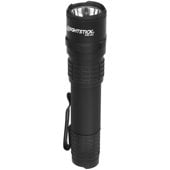
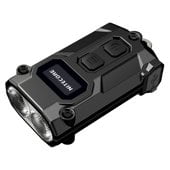
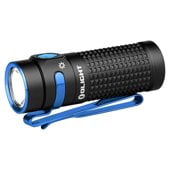
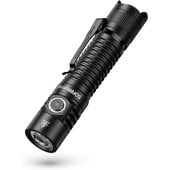
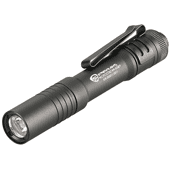
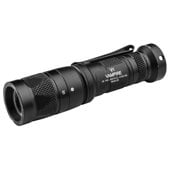
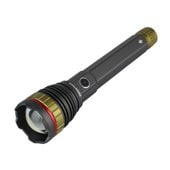
Flashlights by Brand for Outdoor Sports
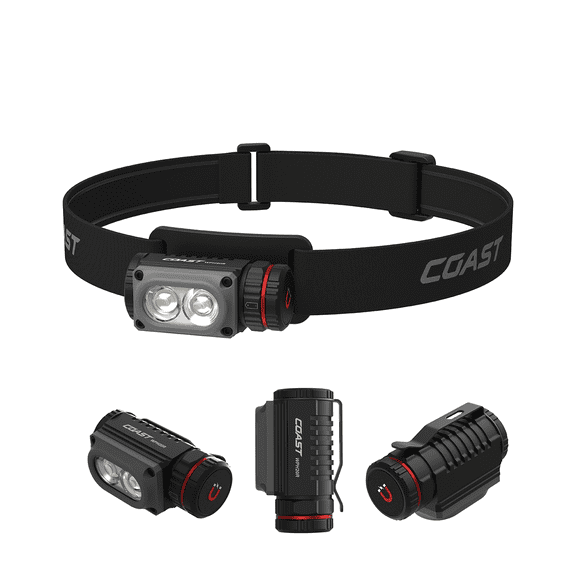

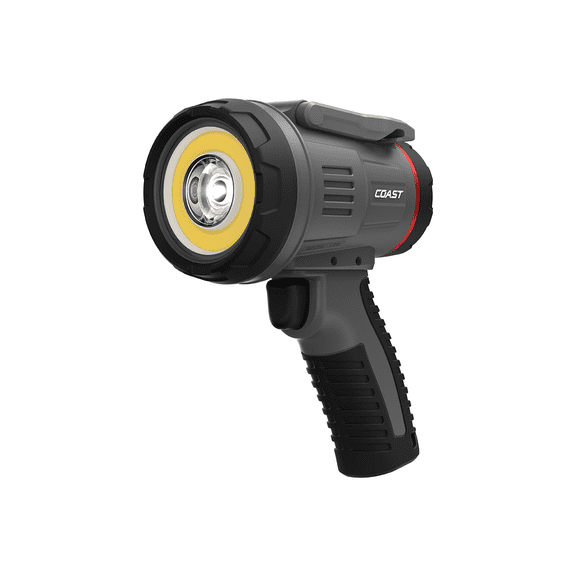
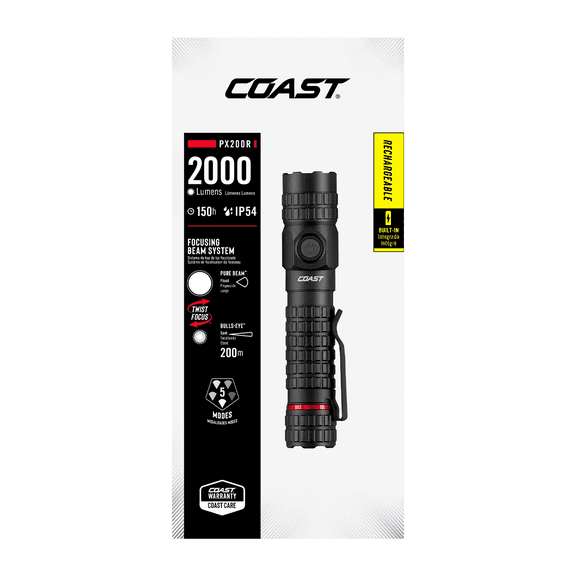
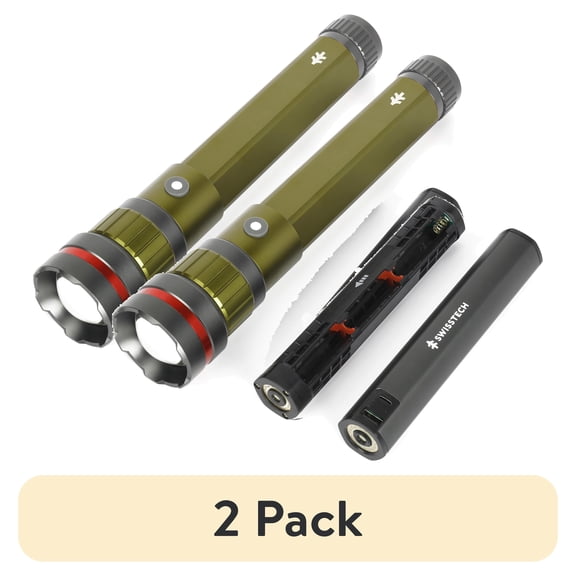



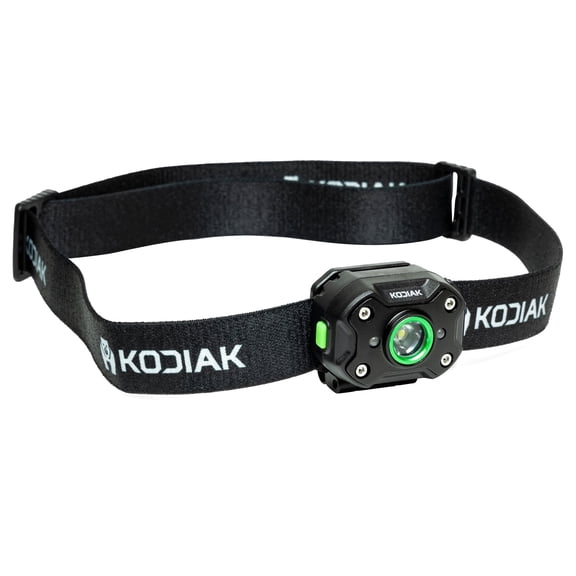
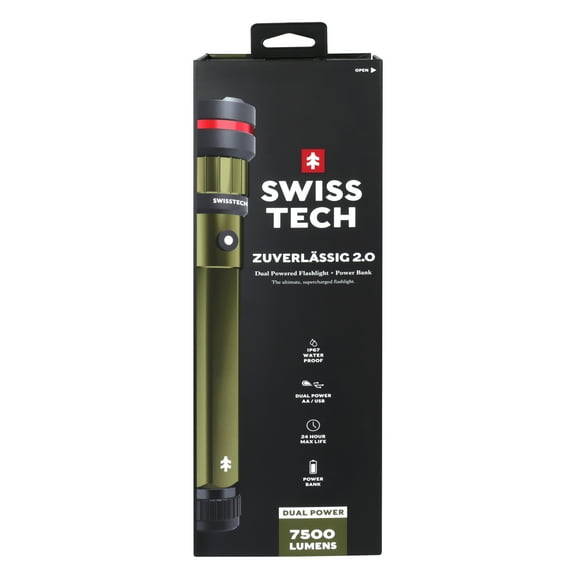
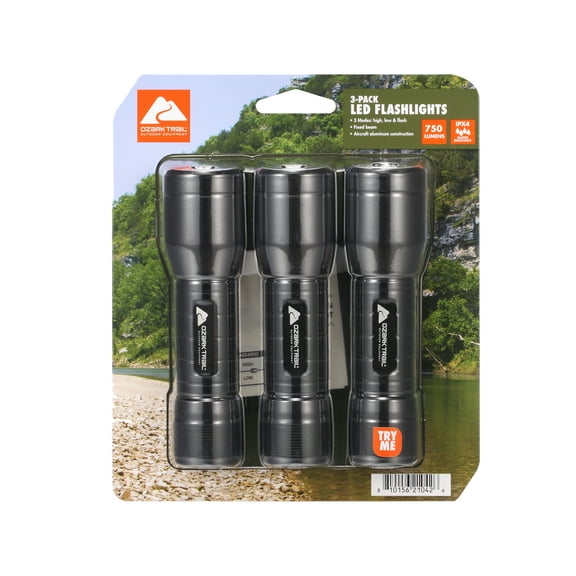
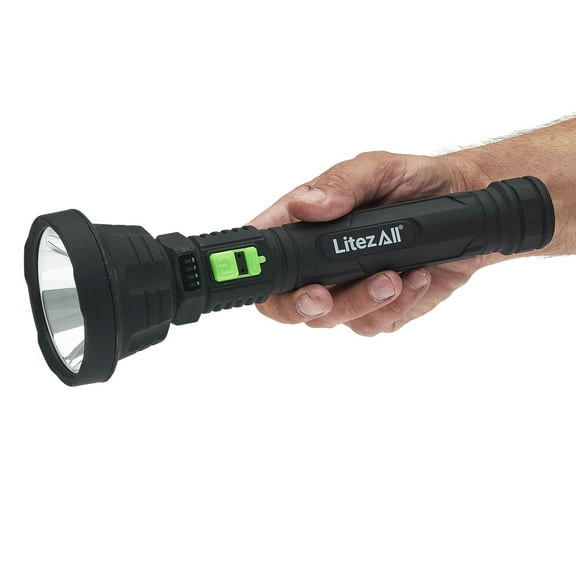


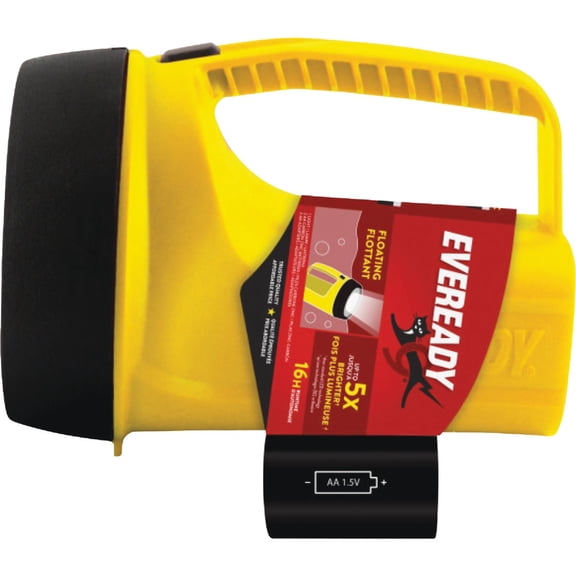
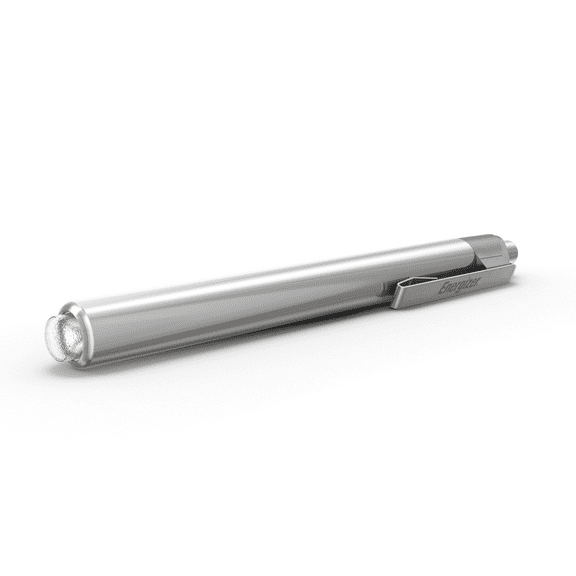


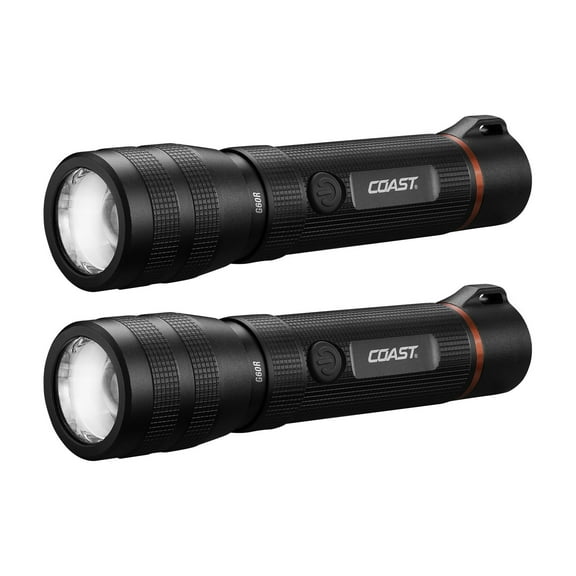


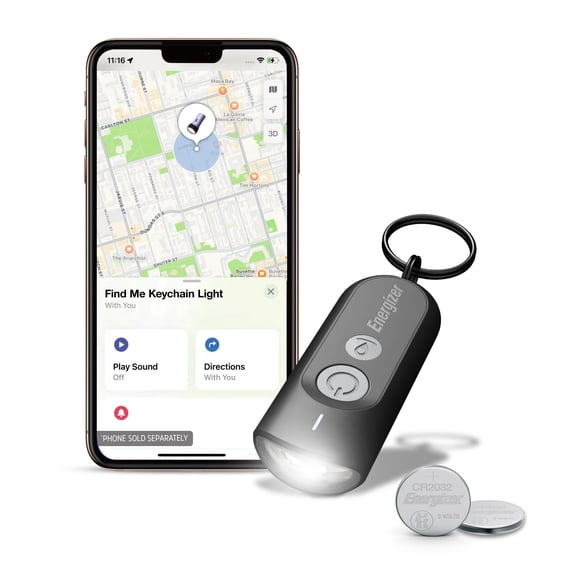

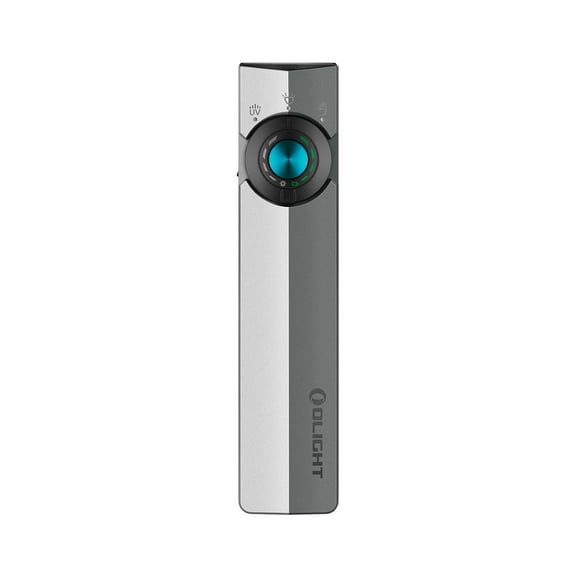


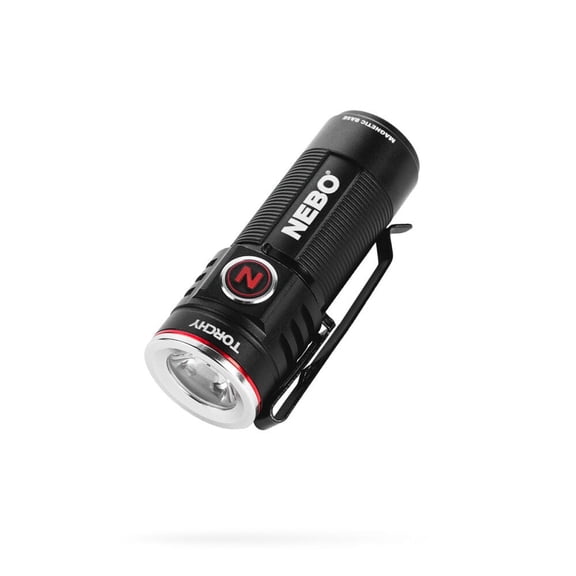
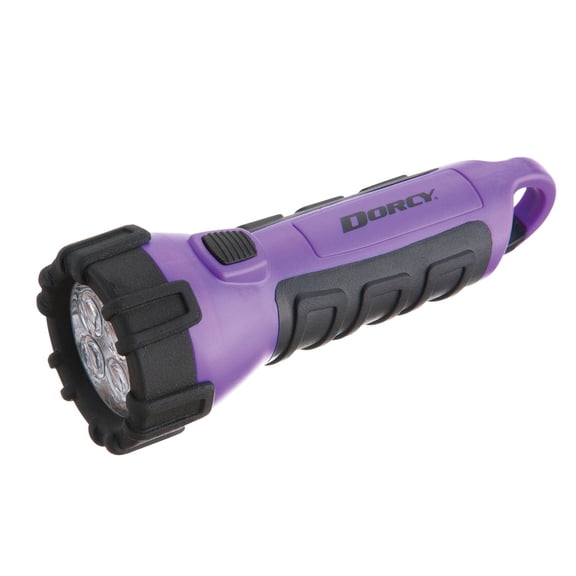


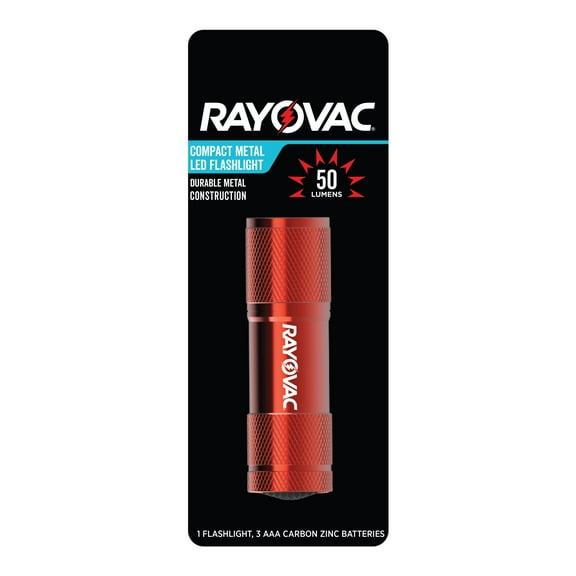

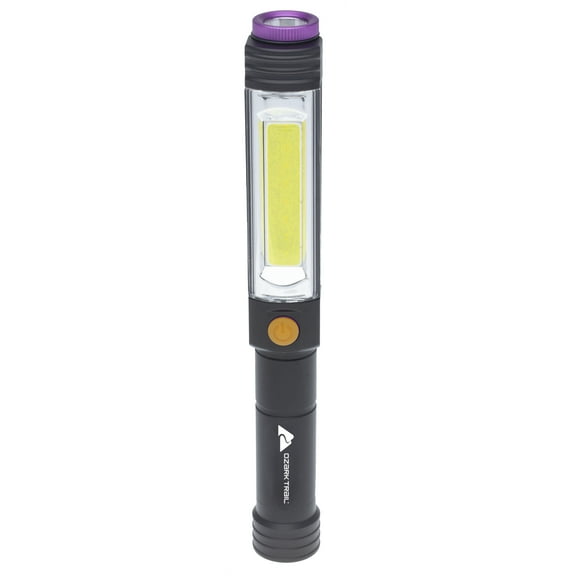
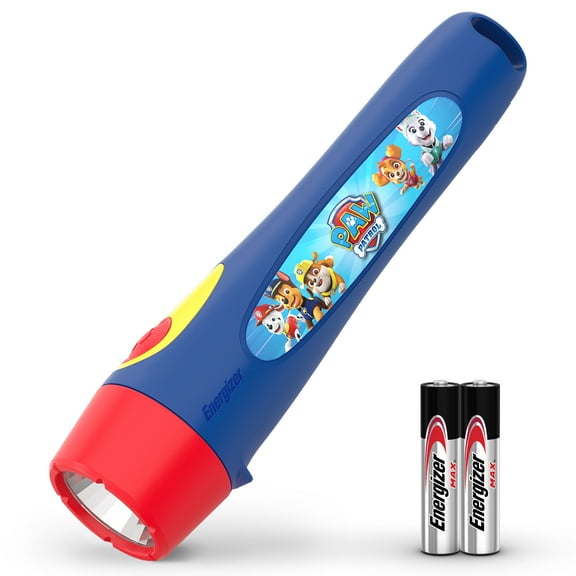

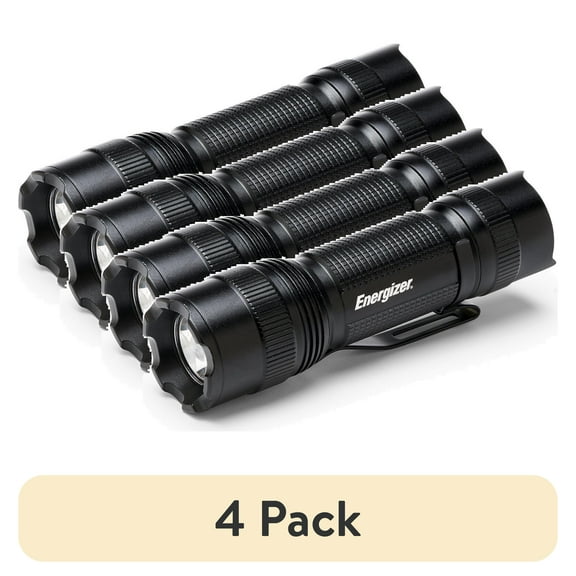
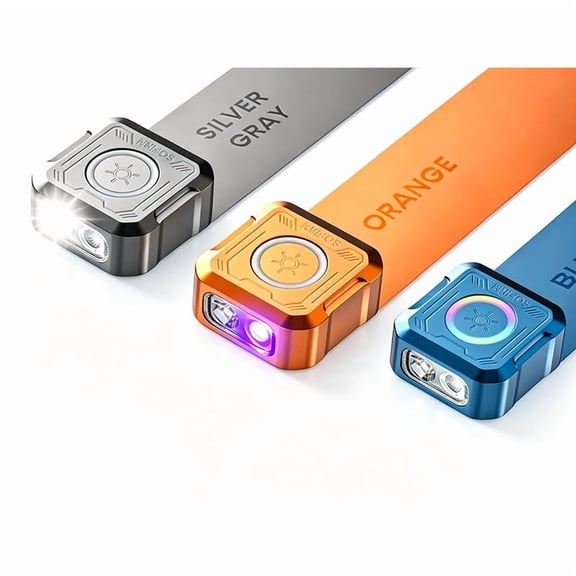


About Flashlights by Brand for Outdoor Sports - Walmart.com
You can compare flashlight brands more easily when you know how power, brightness, and durability affect everyday use. You’ll find brand choices for camping, storms, work tasks, and glove box storage in one place.
When you shop by brand, you can narrow styles faster and match features to how you actually carry and use a light. You’ll also spot differences in charging options, lumen ranges, and body designs without guessing.
How to choose flashlight brands by power source
You should start with power source because it shapes convenience, runtime, and how often you need fresh batteries. You can compare rechargeable, battery powered, solar, and crank options based on where you use them most.
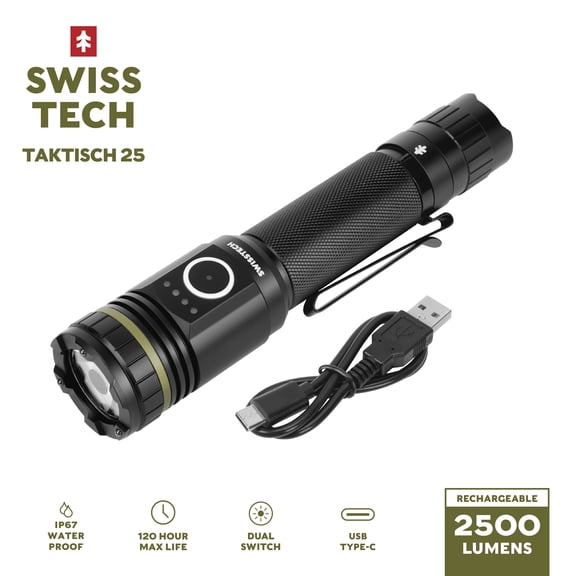
If you use a light often, you may prefer rechargeable flashlights with USB charging or charging docks. You can keep them ready on a desk, in a vehicle, or near your entry table.
If you want quick battery swaps, you may choose battery powered models that use common sizes like AA or AAA. You can pack extras for camping kits, tackle boxes, or emergency bins.
If you build a storm kit, you may consider solar or crank styles for backup access. You can use those designs when outlets are limited and battery replacements aren’t close by.
- You can choose rechargeable models for frequent use and easy routine charging.
- You can choose battery powered lights for simple swaps and travel flexibility.
- You can choose solar or crank options for emergency flashlights and backup planning.
- You can compare runtime claims so your light matches short tasks or longer outages.
Choosing flashlight brands by light source and brightness
You should compare light source next because beam style and efficiency affect what you actually see. You’ll notice led flashlights are common because you get bright output with longer-lasting everyday performance.
When you compare lumens, you’re really comparing how much area and distance you want to light. You can use lower lumen output for drawers and hallways, while higher lumen flashlights fit outdoor tasks.
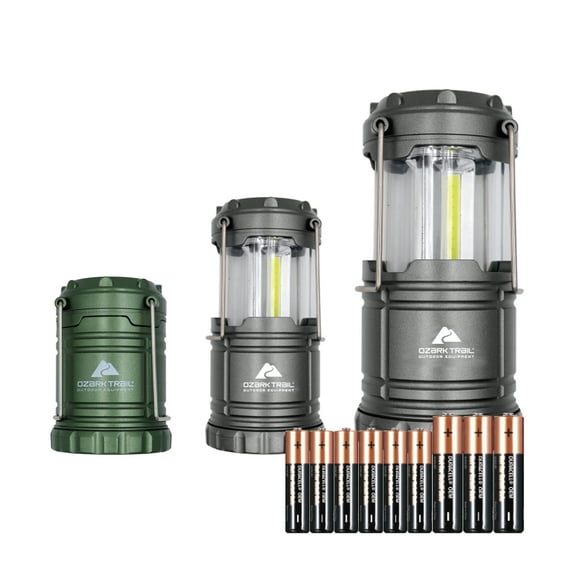
If you need wider coverage, you should look for beams that fill a tent, room, or campsite. If you need reach, you should look for focused beams that help you see farther ahead.
You may also see incandescent or halogen options in some assortments and specialty designs. You can compare them if you want a familiar beam look or a specific replacement style.
For everyday carry, you may want a pocket-sized light that stays easy to clip or store. For larger spaces, you may want a bigger body that supports stronger output and longer runtime.
What to look for in tactical flashlights and durability
You should focus on durability when your light goes outdoors, into a work bag, or into rough storage. You can compare tactical flashlights, waterproof flashlights, and heavy duty flashlights by body build and sealing.
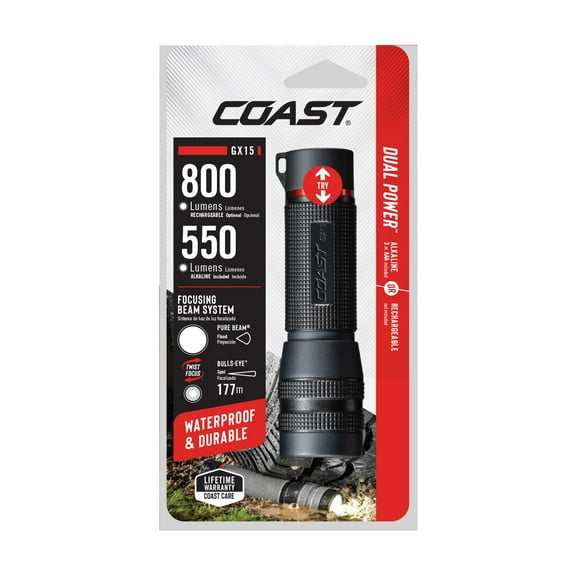
If you use a light in rain, around boats, or on wet campsites, you should check water resistance details. You may see simple IPX ratings, which help you compare splash resistance and deeper water protection.
If your light rides in a toolbox or truck, you should also compare impact resistance and housing material. You can look for shockproof builds and textured grips that stay easier to hold.
Many tactical styles include stronger bodies, focused beams, and tail switches for one-handed control. You can use those details for night walks, garage tasks, and gear bags that need dependable access.
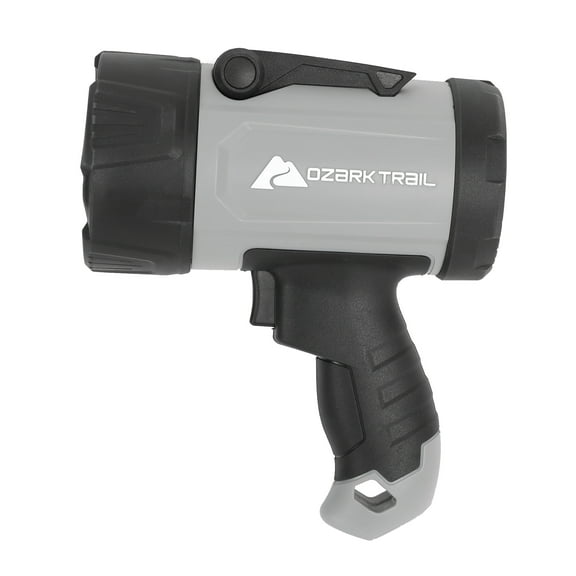
You should also compare length and weight before choosing a heavy-duty design. You can carry compact lights in a pocket, while larger search styles fit vehicles, workshops, or camping totes.
Matching flashlight brands to real use cases
You can narrow flashlight brands faster when you match features to the moments that matter most. You should compare camping, emergency, tactical, and everyday carry needs before choosing beam size or battery style.
For camping, you may want rechargeable flashlights with LED output and waterproof construction. You can use them for tent setup, trail walks, and late-night gear checks without taking much pack space.
For emergency flashlights, you may prefer simple controls, long runtime, and easy storage near supplies. You can keep battery powered, solar, or crank options in closets, cars, and weather kits.
For tactical flashlights, you may want a focused beam, sturdy body, and secure grip pattern. You can use that setup for outdoor tasks, jobsite checks, and night visibility around equipment.
For everyday carry, you may want a slim shape that fits your pocket, backpack, or console. You can choose lighter models when you need quick access for errands, dog walks, or household checks.
If you’re comparing brands for home use, you should think about where the light will stay between uses. You can place larger lights in garages and smaller lights in drawers, bags, or bedside tables.
How to compare features across flashlight brands
You should compare switches, beam modes, charging ports, and included accessories before making your choice. You can often narrow options faster when you know which details support your routine.
Look for beam modes if you want flexibility between close work and distance viewing. Check whether your light includes low, high, or strobe settings that fit your intended use.
You should also check charging format and battery compatibility so replacement planning stays simple. You can compare USB charging, dock charging, or standard battery formats based on your setup.
When you compare flashlight brands with these decision points, you can choose with more clarity and less trial and error. You’ll end up with a light that fits your carry style, your space, and your routine.