





Smoke Detectors Prices & Local Availability | Walmart




















About Smoke Detectors Prices & Local Availability | Walmart - Walmart.com
Smoke detectors help you compare power source, sensor type, battery life, and placement for your home. You can narrow your options quickly when you match each alarm to your rooms, wiring, and upkeep routine.
How to choose smoke detectors for your home
When you compare smoke detectors, you should start with your home's wiring and your preferred maintenance routine. You can choose with more clarity when you match the alarm to your ceiling location, room layout, and replacement schedule.
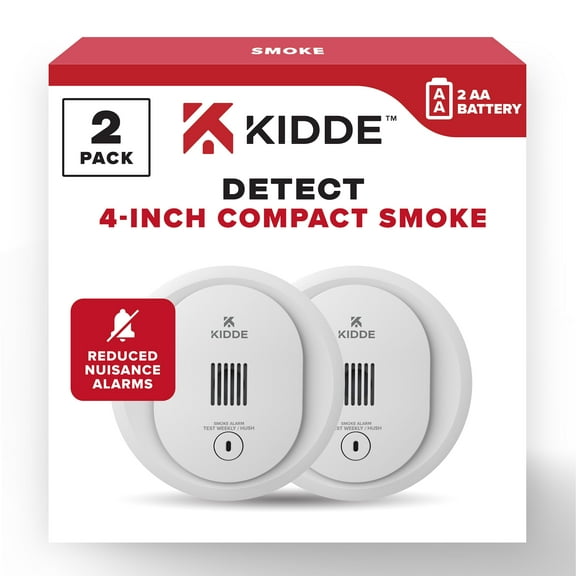
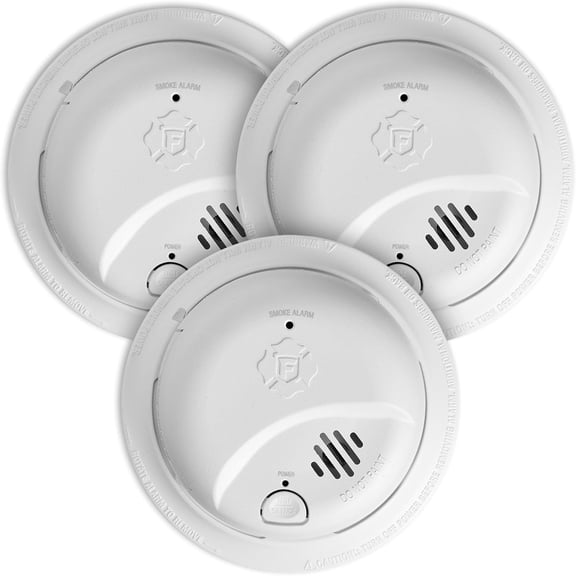
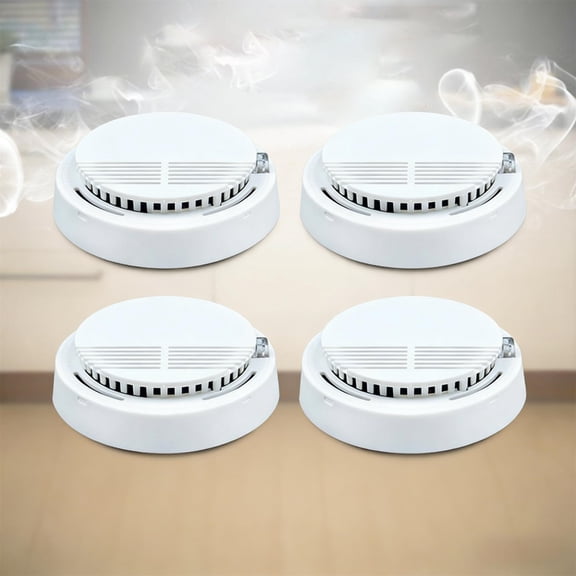
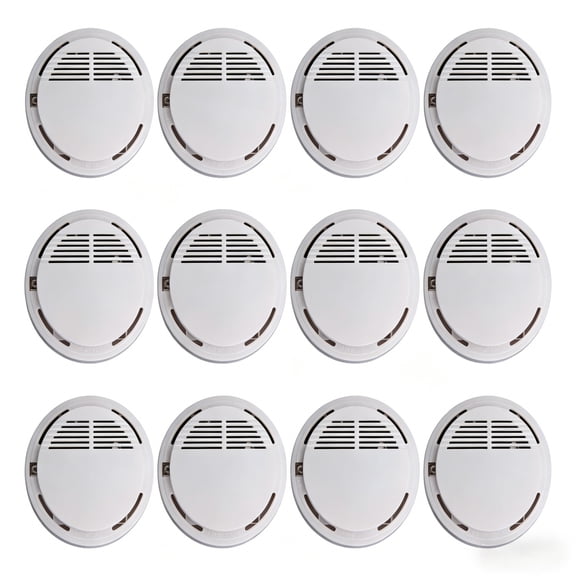
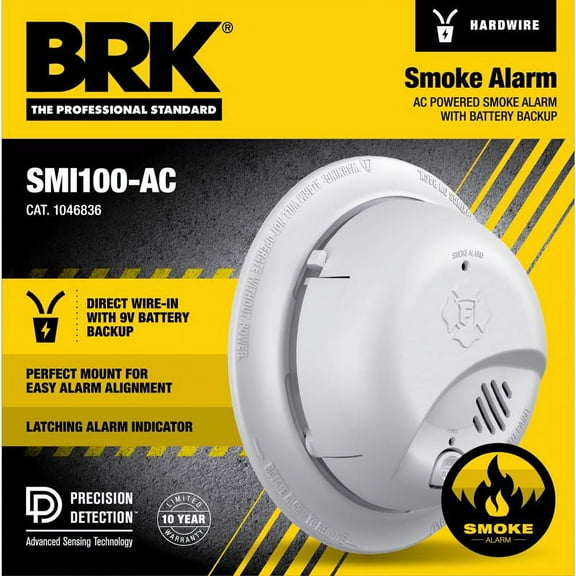
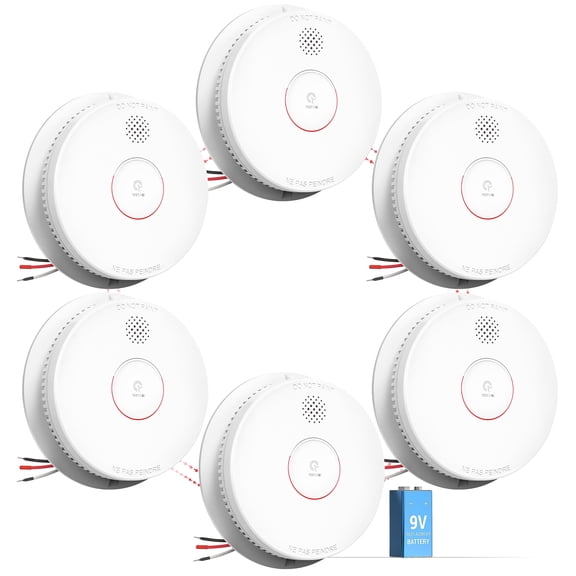
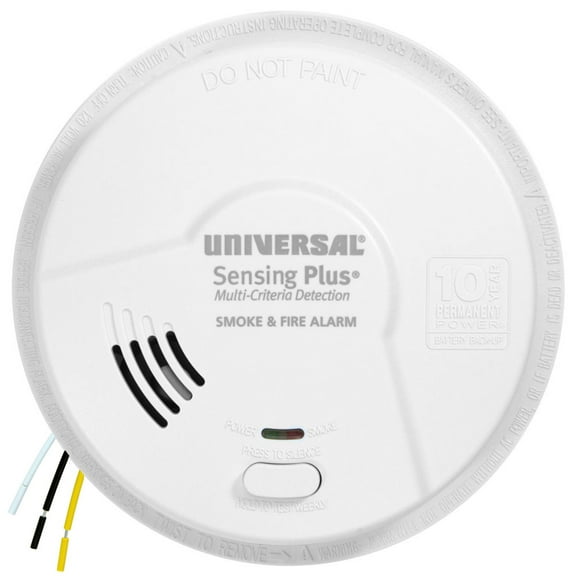
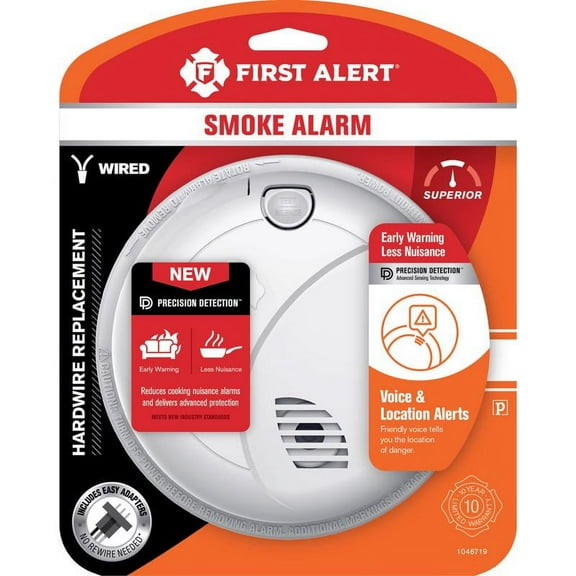
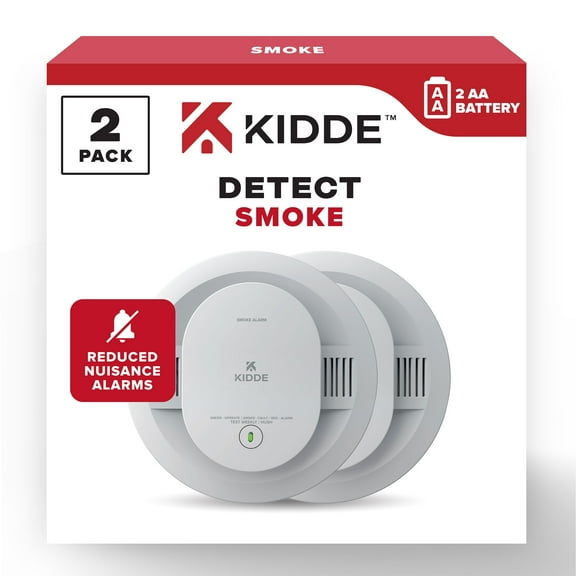
Many shoppers compare battery operated smoke alarms with hardwired smoke detectors before other details. You may prefer battery models for simple setup, while you may prefer wired units for homes with existing alarm connections.
- You can use battery operated models where you have limited wiring access.
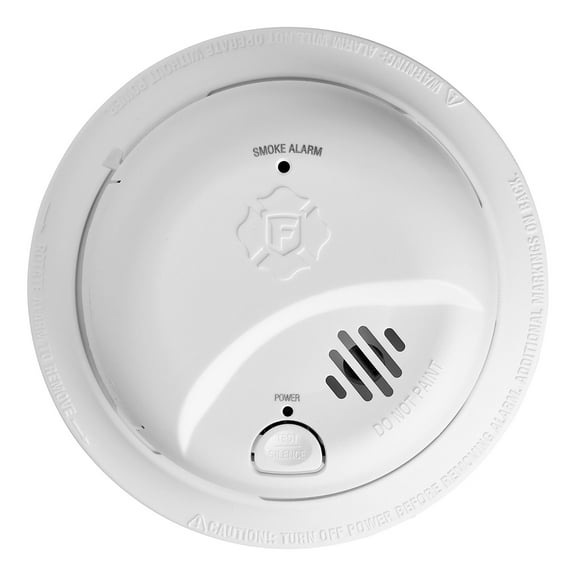
- You can choose hardwired options when your home already supports interconnected alarms.
- You can consider plug-in styles for select spaces with convenient outlet access.
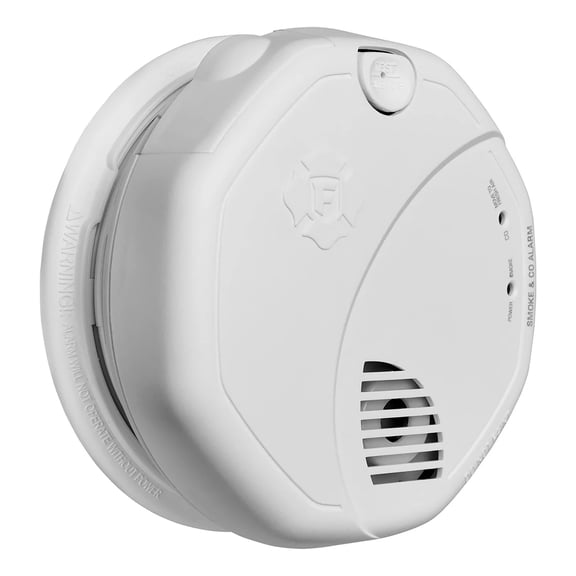
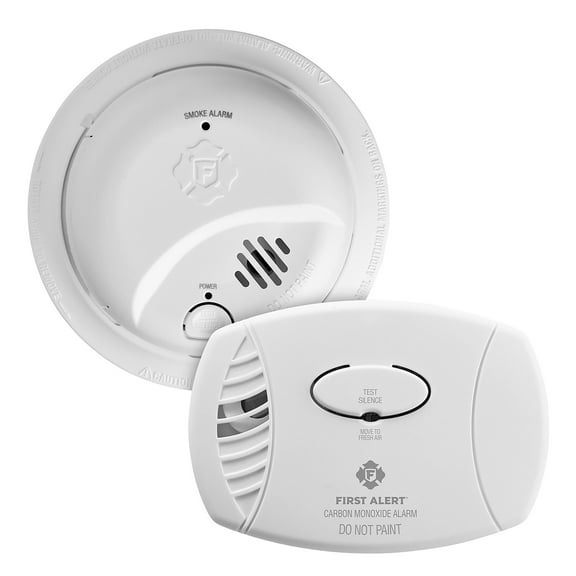
- You can compare smoke-only units with carbon monoxide and smoke detectors for combined coverage.
You should also check local code requirements before you decide on placement and power source. In many newer homes, you may need interconnected alarms that sound together across multiple rooms.
Choosing between smoke alarms and fire alarms by sensor type
You can make an informed choice when you understand how sensor types differ in everyday use. You may choose photoelectric models for smoldering fire patterns, while you may choose ionization models for fast-flaming fire patterns.
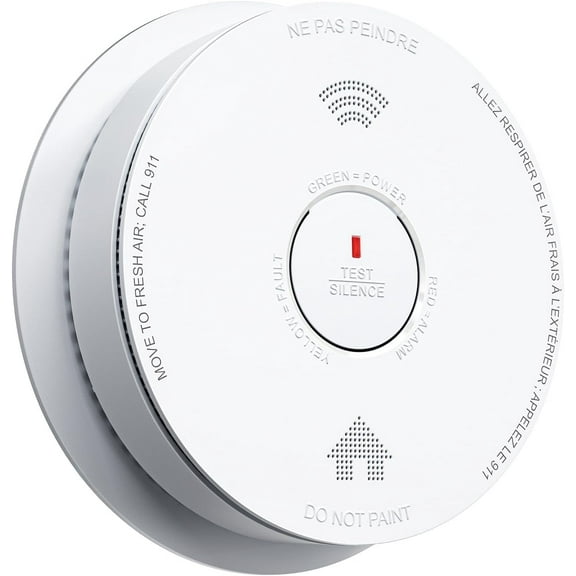
If you want broader detection in one unit, you can compare dual sensor smoke alarms. You may like dual-sensor options because you get both sensing approaches in one alarm housing.
You'll also notice that smoke alarms come in formats designed for bedrooms, hallways, stair areas, and common spaces. You can review sensor type alongside sound level, hush buttons, and test access for simple routine checks.
Comparing battery operated and hardwired smoke detectors
You should measure installation needs before you choose between battery operated and hardwired designs. Battery powered units can work well when you want flexible placement without connecting to household wiring.
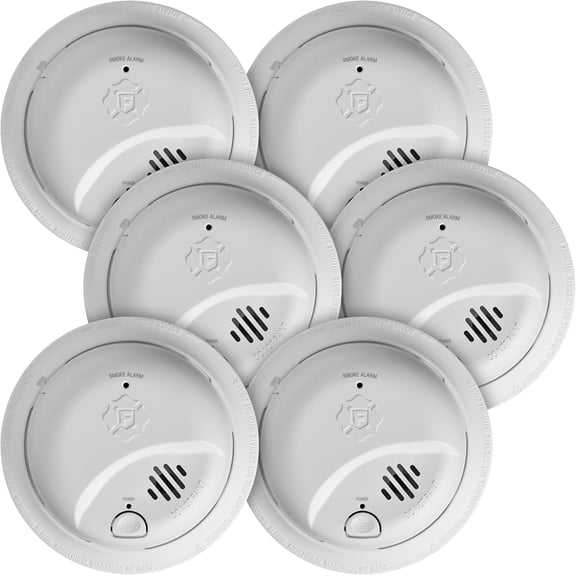
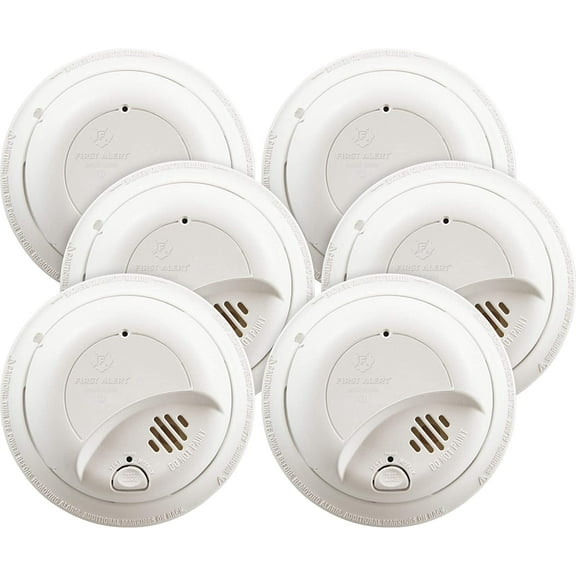
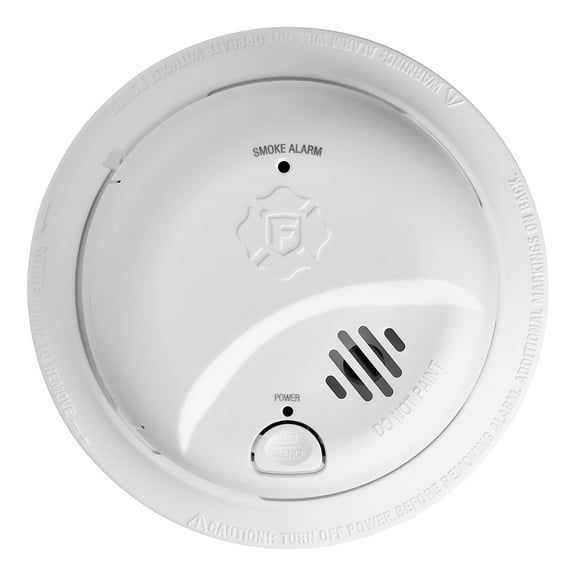
Hardwired smoke detectors can suit homes with existing alarm circuits and interconnected layouts. You may prefer this setup when you want multiple alarms to sound together during one triggered event.
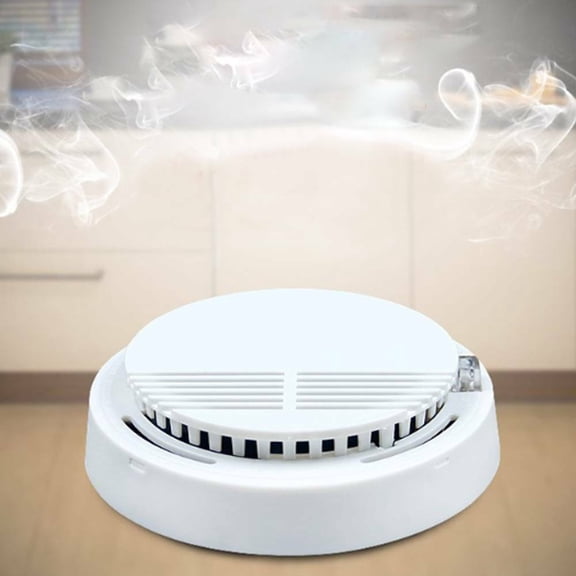
Plug-in models can also fit specific rooms where outlet access guides your setup. You should check cord placement, wall space, and room function so your alarm style matches your space.
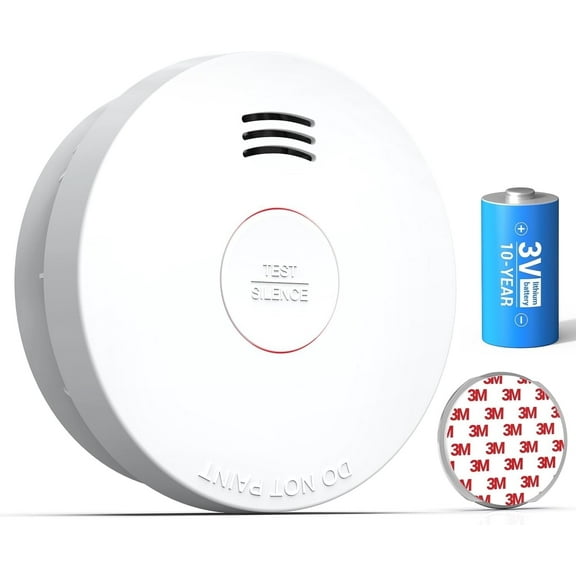
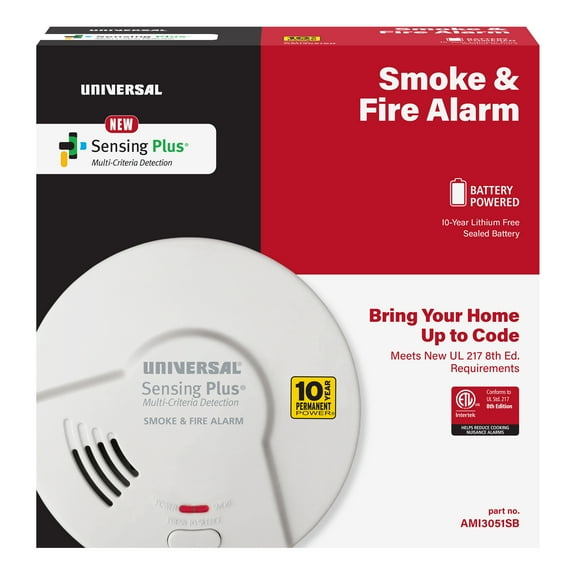
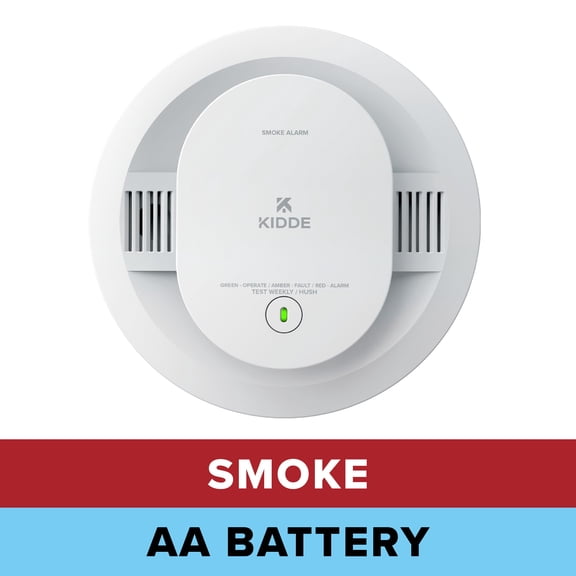
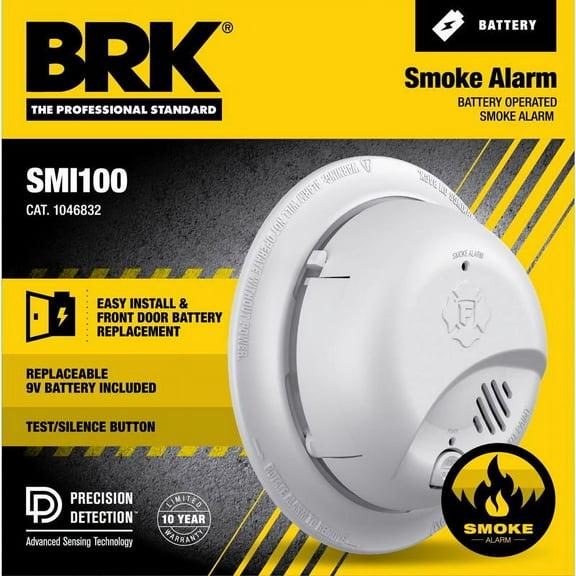
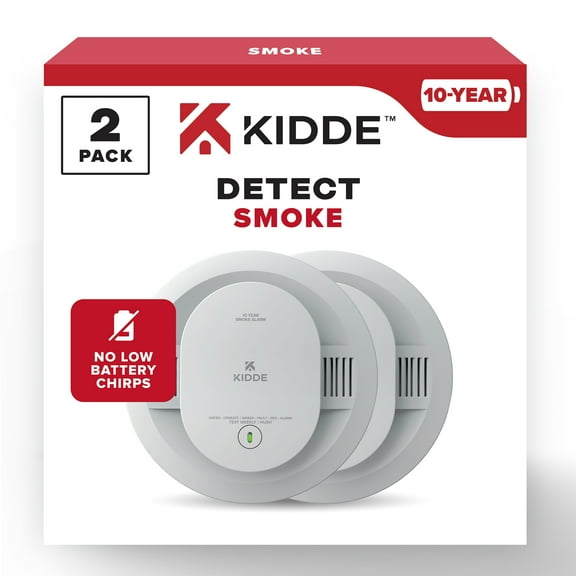
Battery life is another key decision point when you compare options across this category. You can choose 10-year sealed batteries for less routine replacement, or you can select replaceable 9V or AA formats.
If you want less hands-on maintenance, you may prefer a 10-year battery smoke detector. If you already keep spare household batteries, you may prefer replaceable formats for familiar upkeep.
What to look for in carbon monoxide and smoke detectors
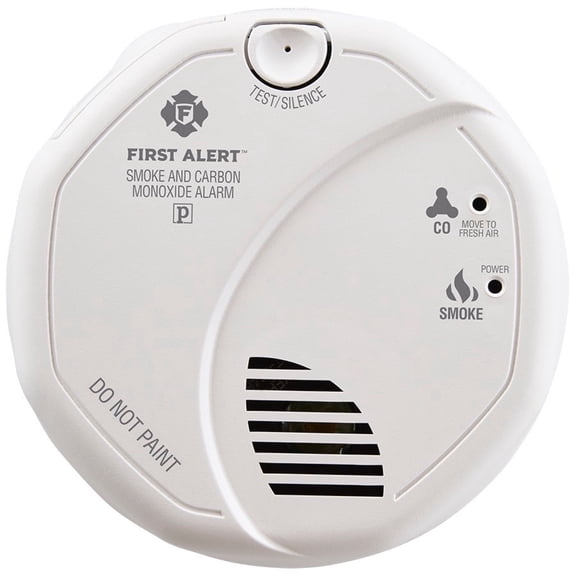
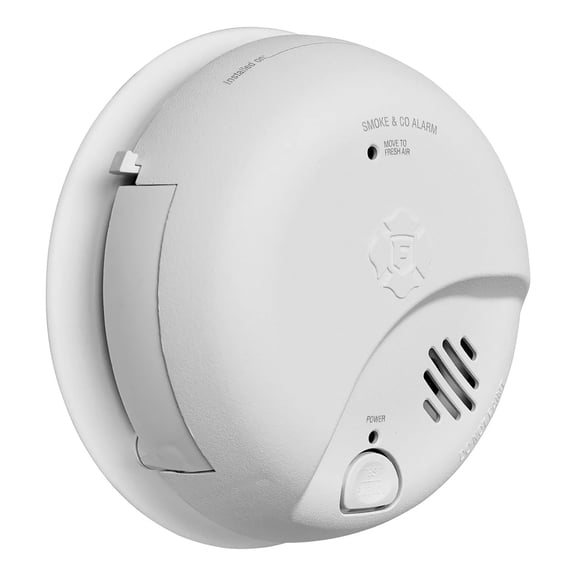
You can simplify your setup when you choose carbon monoxide and smoke detectors for shared coverage in one unit. This format can help you reduce wall and ceiling clutter in spaces where combined monitoring makes sense.
Combination units are often useful near sleeping areas and central living zones. You should still compare display style, voice alerts, and battery format so the alarm fits your daily routine.
Some shoppers prefer smoke-only alarms in homes that already use separate carbon monoxide devices. You can decide based on your current setup, room count, and whether you want fewer devices to maintain.
Where to install smoke detectors in your home
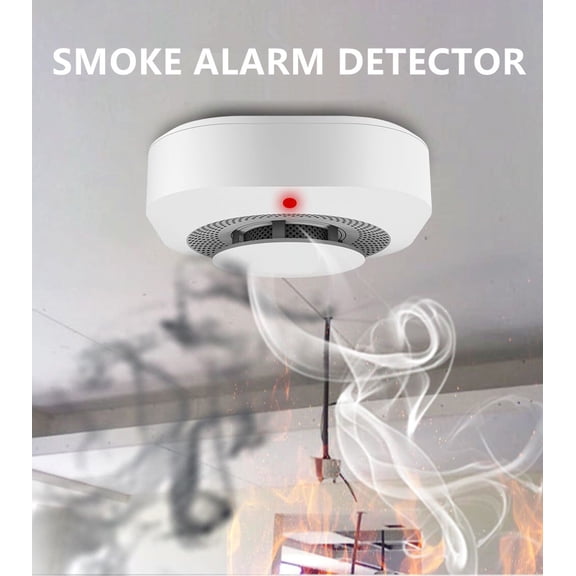
You should plan room by room so your alarm type matches the space where you need it. Bedrooms, hallways, upper levels, and main living areas often guide how many units you may need.
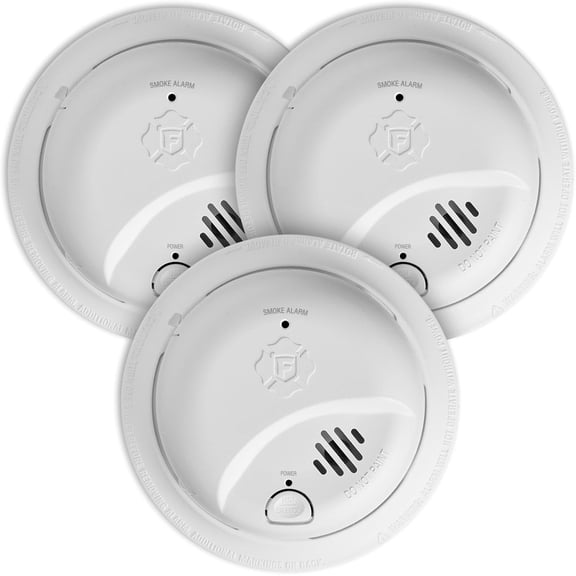
If you manage a larger home, you may want interconnected alarms that notify you across multiple floors. If you update one room at a time, you may start with battery operated smoke alarms in key areas.
You can also match features to daily habits and household layout. A hush button may help you silence nuisance alerts, while a front-load battery door may make simple routine replacement easier.
For remodels and new construction, you should check whether local codes require hardwired smoke detectors in specific areas. You can avoid uncertainty when you confirm wiring needs and interconnection rules before installation.
How you can compare features with confidence
You can compare alarm size, mounting hardware, test controls, and battery format to narrow your options without guesswork. You should look for features that fit your ceiling height, access needs, and maintenance routine.
When you choose smoke detectors with the right sensor type, power source, and battery life, you get a setup that fits your home precisely. You can feel more confident when your alarms match your layout, wiring, and everyday upkeep preferences.