

Incandescent Light Bulbs















About Incandescent Light Bulbs - Walmart.com
You can choose incandescent light bulbs for familiar warm light and dependable fit in legacy fixtures. You may need exact wattage, base size, and bulb shape for lamps, chandeliers, or appliances.
You’ll also find options for decorative sockets, enclosed fixtures, and everyday replacements. Your decision gets easier when you compare base type, shape, light color, and intended application together.
How to choose incandescent light bulbs
You should start with the socket, because the base has to match your fixture exactly. Your common choices include E26 medium bases, E12 candelabra bases, and E17 intermediate bases.
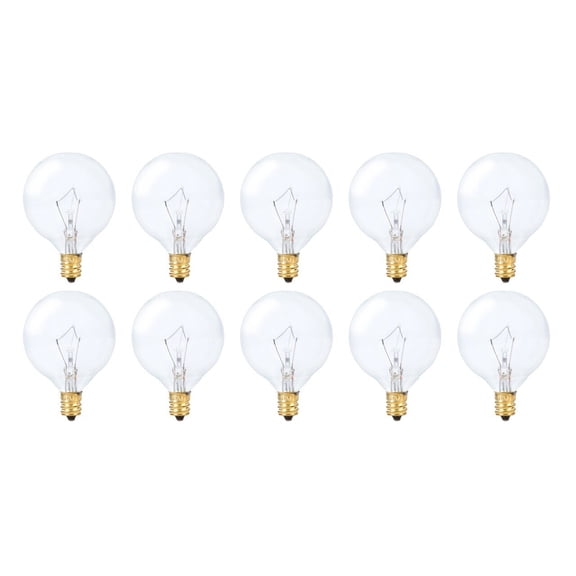
An E26 base usually fits standard table lamps, floor lamps, and many ceiling fixtures. An E12 base fits slimmer decorative sockets, while your E17 base often appears in specialty fixtures and appliance settings.
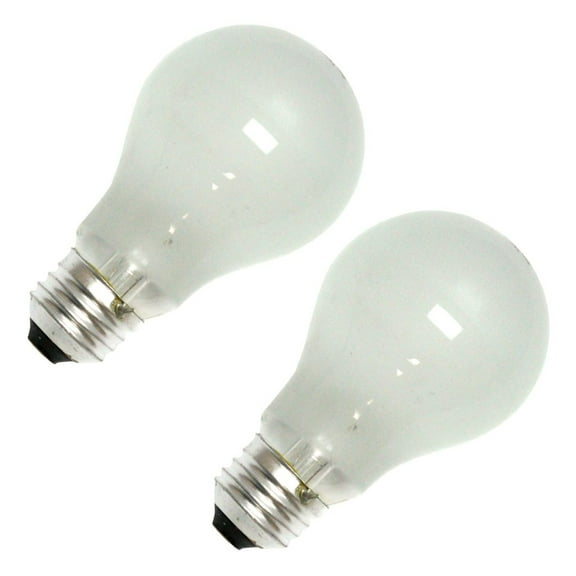
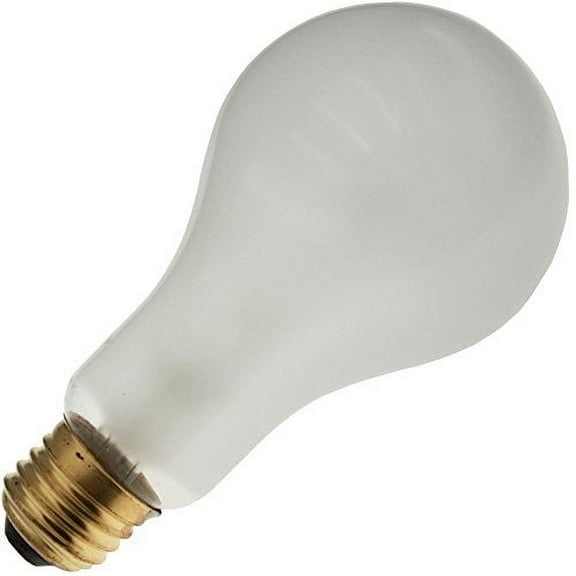
You should also check the bulb shape before you replace anything. Your A19 incandescent bulbs fit many general household lamps, while C7, G25, and BR30 shapes suit different spaces.
A19 shapes work well when you need a familiar everyday bulb profile. G25 shapes often suit vanity lighting, C7 shapes suit decorative strands, and BR30 shapes fit recessed flood-style fixtures.
Choosing wattage and brightness
You can narrow your options fast by matching the wattage printed on your old bulb or fixture label. Your common choices include 25W, 40W, 60W, and 100W bulbs.
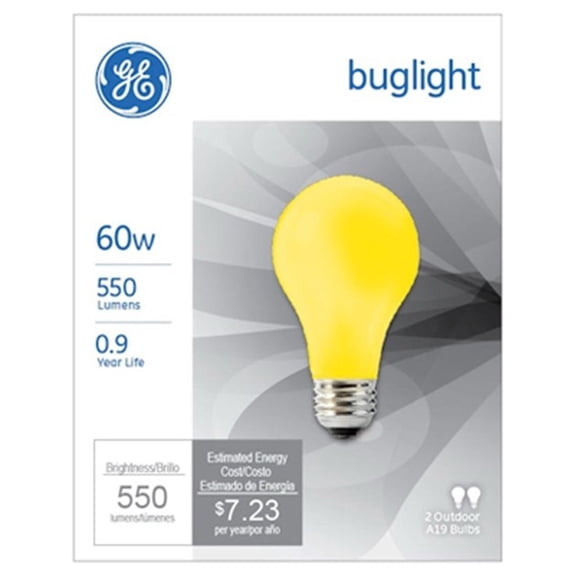
When you compare wattage, you’re comparing energy use and the traditional brightness level you expect. Your 60 watt incandescent bulbs often suit bedrooms, living rooms, and many standard lamp setups.
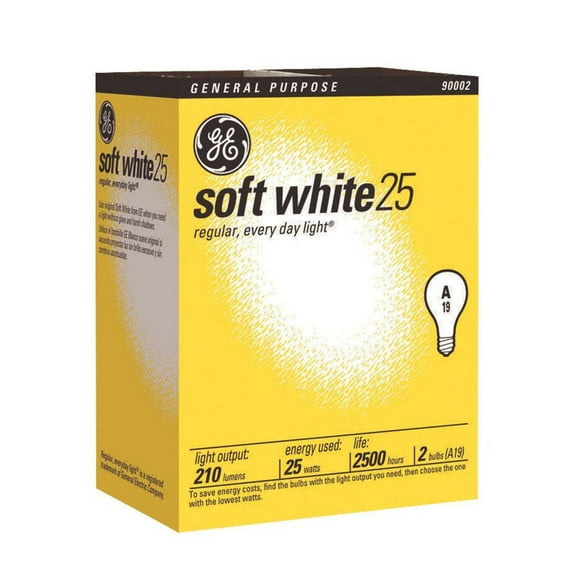
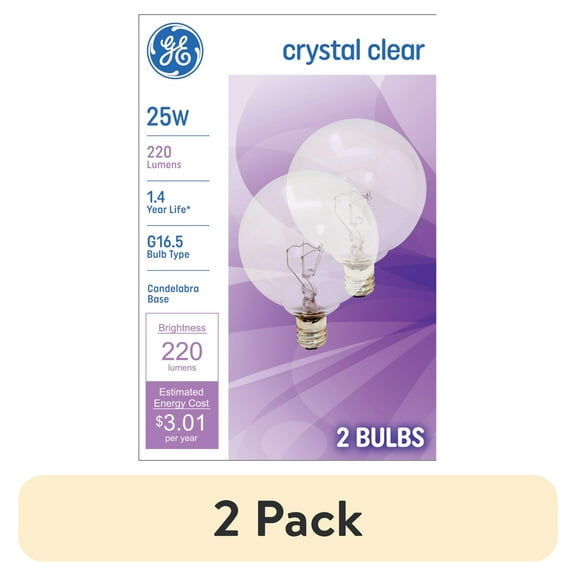
A 25W bulb can give your space a softer glow for accent lighting or smaller fixtures. A 40W bulb often works for hallways, side tables, or places where you want gentler light.
If you need stronger illumination, your 100W options can support larger rooms or task-focused areas. You should always confirm your fixture’s maximum wattage before choosing a higher output bulb.
- You can use lower wattages for accent lighting and smaller lamps.
- You can use 60 watt incandescent bulbs for many everyday household fixtures.
- You can use higher wattages where your room needs broader, brighter coverage.
- You should match your fixture label so your bulb fits the intended output range.
Comparing soft white, warm white, and clear finishes
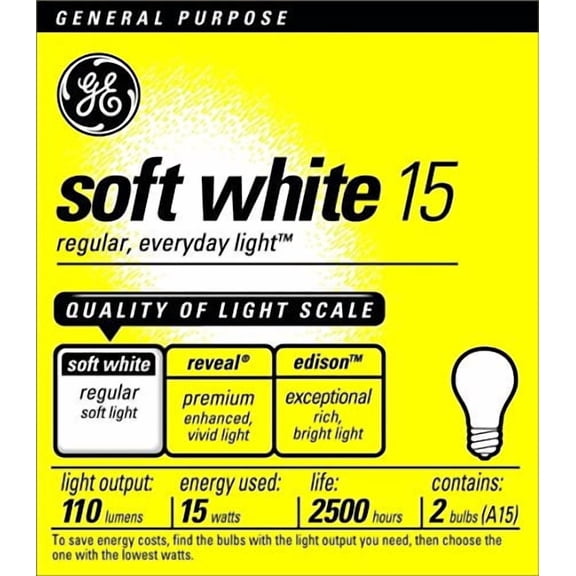
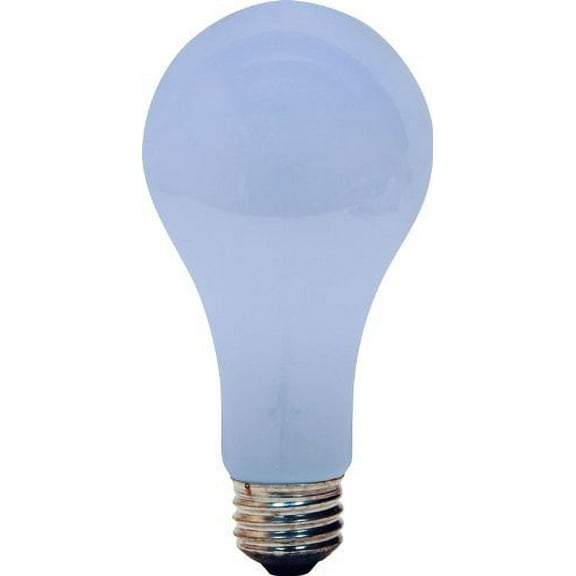
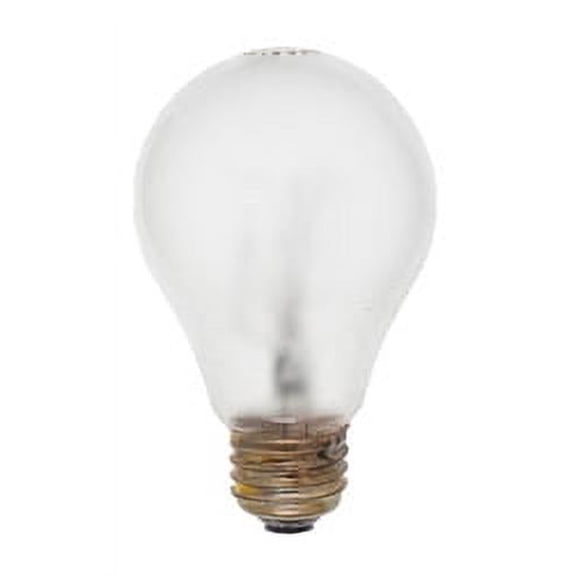
You can shape the look of your room by choosing the right light color and glass finish. Your soft white incandescent bulbs usually create a relaxed glow for bedrooms, living rooms, and reading corners.
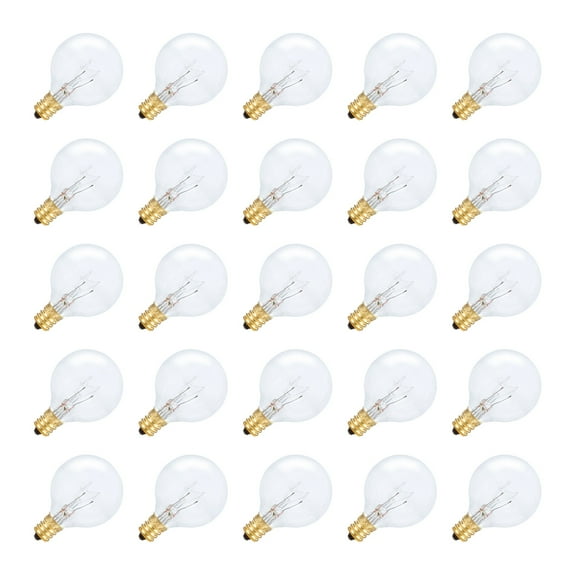
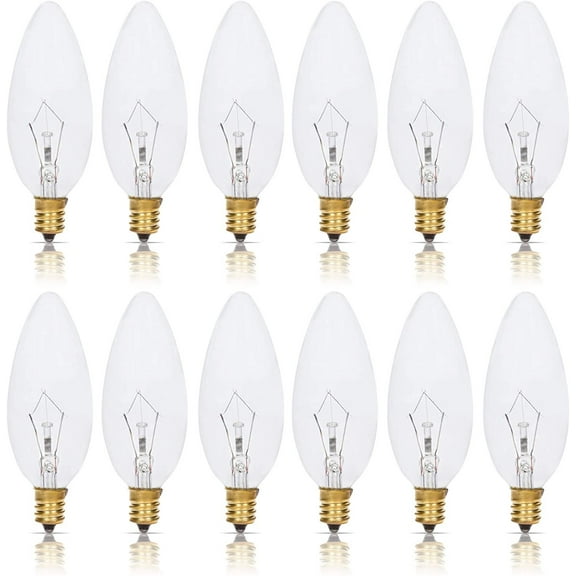
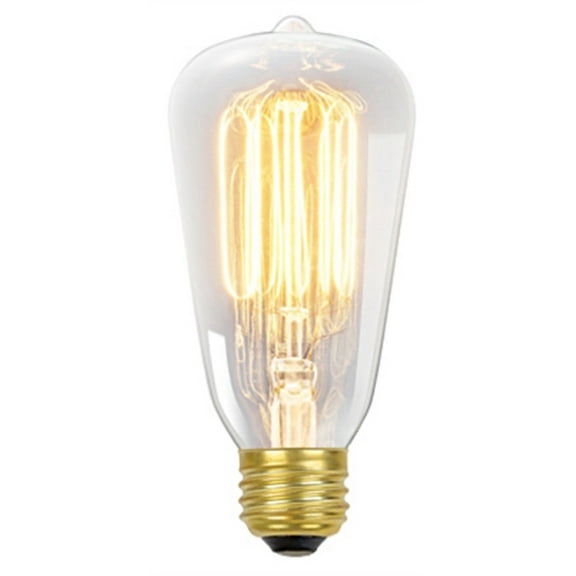
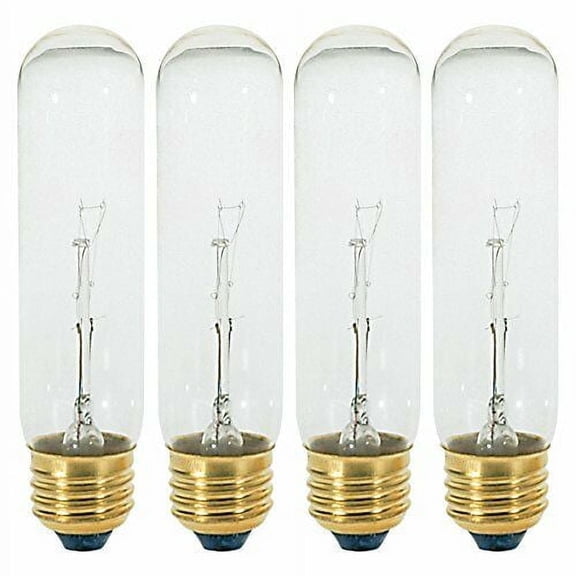
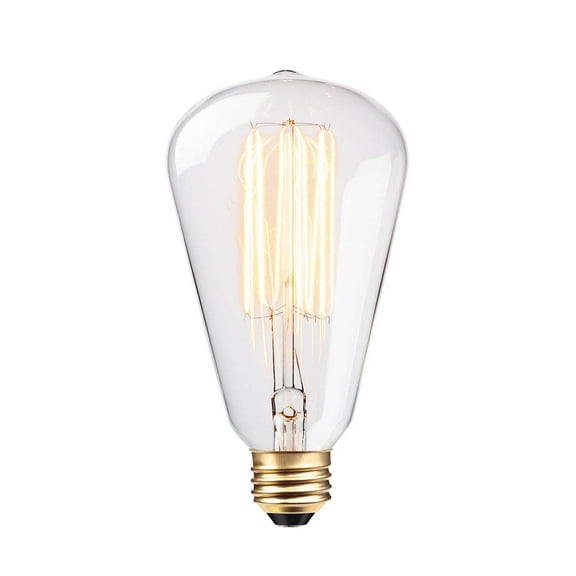
Warm white options give your space a familiar cozy tone that works well in many home settings. Clear incandescent bulbs let you see the filament style, which can suit open fixtures and decorative lighting.
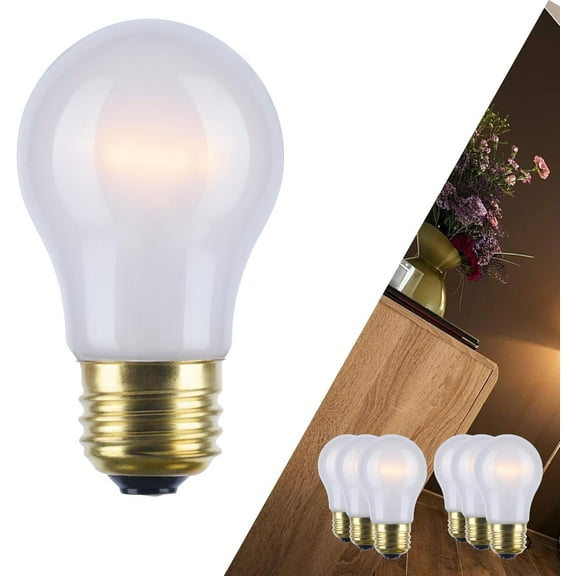
You should think about the shade, globe, or exposed socket around the bulb. Your frosted finish can soften glare, while your clear finish can highlight the bulb itself.
Choosing candelabra and specialty base options
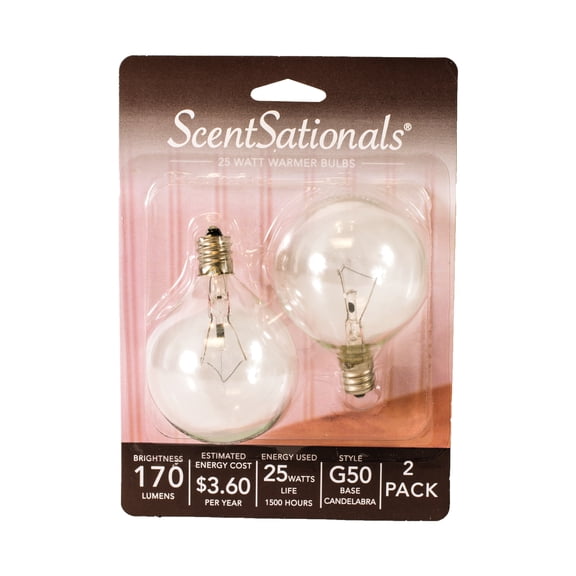
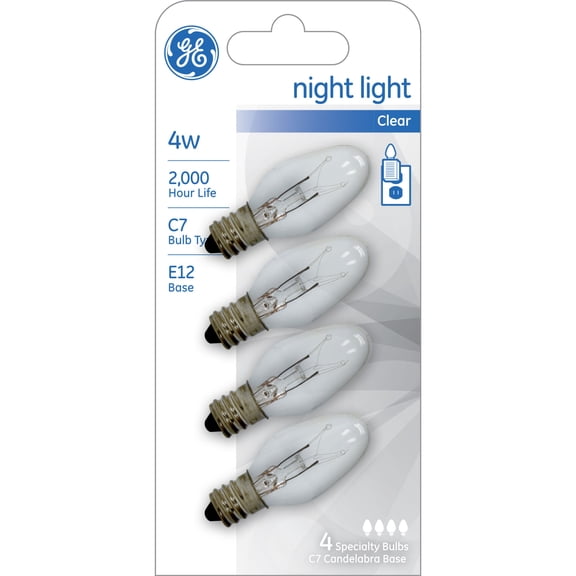
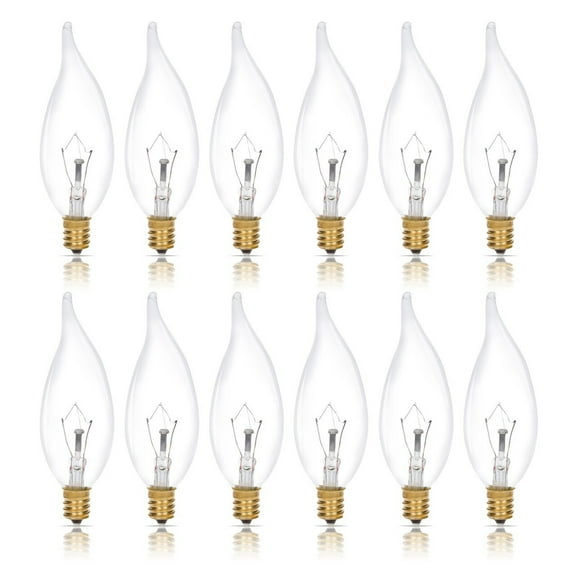
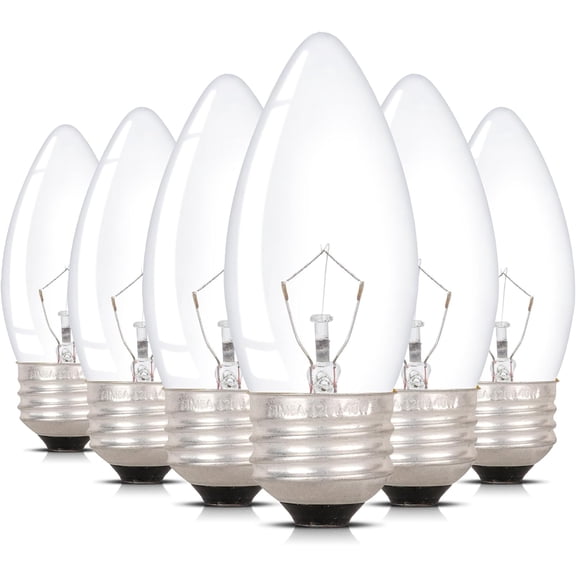
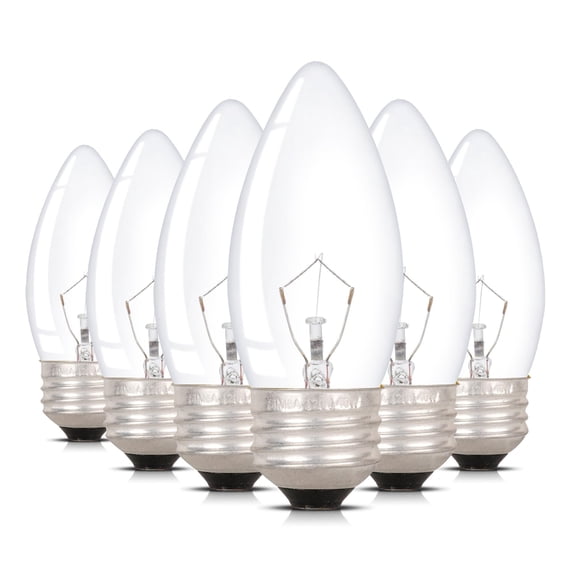
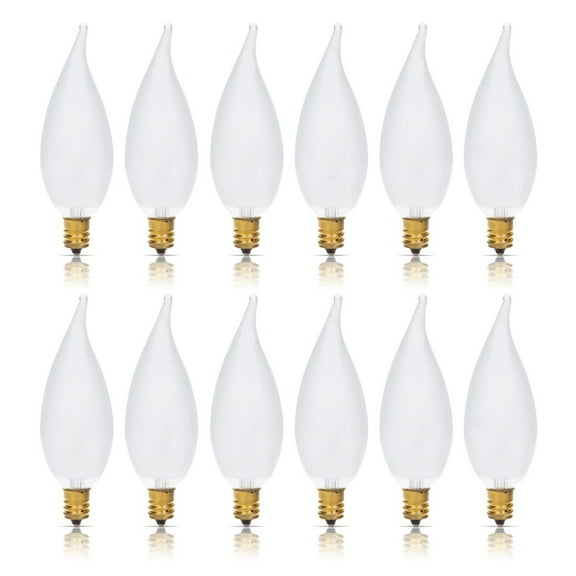
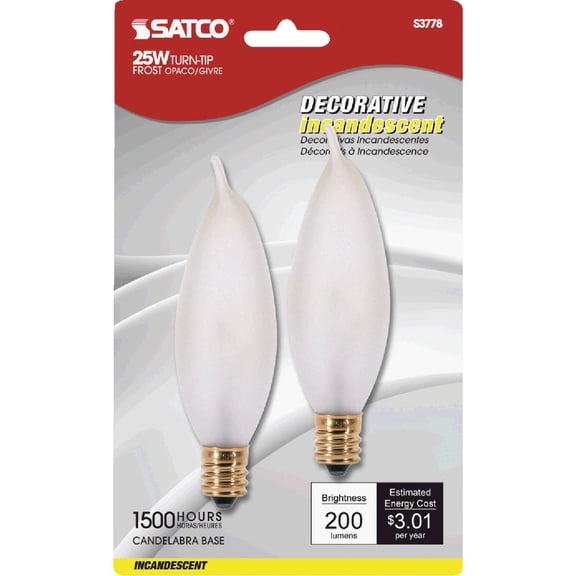
You may need candelabra incandescent bulbs when your fixture uses smaller decorative sockets. Your chandeliers, wall sconces, and some ceiling fans often use E12 candelabra bases.
These smaller bulbs help your fixture keep its intended proportions and visual style. You should compare both the base and the bulb shape, because a slim socket often needs a slimmer bulb form.
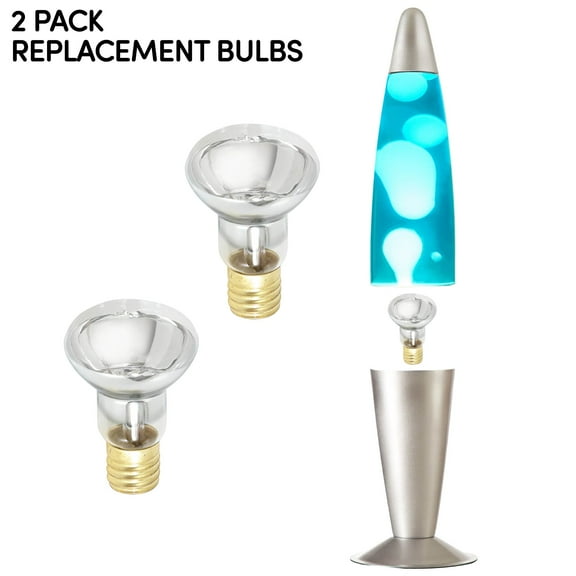
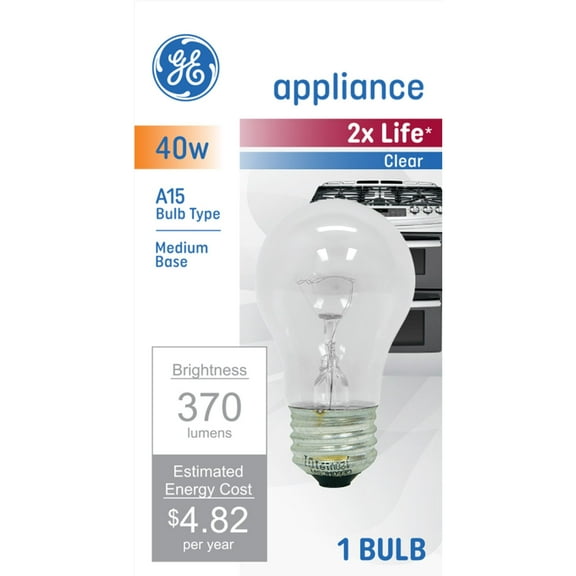
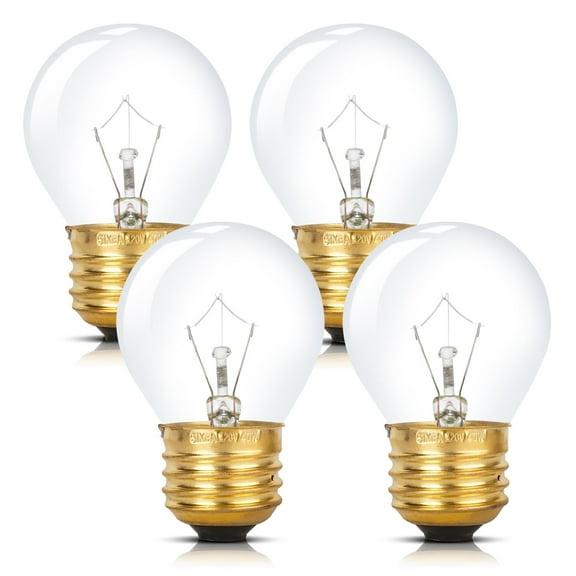
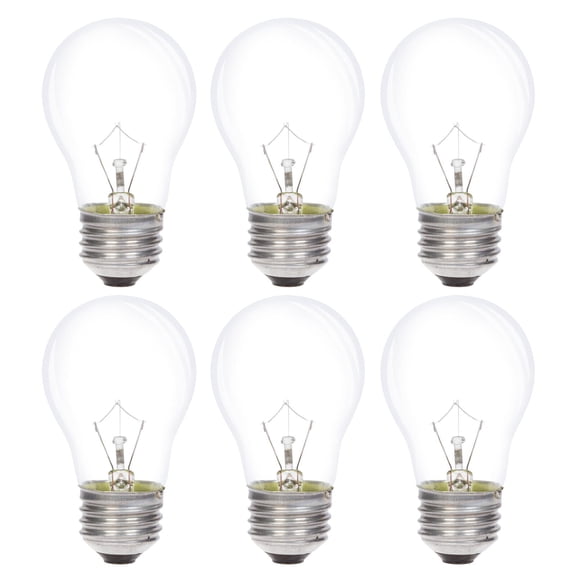
You might also need intermediate or specialty bulbs for appliances and compact fixtures. Your appliance light bulbs often use specific bases, smaller envelopes, or design details made for tighter spaces.
For ovens, refrigerators, and other appliance settings, you should check the label for fit and application. Your bulb needs the correct base, shape, and use designation for that enclosed space.
Matching bulb shape and application to your space
You can avoid fit issues by measuring the space around your current bulb before replacing it. Your bulb must clear shades, covers, and appliance housings without crowding the enclosure.
BR30 bulbs usually suit recessed ceiling cans where you want a broader beam pattern. G25 bulbs often fit vanity bars, while your A19 bulbs cover many everyday lamp and ceiling fixture needs.
You may also compare decorative and general purpose uses before you buy. Your decorative bulbs can support visible fixtures, while your general purpose bulbs handle daily lighting across common rooms.
For ceiling fans or busy household fixtures, you may look for bulbs described for that application. Your specialty use can also include high-temperature oven bulbs built for appliance environments.
What to look for before you replace a bulb
You should check four details before you choose a replacement. Your list should include base type, wattage, shape, and the intended application.
If your old bulb is an A19 with an E26 base, you’ll want the same physical format first. If your fixture uses a narrow chandelier socket, you’ll likely need candelabra incandescent bulbs instead.
You should also decide whether your room needs soft white ambiance or a clear decorative look. Your final choice should fit the socket, match the enclosure, and support the lighting style you want.
With incandescent light bulbs, you can keep older fixtures working with the familiar glow and fit they were designed for. You’ll feel more confident when your replacement matches the base, shape, wattage, and application from the start.