

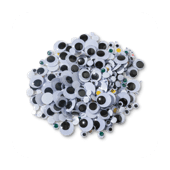
Wiggle Eyes in Basic Craft Supplies





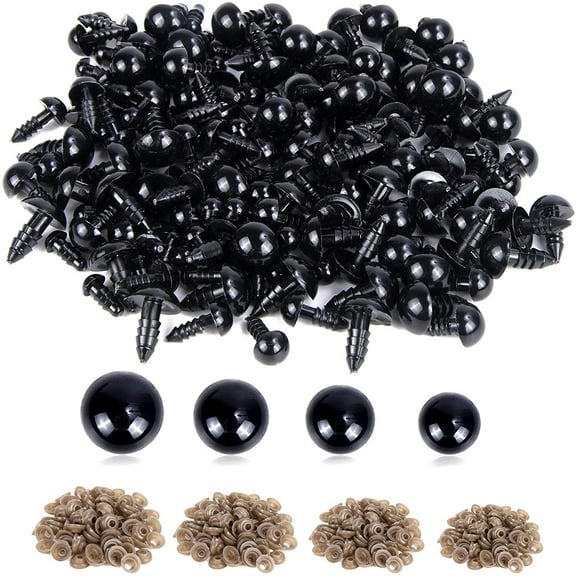

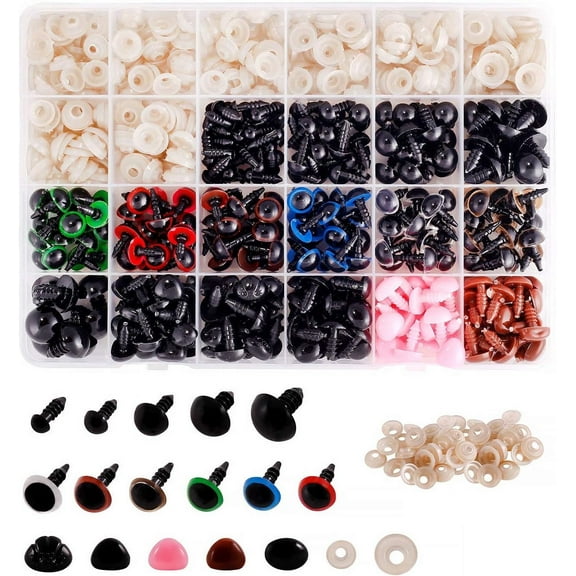
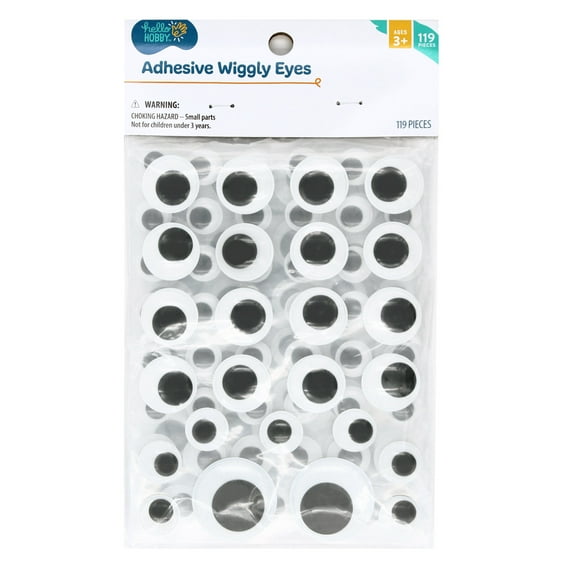







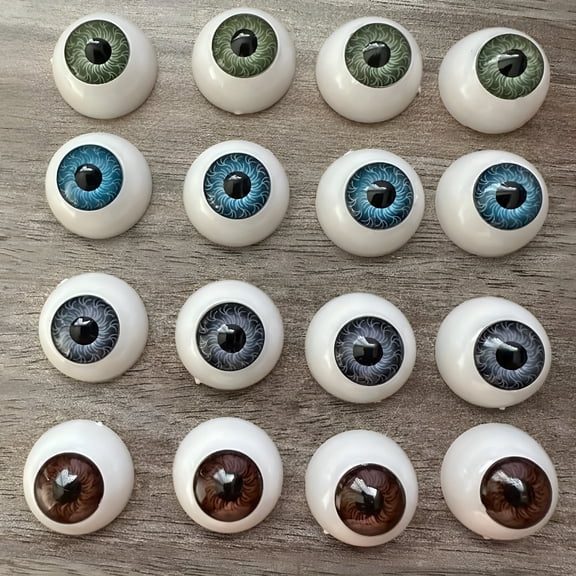


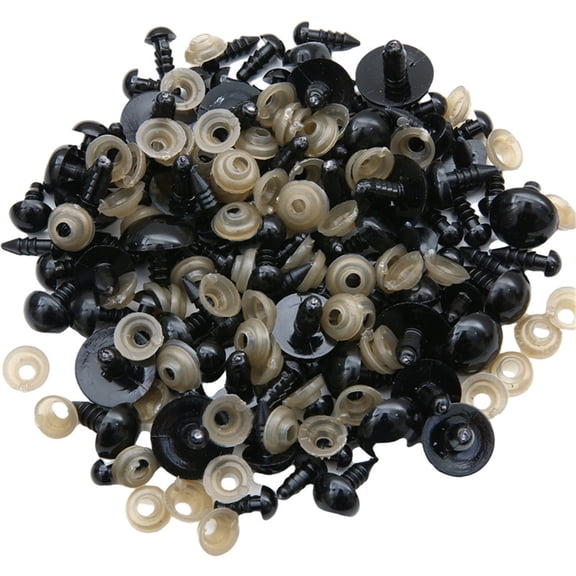
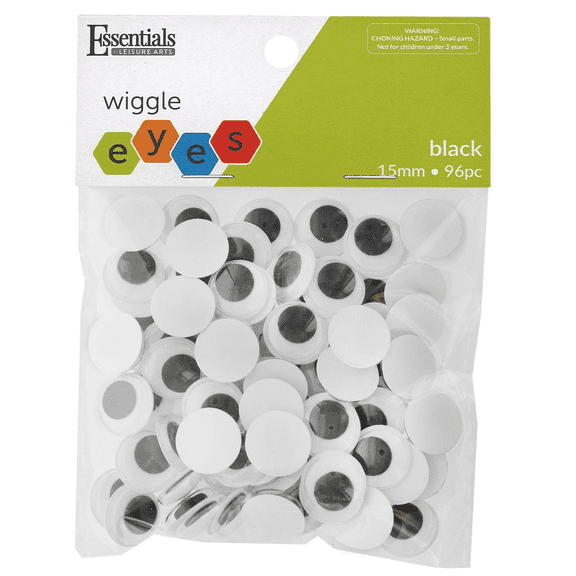


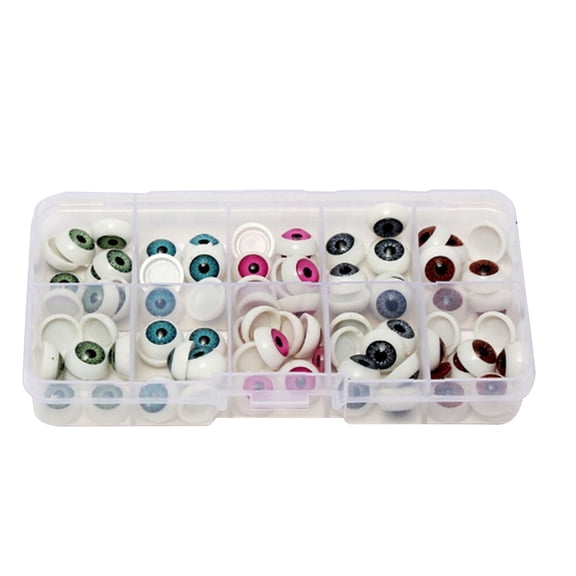
About Wiggle Eyes in Basic Craft Supplies - Walmart.com
Sewing machine accessories help you match parts to your machine, fabric, and project type. You can compare compatibility, shank style, and bobbin class before you start your next project.
If you’re replacing worn pieces or adding new attachments, you’ll want guidance that matches your machine. You can use this page to narrow choices for Brother, Singer, Janome, Kenmore, and many universal setups.
How to choose sewing machine accessories
You should start with compatibility because your machine model determines which parts fit with precise alignment. You can check your manual, your current part, or your machine plate for matching details.
When you compare sewing machine parts, you’ll often see differences in shank type, bobbin class, and attachment purpose. You can avoid guesswork by matching those details before you choose needles, bobbins, or presser feet.
You may also want parts that support the way you sew frequently. If you hem garments, quilt layers, or repair denim, you’ll likely need different accessories.
What to look for in sewing machine parts
You’ll usually get the right match when you compare parts with your machine brand and model number. You can also compare universal options when your machine supports shared sizing.
- You can match low shank, high shank, or slant shank feet to your machine’s attachment system.
- You can choose sewing machine bobbins by class, including Class 15 or Class 66, plus metal or plastic construction.
- You can select sewing machine needles by fabric weight, from fine fabrics to denim and layered quilts.
- You can replace a worn foot pedal or sewing machine light bulb to keep your setup consistent.
You’ll notice these details matter because small size differences affect how parts sit, feed, and stitch. You can make a more confident choice when you compare the technical label with your sewing goals.
For long sewing sessions, you may prefer extra bobbins, replacement needles, and project-specific feet within easy reach. You can switch tasks faster when your essentials already match your machine.
Choosing compatibility by brand and shank type
You should check whether your machine uses Brother, Singer, Janome, or Kenmore compatible parts before anything else. You can often find that information in your manual or on your current accessory.
If you’re shopping for universal sewing machine presser feet, you’ll need to confirm the shank type first. You can usually choose from low shank, high shank, or slant shank options.
You’ll find low shank feet on many home machines, while high shank styles fit taller attachment bars. If your machine uses a slant shank, you should look for that exact shape.
You can also compare project-specific feet with standard feet to match your sewing routine. A zipper foot helps you sew close edges, while a standard foot supports everyday seams.
Choosing needles, bobbins, and replacement parts
You should match sewing machine needles to your fabric weight for smoother stitching and cleaner fabric handling. You can use finer needles for silk or lightweight cotton, and heavier needles for denim.
If you sew quilts, canvas, or layered projects, you’ll want stronger needle sizes for thicker material. If you sew delicate trims, you should look for finer sizes that suit lighter fabrics.
When you compare sewing machine bobbins, you’ll want the correct class before you choose material. You can look for Class 15 or Class 66, then decide between metal and plastic.
You may prefer metal bobbins when your machine manual calls for them and you want a sturdy feel. You may choose plastic bobbins when your machine is designed around clear, lightweight styles.
For worn or missing controls, you can replace a foot pedal for familiar speed control. If your work area looks dim, you can swap in a sewing machine light bulb for clearer visibility.
Matching accessories to your sewing projects
You can build a more useful setup when you choose accessories around the projects you sew frequently. If you mend clothes often, you may want standard feet, extra needles, and matching bobbins.
For garment work, you can keep a zipper foot nearby for close stitching along closures and edges. If you sew basic seams and hems, you’ll likely use a standard foot most often.
If quilting fills your sewing table, you may want multiple bobbins ready for thread changes. You can also compare needle sizes that suit layered cotton and batting.
For craft sewing or home decor, you may switch between light fabrics and thicker panels in one session. You’ll benefit from having the right needles and compatible feet ready to swap.
You can also organize backups for routine maintenance so your machine stays ready between projects. Keeping extra sewing machine accessories on hand helps you avoid pauses when a small part wears out.
Why the right sewing machine accessories matter
You can get a smoother sewing setup when your accessories match your model, shank type, and fabric needs. You can finish projects with fewer interruptions when your bobbins, needles, feet, and replacement parts fit correctly.
With the right sewing machine accessories, you can move from repairs to quilting with parts that support clean stitching. You’ll feel more prepared when each accessory matches the way your machine is built.