

Personal Care


Shop by category
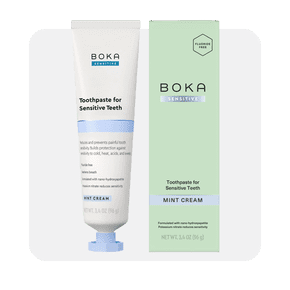

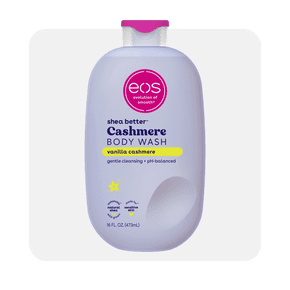

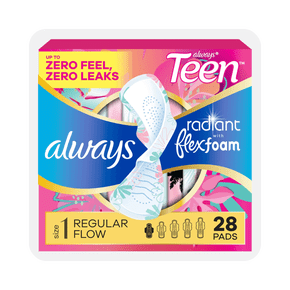
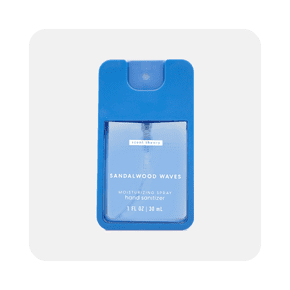


Personal care Rollbacks
Save big on grooming & hygiene.


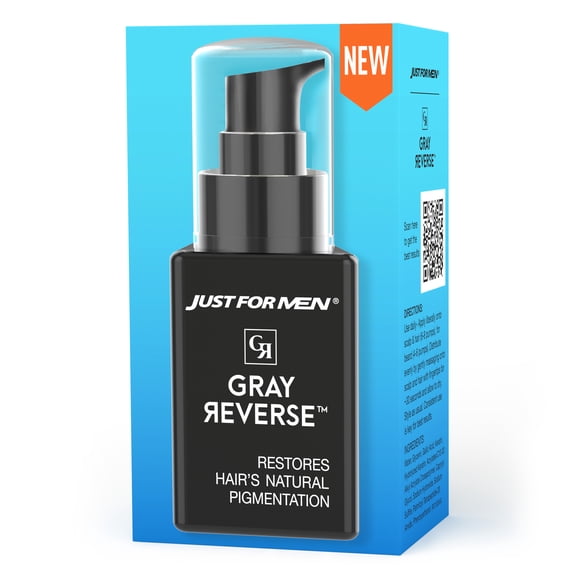
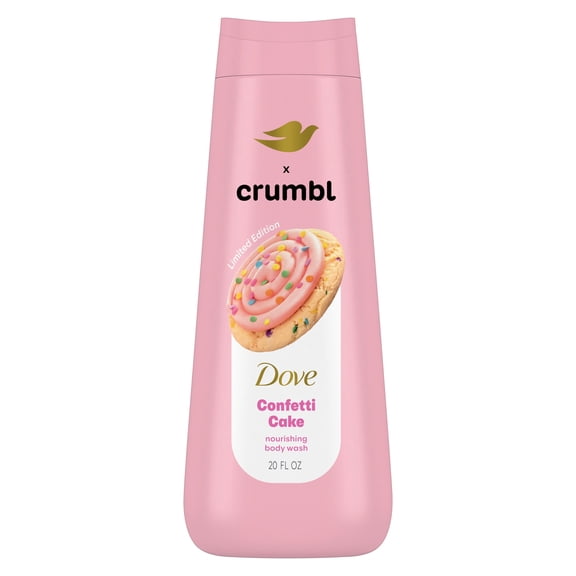
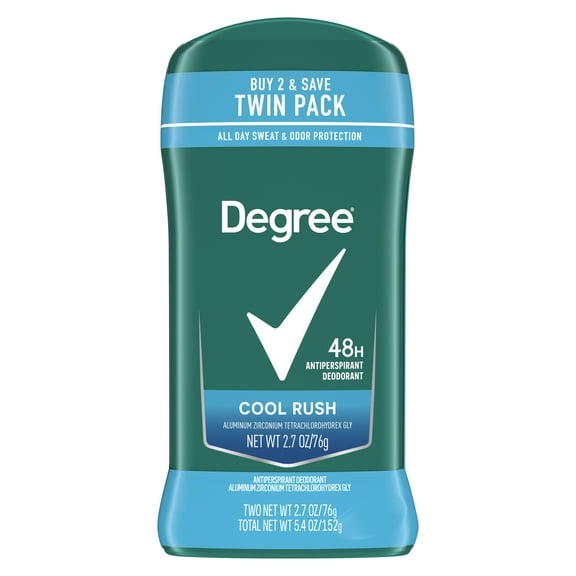


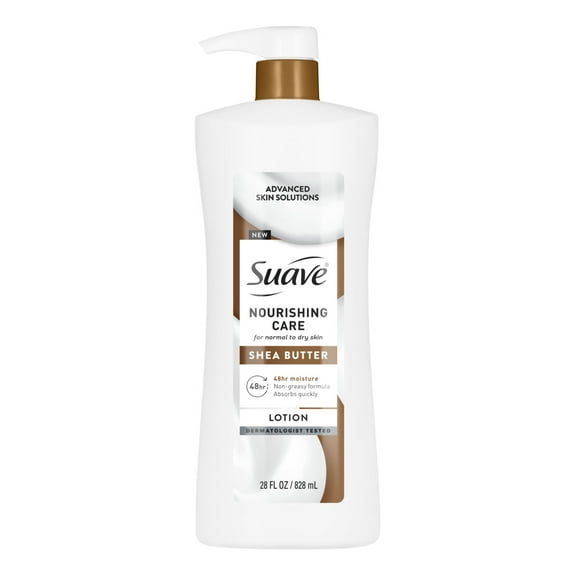

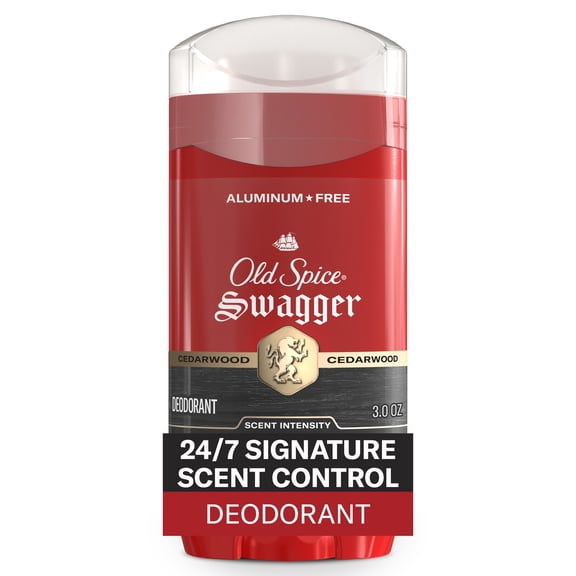

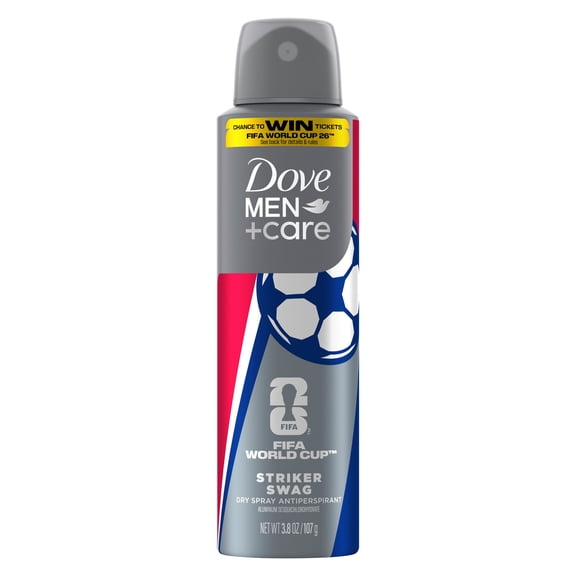
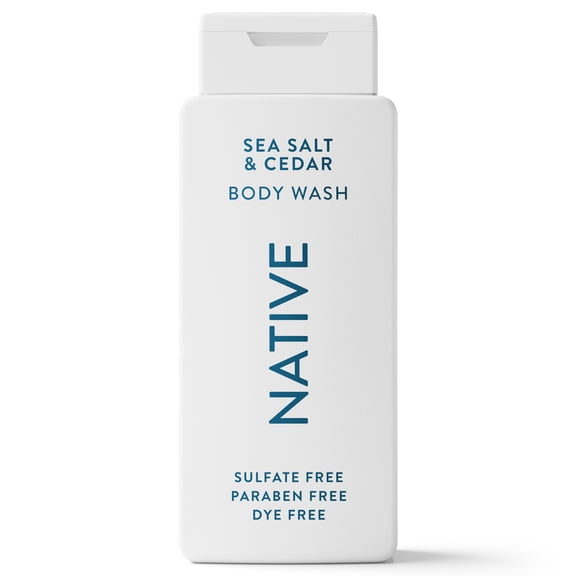

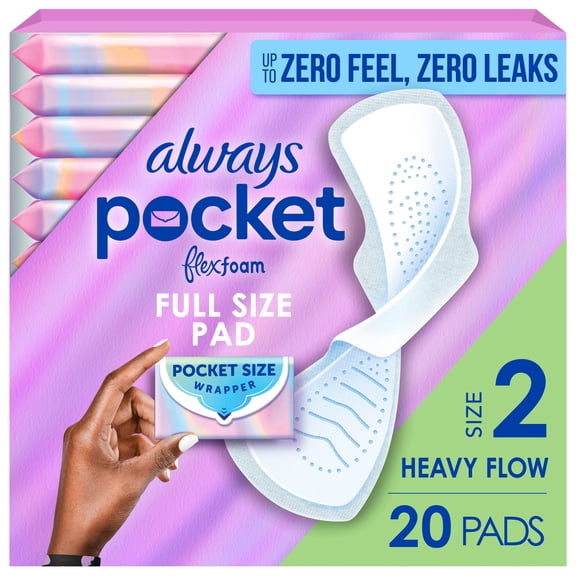




Can’t-miss personal care
Find all you need for college life.


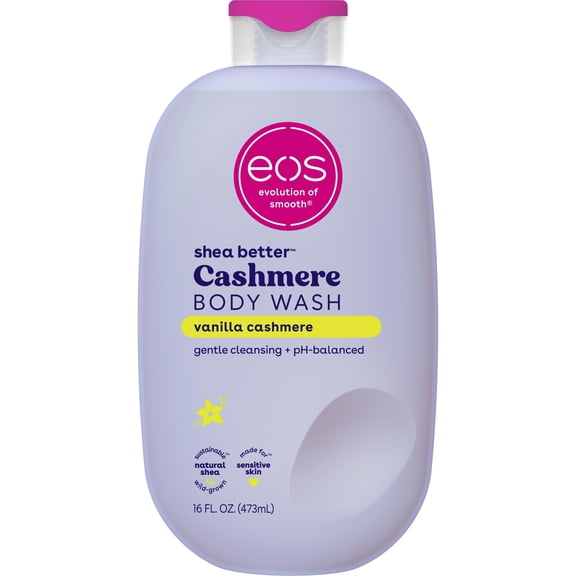


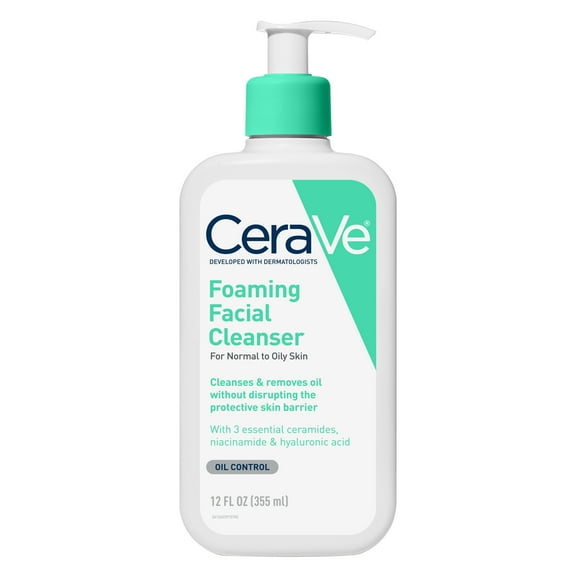


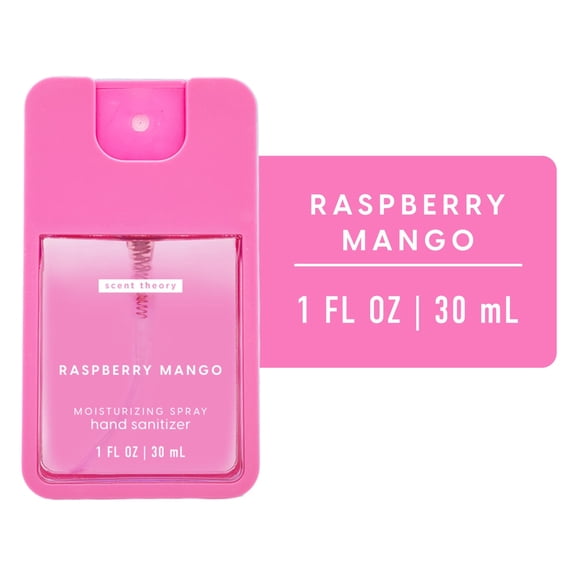
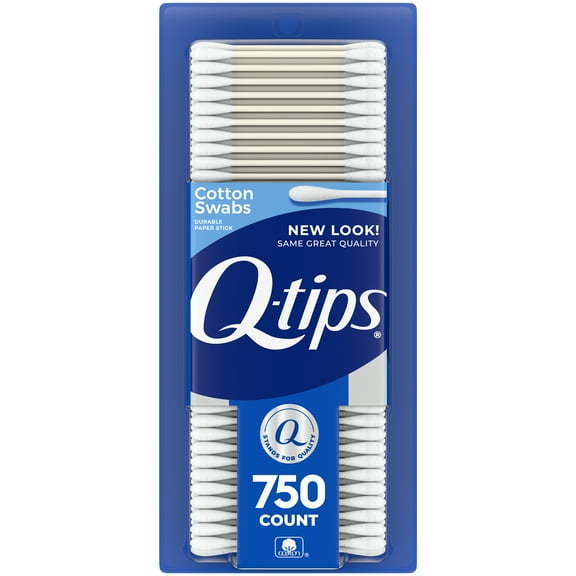
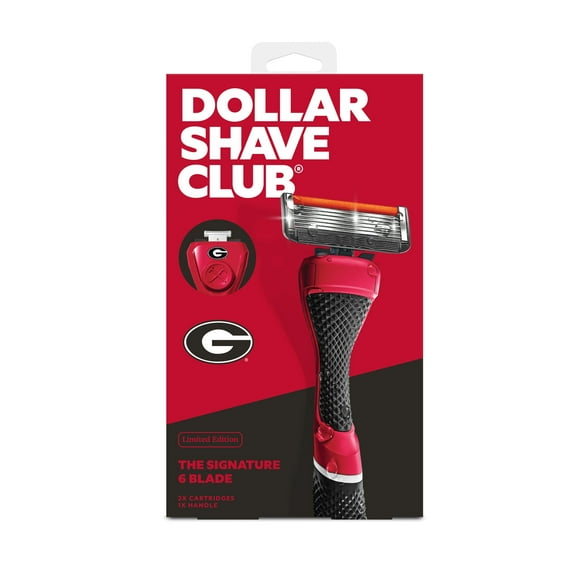
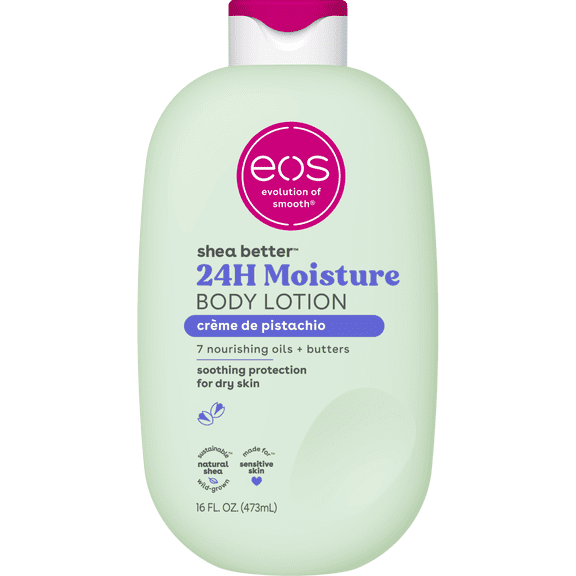
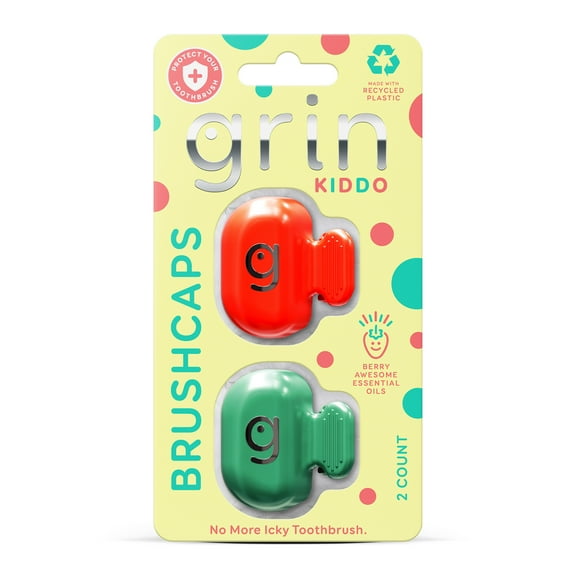
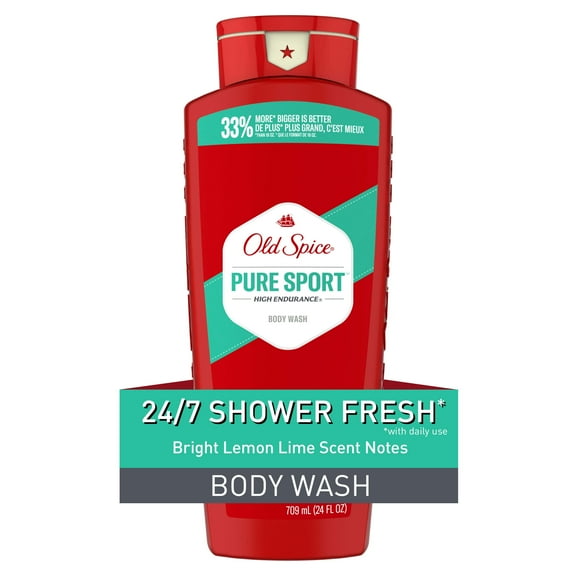
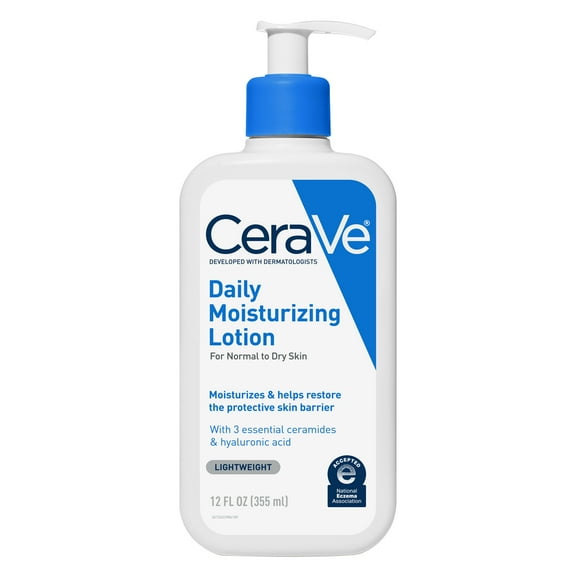

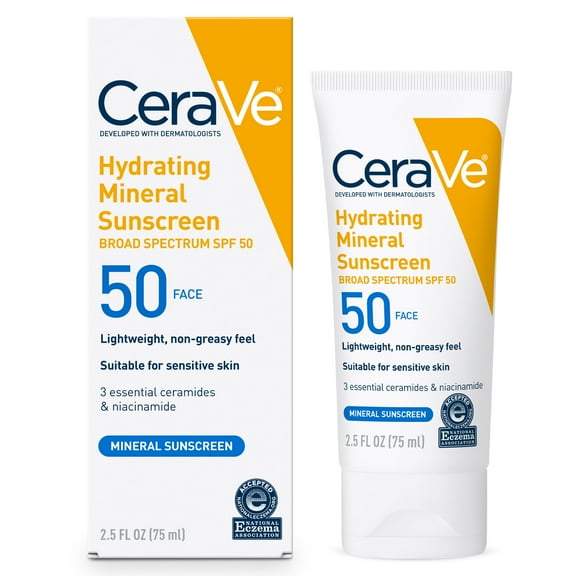

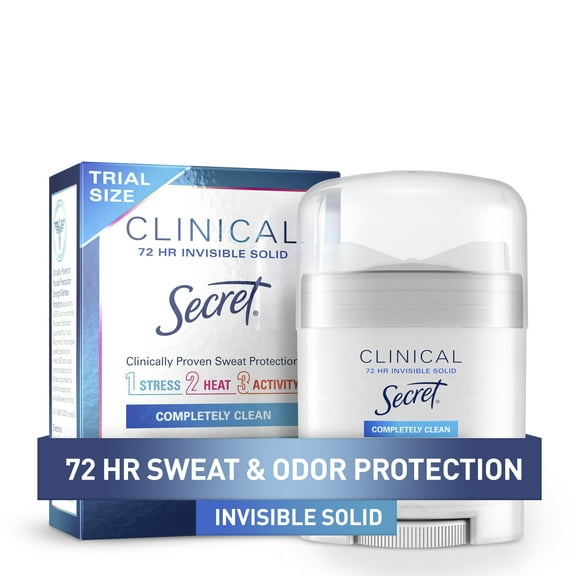
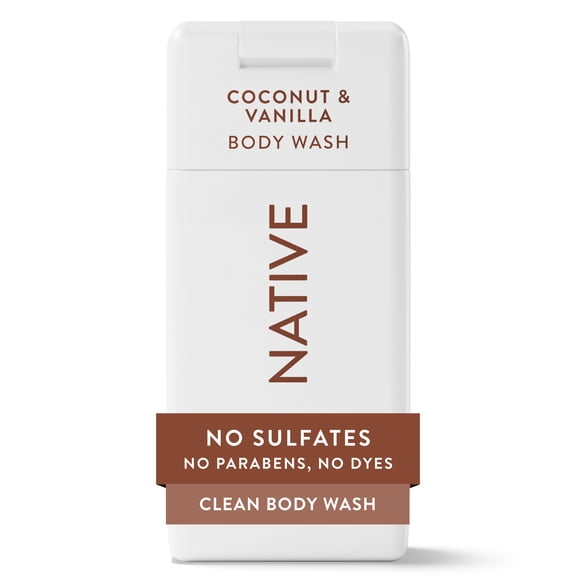
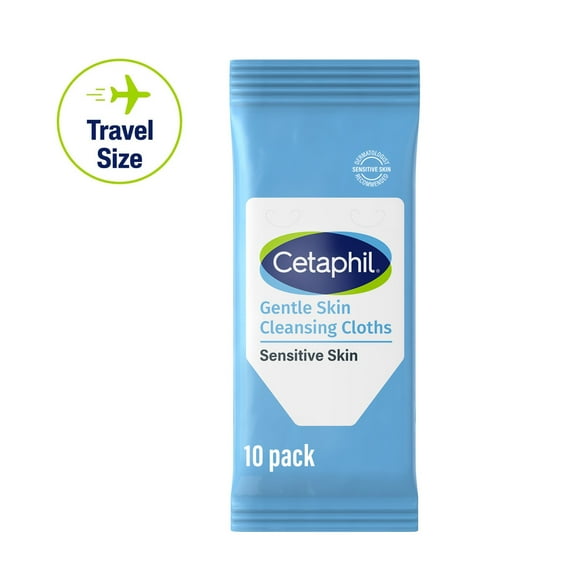
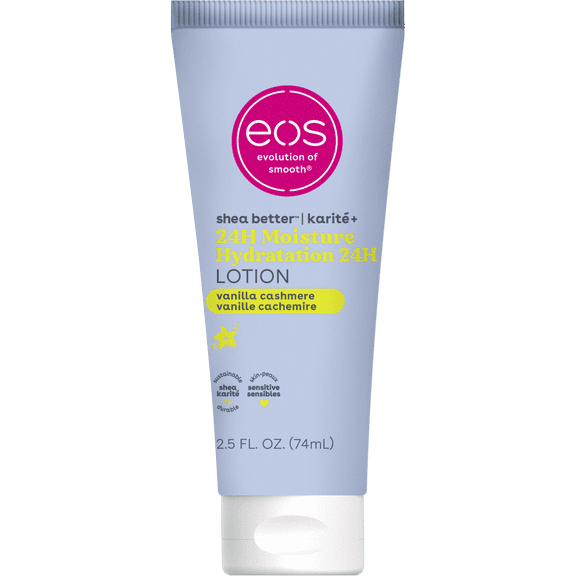
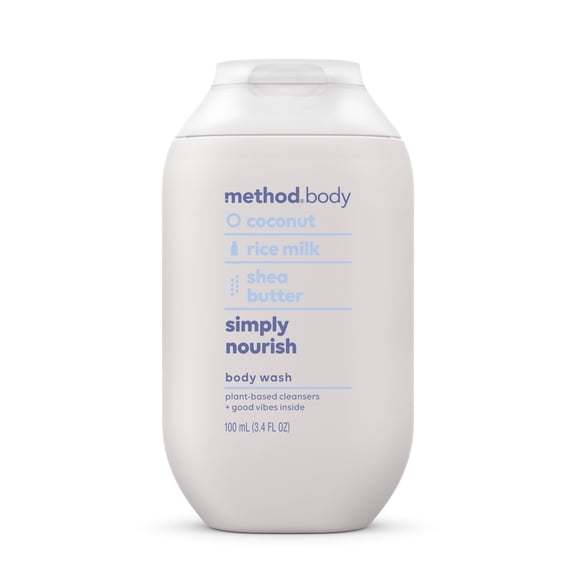

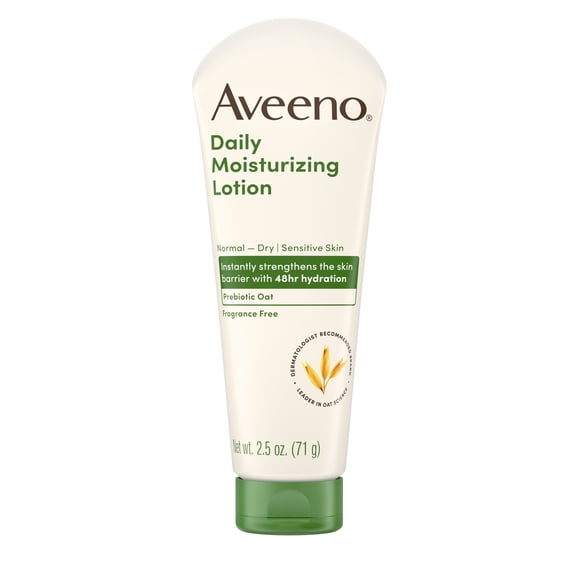
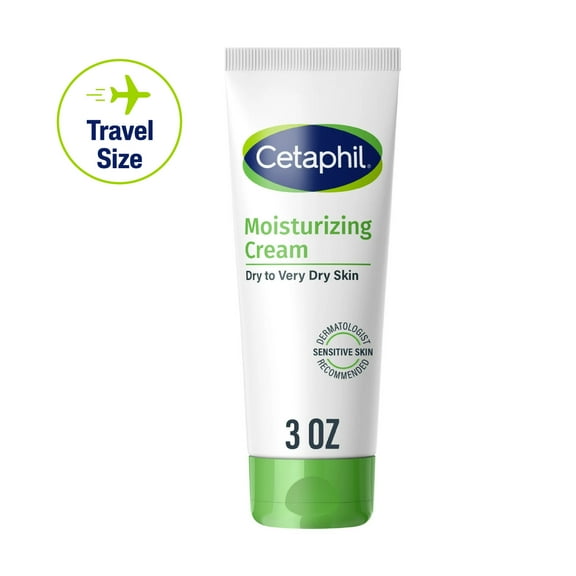


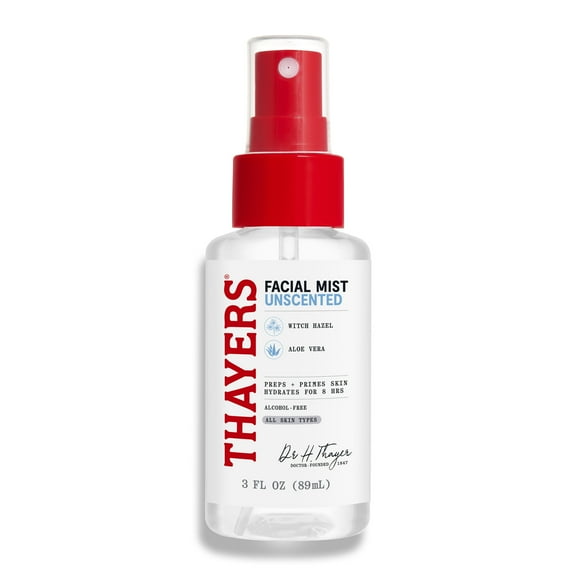
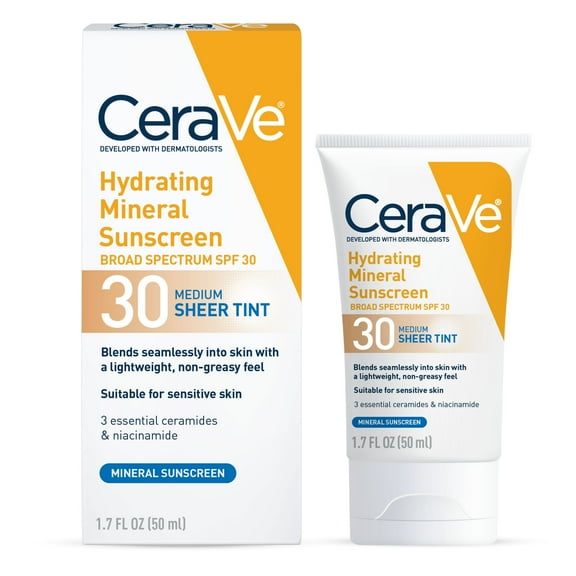


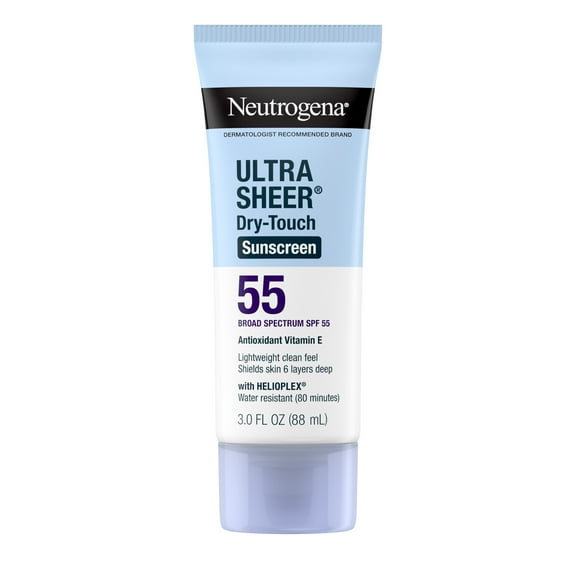
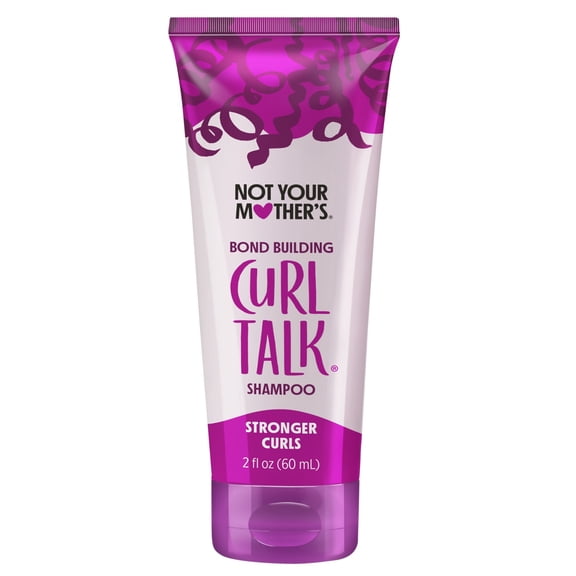



Beauty gone viral
Must-have faves trending right now.
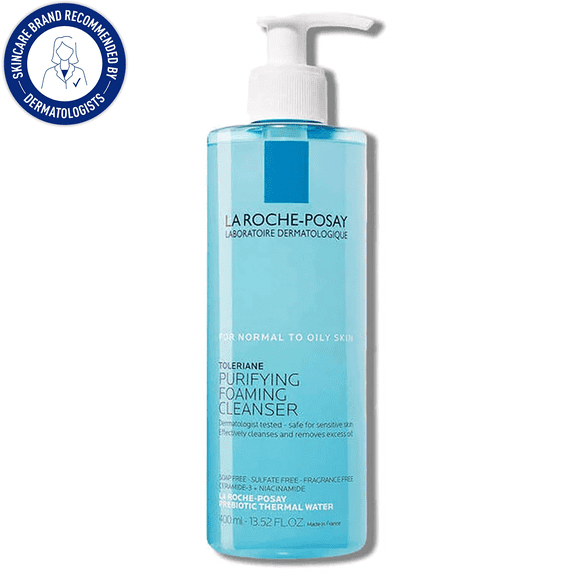


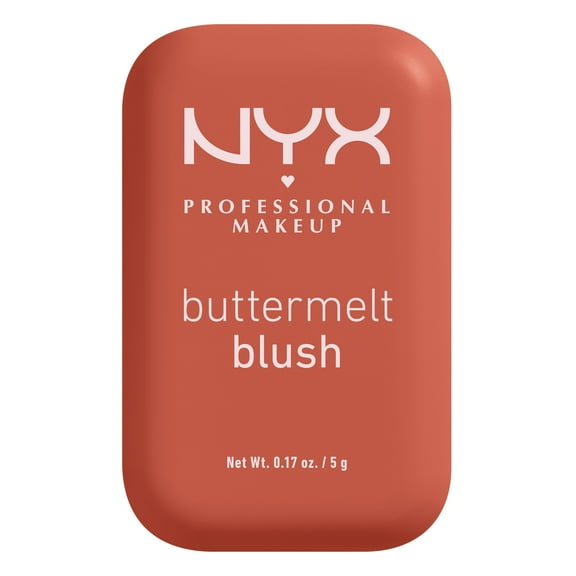
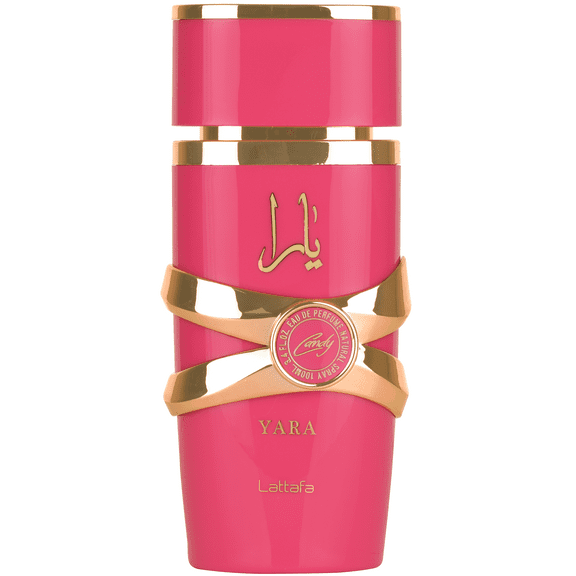
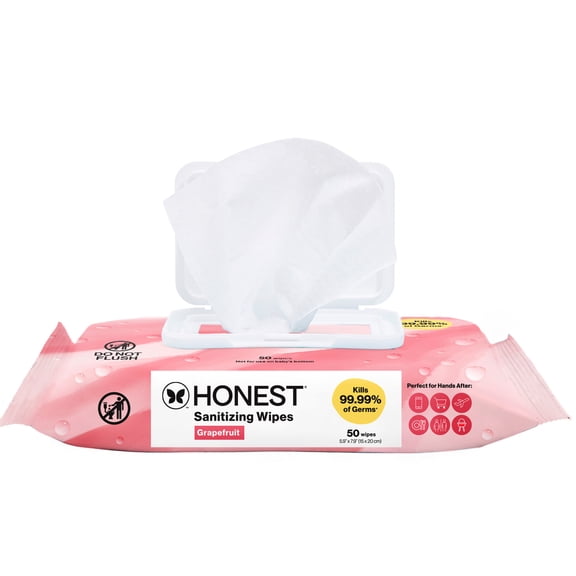
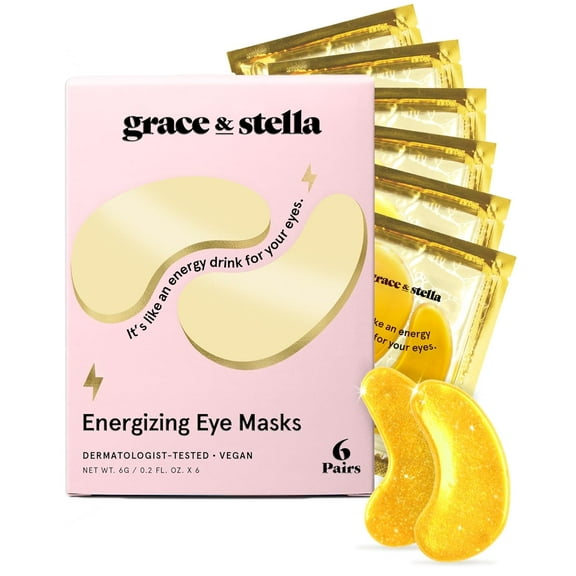

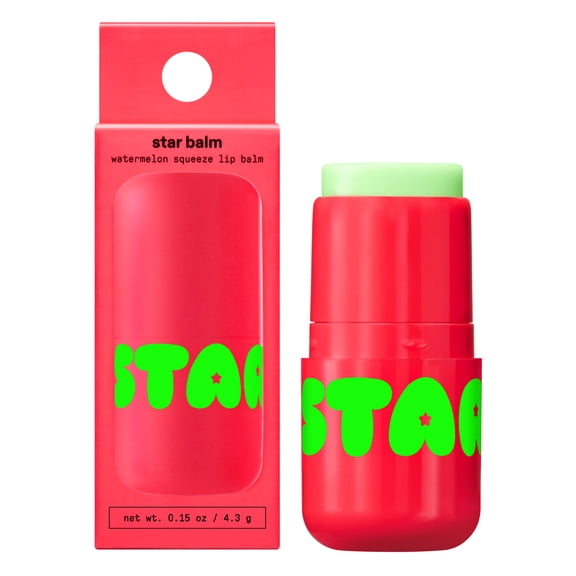
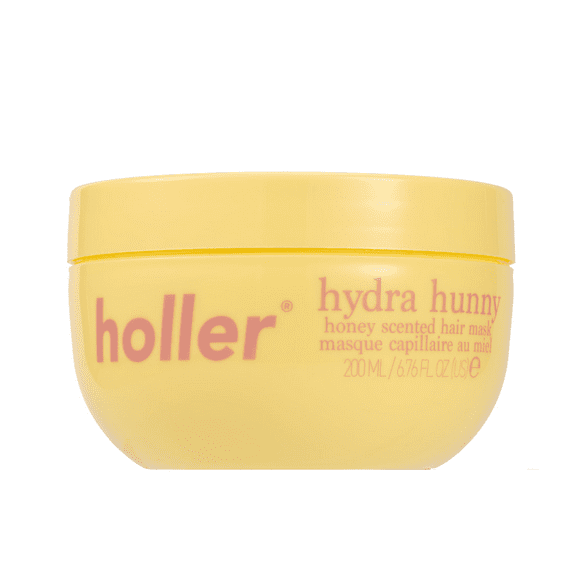
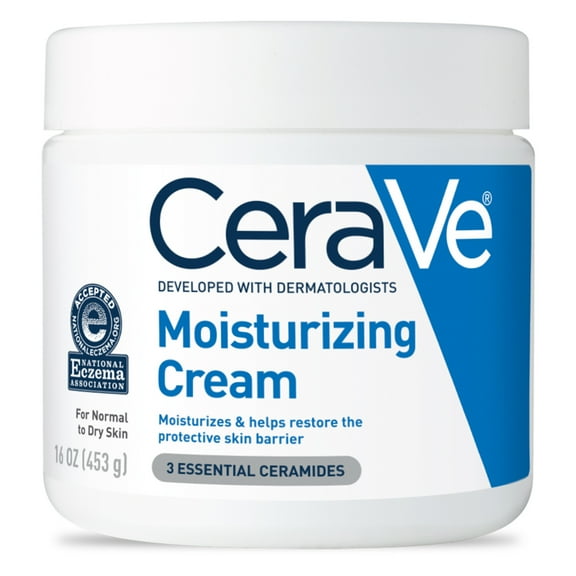

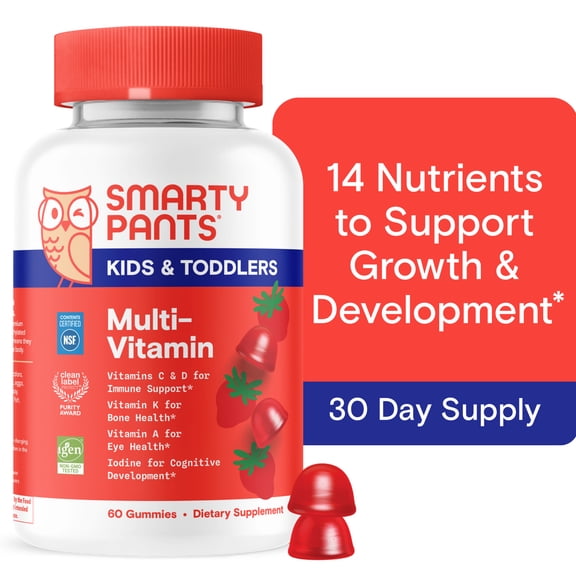

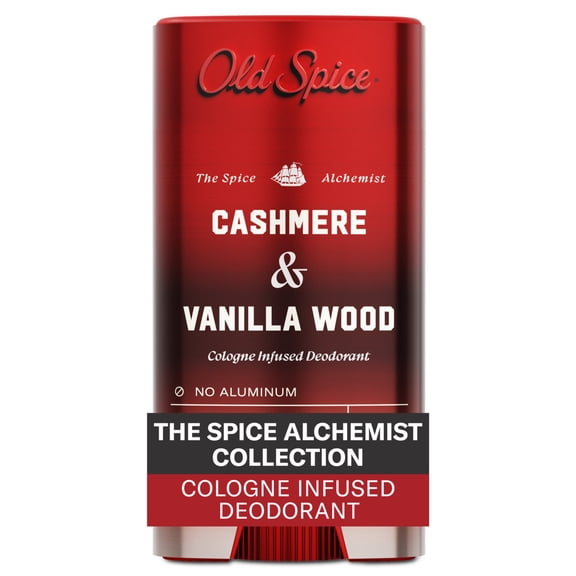
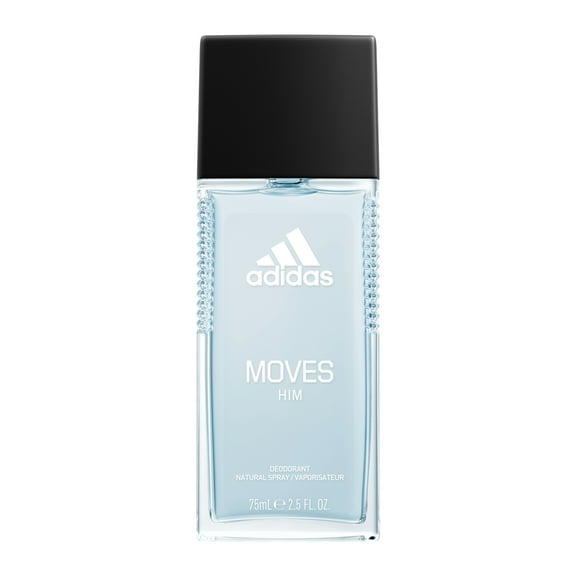
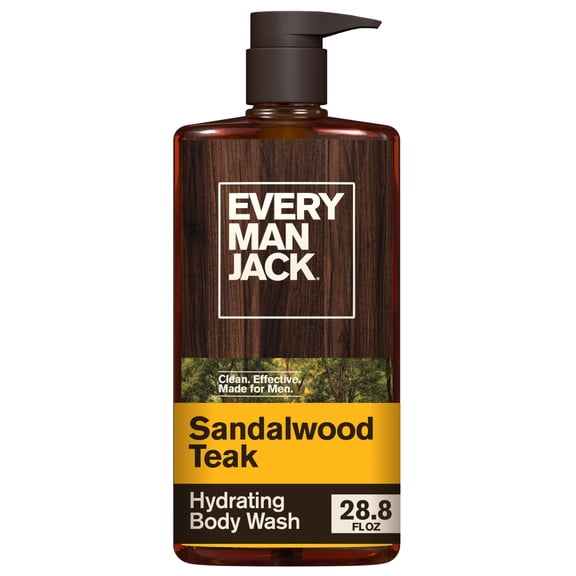
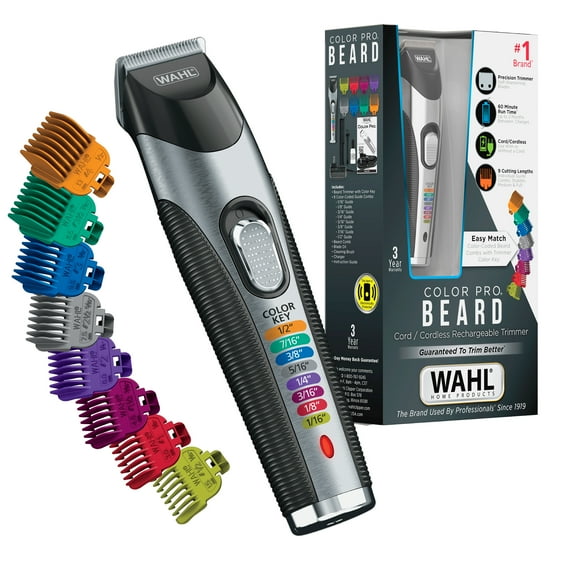
His grooming essentials
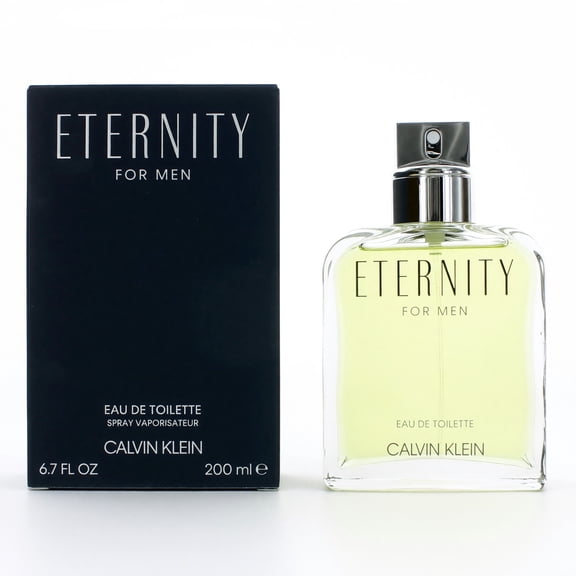
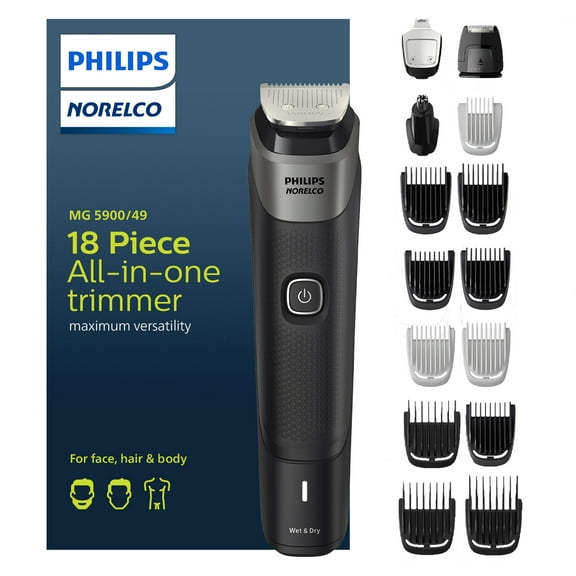
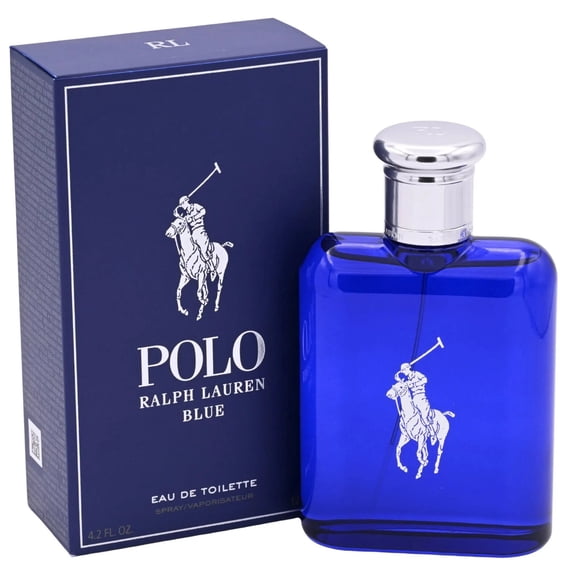
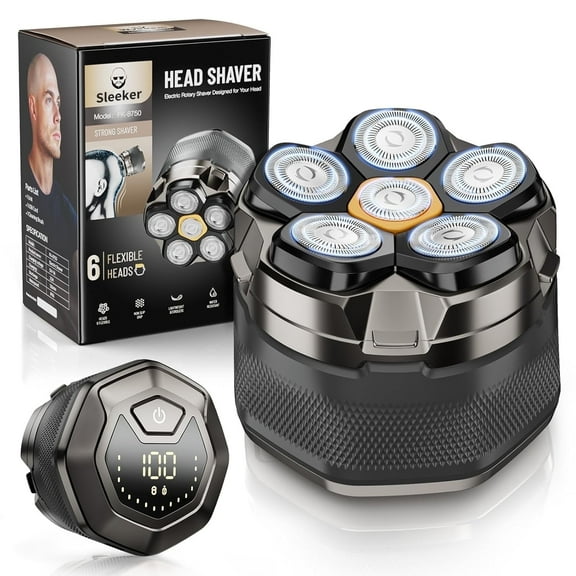
Deodorant, cologne & more.










FAQ
About Personal Care - Walmart.com
Hygiene products help you organize daily cleansing and grooming in one place. You can compare body wash, deodorant, oral care, hand soap, and hair care by routine need.
If you’re restocking family basics or refining your setup, you’ll find personal care products grouped in practical ways. That structure helps you move from shower staples to sink essentials with less guesswork.
Choosing the right hygiene products for your routine
Start with product category because that choice shapes your full routine. Match body wash to shower routines and deodorant to daily freshness.
You can also pair oral care with sink habits, hand soap with shared spaces, and hair care with wash days. That approach helps you compare personal hygiene products by actual use, not by random browsing.
- You can build a routine across body wash, deodorant, oral care, hand soap, and hair care.
- You can compare liquid, bar soap, gel, spray, and powder by comfort and cleanup preferences.
- You can check skin type wording for sensitive skin, dry skin, all skin types, or hypoallergenic needs.
- You can choose single pack, multi-pack, travel size, or value size based on household use.
Scent can guide your decision once you narrow the category and format. You may prefer unscented picks, or you may choose fragrance options like cookies and cream body wash.
What to look for in personal hygiene products
Formulation matters because each format fits a routine differently. You may prefer liquid hand soap at the sink, bar soap in a guest bath, or gel toothpaste for brushing.
Some routines also work well with spray or powder formats. You’ll want to check package details so your choice fits how you apply and store it.
Skin type suitability can narrow personal care brand products in a useful way. Look for wording that matches sensitive skin, dry skin, all skin types, or hypoallergenic preferences.
If your home includes different routines, separate picks may keep each space easier to manage. You might keep a gentler body wash in one bathroom and a richer hair care option in another.
Pack size gives you another way to compare hygiene items without overcomplicating the choice. You can test a single pack first, carry travel size options, or keep multi-pack backups at home.
How to compare personal care products by use case
You’ll make faster decisions when you match each item to a real setting. A shower setup may include body wash, deodorant, and hair care, while a sink setup may center on oral care.
Shared bathrooms often call for hand soap and backup basics within easy reach. That setup helps you cover everyday needs without interrupting your normal routine.
For work, school, or gym bags, travel size personal hygiene items can keep your routine portable. You can carry compact toothpaste, a small deodorant, or a small hand soap option.
At home, larger packs can simplify restocking in busy spaces. You can place hand soap in each bathroom, keep oral care refills in a cabinet, and store extra shampoo nearby.
If you’re choosing for children, guests, or mixed-use spaces, start with all skin types options. After you cover the basic routine fit, you can compare scent, texture, and package size.
You may also shop by fragrance when you want a more personalized routine. You can keep unscented basics in one room and choose scented shower products in another.
What are personal care items and how do you choose them
Personal care items are the products you use for daily cleansing, grooming, and routine upkeep. You’ll usually see body wash, deodorant, oral care, hand soap, and hair care in this category.
To choose well, compare category, formulation, skin fit, and pack size in that order. Then you can narrow by scent, brand preference, or storage needs with more clarity.
That process helps you sort through hygiene stuff with less repetition and less missed overlap. You’ll quickly see what belongs in your shower, at your sink, or in a travel bag.
When you use those decision points, you can shop hygiene products with a clear plan. You’ll end with personal hygiene items that fit your schedule, your space, and your routine.
How hygiene products support everyday routines
Daily routines run smoother when your essentials match how you actually get ready. You can keep morning brushing, shower steps, hand washing, and hair care organized by room and use.
That category view also helps you compare personal care products across shared household needs. You’ll spend less time sorting duplicates and more time keeping each routine complete.
When you choose good hygiene products by category, skin fit, and pack size, your restocking plan stays simple. You’ll keep the right essentials where you need them most.