

Yarn in Yarn & Needle Arts




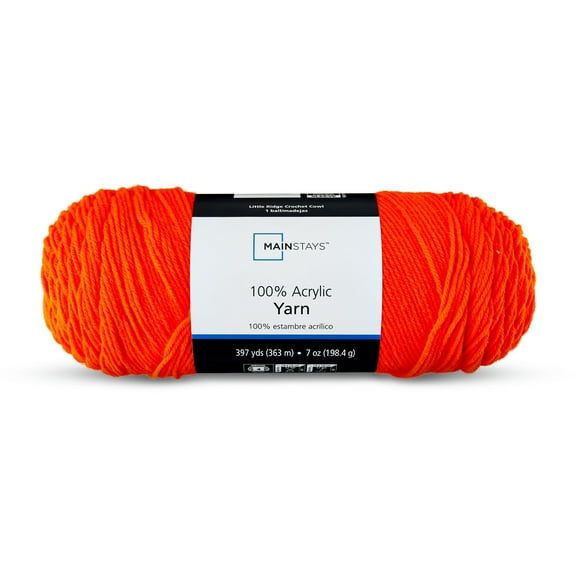


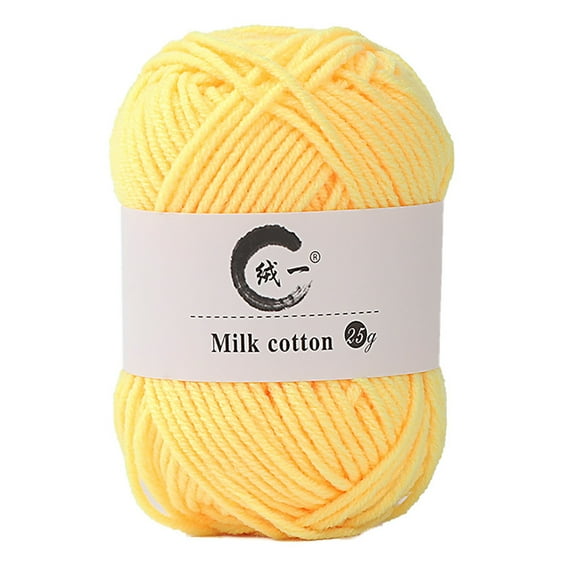


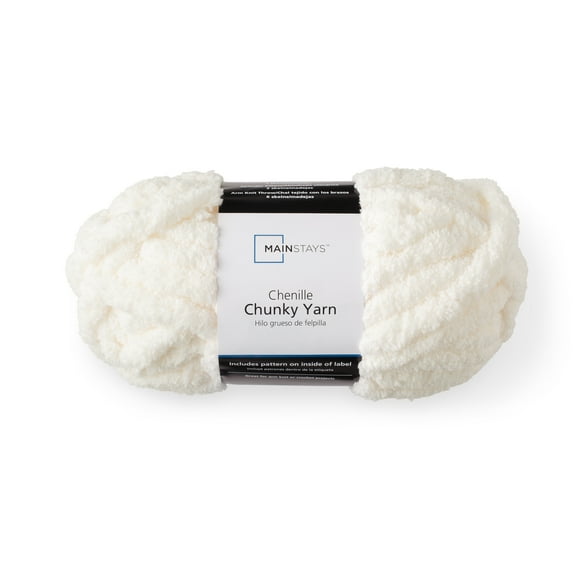


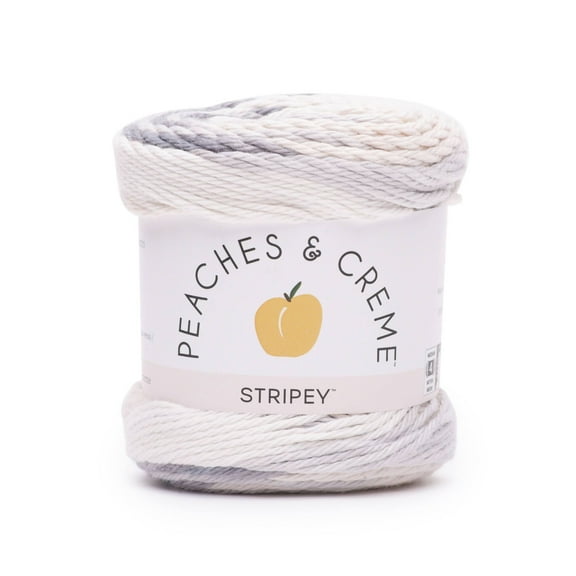


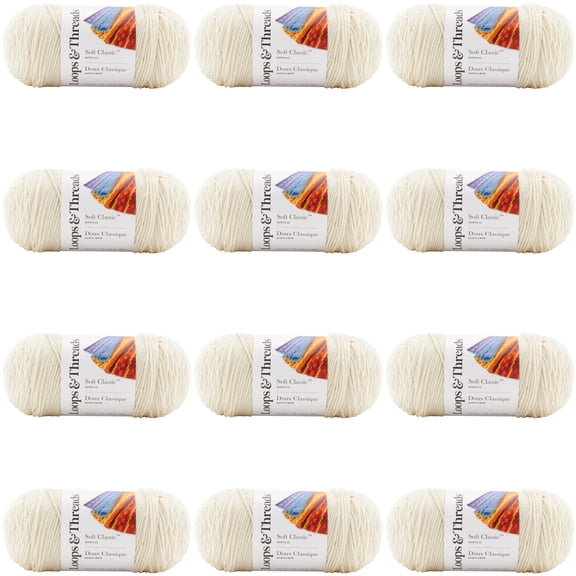


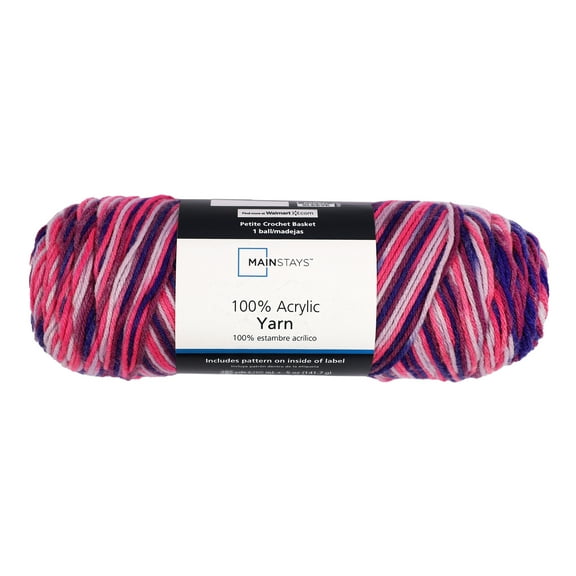


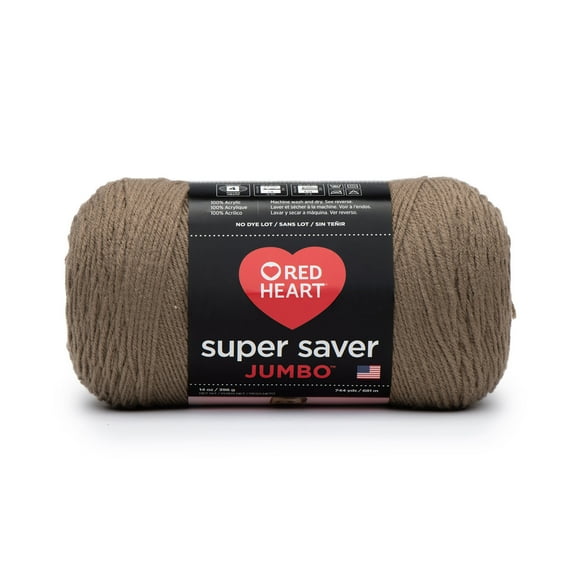


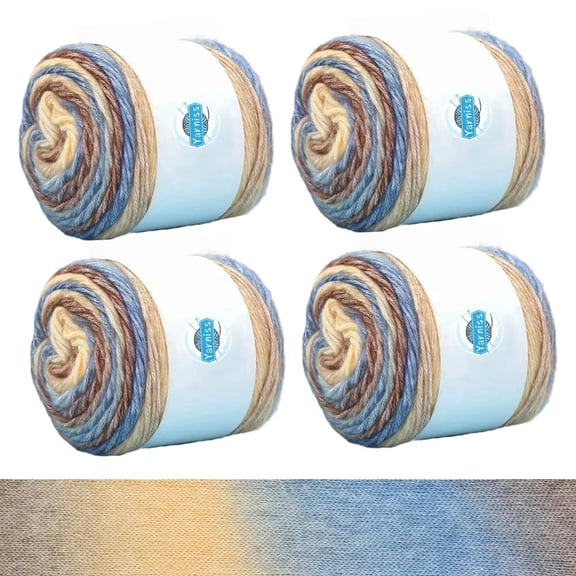
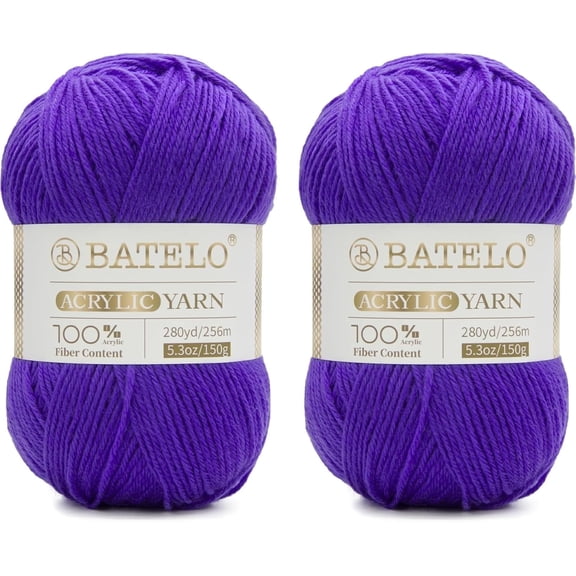


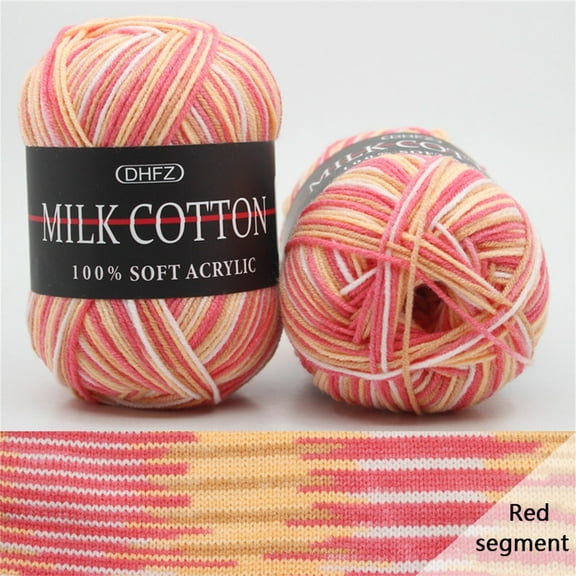


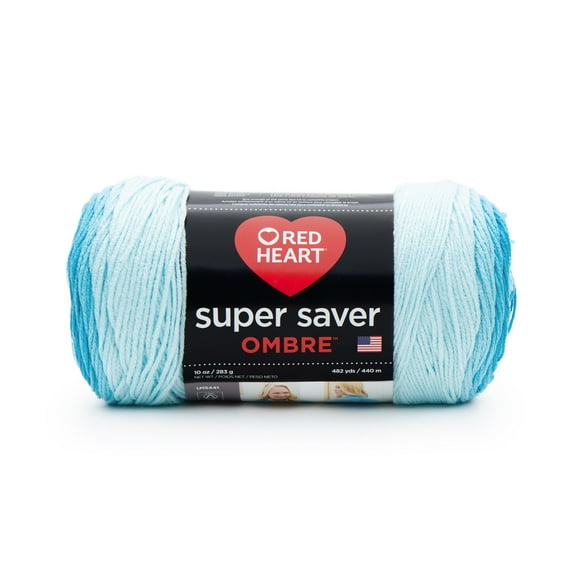


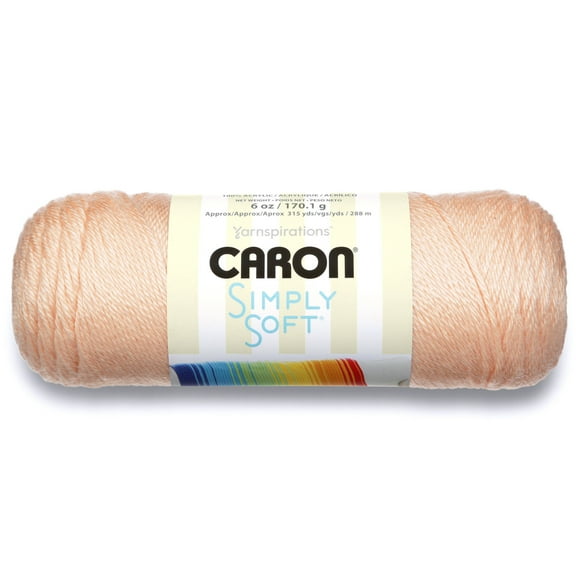














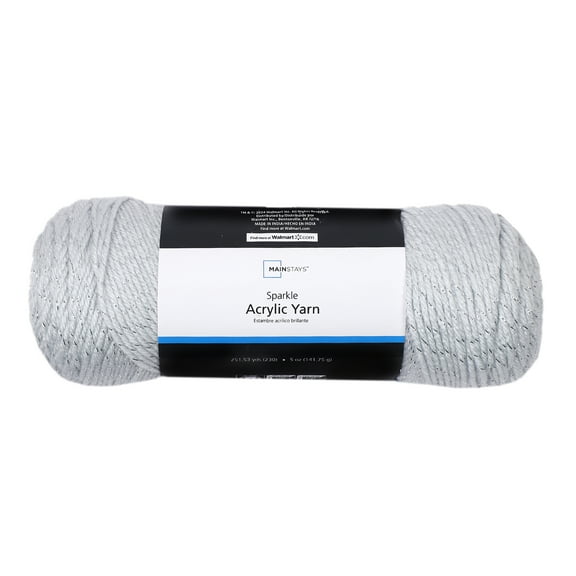




About Yarn in Yarn & Needle Arts - Walmart.com
You can compare wal mart yarn by weight, fiber, and skein size, so your next knitting or crochet project starts with the right match. You'll also find color variety, clear yardage details, and convenient pickup or delivery options that fit your schedule.
If you're planning blankets, amigurumi, weaving, or quick weekend gifts, you need yarn that matches your pattern and your tools. You can use this guide to compare yarn cost factors, project needs, and care details before you choose.
How to choose wal mart yarn by weight
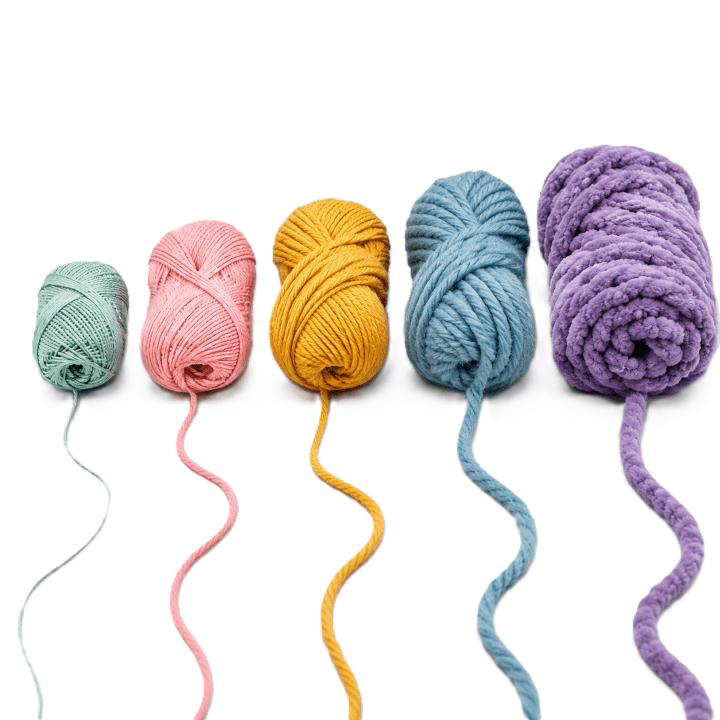
You should start with yarn weight because it shapes stitch size, drape, and project speed. You'll usually see lace, fingering, sport, dk, worsted, bulky, and jumbo listed on the label.
If you want delicate shawls or fine socks, you may prefer lace or fingering options with lighter strands. If you want scarves, hats, or everyday sweaters, you may lean toward dk or worsted choices.
For chunky blankets or fast finishes, you can compare bulky and jumbo yarns that build fabric quickly. You'll also want to check the recommended needle or hook size in millimeters for smoother stitching.
You can use gauge as a simple guide for fit and fabric feel. If your pattern lists a stitch count over four inches, you'll want yarn weight and tool size that stay close.
Understanding yarn cost and yarn prices
You may search how much is yarn when you're planning a project total, not just one skein. You'll notice yarn price often depends on fiber content, weight, yardage, and whether you pick a single skein or multipack.
If you compare the cost of yarn across categories, you should read the label for yards, ounces, or grams. You can then estimate how much does yarn cost for a scarf, hat, baby blanket, or larger throw.
- You can stretch your project planning by comparing yardage, not just skein count.
- You can often use multipacks when your pattern needs matching dye lots across several skeins.
- You should expect yarn prices to vary when fibers change from acrylic to wool, cotton, or alpaca blends.
- You can estimate average cost of yarn more accurately when you match weight and total yards to your pattern.
You may also factor in convenience when you need yarn delivery today or quick pickup. If your project deadline is close, you can choose available options without guessing on timing.
Comparing fiber content for feel and care
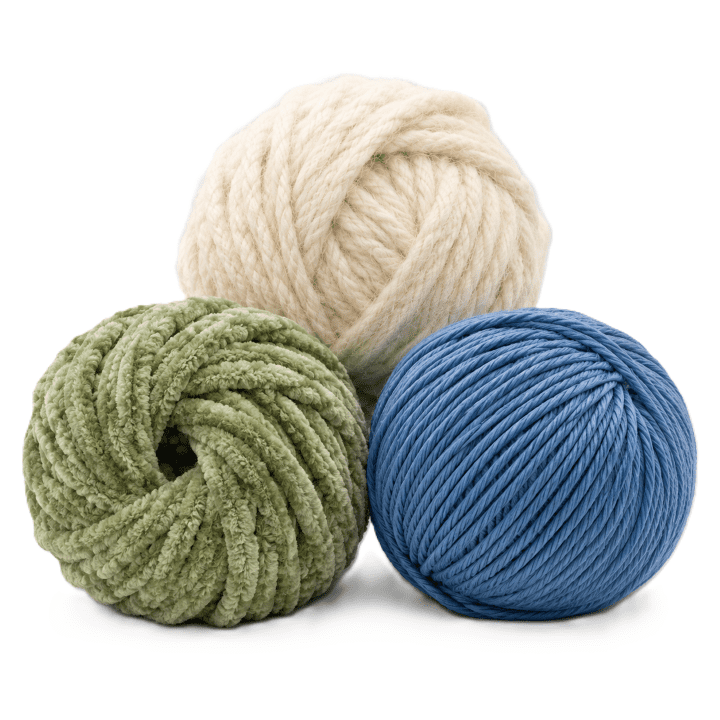
You should compare fiber content next because your yarn's texture and care routine affect daily use. You'll commonly see acrylic, wool, cotton, alpaca, polyester, and nylon across many project types.
If you want easy-care options for blankets, kids' projects, or frequent washing, you may prefer acrylic or polyester blends. You'll often find those fibers hold color well and work for repeated use.
If your skin feels sensitive to rough textures, you should read fiber labels and shopper reviews carefully. You may find some wool feels more textured, while cotton or soft acrylic blends feel smoother.
For dishcloths, summer tops, or breathable home projects, you may choose cotton yarn with a cleaner stitch definition. If you want warmth and loft, you may compare wool or alpaca blends for colder weather makes.
You should also check care instructions before you commit to a large project. If you want machine washable yarn, you'll need label details that match your routine.
Checking skein size, yardage, and project planning
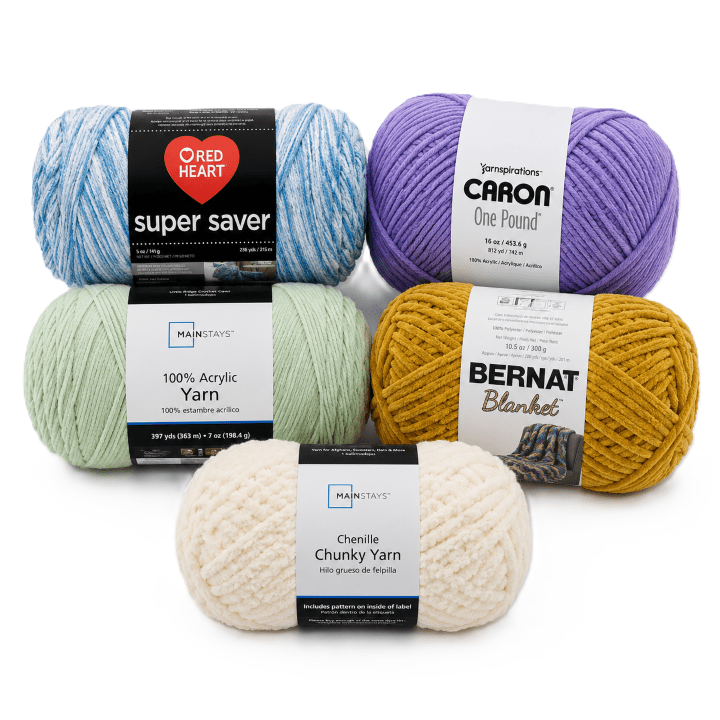
You can answer how much is yarn for your project only when you compare skein size with pattern yardage. You'll usually see labels list total yardage alongside ounces or grams, which makes planning easier.
If your pattern calls for 600 yards, you shouldn't rely on skein count alone. You should add up the yardage on each skein so your colors and texture stay consistent.
You may choose multipacks when you need several matching skeins for blankets, sweaters, or larger crochet projects. You'll reduce guesswork when your total yardage arrives grouped for one project plan.
For amigurumi or trim details, you may only need small amounts in several colors. You can compare smaller skeins or varied color options when your project uses accents instead of full panels.
Matching yarn to knitting, crochet, weaving, and amigurumi
You should match yarn to your craft because different projects ask for different structure and softness. If you knit garments, you may focus on drape, gauge, and care before color.
If you crochet blankets, baskets, or plush shapes, you may want sturdier strands and clear stitch definition. You'll often notice worsted or bulky yarn helps you build shape quickly.
For weaving, you should check whether your yarn suits warp or weft use in your planned texture. You can compare fiber strength, thickness, and yardage before you set up your loom.
If you make amigurumi, you may want smooth yarn that shows each stitch clearly. You'll often prefer cotton or acrylic options that help small shapes look neat and consistent.
You can also use label guidance for hook or needle size to narrow your options. If your pattern lists a 5 millimeter hook or 4.5 millimeter needles, you should check that range first.
What to look for when buying yarn online
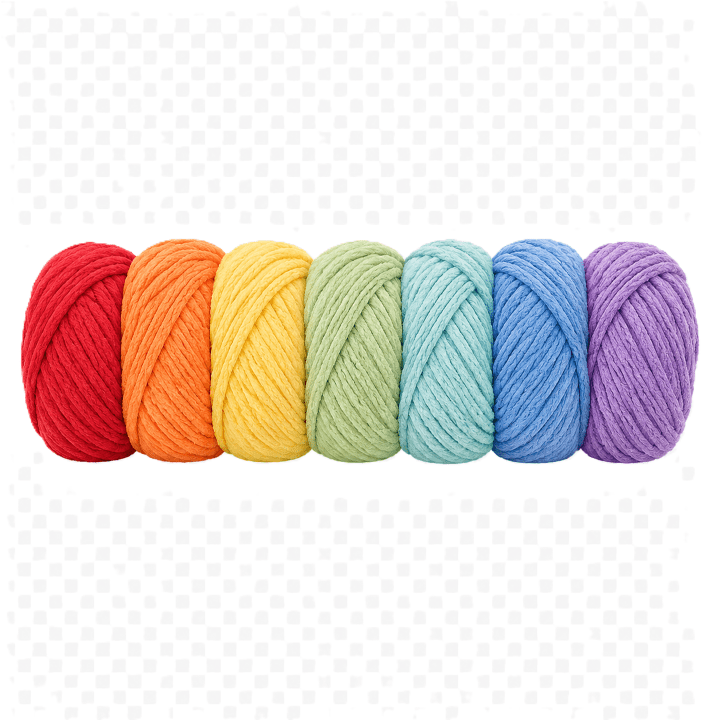
You should compare color families, fiber details, and care labels when you're buying yarn online. You'll make an informed choice when you review yardage, weight class, and pack count together.
If you're trying to find yarn nearby through pickup or fast shipping, you can use availability filters that fit your timeline. You'll get more confidence when your project basics can arrive when you need them.
You can feel prepared when your yarn matches your pattern, your tools, and your care preferences from the start. With wal mart yarn, you can compare practical details quickly and finish your project with fewer surprises.