




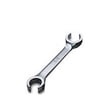
Hand Wrenches



















About Hand Wrenches - Walmart.com
Wrenches help you tighten, loosen, and fine-tune fasteners with the fit your project demands. You can compare wrench types, sizing systems, and set formats to match home repairs, garage work, and jobsite tasks.
When you shop this category, you’ll find options built for bolt heads, plumbing fittings, and torque-specific jobs. You can narrow your choice by jaw style, measurement system, finish, and whether you need one tool or a full kit.
How to choose wrenches by type
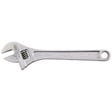
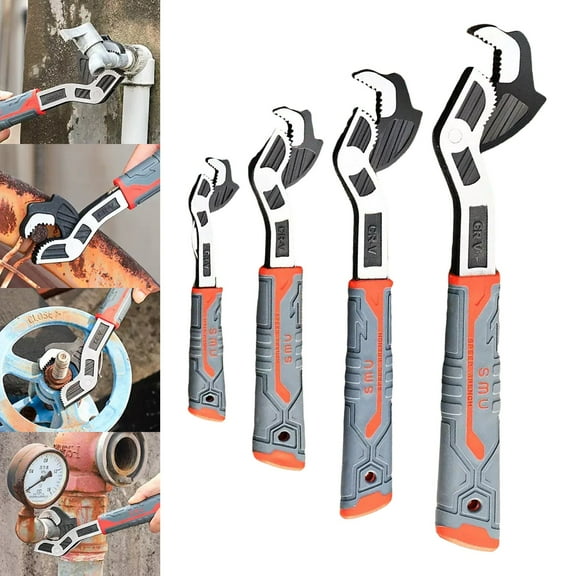
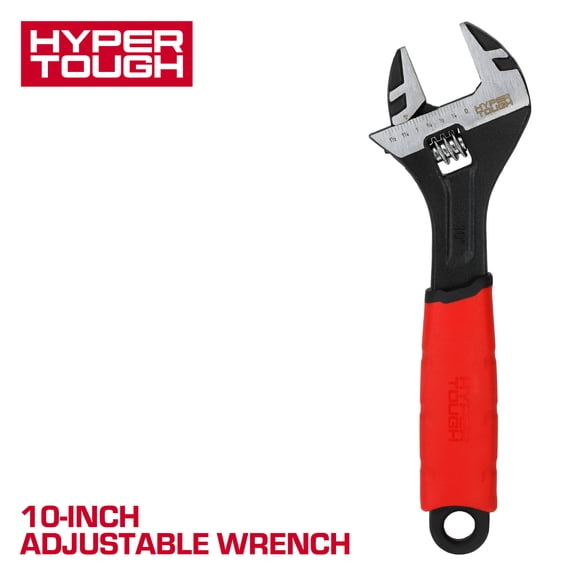
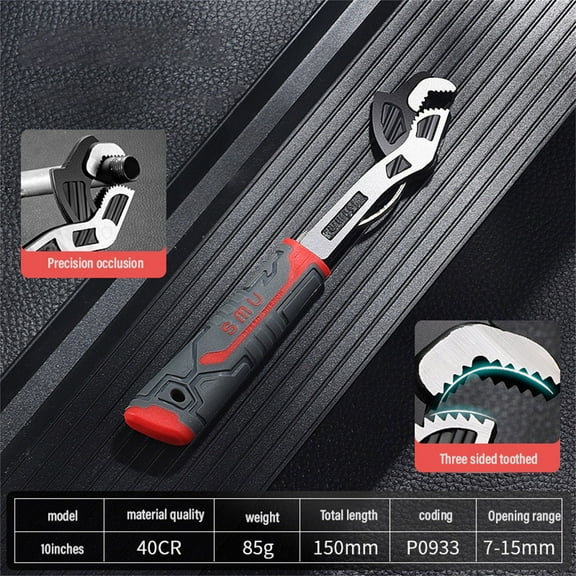
You’ll want to start with the wrench type because each design changes how you reach and turn fasteners. You can choose adjustable wrenches when you need one tool for different nut and bolt sizes.
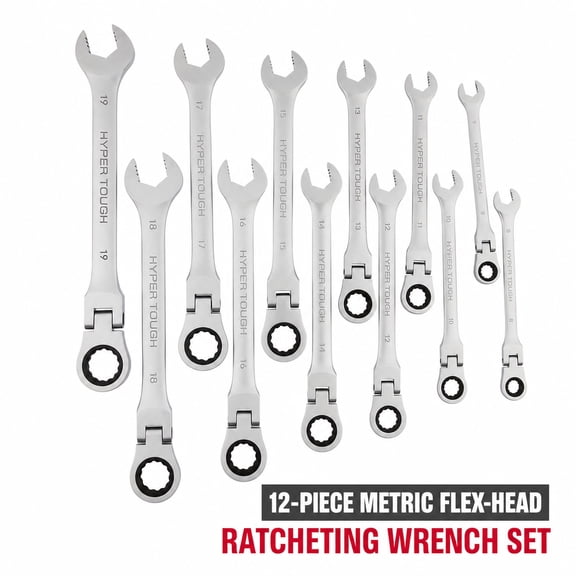
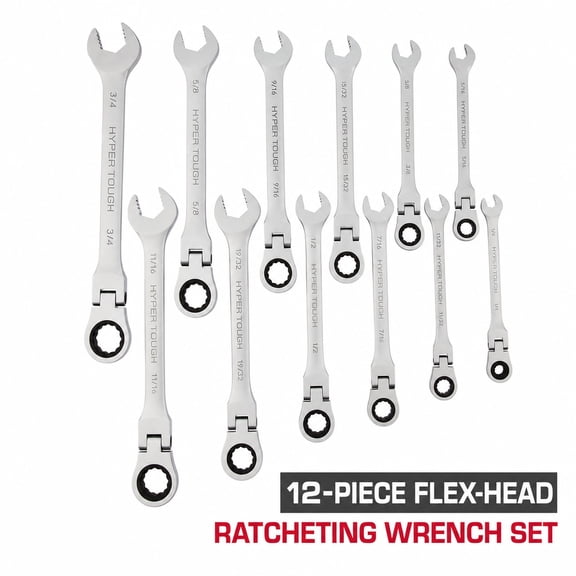
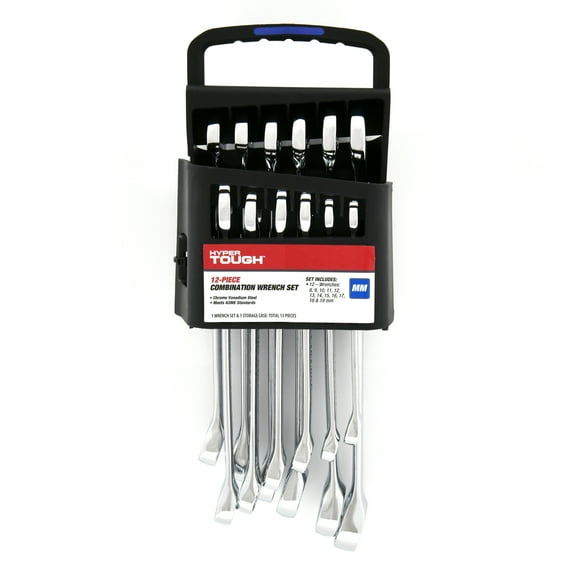
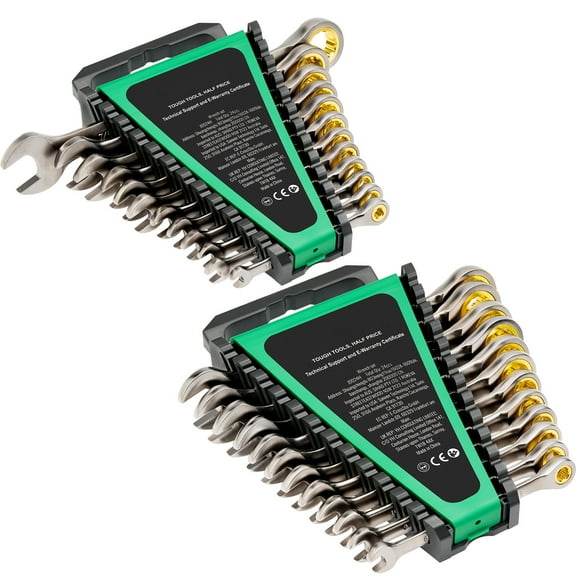
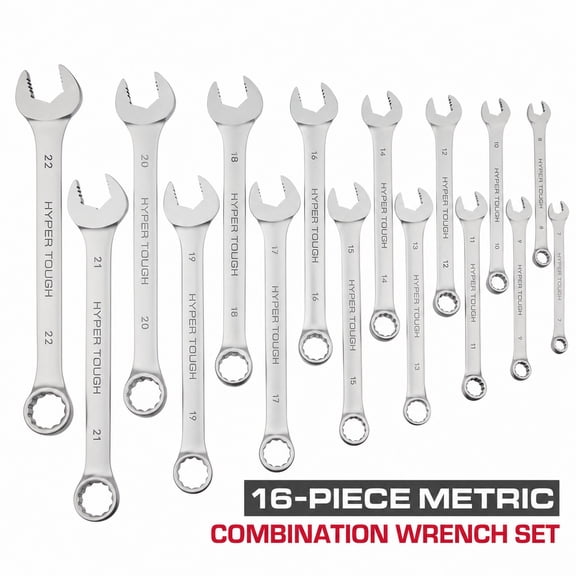
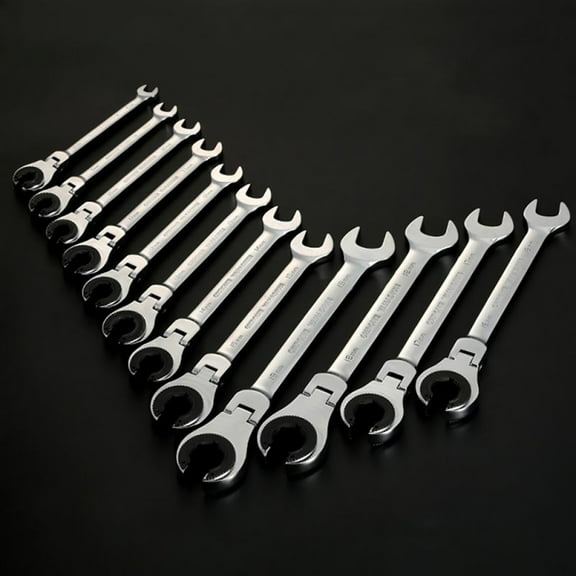
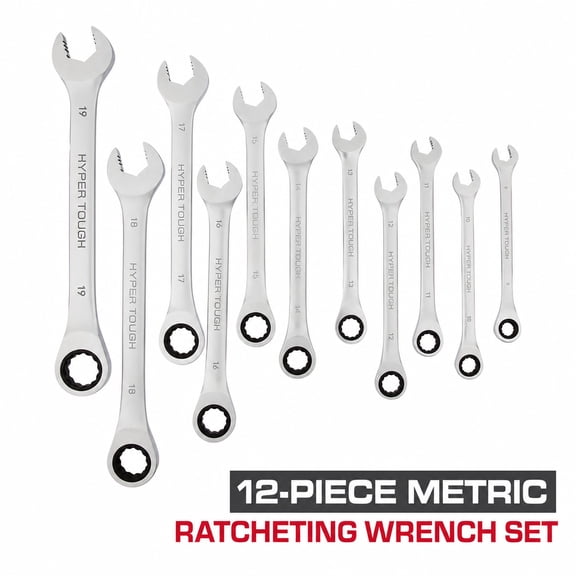
If you work in tighter spaces, you may prefer ratcheting wrenches because you can keep turning without lifting the tool off the fastener. You can also choose combination wrenches when you want an open end and a box end in one piece.
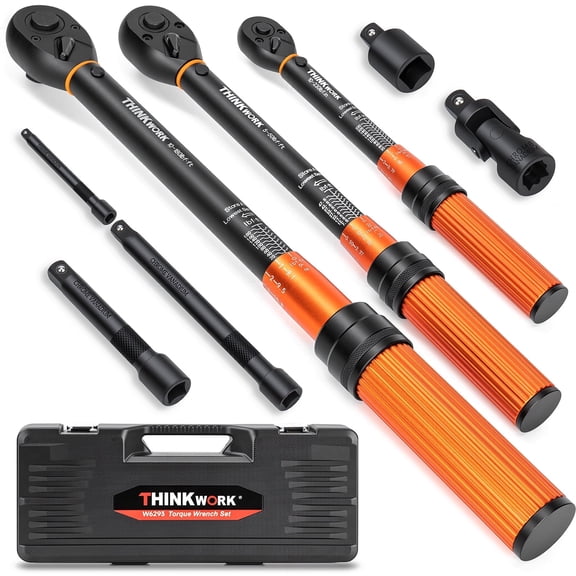
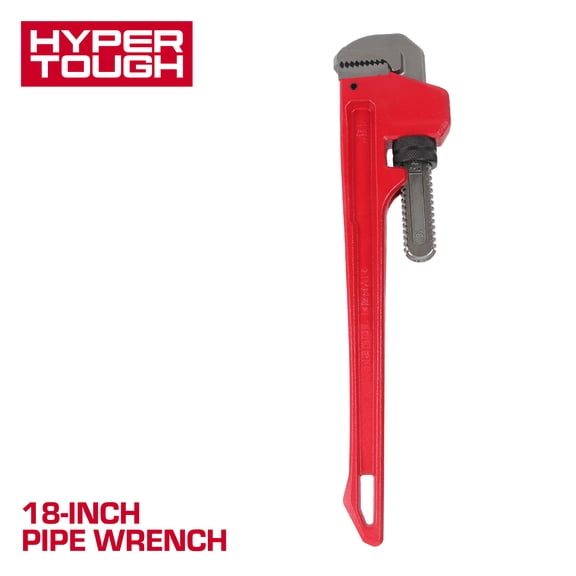
For plumbing tasks, you should look at pipe wrenches that grip round pipe and fittings securely. For exact fastening needs, you can choose torque wrenches that let you apply a measured amount of force.
- You can use adjustable styles for mixed fastener sizes and quick household tasks.
- You can use ratcheting styles when your swing space is limited inside engines or equipment frames.
- You can use combination designs when you want flexibility between open access and enclosed grip.
- You can use torque models when your work calls for ft-lbs calibration and repeatable tightening.
- You can use pipe styles when your project involves round pipe, fittings, and strong turning leverage.
Choosing between metric wrenches and SAE wrenches
You should match the measurement system to the fastener size for a cleaner fit and steadier turning. You can choose metric wrenches for bolts measured in millimeters and SAE wrenches for inch-based hardware.
If you work on bicycles, imported vehicles, or newer equipment, you may reach for metric sizes more often. If you handle older household hardware or many U.S. fasteners, you may need SAE sizes in your toolbox.
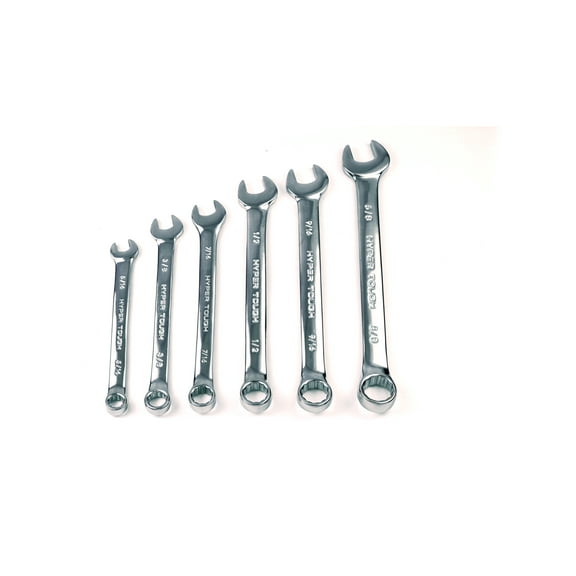
You should avoid guessing between systems because a loose fit can round corners and slow your work. You can also compare fractional markings when you want a clearer read on inch-based sizes.
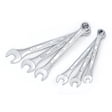
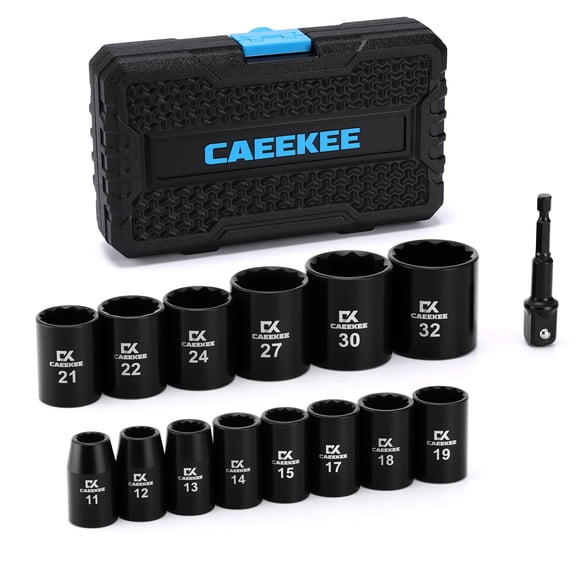
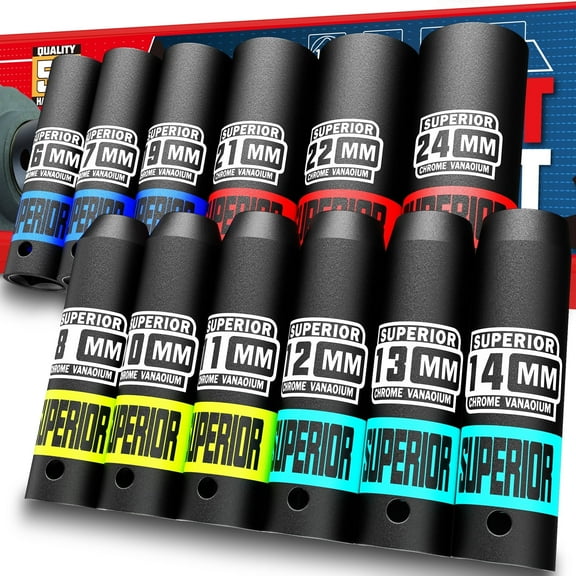
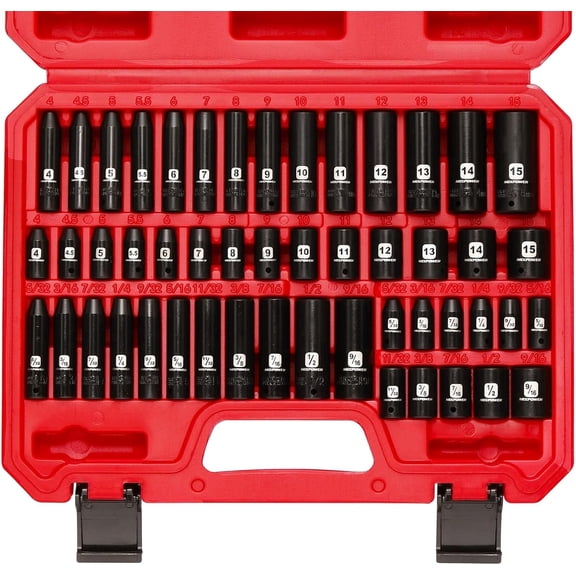
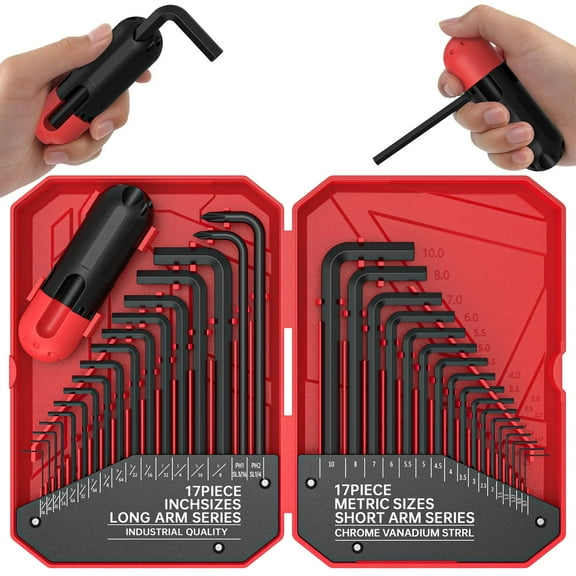
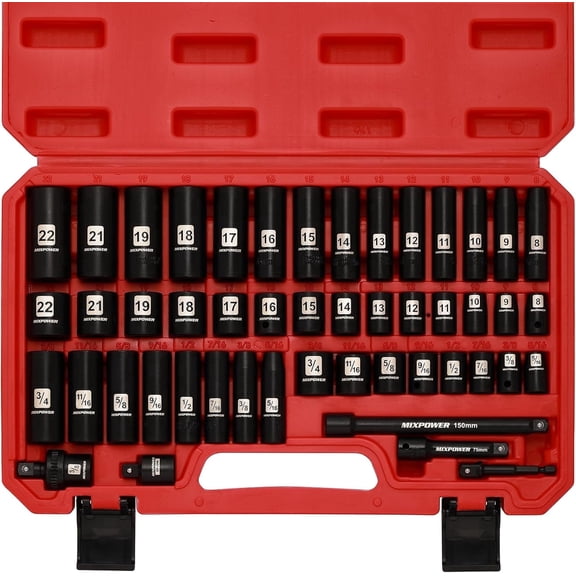
When you want broad coverage, you can choose wrench sets that include a run of metric or SAE sizes. You can also choose mixed sets if your garage, shop, or home projects use both standards.
What to look for in materials and finish
You can compare material first because it affects strength, feel, and long-term wear. You’ll often see chrome vanadium steel and alloy steel when you need dependable hand-tool construction.
If you want a smoother wipe-clean surface, you may prefer polished or satin finishes for regular bench use. If you want a lower-glare look, you can check black oxide finishes for a more muted surface.
You should also look at handle shape and edge profile because your grip matters during longer jobs. You can compare beam thickness, jaw alignment, and box-end depth when you want a more controlled hold.
For torque wrenches, you should check the ft-lbs range and adjustment style before you choose. You can match that range to wheel, engine, or structural fasteners where exact settings matter.
Deciding between individual tools and wrench sets
You can choose individual pieces when you need a replacement size or a specific style for one task. You may prefer that route if your tool chest already covers most common fasteners.
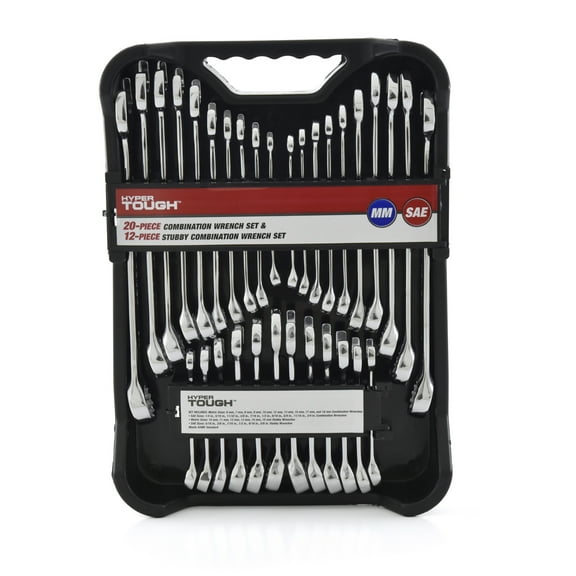
If you’re building a kit, wrench sets can help you keep sizes organized across repeat jobs. You can compare piece counts, storage rails, and roll-up pouch set options for easier carry and storage.
You should check whether a set skips common sizes before you commit to it. You can also compare labeling and stamped markings if you want faster size checks during busy projects.
For mobile work, you may like a roll-up pouch set because you can sort tools by size and transport them neatly. For a fixed bench, you might prefer rails or trays that keep each wrench visible.
How your projects shape the right choice
You can match adjustable wrenches to furniture assembly, appliance hookups, and quick fixes around the house. You may match pipe wrenches to plumbing updates where round pipe needs firm turning leverage.
In the garage, you can use ratcheting wrenches around engine bays, brackets, and tight mounting points. You may keep metric wrenches close if your vehicle uses millimeter fasteners across common service points.
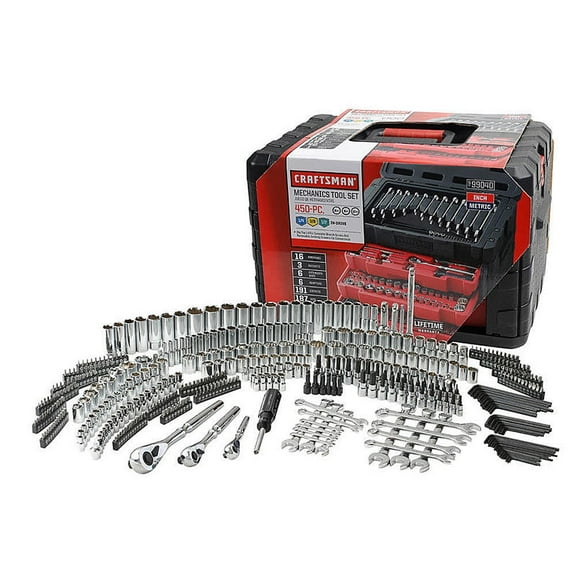
For automotive wheel or engine work, torque wrenches help you follow exact ft-lbs settings from your manual. You can pair them with a mechanics tool set when your project needs sockets, ratchets, and hand tools together.
If you handle mixed repairs, you can keep both metric and SAE coverage to avoid fit issues. You’ll finish with more control when your wrench size matches the hardware from the start.
You can choose confidently when you compare wrench type, measurement system, material, and set format together. Your projects move more smoothly when your tools fit the fastener, the space, and the force required.