



Work Gloves in Personal Protective Equipment


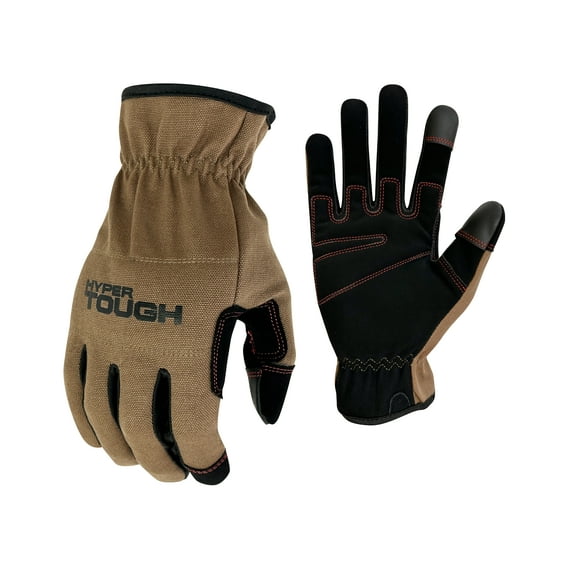
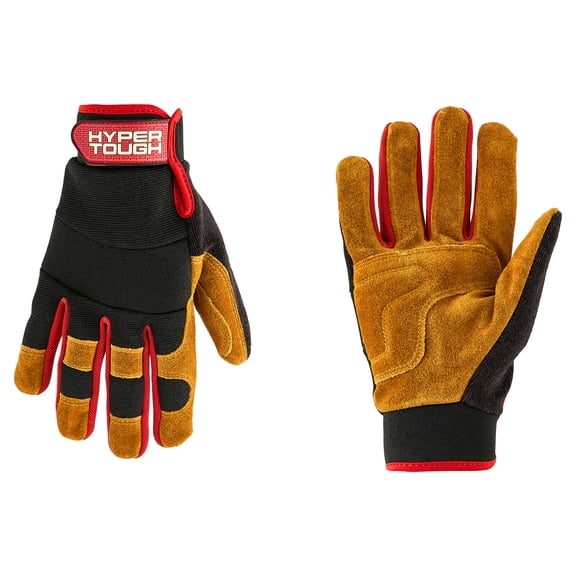
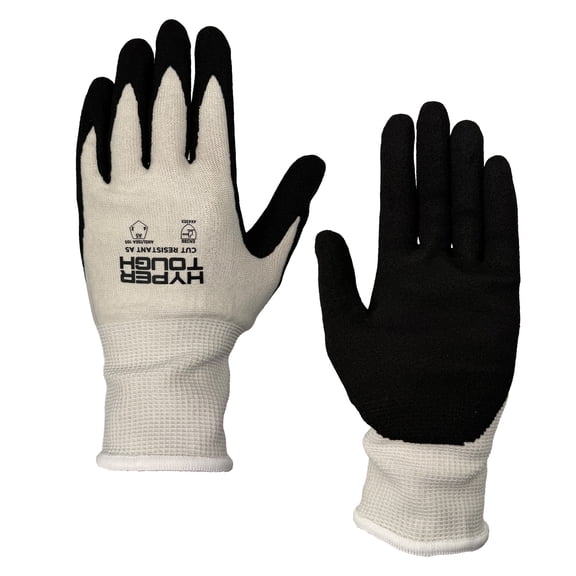
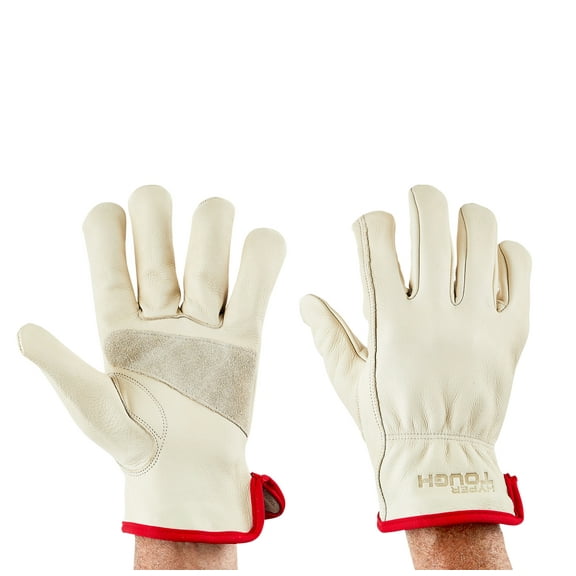
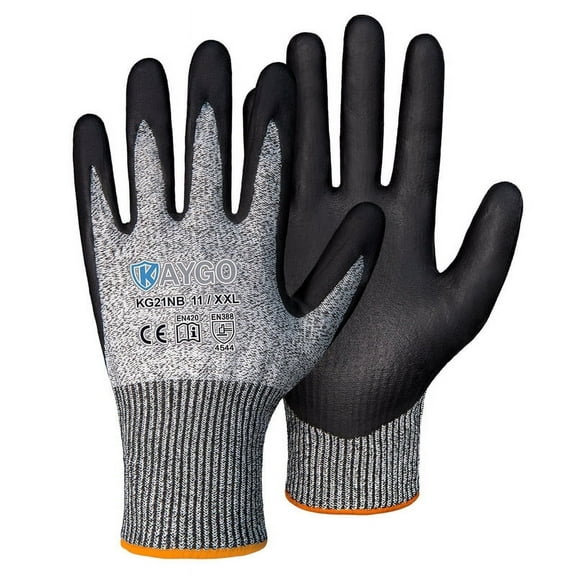
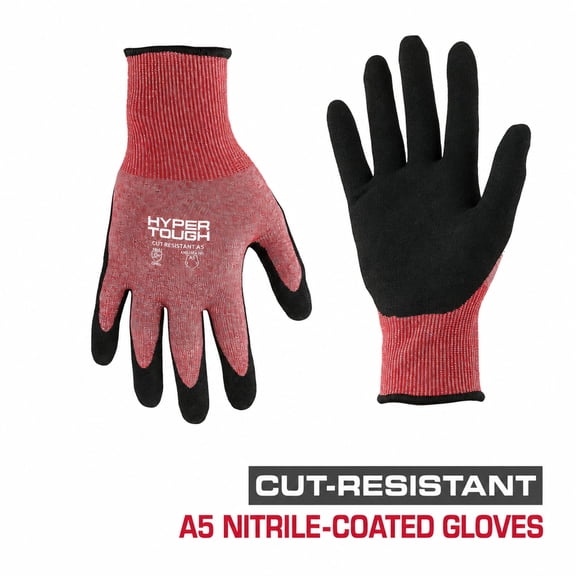
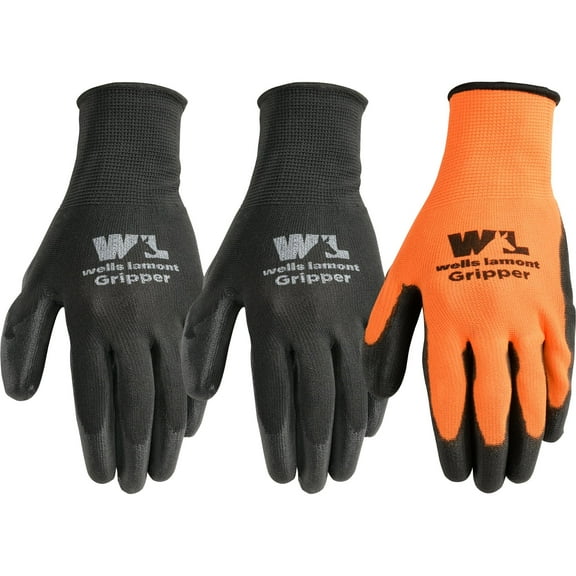
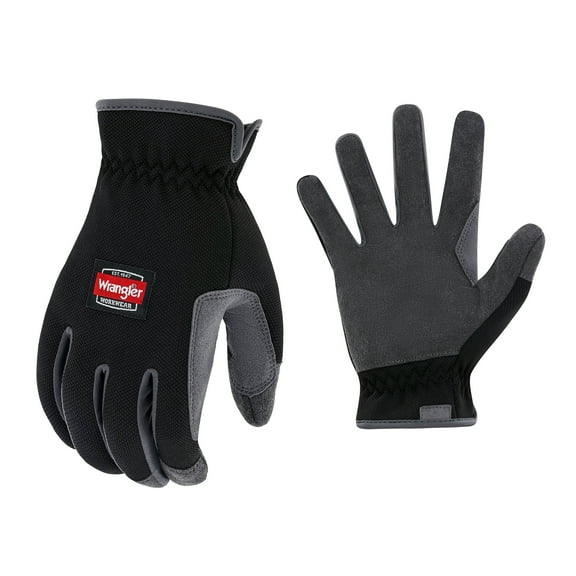





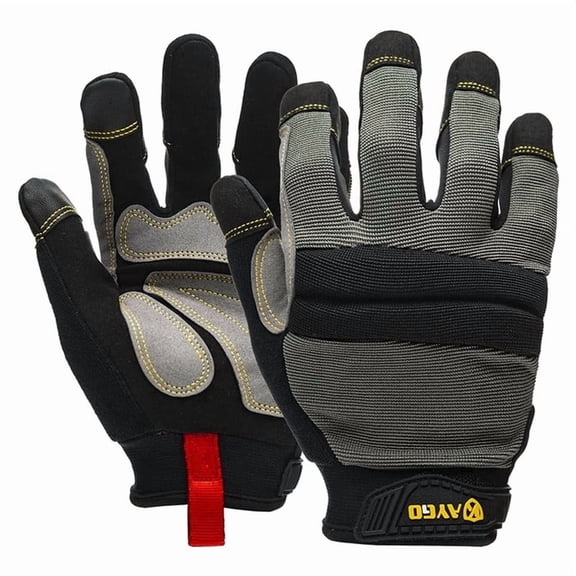


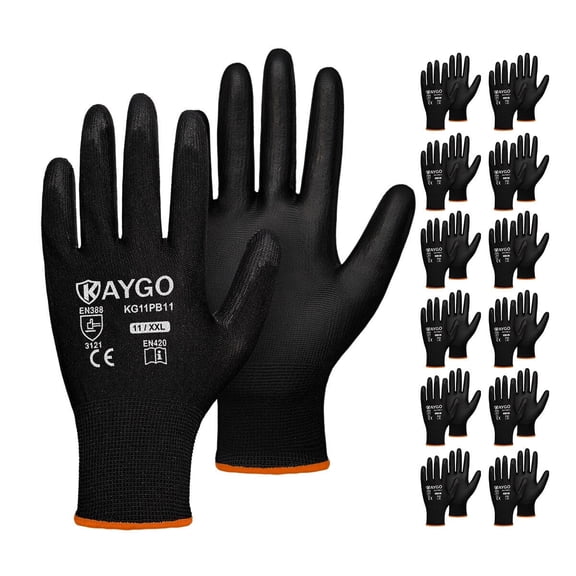


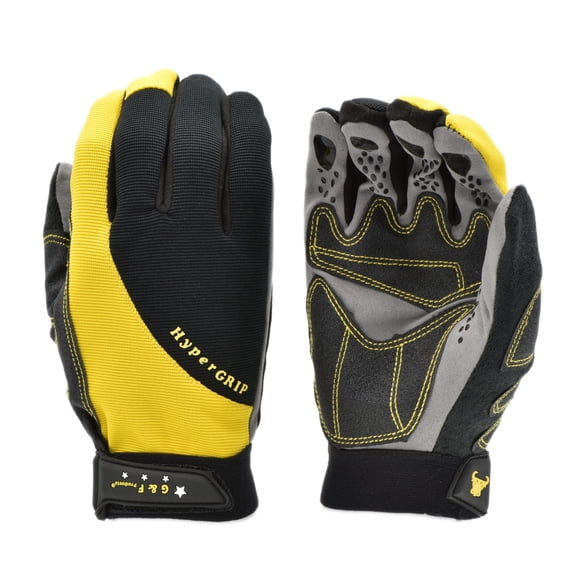
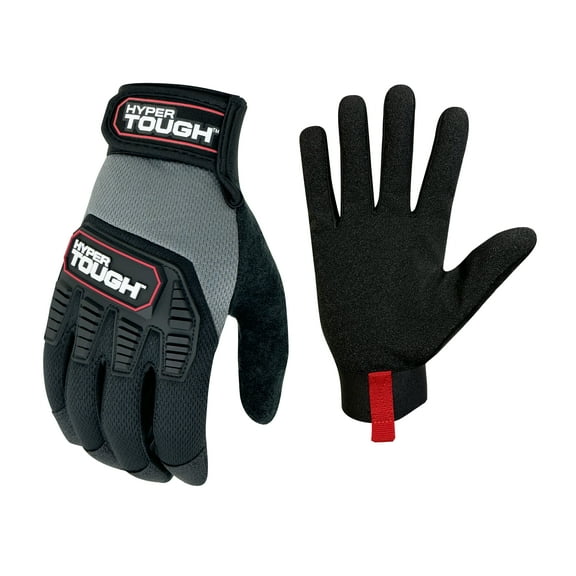


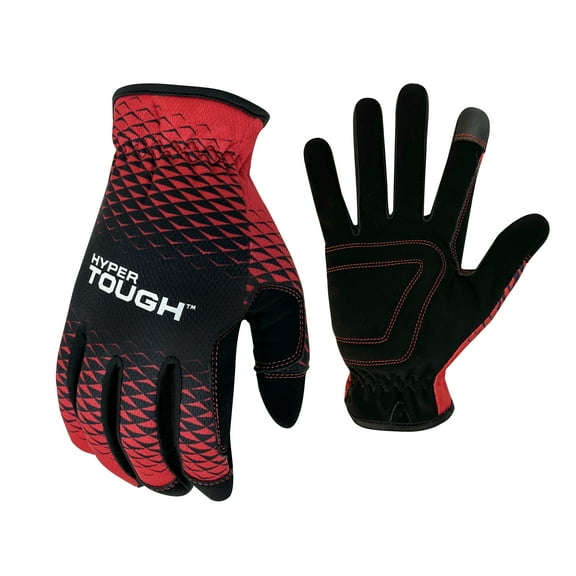


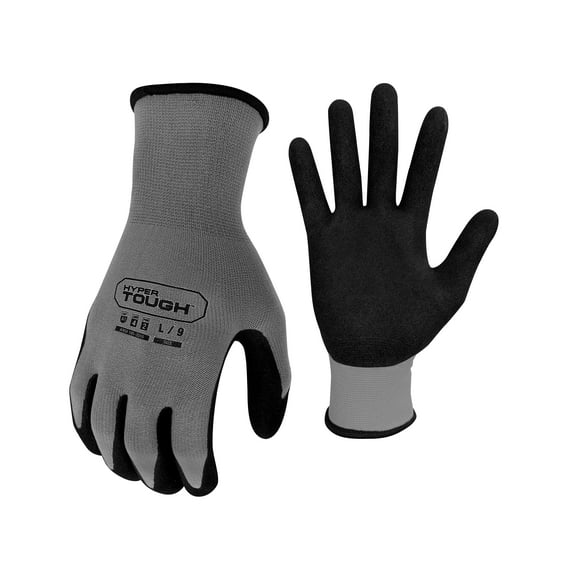

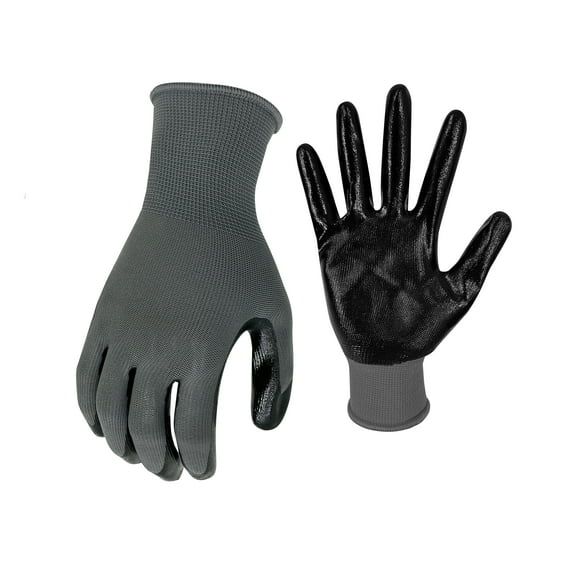
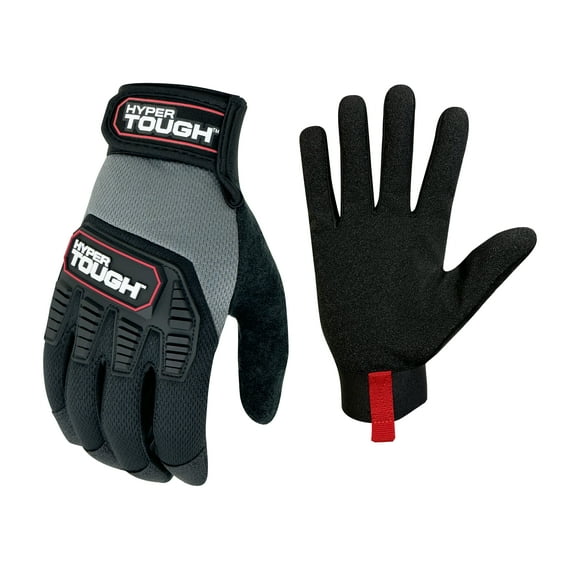

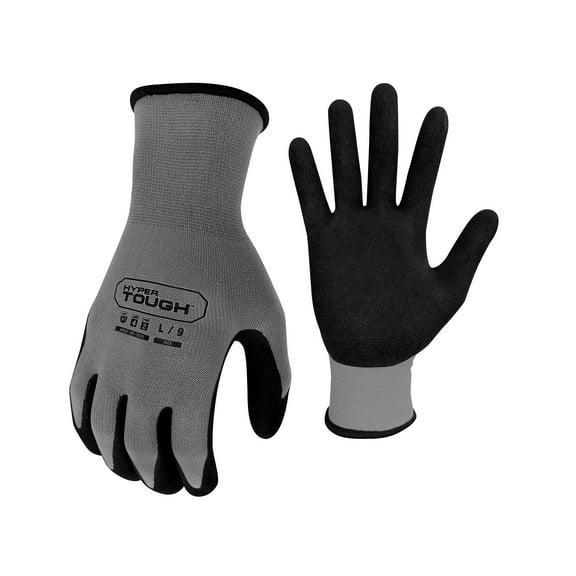


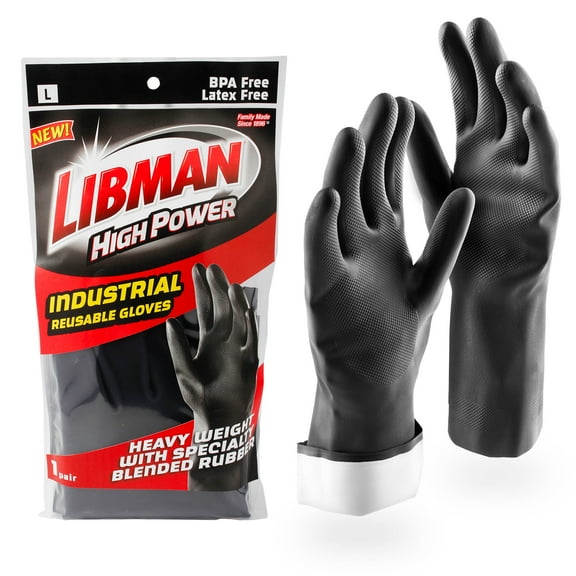
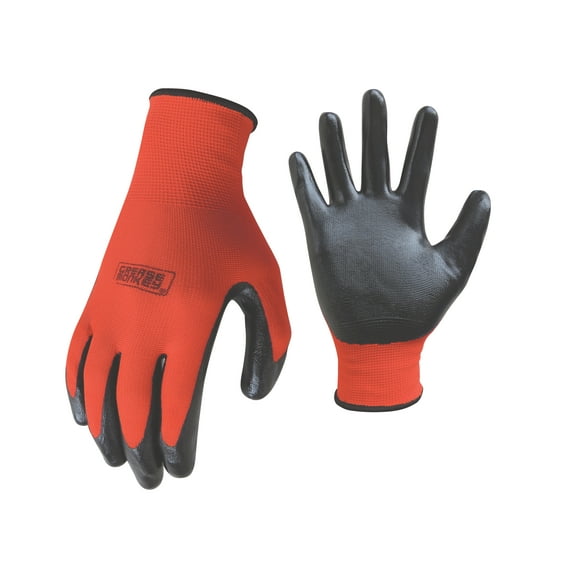
About Work Gloves in Personal Protective Equipment - Walmart.com
With 3M work gloves, you can compare grip, protection, and comfort for jobs that demand steady hands and long wear. You’ll find practical options for construction, gardening, electrical tasks, and general utility work.
When you shop this category, you’re choosing gloves built around material, coating, protection level, and use case. You can narrow your options quickly when you know how those details affect dexterity, coverage, and day-to-day wear.
How to choose 3M work gloves
You’ll get the right fit by starting with your task and your hand movement needs. You should compare whether your work calls for fine control, extra grip, or broader coverage.
If your work includes repeated lifting, tool handling, or rough surfaces, you may want more reinforcement across the palm. If your work needs small-part handling, you should look for a snug fit that supports finger movement.
- You can compare nitrile, latex, leather, and polyurethane by surface feel and flexibility.
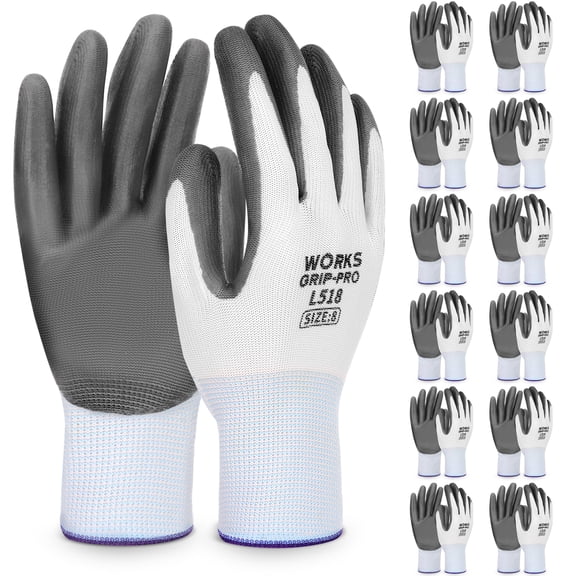
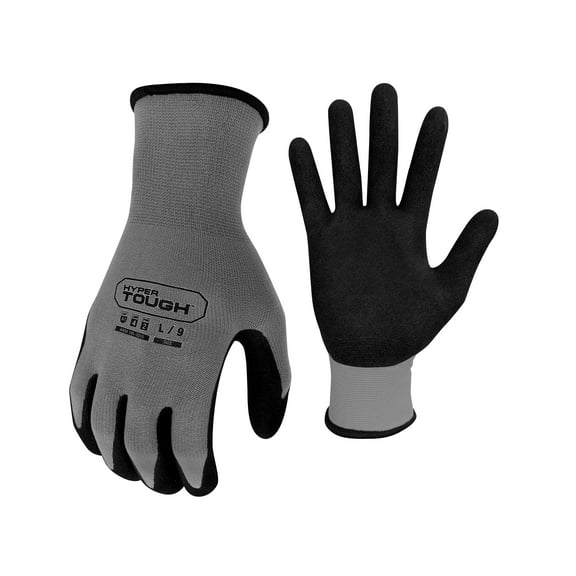
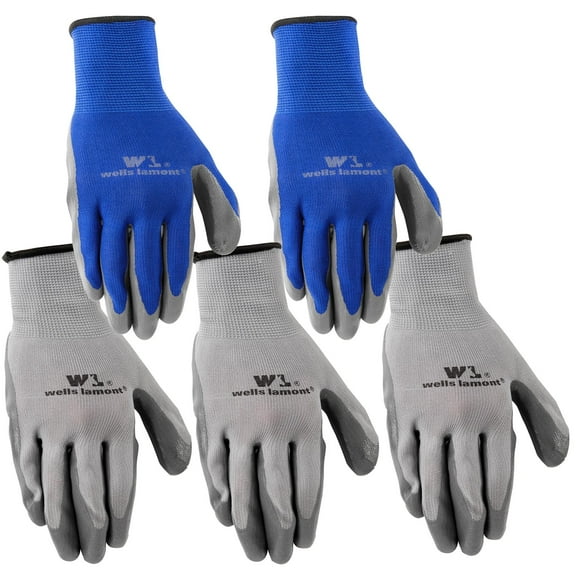
- You should check palm coated, fully coated, and foam grip styles for different traction needs.
- You can review cut resistant, abrasion resistant, and general utility options by task demands.
- You may match glove styles to construction, electrical, gardening, or heavy duty projects.
You’ll also want to think about wear time during long shifts or weekend projects. You can often balance breathability and coverage by checking the glove back and coating placement.
Choosing materials and 3M safety gloves
You can use material as a quick filter when you want a certain feel in your hand. You’ll notice that nitrile, latex, leather, and polyurethane each support different kinds of tasks.
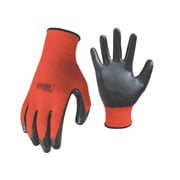
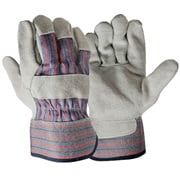
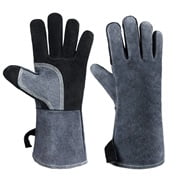
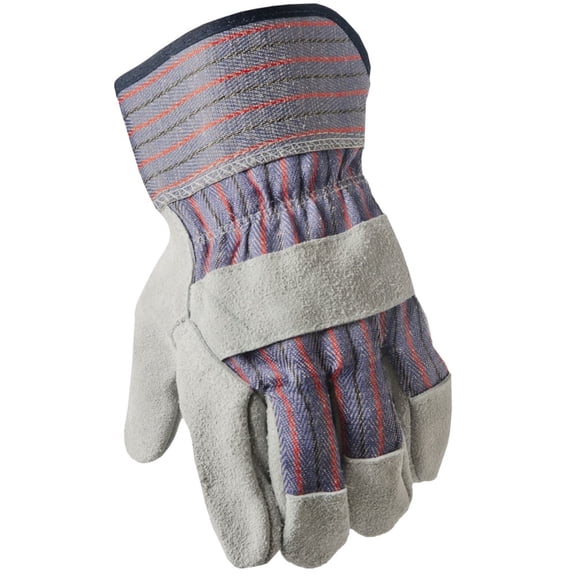
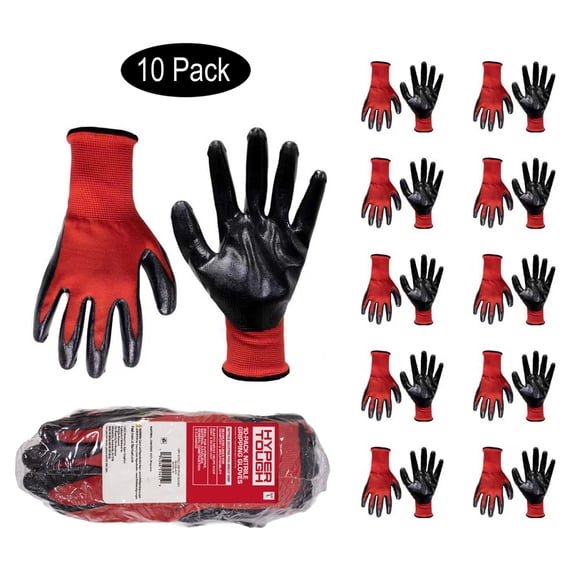
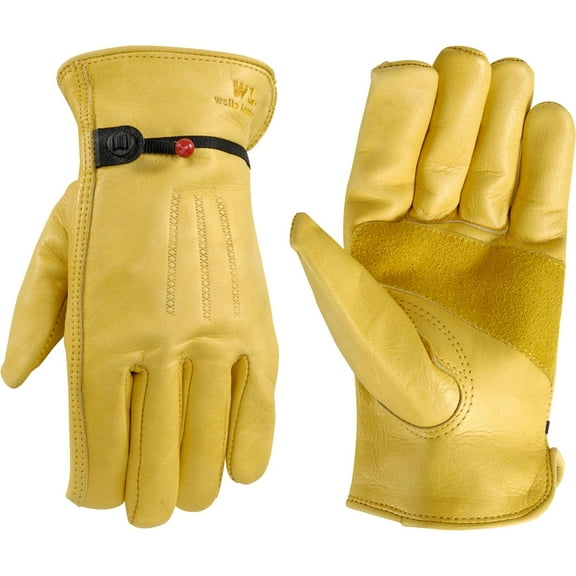
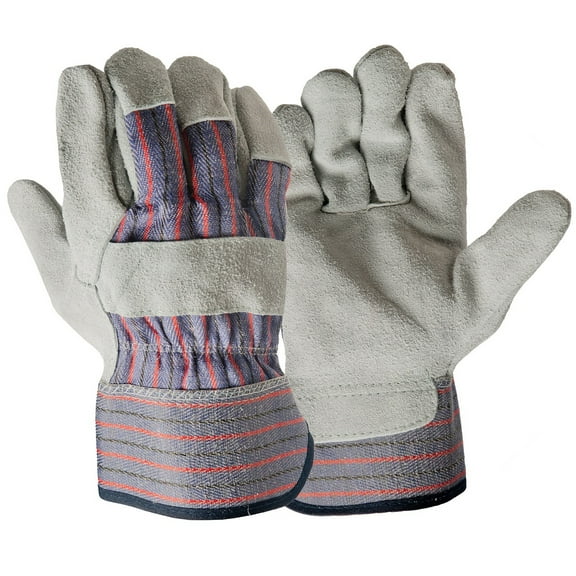
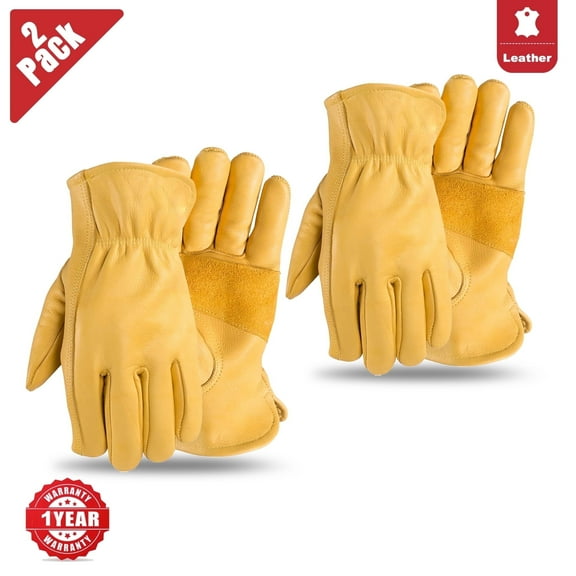
If you want a flexible coated finish, you may look at 3M nitrile gloves for grip and everyday handling. If you prefer a traditional work feel, you may compare leather styles for rugged outdoor tasks.
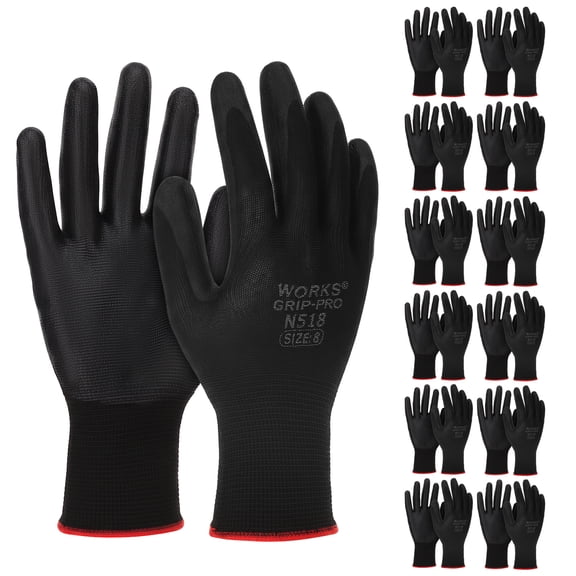
You can consider latex when you want stretch and close hand feel during repetitive work. You may choose polyurethane when your project needs light coverage and precise finger control.
When you compare 3M safety gloves, you should also check whether the glove back is knit or more enclosed. You’ll often feel more airflow with knit-back designs during longer wear periods.
Understanding protection levels and 3M cut resistant gloves
You should match your protection level to the surfaces, tools, and materials in your routine. You can choose general utility gloves for basic tasks, or step up for rougher contact.
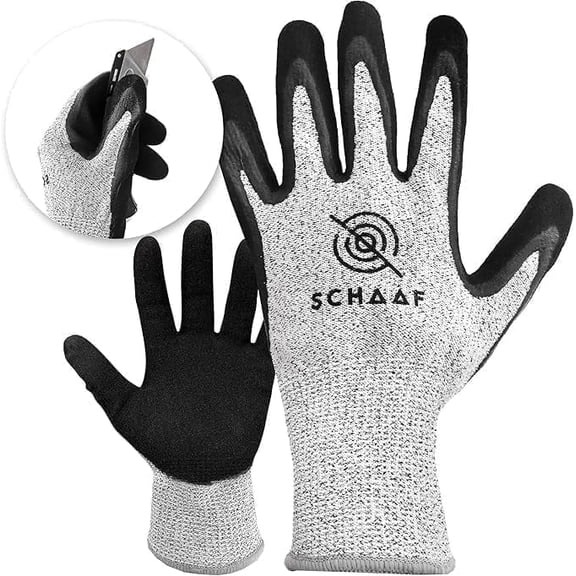
If sharp edges are part of your work, you may compare 3M cut resistant gloves by ANSI cut levels A1 through A9. You’ll generally see higher numbers used when your task involves more demanding cut exposure.
You don’t need to memorize every rating, but you should know what the scale means for your job. You can use lower levels for lighter handling and higher levels for tougher material contact.
If scraping and repeated friction are bigger concerns, you may look at abrasion resistant designs. You can benefit from that added durability when your hands meet concrete, lumber, block, or rough equipment.
Comparing coatings and 3M grip gloves
You can often narrow your choice by looking at coating type before anything else. You may notice the difference when your work includes wet tools, oily parts, or dusty surfaces.
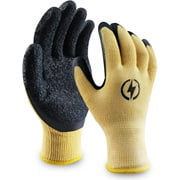
If you want traction with airflow, you may compare 3M grip gloves with foam nitrile coatings. You’ll usually get a textured feel that helps you hold tools without a bulky hand feel.
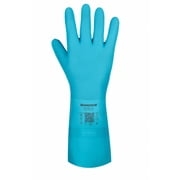
If you need broader coverage, you should check fully coated gloves for more surface protection. You may prefer palm coated styles when you want grip on the working surface with more breathability on top.
Smooth coatings can work when you want easier wipe-off during messy jobs. Foam grip finishes can feel more secure when your hands move between dry and slick conditions.
Matching fit, dexterity, and use cases
You’ll get more control when your gloves fit close without squeezing your hand. You should measure around your palm and compare sizing charts before you choose a pair.
If your gloves feel too loose, you may lose finger precision during fastening, wiring, or sorting tasks. If your gloves fit snugly, you can keep high dexterity for detailed hand work.
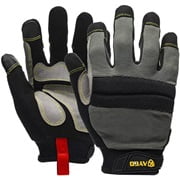
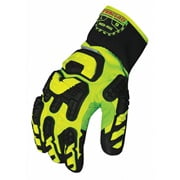
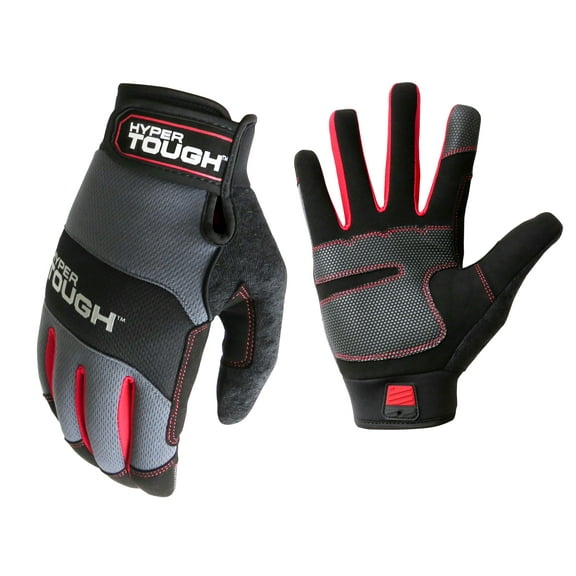
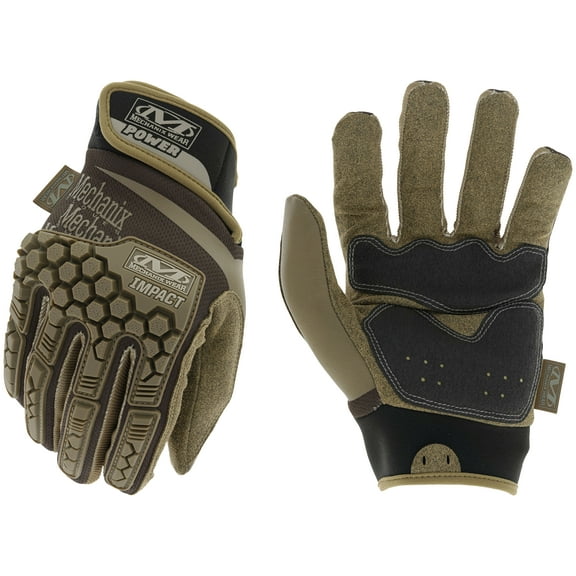
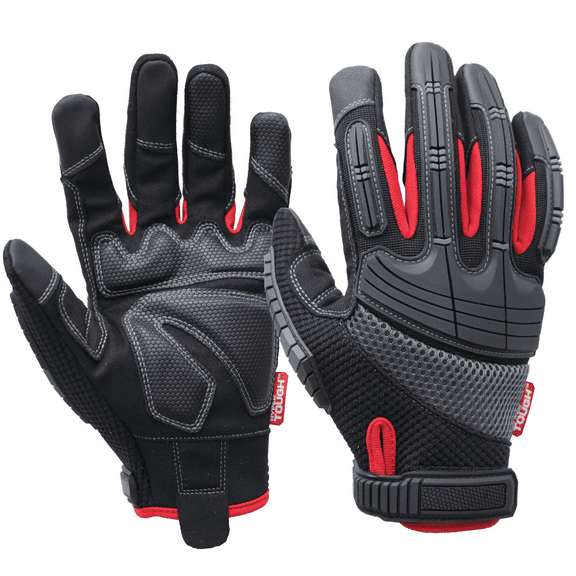
For construction, you may want 3M heavy duty gloves with dependable grip and durable palm coverage. For gardening, you may prefer lighter gloves that help you handle tools, pots, and outdoor cleanup.
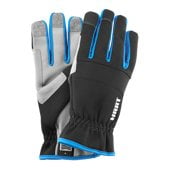
For electrical tasks, you should focus on fit, finger movement, and secure handling around small components and hand tools. For general utility work, you can choose balanced coverage for carrying, organizing, and cleanup.
You may also compare washability details and cuff styles when you expect frequent reuse. You’ll appreciate those features when your gloves move between garage projects, yard work, and jobsite tasks.
What to look for in 3M protective gloves
You can shop 3M protective gloves with a clearer plan when you compare material, coating, cut level, and fit together. You’ll make an informed choice when each detail matches the way you actually work.
When your gloves match your task, you can keep steady grip, natural movement, and consistent comfort through the job. You’ll notice that difference from the first tool pickup to the final cleanup.