

Window Hardware and Vinyl Shutters








































About Window Hardware and Vinyl Shutters - Walmart.com
You can refresh worn windows with window hardware that matches your frame style, mounting pattern, and finish. You'll find replacement parts for double-hung, casement, sliding, and storm windows, so your repair feels more precise.
How to choose window hardware by hardware type
You should start with the part you need to replace, because each hardware type handles a different window function. You may need locks for security, cranks for opening casement windows, or sash lifts for raising lower sashes.
If your window uses an operator arm, you should compare the arm shape and drive style before choosing. You can also check whether your current part uses a latch, hinge, or surface-mounted lock.
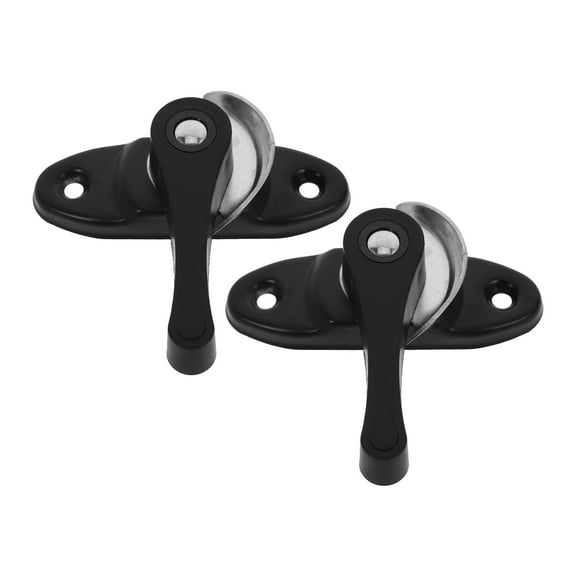
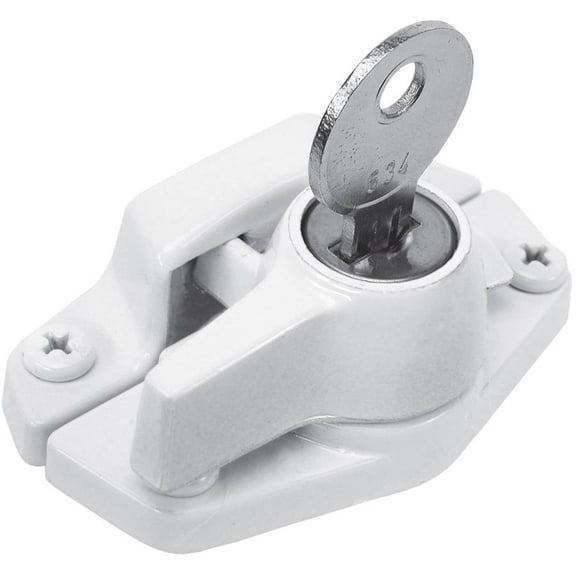
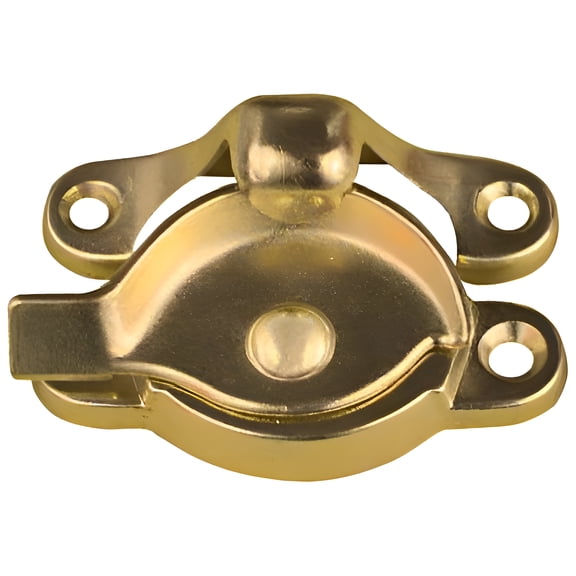
You’ll notice that window sash locks matter most on double-hung windows, where two sashes meet at the center rail. You can use matching lifts and locks to keep your window looking coordinated after a repair.
- You can replace worn locks to improve everyday opening and closing.
- You can swap damaged window cranks when your casement window no longer turns smoothly.
- You can update window latches and hinges when alignment changes over time.
- You can choose sash lifts when you need a more secure grip on painted or older sashes.
Choosing window replacement parts for your window style
You should match window replacement parts to the way your window opens, because hardware differs across frame designs. You’ll want different parts for double-hung, casement, sliding, single-hung, and storm window hardware setups.
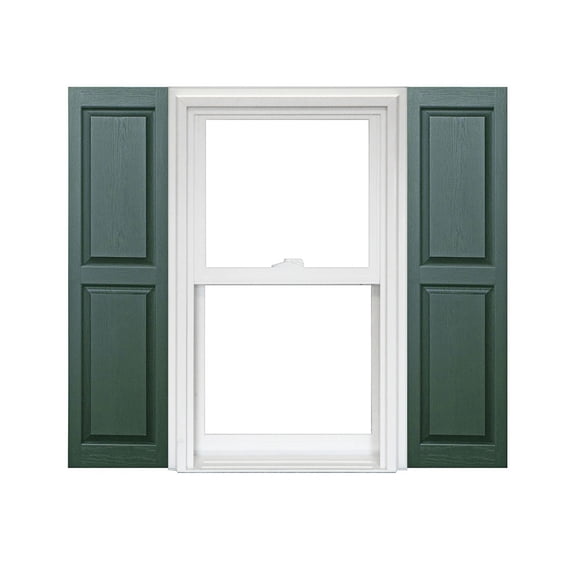
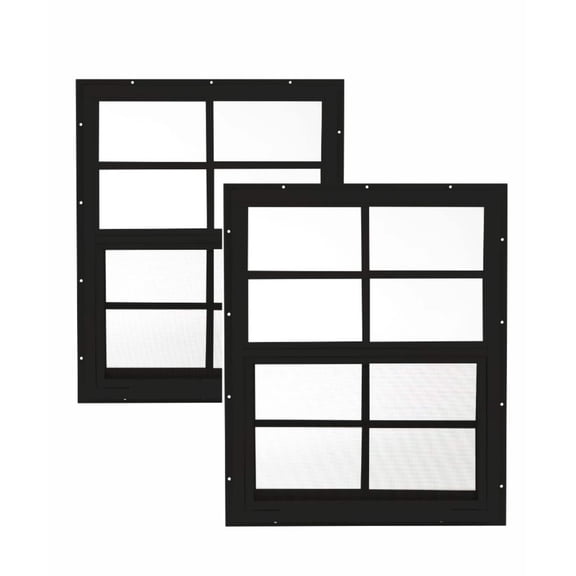
For double-hung window hardware, you should focus on sash locks, lifts, and keeper alignment across the meeting rail. You can check the spacing between holes and compare the lock shape before replacing anything.
With casement windows, you’ll usually need cranks, operators, and hinges that match the arm length and gear connection. You should measure the operator arm and compare the handle fit before you choose.
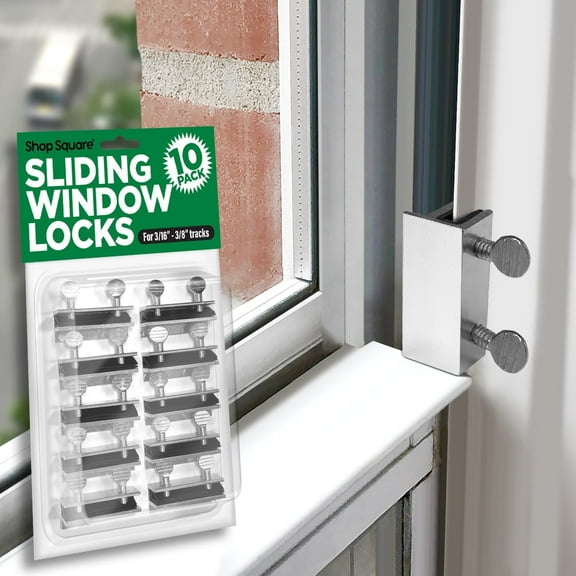
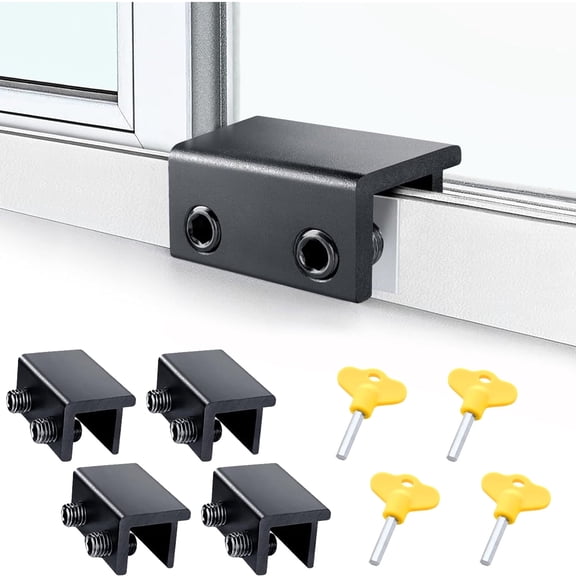
For sliding windows, you may need latches or rollers that fit the track width and frame depth. You can avoid guesswork when you measure the visible part and the center-to-center screw spacing.
Storm window hardware often uses smaller profiles, lighter frames, and simple turn buttons or clips. You should compare the exact mounting style, because storm parts can differ from standard interior window hardware.
What to look for in materials, finishes, and locking styles
You should compare material and finish together, because appearance and durability both matter on visible window parts. You can choose from brass, zinc, steel, vinyl, bronze, and white finishes to match your frame.
Steel and zinc options often suit busy exterior spots where you want a sturdy feel and dependable fastening. Vinyl and white finishes can blend into painted frames when you want a cleaner, less noticeable look.
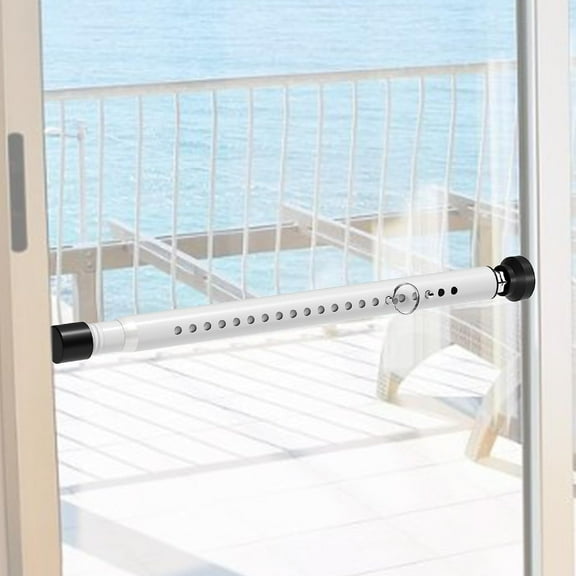
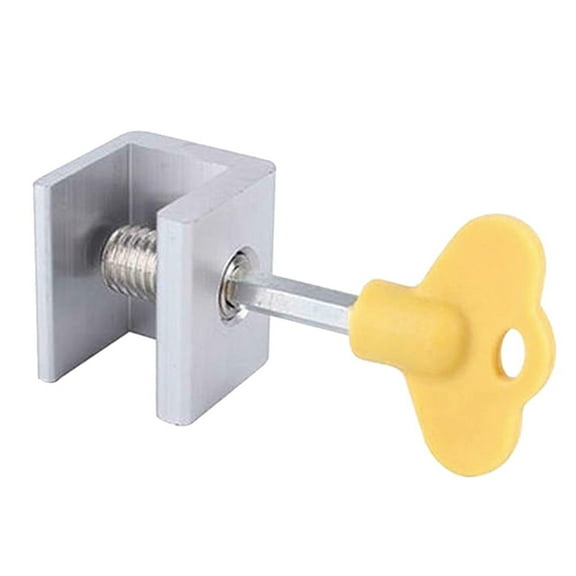
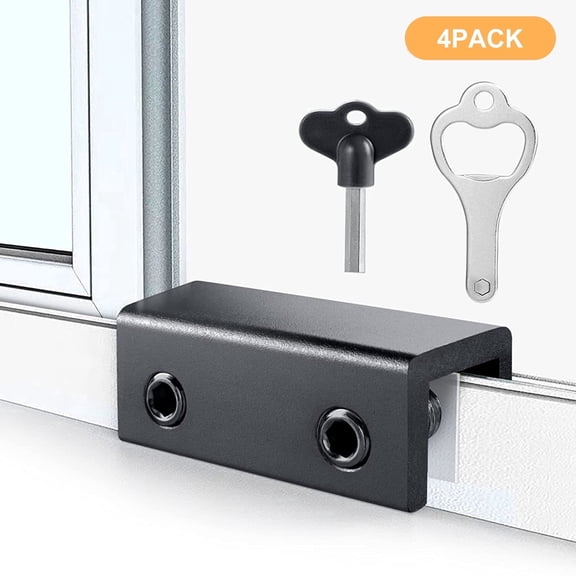
If your window uses a lock, you should check whether you need a simple single-point catch or a multi-point style. You’ll want the lock body and keeper to line up cleanly so closing feels smooth.
You can also compare the handle shape, base plate, and finish tone when you want a closer visual match. That step helps your repair look intentional instead of looking like a mismatched patch.
How to measure installation type and mounting details
You should confirm installation type before ordering, because surface mount, mortise, and screw-in designs install differently. You can usually identify the right style by checking how your current part sits on or inside the frame.
Surface-mount pieces attach on the face of the sash or frame, so you can usually see the full body. Mortise parts fit into a cutout, so you should measure the recessed area before replacing them.
Screw-in hardware depends on hole placement, so you should measure center-to-center spacing with care. You can compare that measurement to your current part to reduce fit issues during installation.
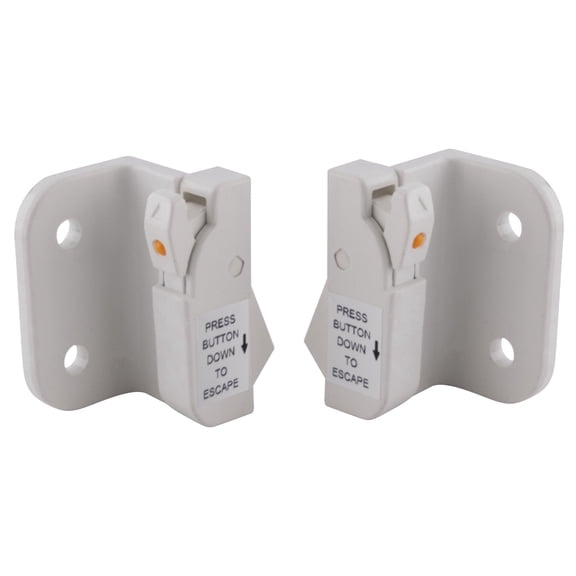
You should also check handedness on certain operators and hinges, especially on casement setups. You can avoid returns when you compare left-opening and right-opening window movement before choosing.
Window hardware for common repair situations
You may need window hardware when a crank handle slips, a sash lock no longer lines up, or a latch feels loose. You can restore smoother daily use when you match the replacement part to the window style.
If you’re updating an older home, you may want bronze or brass hardware that suits traditional trim and wood sashes. You can keep the look consistent while replacing parts that no longer fit securely.
For seasonal upkeep, you may look for screen window hardware and storm window hardware before warmer weather arrives. You can replace clips, fasteners, or small frame parts that help screens and storms fit correctly.
You might also need a quick fix for a rental, workshop, porch, or utility space with heavy daily use. You can choose straightforward locks, latches, or sash lifts that match existing holes and simplify installation.
You’ll get a more reliable repair when you compare hardware type, window compatibility, finish, and mounting details together. You can narrow the fit faster and keep your windows opening, closing, and locking with less frustration.