

Wildfire Prep in Emergency Prep




























About Wildfire Prep in Emergency Prep - Walmart.com
With wildfire prep, you can organize essential supplies before smoke, outages, and fast departures disrupt your routine. You’ll find practical options for breathing protection, backup power, first aid, and evacuation planning in one focused category.
If you’re building a household plan, you should compare protection type, product type, pack size, and certifications first. You can use those decisions to match your space, your family size, and your expected evacuation timeline.
How to choose wildfire prep by protection type
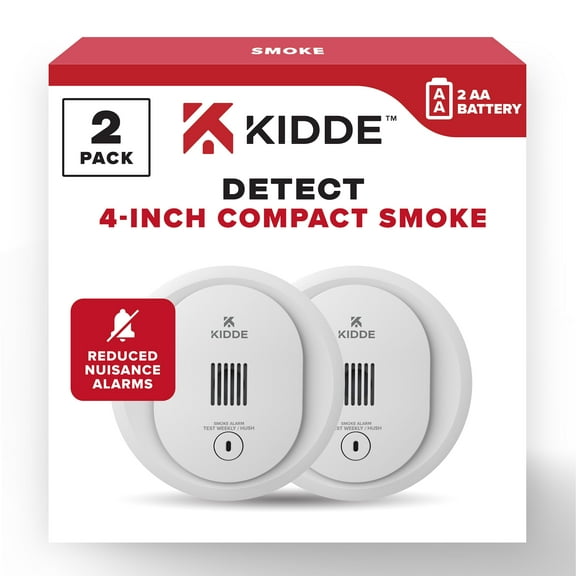
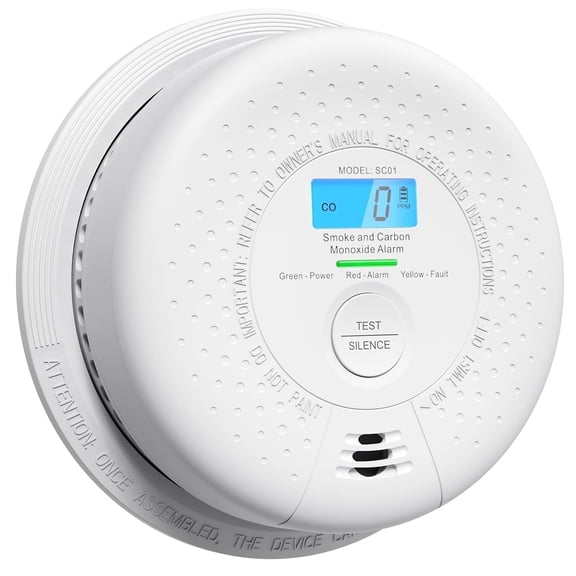
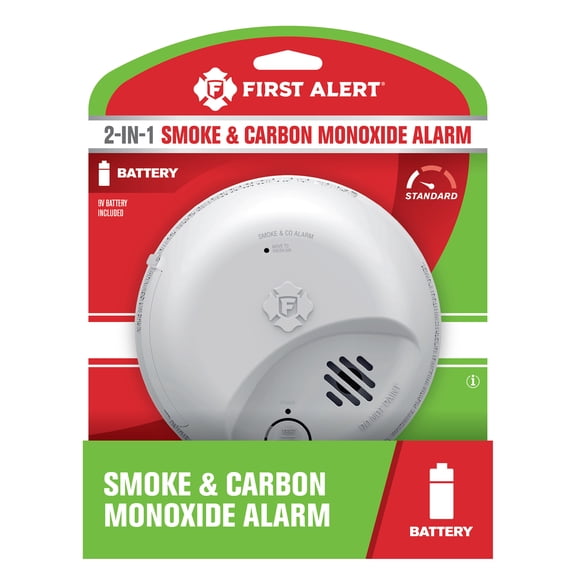
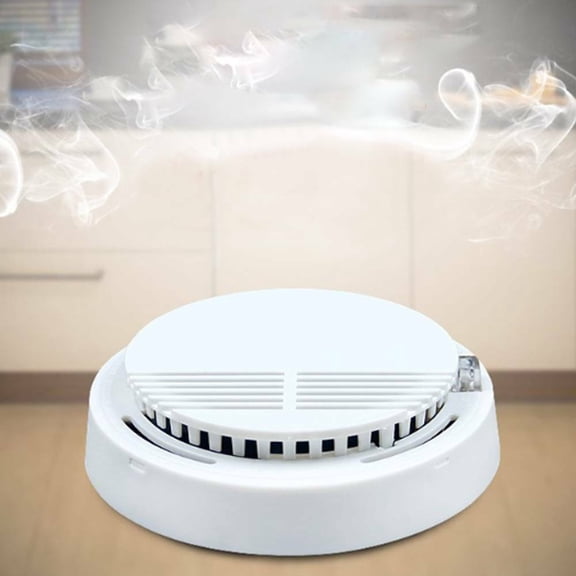
When you compare wildfire safety supplies, you should start with the kind of coverage your situation needs. You may need respiratory protection for smoky air, home defense tools for alerts, emergency power for outages, and first aid for everyday cuts.
For smoke-filled conditions, you’ll want respiratory protection that supports your air quality protection plan at home or on the go. For outages, you should check power options that keep lights, fans, and communication devices running.
If you’re preparing one room, you can focus on compact essentials that store easily in closets or entry spaces. If you’re planning for a larger household, you should separate supplies by room, vehicle, and grab-and-go location.
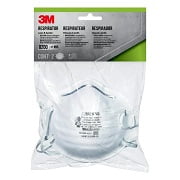
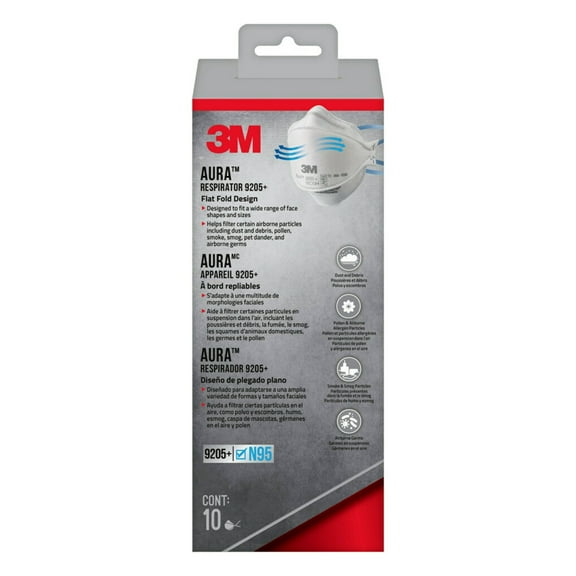
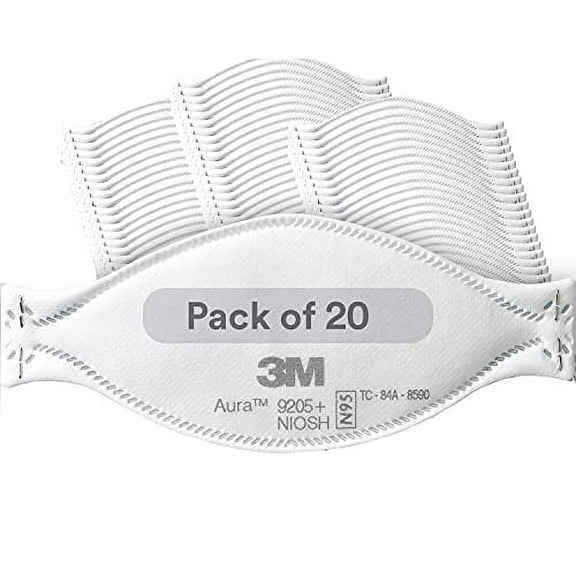
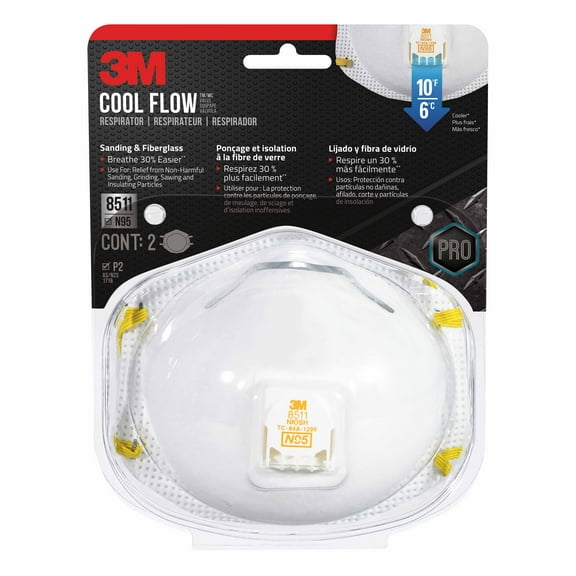
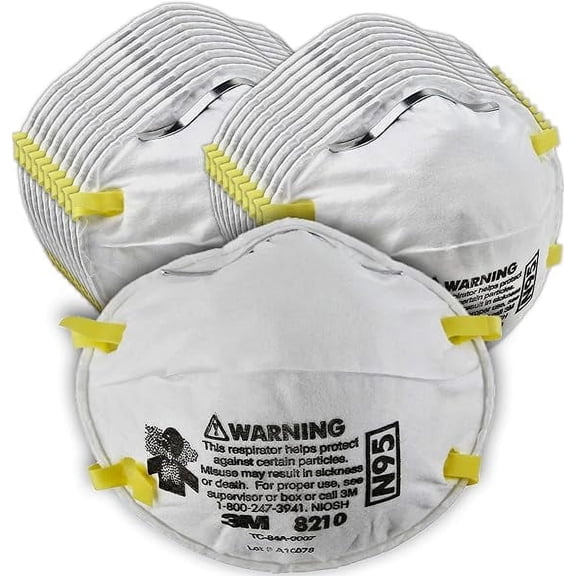
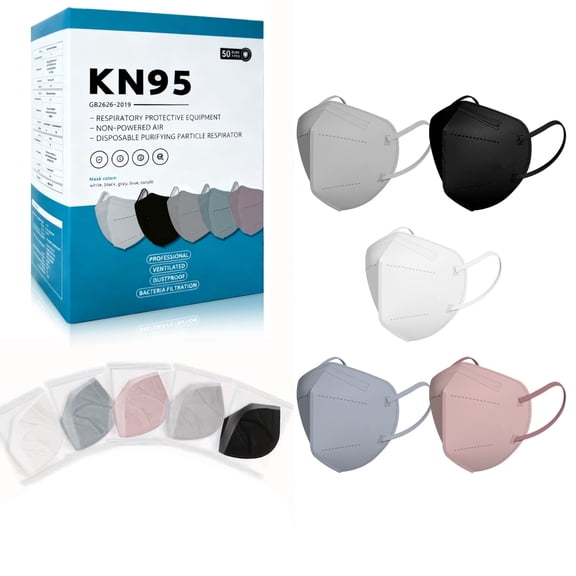
- You can use N95 masks to add portable respiratory coverage during smoky conditions.
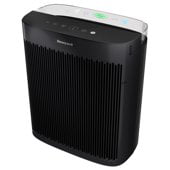
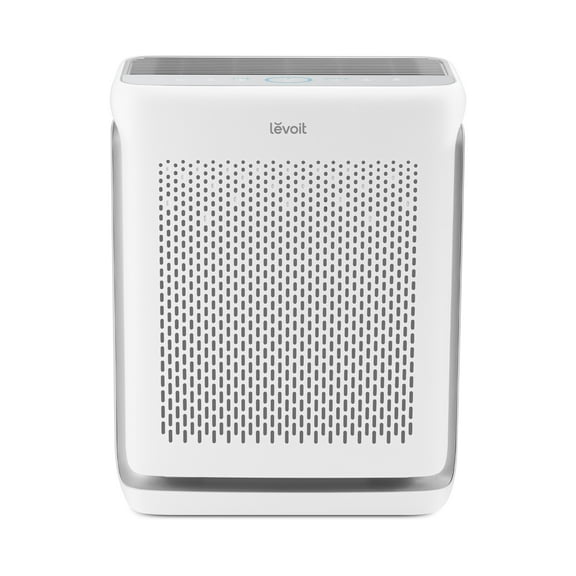
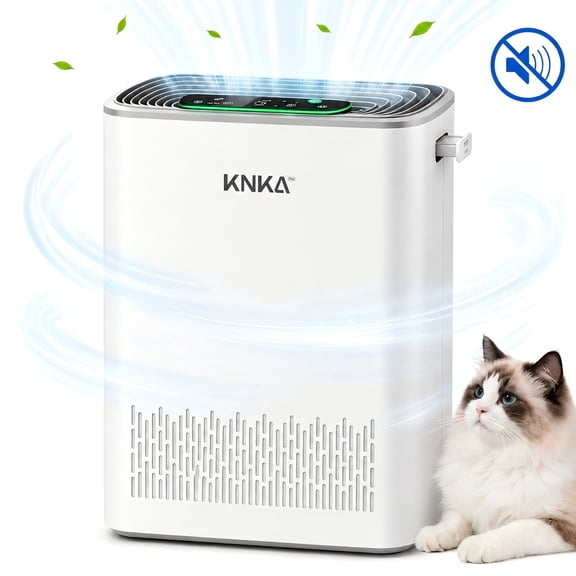
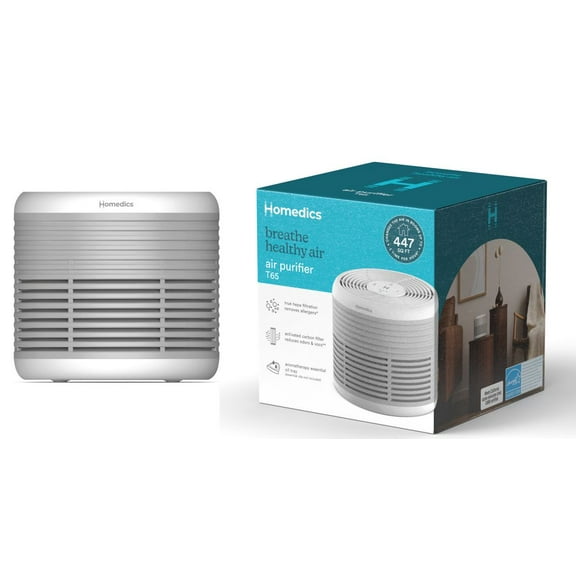
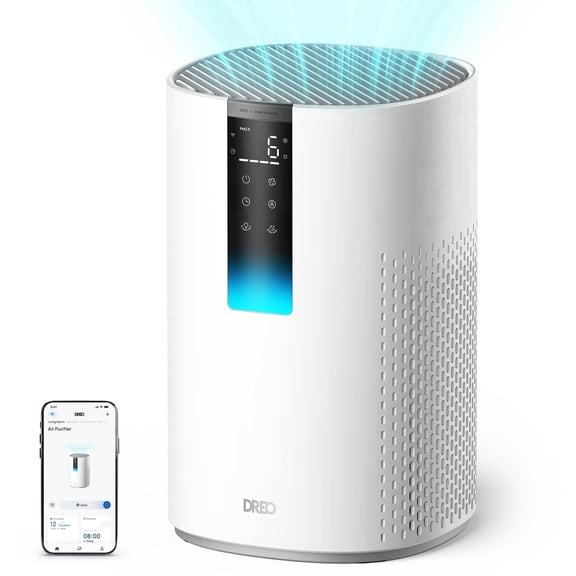
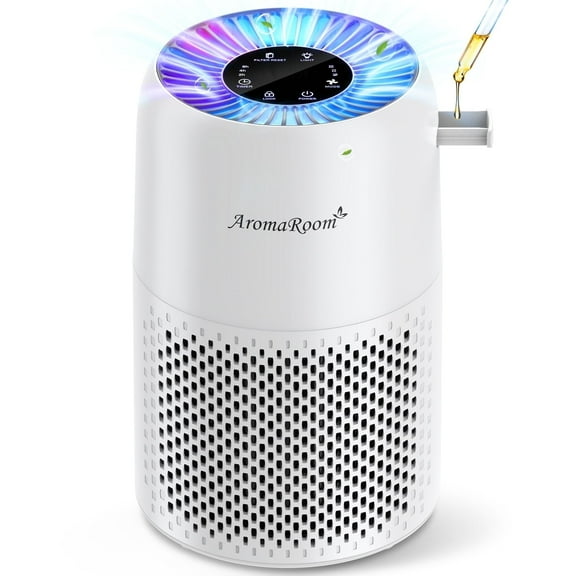
- You can use air purifiers to support indoor air quality protection in bedrooms or shared spaces.
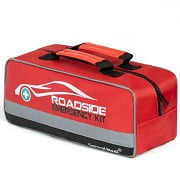
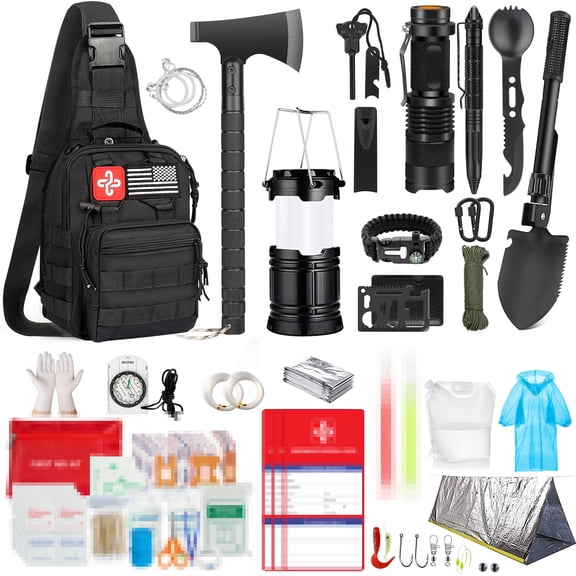
- You can use emergency kits to keep food, light, and basics together for quick departures.
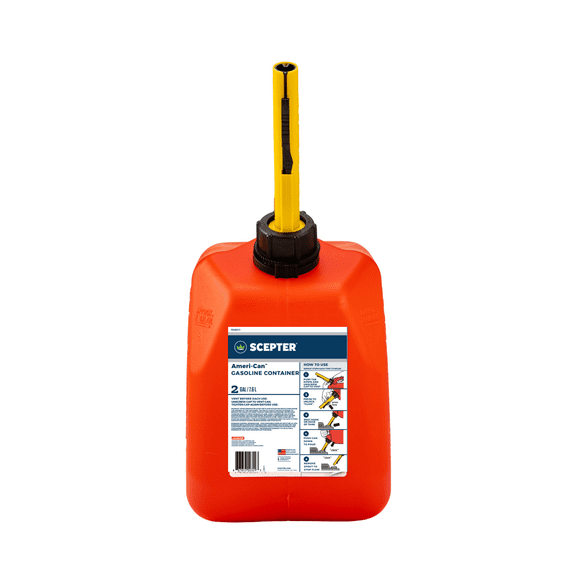
- You can use generators to support emergency power when outages interrupt your routine.
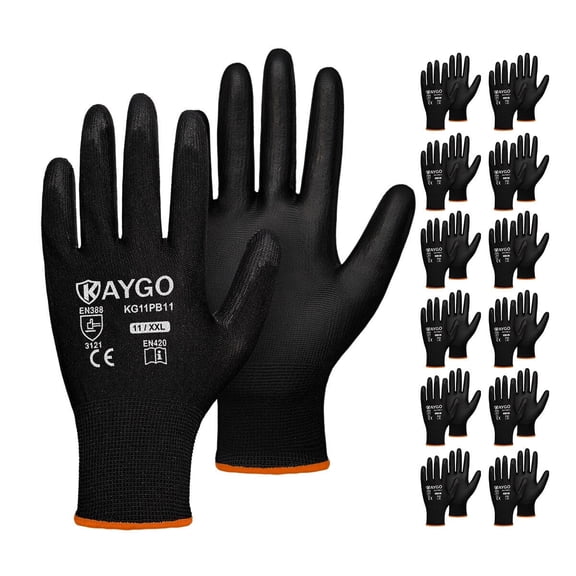
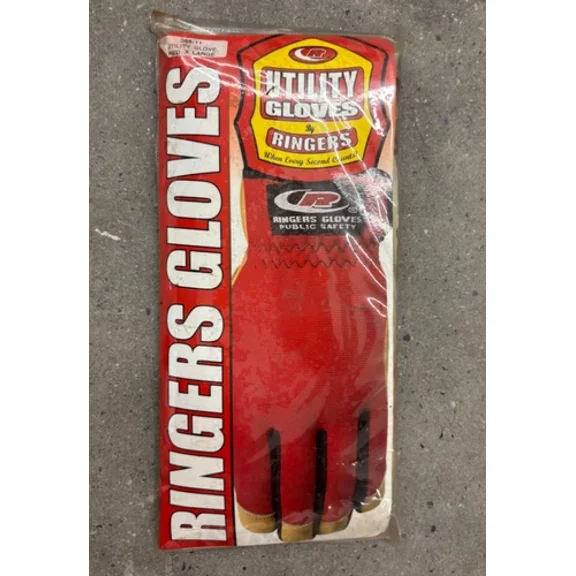
- You can use first aid supplies to keep bandages, wipes, and basic care items organized.
Choosing a wildfire emergency kit and product type
As you compare a wildfire emergency kit, you should look at what’s included and how long it supports you. You may prefer a 72-hour kit for fast evacuation needs or a one-week kit for longer disruptions.
When you review product type, you should match each item to a clear role in your plan. You can choose N95 masks for personal coverage, air purifiers for indoor spaces, emergency kits for grouped essentials, and generators for backup electricity.
If you need portable supplies, you should look for backpack formats that move easily from closet to car. If you need home-based storage, you can consider heavy-duty cases that keep gear sorted and easier to access.
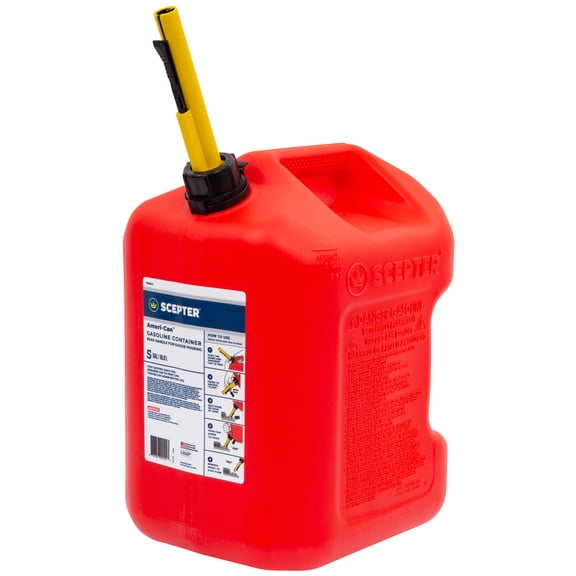
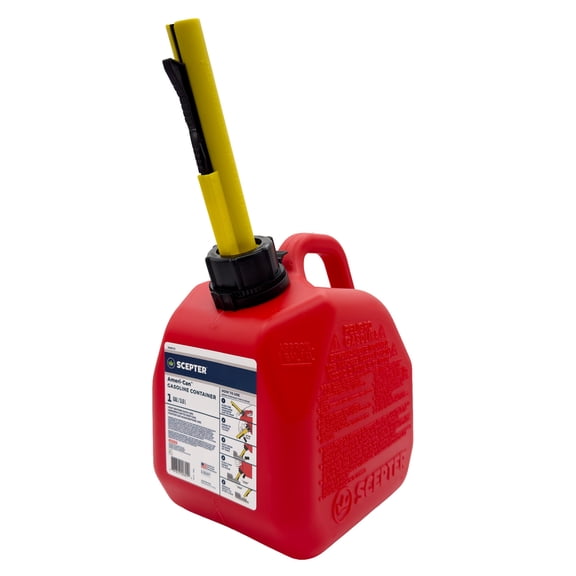
For generators, you should compare wattage and fuel type before you decide. You can use lower wattage for light essentials, while higher wattage supports more devices and longer household use.
For masks, you should check whether the package includes a NIOSH approved N95 rating. You’ll know that rating helps you compare filtration-focused options with clearer confidence during your selection.
What to look for in pack size and certifications
When you choose pack size, you should base it on how many people you’re preparing to support. You can start with individual packs for solo use, family packs for shared needs, or bulk quantities for repeated replacement.
If you’re storing supplies in multiple places, you may want smaller packs for cars, entryways, and bedrooms. If you’re building a central storage plan, you can use bulk formats to refill kits and backup bins.
Certifications can help you compare products without guessing about intended use. You should look for NIOSH approved labeling on qualifying N95 masks, FDA cleared language on applicable devices, and EPA certified claims on eligible air purifiers.
As you compare labels, you should focus on what each certification means for your shopping decision. You can use those details to sort options faster and choose products that fit your wildfire prep checklist.
Matching wildfire prep supplies to real scenarios
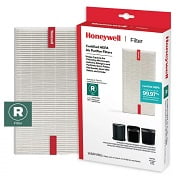
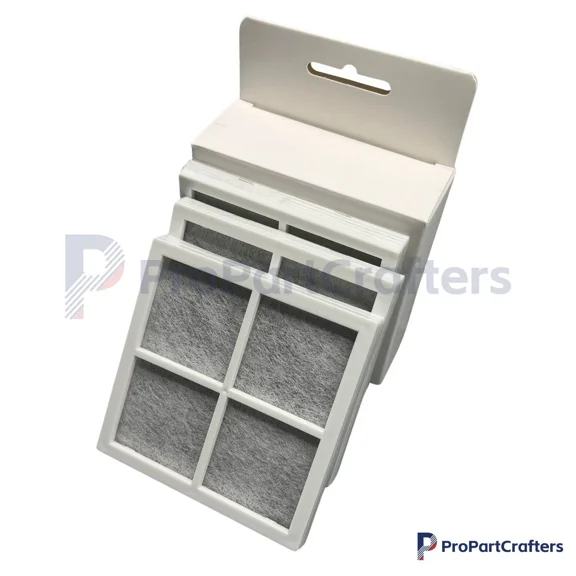
If you’re preparing for smoky indoor air, you can pair air purifiers with replacement filters and N95 masks for layered coverage. You’ll create a more complete air quality protection setup for bedrooms, living rooms, or work areas.
When you’re packing for a fast departure, you should combine a wildfire emergency kit with light sources, charging support, and first aid basics. You can keep that setup in a backpack so it’s easier to grab during a sudden evacuation.
If you expect power interruptions, you should compare generators by fuel type, run time, and storage space. You can match compact units to smaller needs or larger units to broader household support.
For family planning, you should think about kit duration and capacity before you choose pack size. You can use individual kits for each person, or you can use a family pack for shared supplies and simpler storage.
If you’re organizing emergency survival gear across your home, you should place essentials where you’ll reach them quickly. You can store masks near entrances, purifiers in main rooms, and backup kits in closets or vehicles.
Building a practical wildfire checklist
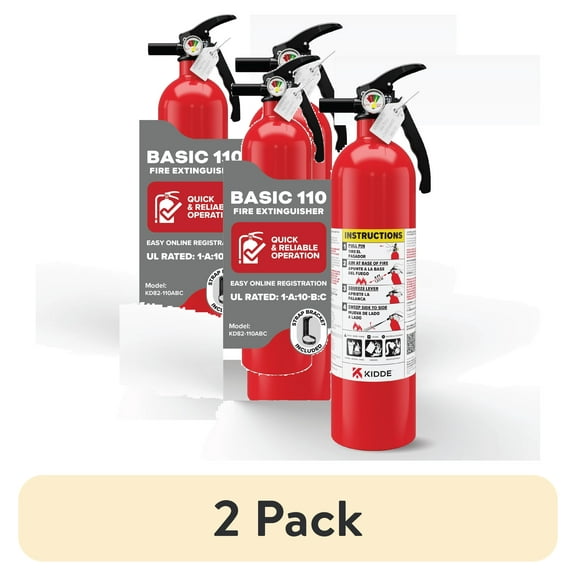
You can make your checklist easier by grouping supplies into air, power, first aid, and evacuation categories. You’ll spend less time searching when each item has a clear place and purpose.
Before wildfire season intensifies, you should confirm fit, capacity, and storage for every item in your plan. You’ll feel more prepared when your wildfire prep setup covers breathing support, backup power, and organized essentials.