

Welding Jackets in Welding Apparel


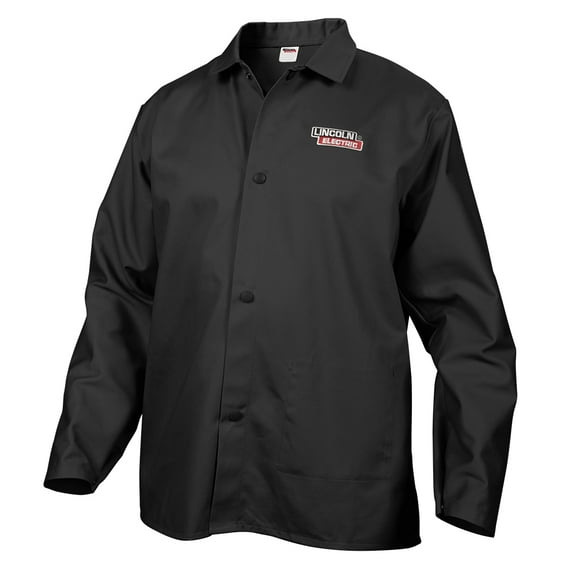


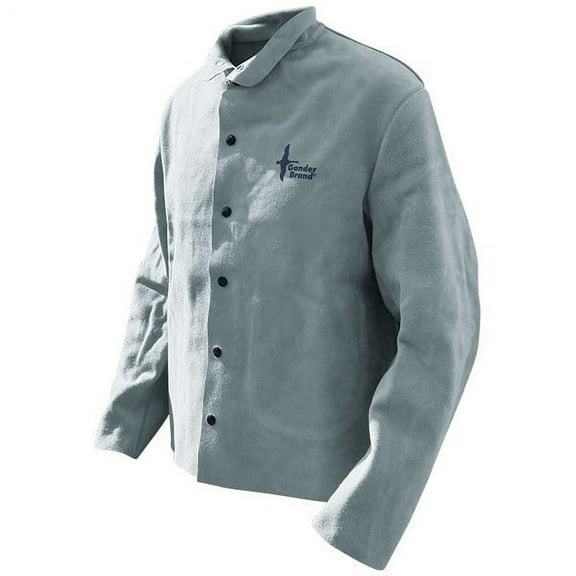
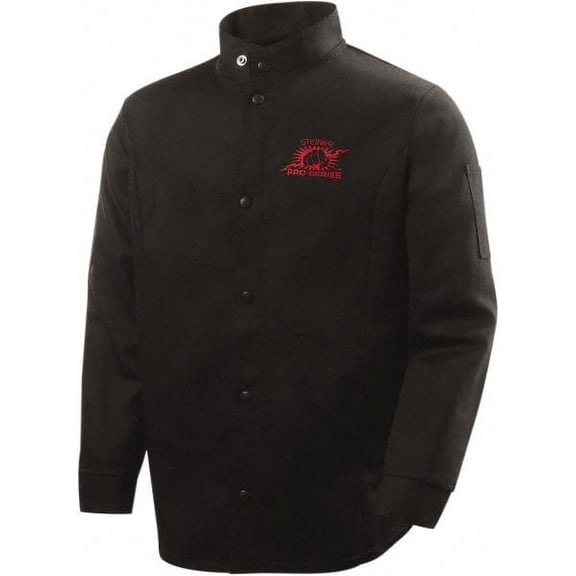
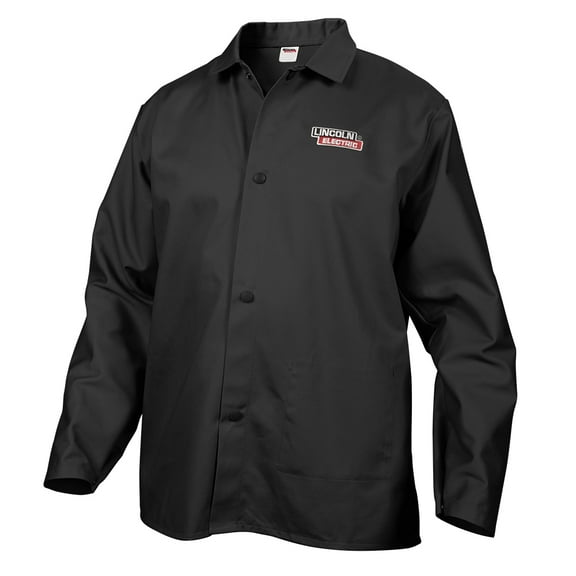




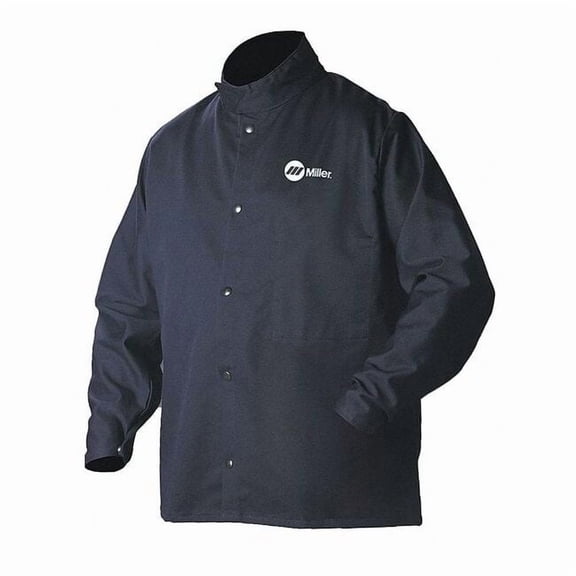

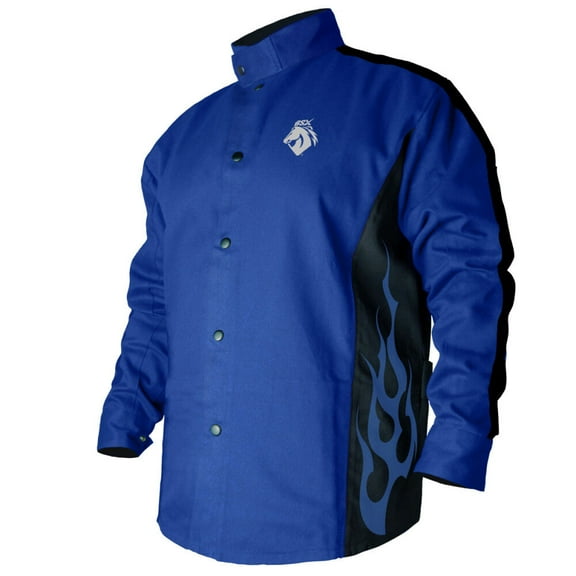


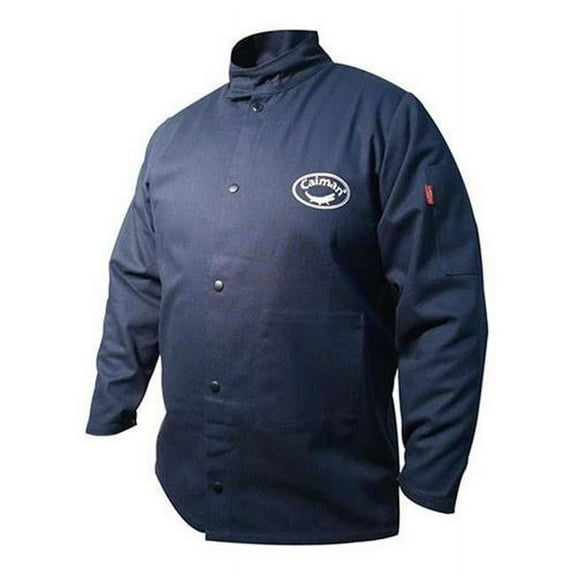
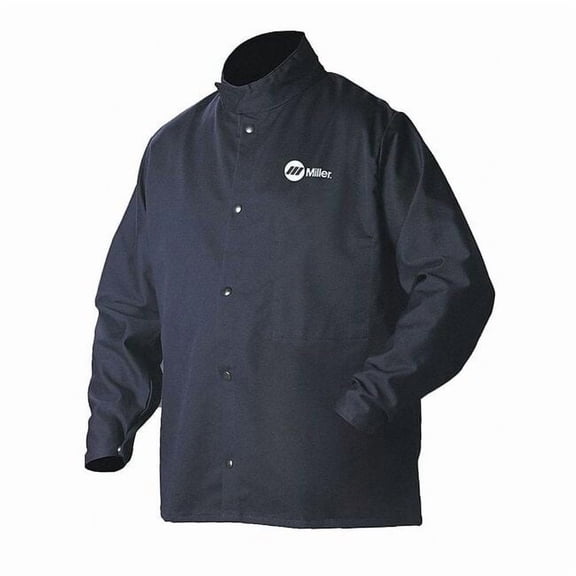
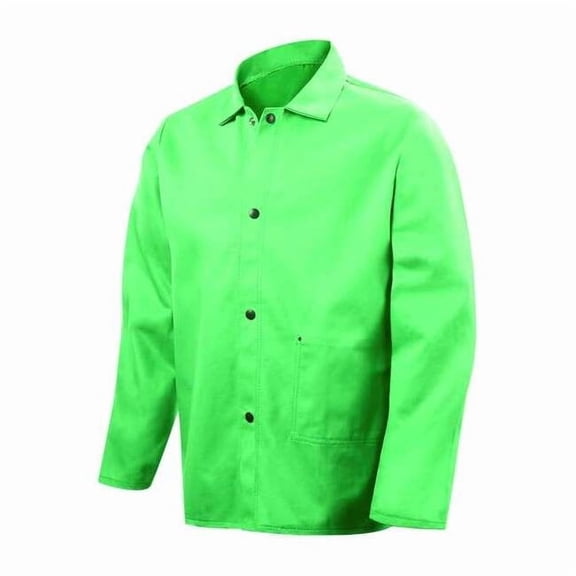
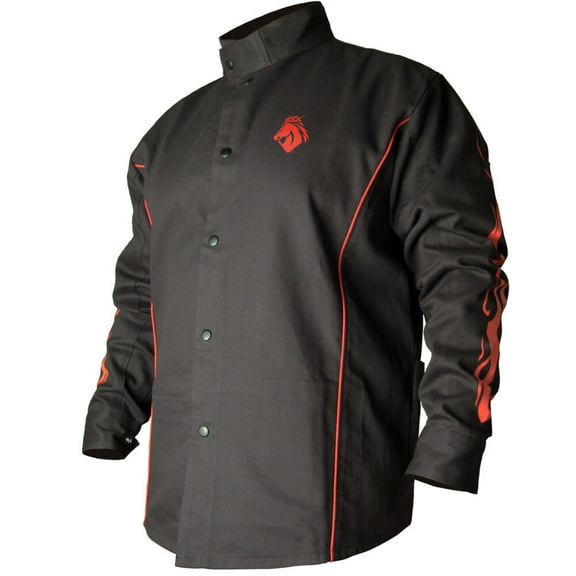
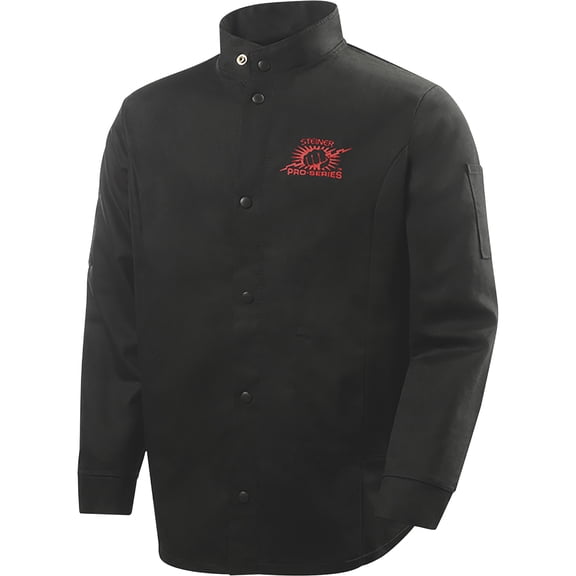
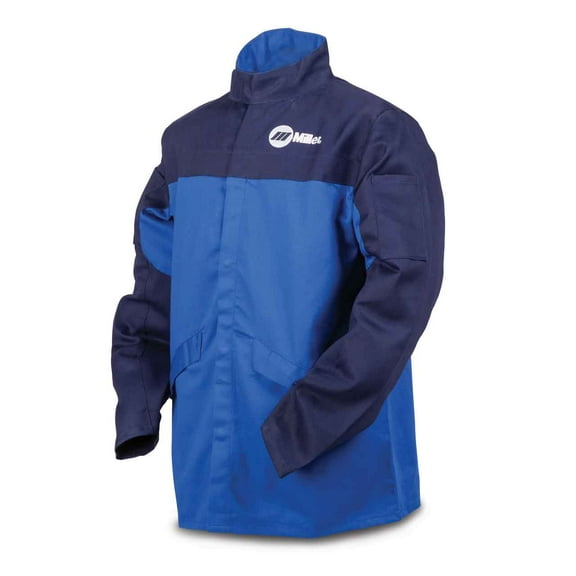


About Welding Jackets in Welding Apparel - Walmart.com
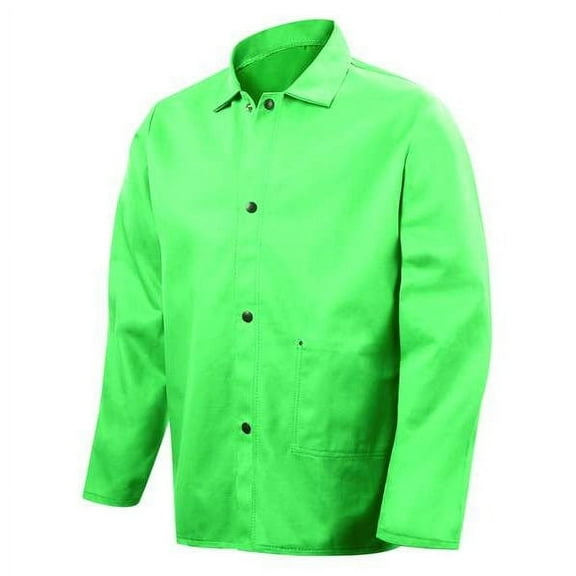
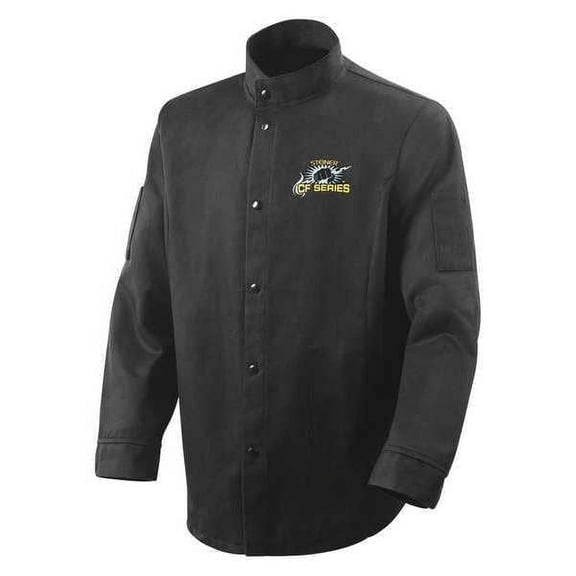
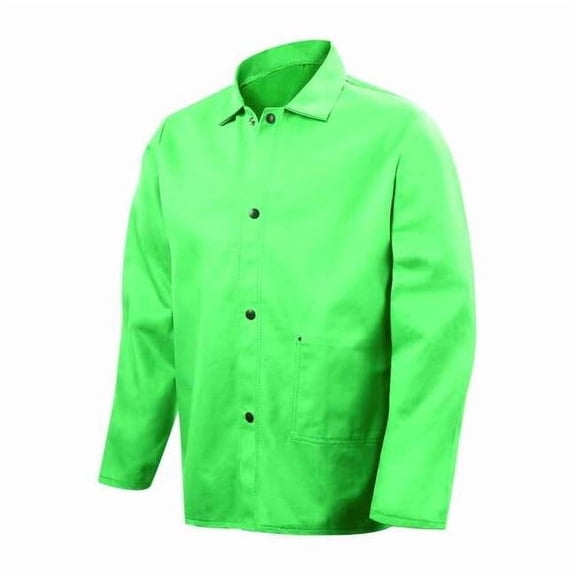
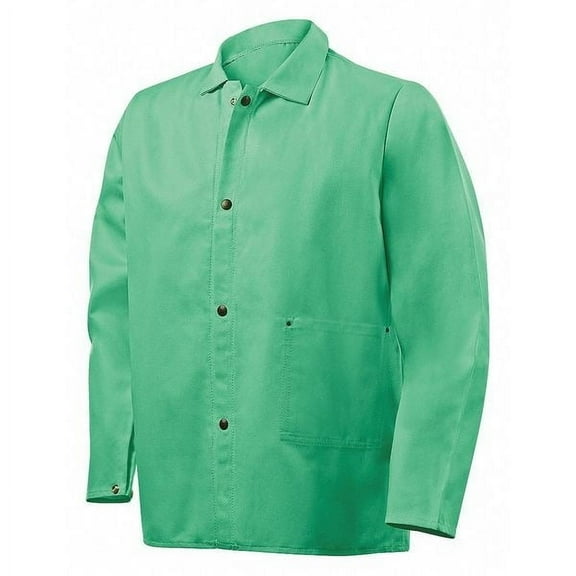
Welding jackets help you compare coverage, mobility, and material options for your welding process. You can choose leather, FR cotton, or hybrid builds that match sparks, spatter, and long shifts.
If you're replacing a worn welder jacket or choosing your first layer, you'll want clear decision points. You can narrow your choices to find the right pick by comparing material, fit, closure type, and protection level.
How to choose welding jackets by material
You should start with material because it changes how your jacket feels and performs at the arc. You can compare leather, split cowhide, FR cotton, and hybrid designs based on heat, weight, and movement.
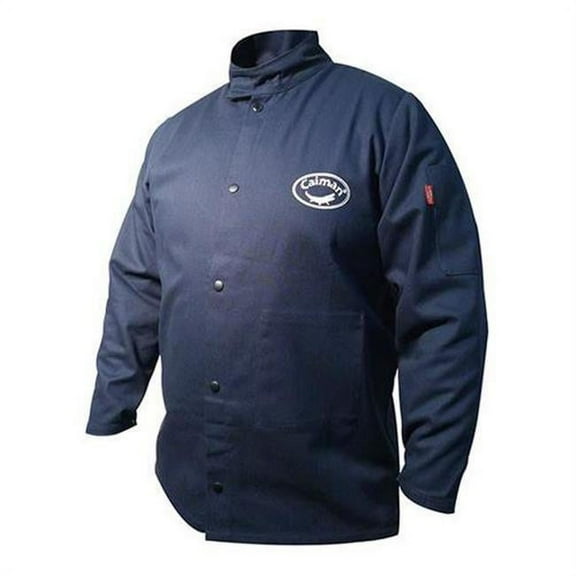
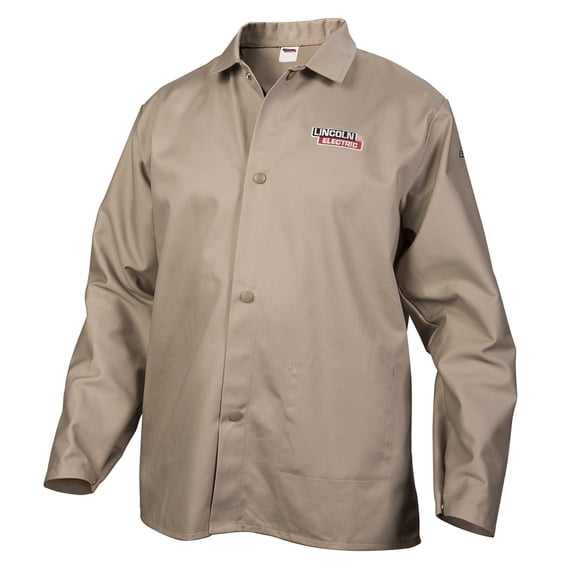
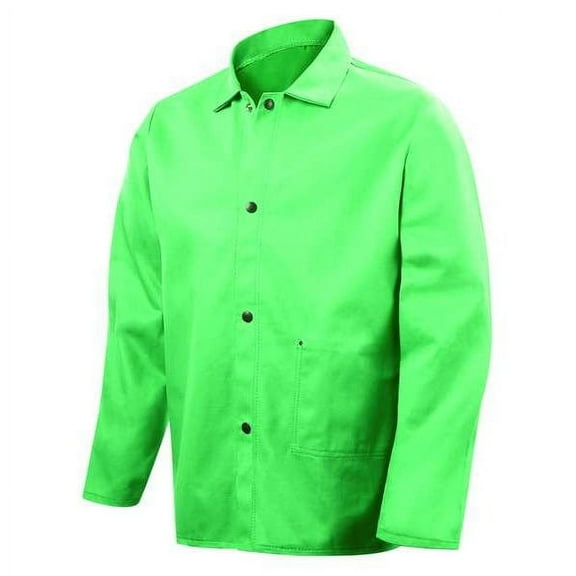
If you run MIG or stick jobs, you may prefer a leather welding jacket for broader spark and spatter coverage. If you handle lighter tasks, you may prefer FR cotton for easier movement and a lighter feel.
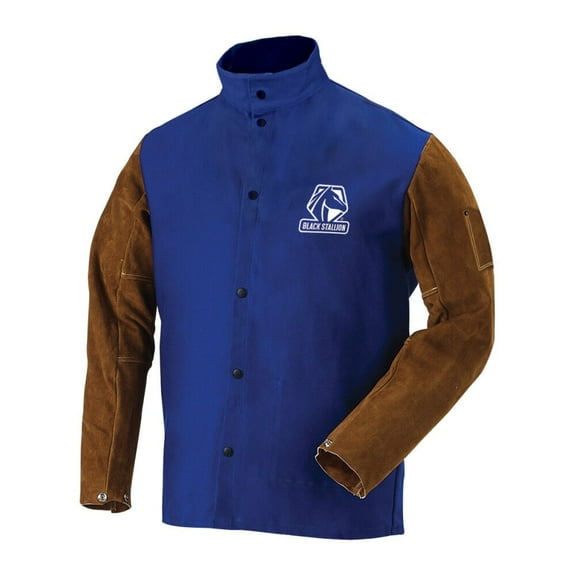
You can also compare hybrid styles when you want a balanced option across changing tasks. You may notice leather sleeves with FR cotton bodies give you added arm coverage without the full weight.
- You can use leather or split cowhide when your work creates heavier sparks and rough contact.
- You can choose FR cotton when your work calls for lighter weight and easier layering.
- You can compare hybrid builds when your tasks shift between bench work and larger fabrication jobs.
- You can look for reinforced seams and protective cuffs when you want cleaner coverage at the wrists.
Choosing welding jackets by protection level
You should match protection level to your process, position, and exposure pattern. You can compare light-duty, medium-duty, and heavy-duty options to align your jacket with TIG, MIG, or stick work.
If you do TIG, you may want lighter mobility because you often need precise arm movement. If you do MIG or stick, you may want heavier coverage because sparks and spatter are usually more active.
You can also check leather thickness and FR rating when you want clearer guidance beyond basic labels. You should use those specs as practical clues about coverage, weight, and heat handling during longer sessions.
When you compare seams, you should look for Kevlar stitching because it supports repeated wear in hard-working areas. When you compare fronts, you should check insulated snaps or covered zippers that help reduce spark entry.
Choosing the right size range and fit
You should size your jacket for movement with your usual layers underneath. You can compare small through 4XL options, plus youth and kids welding jacket sizes, before choosing sleeve and chest room.
If you wear thicker shirts or base layers, you may want extra room through the shoulders and back. If you need cleaner torch control, you may want a closer fit that still lets you reach forward easily.
You can also compare men's welding jacket, women's, and youth fits by cut and body length. You should check sleeve length, back coverage, and arm mobility instead of relying on the label alone.
If you're shopping for a 4XL welding jacket, you may want extra attention on chest width and cuff adjustment. If you're choosing a youth welding jacket, you may want lighter weight and less bulk for easier movement.
Comparing closures and construction details
You should review closure type because small design choices affect comfort and coverage during active work. You can compare snaps, zipper fronts, and hook-and-loop sections based on speed, adjustability, and overlap.
If you want a simple front, you may prefer snaps that are easy to use with gloves. If you want a more sealed front, you may prefer a zipper with a flap that covers the opening.
You can check cuffs, collars, and pocket placement because exposed edges change how your jacket wears at the bench. You should also compare longer hems and higher collars when your work position sends sparks upward.
For repeat shop use, you may look for sturdy seam construction and panels that flex with your reach. You can use those details to judge whether a welding coat fits steady production work or occasional home projects.
Matching welding jackets to real work scenarios
You can use heavy-duty leather for outdoor fabrication, overhead passes, and jobs with frequent spark contact. You may choose medium-duty hybrid styles when you move between welding, setup, and general metalwork.
If you handle lighter bench tasks, you may prefer FR cotton because it feels less bulky through the day. If your work changes often, you may keep more than one welder jacket style for different stations.
You can also narrow choices by who will wear the jacket and where you will use it. You may need a small welding jacket for tighter fit control, or a kids welding jacket for training environments and youth practice.
When you want quick pickup or shipping availability, you can compare in-stock sizes and materials on Walmart.com. You can focus on leather, hybrid, or FR cotton options that match your process and your preferred closure style.
You can choose welding jackets with more confidence when you compare material, protection, fit, and closure details together. This helps you find coverage that suits your welding process and helps you move through each task with fewer distractions.