

Welders in Metal Working & Cutting Tools












About Welders in Metal Working & Cutting Tools - Walmart.com
Welders help you match your project, power source, and metal type with the right process for cleaner setup and more dependable results. If you're outfitting a garage shop or replacing an older unit, you can compare process options with clearer decision points.
If you're buying your first welder, you need guidance that explains what each machine type means in practice. You can use welding process, amperage, metal compatibility, and voltage to narrow choices with less guesswork.
Choosing welders by welding process
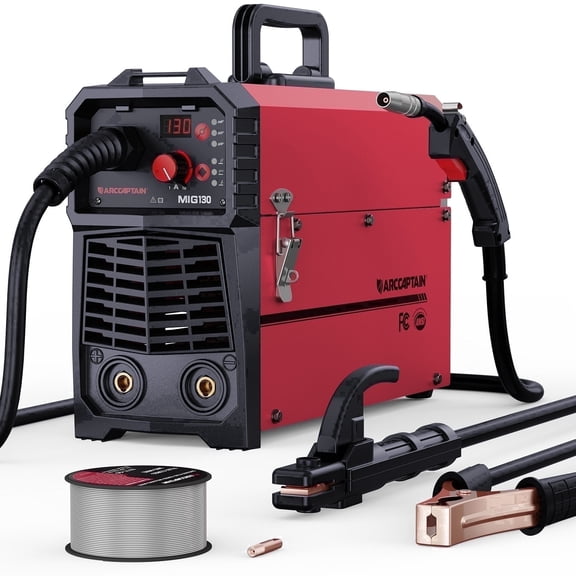
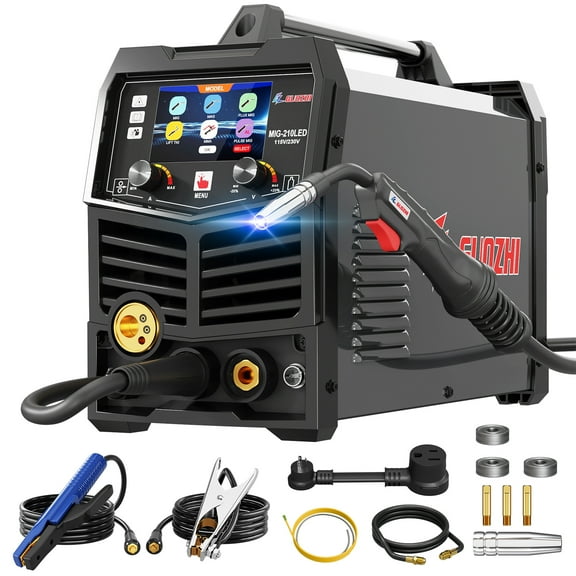
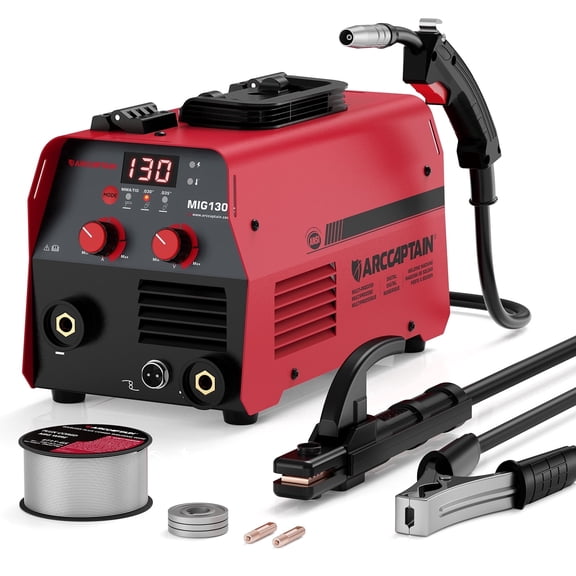
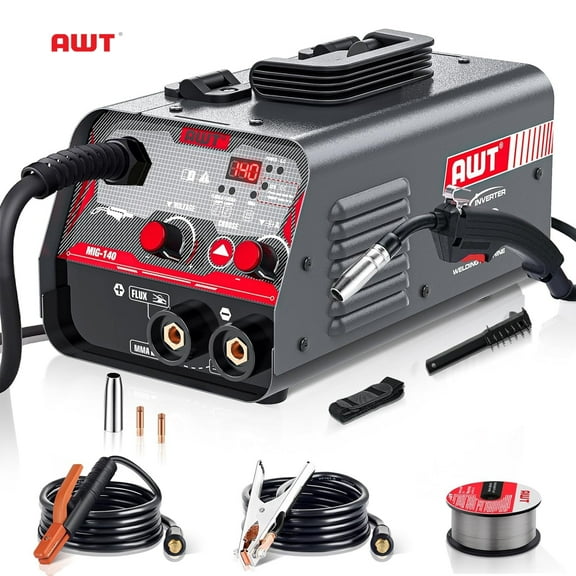
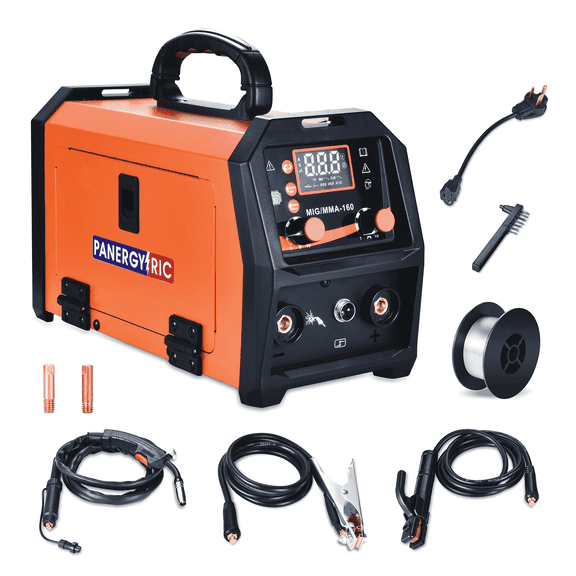
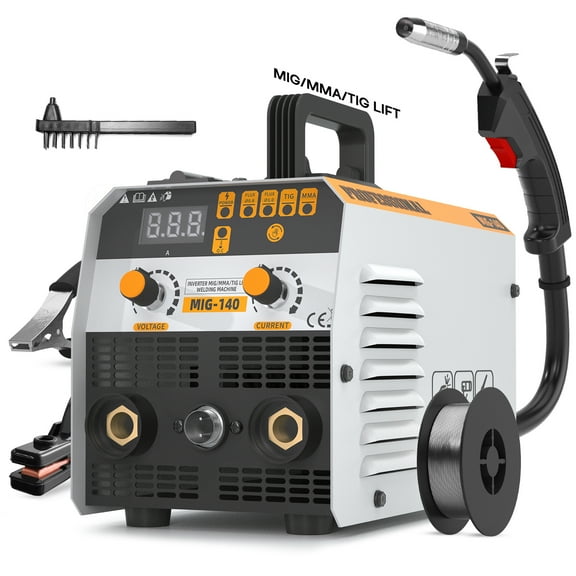
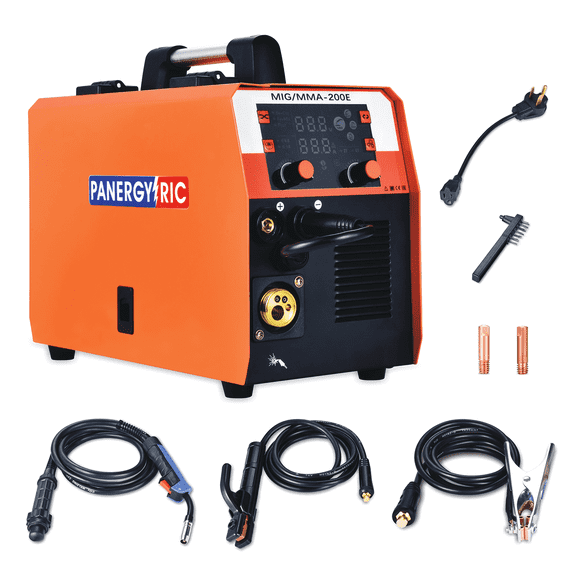
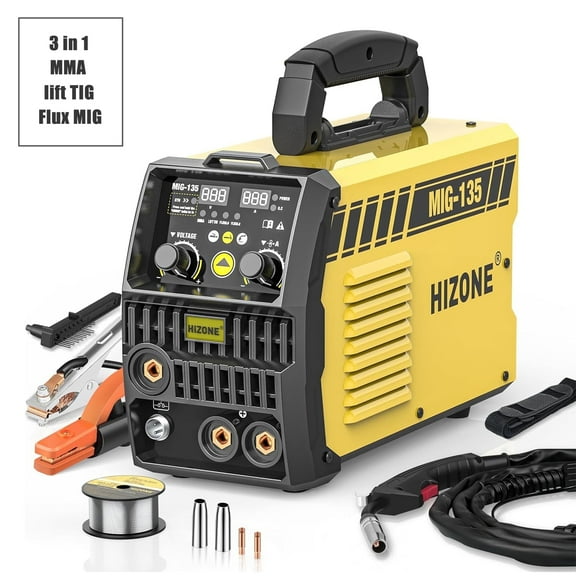
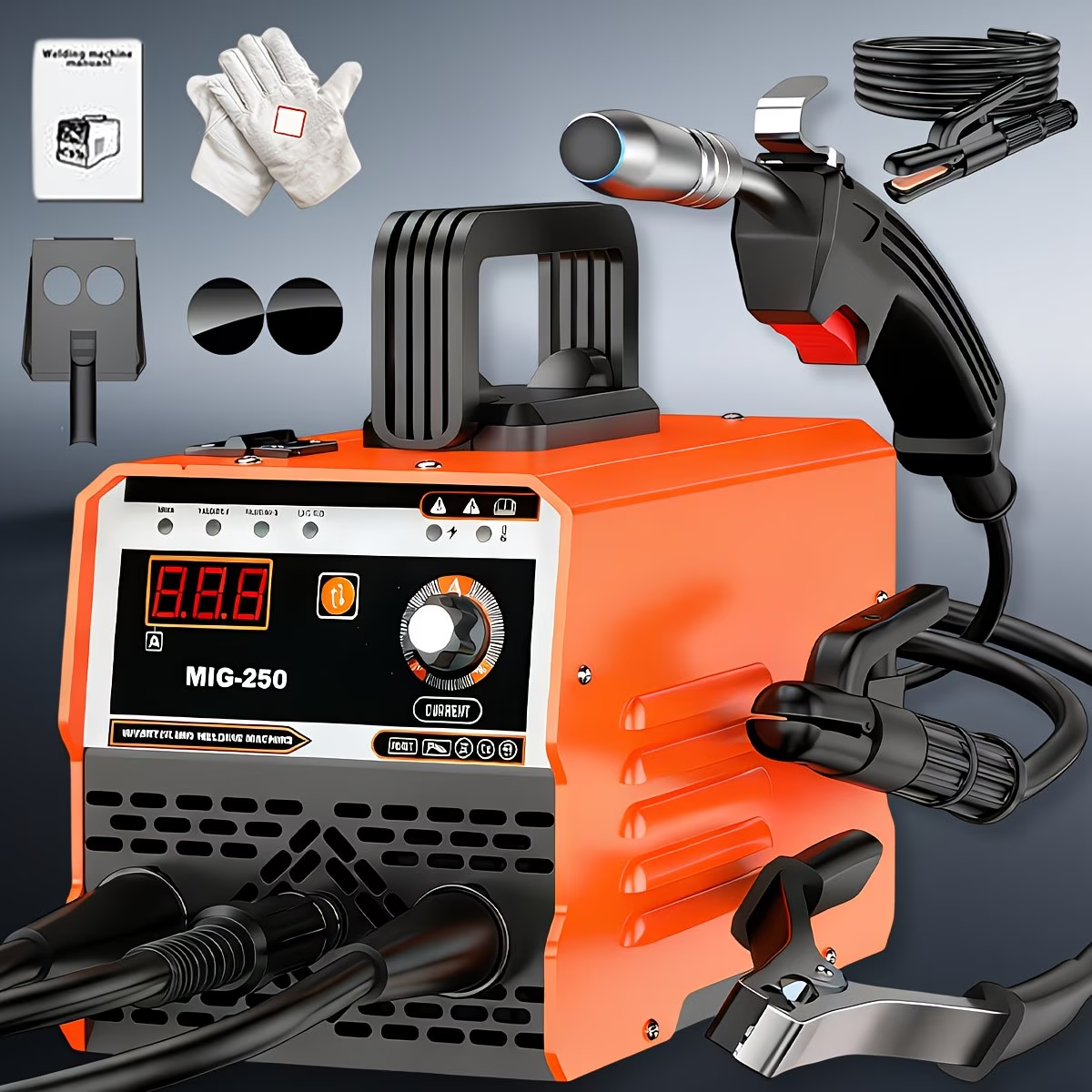
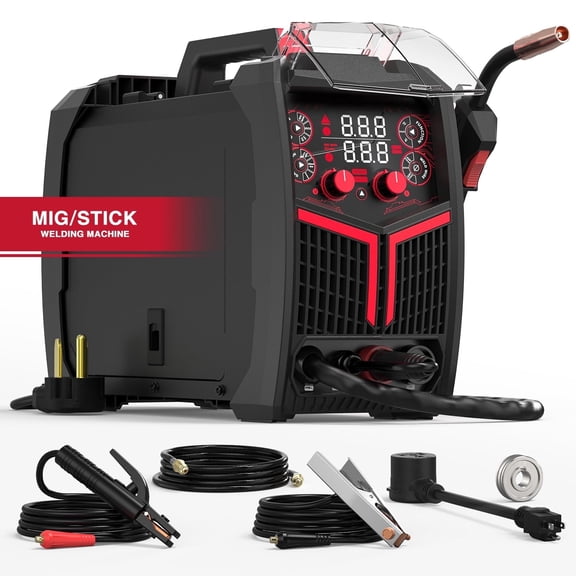
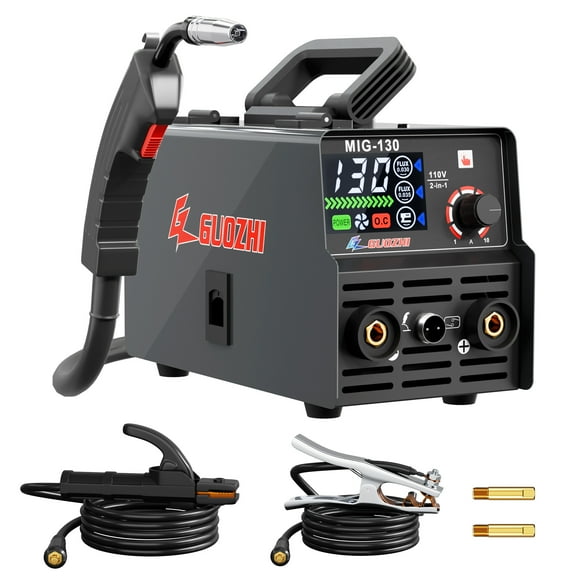
You should start with welding process because it shapes setup time, finish quality, and where you can work. You can often choose a mig welder when you want faster wire-fed welding on common steel projects.
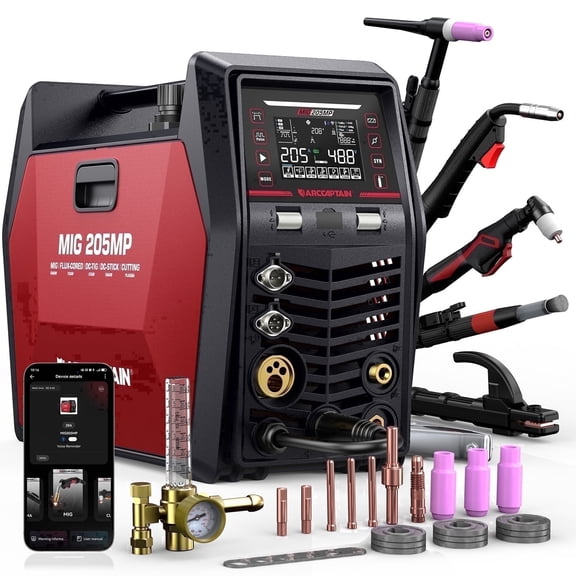
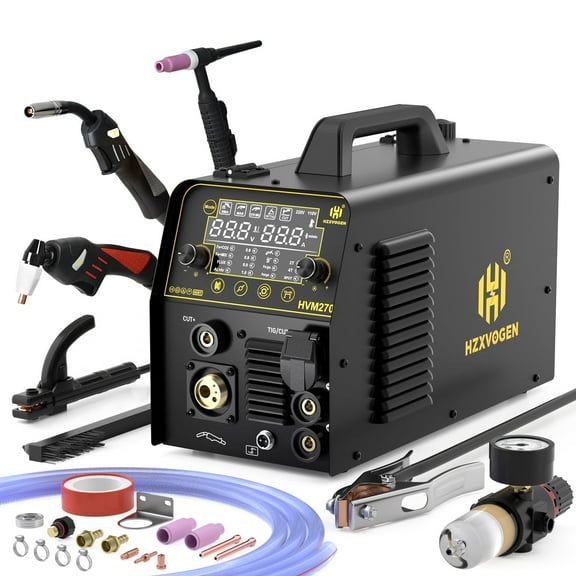
When you compare MIG with other options, you should consider shielding gas, cleanup, and material thickness. You may prefer TIG when your project needs precise control, cleaner beads, and careful work on stainless steel or aluminum.
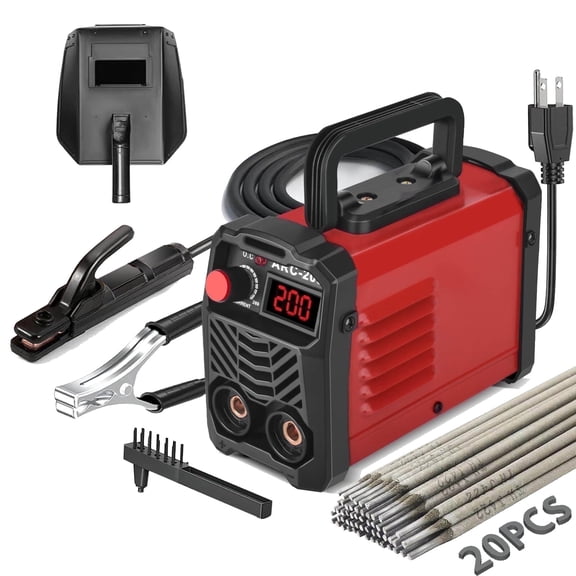
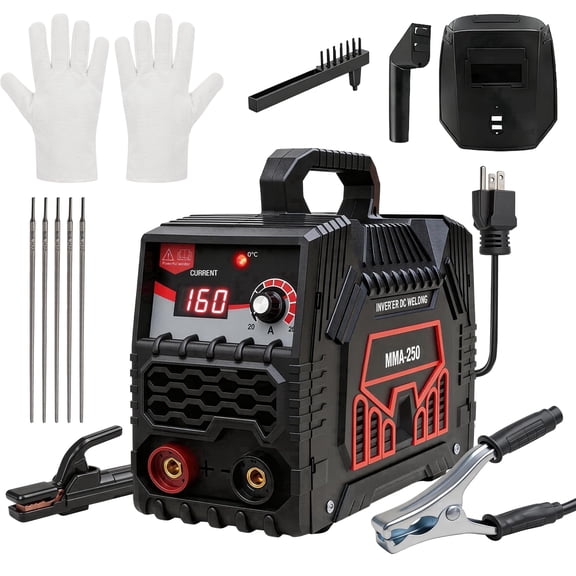
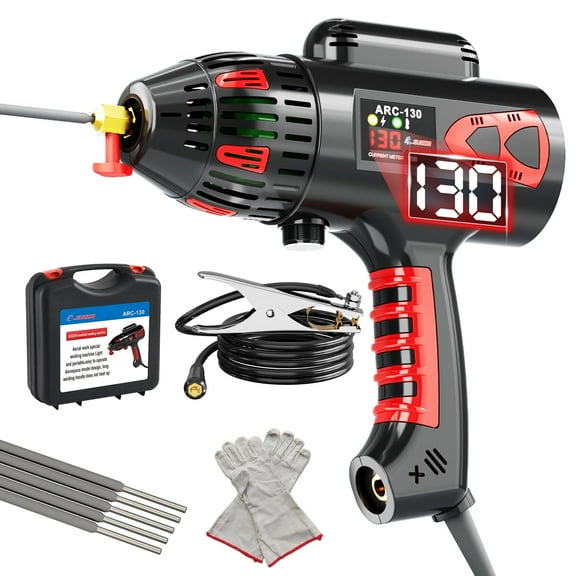
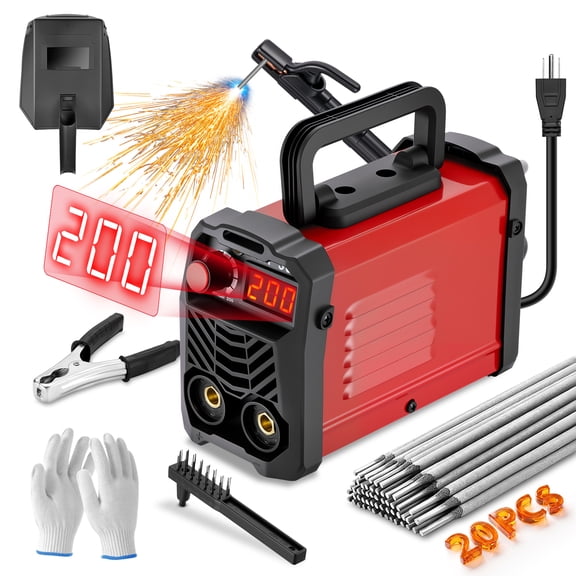
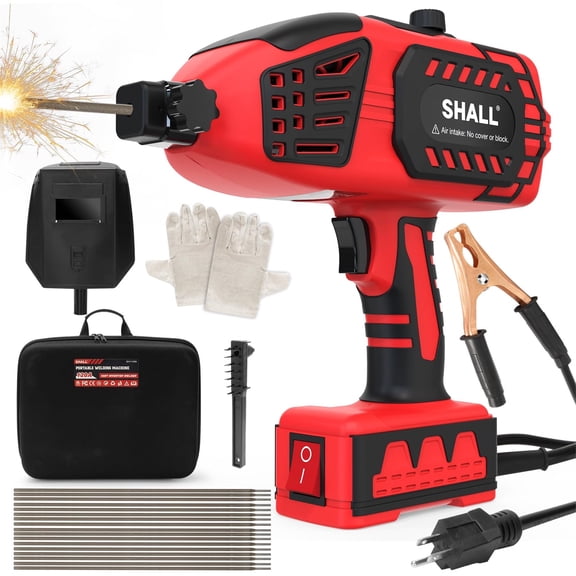
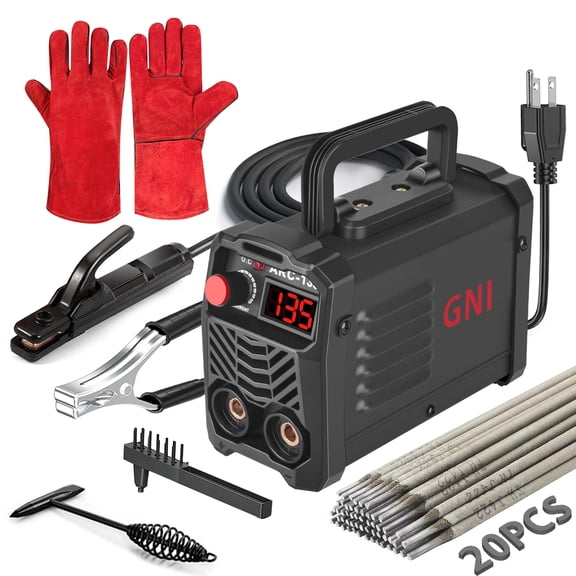
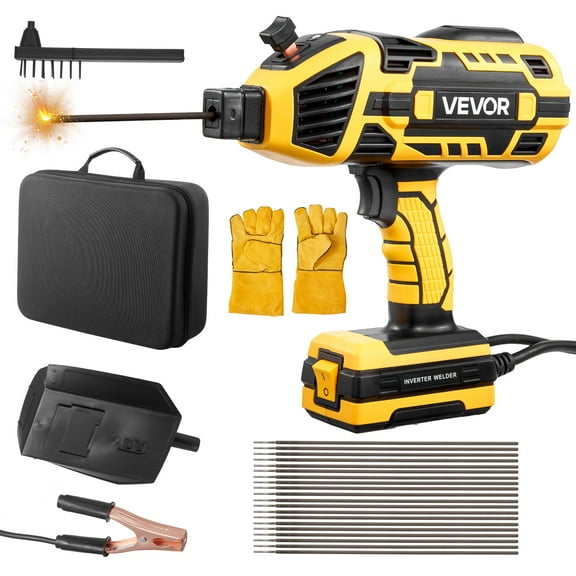
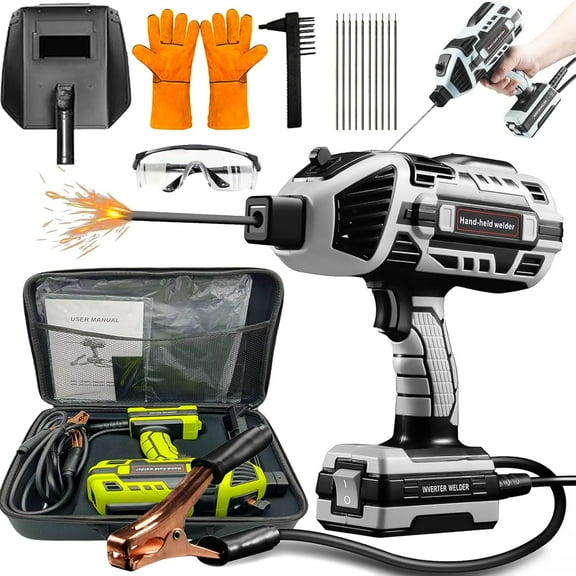
You can choose a stick welder when you need outdoor flexibility or heavier steel work with simple consumables. You may also like stick welding when wind makes shielding gas less practical on open jobs.
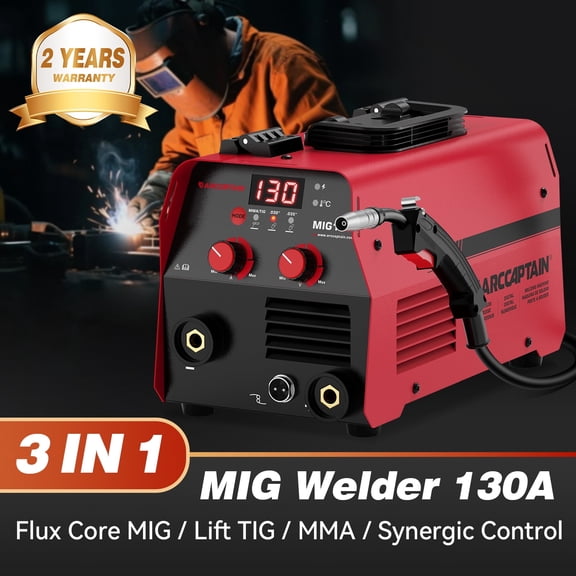
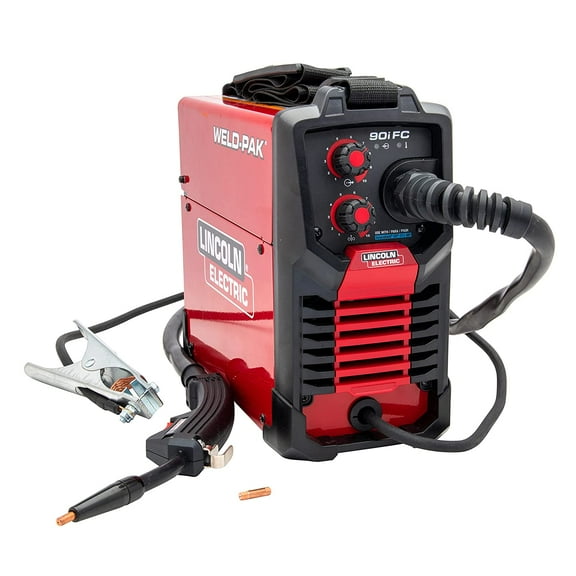
If you want gasless welding, you can look at flux-core machines for portable use and straightforward setup. You should expect slag and extra spatter, but you can gain convenience for quick repairs and outdoor projects.
- You can use MIG for faster setup on many garage, auto, and fabrication tasks.
- You can use TIG when you want cleaner seams and finer control on visible work.
- You can use Stick for outdoor jobs and thicker steel sections with simple rod changes.
- You can use Flux-Core when you want gasless welding and easier portability.
How to compare a welding machine by power and voltage
You should check input voltage first because your outlet decides where your welding machine can run. You can use 110V or 120V units in many garages, while 220V or 240V units support higher-output work.
If you want flexibility, you can compare dual-voltage models that adapt to different work spaces. You should also check breaker size because your electrical setup affects compatibility and installation planning.
You can use amperage as a quick guide to metal thickness and project range. A 140 amp welder often fits lighter repairs, while 200 amp and 250 amp options support thicker material.
When you compare output, you should also review duty cycle because it shows how long you can weld before cooling. You can use that detail to judge whether a machine fits quick tack welds or longer fabrication sessions.
You may also compare wire feed speed on a metal welding machine when you want smoother MIG or flux-core control. You can pair that setting with amperage to judge thin sheet work or heavier stock handling.
What to look for in metal compatibility and welding equipment
You should match your machine to the metal you use most because steel, stainless steel, and aluminum behave differently. You can often handle mild steel with many setups, but aluminum usually needs process-specific capability.
If your projects include stainless steel, you should look for stable arc control and adjustable settings. You can narrow welding equipment choices faster when you know whether appearance, penetration, or speed matters most.
You may need a spool gun option or TIG capability when aluminum is part of your plan. You should review compatibility notes closely because not every welder supports aluminum work the same way.
When you compare arc welders and wire-feed units, you should think about where you'll work and how often you'll switch materials. You can simplify repeat jobs by choosing controls and accessories that fit your usual metal type.
Matching welders to projects and work spaces
You can use welders for trailer repairs, gate fixes, brackets, exhaust work, and shop fabrication when the process matches the task. You should think about material thickness, finish expectations, and whether you need to move the machine often.
If you're handling home repairs and beginner projects, you may want MIG or flux-core with 110V or dual-voltage input. You can get simpler setup for patch panels, small frames, and general steel work in a garage.
When your projects involve cleaner visible seams, you may want TIG with settings that support precise control. You can use that route for stainless details, thinner stock, or aluminum parts where appearance matters.
If you work outdoors or on thicker farm and construction steel, you may want stick or other arc welders. You can keep moving through rougher conditions when wind and portability matter more than a polished finish.
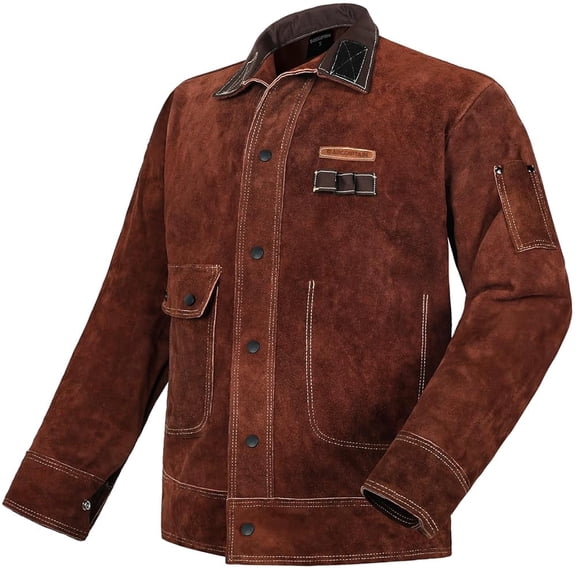
You should also plan for the full setup around your welder, not only the machine itself. You can complete your workspace with welding helmets, gloves, wire, rods, and other protective gear.
Choosing the right welders with confidence
You can narrow welders quickly when you compare process type, voltage, amperage, and metal compatibility together. You can make a more confident pick when your machine matches your outlet, your material, and the way you work.
At Walmart, you can compare practical options for first projects, routine repairs, and fabrication tasks in one place. You get a clearer path to cleaner welds, smoother setup, and equipment that fits your workspace.