

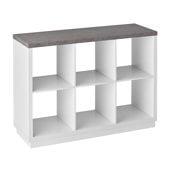
Wall Organization in Garage Storage
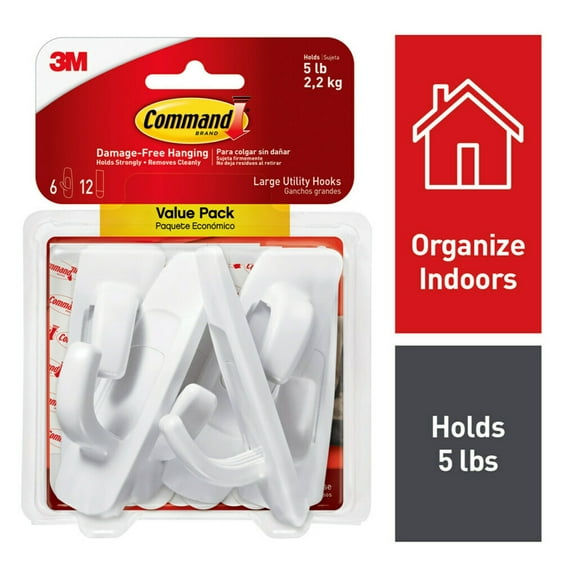

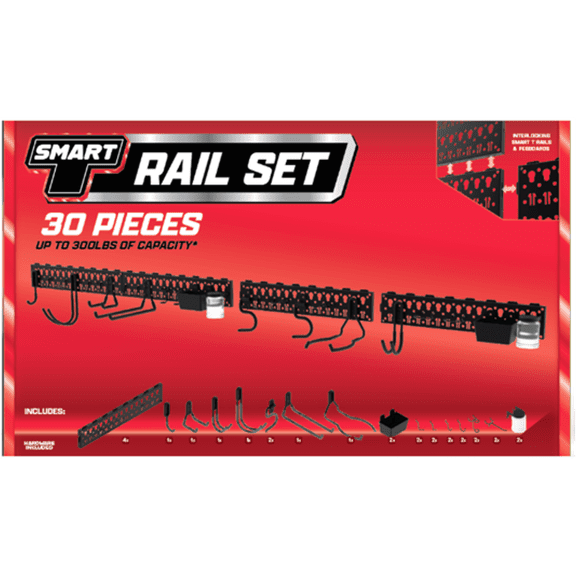
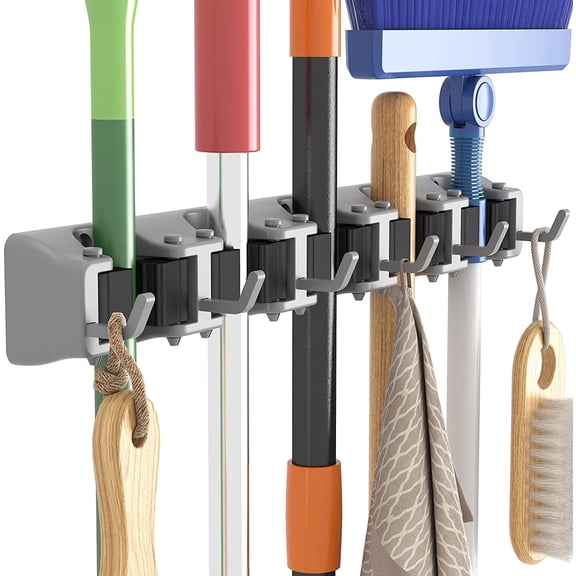



















About Wall Organization in Garage Storage - Walmart.com
You can transform cluttered walls with garage wall organization that clears floor space and keeps tools, cords, and gear easy to reach. You’ll also find systems built for garages, where stud mounting, weight ratings, and flexible accessories matter more than ordinary wall storage.
How to choose garage wall organization
When you compare garage wall organization options, you should start with your layout, your gear, and your mounting surface. You’ll want a system that matches hand tools, lawn items, sports equipment, and cleaning supplies without wasting wall space.
One smart setup can help you group long-handled tools, small hardware, and bulky bins on one wall. You’ll keep walkways clearer, and your workbench can stay open for projects.
- You can free up floor space for vehicles, carts, and larger equipment.
- You can keep frequently used tools visible, sorted, and faster to grab.
- You can adjust many systems as your storage needs change through the year.
- You can create zones for gardening gear, auto supplies, and household overflow.
Because garages collect awkward items, you should look for panels, hooks, and bins that support different shapes. You’ll get more usable storage when one system handles cords, ladders, and hand tools together.
Choosing between garage wall organizer panels and system types
If you’re comparing garage wall organizer panels, you should know each system type works a little differently. You’ll usually see pegboard, slatwall, track system, and gridwall designs across garage storage systems.
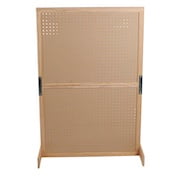
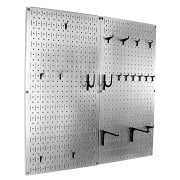
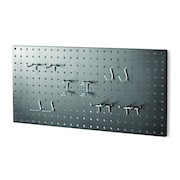
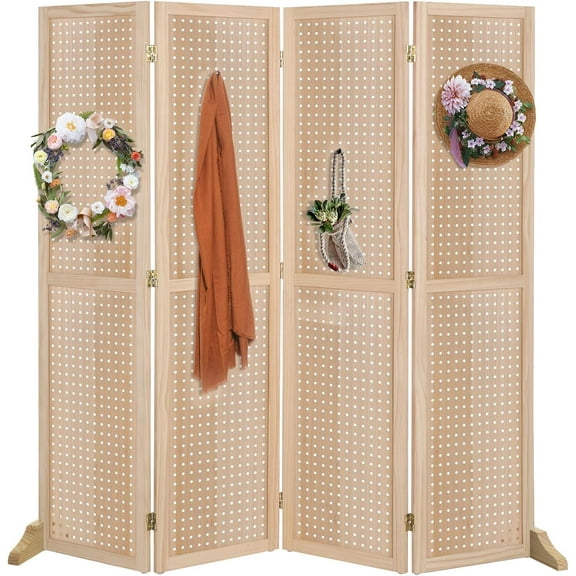
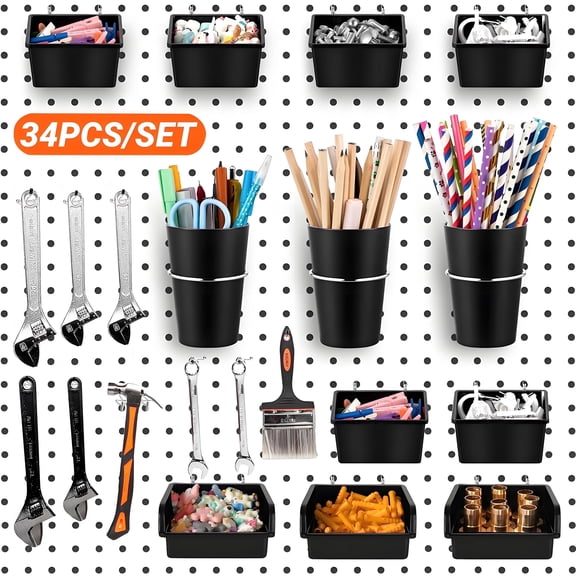
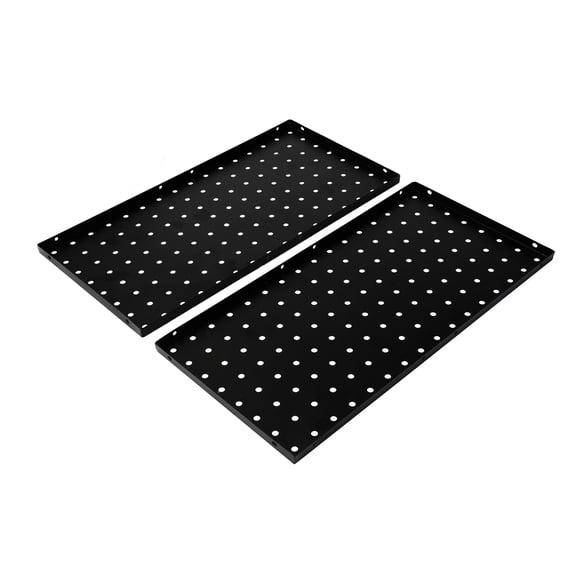
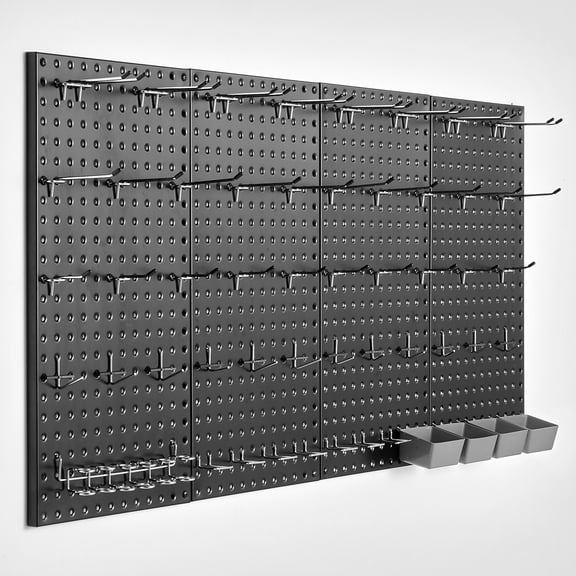
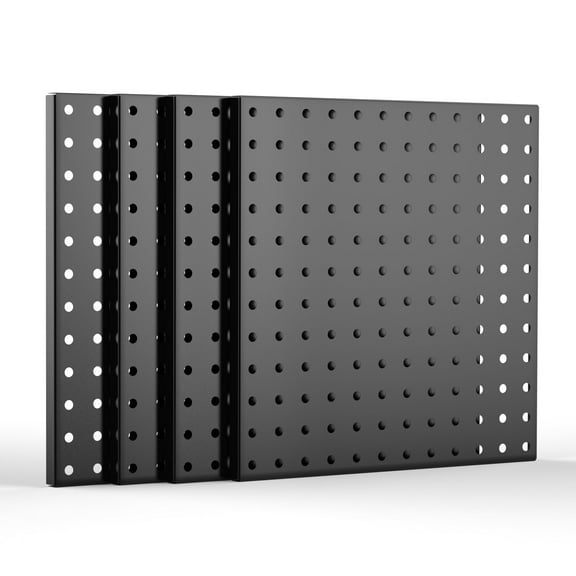
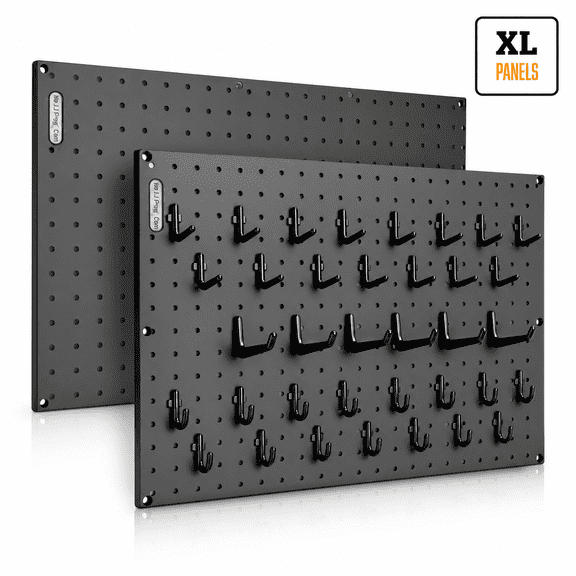
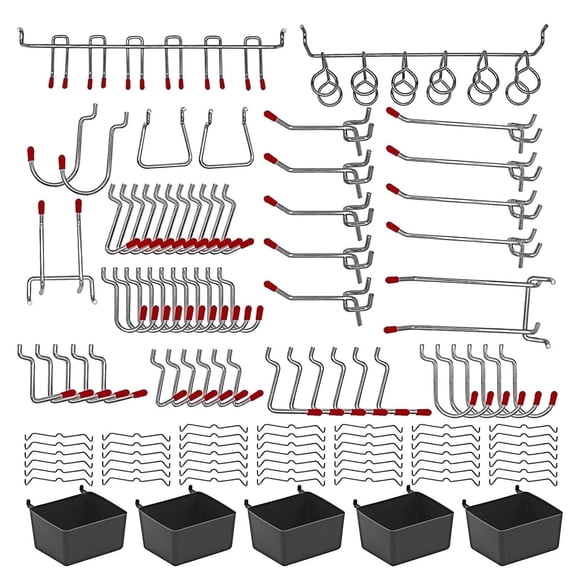
Pegboard works well when you want many small attachment points for hand tools and light accessories. You can rearrange hooks quickly, and your outline of tools stays easy to scan.
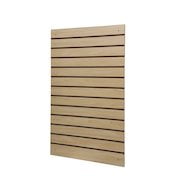
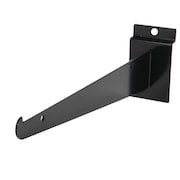
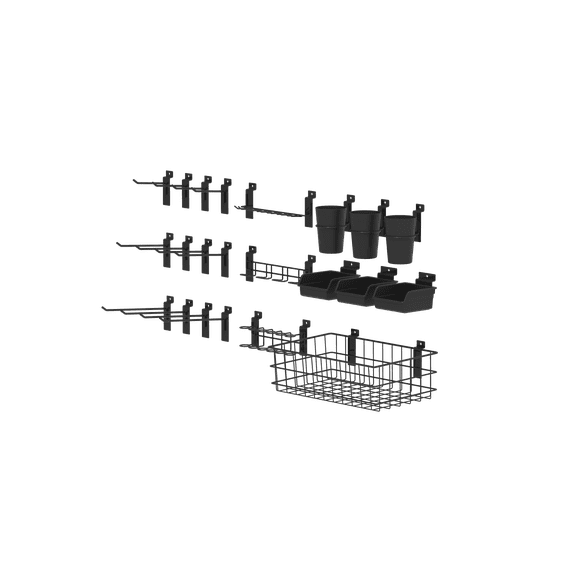
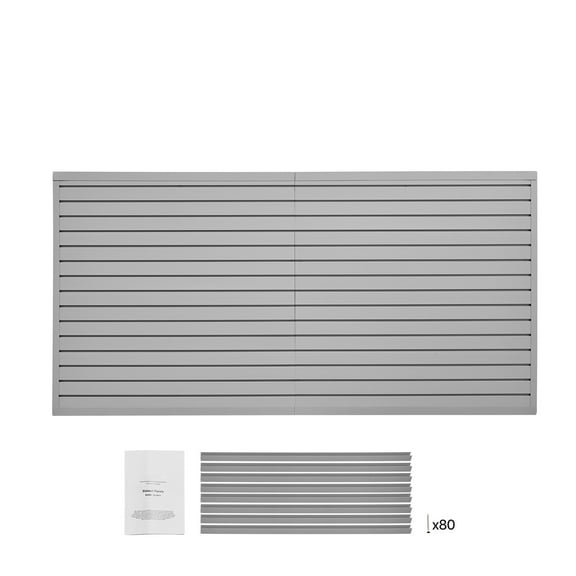
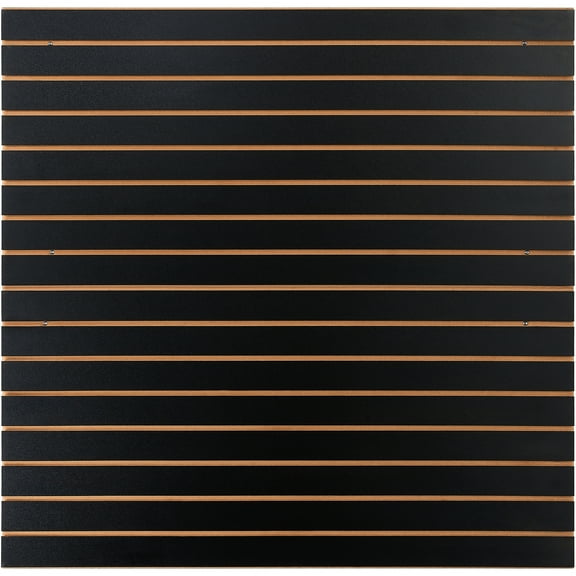
Slatwall panels for garage use horizontal channels that support baskets, shelves, and larger hooks with a clean look. You’ll often prefer this style when you want a modular wall that changes with seasonal gear.
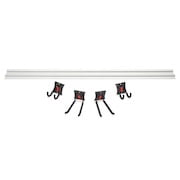
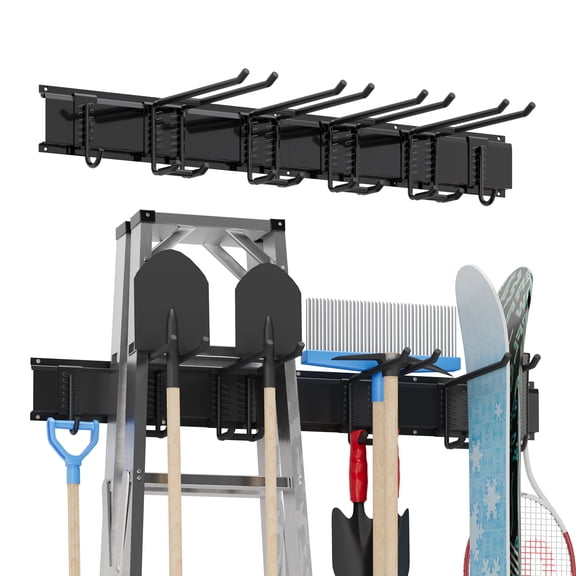
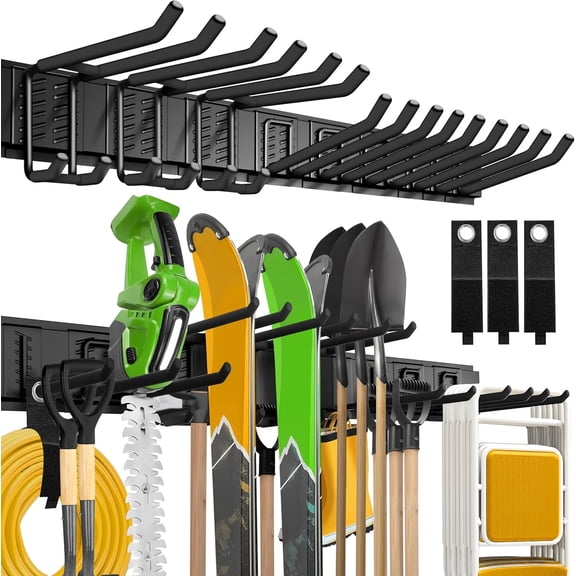
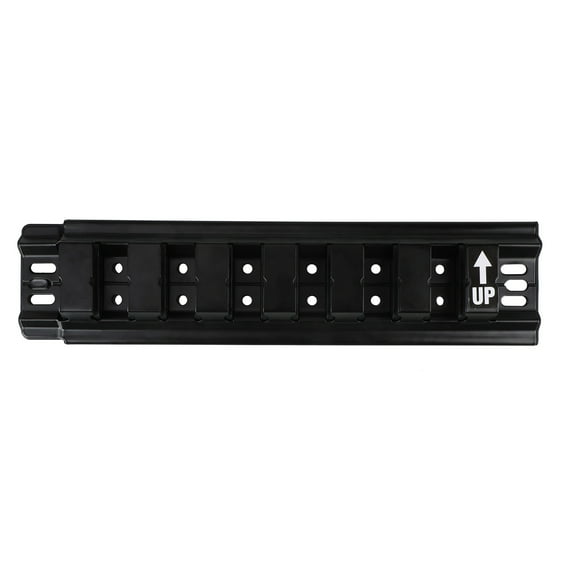
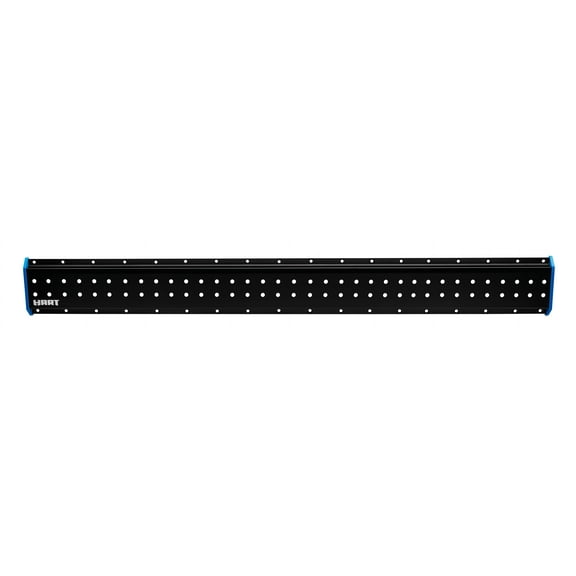
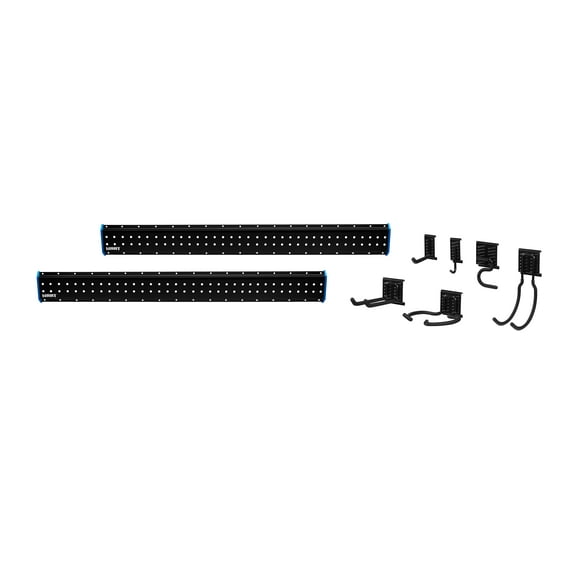
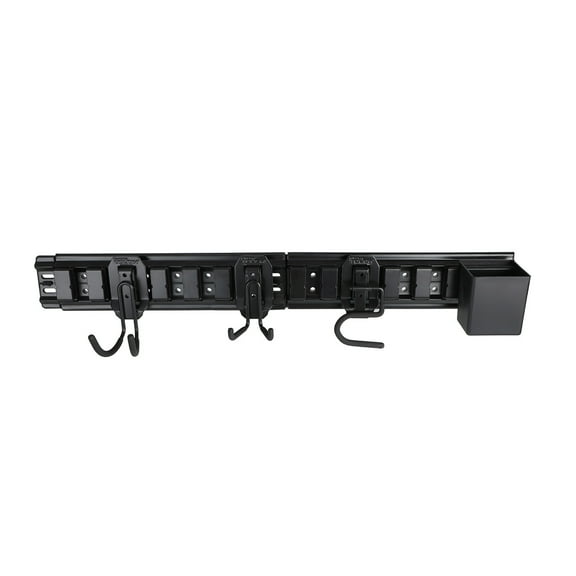
A garage wall track system uses rails that anchor to the wall and hold movable accessories along the track. You can spread out heavier items, and your installation may use fewer large panels.
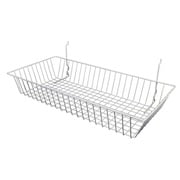
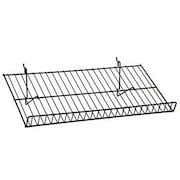
Gridwall can suit utility spaces where you want open visibility and flexible hanging points. You’ll find it useful for balls, bags, and larger accessories that don’t sit neatly in bins.
What to look for in materials and weight capacity
When you compare materials, you should match the surface to your garage conditions and your storage load. You’ll often see steel, plastic, wood, and heavy-duty metal options across wall mount tool organizer designs.
Steel and heavy-duty metal can make sense when you plan to hang loaded hooks, yard tools, or power equipment. You should still check whether your wall and fasteners support the posted weight rating.
Plastic systems can work for lighter supplies, wash tools, and everyday accessories in active family garages. You’ll appreciate easier handling during installation, especially when you’re covering a larger wall.
Wood styles can fit workshop areas where you want a classic look and easy customization. You should confirm how the finish handles moisture if your garage isn’t climate controlled.
Weight capacity matters because you may store anything from extension cords to loaded utility hooks. You should compare weight rating per square foot, and you should check stud spacing before mounting heavier systems.
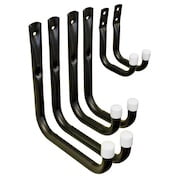
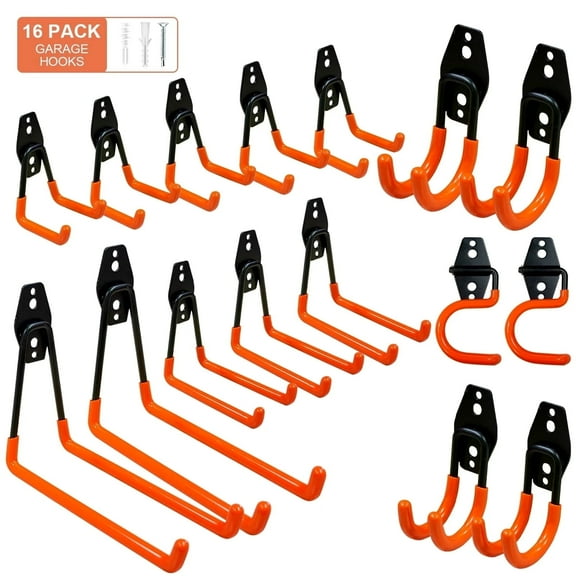
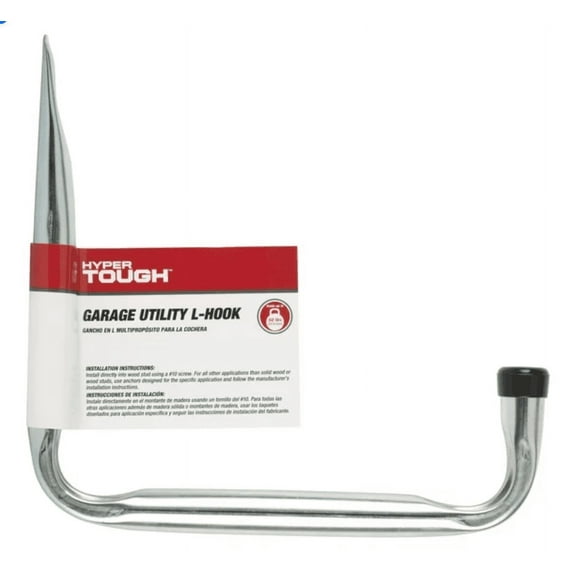
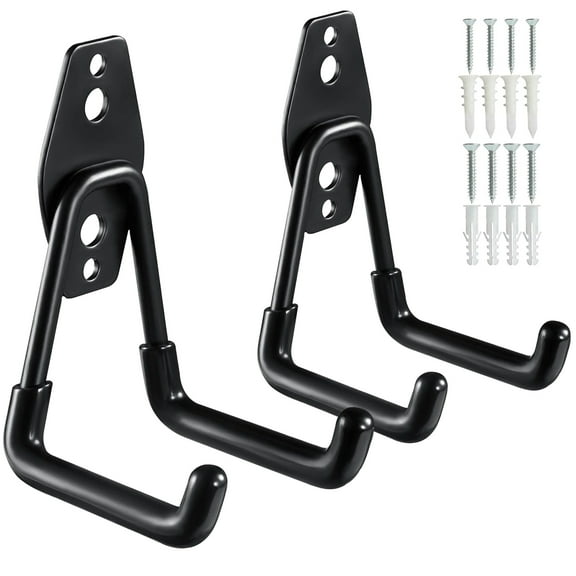
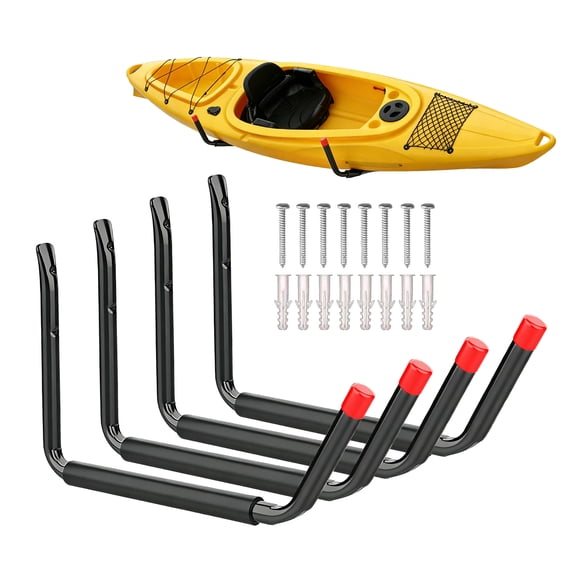
If you need heavy duty garage hooks, you should look for stud-mounted support and clear load guidance. You’ll get more confidence when the panel, rail, and hook are designed to work together.
How to compare installation and accessory compatibility
Before you choose a system, you should think about whether you want a simple weekend project or a more involved install. You’ll often find wall-mounted, stud-mounted, and overhead integrated styles with different setup steps.
Wall-mounted panels can be easier when you want broad coverage across a work zone or utility wall. You should measure your space first so outlets, benches, and cabinets still stay accessible.
Stud-mounted systems matter when you plan to hold heavier gear or concentrated loads on one section. You’ll want to check stud locations and spacing so rails, tracks, or panels align correctly.
Accessory compatibility is another big decision, because not every hook fits every panel or track. You should confirm whether hooks, bins, baskets, and shelves are made for the same slot pattern or rail shape.
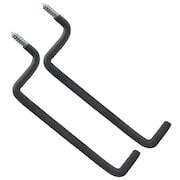
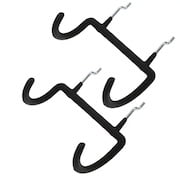
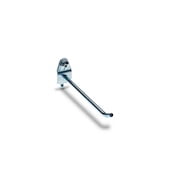
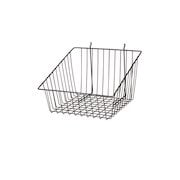
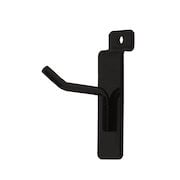
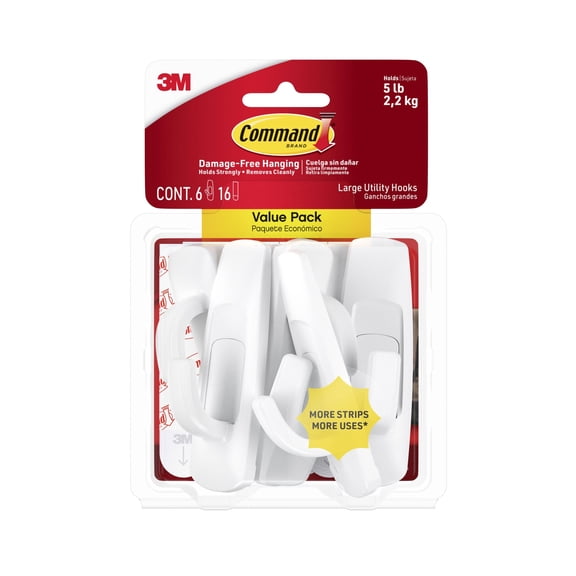
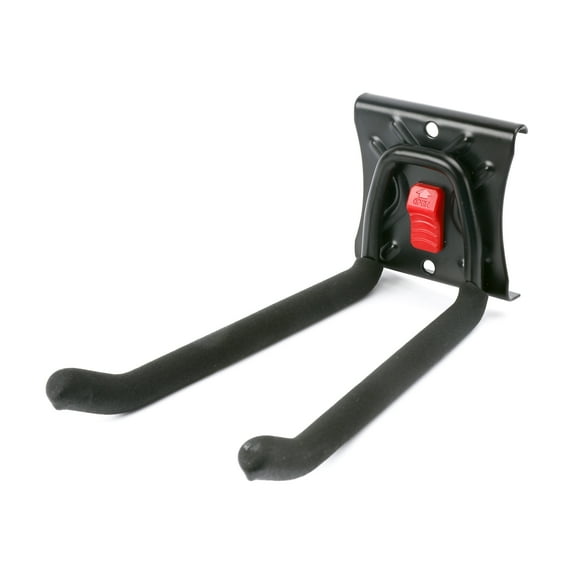
When you buy garage wall hooks, you should match the hook style to both the system and the item shape. You’ll want curved hooks for cords, double hooks for tools, and baskets for loose supplies.
Using garage pegboard systems and track kits in real spaces
You can use garage pegboard systems above a bench where screwdrivers, pliers, and tape need visible placement. You’ll make small parts easier to sort when bins and hooks stay close to your work surface.
If your wall stores rakes, shovels, and trimmers, you may prefer a garage wall track system with spaced hooks. You can separate long handles neatly, and your floor stays clearer during cleanup.
For mixed family storage, you can combine panels, baskets, and shelves for sports gear, cleaning items, and car supplies. You’ll create zones that make grab-and-go routines less chaotic.
In larger garages, you can build a full wall with slatwall panels for garage tools, cords, and seasonal equipment. You’ll benefit from a layout that changes as yard work and holiday storage rotate.
If your garage handles lighter supplies, you can use bins and smaller hooks for tape, gloves, and wash accessories. You’ll keep everyday essentials visible without crowding cabinets or drawers.
When you compare these systems carefully, you can choose a setup that fits your wall, your tools, and your routine. You’ll get a cleaner garage that keeps gear off the floor and ready when you need it.