

Violins in String Instruments and Accessories










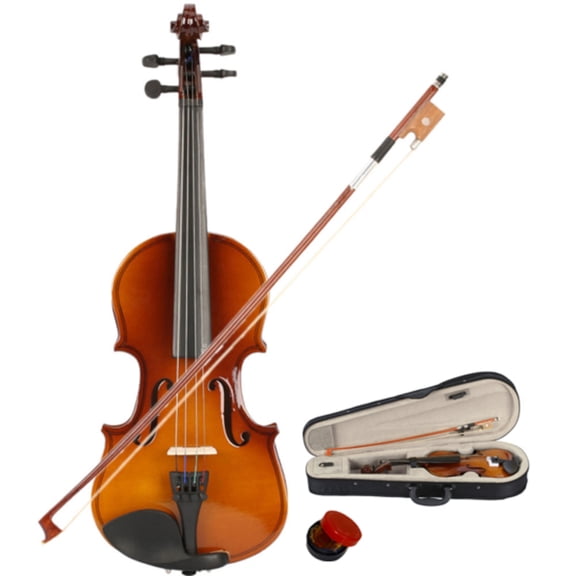


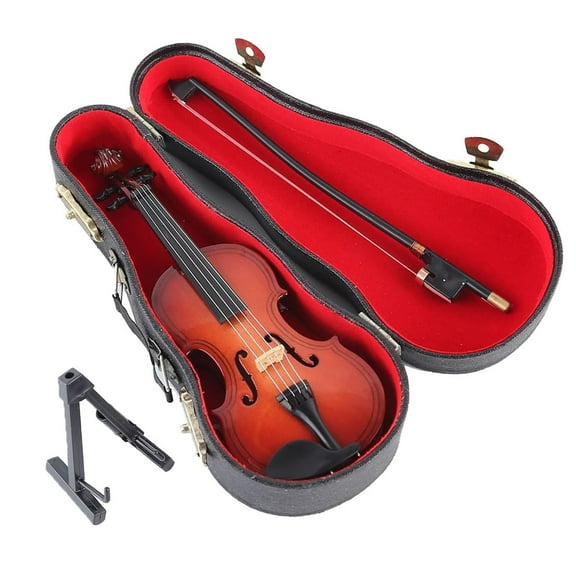


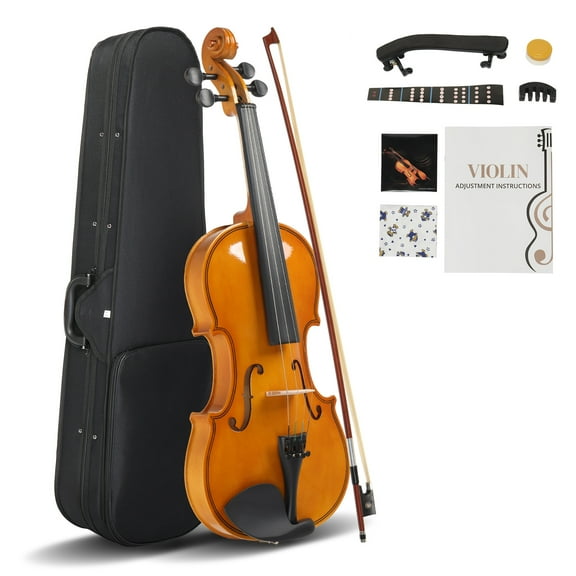


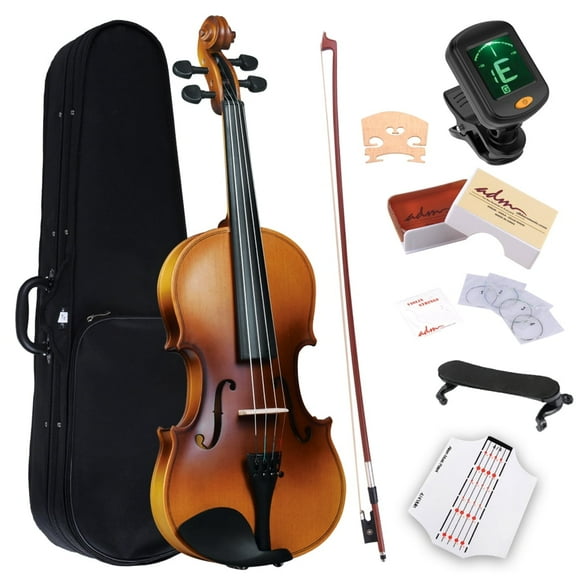












About Violins in String Instruments and Accessories - Walmart.com
Musical instruments help you match your sound, space, and skill level in one place. You can compare guitars, keyboards, drums, brass, and woodwinds with practical guidance for real playing goals.
How to choose musical instruments by instrument type
You should start with instrument type because it shapes your sound and practice routine. You can choose guitars for chords, keyboards for broad note ranges, and drums for rhythm-driven playing.
If you want band and orchestra options, you can compare brass and woodwinds by breath control and tone. You may prefer trumpet or trombone for projection, or clarinet and flute for lighter handling.
You can narrow choices faster when you match the instrument to your genre and learning style. Your home setup also matters because drum kits, digital pianos, and guitar stands use space differently.
Choosing musical instruments for beginners and growing players
You can shop musical instruments for beginners by focusing on comfort, setup, and learning curve. You should look for sizes, layouts, and starter configurations that help you practice without extra complexity.
If you're new, you may want beginner instruments with straightforward controls and fewer add-ons. You can also compare intermediate and professional options when your lessons, rehearsals, or recording needs expand.
Your progress often depends on how easily you can keep playing from day to day. You should consider key count, string feel, drum pad layout, and mouthpiece style before you commit.
What to look for in acoustic, electric, and digital options
You can compare acoustic, electric, and digital designs by where and how you plan to play. Your choice affects setup, volume control, portability, and the accessories you may need.
If you want a classic feel, you may choose acoustic guitars or brass and woodwinds with no power source. You can choose electric guitars and basses when your setup includes amplifiers, cables, and pedal compatibility.
You may prefer electronic musical instruments when you want compact storage and built-in sounds. Your digital keyboard or drum kit can fit practice corners where full acoustic setups feel harder to place.
- You can use guitars for strumming, riffs, and singer-songwriter practice.
- You can choose keyboards for lessons, composing, and flexible sound selection.
- You can use drums and percussion when your focus is timing, grooves, and ensemble practice.
- You can compare brass and woodwinds if your school band or orchestra requires specific ranges.
- You can add musical accessories like amplifiers, cables, tuning pegs, stands, and cases for a more complete setup.
Comparing size, age group, and room setup
You should measure your room before choosing larger musical instruments or full bundles. Your available floor space can guide decisions on drum layouts, keyboard lengths, and stand placement.
If you're buying kids musical instruments, you should compare scale, reach, and control size carefully. You can look for age-appropriate designs that feel manageable for toddlers, kids, and adults.
You may want smaller keyboards for desks, compact percussion for shared rooms, or travel guitars for easy storage. Your setup can feel more usable when stands, benches, and cases fit the same space plan.
Checking musical accessories and setup needs
You should check accessory needs early because they affect how quickly you can start playing. Your instrument may pair with amplifiers, cables, tuning pegs, stands, benches, straps, or cases.
If you're choosing electric or digital models, you should confirm power and connection details first. You can compare outputs, cable types, pedal support, and stand compatibility before you finalize your setup.
You may also want music gear that supports practice and transport between lessons or rehearsals. Your routine often feels smoother when your case, tuner, stand, and extra cables are ready together.
Matching real-life use cases to the right category
You can choose a keyboard or digital piano if you want headphones, lesson practice, and compact placement. Your apartment or shared room may benefit from quieter electronic musical instruments with adjustable settings.
If you want a campfire, classroom, or casual practice option, you may lean toward acoustic guitars or simple percussion. Your portable setup can stay easier to carry when fewer powered parts are involved.
You may choose drum sets, brass, or woodwinds when your goal includes ensemble playing and school performances. Your needs can also point toward kids musical instruments when smaller hands need simpler layouts.
You can compare standalone gear with starter bundles when you need a full first setup. Your choice may depend on whether you already own accessories like a stand, amplifier, or carrying case.
With musical instruments, you can make a clearer choice when you compare type, skill level, power source, and age fit together. Your setup works harder for you when each piece supports steady practice and confident playing.