

Varathane in Home Improvement Shop by Brand














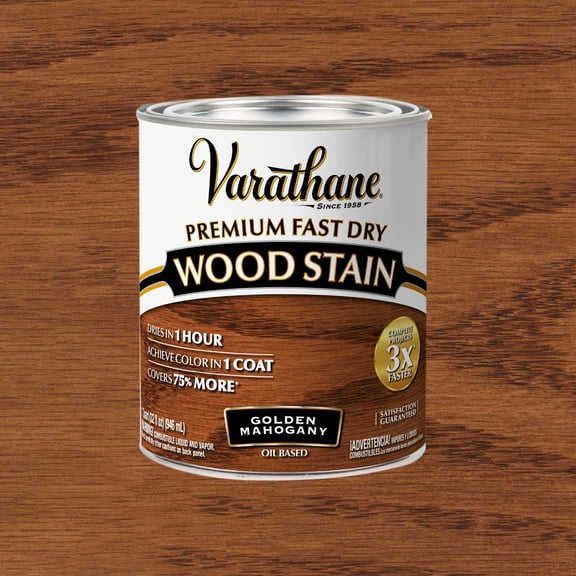
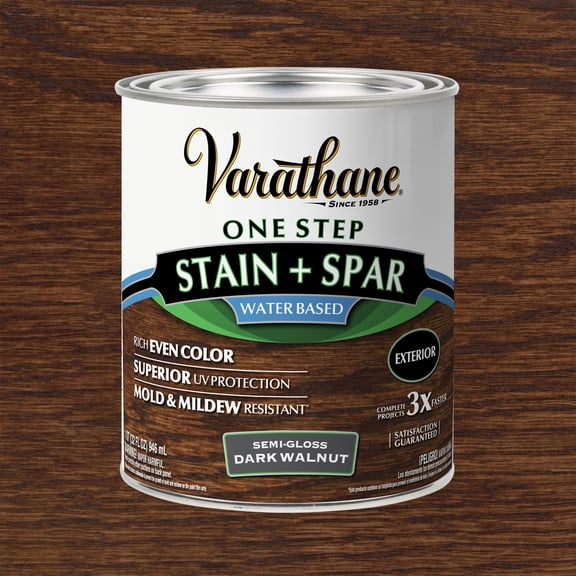


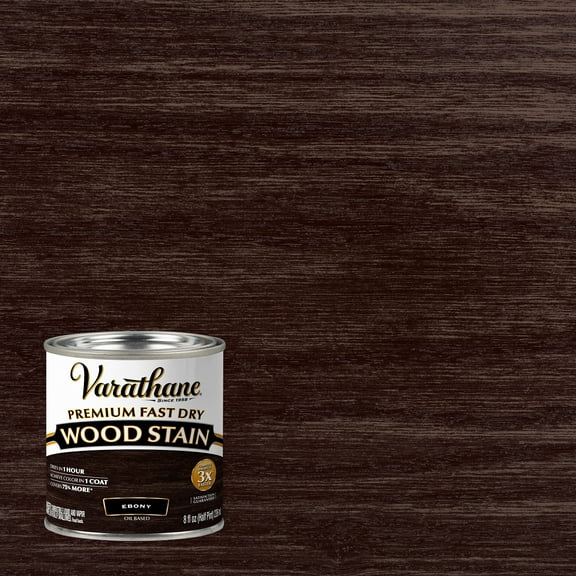


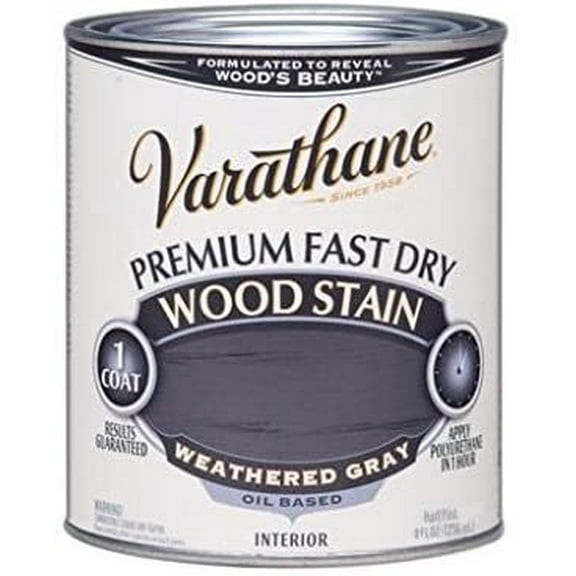


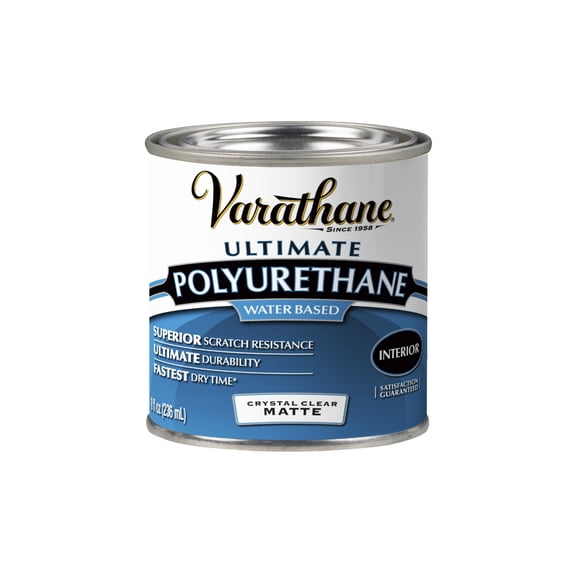


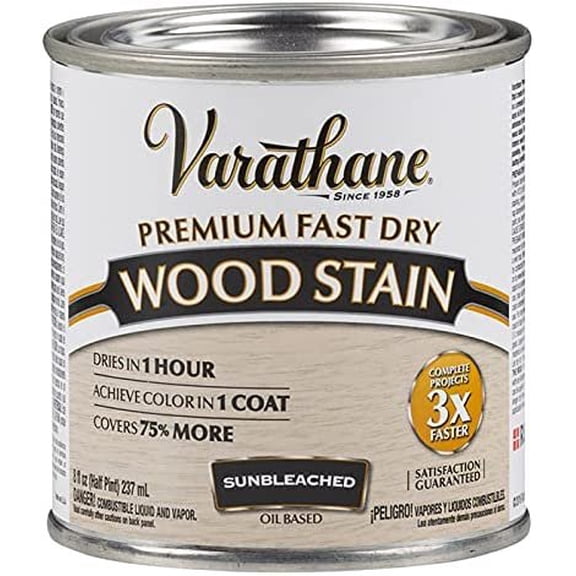
About Varathane in Home Improvement Shop by Brand - Walmart.com
Varathane helps you choose wood stain, polyurethane, and prep products for furniture, trim, floors, and outdoor wood projects. You can compare finish type, base formula, and application area with clearer decision points.
If you're refinishing cabinets or sealing a tabletop, you need guidance that matches your wood and timeline. You can use this page to sort wood finish options by color, clarity, sheen, and project stage.
How to choose Varathane by product category
You should start with the product category that matches your project step. You can use wood stain for color, pre-stain for prep, polyurethane for sealing, and wood filler for patching.
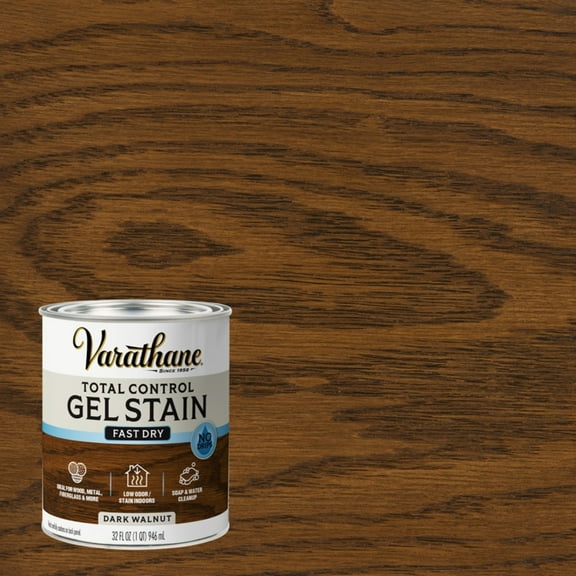
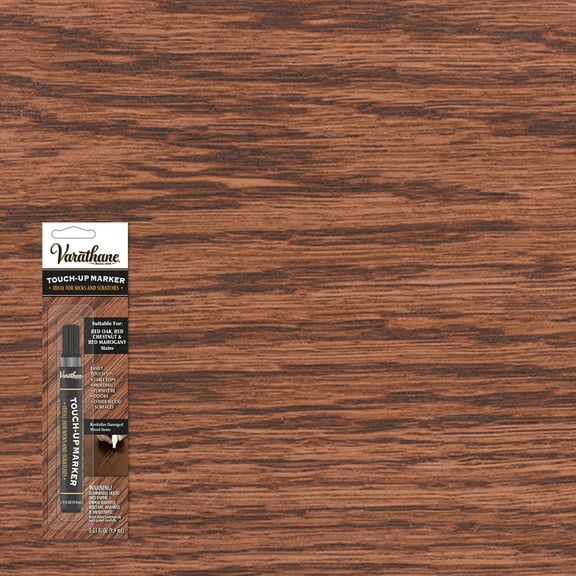
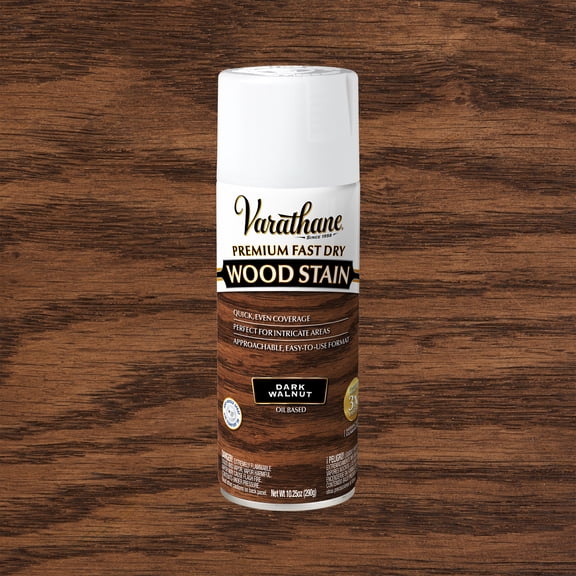
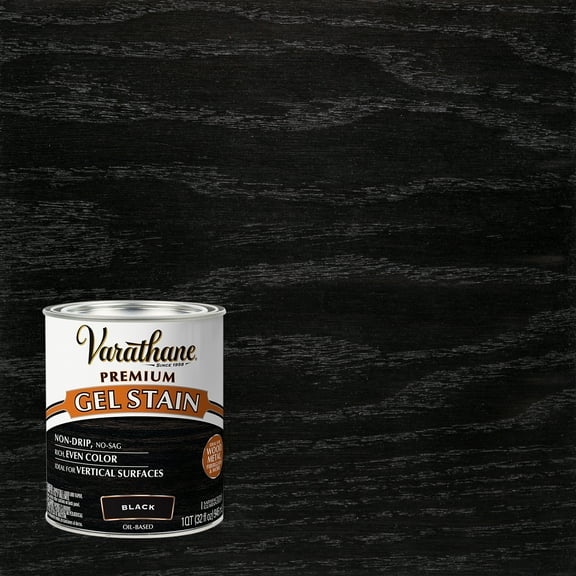
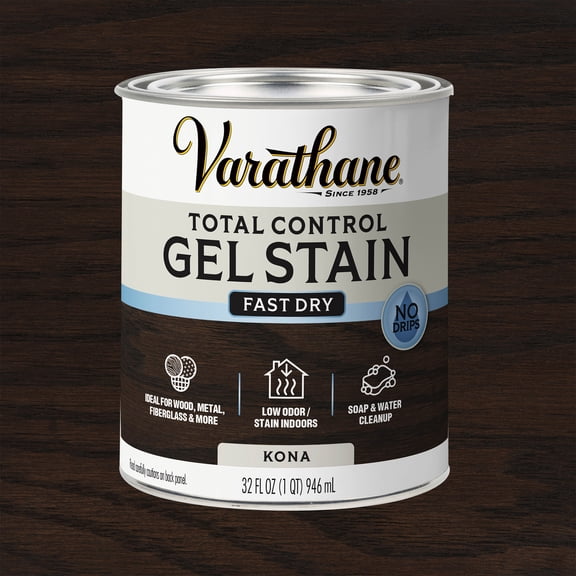
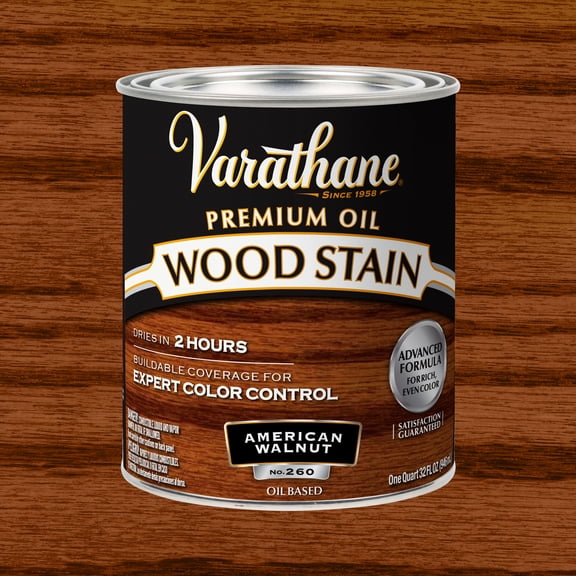
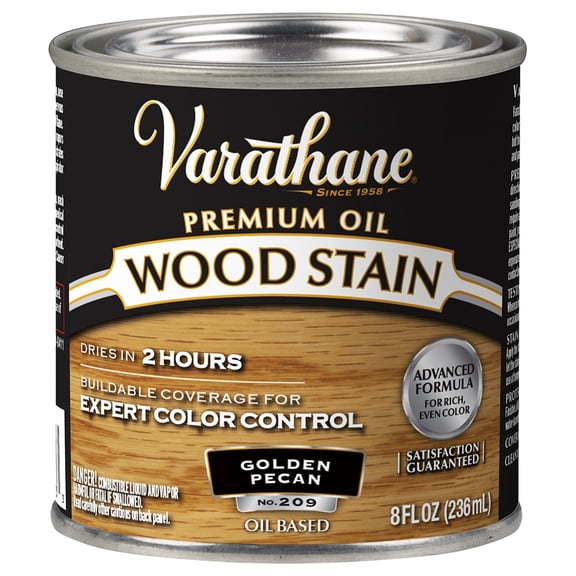
When you choose Varathane wood stain, you can bring out grain while changing tone. If you need a smoother final look, you can prep uneven wood with filler and pre-stain first.
You can narrow your options faster by focusing on what each type is designed to do. That approach helps you avoid mixing the wrong finish steps on tables, doors, cabinets, or floors.
What to look for in Varathane wood stain and prep
You should compare stain color, wood species, and project location before you begin. You can often get a more even look when you apply pre-stain on softer woods.
If you want deeper warmth, you may consider an oil-based stain for rich tone. If you want easier cleanup and a simpler process, you may prefer a water-based wood finish.
- You can use pre-stain to help wood absorb color more evenly.
- You can choose wood filler when your surface has small gaps or dents.
- You can match stain shade to furniture, trim, cabinets, or flooring.
- You can plan your finish steps before you open the first can.
You also need to think about interior and exterior use before choosing a color system. That decision matters because your surface location affects the finish layers you may need next.
Choosing the right Varathane polyurethane formula
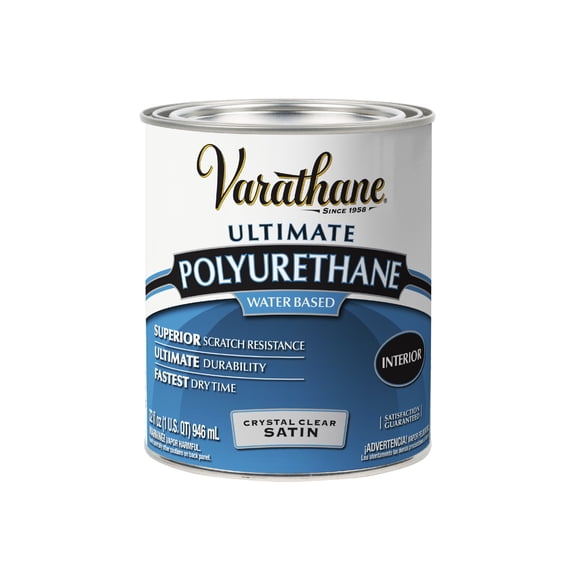
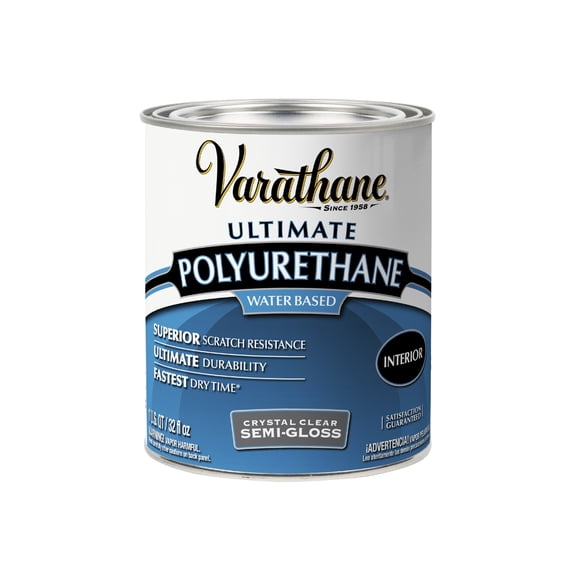
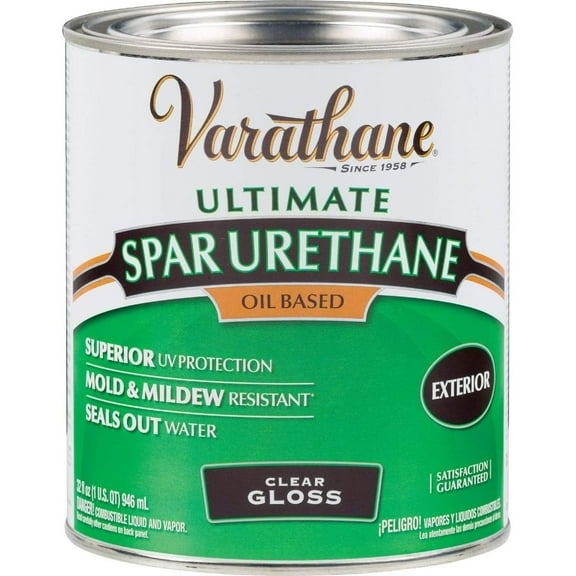
You should compare base formula first because it affects color, dry time, and cleanup. You can choose oil-based products for amber warmth, or water-based polyurethane for a clearer look.
If your project timeline is tight, you may prefer water-based polyurethane because it often dries faster. If you want a traditional tone on wood, you may lean toward oil-based polyurethane.
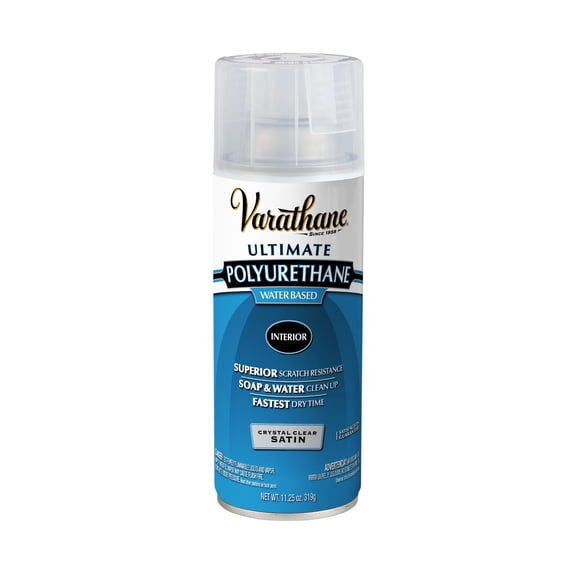
You can also compare polyurethane spray with brush-on options based on surface shape. Spray formats can help you coat spindles, trim, and detailed pieces with less dragging.
When you need a Varathane clear coat, you should also check recoat timing in plain hours. That detail helps you plan sanding, second coats, and room use without stalling your project.
Choosing finish type and sheen level
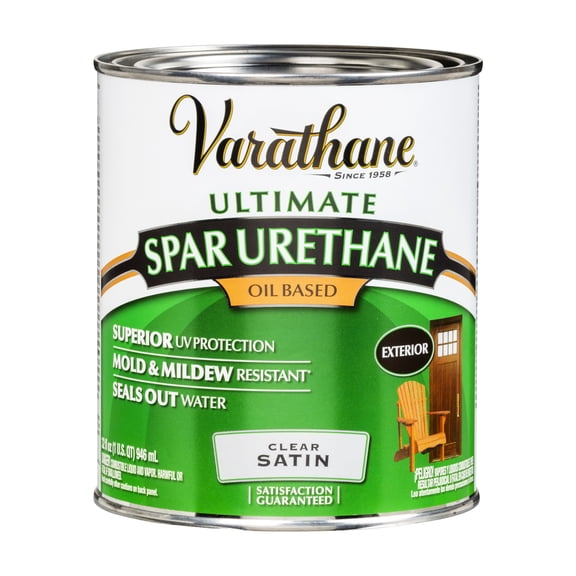
You should pick sheen based on how you want the surface to look in daylight. You can choose gloss for shine, semi-gloss for a polished look, satin for balance, and matte for a softer finish.
If your room gets strong light, you may notice gloss reflects more detail. If you want to mute marks and grain variation, you may prefer satin or matte.
You can also match sheen to traffic and cleaning habits around the space. For floors or active rooms, you may compare appearance with the maintenance look you want over time.
Comparing interior, exterior, and floor applications
You need to match the application area to the wood surface before you finish anything. You can use interior formulas for indoor furniture and trim, while exterior projects need weather-focused protection.
If your project sits on a porch, door, or outdoor bench, you should check for exterior use. That step matters because UV resistance and moisture protection are key decision points for outdoor wood.
For floors, you should look for finishes made for repeated foot traffic and regular cleaning. You can also compare dry and recoat times carefully, since floor projects affect how soon you use the room.
If you need Varathane polyurethane for stairs, hallways, or rooms with steady use, you should compare sheen and formula together. That combination helps you balance appearance, clarity, and project timing.
How to plan your project with dry times and tools
You can make your project smoother when you check application steps before you start. You should compare drying and recoat windows in hours so your stain and clear coat schedule stays realistic.
If you want a full wood finish system, you may also need sandpaper, brushes, and wood fillers nearby. You can keep your workflow simpler when you group your prep and finishing supplies by project.
You should also think about room use, ventilation, and the number of coats you expect. That planning helps you choose between faster turnaround and a warmer final tone.
With Varathane, you can compare stains, clear coats, and prep products using practical decision points. You get a more confident finish when your formula, sheen, and application area all match your project.