


Find auto parts that fit
Let’s search for parts that fit your vehicle.Tie Downs And Straps in Tie Downs, Anchors & Bungees
























About Tie Downs And Straps in Tie Downs, Anchors & Bungees - Walmart.com
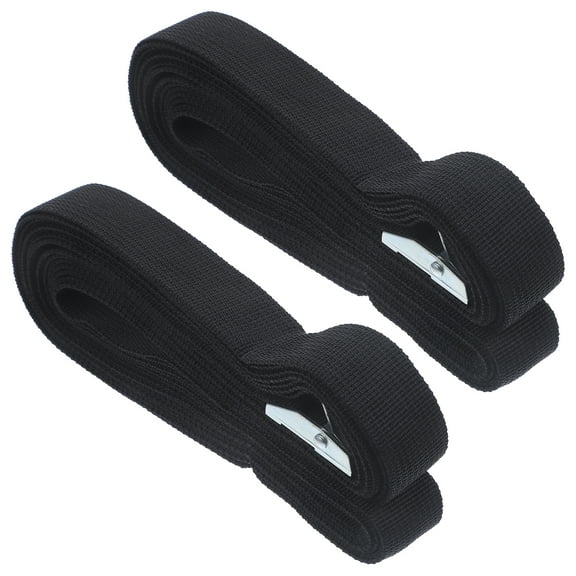
Nylon straps with metal buckles help you secure cargo with dependable hold and flexible fit. You can compare tie down straps by material, buckle style, width, length, and load rating before you choose.
When you haul ladders, coolers, totes, or camping gear, you need tie downs that match the job. You can use this guide to understand the key differences that matter on the road.
How to choose nylon straps with metal buckles
You should start with strap material because it affects stretch, weather exposure, and feel in your hands. You’ll often see nylon, polyester, and polypropylene across everyday tie down straps.
If you want flexibility and a softer feel, you may prefer nylon straps with metal buckles for general hauling. If your cargo stays outside longer, you may compare polyester for stronger water and UV resistance.
You can also consider polypropylene when you need lighter-duty straps for basic storage or light transport. You should match the material to your cargo, your route, and your expected weather.
- You can choose nylon when you want flexible webbing that cinches around uneven cargo.
- You can choose polyester when your straps may face sun, rain, and repeated outdoor use.
- You can choose polypropylene when your load is lighter and your setup is simple.
- You can look for metal hardware when you want a sturdy buckle feel during repeated tightening.
Choosing buckle type and strap width
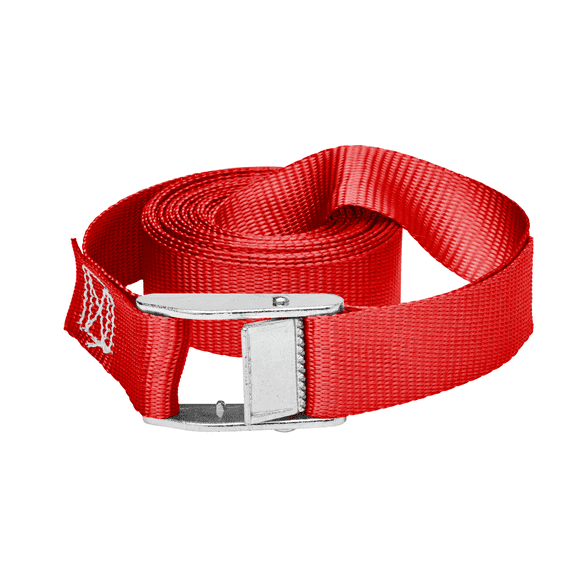
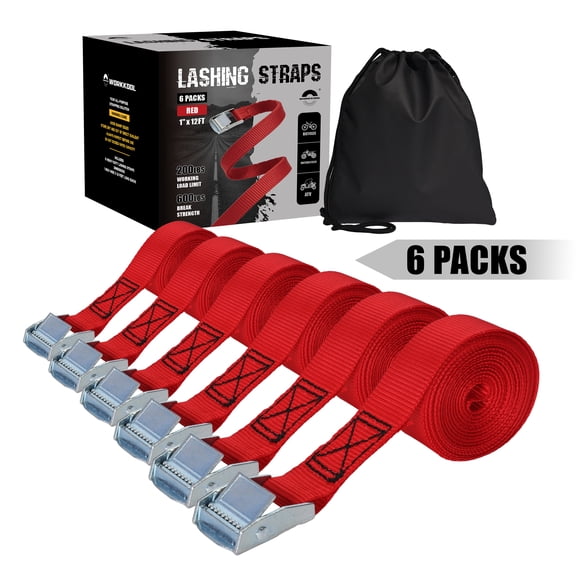
You should compare cam buckle and ratchet systems before you choose tie down straps. You’ll usually want cam buckle styles for lighter cargo and ratchet styles for heavier loads.
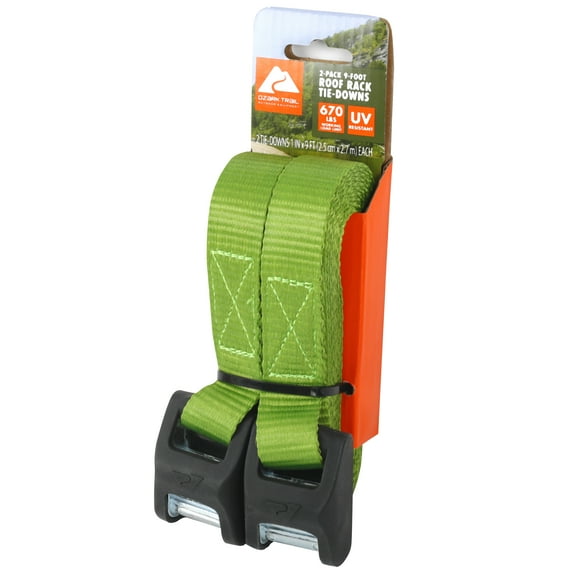
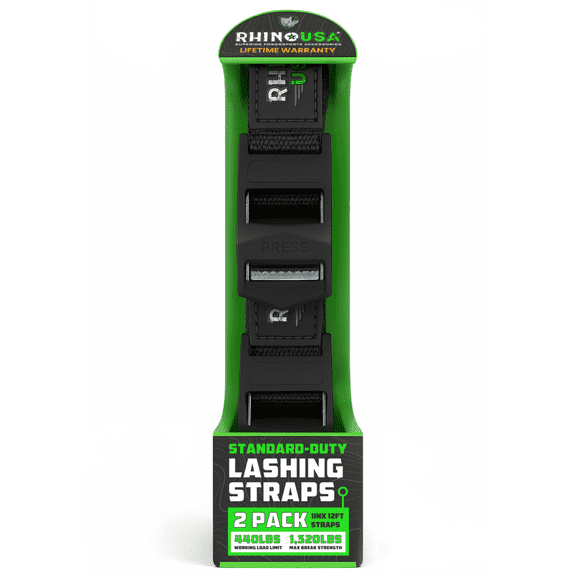
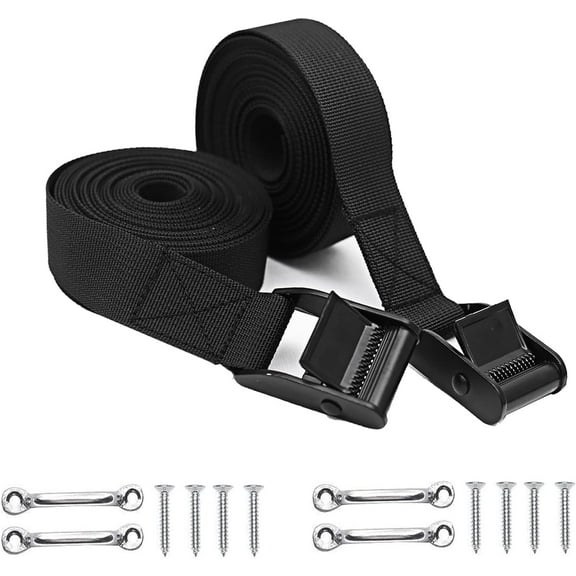
If you carry kayaks, bins, folding chairs, or tents, you may like 1 inch cam buckle straps. You can tighten them quickly, and you get control without over-cranking delicate gear.
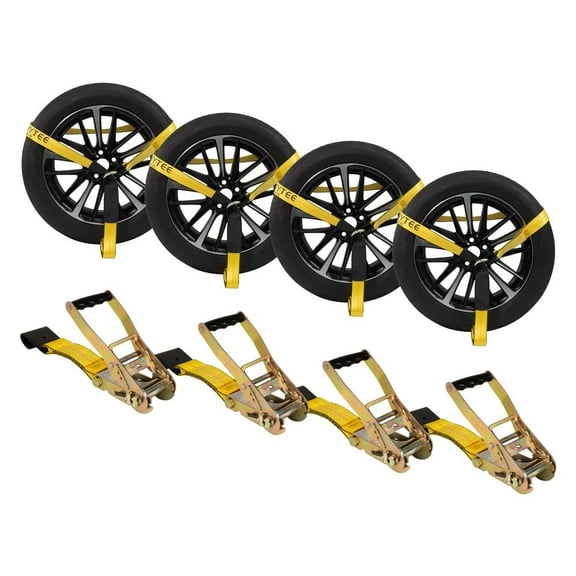
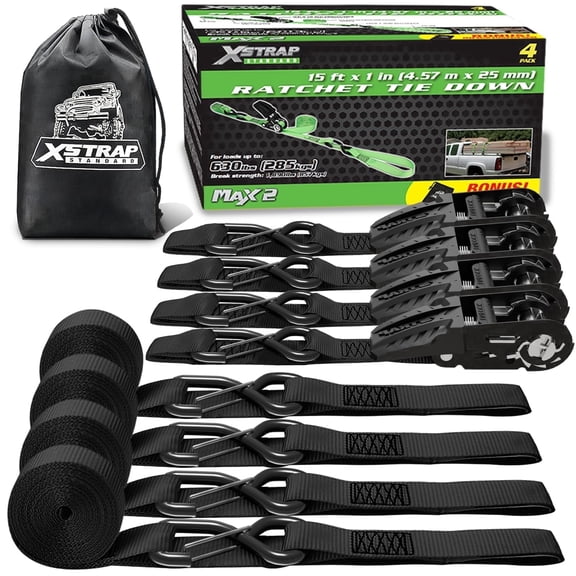
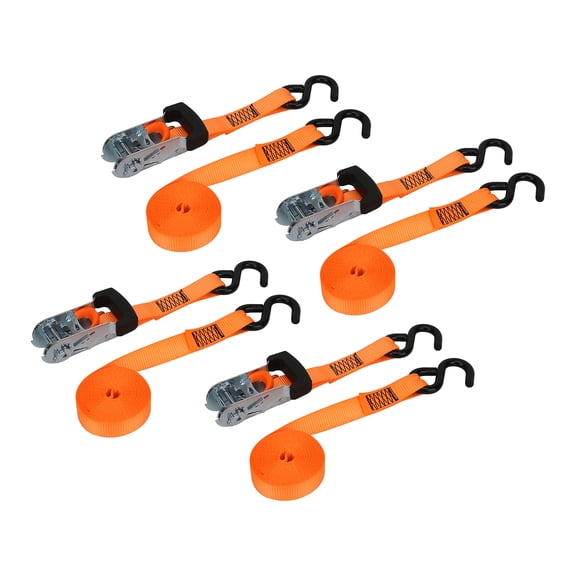
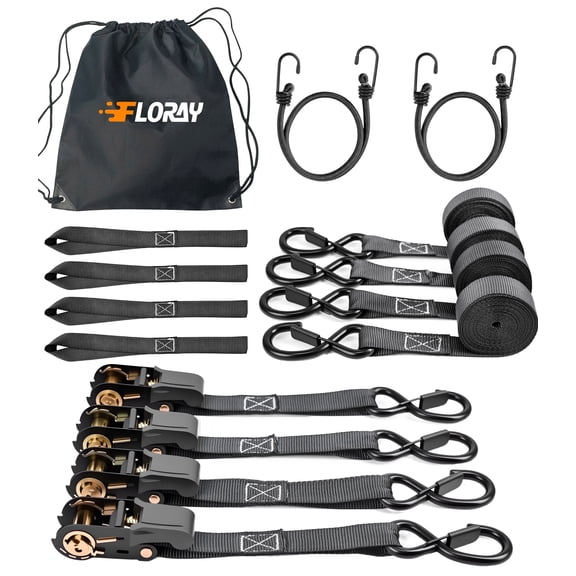
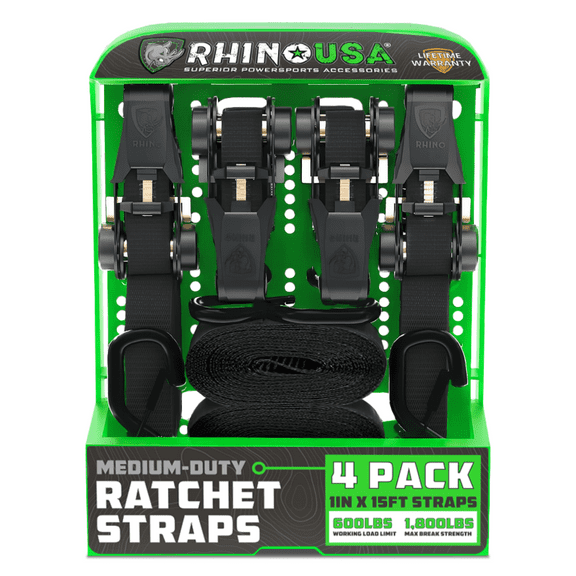
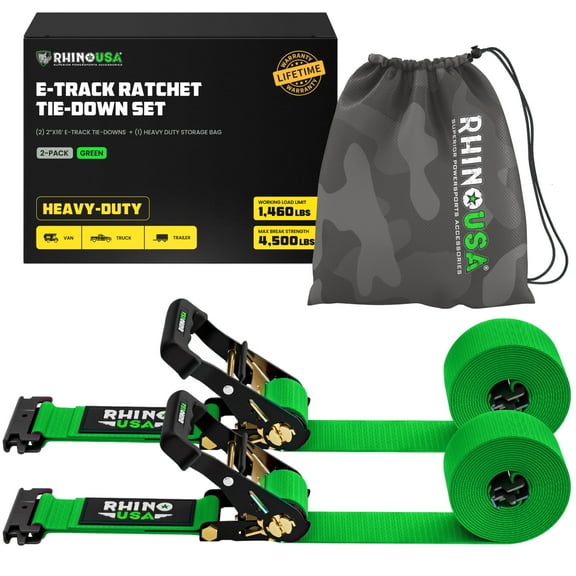
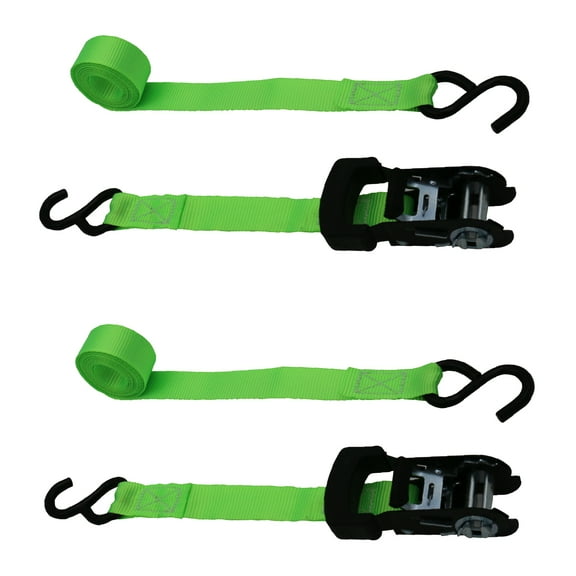
If you secure appliances, lawn equipment, or packed trailer loads, you may need a long ratchet strap. You can apply firmer tension, and your load stays snug over longer trips.
You should also compare width because wider webbing spreads pressure across more surface area. You’ll often see 1 inch straps for lighter tasks, 2 inch straps for general hauling, and 4 inch straps for demanding cargo.
When you need compact storage in a trunk or tool box, you may prefer narrower straps. When you want broader contact on large items, you should consider wider tie downs.
Understanding length and load ratings
You should measure your cargo path before you choose 6 ft, 10 ft, 15 ft, or 20 ft+ lengths. You’ll want enough strap to wrap, anchor, and tighten without leaving excessive loose tail.
For small roof loads or bundled gear, you may use shorter lengths more easily. For truck beds, trailers, and tall equipment, you may need longer straps for full reach.
You should check Working Load Limit, or WLL, before you secure anything. You can think of WLL as the everyday carrying number, while break strength is the higher lab-tested limit.
You should know that WLL is typically one-third of break strength for these straps. You can use that rule to compare options with clearer confidence when labels list both numbers.
If your cargo is under 500 pounds, you may only need light-duty options. If your load falls between 500 and 1500 pounds, or above that, you should step into medium-duty or heavy-duty tie downs.
- You should use WLL as your main comparison point for regular hauling.
- You can review break strength for context, but you shouldn’t use it as your everyday target.
- You should match strap length to your vehicle, anchor points, and cargo height.
- You can choose wider straps when your load needs broader support across larger surfaces.
Matching tie down straps to real hauling needs
You may need different straps depending on whether you haul camping gear, yard equipment, or moving supplies. You can match a camp strap, tarp tensioner, or ratchet setup to the task.
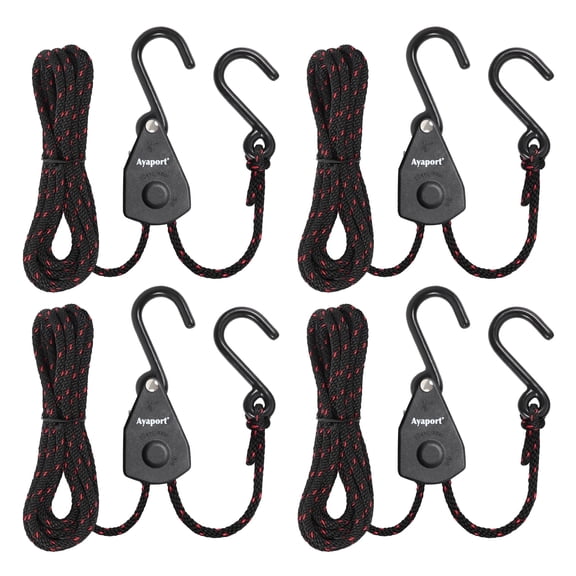
If you pack a campsite, you may use a camp strap for sleeping pads, duffels, or folded chairs. If you secure a cover, you may use a tarp tensioner to keep edges pulled tight.
When you load a pickup bed, you should compare strap length with common bed sizes and anchor locations. You may find 10 ft and 15 ft options easier for coolers, totes, and weekend gear.
If you haul an ATV, mower, or stacked equipment on a trailer, you may need longer ratchet styles. You can create firmer tension across bulkier shapes that shift during transport.
You should also think about pickup and availability when you need gear quickly for an upcoming trip. You can check Walmart.com for shipping options and convenient store pickup on tie downs and straps.
For repeated outdoor use, you may compare polyester webbing with nylon for weather exposure. For flexible handling around mixed cargo, you may still prefer nylon straps with metal buckles.
What to look for before you choose tie downs
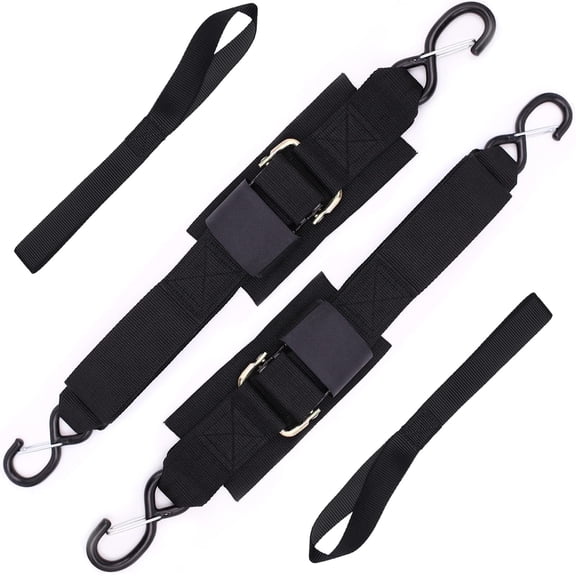
You should inspect hardware shape, buckle style, and strap stitching when you compare options. You can also look for end fittings like S-hooks when your anchor points require fast attachment.
If your cargo changes from trip to trip, you may keep several lengths and widths on hand. You’ll cover more situations with a mix of 1 inch cam buckle straps and heavier ratchet tie down straps.
You can shop with more confidence when you understand WLL, material differences, and buckle function. You’ll secure cargo more effectively when your straps fit your load, your vehicle, and your route.