


String Instruments and Accessories for School Bands























About String Instruments and Accessories for School Bands - Walmart.com
You can compare violin options, sizing, and accessories more easily when you use this string instrument guide for practical buying decisions. You'll find helpful direction on instrument type, setup basics, and accessory compatibility for student and experienced players.
Choosing the right violin and instrument type
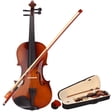
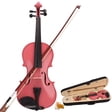
You should start with instrument type because each option changes how you play, carry, and store your gear. You may choose a violin for orchestra parts, lessons, or practice in smaller spaces.
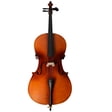
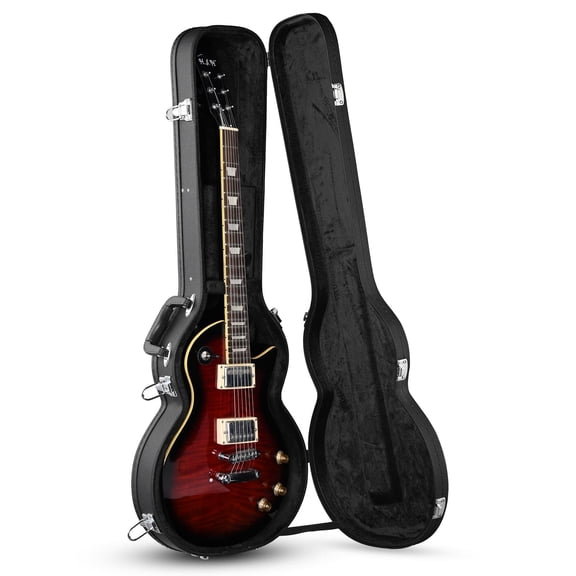
If your music calls for a deeper range, you may compare cello, viola, and double bass options. You can also compare acoustic, electric, and silent styles based on your practice setting.
When you want traditional resonance, you may prefer an acoustic instrument for lessons, recitals, and ensemble use. If you need quieter practice, you can consider a silent style with headphone-friendly use.
- You can focus on violin choices for lessons, youth programs, and home practice.
- You can compare cello and viola options when your music needs lower notes and larger body sizes.
- You can check electric and silent models when your practice space calls for added control.
- You can narrow options faster when you match the instrument to your skill level and storage space.
How to choose size, including a 4/4 violin
You should treat sizing as a key decision because comfort affects posture, reach, and daily practice. You'll often see a 4/4 violin listed as full size for many teen and adult players.
If you're shopping for a younger player, you may also compare 3/4, 1/2, and 1/4 sizes. You can use teacher guidance or arm-length measurements to confirm a comfortable fit.
When your size is right, you can place your hand more naturally and hold the instrument with less strain. You'll usually notice that practice feels steadier when the fingerboard length matches your reach.
You should also compare cello, viola, and bass sizes because each family uses different body dimensions. You can avoid guesswork when you check product details for age guidance and measurement notes.
What to look for in beginner and advanced setups
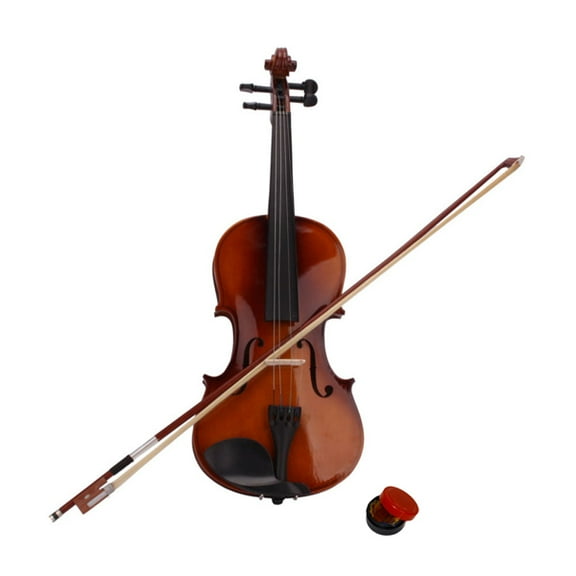
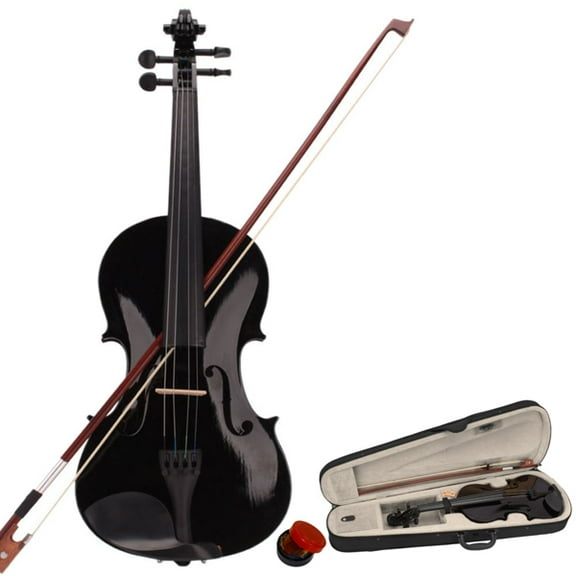
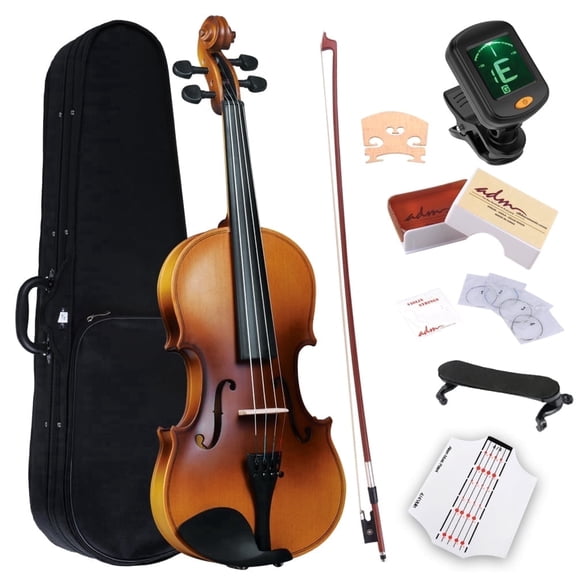
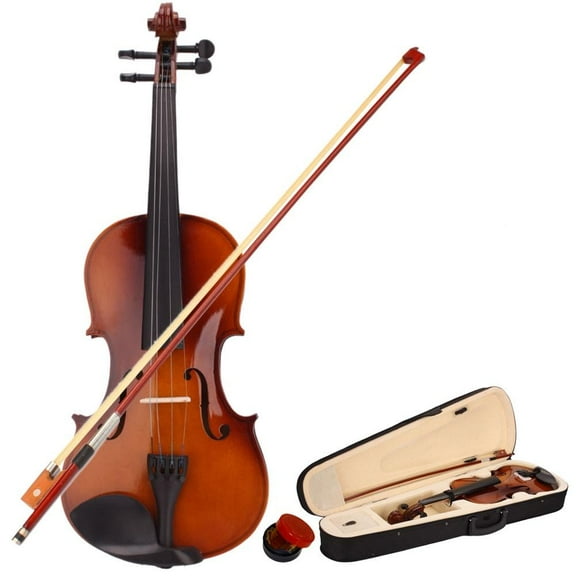
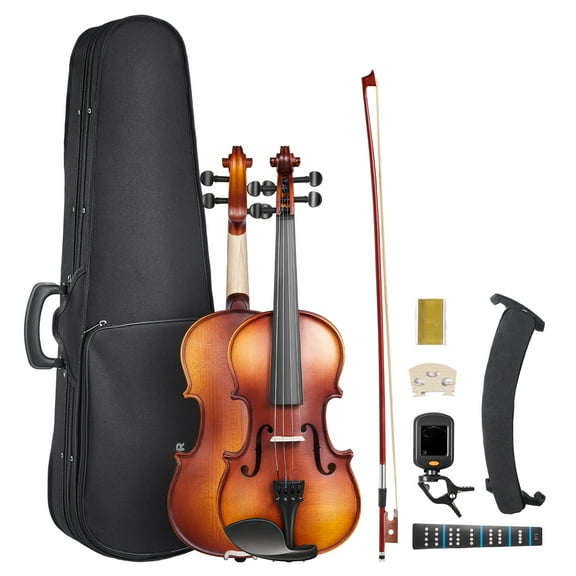
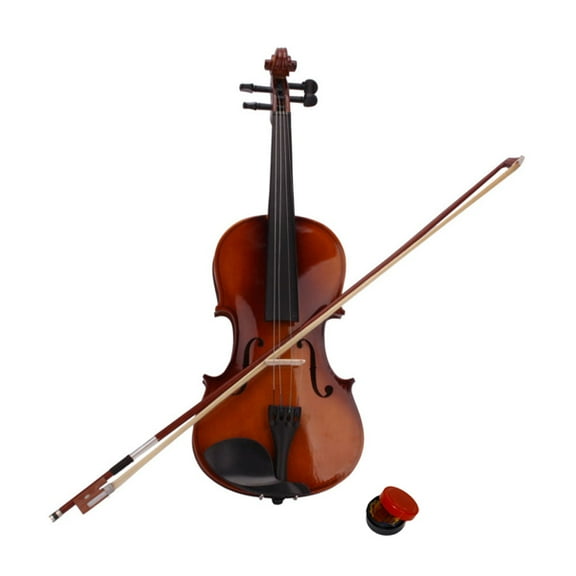
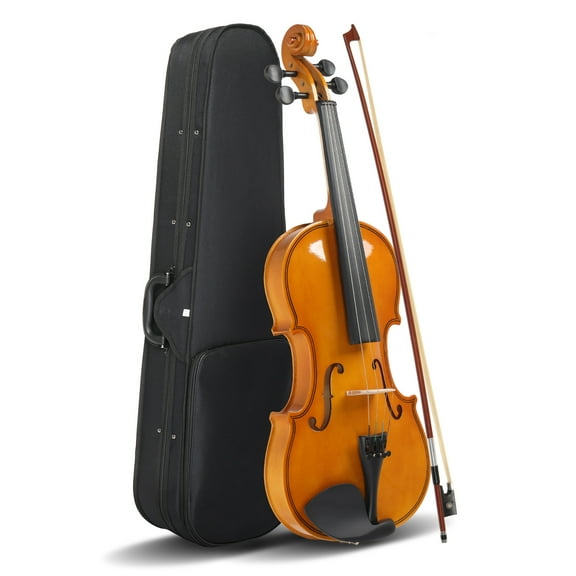
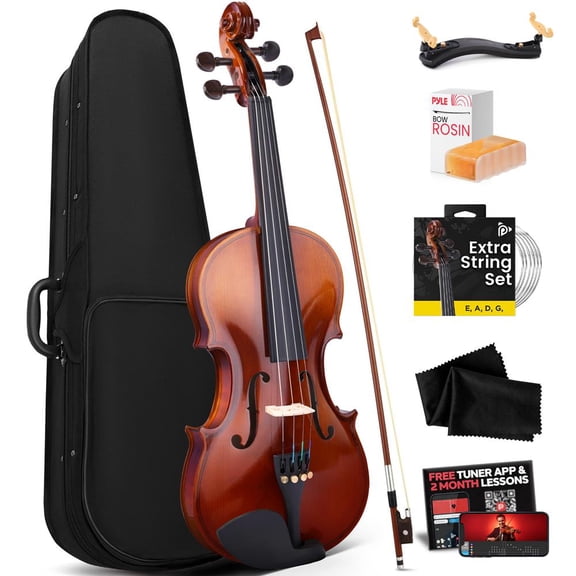
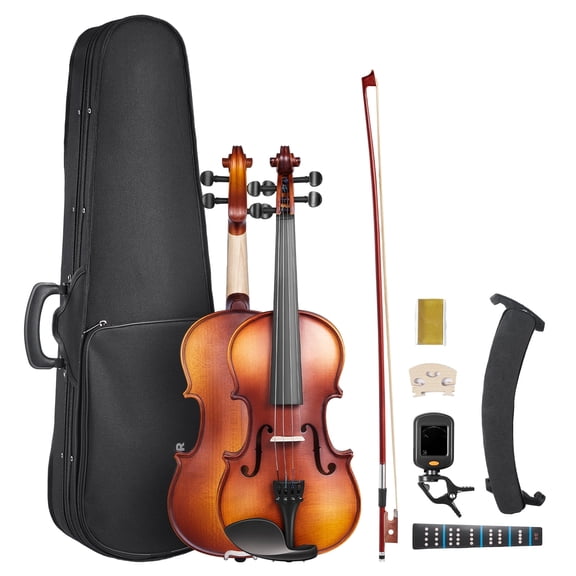
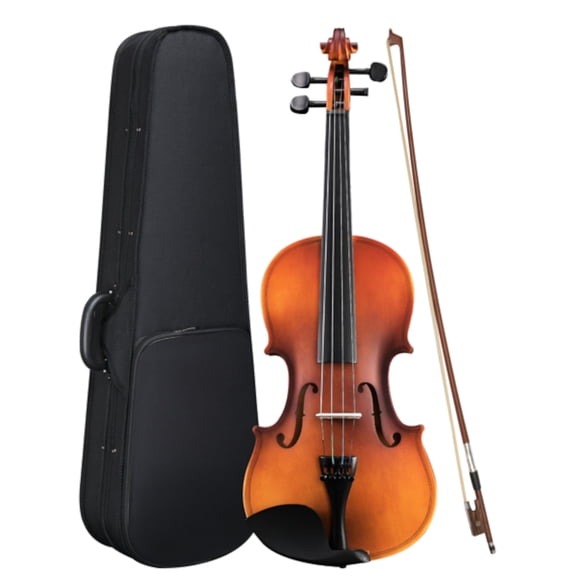
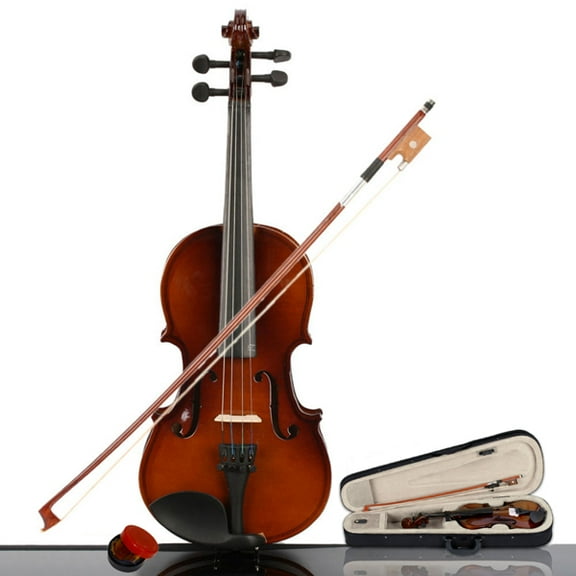
You can simplify your choice by matching the instrument to your skill level before you compare finer details. If you're a beginner, you may want an outfit that includes a bow, case, and rosin.
Those starter pieces matter because you can begin practicing with fewer extra purchases and less setup confusion. You'll also want to check whether the description notes bridge placement and basic setup needs.
If you're moving into intermediate or advanced playing, you may compare material details, tuning response, and accessory preferences. You can look for the setup style that fits rehearsals, lessons, and longer practice sessions.
You should read listings for clear notes about tuning pegs, chin rest style, and included case protection. You'll make a more informed choice when those details match your routine and transport needs.
Comparing bows, cases, strings, and cello stand box options
You can build a more complete setup when you compare accessories as carefully as the instrument itself. Your bow, case, and strings affect daily handling, storage, and practice convenience.
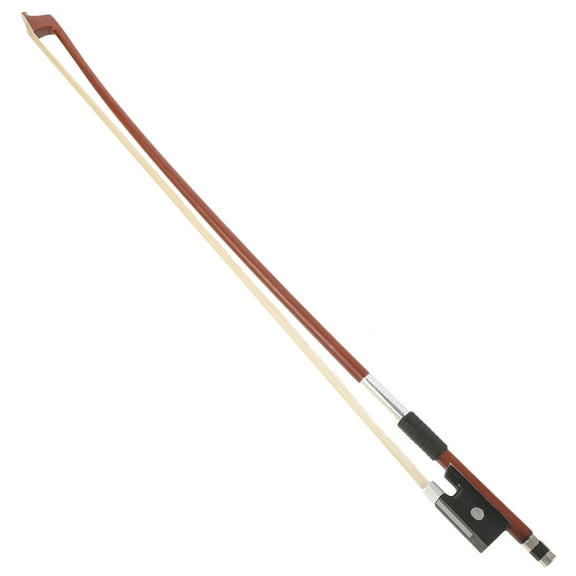
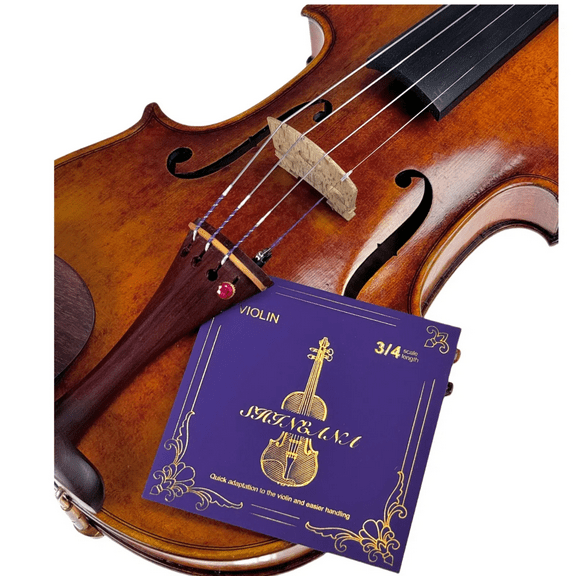
When you review bows, you should check grip comfort, balance, and whether the bow matches your instrument type. You'll want strings that fit the listed size so installation feels straightforward.
Cases matter because you need the right shape and interior room for your instrument and essential items. You can look for storage areas that keep rosin, shoulder rests, and small tools organized.
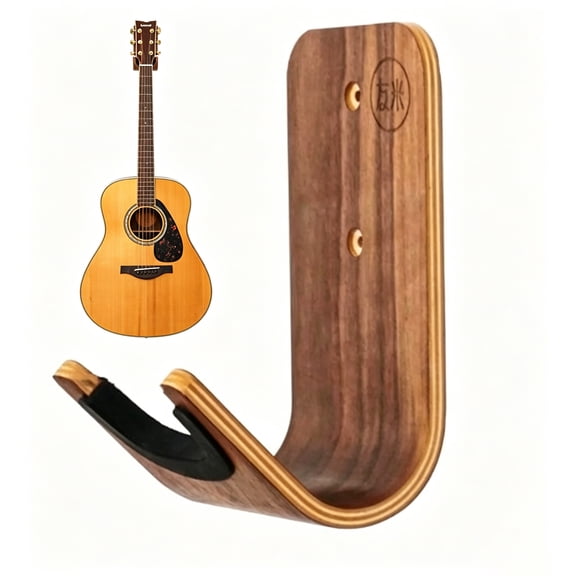
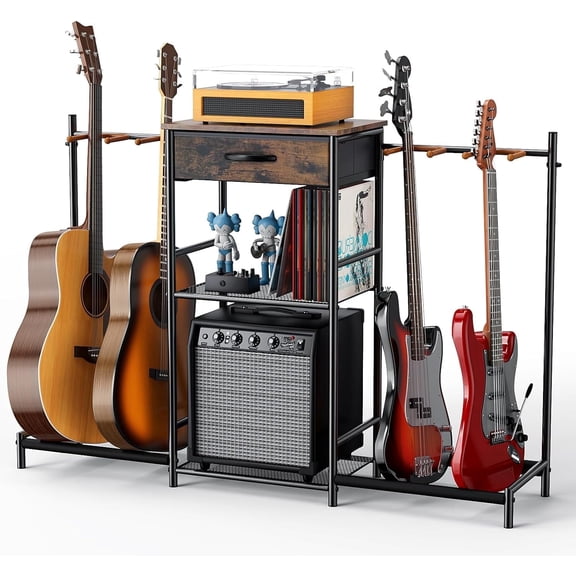
If you need floor storage, you should compare stand dimensions and supported instrument types before choosing. You may also search cello stand box options when you want packaging or storage details for larger accessories.
- You can compare stand fit for violins, violas, and cellos before you choose.
- You can check case dimensions when your instrument size changes from 1/4 to 4/4.
- You can review string compatibility so your replacement set matches your instrument family.
- You can keep accessories organized when your case or stand includes practical storage space.
Using string instruments for practice, school, and performance
You may shop for a violin outfit for school orchestra, private lessons, or at-home skill building. You'll often want a complete setup when you're starting and need fewer separate pieces.
If your player travels between class and home, you should focus on carrying comfort and protective case design. You can also compare full-size and fractional options for growing students.
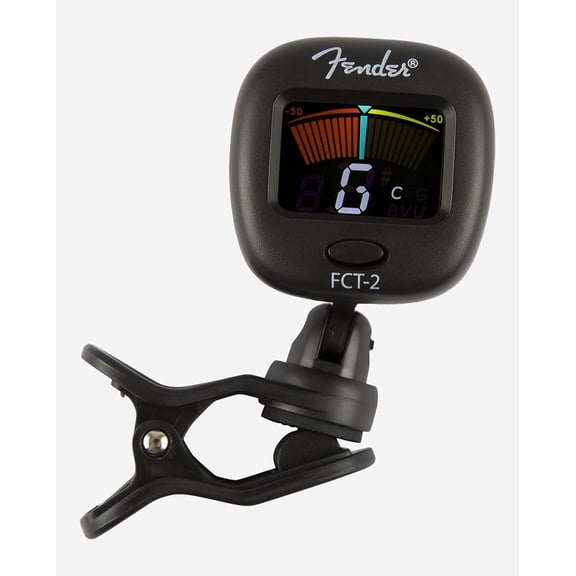
For ensemble players, you may want an instrument that fits rehearsal schedules and regular tuning checks. You'll benefit from reading setup notes when you need a smoother start after delivery.
If you're searching using violín or violins, you can still compare the same core details that shape a smart purchase. You should focus on size, included accessories, and compatible stands before deciding.
You can shop with more confidence when your violin choice matches your size, skill level, and accessory needs. You'll get a setup that supports practice, transport, and everyday playing with fewer surprises.