

spotlight

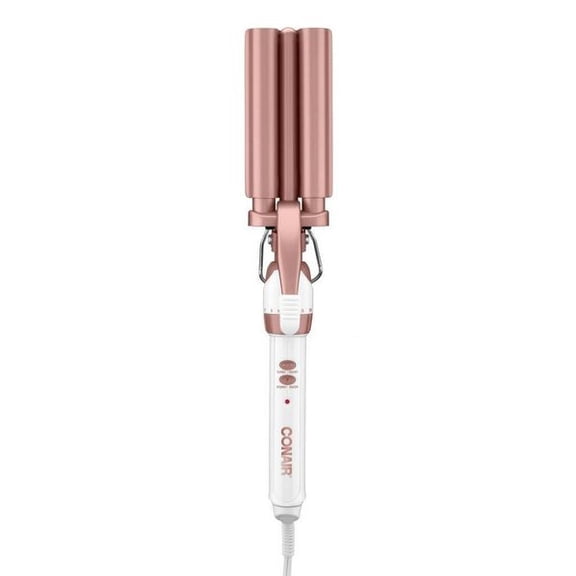
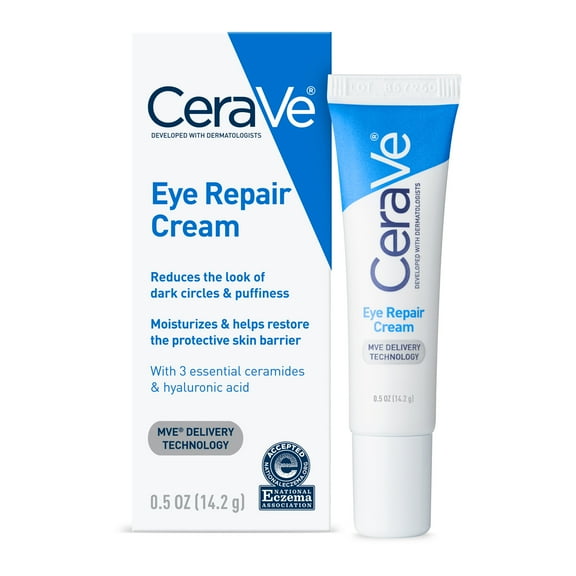
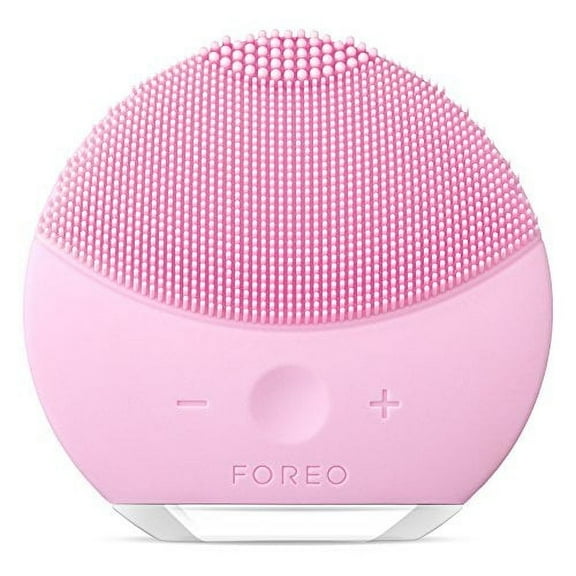
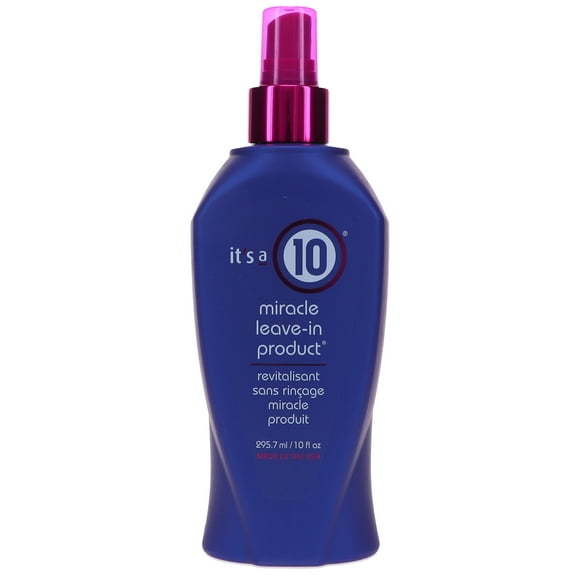
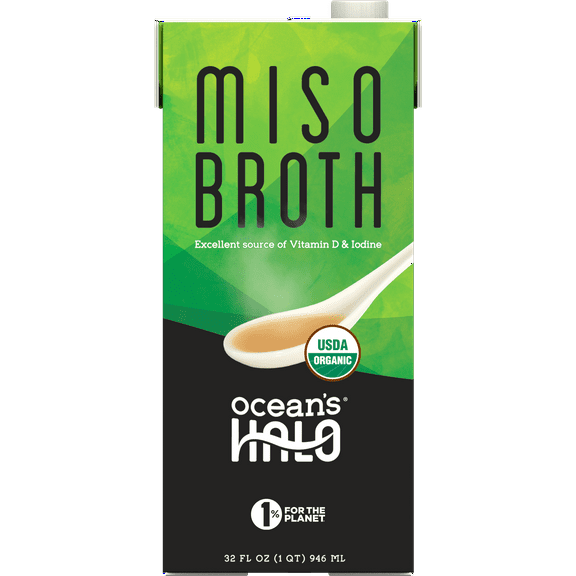
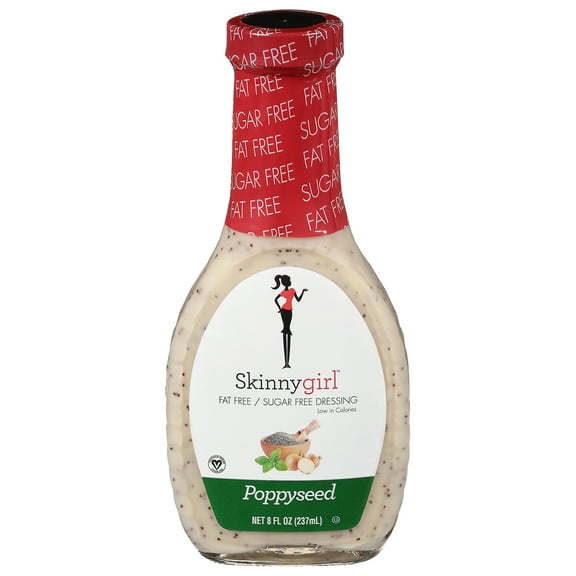
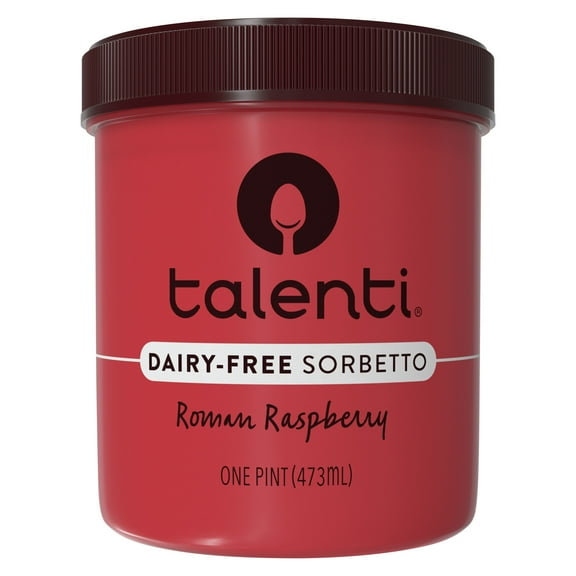
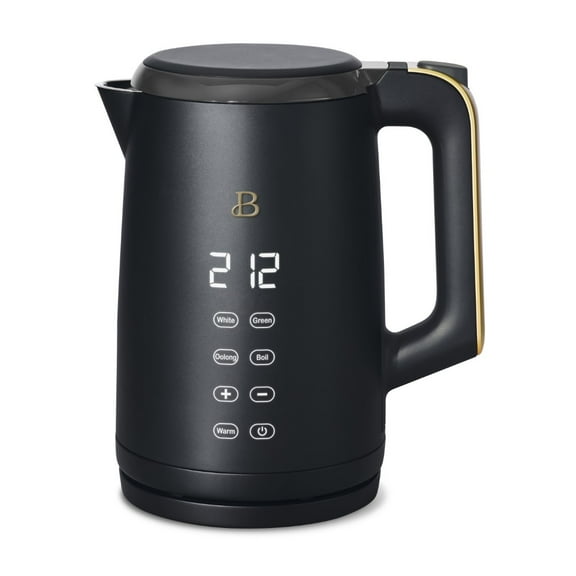
Christina's picks
This vegan mama of two is a fan of eco-conscious products.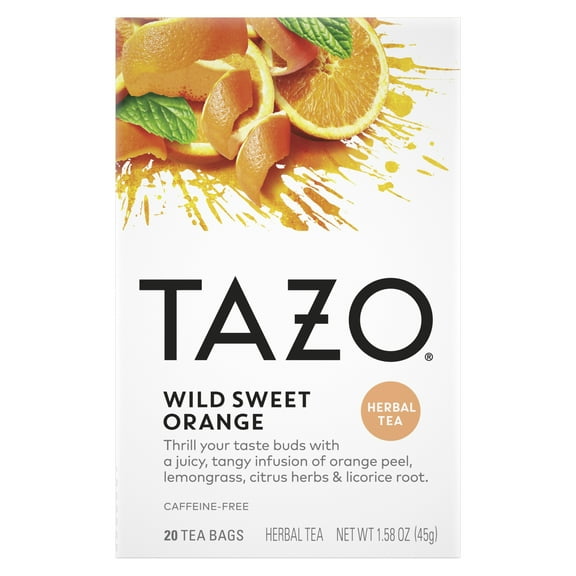
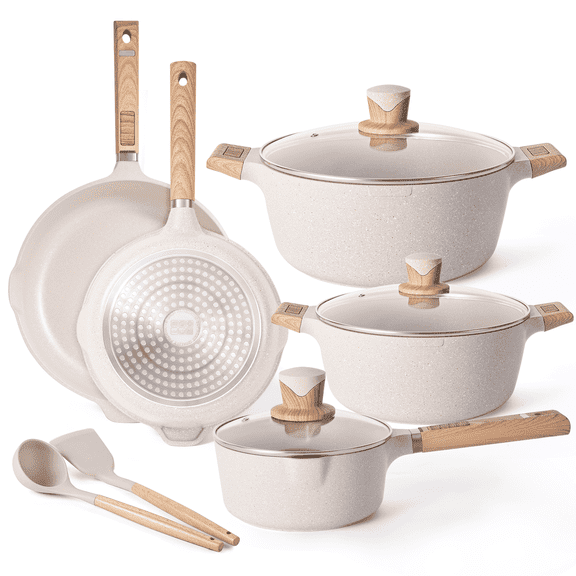


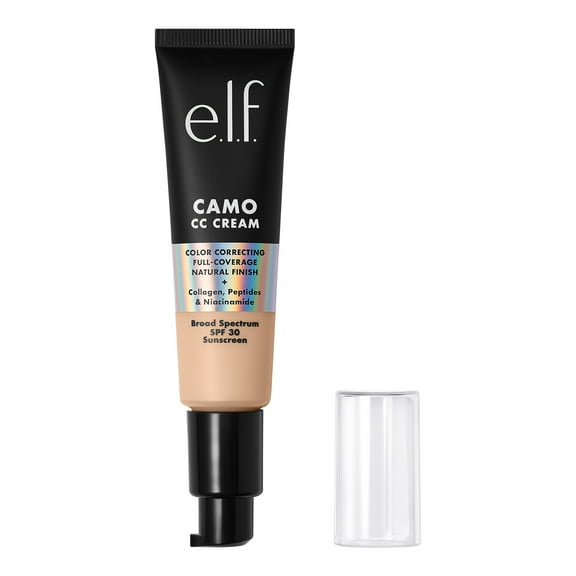
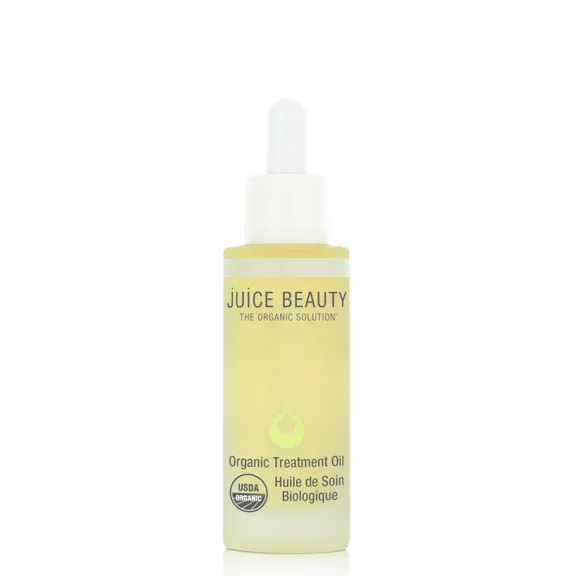






More associate faves



FAQ
About spotlight-associate3 - Walmart.com
Spotlight kitchenware helps you compare cookware, bakeware, and kitchen tools with clear buying guidance. You can match materials, set sizes, and heat limits to your cooking routine.
How to choose spotlight kitchenware
When you compare spotlight kitchenware, you should start with the way you cook frequently. You may need a skillet for sautéing, a saucepan for grains, or a full set for a new kitchen.
If you cook on induction, you should check for induction compatibility and a magnetic base. If you use gas, electric, or halogen, you should still confirm the listed cooktop match.
Your material choice affects cleanup, browning, and long-term maintenance. You may prefer nonstick aluminum for easy release, or you may choose cast iron for steady heat retention.
Key benefits you can compare
You can use this category to narrow choices by cooking habits instead of guessing from photos alone. You get a clearer path to cookware, bakeware, and kitchen tools that fit your routine.
- You can choose stainless steel when you want a durable surface and a classic look for daily stovetop cooking.
- You can choose nonstick aluminum when you want quick cleanup and smooth food release for eggs, pancakes, and delicate foods.
- You can choose cast iron when you want strong heat retention for searing, oven finishes, and recipes that move from stove to oven.
- You can choose ceramic styles when you want an easy-to-clean option with a smooth cooking surface.
- You can choose individual items when you need one replacement pan, or sets when you want coordinated essentials.
Your set size also changes how your kitchen functions each day. You may want individual items for small spaces, while 10-piece, 12-piece, or 14-piece sets suit broader meal prep.
If your cabinets are limited, you should compare nesting shapes and the pieces you actually use. You can avoid overcrowding by focusing on core pans instead of extra fillers.
What to look for in materials and construction
You can choose stainless steel when you want a sturdy option for regular use and straightforward care. You should look at handle shape, lid fit, and base design before you decide.
You can choose cast iron when you want lasting weight and even heat across the pan surface. You should expect hand wash recommended care on many pieces, especially traditional styles.
You may choose nonstick aluminum when you want lighter pans that feel easy to lift and maneuver. You should compare the interior finish and oven-safe limit, because those details affect everyday flexibility.
You may choose ceramic options when you want a smooth surface for common cooking tasks. You should review care instructions closely, since some pieces are dishwasher safe and others need gentler washing.
Your heat resistance choice is another key decision point for your kitchen. You may need stovetop-only cookware, or you may want oven safe up to 400°F or oven safe up to 500°F.
If you finish casseroles, roast vegetables, or bake skillet meals, you should match the temperature rating to those habits. You can avoid mismatches by checking the maximum temperature before choosing.
Choosing the right set size and compatibility
Your piece count matters because your storage and menu needs may not match a large set. You should compare individual items, 10-piece sets, 12-piece sets, and 14-piece sets with your cabinet space.
You can use a smaller setup for everyday meals with less clutter in tight apartments or dorm kitchens. You can use a larger set for batch cooking, multiple burners, and family-size portions.
Your cooktop compatibility deserves close attention because it affects whether your pan works on your stove. If you have induction, you should look for induction compatible cookware with a magnetic base.
If you cook on gas, electric, or halogen, you should still check the product listing for that fit. You can prevent returns by matching the base and heat source before ordering.
Your care instructions also shape your daily experience in the kitchen. You may prefer dishwasher safe pieces for faster cleanup, or hand wash recommended items for specific finishes and materials.
How spotlight kitchenware fits real cooking routines
If you’re setting up a first apartment, you may want a 10-piece set with essential pans and lids. You can cover boiling, frying, and simmering without filling every shelf.
If you cook larger dinners, you may want a 12-piece or 14-piece set for more flexibility. You can keep one pan on the stovetop while another finishes in the oven.
For quick breakfasts and simple lunches, you may prefer nonstick aluminum or ceramic pieces. You can appreciate easy food release when you make eggs, grilled sandwiches, or reheated leftovers.
For recipes that need strong browning, you may lean toward stainless steel or cast iron. You can use those materials for searing proteins, pan sauces, and oven-finished dishes.
If your routine includes sheet pan meals or baked sides, you should compare oven-safe limits carefully. You can choose cookware that supports 400°F or 500°F use when your recipes demand that range.
When you need a replacement skillet or saucepan, individual items give you a focused solution. When you want a coordinated kitchen setup, sets can simplify matching lids, handles, and finishes.
With spotlight kitchenware, you can choose by material, heat limit, compatibility, and care instead of relying on guesswork. You can end up with kitchen pieces that fit your stove, your storage, and your cooking routine.