

Soup in Pantry





















About Soup in Pantry - Walmart.com
Soup helps you plan quick lunches, simple dinners, and pantry meals with options like canned soup, condensed soup, and instant soup cups. You can compare soup type, dietary needs, flavor profile, and packaging, so your pantry supports busy weekdays and easy meal planning.
How to choose soup for your pantry
When you shop soup, you can start with prep style and restocking habits. You can keep cans for shelf-ready meals, or you can choose cups and pouches for portable convenience.
If you need fast meals, you may notice ready-to-serve options go from pantry to bowl with minimal prep. If you cook often, you can choose condensed soup when you want a flexible base.
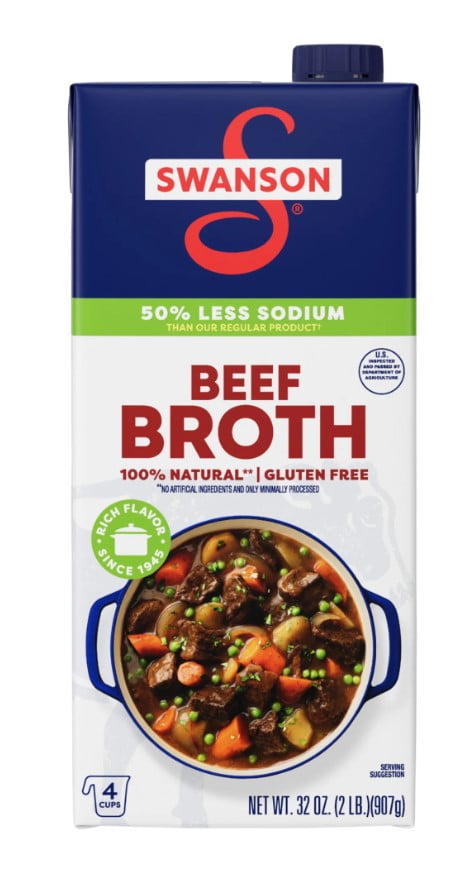
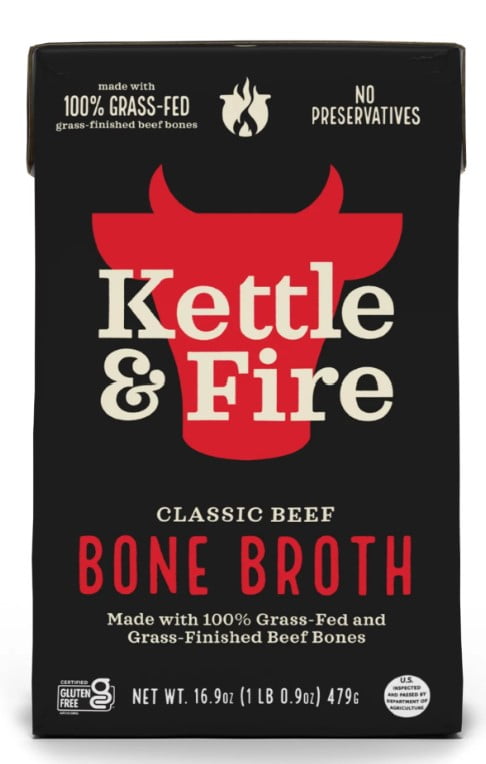
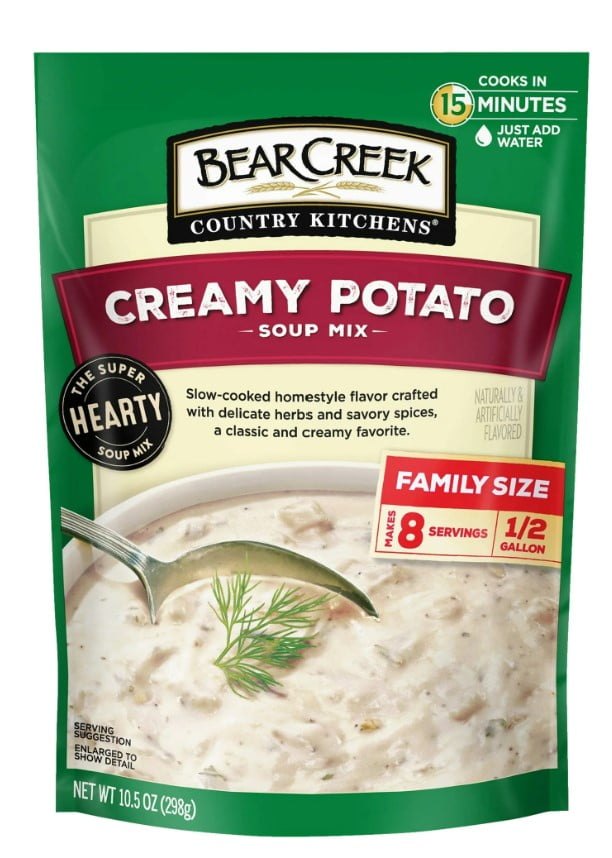
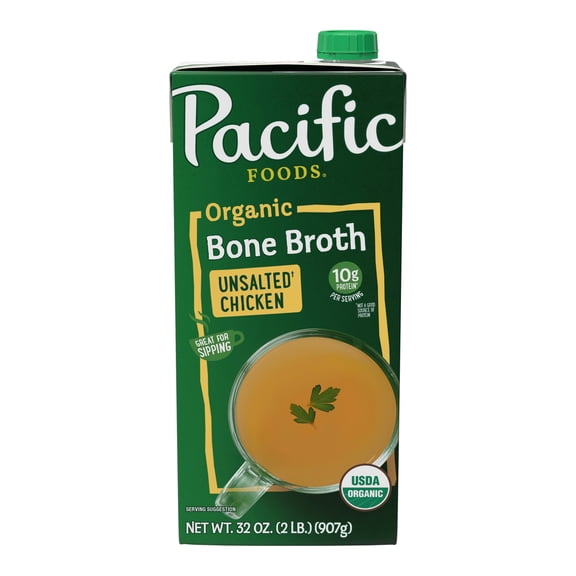
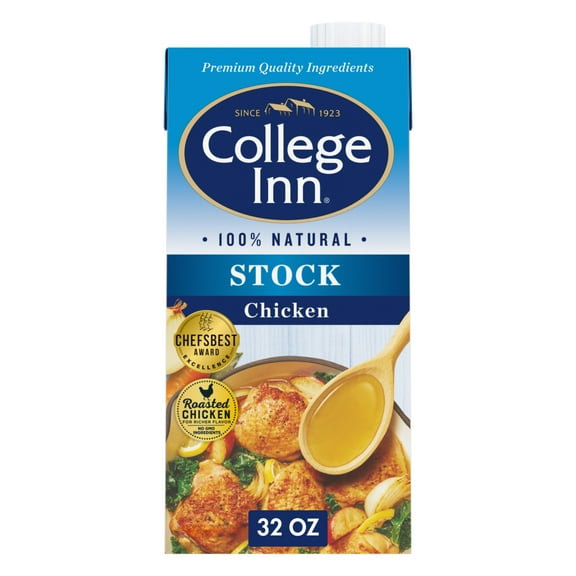
You can also compare dry mix options when you want lightweight storage and flexible portions. For larger servings, you can pick cartons that pour easily and fit family meal planning.
Choosing canned soup and other soup types
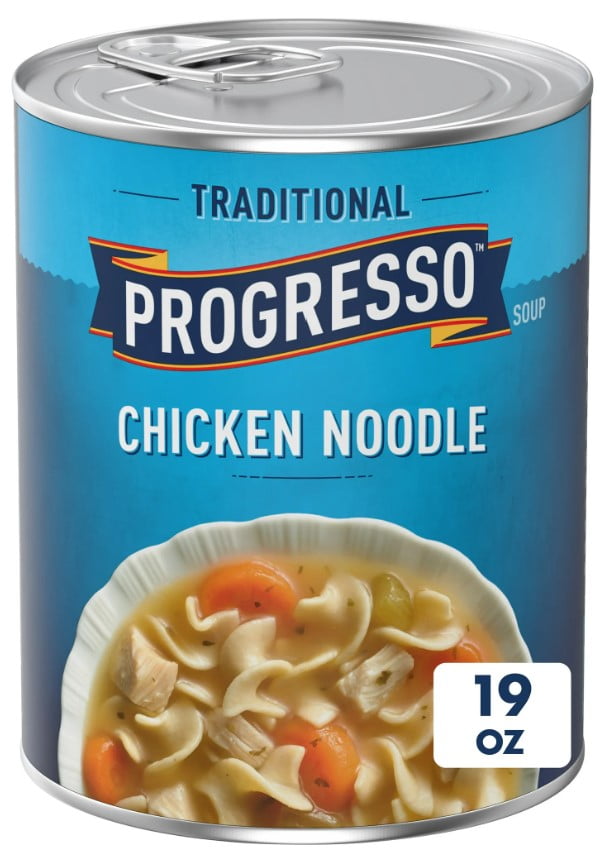
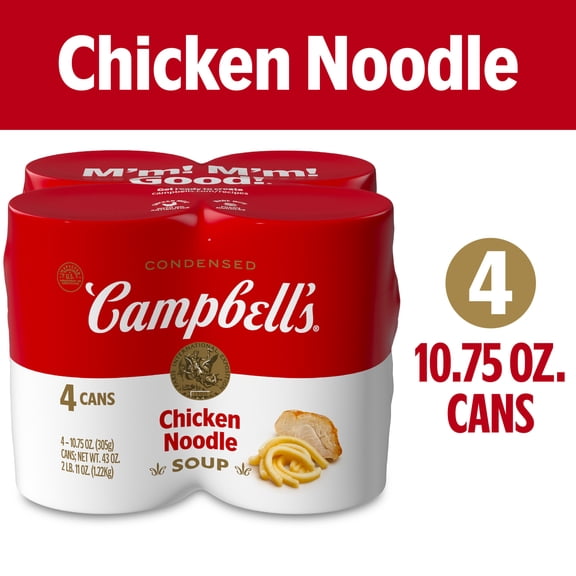
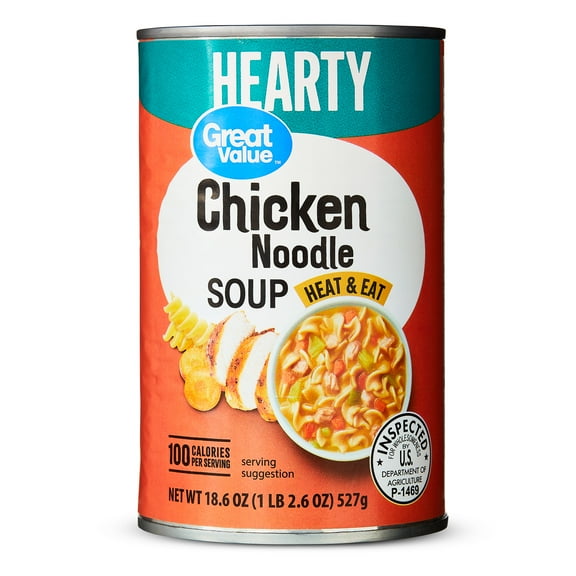
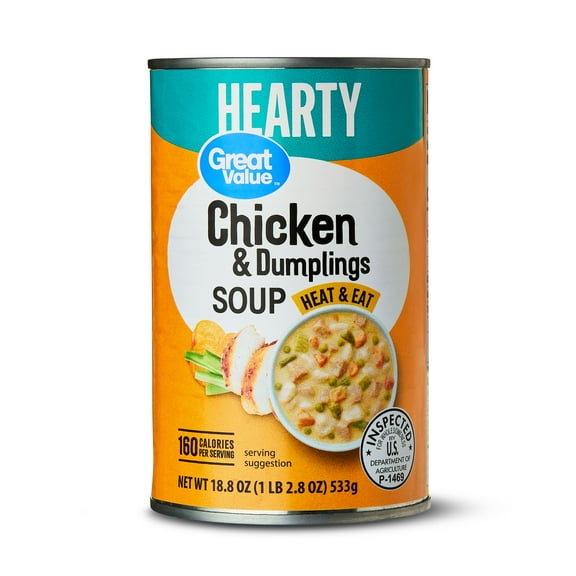
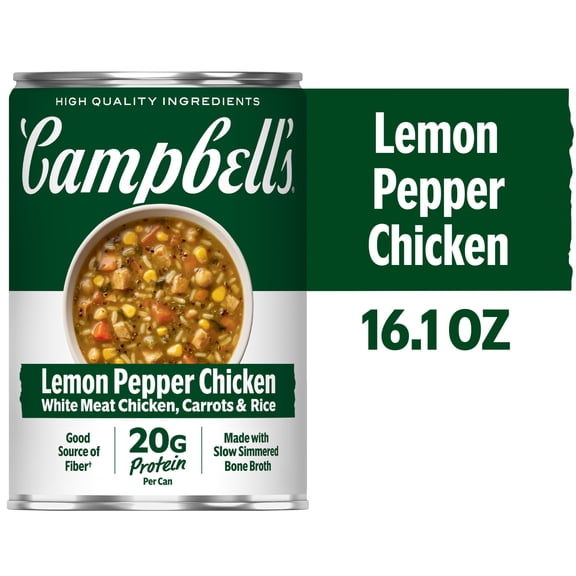
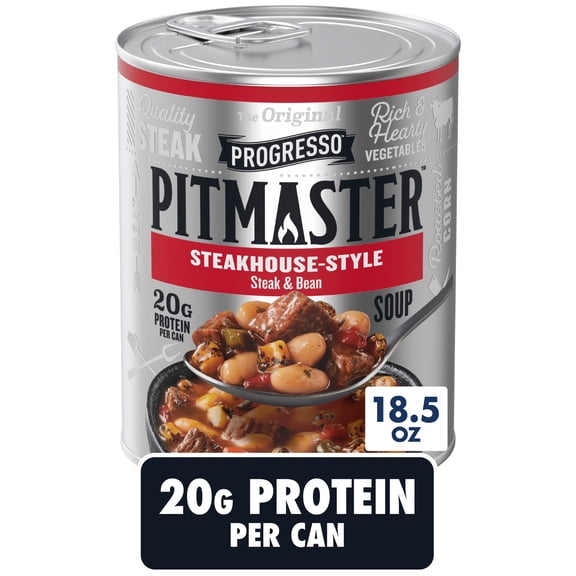
Canned soup gives you dependable pantry storage and familiar flavors for everyday meals. You can keep chicken noodle soup, tomato soup, or vegetable soup on hand for quick lunch ideas.
- You can use ready-to-serve options when you want straightforward heating and serving.
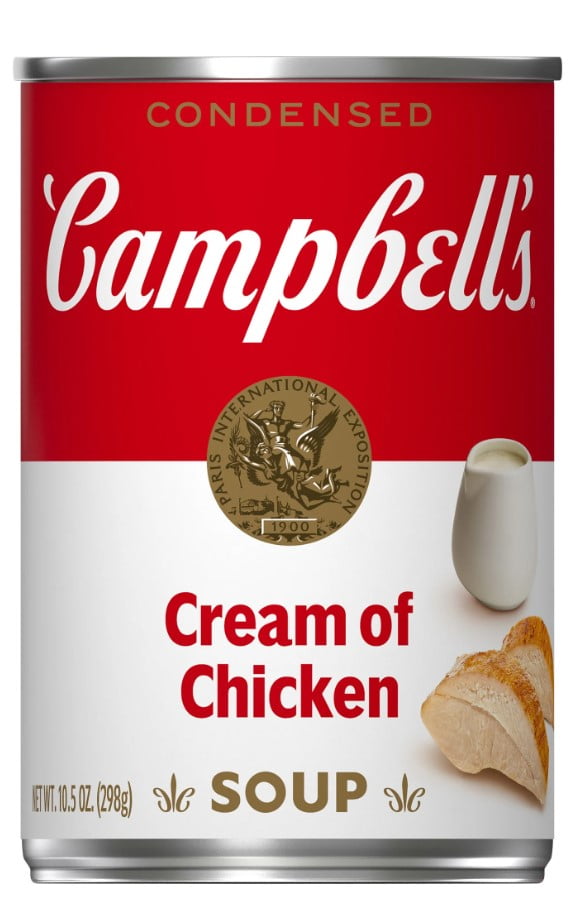
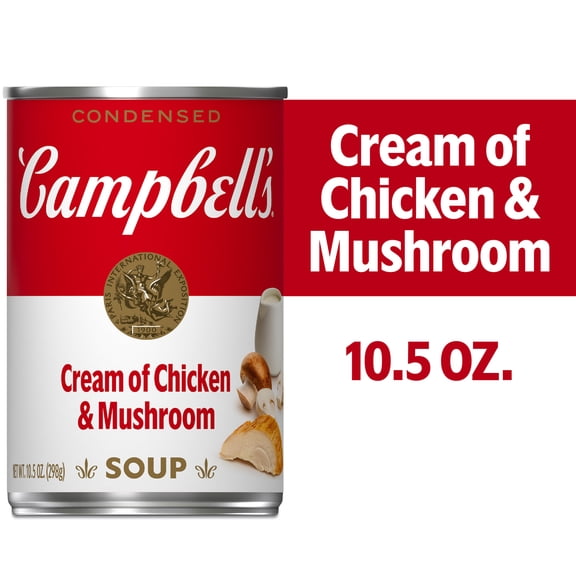
- You can pick condensed soup when you want a cooking base for casseroles, sauces, or customized bowls.
- You can choose dry mix when you want compact storage and flexible pantry organization.
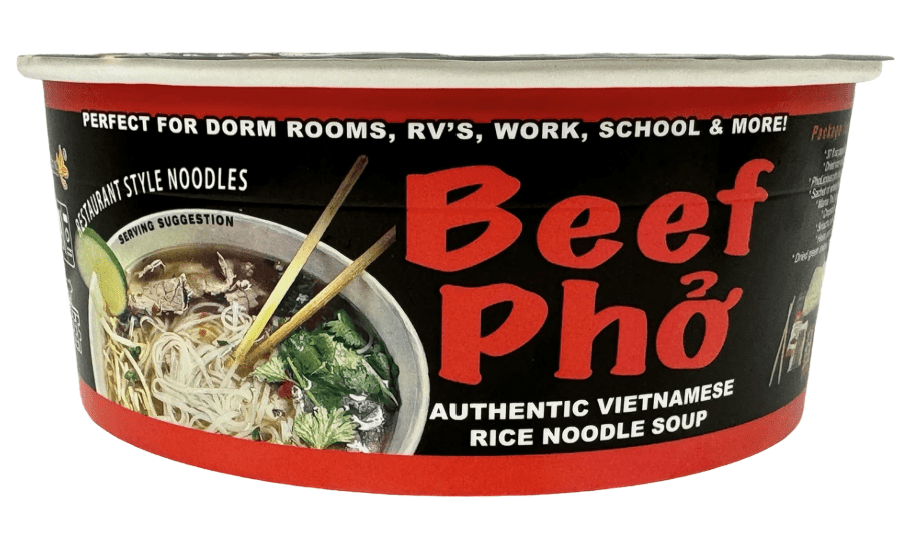
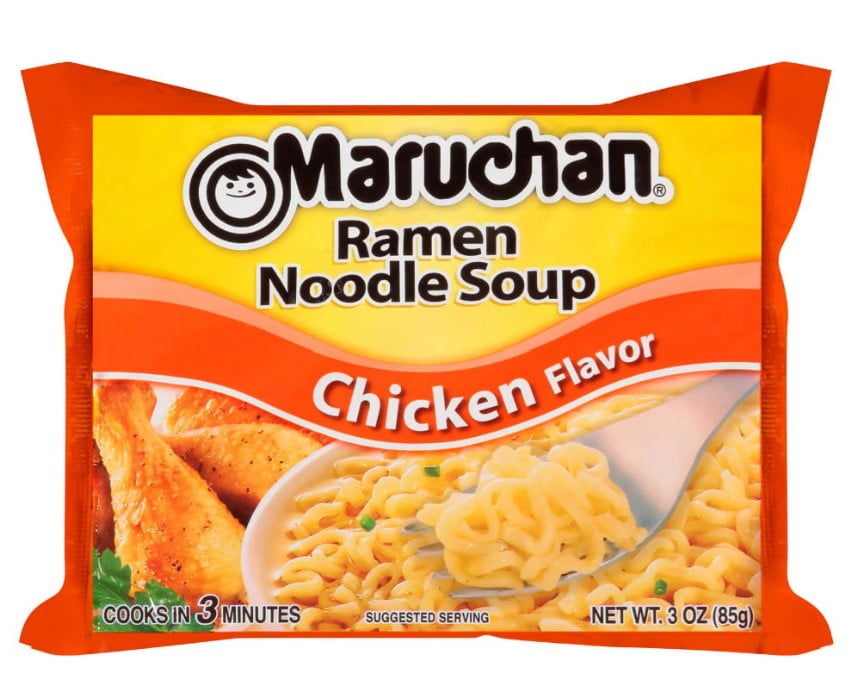
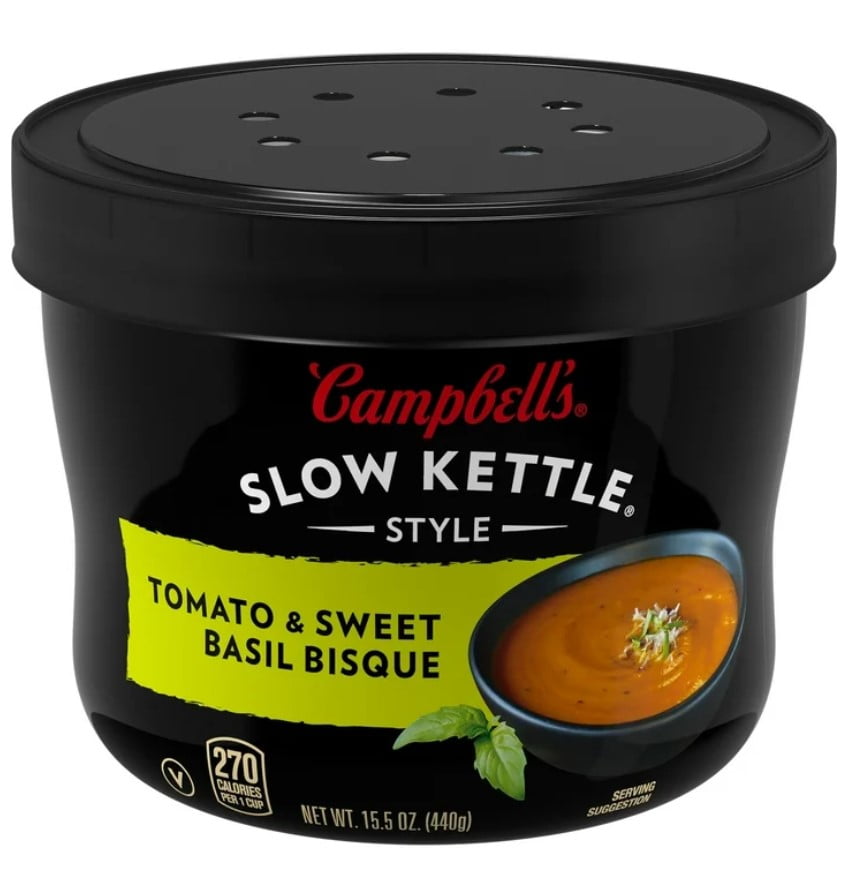
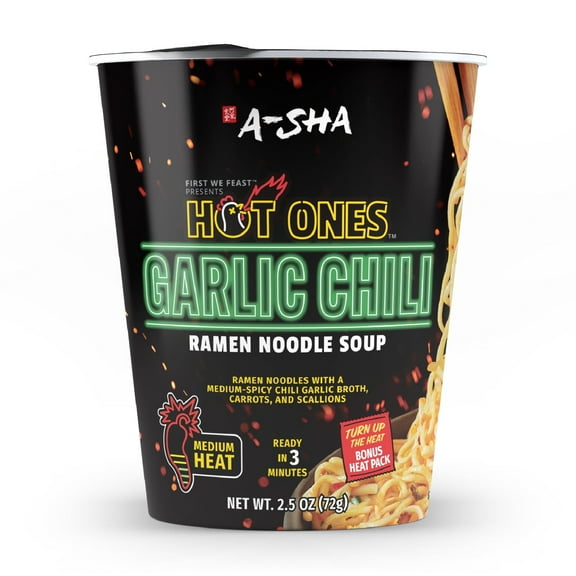
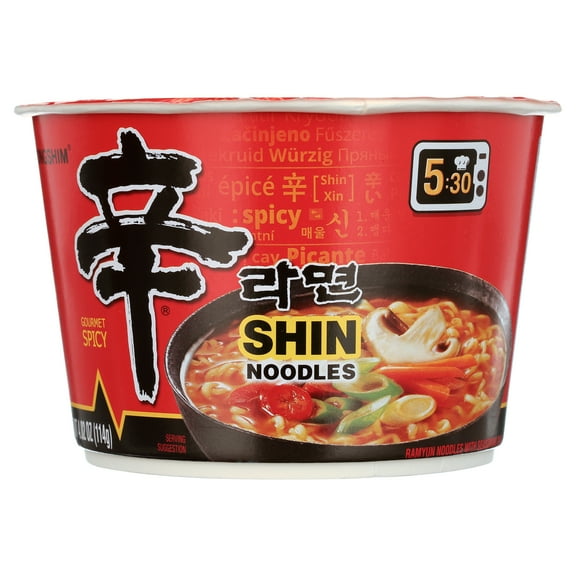
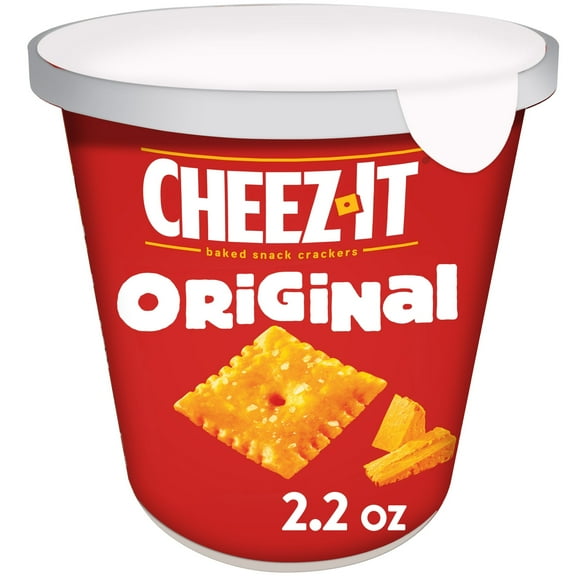
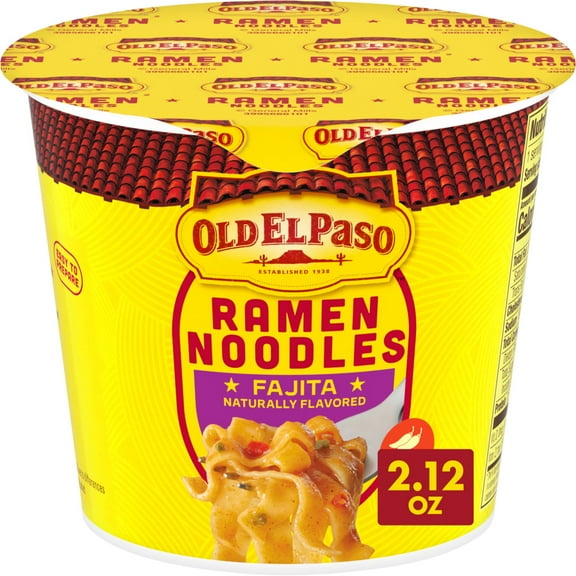
- You can reach for an instant soup cup when you want a quick desk lunch or travel-friendly meal.
You can compare can, carton, cup, and pouch packaging based on shelf space and serving needs. You can stack cans neatly, while cups and pouches fit easily into lunch bags or office drawers.
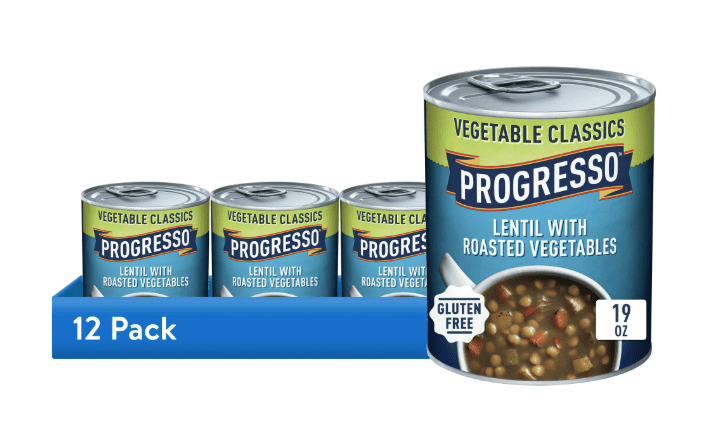
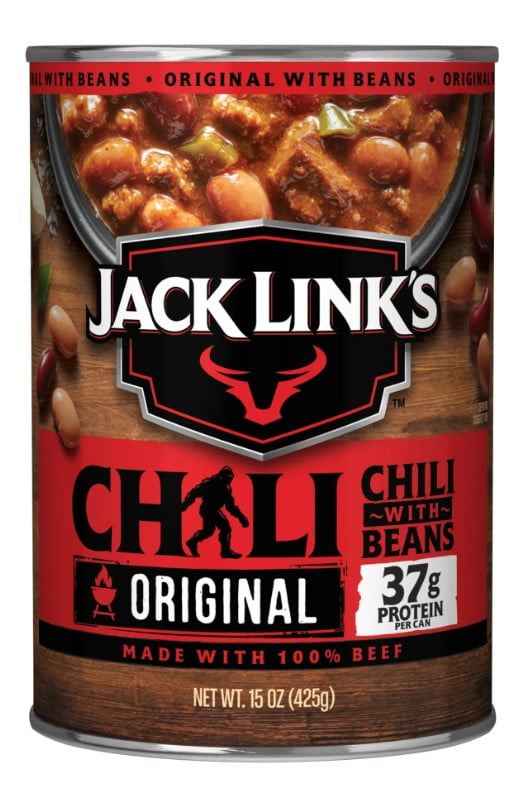
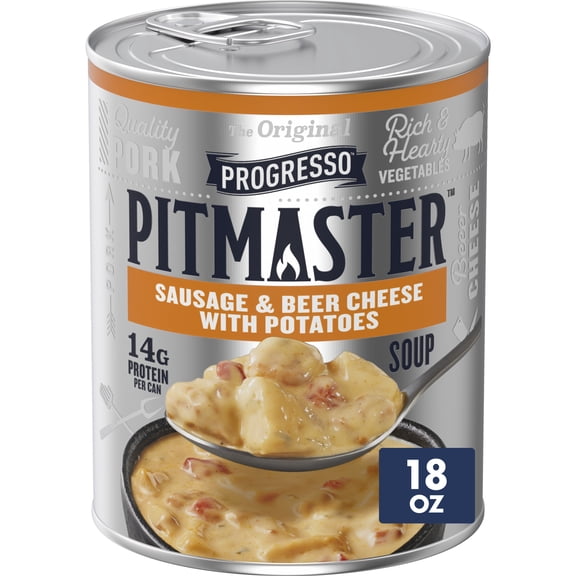
During cooler months, you can look for chili soup, potato soup, or lentil soup to round out your pantry. You can rotate hearty and lighter options, so your meals stay varied without extra planning.
What to look for in dietary soup options
If your household follows specific eating preferences, you can check labels closely before you choose. You can compare low sodium soup, organic soup, gluten-free options, and vegan varieties in a few simple steps.
When sodium content matters, you can compare the milligrams listed on each package. You can use that number to narrow choices that fit your meal planning and flavor preferences.
If you need gluten-free soup, you can look for clear certification or packaging statements. You can also compare ingredient lists when you want extra clarity before stocking your pantry.
Organic soup can fit your ingredient preferences when you want more label transparency in your cart. Vegan varieties can help you build plant-based lunches, sides, or simple dinners with familiar flavors.
Choosing chicken noodle soup and other flavors
Flavor matters because you want soup that fits your table and your routine. You can choose classic chicken noodle soup for comfort meals, or you can keep tomato soup ready for sandwich pairings.
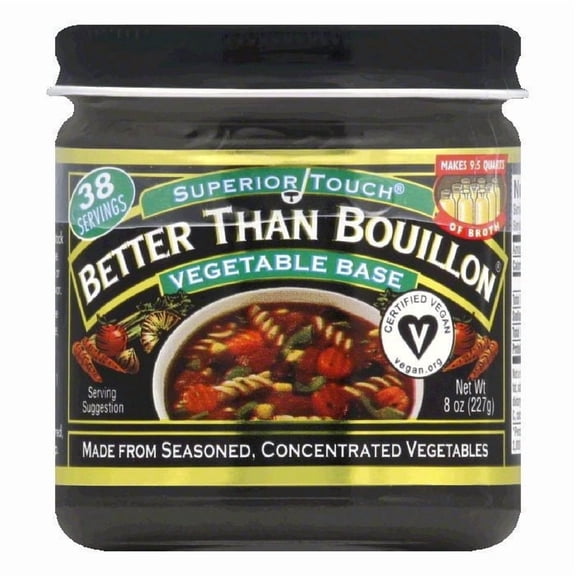
Vegetable soup works well when you want a lighter bowl with mixed ingredients and flexible serving ideas. If you prefer richer textures, you may reach for clam chowder or potato soup during cooler weeks.
You can also keep a mix of everyday and seasonal flavors to cover different appetites. Tomato soup suits quick lunches, while lentil soup or chili soup feels filling at dinner.
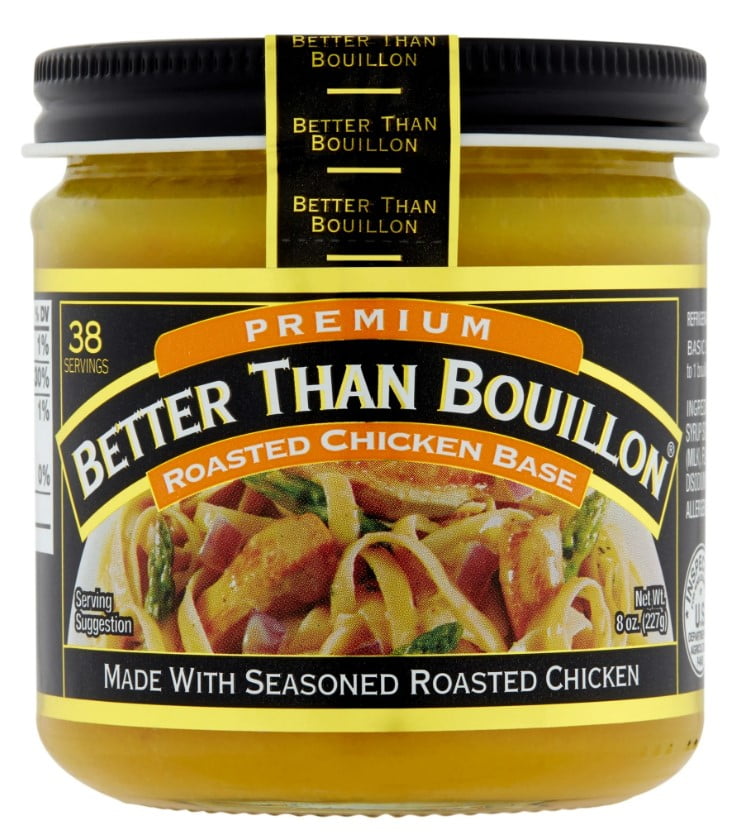
If you cook often, you can choose flavors that support recipes and side dishes too. Condensed tomato or vegetable options can support casseroles, while broth-based varieties can round out simple meals.
Choosing packaging that fits your routine
Your schedule often guides which package style fits your cart and pantry. You can choose cans for pantry storage, cartons for easy pouring, and cups for single-serve convenience.
If you pack lunches, you may prefer an instant soup cup that fits neatly into your workday routine. If you cook for several people, you may want larger cartons or multiple cans for easy portion planning.
You can also consider where each format will sit before you choose. Cans stack efficiently, while pouches and cups can help you use narrow pantry spots or desk storage.
When you compare soup by type, diet, flavor, and packaging, you can build a pantry that supports everyday meals. You can end with versatile options that make lunch, dinner, and recipe prep easier.