

Soldering in Metal Working & Cutting Tools




















About Soldering in Metal Working & Cutting Tools - Walmart.com
Soldering tools help you handle precise joins, repairs, and builds across electronics, jewelry, stained glass, and wiring tasks. You can compare irons, stations, guns, and torches here, so your setup matches your materials and your workspace.
If you're replacing a worn tool or building a first kit, you need clear differences that matter in real use. You'll find guidance on wattage, temperature control, power source, and accessories that support steady, accurate work.
How to choose soldering tools by tool type
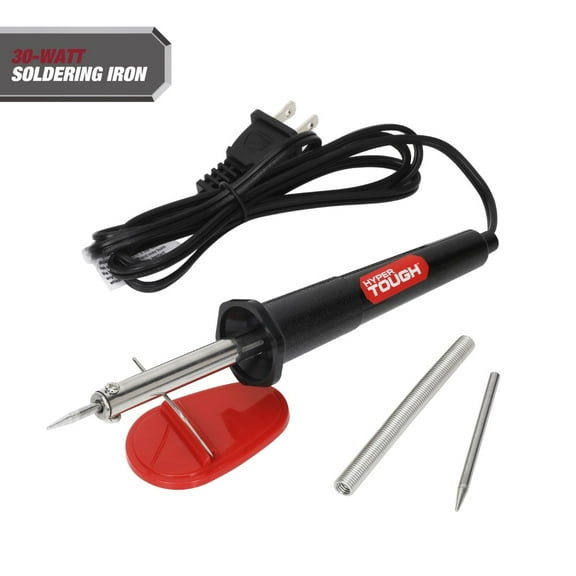
Your first decision is tool type, because each format supports a different style of work. You may prefer a soldering iron for small circuits, while your larger connectors may call for a soldering gun.
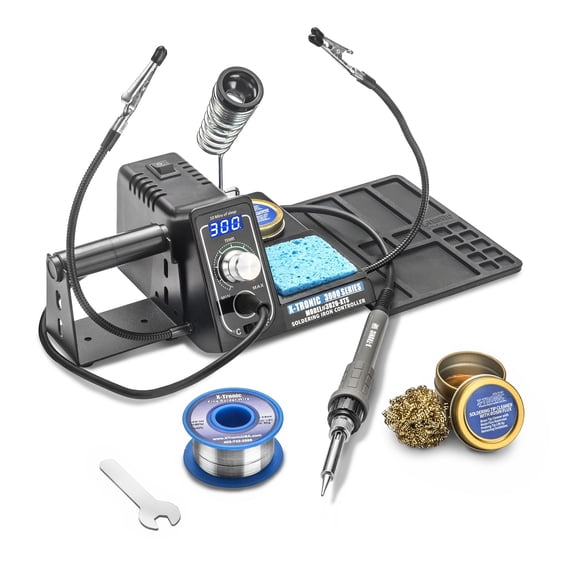
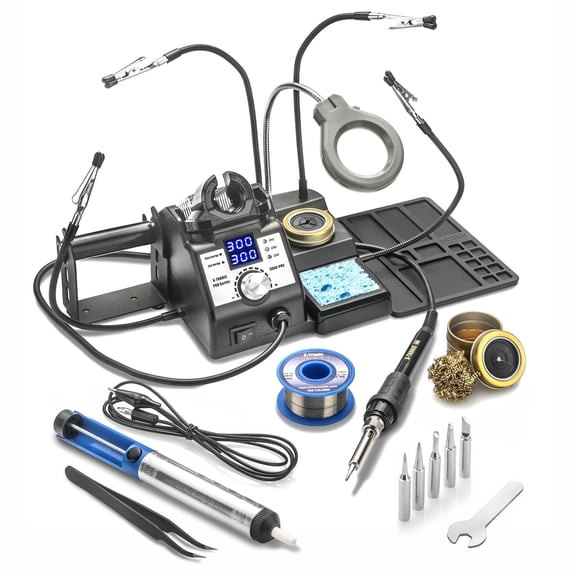
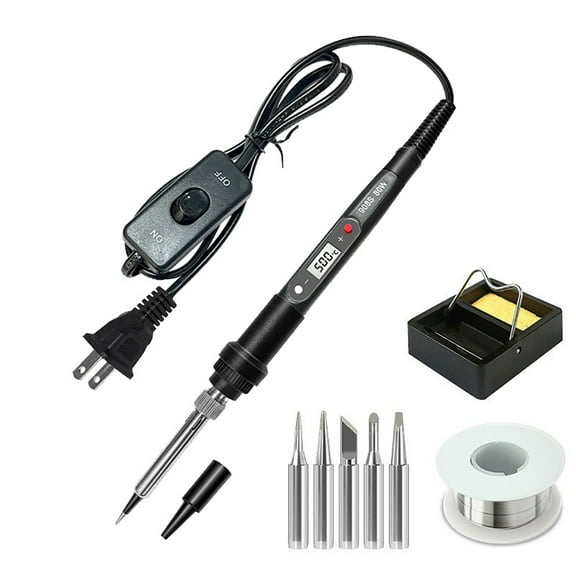
A soldering station gives you a base unit and a handpiece, which helps you manage settings at the bench. You can use adjustable controls and, on some models, a digital display for repeatable heat.
If you need portable heat away from an outlet, you may compare a soldering torch or a cordless option. You can use those formats for field repairs, stained glass, or quick jobs around a vehicle.
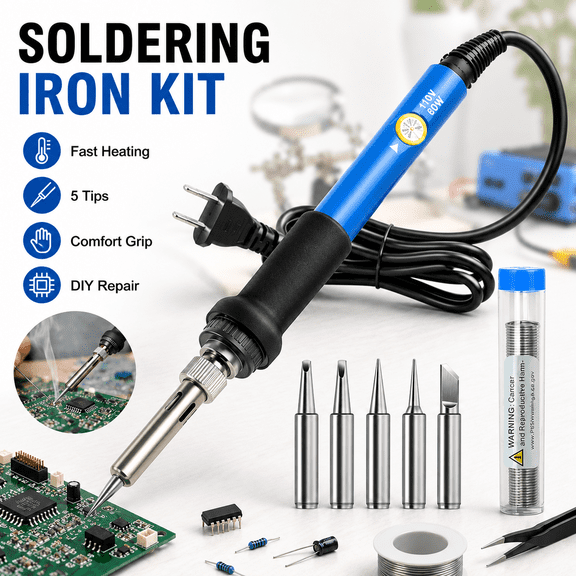
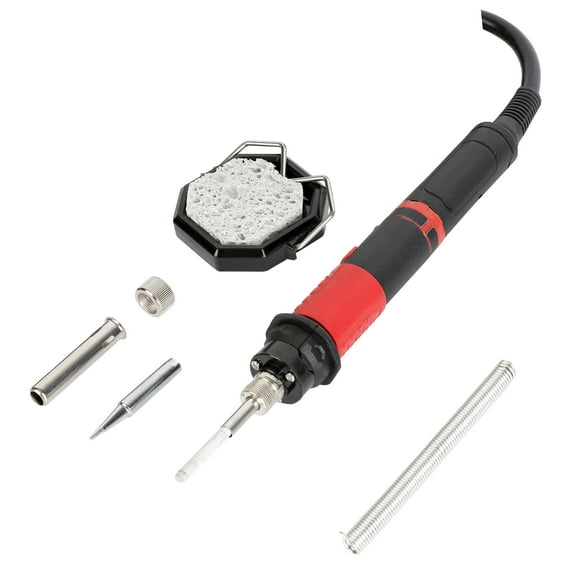
- You can choose a soldering iron for circuit boards, wire splices, and detailed hobby work.
- You can choose a soldering station when your projects need steady settings and longer bench sessions.
- You can choose a soldering gun when your connectors, heavier wire, or larger joints need faster heat.
- You can choose a soldering torch when your work calls for portable heat and versatile fuel options.
What to look for in wattage and temperature control
You should compare wattage first, because wattage affects how quickly your tip reaches working heat. You may want lower wattage for delicate electronics and higher wattage for thicker wire or larger connections.
Adjustable temperature gives you more control when your projects vary from tiny boards to stained glass seams. You can dial heat up or down instead of forcing one fixed setting onto every task.
A fixed temperature tool can still fit simple jobs, especially when your tasks stay consistent from one project to the next. You should check whether your materials and solder type match that heat level.
If you want clear feedback, you may look for a soldering station with a digital display. You can monitor settings more easily and return to familiar temperatures during repeated repairs or assembly work.
Choosing power source and kit contents
Your workspace should guide your power choice, because corded electric tools support longer sessions without charging or refueling. You may prefer corded models when your bench setup stays in one place.
Battery-powered options help you move around cabinets, vehicles, and job sites with fewer setup steps. You should compare run time and charging needs if your work happens away from a bench.
Butane powered tools give you another portable path when you need freedom from cords and outlets. You can keep moving through stained glass or automotive wiring tasks without reaching for an extension cord.
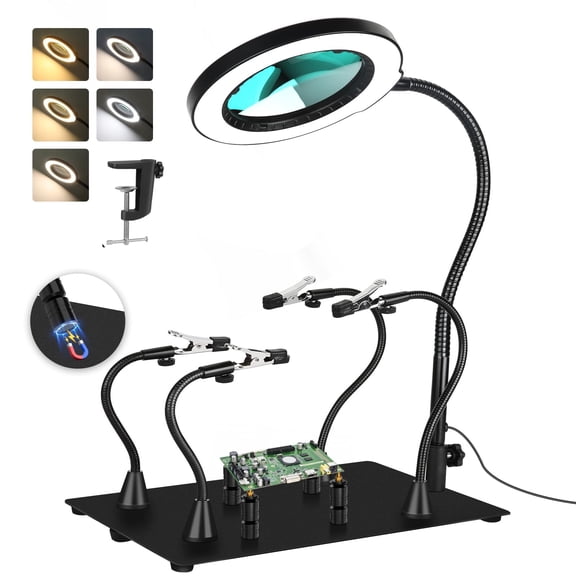
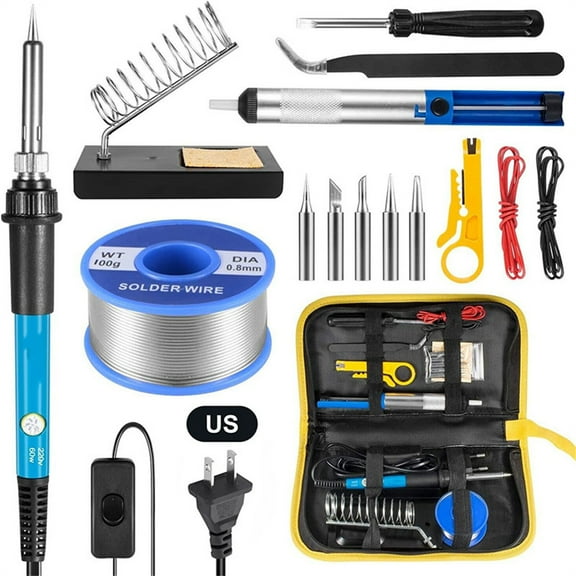
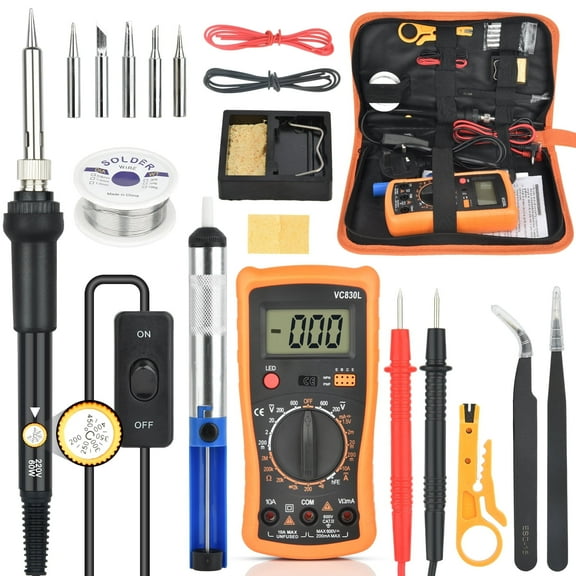
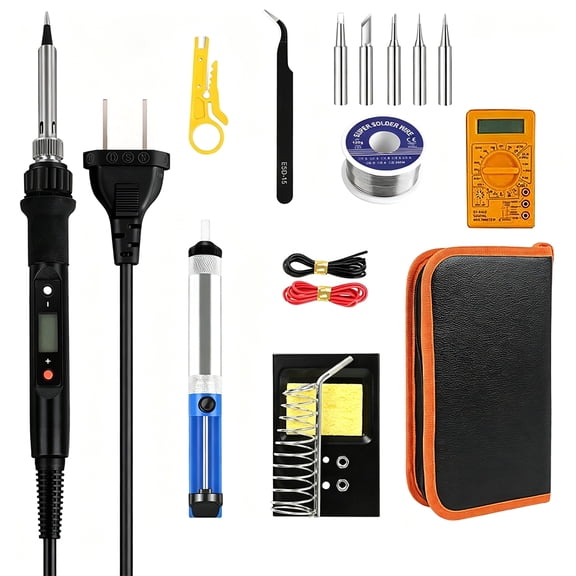
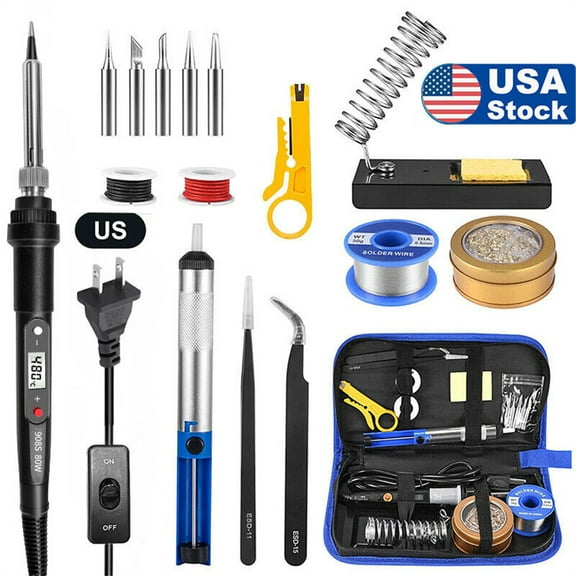
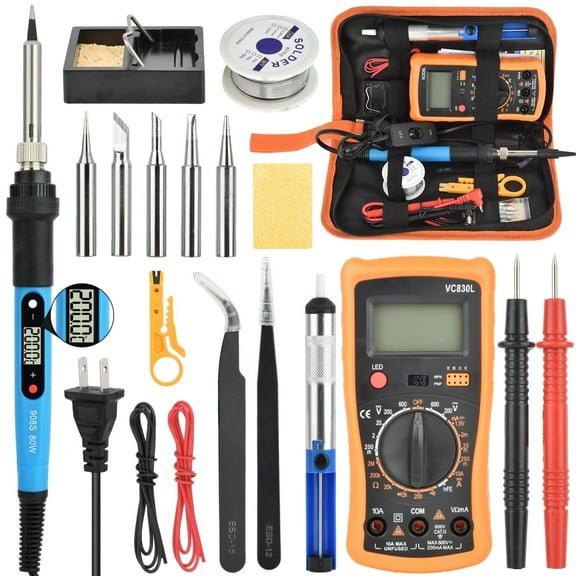
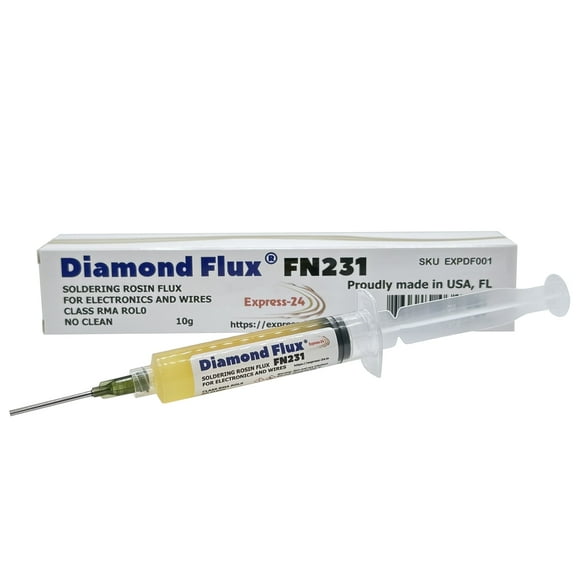
If you're weighing a soldering iron kit against a single tool, you should check what comes in the box. You may want a soldering iron stand, soldering wire, solder wire, and soldering flux for a more complete start.
A kit can simplify setup when you don't want to gather essentials piece by piece. You can start with matched accessories that support cleaner organization and smoother project flow.
Matching your soldering tools to your application
Your application matters as much as your tool choice, because different materials respond differently to heat and tip size. You should match your setup to the work instead of forcing one tool into every job.
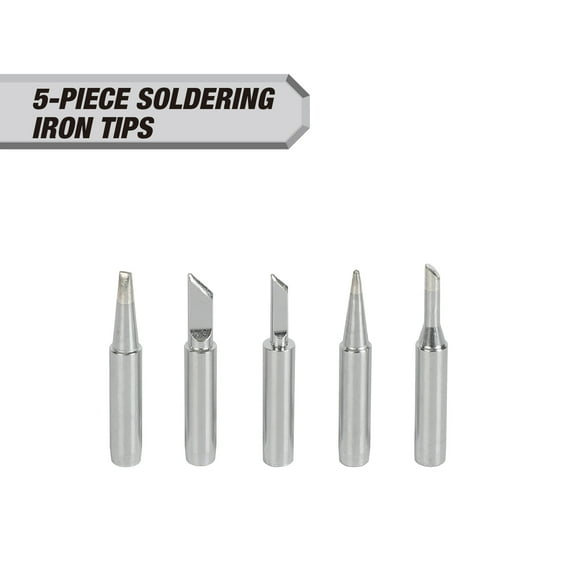
For electronics repair, you may look for finer tips, controlled heat, and a station format. You can work around circuit boards and small connections with more precision and consistency.
For jewelry making, you may compare compact tools and portable options that fit detailed bench work. You should check how easily your tool handles delicate parts and short, controlled heating cycles.
For stained glass, you may want steady heat and comfortable handling across longer seams. You can compare stations, irons, and torch formats based on how you arrange your pieces and workspace.
For automotive wiring, you may need quick heat recovery and mobility around tight spaces. You can compare a soldering gun, cordless model, or butane powered tool for practical reach and convenience.
If your projects change often, versatile soldering tools can help you move between hobby tasks and repair jobs. You should compare temperature range, portability, and accessory support before choosing your setup.
Why the right setup supports cleaner results
Your results often improve when your tool, power source, and accessories match the task from the start. You can work with steadier heat, more control, and fewer interruptions during assembly or repair.
With the right soldering tools, you can build a setup that fits your materials, your pace, and your workspace. You get a clearer path to precise joins and more confident project work.