

Singer Sewing Machines and Accessories


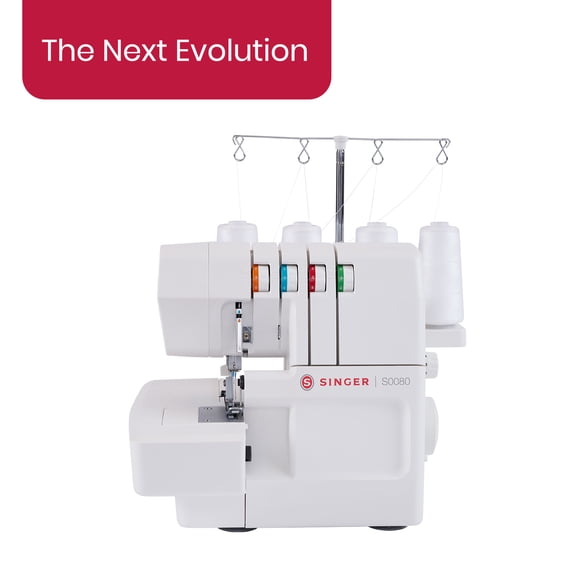
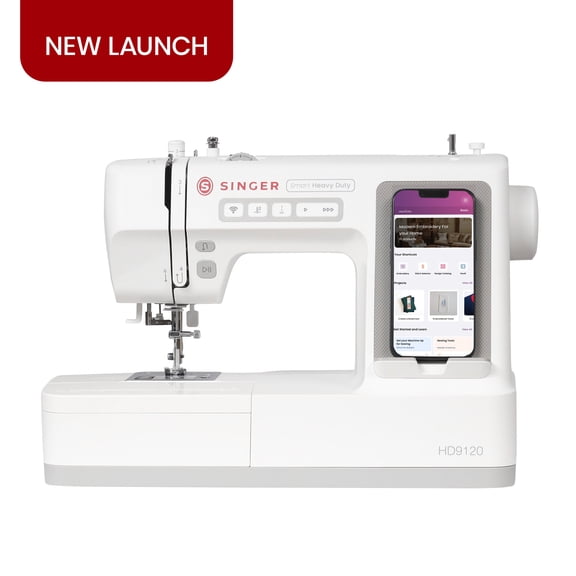
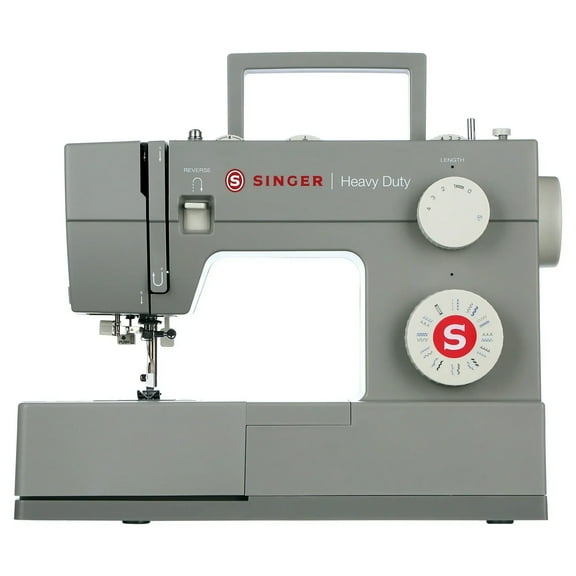
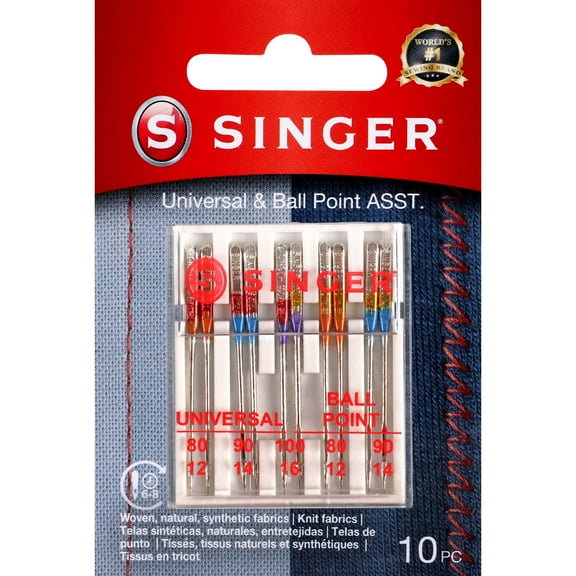
















About Singer Sewing Machines and Accessories - Walmart.com
Camping tents help you create a dependable base camp with the right space, setup type, and weather coverage. You can compare capacity, packed size, and tent style to match weekend trips, family campouts, or trail nights.
How to choose camping tents for your trip
You should start with how you'll travel and where you'll sleep. If you'll drive to camp, you can consider taller designs and larger footprints.
When you'll hike with your gear, you should check packed weight and folded size first. You can keep your load easier to carry with streamlined backpacking shapes.
You should also compare interior layout before you decide on a shelter. A taller peak helps you move around easier, while a wider floor gives your sleep setup more room.
Choosing the right capacity
You should match capacity to your real sleeping space, not only the package label. If you want extra elbow room, you may size up by one category.
A 2-person tent works when you want lighter carry and a smaller campsite footprint. A 4 person tent gives you room for family trips, extra bags, or wider sleep pads.
If you'll camp with kids or want standing space, you can compare 6-person and 8-person+ options. You may find larger layouts easier for air mattresses, duffels, and changing clothes.
- You can choose 2-person tents when your trip calls for lighter packed weight and smaller storage size.
- You can choose a 4 person tent when you want a balanced mix of space and portability.
- You can choose 6-person or 8-person+ tents when your campsite needs room for families and extra gear.
Comparing setup types, including pop up tents
You should think about setup time before you head to the campground. If you arrive late or move camps often, you may prefer simpler frame designs.
With pop up tents, you can get a faster start and fewer loose parts to manage. You may like them for festivals, quick overnights, and short weekend stays.
Instant designs help you raise the frame quickly with fewer steps. Traditional pole tents give you familiar structure and broad style options when you don't mind more hands-on setup.
Understanding tent styles and packed size
You can compare dome, cabin, tunnel, and backpacking designs by the way you'll actually use them. Each shape changes headroom, floor plan, and carry convenience.
Dome tents help you keep a balanced footprint and straightforward pitch on many campsites. Cabin tents give you taller walls, which can make cots and standing space easier to use.
Tunnel tents can give you long sleeping space and efficient layouts for extended stays. Backpacking styles focus on lower packed weight and smaller storage size for trail travel.
You should measure your vehicle space or hiking load before you choose a larger shelter. A roomy tent may feel practical, but your packed size still needs to fit your trip.
Checking weather resistance and rain coverage
You should compare weather details closely when wet forecasts are possible. Waterproof tents for camping often include coated fabric, taped seams, and a rainfly for extra coverage.
A 3-season design can suit spring, summer, and fall trips with changing conditions. A 4-season option handles rougher weather and supports more demanding camping conditions.
You should look for rainfly coverage, floor design, and vent placement together. When you compare those features as a set, you can plan for more comfort during rainy nights.
Wind-resistant construction matters when you'll camp in open areas or shifting weather. You may also want guyline points and a shape that handles gusts with less fuss.
Matching camping tents to real use cases
You can narrow your options faster when you match features to your trip type. A car camping weekend often works well with cabin tents, taller ceilings, and larger capacities.
If you'll camp with a partner and carry your shelter farther, you may want a lighter dome or backpacking tent. You can keep transport and setup simpler with a smaller packed profile.
For family campsites, you may prioritize room dividers, broad floors, and a 4 person tent or larger. You can create more usable sleeping space when everyone has room for bags.
If your trip includes quick arrivals and short stays, you may prefer instant or pop up tents. You can spend less time on setup and more time getting settled before dark.
When forecasts look wet, you should focus on waterproof coverage and full rainfly protection. You can also compare vestibule space if you'll want a covered spot for shoes and gear.
You can complete your campsite more easily when you pair your shelter with sleeping bags, camping chairs, and air mattresses. Your setup feels more organized when each piece fits your tent size.
You can choose camping tents with more confidence when you compare capacity, setup type, weather coverage, and packed size together. That approach helps you land on a shelter that fits your trip from packing through bedtime.