

Shooting
Shop by category








FAQ
About Shooting - Walmart.com
You can compare sports shooting supplies by activity, protection, and storage needs before you choose gear for practice days or range organization. You’ll find this category covers targets, eye and ear protection, cleaning kits, and carry solutions for disciplined sport use.
When you shop this category, you usually need more than one item to complete your setup. You can build a practical kit that supports target sessions, clay shooting days, hunting prep, and organized transport.
How to choose sports shooting supplies
You should start with the equipment type that matches your routine. Your list may include targets for repetition, safety glasses for visibility, ear muffs for sound reduction, cleaning kits for upkeep, and gear bags for transport.
If you practice often, you’ll want supplies that work together without guesswork. You can pair paper targets with a cleaning kit, or add a gear bag that keeps smaller tools sorted.
- You can use targets to track groups, sighting changes, and session goals.
- You can choose safety glasses and ear muffs that match your protection preferences.
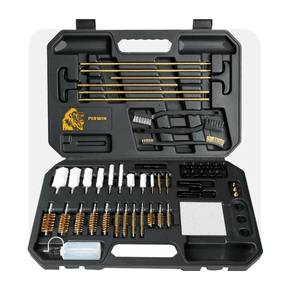
- You can keep rods, patches, brushes, and bottles together with cleaning kits.
- You can carry sport shooting accessories in gear bags with dedicated pockets.
Your setup also becomes easier to manage when each item has a clear role. You’ll spend less time sorting loose accessories and more time focusing on consistent practice routines.
Choosing the right shooting equipment
You should compare shooting equipment by activity before you narrow your options. Your target practice needs often differ from clay shooting, hunting preparation, or tactical training sessions.
For target practice, you may want paper targets for simple setup and quick replacement. You can also choose steel targets when your range allows them and you want audible feedback.
During clay shooting preparation, you’ll likely focus on eye and ear protection first. Your accessories may also include bags that keep glasses, shells, and small tools separated.
For hunting preparation, you may prefer compact cleaning kits and durable carry storage. You can keep your field essentials organized with gear bags built for repeated transport.
With tactical training, you may look for fast-access organization and dependable protective gear. Your shooting sports equipment should support repeated sessions, movement, and easy packing between drills.
What to look for in protection levels
You should check technical ratings when you choose hearing and eye protection. Your decision may center on NRR 22dB, NRR 30dB, or ANSI Z87.1 certified eyewear.
If you choose ear muffs with NRR 22dB, you get a lighter level of sound reduction for many range setups. You may prefer NRR 30dB when your environment calls for stronger noise reduction.
When you compare safety glasses, you’ll want to look for ANSI Z87.1 certified options. That standard helps you identify eyewear made for impact-tested use in shooting environments.
You should also think about fit, not just ratings. Your glasses need clear visibility, and your ear muffs should sit securely with your usual headwear.
Comparing materials for indoor and outdoor use
You can learn a lot from the material before you choose shooting accessories. Your indoor and outdoor routines often call for different target surfaces and storage fabrics.
If you want simple replacement and easy scoring, you may choose paper targets. You can select steel targets when you need a durable option for repeated outdoor sessions.
For storage, you may see neoprene details that add soft-touch protection around selected gear. You can also choose ballistic nylon when you want a tougher exterior for transport.
Your material choice affects daily handling as much as long-term wear. You’ll notice that outdoor kits often benefit from sturdier bag fabrics and more durable target options.
Matching shooting sports equipment to your routine
You can narrow shooting sports equipment faster when you match it to your actual schedule. Your weekly range trips, seasonal hunting prep, or club practice sessions each shape the right mix.
If you visit an indoor range, you may focus on paper targets, compact bags, and protective gear. You can keep your routine efficient with accessories that pack quickly and store neatly.
For outdoor sessions, you may need sturdier materials and more organized storage. Your sport shooting accessories can include steel targets, ballistic nylon bags, and cleaning tools for dusty conditions.
When you travel between locations, you may want shooting accessories that separate small items clearly. You can keep glasses, ear muffs, patches, and tools easy to find between sessions.
You should also consider firearm or discipline compatibility in plain terms. Your supplies need to fit the way you train, the targets you use, and the gear you carry most often.
Once you compare equipment type, activity, protection level, and material, you can build a more reliable setup. You’ll finish with sports shooting supplies that support organized practice, cleaner storage, and clearer decision-making.