

Sewing Patterns in Sewing
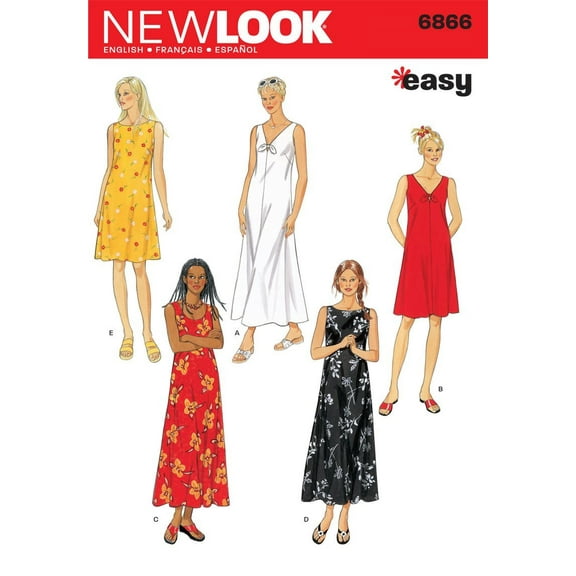

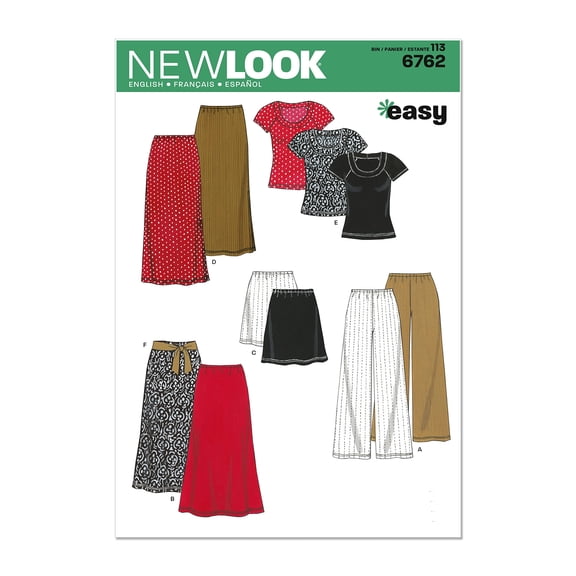

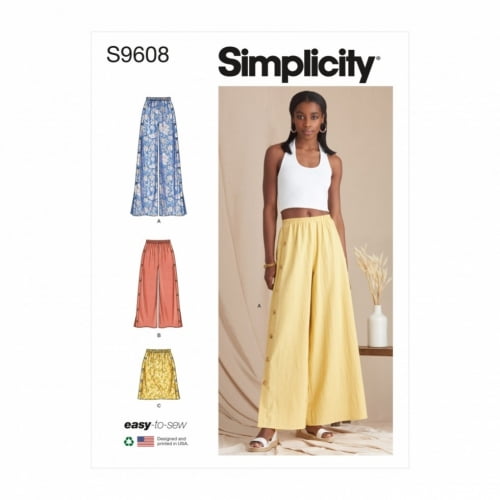
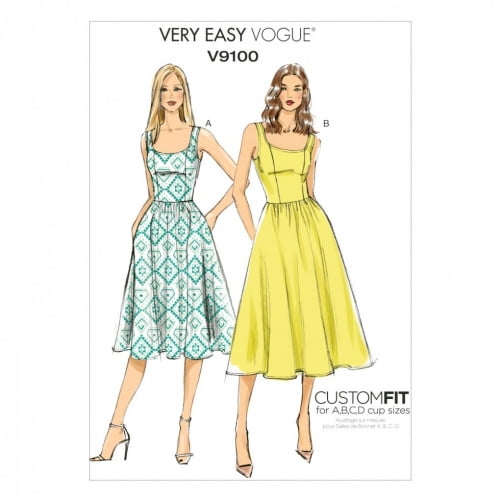


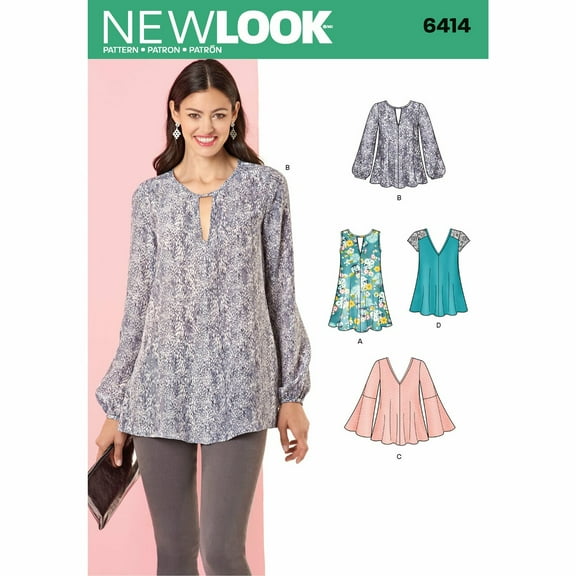


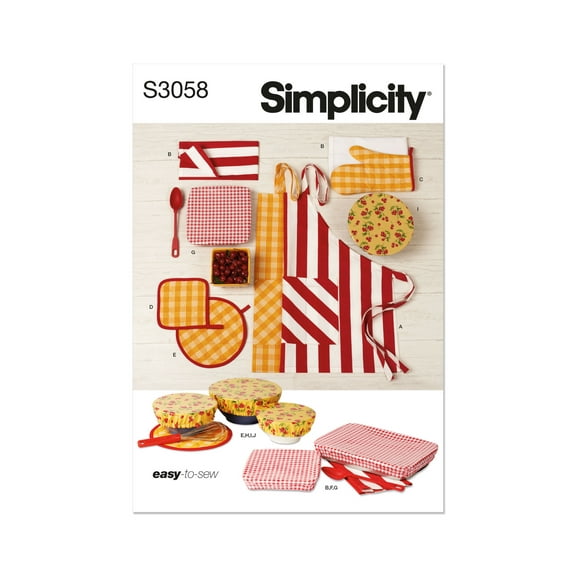

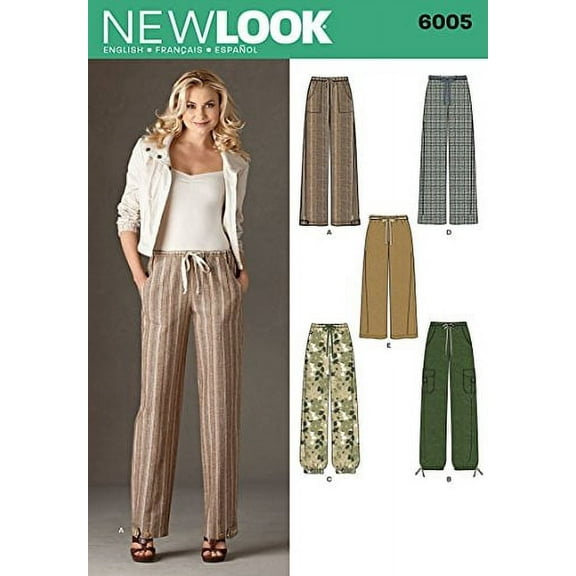

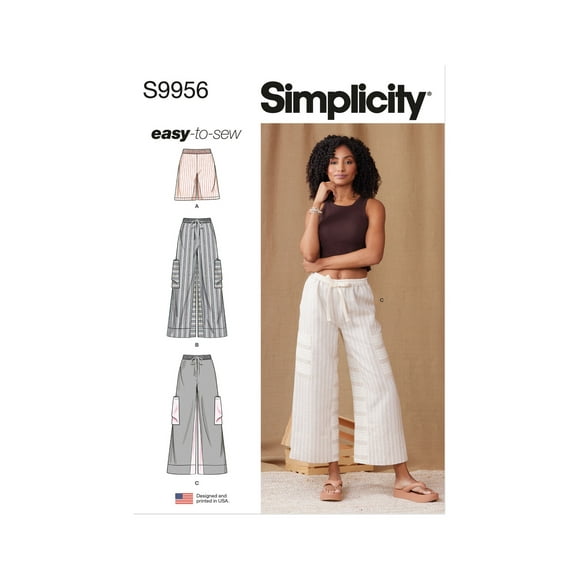

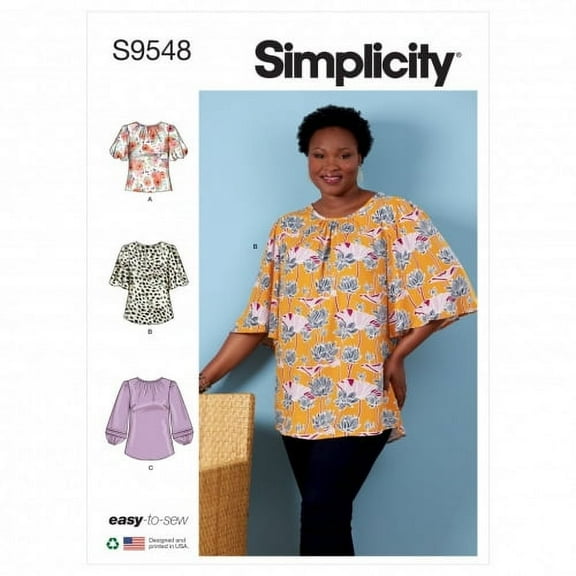
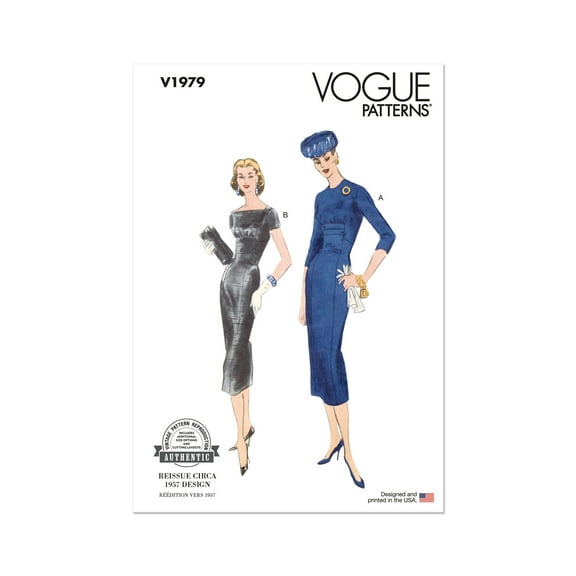
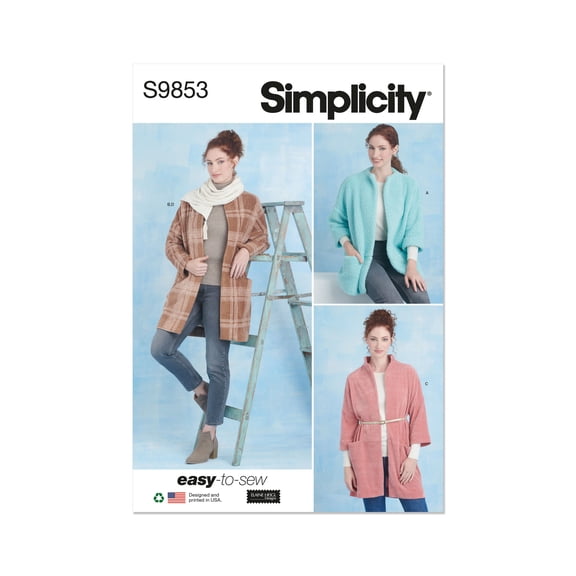
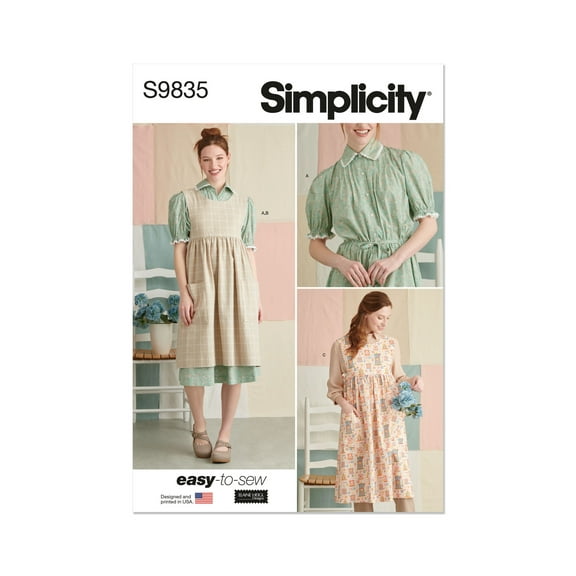



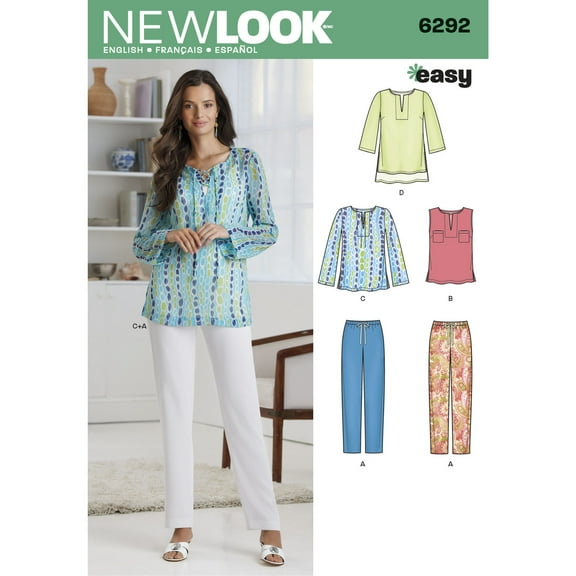
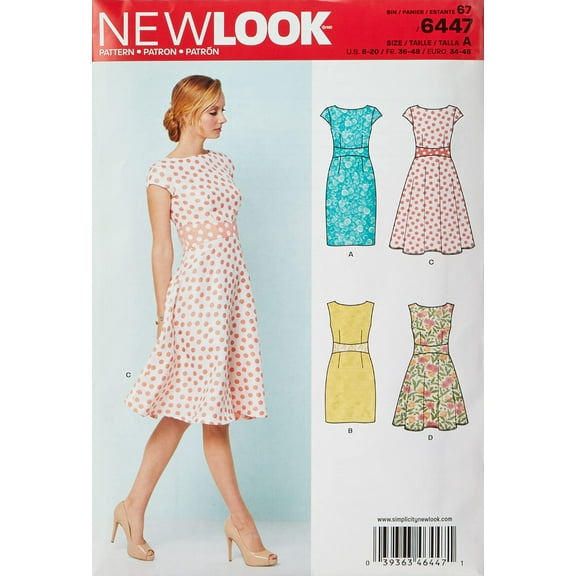
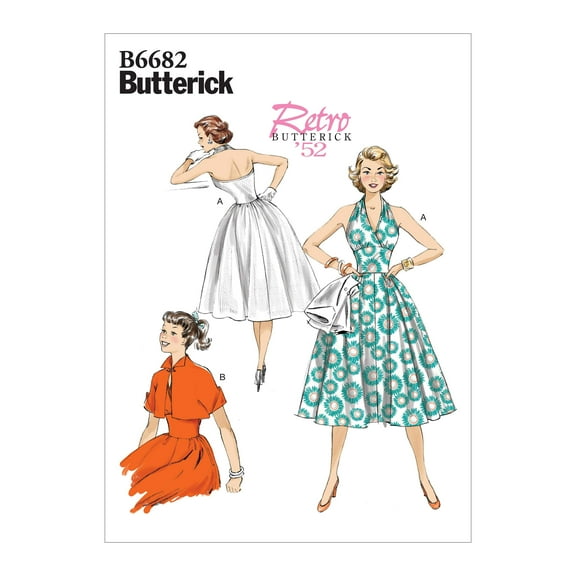


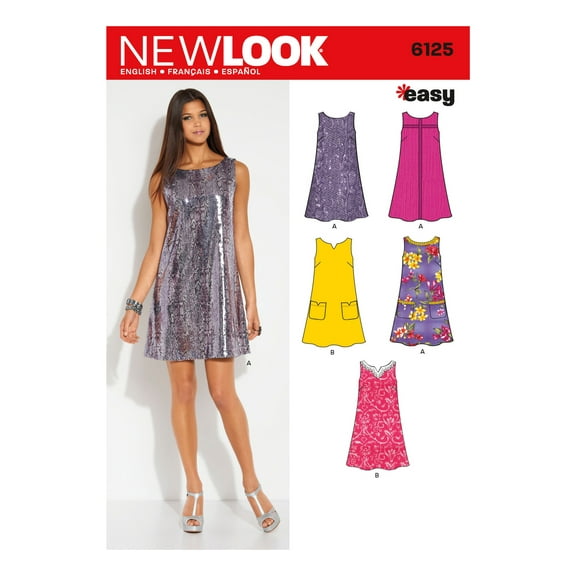
About Sewing Patterns in Sewing - Walmart.com
You can compare sewing patterns by skill level, project type, sizing, and format, so your next project starts with clearer expectations. You’ll also find category guidance that speaks to garments, costumes, crafts, and home decor instead of generic sewing advice.
How to choose sewing patterns for your skill level
If you’re new to sewing, easy sewing patterns usually give you fewer pattern pieces and more detailed instructions. You’ll often find simpler closures, straighter seams, and layouts that feel easier to follow.
When your skills are growing, you may want intermediate or advanced options with shaping, linings, or more fitting steps. You can compare the listed skill level first, so your project matches your time and experience.
You’ll often narrow your options faster by checking a few decision points before you choose. You can use these cues to match the pattern to your project plan.
- You can start with beginner patterns when you want fewer steps and clearer guides.
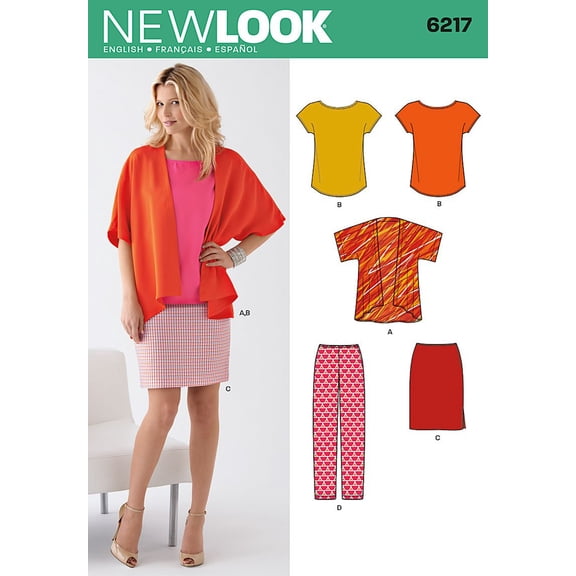
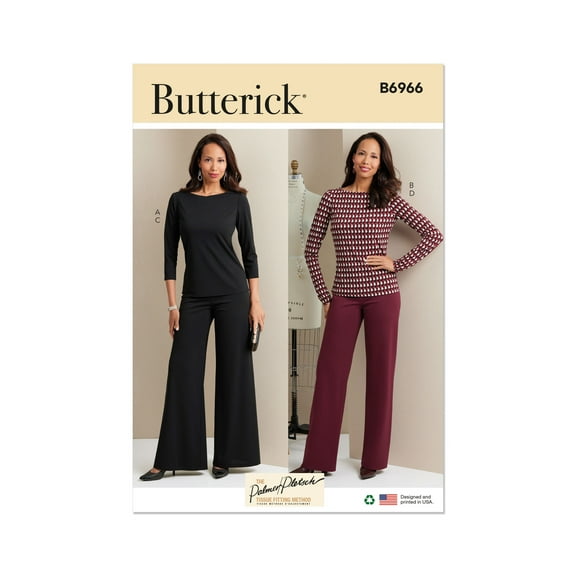
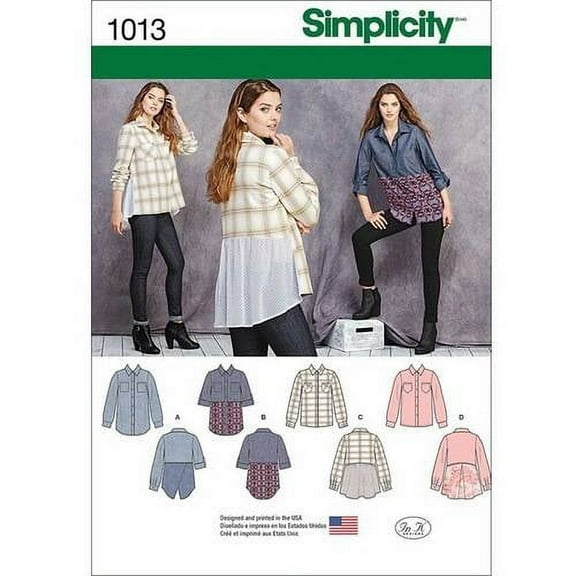
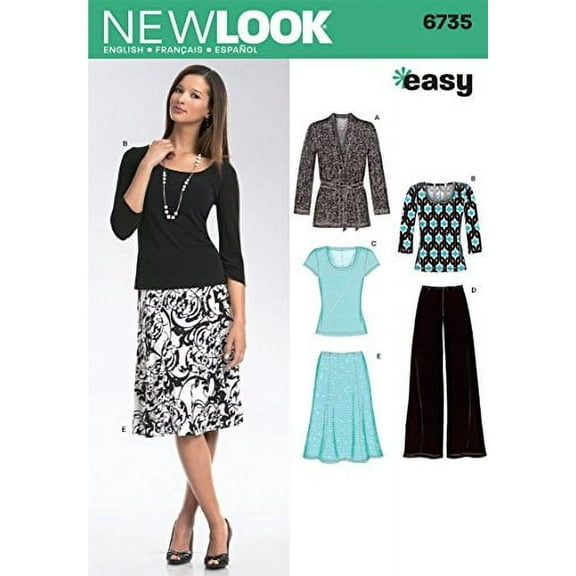
- You can choose clothing patterns when you want garments like tops, skirts, or pants.
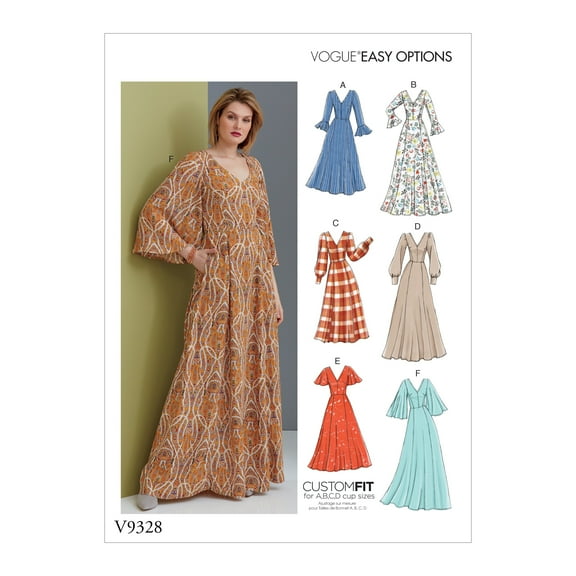
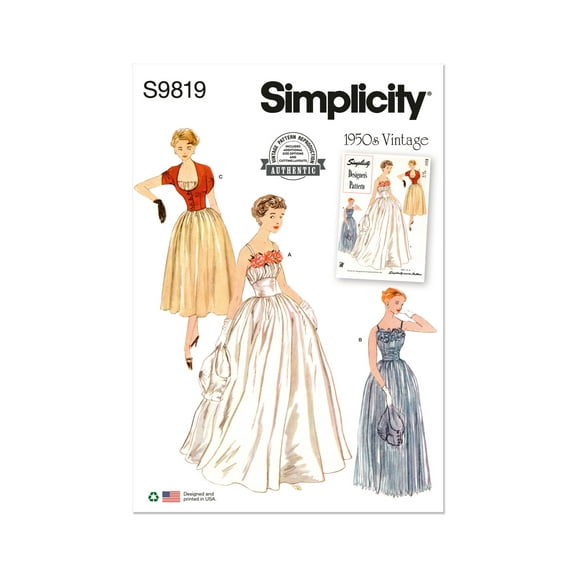
- You can look at dress sewing patterns when you want fitted or flowing silhouettes.
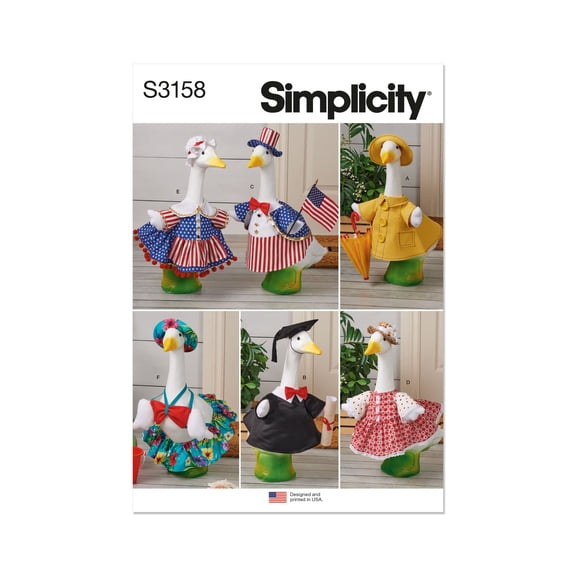
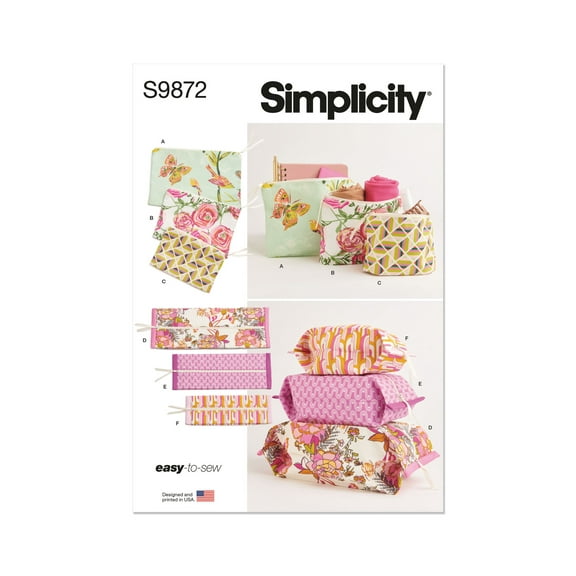
- You can compare costumes, crafts, and home decor patterns for themed or household projects.
- You can review sizing charts, yardage charts, and notion lists before you commit.
Easy sewing patterns for beginners
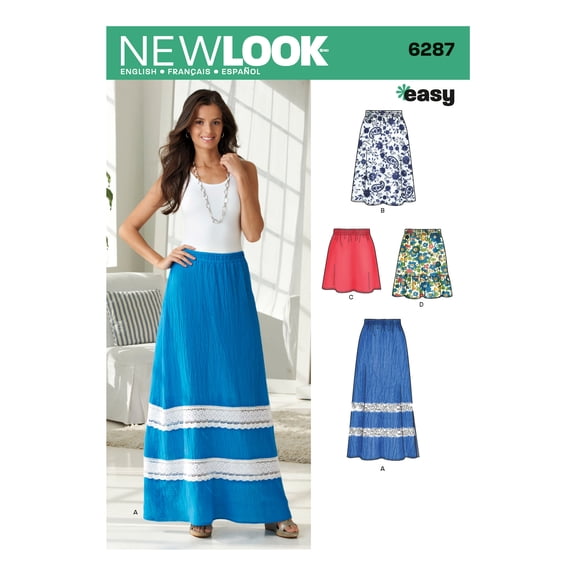
If you want sewing patterns for beginners, you should look for projects with simple construction and limited fitting. You’ll usually feel more comfortable with elastic waists, pull-on shapes, or basic tote and pillow projects.
You can also check whether the instructions break each step into small, visual stages. You’ll appreciate that detail when you’re learning cutting layouts, seam order, and basic finishing.
Some beginner-friendly options also help you practice fabric handling without adding complex design details. You can build confidence with aprons, skirts, simple dresses, or basic home accents.
Choosing the right clothing patterns and project type
You can use pattern type as your next filter after skill level, because each project asks for different materials and sewing steps. You’ll notice clothing patterns focus on fit, while craft patterns often emphasize shape and assembly.
If you want wardrobe projects, you may compare tops, pants, skirts, and dress sewing patterns by silhouette and closure type. You can also sort by costumes when your project needs themed details, trims, or dramatic shapes.
For household projects, you may prefer home decor patterns for curtains, pillows, table linens, or storage pieces. You’ll often find these projects useful when you want straightforward sewing with measurable dimensions.
You can also compare brand names when you already know the instruction style you prefer. If you search simplicity sewing patterns, you may be looking for a familiar layout and recognizable category assortment.
What to look for in pattern sizing and measurements
You should measure your body before choosing a size, because pattern sizing usually differs from standard retail clothing sizes. You can avoid guesswork when you compare your measurements with the chart on the envelope.
If you usually buy one retail size, you may still need a different pattern size for your bust, waist, or hip measurements. You’ll get a more useful starting point when you choose by measurements instead of store labels.
You can also compare sizing ranges like misses, womens, mens, childrens, and unisex before you start. That step helps you focus on patterns built for the fit range you actually need.
When you’re choosing garments, you should also check finished garment measurements if the pattern includes them. You can use that information to judge ease, movement, and how fitted the final project may feel.
Checking fabric, yardage, and notions before you choose
You should read the fabric recommendations carefully, because fabric drape affects how your finished project looks and moves. You’ll usually want softer drape for flowing dresses and firmer fabric for structured shapes.
You can also review the yardage chart before you pick fabric, since width and size selection change how much material you need. That chart helps you plan your project without guessing at cuts.
Notion lists matter too, because your pattern may call for zippers, buttons, elastic, hook-and-eye closures, or interfacing. You can prepare more smoothly when you check those extras before you begin.
If you’re choosing costumes or tailored garments, you may see trims, lining fabric, or specialty closures on the list. You’ll want to compare those requirements early, especially when your project includes more detailed construction.
Comparing paper patterns and digital pattern formats
You can also choose sewing patterns by format, because paper and digital options support different workflows. If you like a ready-to-use packet, you may prefer paper patterns with printed tissue pieces and envelope instructions.
If you want to download and print at home, you may prefer a digital or PDF format. You can check page count, assembly style, and print settings before you start cutting pages.
Paper formats may suit you when you want a physical envelope for storage and repeated reference. Digital formats may suit you when you want quick access and the option to reprint pages.
How your project plans can guide your final choice
If you’re sewing a first garment, you may want easy sewing patterns with simple silhouettes and fewer closures. You’ll usually move through the process with less confusion when the steps stay focused.
When you’re making gifts or seasonal pieces, you may compare crafts, costumes, and home decor patterns by finish time and material list. You can match your project to the supplies and schedule you already have.
If you’re planning a wardrobe update, you may sort clothing patterns by fit type, sleeve style, and sizing range. You’ll find that those details matter more than trend names when you want usable results.
You can shop sewing patterns with more confidence when you compare measurements, fabric guidance, and skill level first. That approach helps your pattern choice fit your project, your materials, and your sewing pace.