

Scrapbooking in Arts Crafts & Sewing







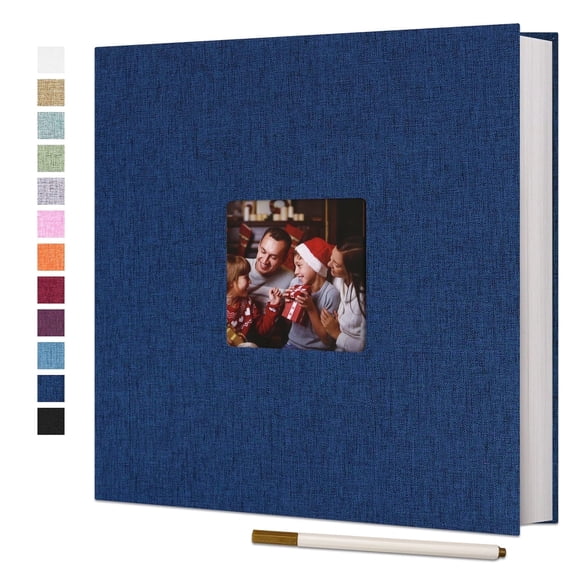


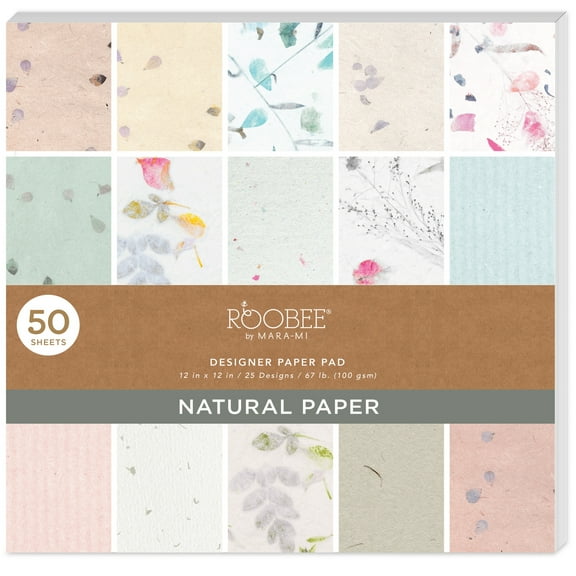
![Aespa - The 6th Mini Album 'Rich Man' (ENERGY Ver.) [GROUP Version] - Music & Performance - CD](https://i5.walmartimages.com/seo/Aespa-The-6th-Mini-Album-Rich-Man-ENERGY-Ver-GROUP-Version-Music-Performance-CD_9dfe04ea-9b31-47d4-b185-8c77dfcd303a.9be23660d39befc240f5b01d649d09e3.jpeg?odnHeight=576&odnWidth=576&odnBg=FFFFFF)



![TWS - [PLAY HARD] 4th Mini Album RANDOM Version](https://i5.walmartimages.com/seo/TWS-PLAY-HARD-4th-Mini-Album-RANDOM-Version_17dda109-b027-42ec-b01c-9f70901aee9b.965f8f9162ca90340eea75531525747c.jpeg?odnHeight=576&odnWidth=576&odnBg=FFFFFF)


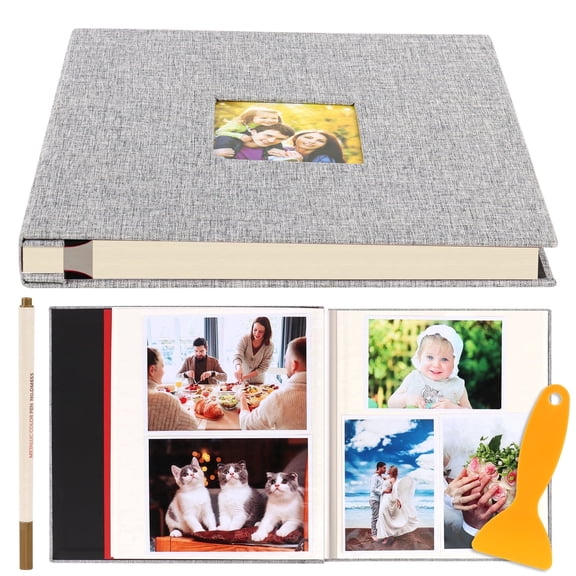








![BTS - [Love Yourself 結 ‘Answer’] 4th Album L Version](https://i5.walmartimages.com/seo/BTS-Love-Yourself-Answer-4th-Album-L-Version_02d75063-3eac-4922-baac-a90a2287152c.47c195c50f8a42c993d913030e655d51.jpeg?odnHeight=576&odnWidth=576&odnBg=FFFFFF)
![ILLIT - [BOMB] 3rd Mini Album GLLIT MOKA Version](https://i5.walmartimages.com/seo/ILLIT-BOMB-3rd-Mini-Album-GLLIT-MOKA-Version_1da450b9-69ae-4602-a655-659224625769.c4052baa390a2cd75751b5403afdd979.jpeg?odnHeight=576&odnWidth=576&odnBg=FFFFFF)








![ATEEZ - [GOLDEN HOUR : PART.3] 12th Mini Album POCAALBUM](https://i5.walmartimages.com/seo/ATEEZ-GOLDEN-HOUR-PART-3-12th-Mini-Album-POCAALBUM_2dd7e92f-9752-41fb-b3d7-3688ad6d345f.e6a3208538bb8f35a618a808440c0b0f.jpeg?odnHeight=576&odnWidth=576&odnBg=FFFFFF)
![HEARTS2HEARTS - [LEMON TANG] 2nd Mini Album PHOTOBOOK LEMON SUN Version](https://i5.walmartimages.com/seo/HEARTS2HEARTS-LEMON-TANG-2nd-Mini-Album-PHOTOBOOK-LEMON-SUN-Version_0bbffe60-0838-4625-bd24-d91ce9effb19.0aac8b17775d3e733fbd2d3d6bf7efaa.jpeg?odnHeight=576&odnWidth=576&odnBg=FFFFFF)

About Scrapbooking in Arts Crafts & Sewing - Walmart.com
With scrapbooking paper crafts, you can organize memories, build cards, and finish detailed projects with paper made for clean cutting and lasting color. You can compare sizes, weights, finishes, and archival properties, so your pages, tags, and layered designs match your project goals.
How to choose scrapbooking paper crafts for your project
When you shop scrapbooking paper crafts, you should start with the project type and the paper size you need. You can use 12x12 inches for full scrapbook layouts, 8.5x11 inches for printing and card fronts, and 6x6 inches for smaller accents.
If your project includes photos, you should look for acid-free and lignin-free sheets with archival quality. You can count on those labels when your albums need a cleaner, longer-lasting look over time.
For mixed projects, you may want several formats in one craft area, because each size supports a different task. You can keep larger sheets for layouts, medium sheets for invitations, and smaller pads for die cuts.
What to look for in scrapbook paper and cardstock paper
Your paper weight changes how the sheet feels, folds, and holds embellishments. You can choose standard paper for simple layering, 65 lb cardstock for flexible craft work, 80 lb cardstock for cards, and 110 lb heavy cardstock for sturdy bases.
If you use scoring tools or fold panels often, you should compare lighter and heavier cardstock before you start. You can make cleaner folds with the right thickness and create firmer card fronts with heavier sheets.
Your cutting machine plans also matter when you compare cardstock paper. You should check GSM guidance and blade settings, so you get smoother cuts and cleaner edges on detailed shapes.
- You can use lightweight sheets for folding, origami, and simple paper accents.
- You can pick midweight cardstock for card making, tags, and layered scrapbook pages.
- You can choose heavy cardstock for sturdy covers, bases, and dimensional paper crafts.
- You can look for acid-free scrapbook paper when your pages include printed photos.
Choosing finish, texture, and patterned paper for scrapbooking
Your finish affects both the style of the page and the way your tools handle the paper. You can use matte paper for writing and stamping, glossy paper for shine, glitter paper for standout accents, and textured paper for added depth.
If you want more flexibility from each sheet, you should compare solid color and double-sided patterned options. You can flip double-sided patterned paper for scrapbooking and still keep a coordinated design on the back.
Your theme also guides the pattern type that makes sense for the project. You can sort floral prints for memory albums, seasonal prints for holiday pages, and geometric designs for modern cards and planners.
How paper crafts supplies fit your tools and techniques
Your paper crafts supplies should match the tools you already use at your table. You can pair decorative craft paper with punches, trimmers, scoring boards, stamps, adhesive runners, and electronic cutting machines.
When you use a cutting machine, you should consider both texture and weight before loading a mat. You can get cleaner results when your sheet type matches the blade setting and the design complexity.
If you build layered pages, you should also think about how embellishments sit on the surface. You can support stickers, die cuts, ribbon, and scrapbooking embellishments more easily with cardstock than with standard paper.
Matching paper size and weight to everyday craft projects
Your project type can quickly narrow the right combination of size and thickness. You can use 12x12 scrapbook paper for full-page albums, 8.5x11 sheets for printable designs, and 6x6 pads for mini albums and card panels.
For card making, you may prefer 80 lb or 110 lb cardstock because your folded base needs more structure. You can use lighter paper for mats, inserts, and layered details that shouldn’t feel bulky.
If you create classroom crafts, party decor, or family activity projects, you may want assorted colors and finishes. You can move faster with coordinated packs that keep solids, metallics, and patterns within one palette.
Using acid free scrapbook paper for keepsake albums
Your photo albums and memory books often need materials meant for long-term display. You should look for acid-free, lignin-free, and archival quality paper when your layouts include printed photos, journaling cards, or keepsake notes.
If you build albums for weddings, baby milestones, or travel pages, you may want cleaner-looking backgrounds over time. You can use solid sheets for photo mats and patterned scrapbook paper for borders, pockets, and layered frames.
Your decorative choices still matter in keepsake projects, especially when you want dimension without visual clutter. You can combine matte bases, textured accents, and double-sided prints for pages that feel coordinated and easy to personalize.
With the right mix of scrapbook paper, cardstock, and paper crafts supplies, you can create pages and cards that cut cleanly and layer smoothly. You can also keep your memories looking polished with paper that matches your project needs.