

Explore STEM Science Kits and Educational Tools



















About Explore STEM Science Kits and Educational Tools - Walmart.com
Science kits for kids help you turn curiosity into hands-on learning at home. You can compare age ranges, subjects, and experiment styles that fit school lessons and weekend projects.
If you're choosing gifts, homeschool supplies, or rainy day activities, you need options that match real learning goals. You can find sets that cover chemistry, physics, biology, astronomy, and earth science in practical formats.
How to choose science kits for kids
When you compare science kits for kids, start with age group and skill level. You should check whether the activities match ages five to seven, ages eight to 12, or teens.
For younger learners, you may want simpler steps, larger pieces, and clear picture guides. For older kids, you can look for longer experiments, detailed instructions, and more independent project flow.
Skill level matters just as much as age on the box. You should compare beginner, intermediate, and advanced options, so your child gets a challenge without feeling overwhelmed.
- You can choose beginner kits for short experiments and simple setup.
- You can pick intermediate sets when your child follows multi-step directions with light help.
- You can select advanced kits for deeper concepts, longer builds, and more detailed observation.
- You can compare refillable components if you want repeated use instead of one-time activities.
Key differences between STEM science toys and educational science kits
STEM science toys often focus on interactive play, while educational science kits usually guide you through specific lessons. You can use both formats to build observation, measuring, and note-taking skills.
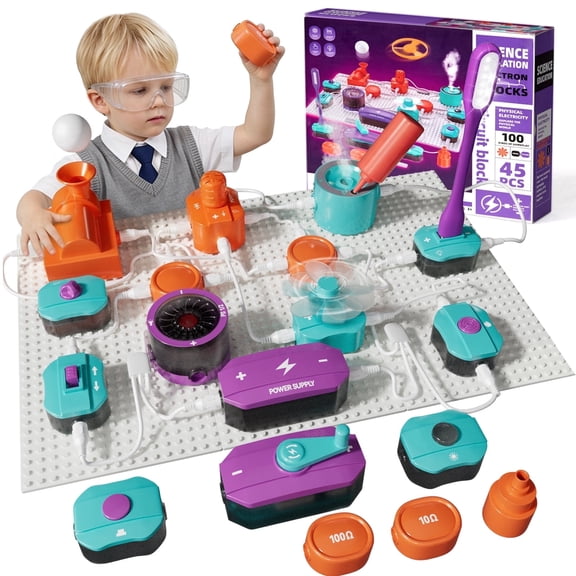
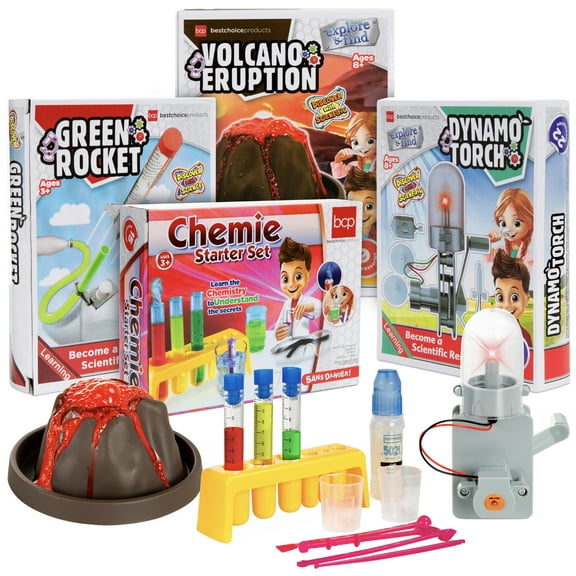
If you want clear curriculum support, you should look for kits organized around one subject. Chemistry sets for kids may focus on mixing reactions, while physics toys may explore motion, force, or simple machines.
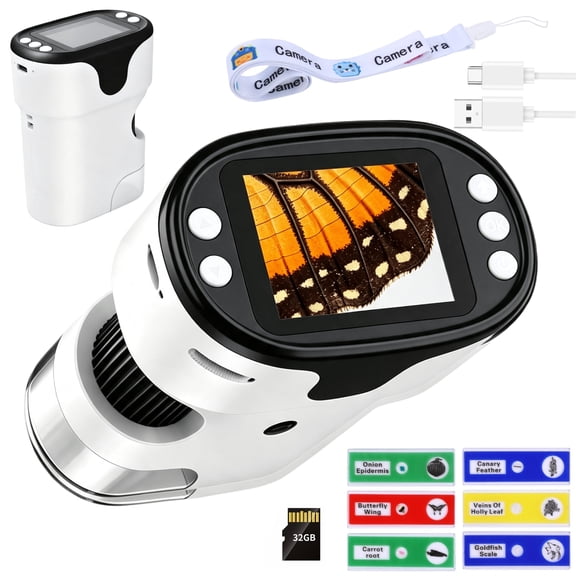
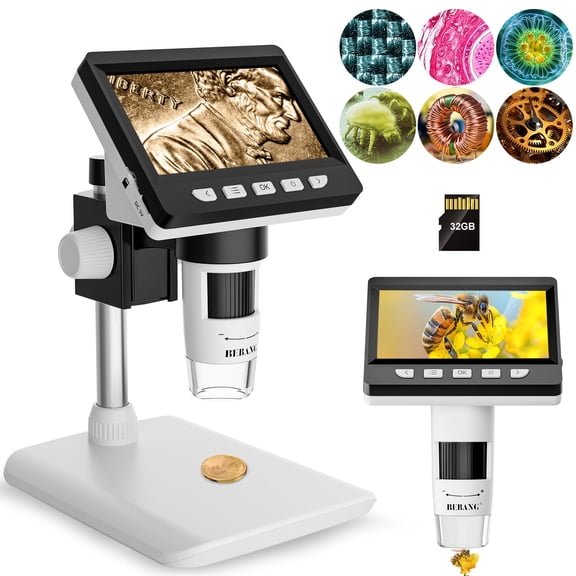
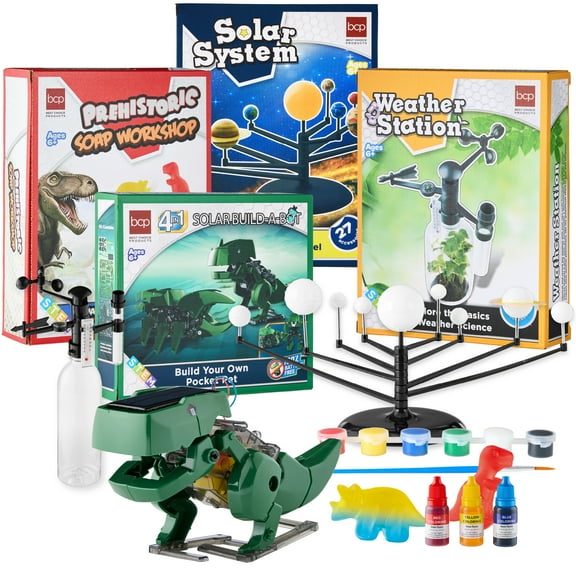
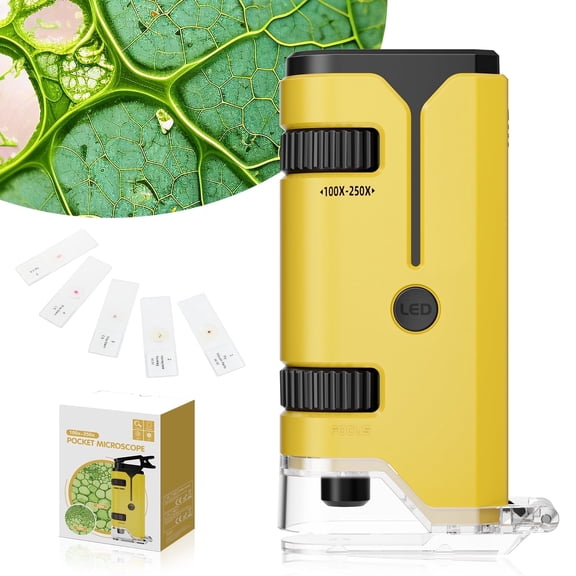
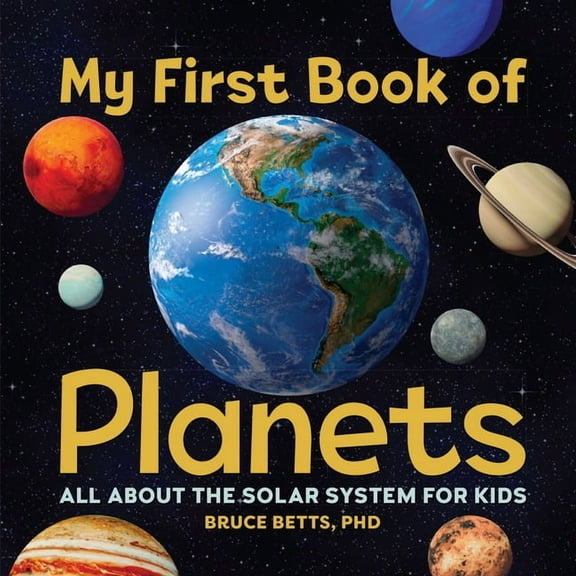
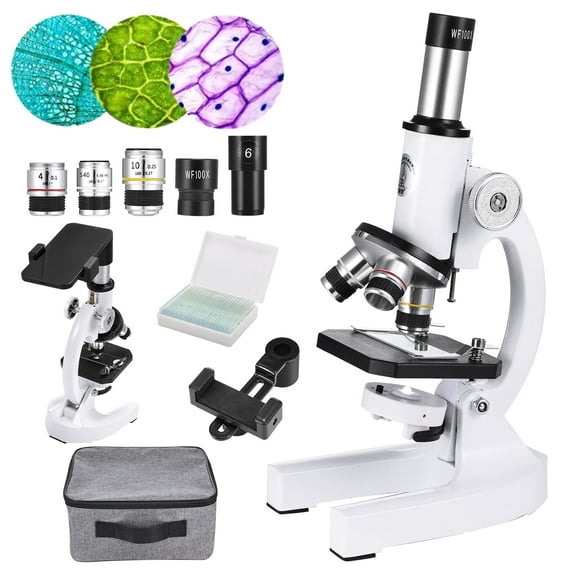
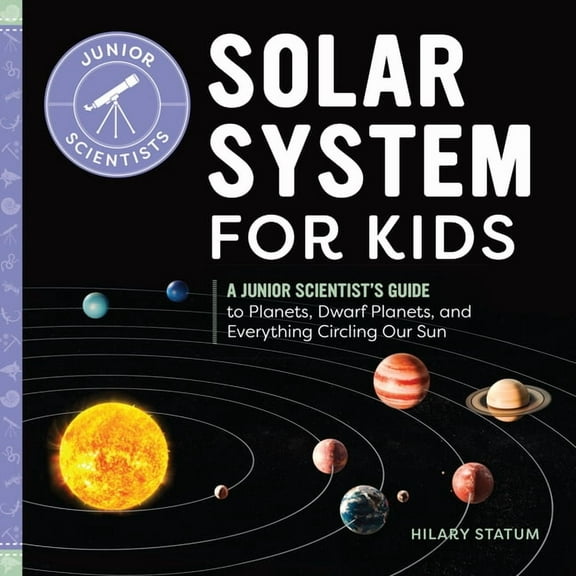
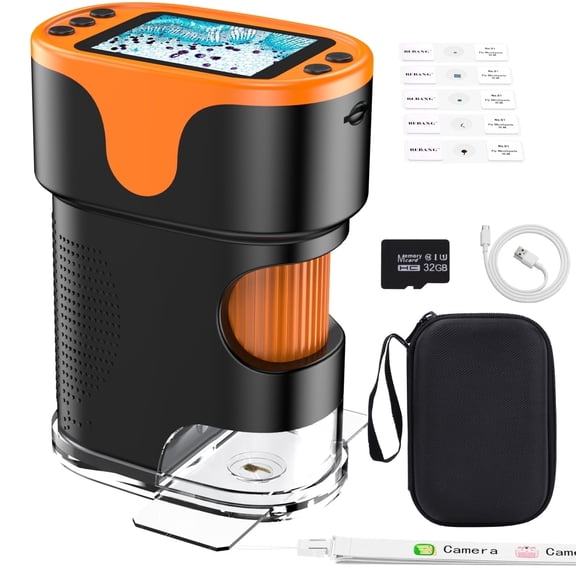
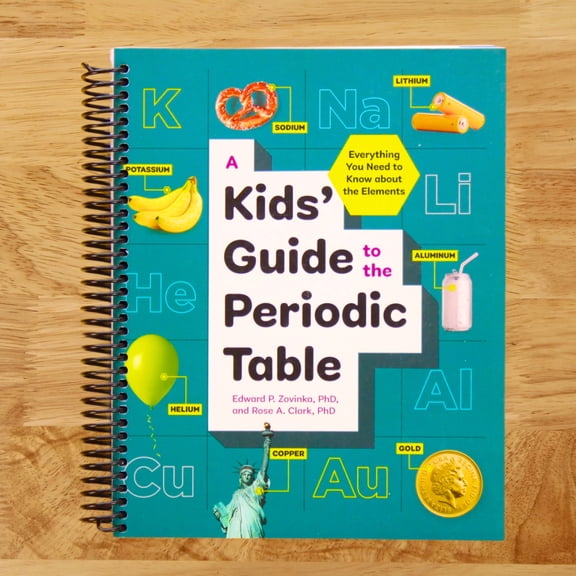
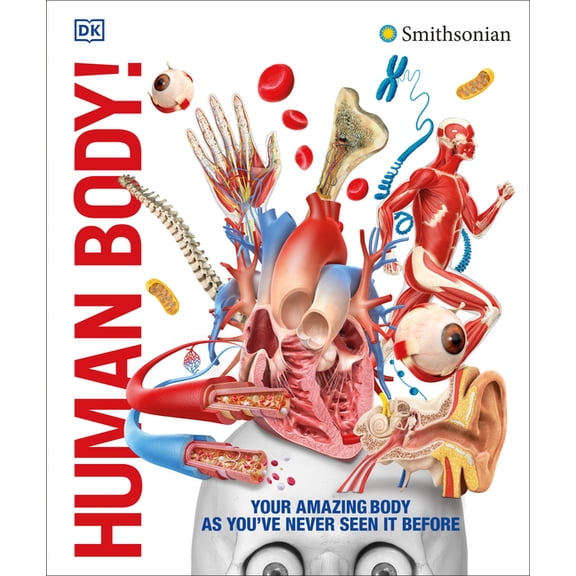
Biology and microscope kits for kids help you examine slides, specimens, and close-up details. Astronomy sets can introduce planets, constellations, and light concepts through models or guided activities.
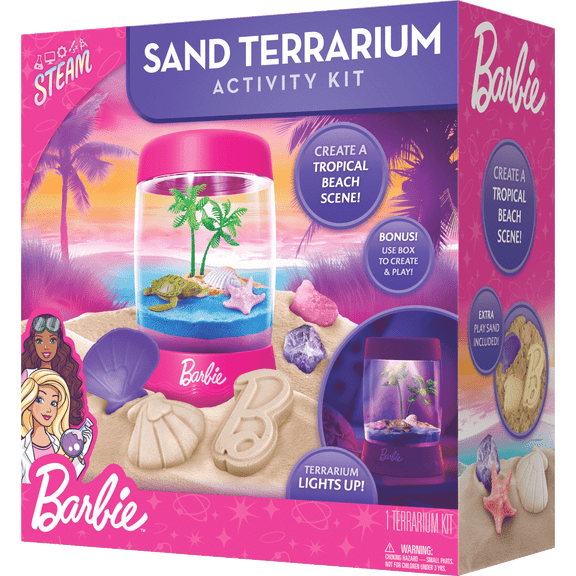
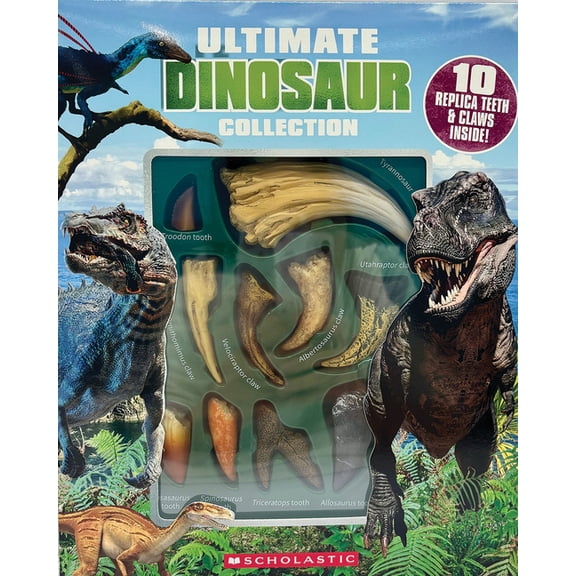
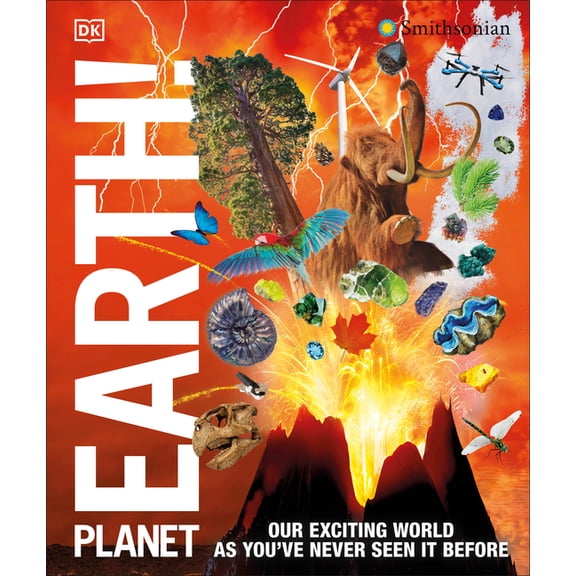
Earth science kits usually center on rocks, crystals, weather, or volcano projects. You can use those themes when you want science experiments for kids that connect with classroom units.
What to look for in age group and safety details
You should read the recommended age range before you compare any subject or format. You can avoid mismatches by checking whether the pieces, tools, and directions fit your child's stage.
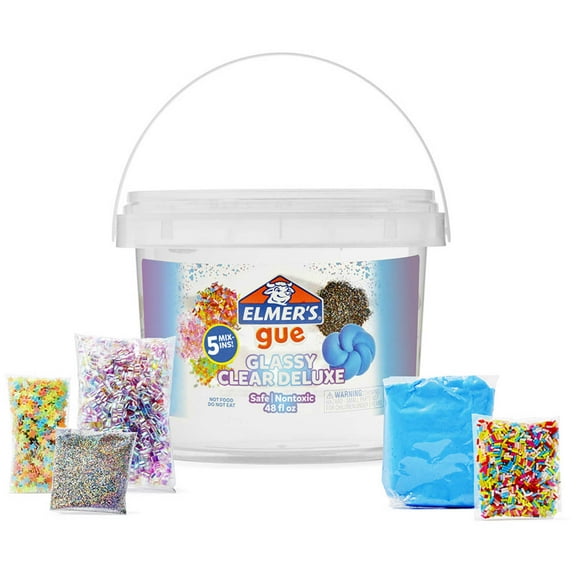
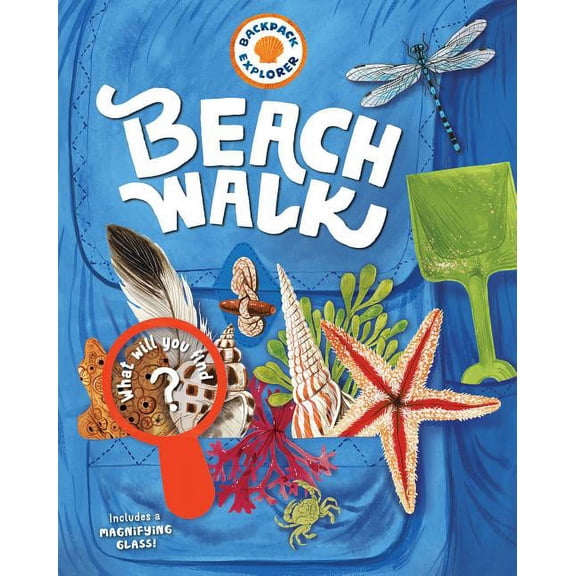
For ages five to seven, you may prefer larger tools, shorter projects, and strong visual instructions. You should also check choking hazard warnings when your child uses small parts or beads.
For ages eight to 12, you can look for more independent experiments with labeled supplies and step-by-step booklets. If your child likes structure, you may want kits with numbered tasks and progress tracking.
Teens often want deeper projects with more variables to test and record. You should compare educational science kits that include lab-style notebooks, measuring tools, or extended builds.
When kits include chemical activities, you should check non-toxic chemical ratings on the packaging. You can also review cleanup steps, storage directions, and whether adult setup is recommended.
Choosing by experiment type and parental involvement
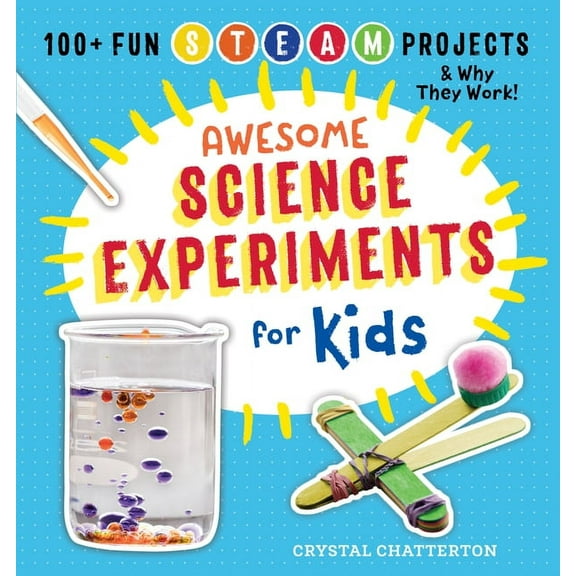
Hands-on labs work well when you want mixing, measuring, and direct observation. You can use them for kitchen-table learning, science fair prep, or guided weekend lessons.
Model building suits kids who like to assemble working structures or display pieces. You may choose this format when your child enjoys following sequences and seeing how parts connect.
Microscope exploration fits learners who enjoy close observation and careful comparison. You can use microscope kits for kids to examine prepared slides and practice recording what you see.
If you want independent play, you should look for simple setup and clear instructions. If you plan to participate, you can choose longer projects with shared steps and discussion prompts.
Some kits feature one complete project, while others support repeated experiments. You should check whether components are refillable, reusable, or meant for a single session.
Using science experiments for kids to support school learning
You can reinforce classroom topics when you match the subject matter to current lessons. Chemistry themes fit matter units, while physics themes support motion, energy, and force discussions.
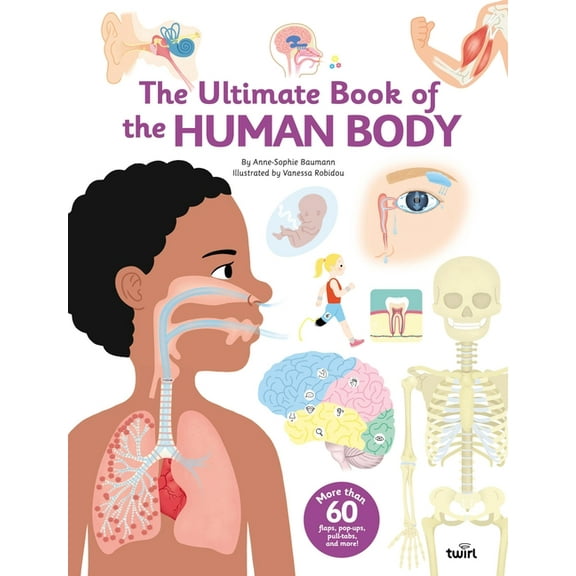
Biology sets connect well with life cycles, cells, and observation journals. Earth science projects can support units on minerals, weather patterns, and landforms through hands-on examples.
Astronomy activities help you bring space topics off the page and into a real project. You can choose science experiments for kids that make abstract ideas easier to see and discuss.
If you're planning for homeschool or after-school learning, you should compare kits by time commitment. Short experiments fit busy evenings, while multi-part projects work well for deeper weekly study.
When you choose by age, subject, experiment type, and skill level, you get a clearer match for your learner. You can build confidence, curiosity, and repeatable science practice with the right format.
With science kits for kids, you can turn chemistry, physics, biology, astronomy, and earth science into lessons your child can actually explore. You leave with a clearer path to hands-on learning that fits your schedule and your learner.