

Scales in Lab Equipment















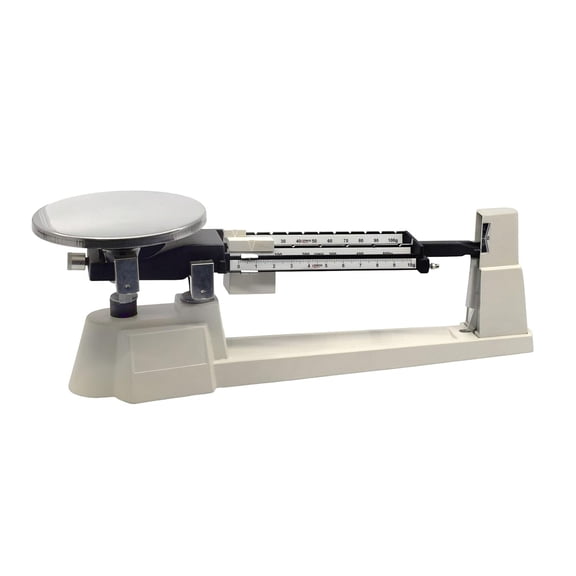

About Scales in Lab Equipment - Walmart.com
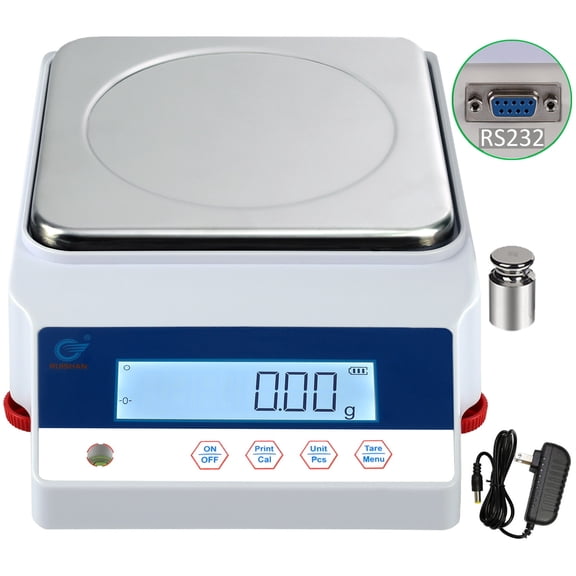
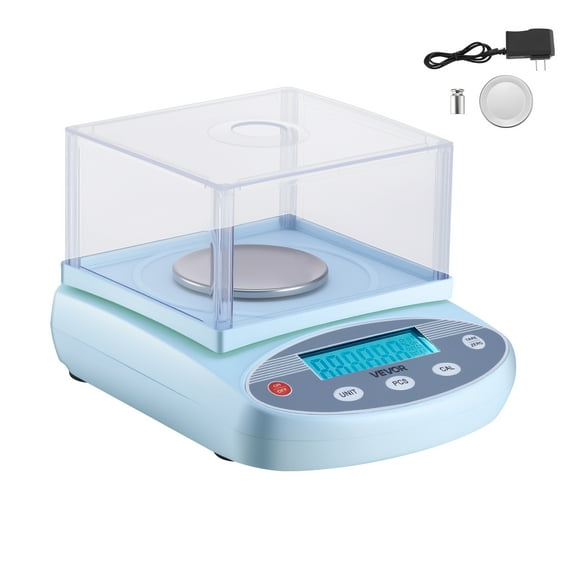
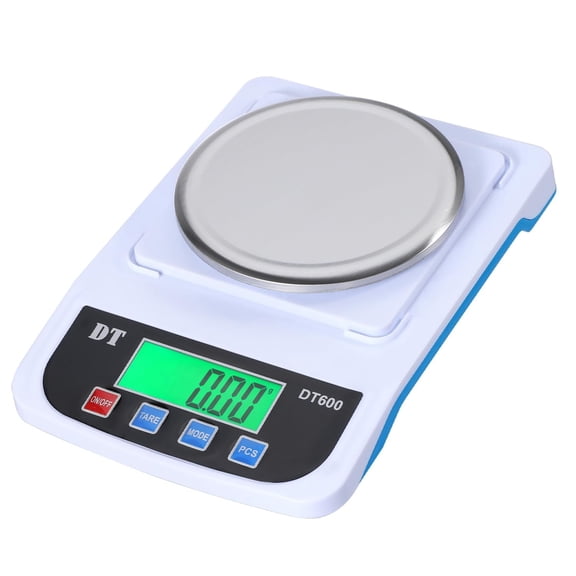
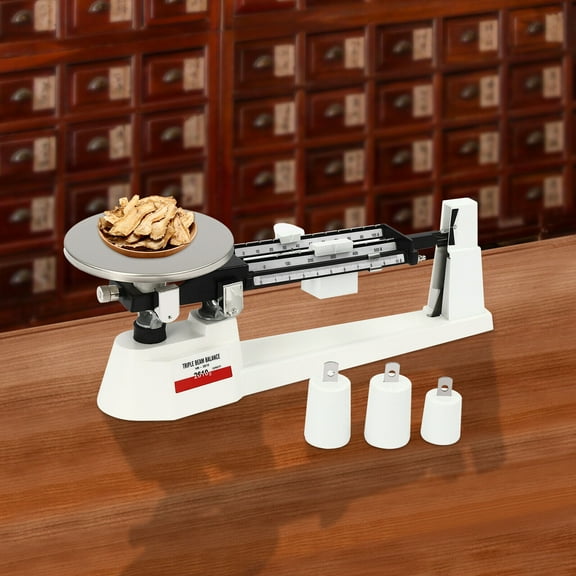
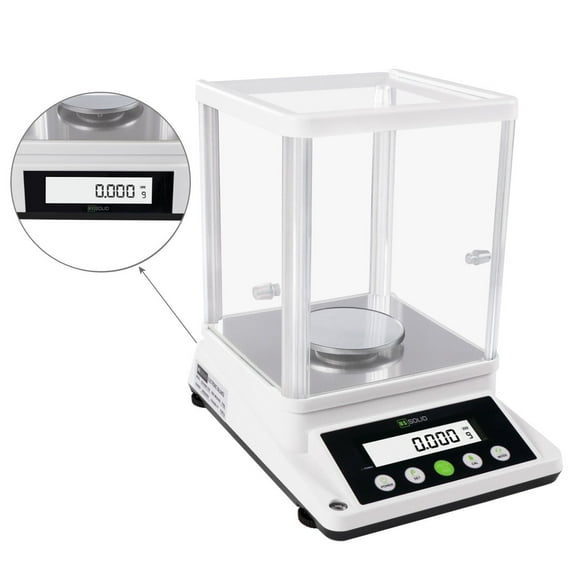
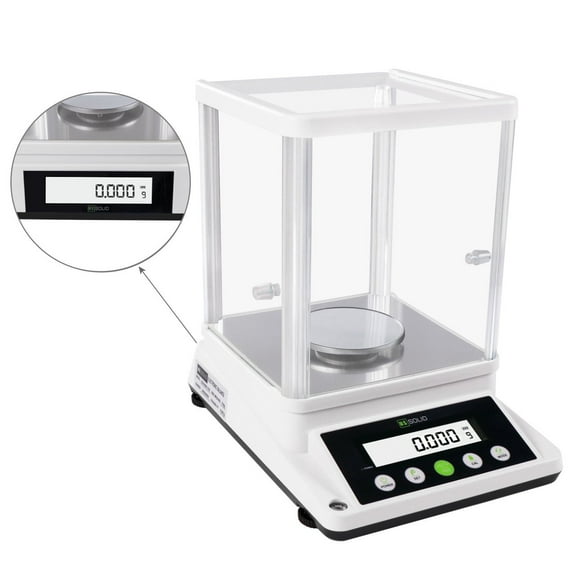
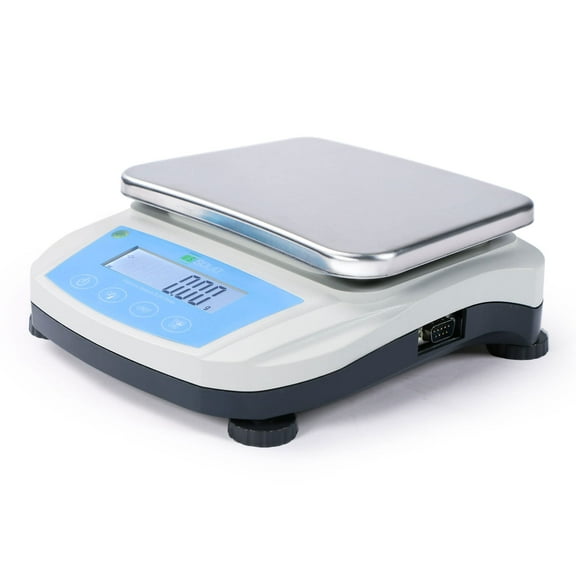
Your digital laboratory scale choice shapes how confidently you measure powders, liquids, and small samples in controlled workspaces. You need clear readability, stable results, and calibration options that fit chemistry, research, and classroom routines.
How to choose a digital laboratory scale
When you compare lab scales, you should start with readability because it shows the smallest change your scale can display. You should also compare repeatability and linearity because those specs help you check consistency across repeated measurements.
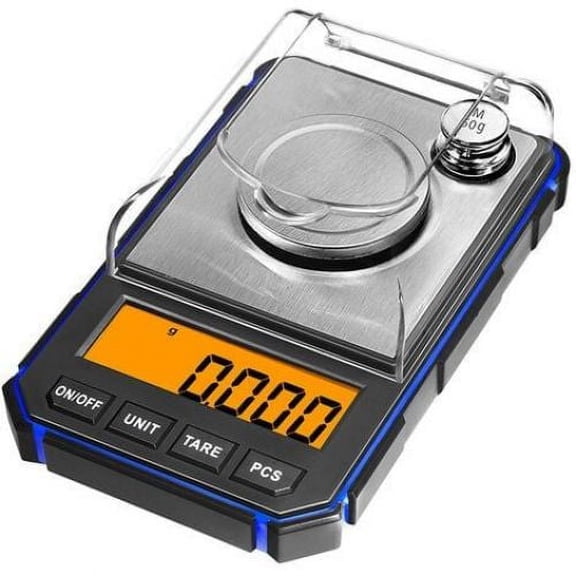
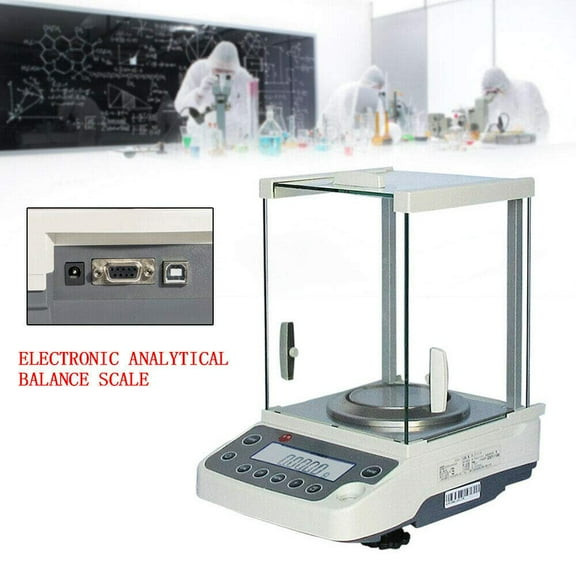
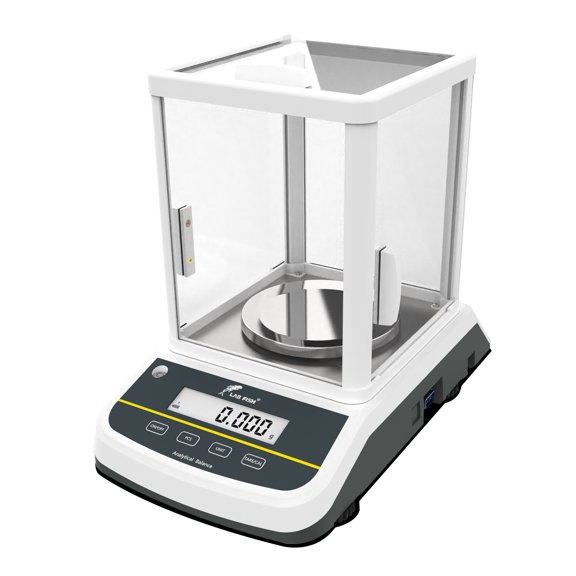
If you handle trace quantities, you may need a 1mg scale or a lab scale 0.001g for fine increments. If you weigh broader samples, you may prefer 10mg, 0.01g, or analytical balance-level precision for smaller measurements.
A precision laboratory scale can help you document readings with fewer manual workarounds during weighing tasks. You can also compare pan size, housing design, and display visibility to match your bench layout.
What readability means for your work
You should match readability to your materials because chemistry weighing scales often support very different sample sizes. If your measurements involve reagents, powders, or compounds, you may need smaller displayed increments.
- You can use 1mg or 0.001g readability when your workflow depends on fine measurement control.
- You can choose 10mg or 0.01g readability when your samples are larger and speed matters.
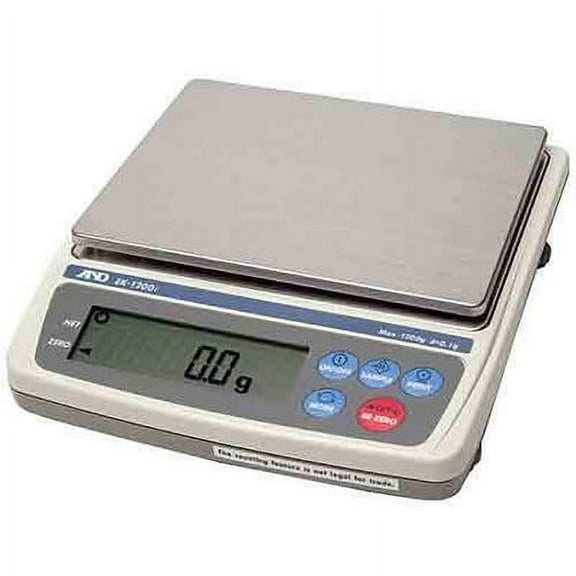
- You can select 0.1g readability when your tasks focus on general lab prep and routine weighing.
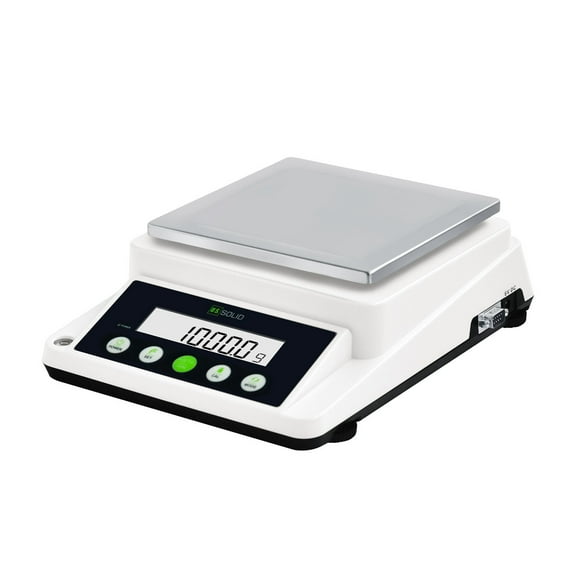
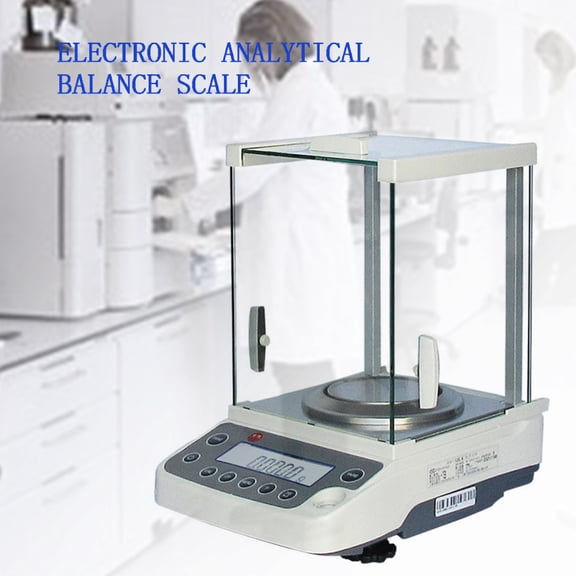
- You can compare analytical balance-style options when your work involves very small quantities and strict precision targets.
You should also think about how often you reweigh the same sample during a session. When repeatability stays tight, you can record values with more confidence across multiple checks.
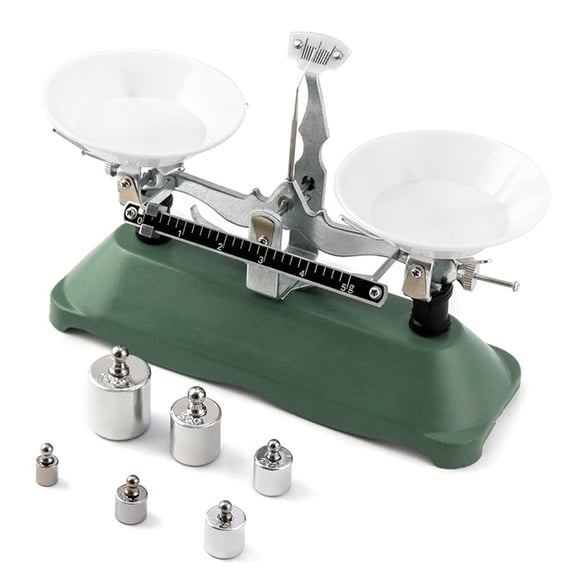
For instructional labs, you may want a scientific scale that balances readable displays with straightforward unit switching. For research benches, you may look for finer resolution and more controlled weighing conditions.
Choosing a 1mg scale and calibration features
You should look at calibration options early because they affect setup and ongoing accuracy checks. A lab weighing machine with simple calibration steps can fit faster into your daily routines.
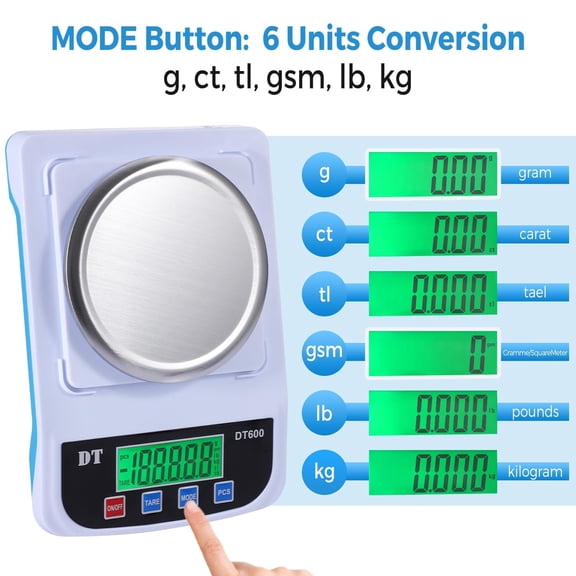
Some digital scientific scale options support internal or external calibration workflows, and you should compare which format fits your process. You may also want unit conversion for grams, milligrams, ounces, or carats.
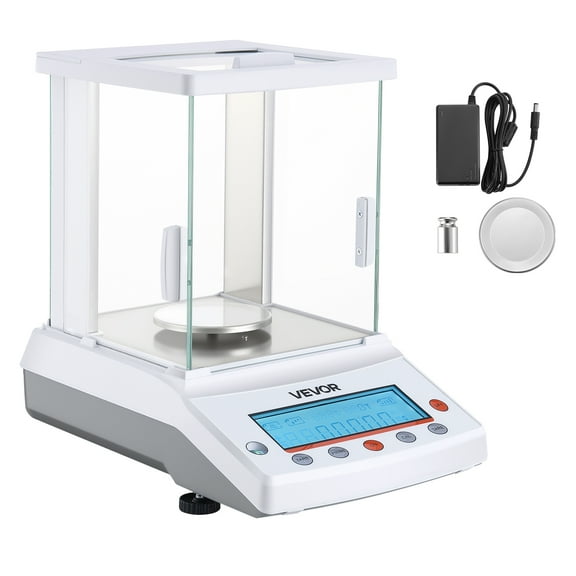
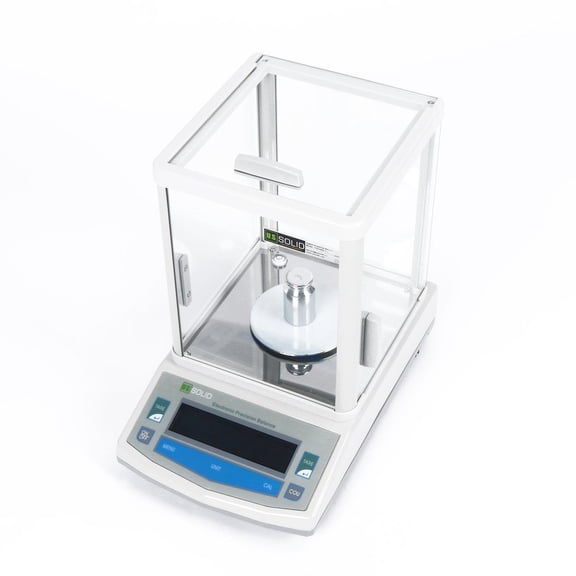
If you weigh lightweight samples, draft sensitivity can influence how stable the display appears during use. You should check whether shields, enclosed designs, or protected pans fit your environment.
You may also compare leveling indicators, adjustable feet, and display response time before you choose a lab grade scale. Those details can help you place the unit correctly and read results with less interruption.
Features that matter in laboratory weighing equipment
You should compare capacity with precision because a higher-capacity model may not deliver the smallest readability. A weighing scale for laboratory use should match both your target sample size and your expected increments.
Display style matters when you record readings often, especially in shared or bright work areas. You may prefer backlit screens, larger digits, or simple control panels that reduce setup confusion.
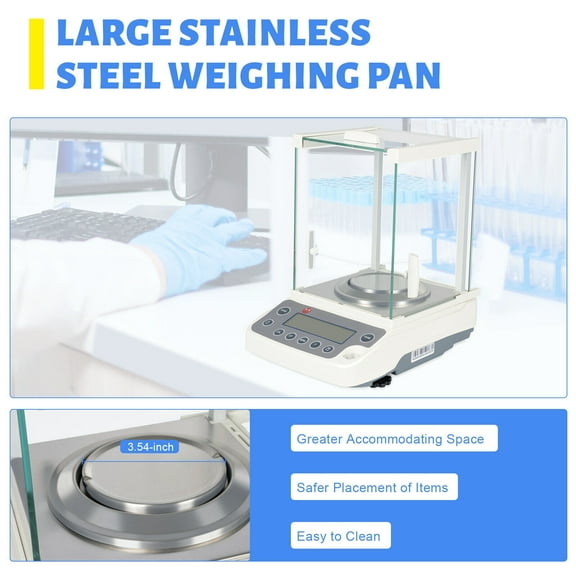
Pan dimensions also deserve attention because small vessels and larger containers need different support. You should measure your common beakers, weighing boats, or sample containers before choosing.
Construction affects how your scale fits daily handling, cleaning, and bench organization. You may want compact footprints, removable pans, or straightforward surfaces that simplify routine upkeep.
Power options can shape placement flexibility across classrooms, labs, and mobile stations. You should compare plug-in operation, battery support, and auto-off settings based on your workspace.
Using digital laboratory scale options in real settings
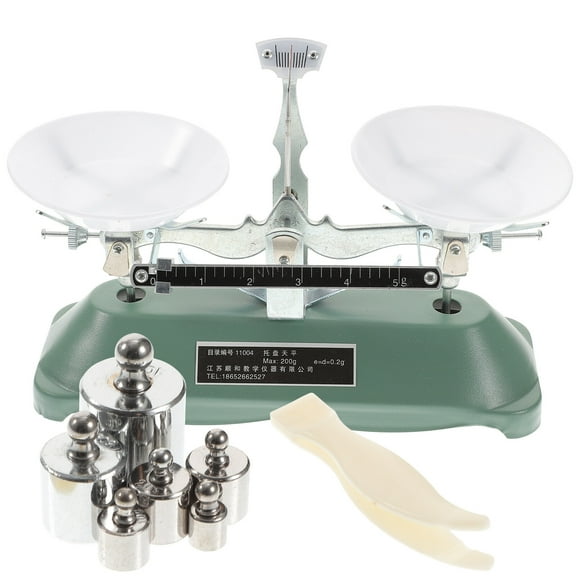
In chemistry classes, you may need lab scales that help students follow measurement steps with visible, easy-to-read increments. You can use moderate readability models for repeatable practice and general sample prep.
In research spaces, you may need a digital laboratory scale that supports tighter readings for small compounds or reference materials. You should compare 1mg scale options when your protocol depends on finer displayed changes.
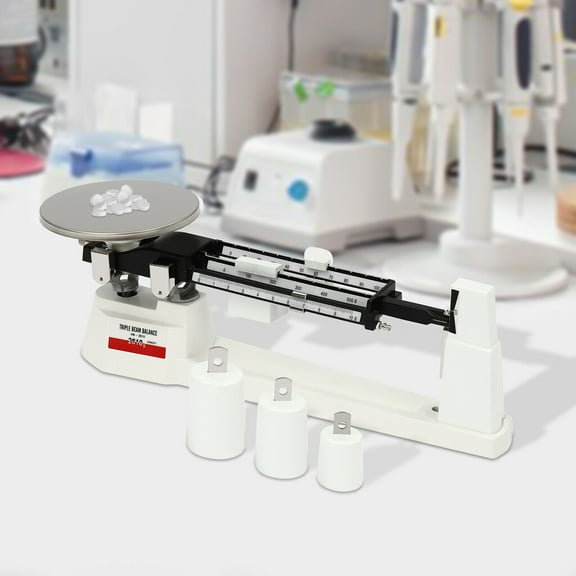
For industrial labs, you may want a scientific scale that handles routine checks, incoming materials, or batch verification. You can prioritize capacity, stable displays, and durable layouts for repeated daily use.
If your bench space is limited, you should check footprint, pan size, and display angle before choosing. Those details can help you fit your equipment beside glassware and other chemistry lab equipment.
When you build a complete station, you may also coordinate your scale with laboratory glassware and industrial safety supplies. That setup can help you keep weighing tools organized and your workflow more consistent.
Why your selection criteria matter
You can get more from your digital laboratory scale when you match readability, calibration, and capacity to your actual lab tasks. You can narrow choices faster and support more dependable measurements across everyday laboratory work.