

Home Scaffolding & Scaffolding Platforms | Walmart


















About Home Scaffolding & Scaffolding Platforms | Walmart - Walmart.com
Scaffolding helps you create a stable elevated workspace for painting, repairs, and construction tasks. You can compare towers, platforms, and mobile frames by height, load capacity, and mobility before you choose.
If you’re outfitting a home project or a busy job site, you’ll want equipment that matches your work area. You can narrow your options faster when you understand material, wheel setup, frame style, and platform support.
How to choose scaffolding for your project
You should start with the job height, the tools you’ll carry, and the space you have. You’ll make a clearer choice when you compare platform levels, frame width, and storage needs.
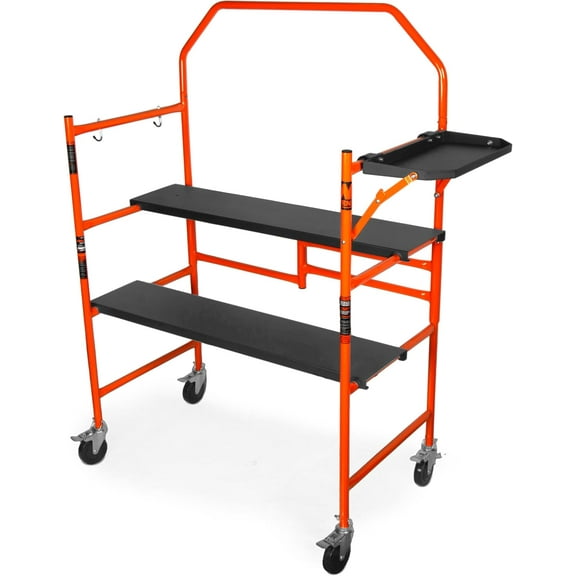
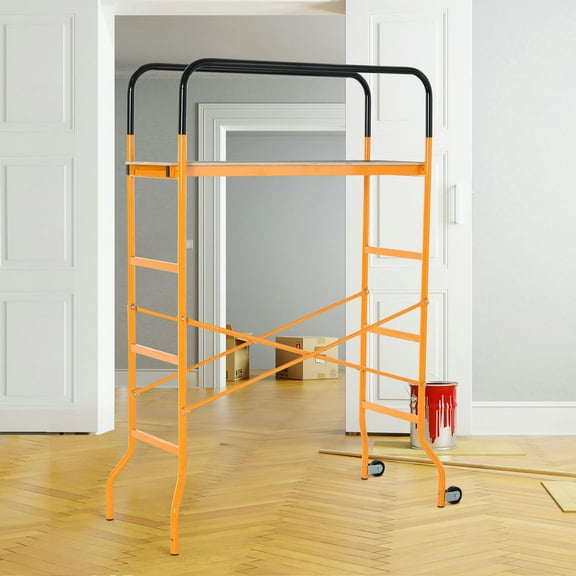
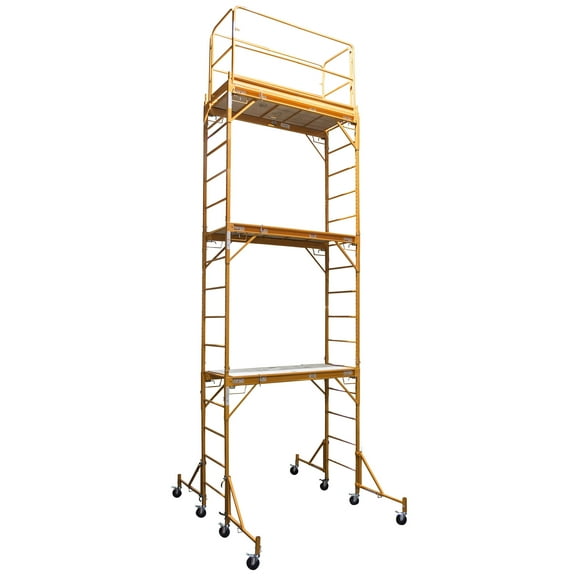
For indoor work, you may prefer a baker scaffold or folding unit that moves through doorways. For outdoor tasks, you may look for scaffolding towers with more working height and a broader base.
- You can use rolling frames when you need to reposition often across a long wall.
- You can choose stationary setups when you need a fixed work zone for longer tasks.
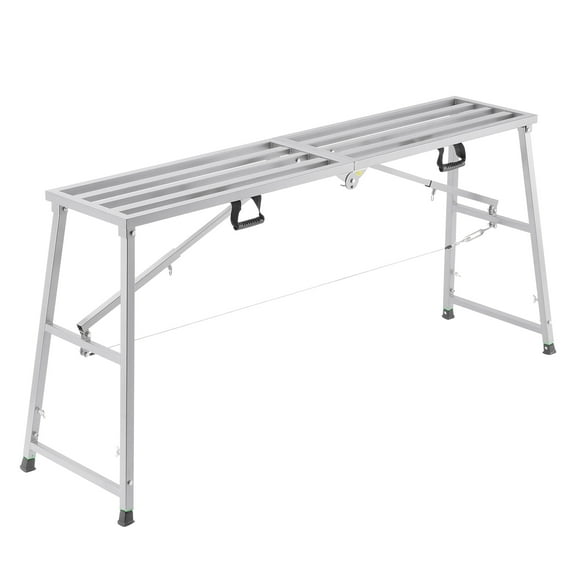
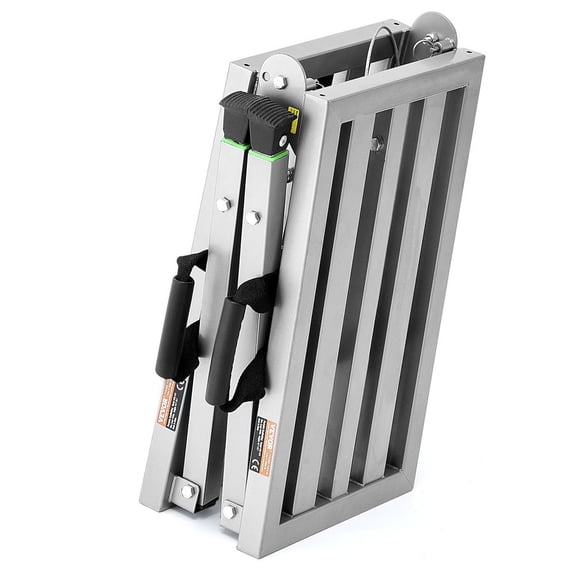
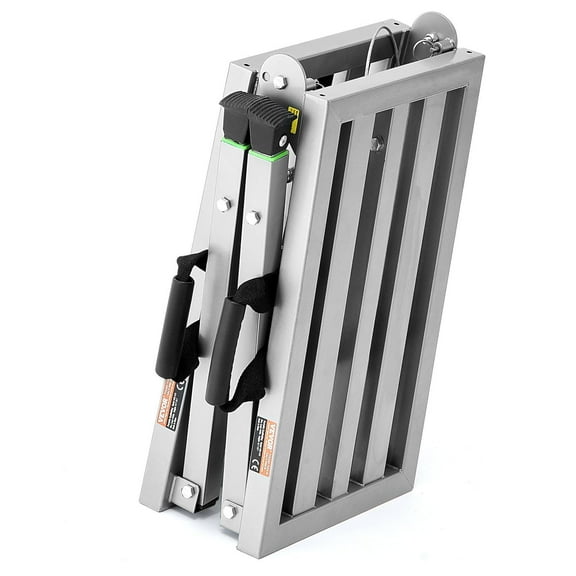
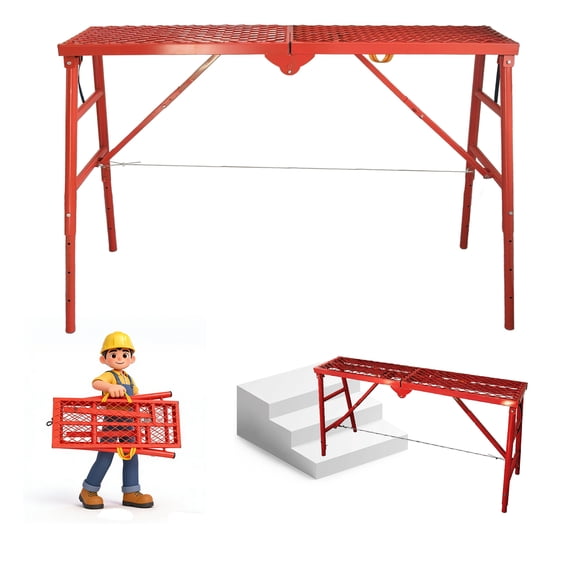
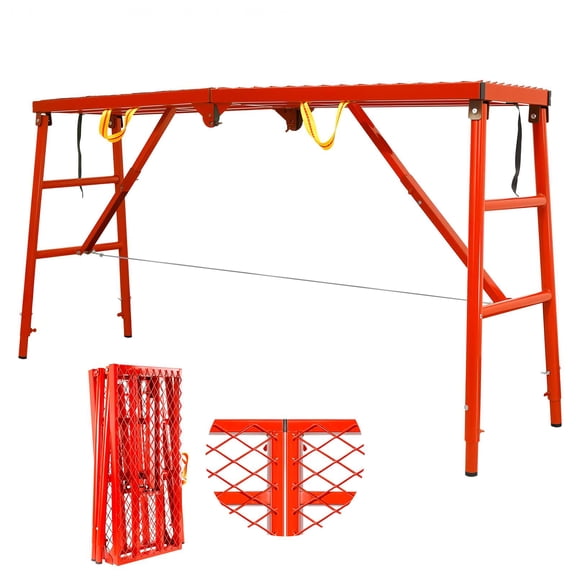
- You can compare folding designs if you need easier transport and compact storage.
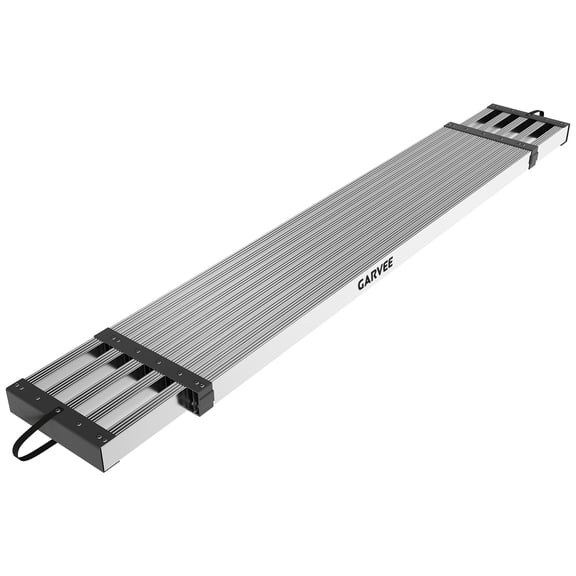
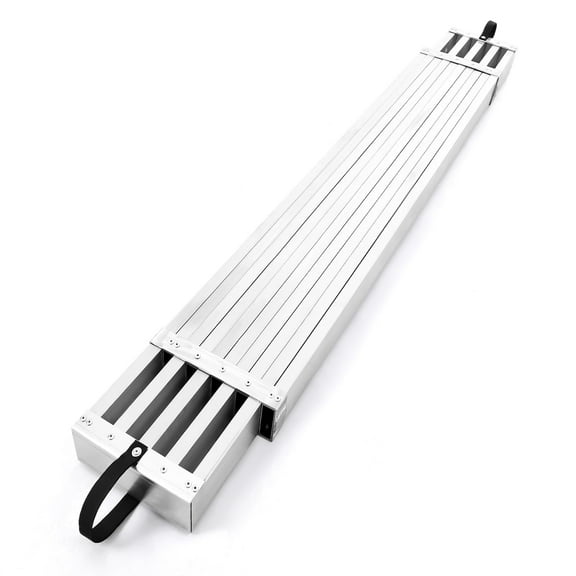
- You can check platform size when you need room for tools, paint trays, or parts.
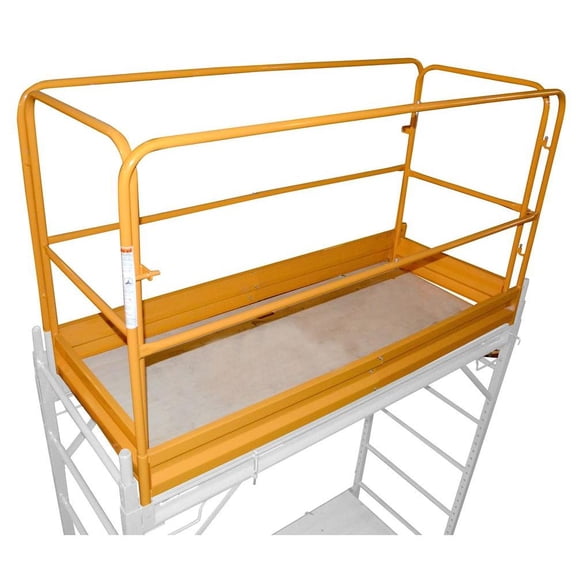
You’ll also want to compare guardrail support, locking mechanisms, and frame access points. You can work more efficiently when your setup fits your movement and tool handling.
Choosing material, mobility, and scaffold type
You can compare steel, aluminum, and fiberglass based on where and how you work. You’ll often notice aluminum scaffolding feels lighter to move, while steel frames can suit demanding site routines.
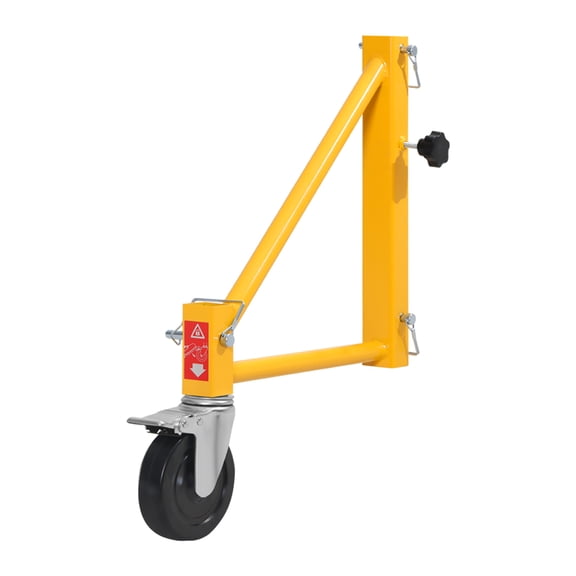
If you need frequent repositioning, you should compare a rolling scaffold with reliable scaffold wheels. You can check wheel locks and caster size to help the frame move smoothly and stay placed.
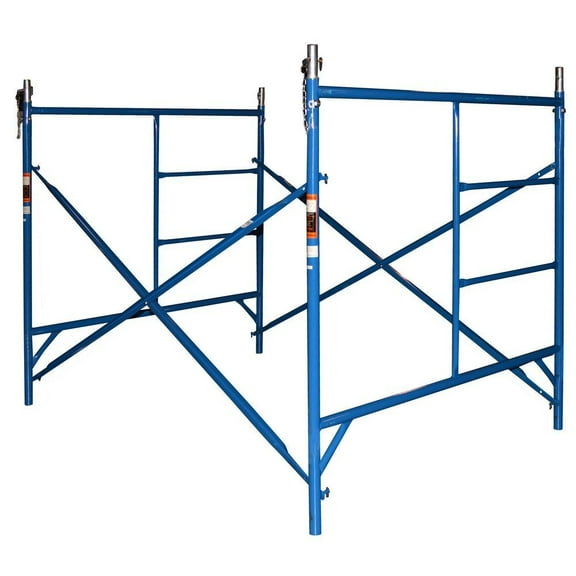
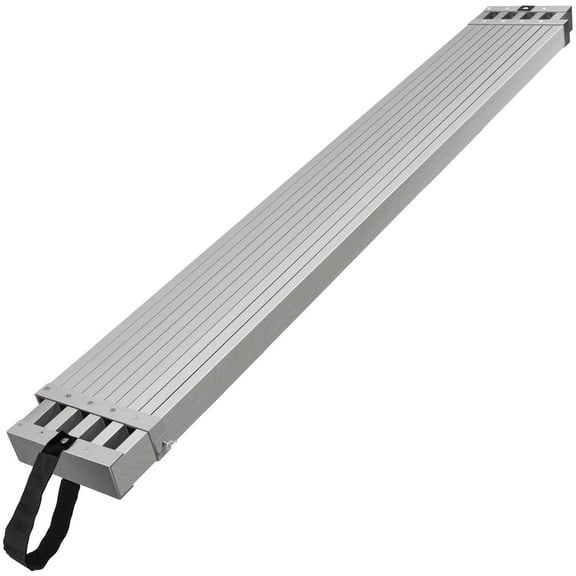
When storage matters, you may prefer folding frames that take less room between uses. If you need a taller setup, you can compare scaffold towers that stack reach with platform support.
You can also match type to task for faster setup and better access. A baker scaffold can suit interior finishing, while a utility scaffold can fit general maintenance and trade work.
What to look for in load capacity and height reach
You should check load capacity before you compare anything else. You need enough support for your weight, your tools, and the materials you’ll keep on the platform.
Light duty models around 250 pounds can suit lighter tasks and fewer supplies. Medium duty options around 500 pounds can give you more room for tools and repeated movement.
Heavy duty scaffolding around 1,000 pounds can fit larger materials and crew demands. You should still compare platform dimensions and frame design, because weight support isn’t the only factor.
Height reach matters when you need to work across ceilings, siding, or tall walls. You can compare adjustable platform levels to keep your hands closer to the task.
You’ll also want to measure ceiling height, doorway clearance, and floor space before you choose. You can avoid fit issues when your frame dimensions match the area.
Checking OSHA standards, ANSI ratings, and assembly details
You may look for OSHA standards and ANSI ratings because they help you compare job site requirements. You can use those details as decision points when your project needs documented equipment specs.
You should also review how the frame assembles and locks into place. You’ll want cross braces, platform pins, and caster locks that are straightforward to check during setup.
If you move your unit often, you can compare how quickly sections fold or detach. You can reduce downtime when your scaffolding setup matches your transport and storage routine.
You’ll benefit from checking rail compatibility, platform access, and base dimensions before purchase. You can choose with more confidence when the frame supports your workflow from setup through cleanup.
Matching scaffolding to real work scenarios
If you’re painting a long hallway or finishing drywall, you may prefer a rolling scaffold. You can move along the surface without resetting your position after every section.
When you’re repairing exterior trim or reaching second-story areas, you may need scaffolding towers. You can compare height options and platform spacing for steadier access over larger surfaces.
If you handle maintenance in garages, workshops, or retail spaces, a baker scaffold may fit better. You can pass through tighter areas and store the frame more easily between jobs.
For renovation work with heavier tools or materials, you should compare higher load capacities. You can keep needed items nearby when your platform supports the weight you plan to carry.
If your crew loads equipment in and out often, you may focus on folding frames or lighter materials. You can simplify transport when your unit fits your vehicle and storage area.
You can make a smarter choice when you compare mobility, material, type, and capacity together. Your project runs smoother when your scaffolding fits the height, movement, and platform space you actually need.