

Ryobi














About Ryobi - Walmart.com
With Ryobi at Walmart, you can compare tools, outdoor equipment, and battery platforms for home projects and yard work. You can sort options more clearly when you understand power source differences, tool types, and battery compatibility.
If you're building a garage setup or replacing older gear, you can use Ryobi tools to compare by voltage, use case, and included accessories. You can focus on practical differences instead of guessing between similar listings.
How to choose Ryobi tools by power source
When you compare power source options, you should start with how you plan to use your equipment and where you'll use it. You can often choose between 18V ONE+, 40V, corded electric, and gas-powered formats.
If you want flexible indoor and outdoor use, you may prefer Ryobi cordless tools that move easily around your property. You can avoid extension cords on ladders, driveways, and backyard edges.
For lighter household tasks, you should consider 18V ONE+ tools because one platform can cover drills, drivers, and many workshop essentials. You can keep one battery family for frequent DIY jobs and quick fixes.
When you handle larger yard tasks, you may want 40V tools because homeowners commonly choose that platform for mowers, blowers, and trimmers. You can compare runtime needs with the size of your lawn.
If you work near an outlet for steady shop tasks, you might choose corded electric tools for continuous power. You can also compare gas-powered equipment when you want a traditional outdoor format.
Choosing Ryobi batteries and platform compatibility
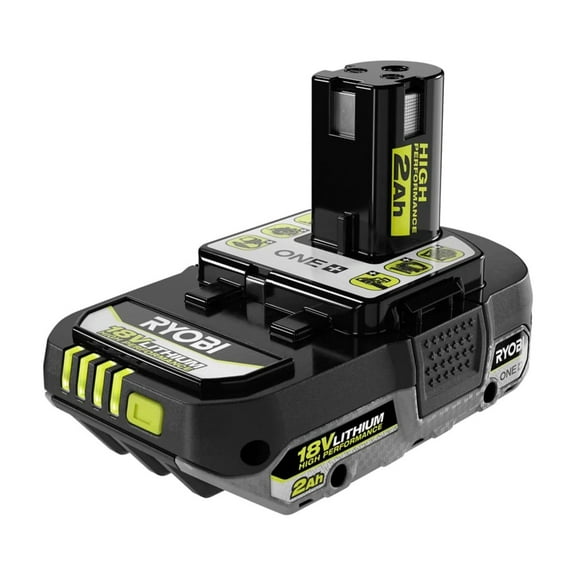
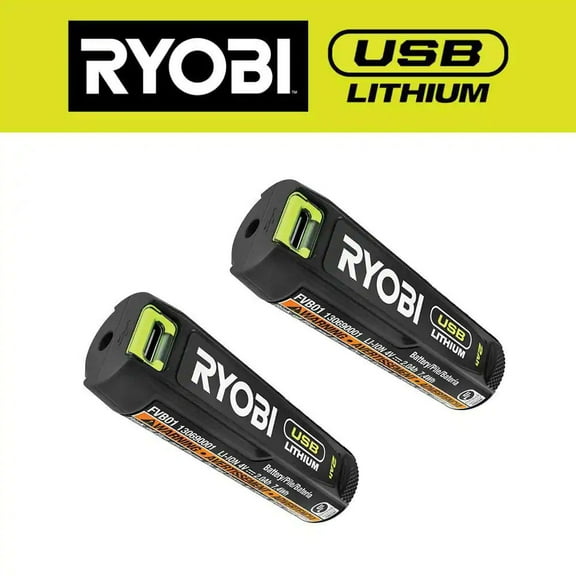
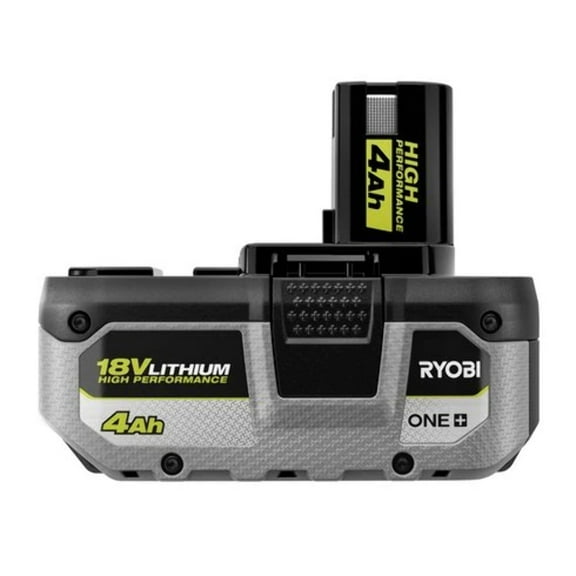
Battery compatibility is a key decision you make before picking a tool or kit. You should check whether your tool uses 18V Lithium-Ion, 40V Lithium-Ion, or USB Lithium.
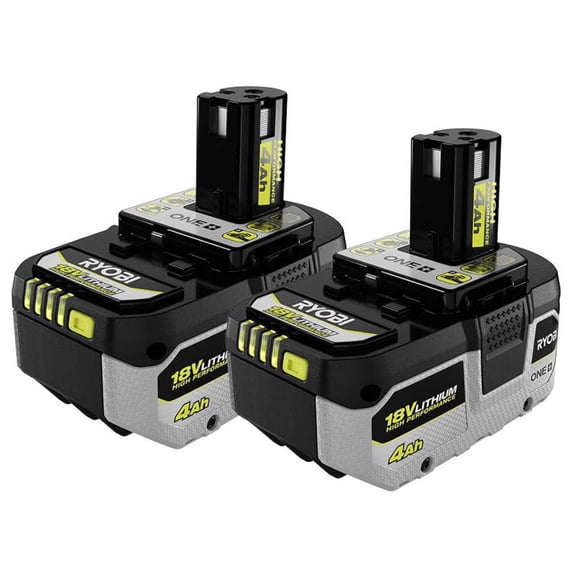
If you already own 18V ONE+ items, you can simplify future purchases by staying within that same platform. You can swap compatible batteries across many drills, lights, inflators, and other household tools.
When you shop Ryobi batteries for lawn care, you should confirm that 40V tools use the matching 40V platform. You can't assume an 18V pack fits a 40V mower or blower.
If you're considering a compact everyday tool, you may also see USB Lithium options for lighter tasks. You can use that smaller format when portability matters more than heavy-duty output.
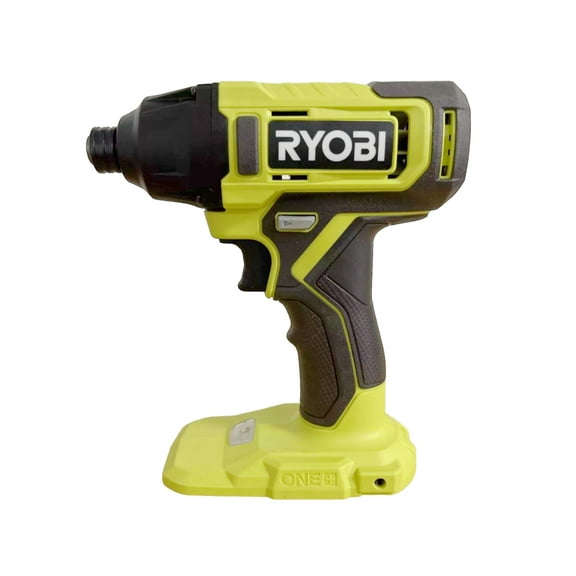
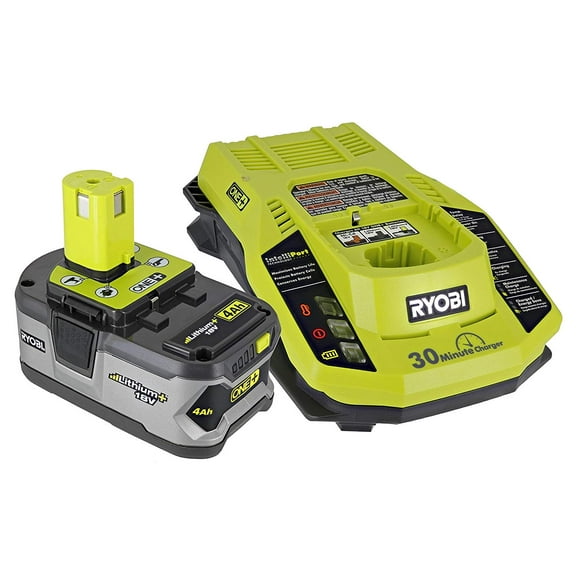
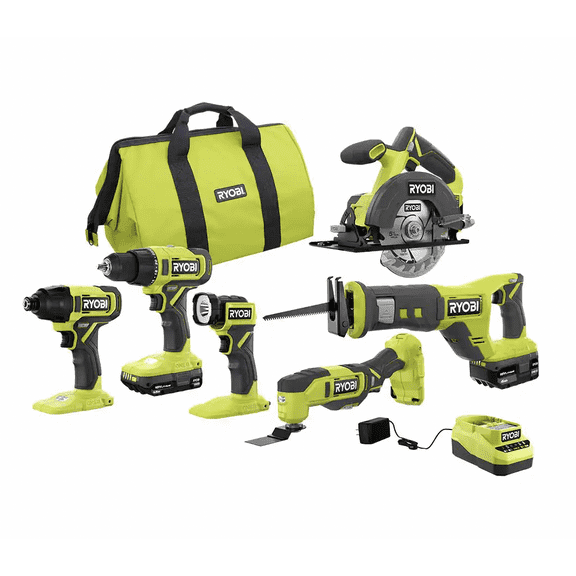
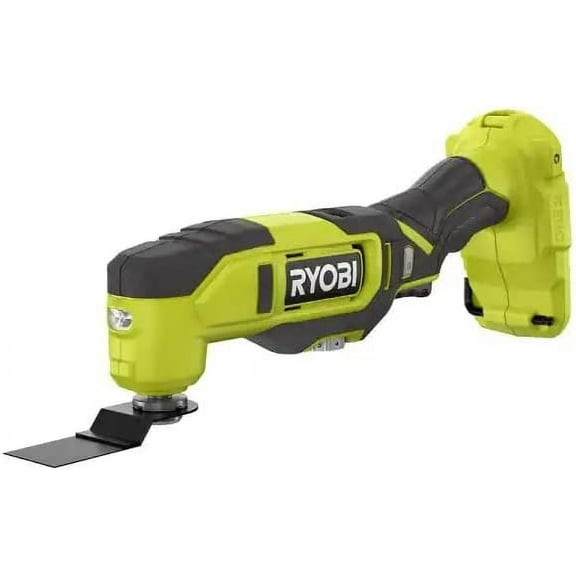
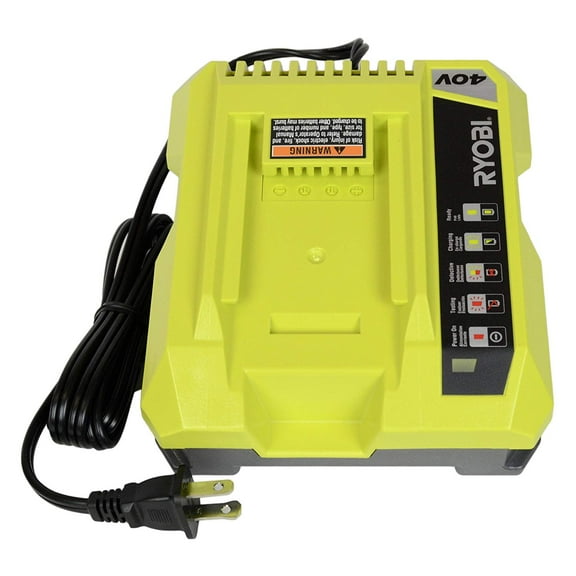
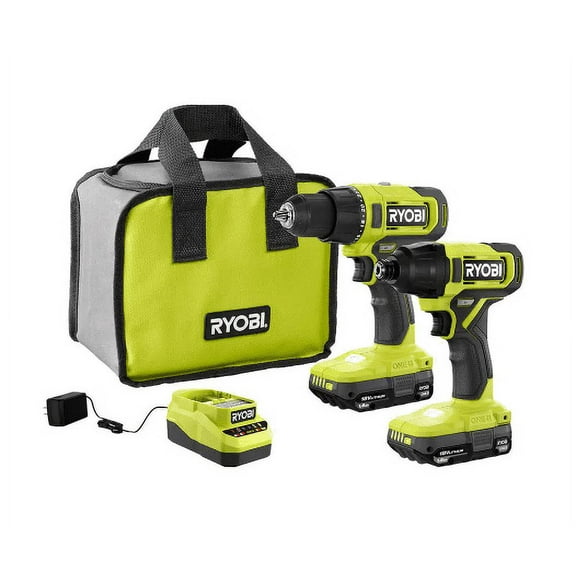
You should also compare tool-only and kit listings before you choose. If you buy a bare tool, you may need to add a battery and charger separately.
- You can keep one platform across several tools for simpler charging and storage.
- You should check whether a listing includes a battery, charger, or both.
- You can match higher-voltage platforms to larger outdoor cleanup and mowing tasks.
- You may use USB Lithium formats when you want compact tools for quick household jobs.
What to look for in Ryobi power tools
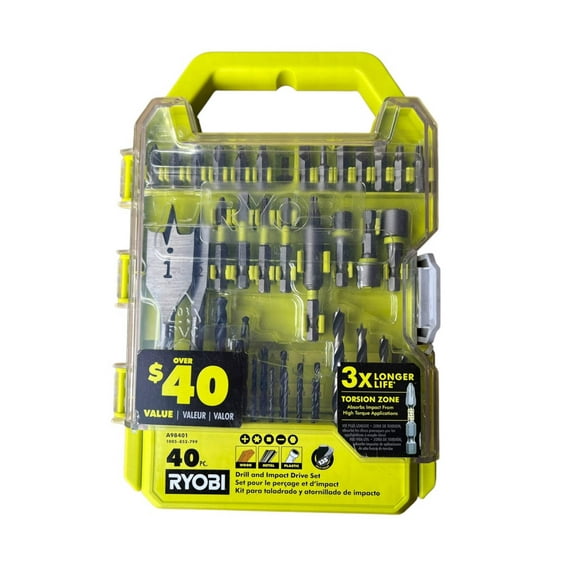
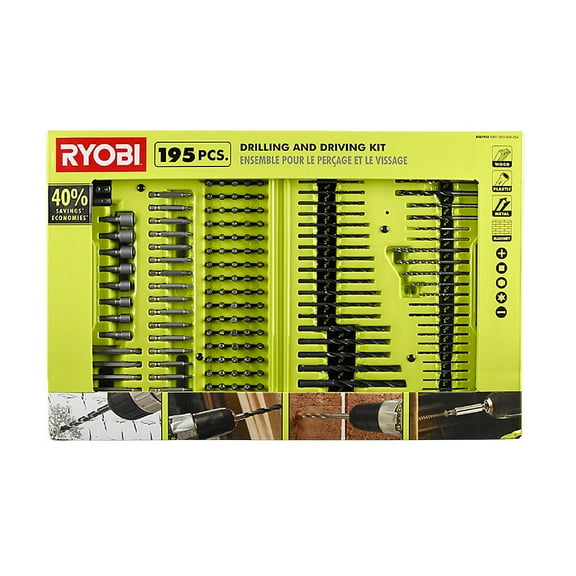
When you compare Ryobi power tools, you should sort first by tool type and the material or surface you'll handle. You can then compare motor style, included accessories, and overall size.
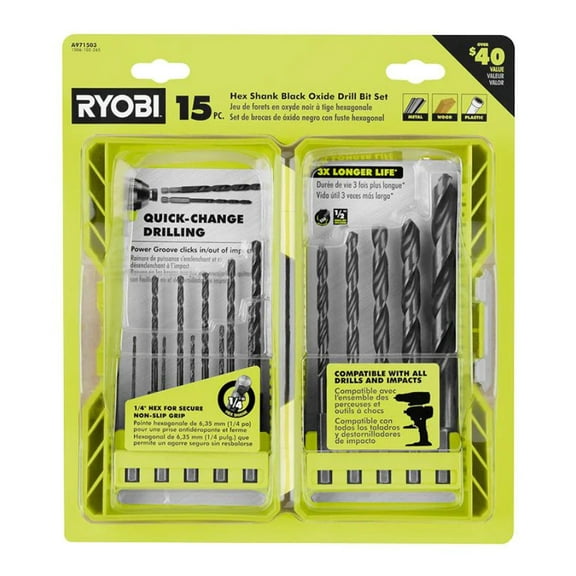
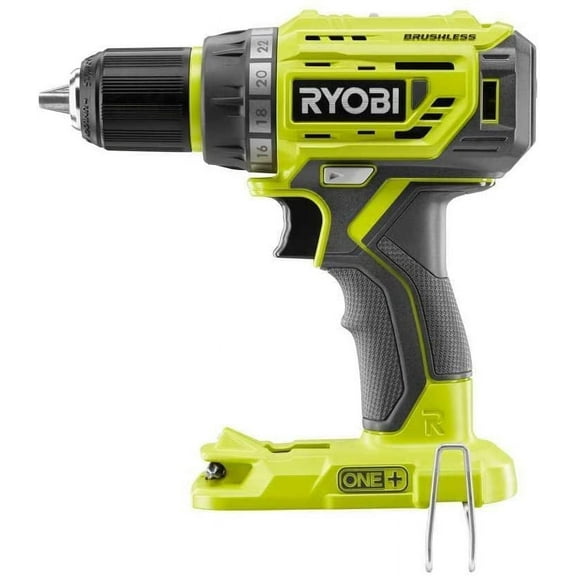
If you need a Ryobi drill for anchors, shelves, or furniture projects, you should check chuck size, speed settings, and clutch control. You can get precise fastening for common DIY tasks.
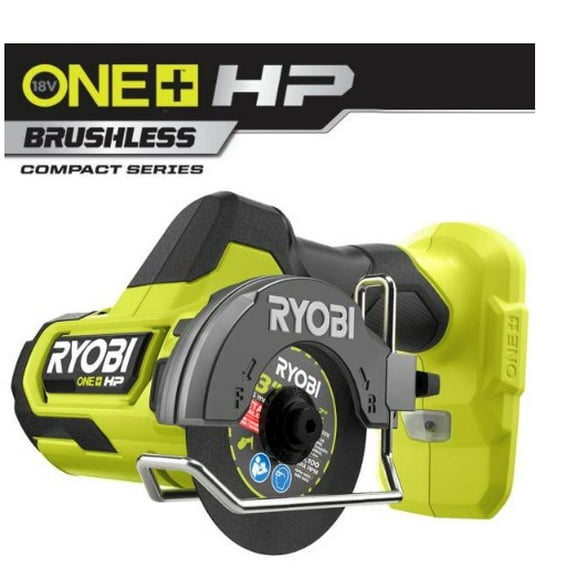
When you compare saws, you should look at blade size, cutting capacity, and whether cordless mobility matters for your workspace. You can match a compact saw to trim work or quick repairs.
If you're shopping lawn mowers, leaf blowers, or trimmers, you should compare deck width, air volume, cutting path, and runtime expectations. You can better match outdoor equipment to your yard size.
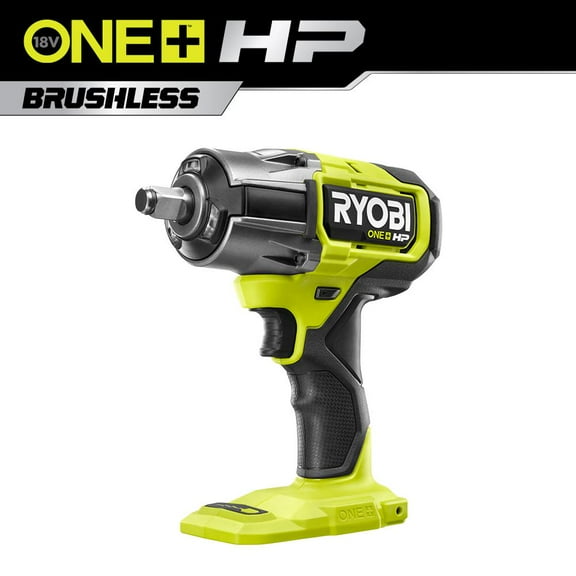
Motor type matters too, so you should compare brushless and brushed designs in plain terms. You can expect brushless models to support longer runtime and longer-lasting performance, while brushed options suit standard home use.
You may also want to check handling details before you decide on a model. You can compare weight, grip shape, folding handles, and storage-friendly designs for garages or sheds.
Matching Ryobi tools to your projects and experience
Your project type should guide your choice more than a long feature list. You can match drills and drivers to picture hanging, cabinet hardware, deck screws, and weekend furniture assembly.
If you're a DIYer, you may want an 18V platform that covers many indoor repairs with one battery family. You can expand gradually without relearning a new charging setup.
If you're a homeowner with regular yard work, you might focus on 40V mowers, trimmers, and blowers. You can handle seasonal cleanup with a system designed for outdoor equipment.
When you're a prosumer who uses tools often, you should compare brushless motors and larger-capacity battery kits. You can support longer sessions and reduce interruptions during more demanding projects.
You should also think about warranty details, replacement planning, and service options before you choose a setup. You can simplify upkeep when your tools share batteries, chargers, and a familiar platform.
For mixed households, you may want one indoor platform and one outdoor platform rather than unrelated tools. You can keep workshop tasks on 18V and yard equipment on 40V for clearer organization.
How Ryobi supports a system-based setup
A system-based approach helps you compare more than a single item on the page. You can build around batteries, chargers, and tool families that fit the way you work.
When you shop Ryobi at Walmart, you can evaluate drills, saws, mowers, blowers, and batteries with clearer decision points. You can choose a setup that fits your projects, your property, and your charging routine.