

Rubber Mallets in Hammers






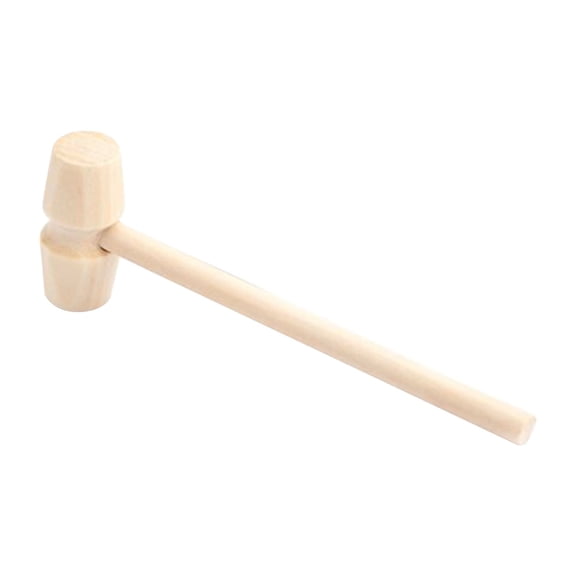


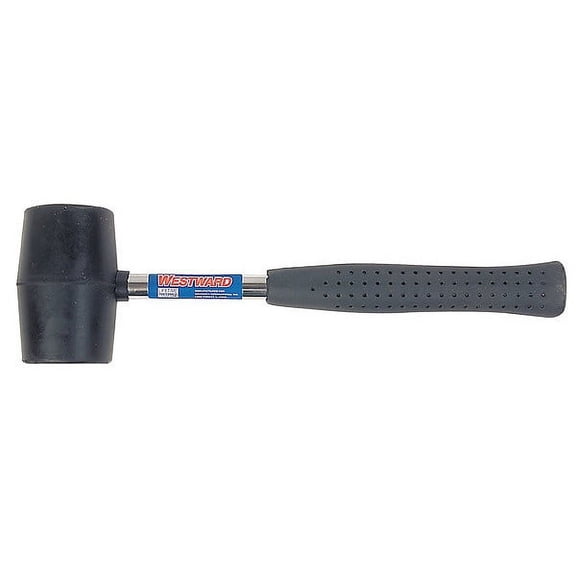
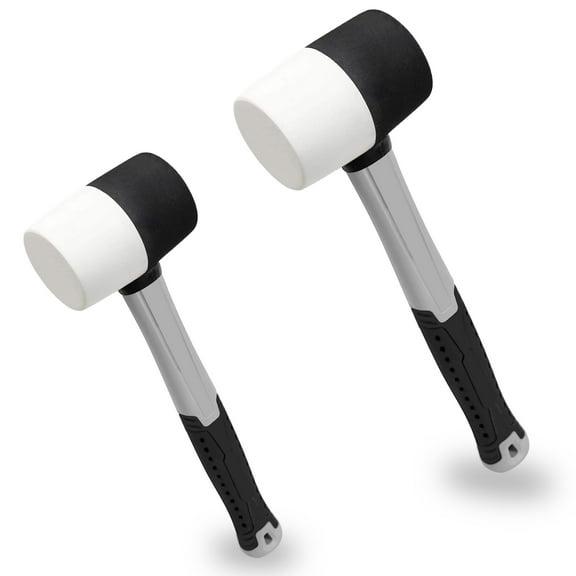


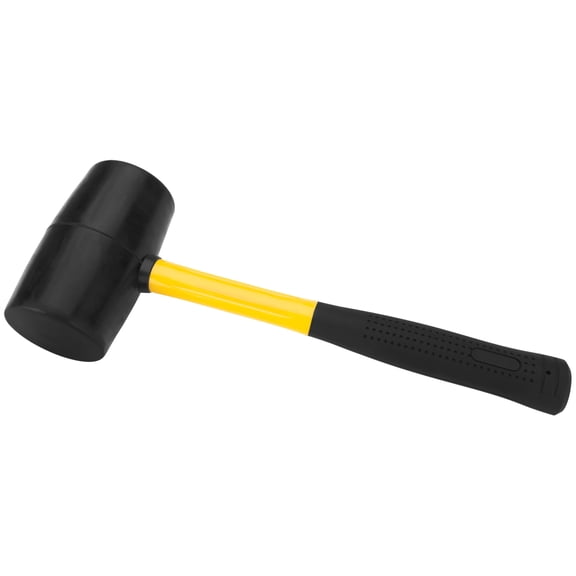
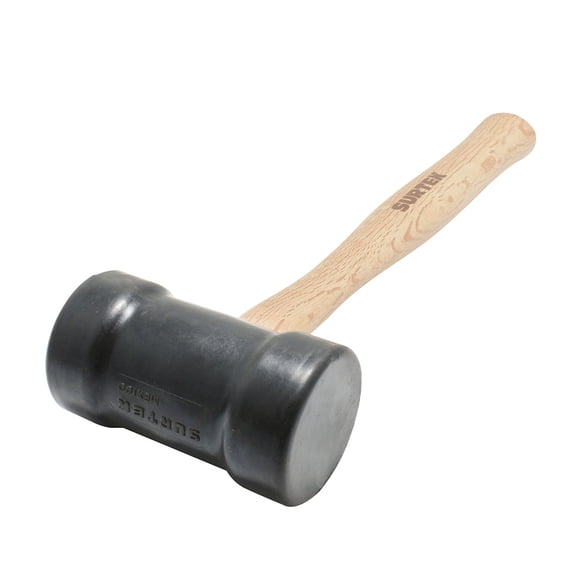
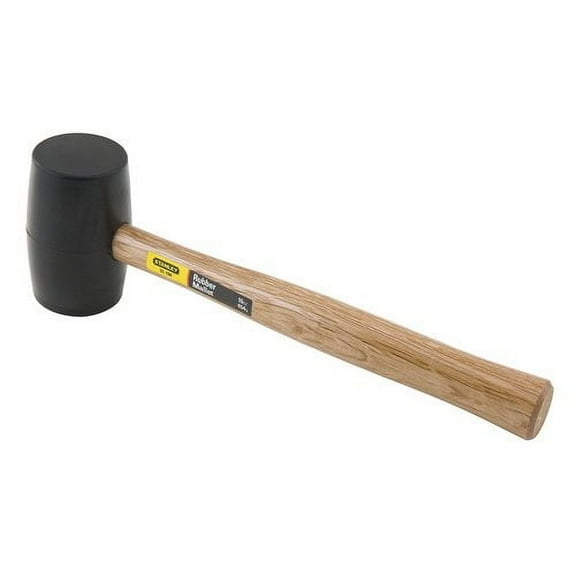

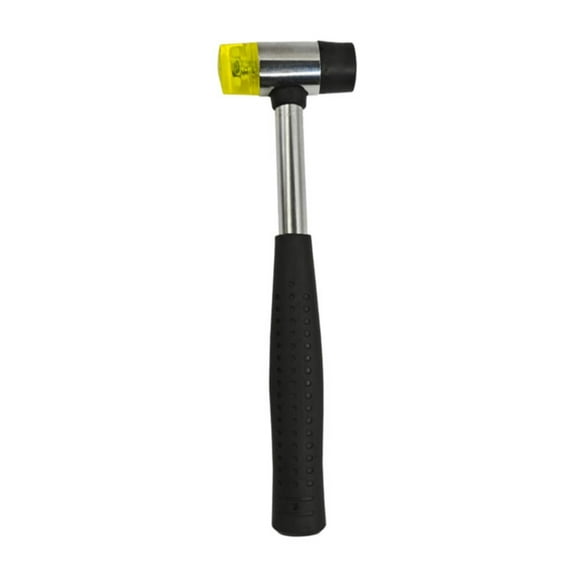


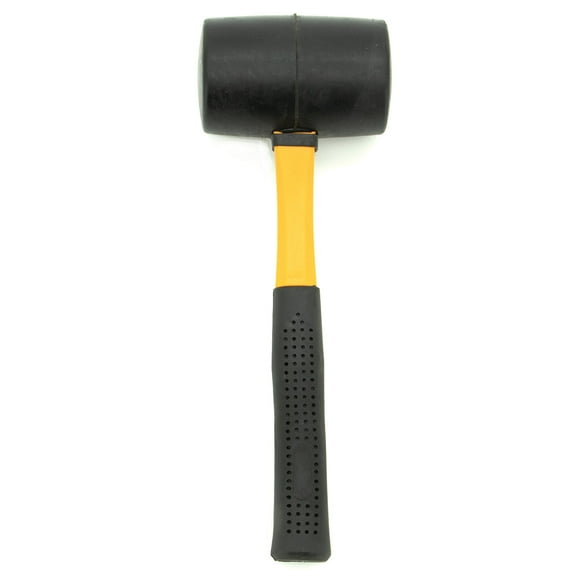



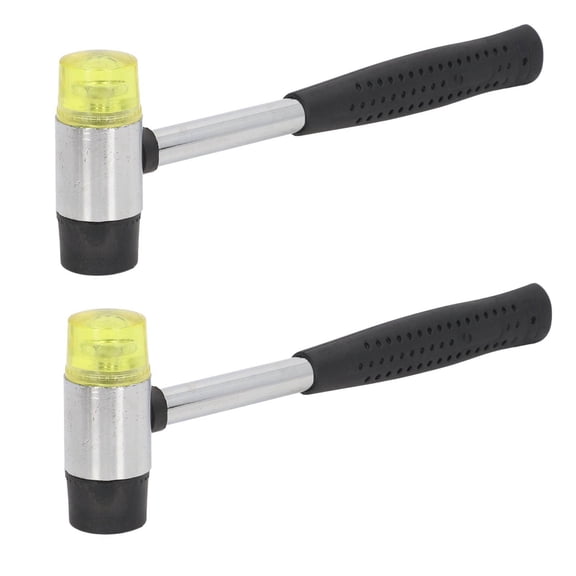
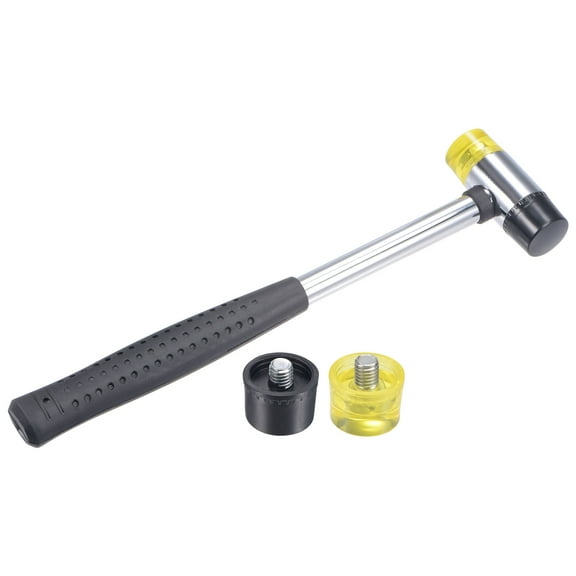
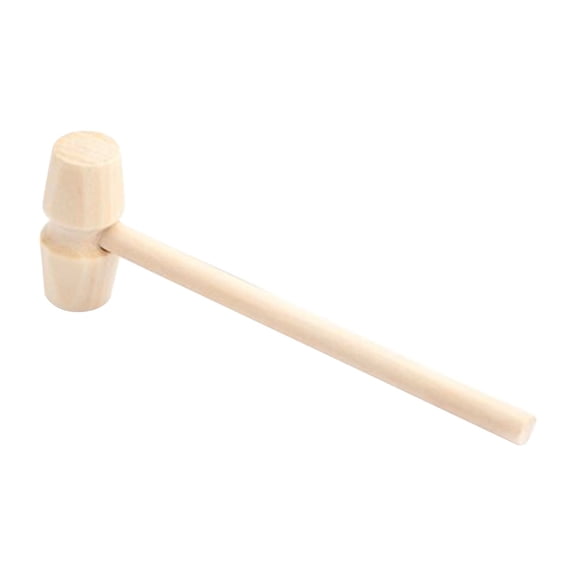
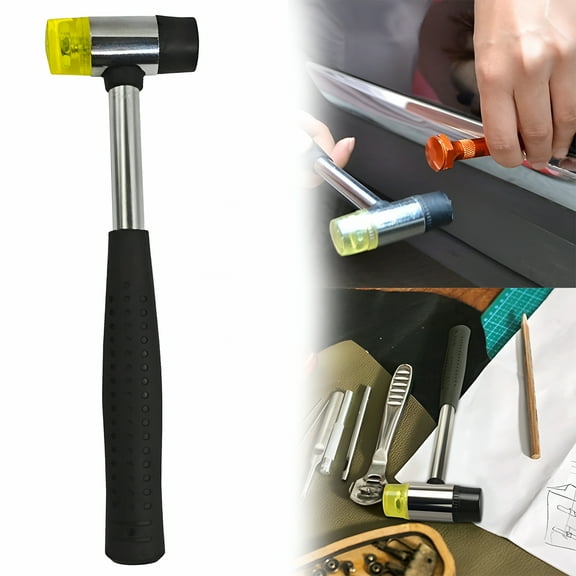
About Rubber Mallets in Hammers - Walmart.com
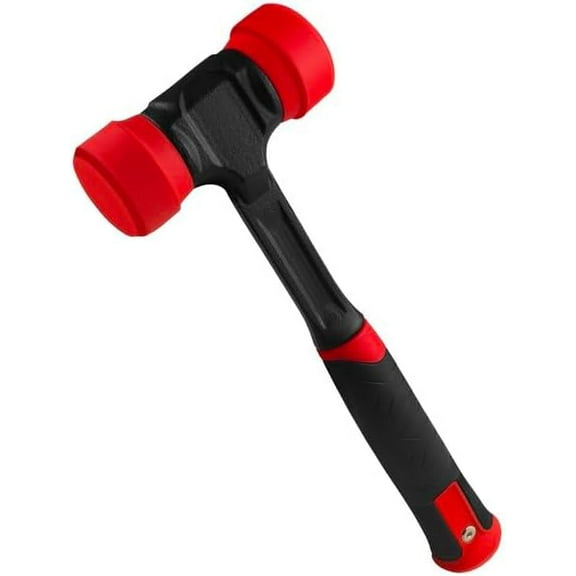
When you need stores that carry rubber mallet hammers in stock, you want fast availability and clear choices for tile, trim, flooring, and workshop tasks. You can compare head materials, weights, set sizes, and handle types in one place, so your project keeps moving.
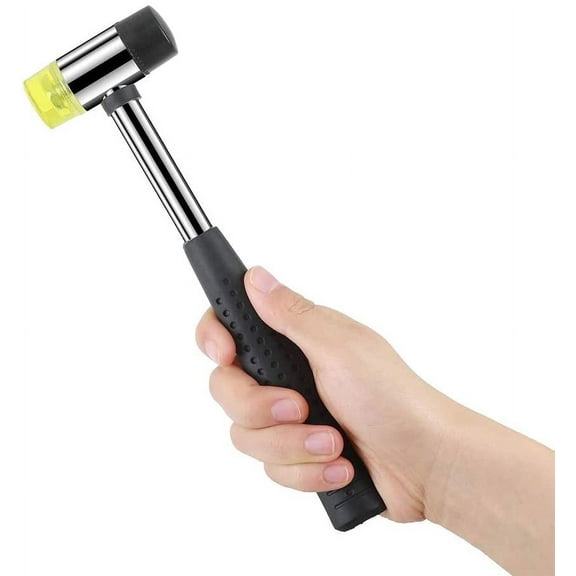
You may be replacing a metal hammer for non-marring work, or you may need a second mallet for a tool bag. You can also compare a small rubber mallet, a rubber mallet set, and a silicone hammer without guessing which style fits your job.
Which stores carry rubber mallet hammers in stock?
You can use this category as a practical guide when you want local availability and project-ready options. You’ll see choices that fit tile setting, woodworking, paver alignment, and trim installation without switching to a striking tool meant for nails.
Because you’re shopping a category page, you can compare several mallet styles side by side before pickup or delivery. You can also narrow your search by head material, handle material, and size, which helps when timing matters.
- You can strike tile, laminate, or trim with a softer face that helps protect finished surfaces.
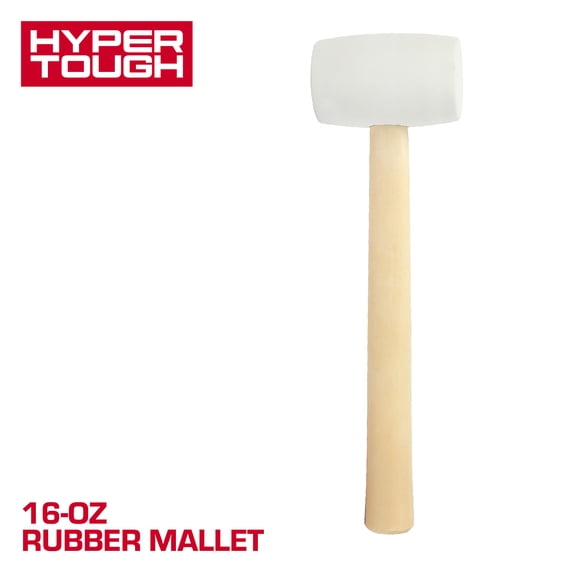
- You can choose white non-marring rubber when you want fewer visible marks on light materials.
- You can pick lighter or heavier head weights based on controlled taps or stronger seating force.
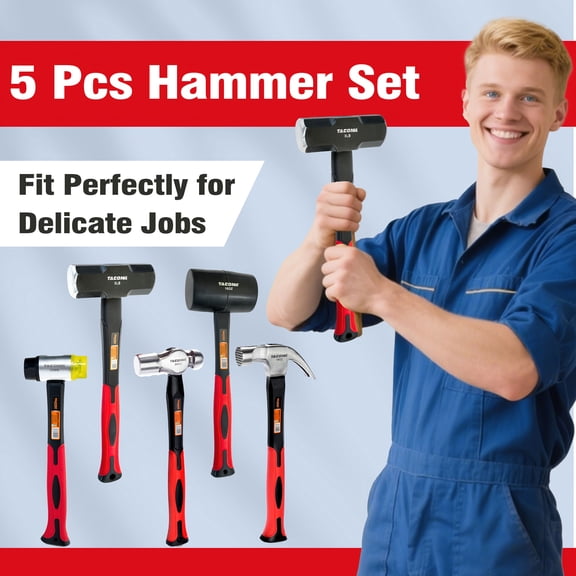
- You can compare single tools and multi-piece sets when your projects call for more than one size.
Choosing the right head material
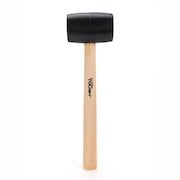
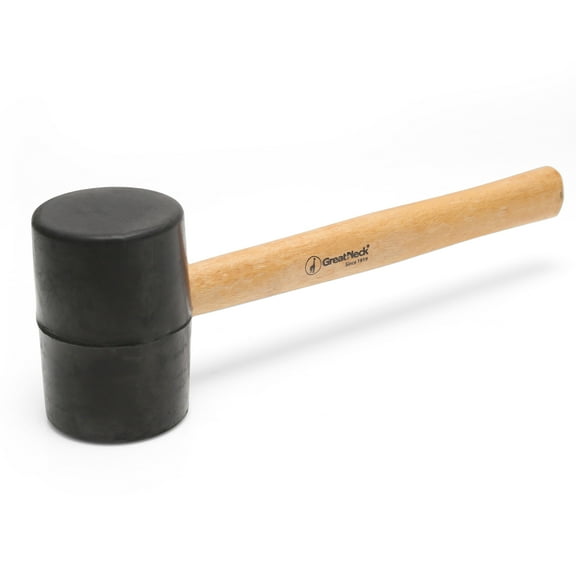
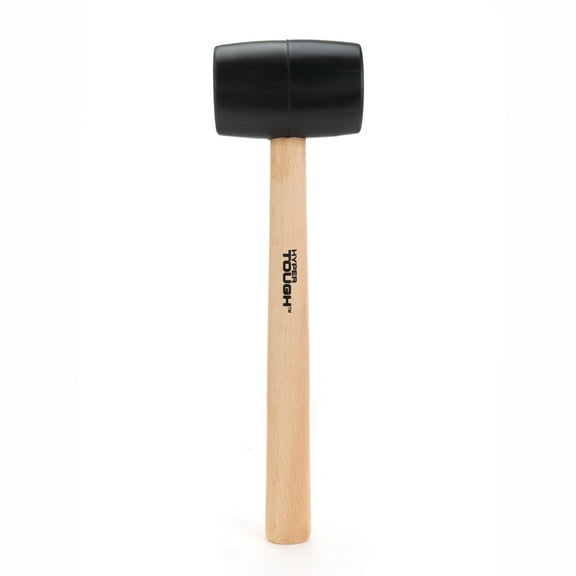
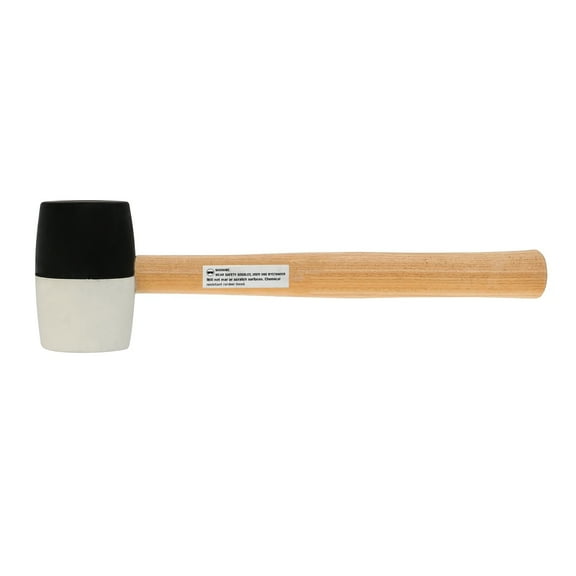
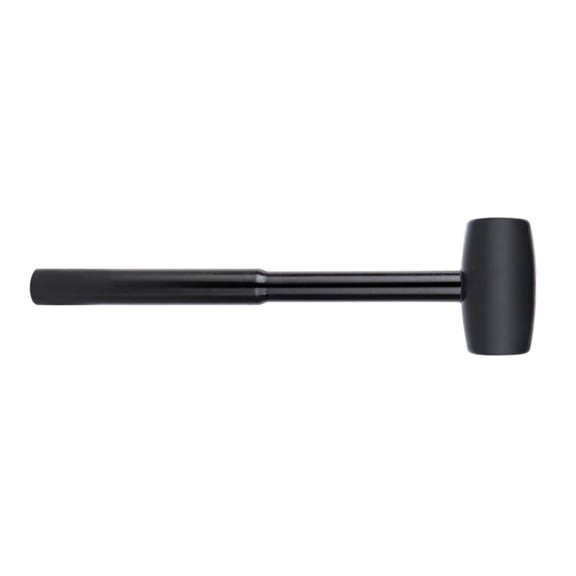
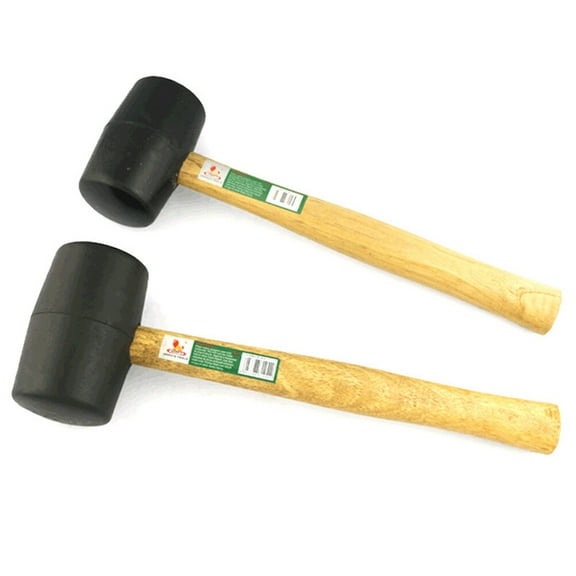
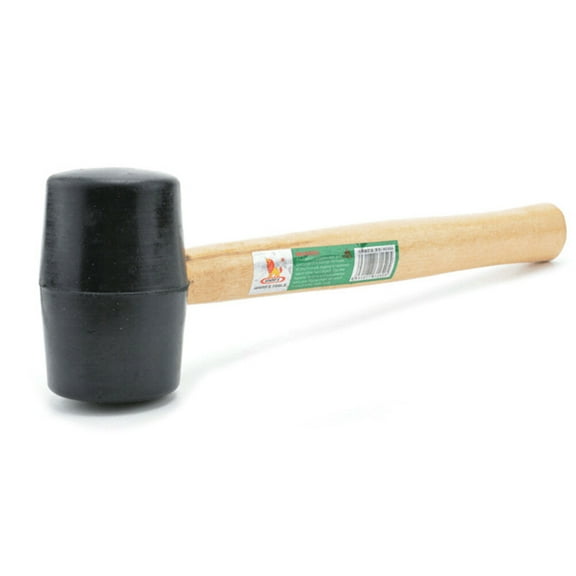
You should start with head material because it changes how your strikes feel and how your work surface looks afterward. You can choose black rubber for general shop tasks, while white non-marring rubber suits light-colored surfaces.
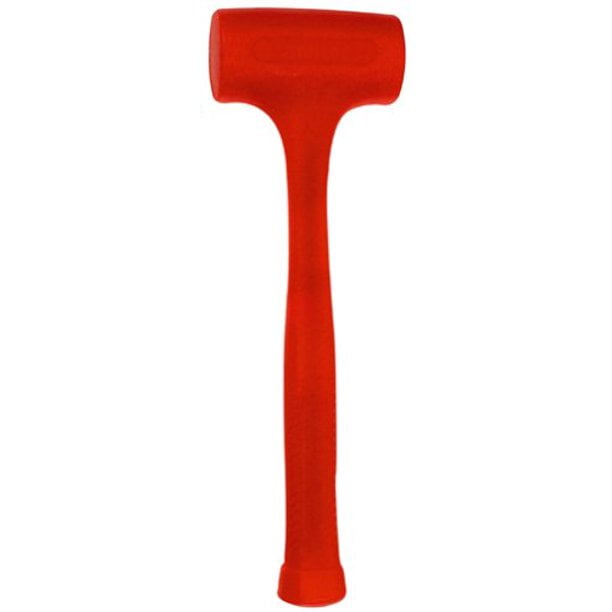
If you’re working on finished trim, tile, or assembled furniture, you may prefer a softer striking face that reduces visible transfer. You can also compare polyurethane heads when you want a firmer feel than standard rubber.
For delicate surfaces, you may compare a silicone hammer with classic rubber options before deciding. You’ll usually want silicone when you need a softer contact feel, while rubber can suit broader workshop use.
Choosing the right weight for your rubber mallet
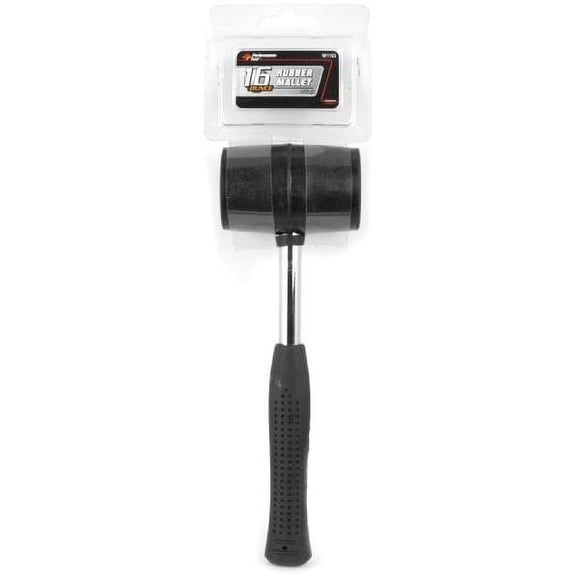
You should check head weight early because it affects control, strike force, and fatigue during repeated use. You may prefer an 8 oz or 16 oz size when you need precise taps for tile spacers, molding, or light assembly.
If your project involves pavers, posts, or heavier material alignment, you may want 24 oz or 32 oz options. You’ll get more driving force per strike, which can help when parts need firmer seating.
When you’re comparing a small rubber mallet, you should think about reach, storage, and accuracy. You may find lighter mallets easier to keep in a toolbox or use in tighter spaces.
Comparing handle materials and grip feel
You should compare handle material because it affects durability, grip feel, and how the tool responds in your hand. You can look for fiberglass when you want a modern feel with helpful shock absorption.
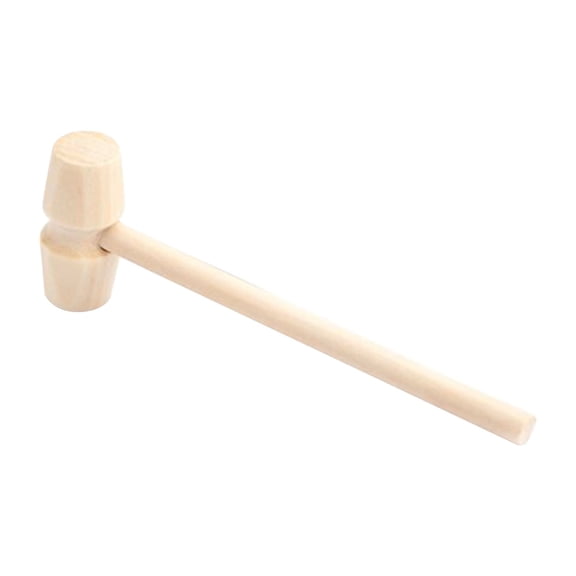
If you like a traditional workshop feel, you may prefer hardwood handles for familiar balance and straightforward control. You can also choose steel handles when you want a sturdy core and a compact build.
Before you choose, you should consider how long you’ll use the mallet in one session. You may want a handle shape and grip texture that feels steady during repeated taps on flooring, tile, or assembled parts.
Choosing between a single mallet and a rubber mallet set
You should compare set size based on how many tasks you handle and how often weight needs change. You can pick a single mallet for one regular job, or you can choose a two-piece or three-piece set.
A rubber mallet set can make sense when you switch between lighter finishing work and heavier installation tasks. You’ll have more flexibility when one project needs careful tapping and another needs stronger impact.
If you keep tools in separate spaces, you may also prefer a set for a garage, workshop, and vehicle kit. You can cover more situations without moving the same mallet from place to place.
How to match rubber mallets to your project
You should match lighter heads and non-marring faces to tile, flooring, cabinetry, and furniture assembly. You can use those combinations when appearance matters and you want controlled placement.
For landscaping or construction tasks, you may compare heavier weights and firmer faces for stronger alignment strikes. You’ll often want that added force when setting pavers, adjusting forms, or seating thicker materials.
If you’re deciding between a silicone hammer and a rubber style, you should compare the surface finish you’re protecting. You can also check whether a white face makes sense when dark transfer would stand out.
You may notice common search variations like rubber hamer or rubber malt when you’re checking tool terms online. You still want the same core details: head material, weight, handle type, and in-stock availability for your project timeline.
With rubber mallets, you can choose a tool that fits your material, your grip preference, and your level of striking force. You’ll finish with cleaner contact, steadier alignment, and fewer marks on the surfaces you’re trying to protect.