

Railing in Building Materials








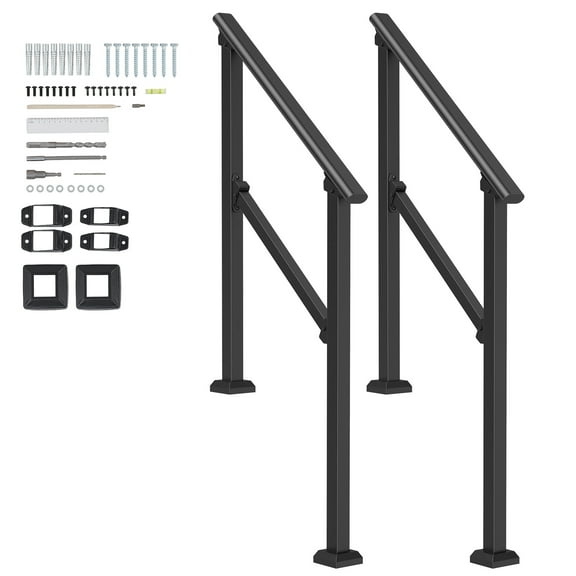
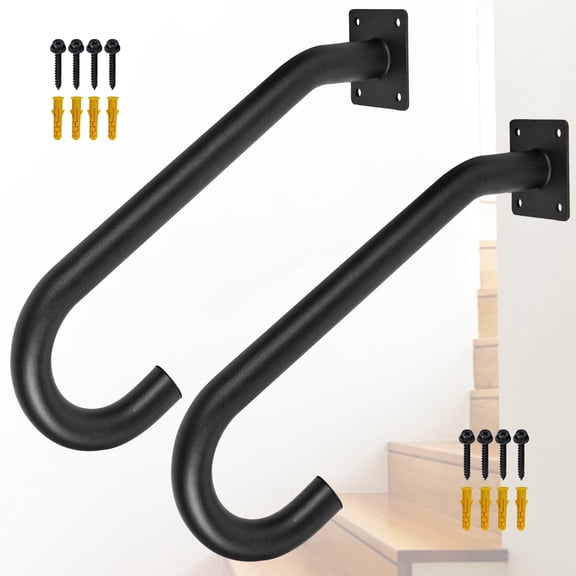
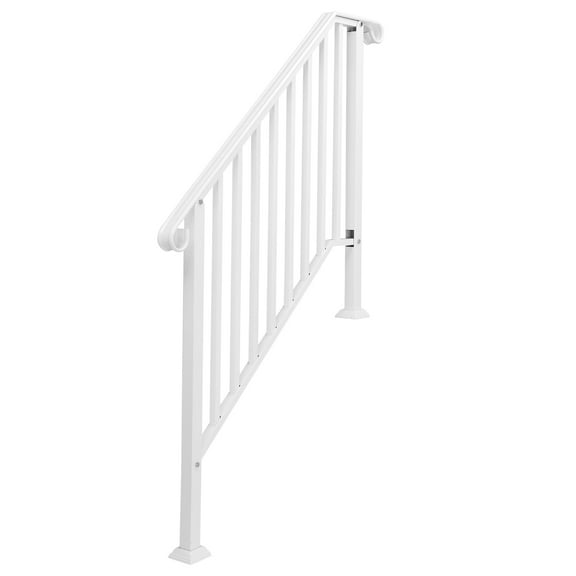
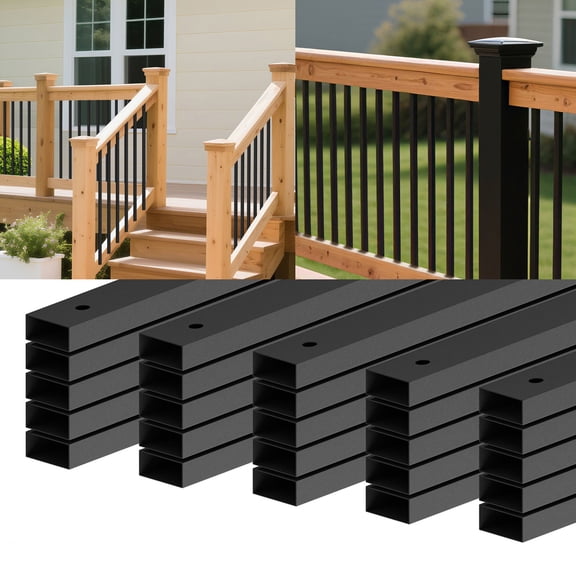




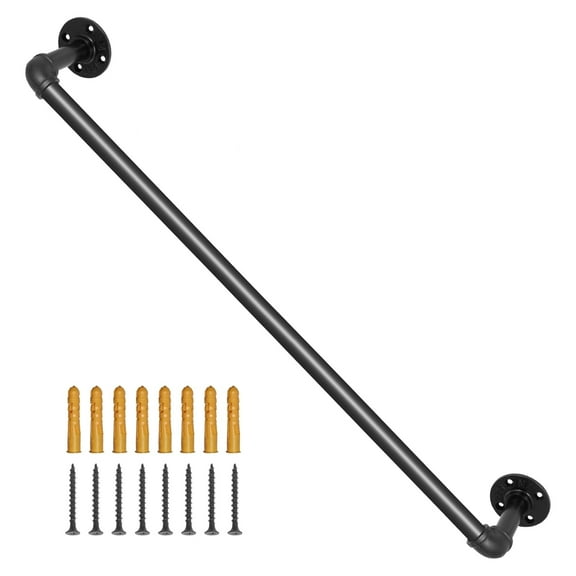
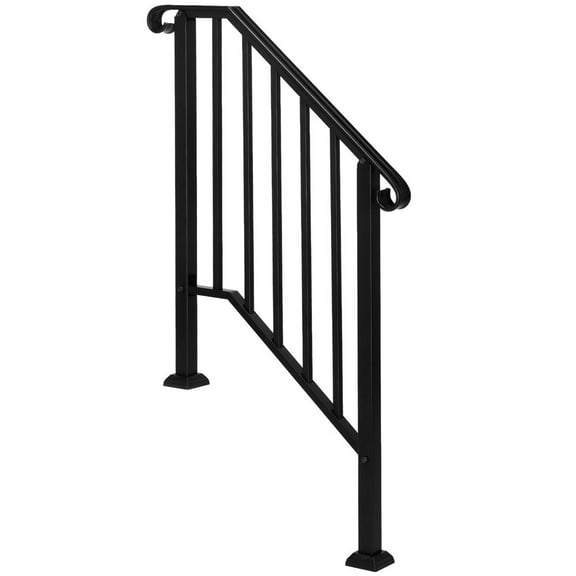
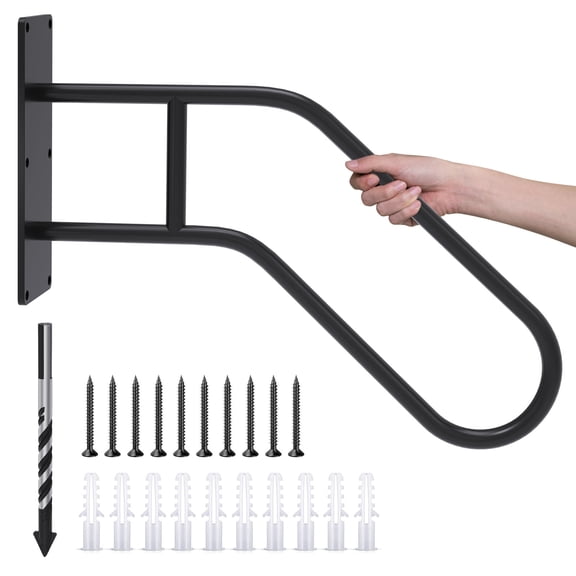


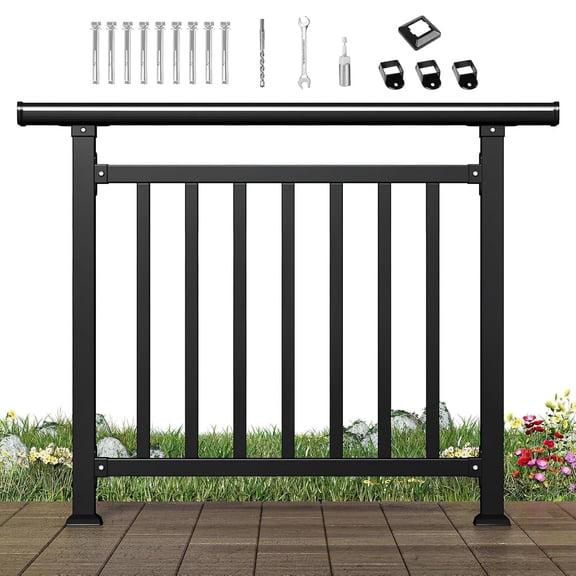









About Railing in Building Materials - Walmart.com
With decking and railing, you can plan an outdoor build that looks coordinated and simplifies your project's finish. You can compare deck boards, rails, balusters, and post caps in one place, which helps you match materials and installation styles.
If you're updating a porch, building stairs, or replacing worn sections, you need parts that work together. You can use this category to compare composite, wood, vinyl, aluminum, and metal options before you choose your layout.
How to choose decking and railing by material
When you compare materials, you should start with upkeep, appearance, and long-term wear. You may prefer composite decking boards if you want a wood-look surface without regular staining.
If you like a classic build, you may choose wood deck boards for a familiar look and easy cutting. If you want low-maintenance rails, you may lean toward vinyl deck railing or aluminum deck railing.
- You can choose composite when you want consistent color and less routine finishing.
- You can choose wood when you want a traditional surface that you can paint or stain.
- You can choose vinyl railing when you want clean lines and simple upkeep.
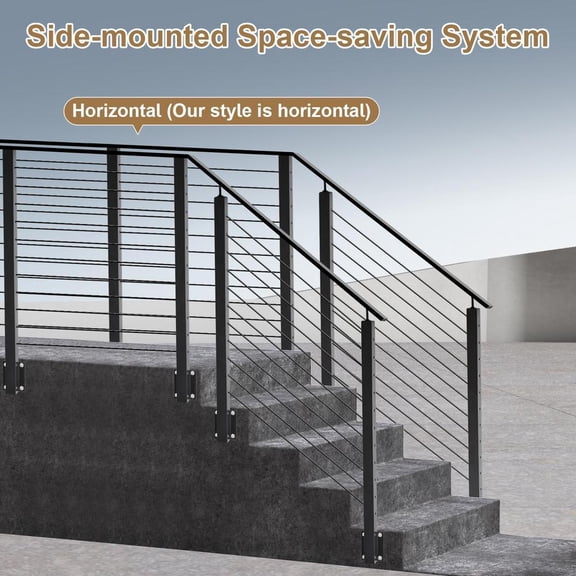
- You can choose aluminum or metal railing when you want a slimmer profile and an open view.
As you compare total ownership costs, you should look beyond the first purchase. You may spend less time on sanding, sealing, or repainting when you choose low-maintenance materials.
Choosing between deck railing kits and individual parts
If you want a simpler project path, deck railing kits can help you match rails, posts, and connectors. Coordinated components can help simplify your project compared to custom planning.
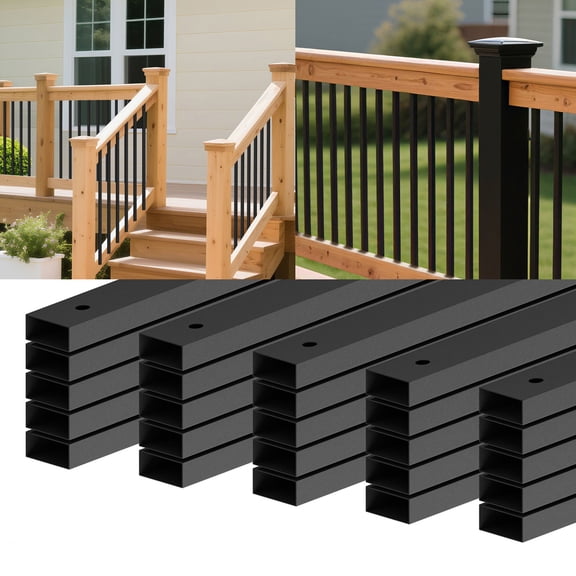
When you want more design control, you can compare deck balusters, deck handrails, and deck post caps separately. You can build a tailored look when you mix product types within the same style family.
As you review product type, you should check whether you need deck boards, rail sections, stair sections, or trim pieces. You should also compare whether your project uses level runs, stairs, corners, or gate openings.
What to look for in style and code details
When you compare styles, you should match your railing shape to your home's exterior lines. You may prefer modern profiles for clean edges, while craftsman details can suit more traditional trim.
If you want a light visual look, you can compare narrow deck balusters and slimmer deck handrails. If you want a substantial frame, you can look for wider posts and decorative deck post caps.
You should also check product details against your local project requirements before you install. You may need specific railing heights or baluster spacing, especially when you add exterior stair railings.
As you compare listings, you should look for dimensions, spacing guidance, and mounting information. You can use those details to narrow options that fit your deck plan more accurately.
Comparing installation types for your project
Installation type can shape how your finished deck looks and how much planning you need. You should compare surface mount, fascia mount, and DIY kits before you choose posts and rails.
If you want posts attached on top of the deck surface, you can consider surface mount systems. If you want a cleaner board edge, you may prefer fascia mount options that attach to the outer rim.
When you want an approachable project, you can compare DIY kits or pre-assembled sections. You may spend less time measuring each component when you choose a system designed to work together.
If you're replacing one section instead of building a full platform, you should match your new parts carefully. You can check rail length, post size, and mounting method so your update looks consistent.
How decking and railing fit real outdoor projects
If you're refreshing a backyard platform, you can pair composite decking boards with aluminum or vinyl railing for a low-maintenance setup. You can keep the surface and rail style aligned without mixing unrelated finishes.
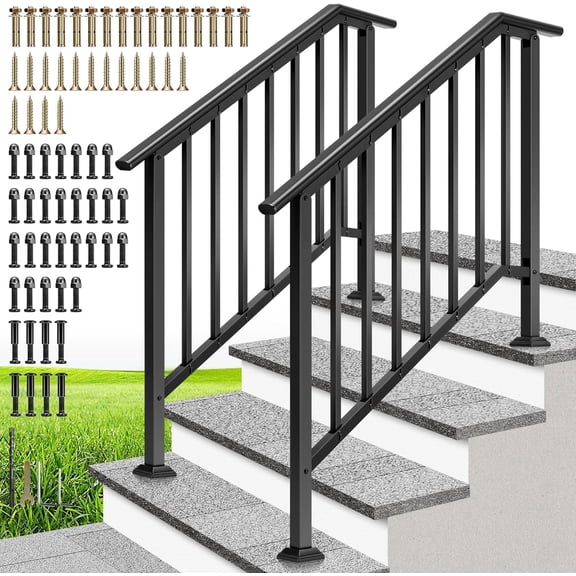
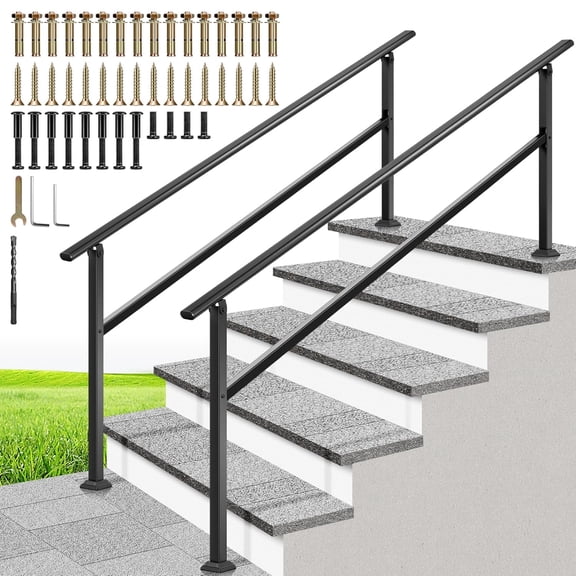
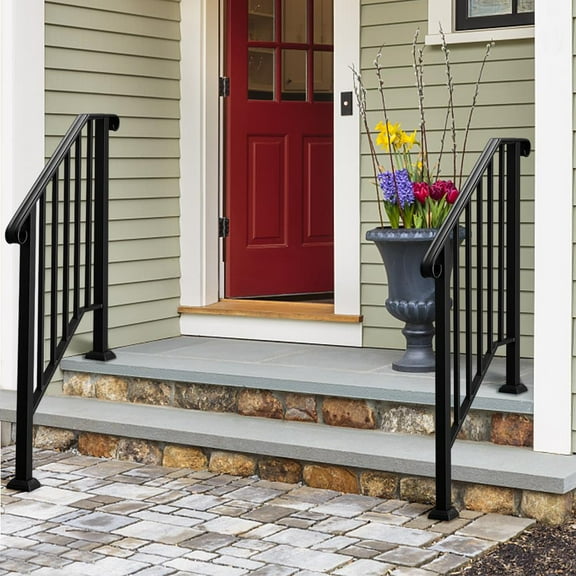
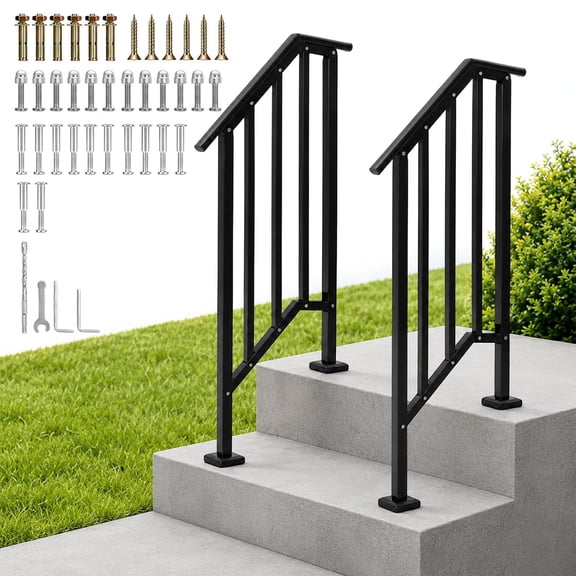
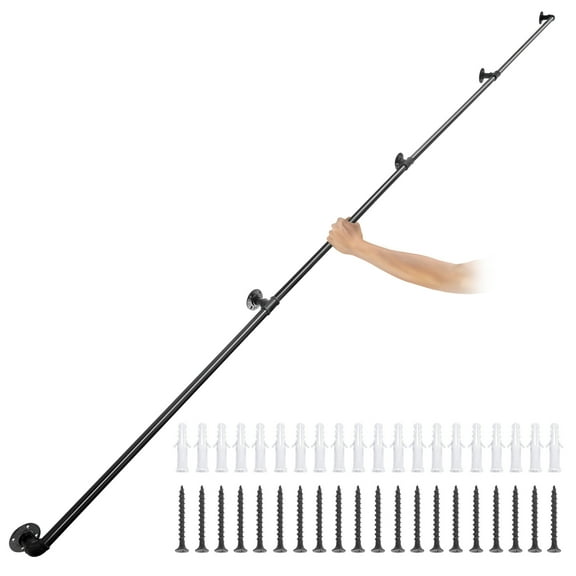
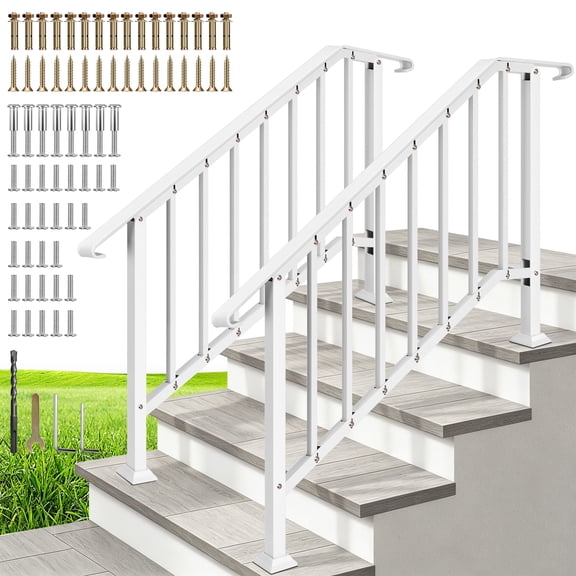
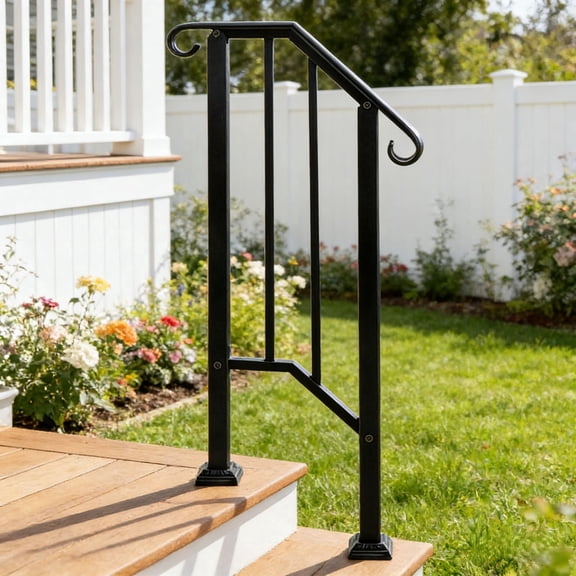
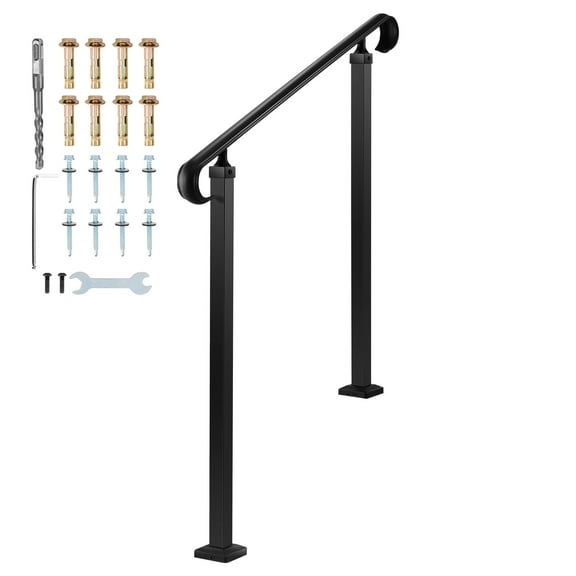
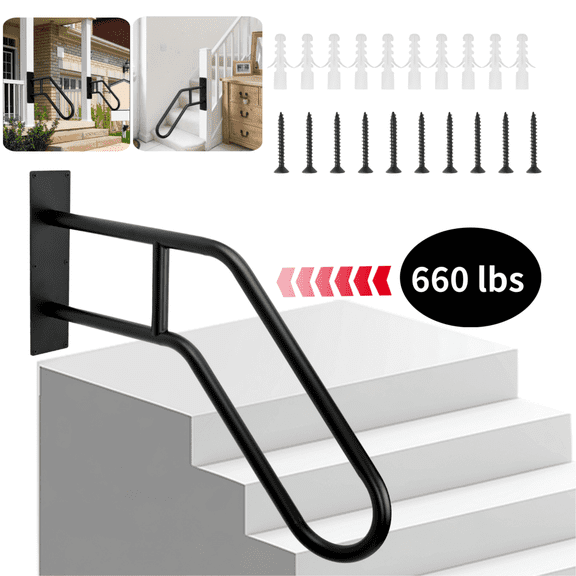
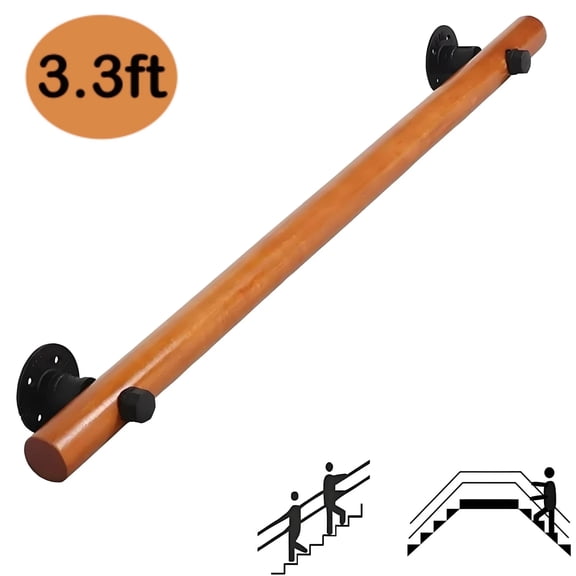
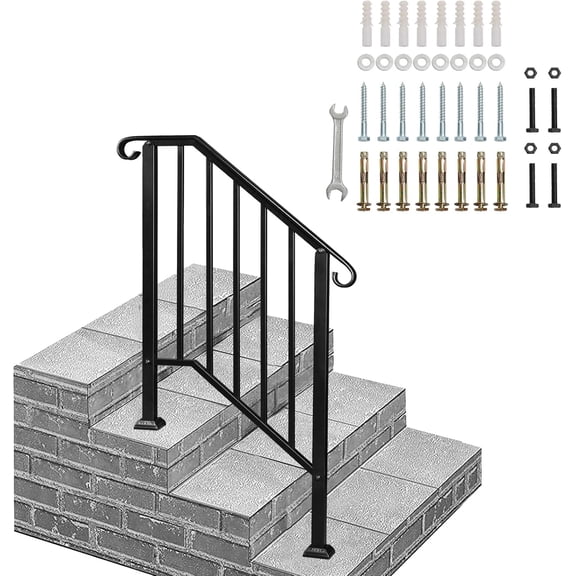
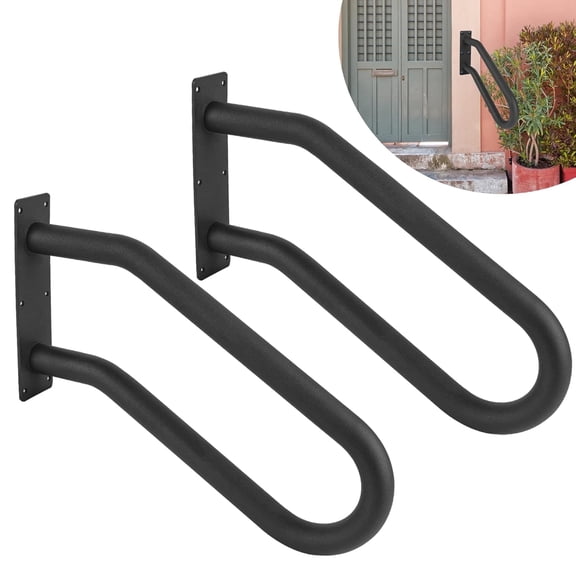
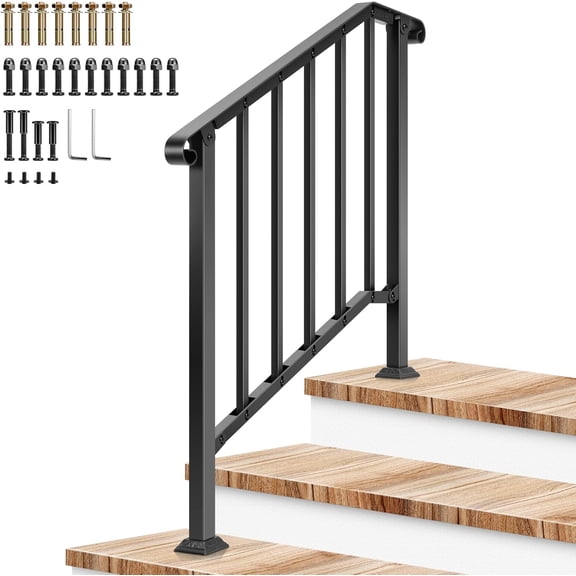
For front steps or side entries, you may focus first on deck handrails and exterior stair railings. You should compare stair-compatible sections, mounting hardware, and grip-friendly profiles for a complete plan.
If you're updating a small balcony or landing, you can use coordinated railing kits to simplify measuring. You may also add deck post caps for a finished edge that ties the layout together.
During warmer months, you may also compare wood deck tiles for quick surface updates on smaller spaces. You can use them when you want a simpler project than a full framed deck rebuild.
When you want a classic porch look, you can pair wood boards with traditional baluster shapes. If you want a sleeker patio edge, you can compare minimalist metal rails with darker deck tones.
With the right decking and railing choices, you can create an outdoor space that looks planned from the deck boards to the top rail. You can finish with matched components that support a cleaner installation and a polished result.
Popular in Railing in Building Materials - Walmart.com
- Decks White Railings
- Ufpi Deckorators Decking & Railing
- Clearance in Decking & Railing
- Advanced Drainage Systems Decking & Railing
- Concrete Railing
- Top Rated Products in Decking & Railing
- Baluster Fence
- Classy Caps Decking & Railing
- Picket Railing
- Rollback in Decking & Railing
- Clear Deck Railing
- Composite Decking Posts