

Printmaking Supplies for Arts Crafts









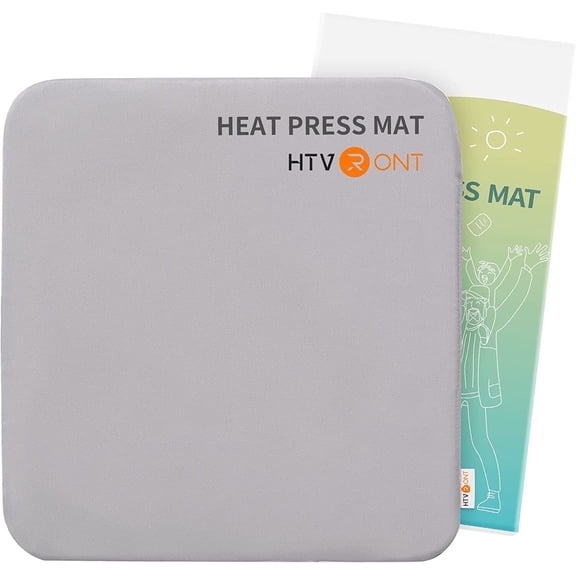
![Heat Press Mat for Heat Press Machines and HTV and Iron On Projects, [12" x 12"]](https://i5.walmartimages.com/seo/Heat-Press-Mat-for-Heat-Press-Machines-and-HTV-and-Iron-On-Projects-12-x-12_88018440-1bde-471e-b375-a10afc22f913.3e2ff1c0184fdc802e724103113cfa33.jpeg?odnHeight=576&odnWidth=576&odnBg=FFFFFF)




























About Printmaking Supplies for Arts Crafts - Walmart.com
With printmaking supplies, you can build clean, repeatable designs for cards, posters, fabric accents, and classroom projects. You can compare techniques, tool sets, and surfaces more easily when you start with category-focused guidance.
How to choose printmaking supplies by technique
You should start by matching your printmaking supplies to the technique you plan to use most often. You’ll notice block printing, linocut, screen printing, and monoprinting each call for different tools and surfaces.
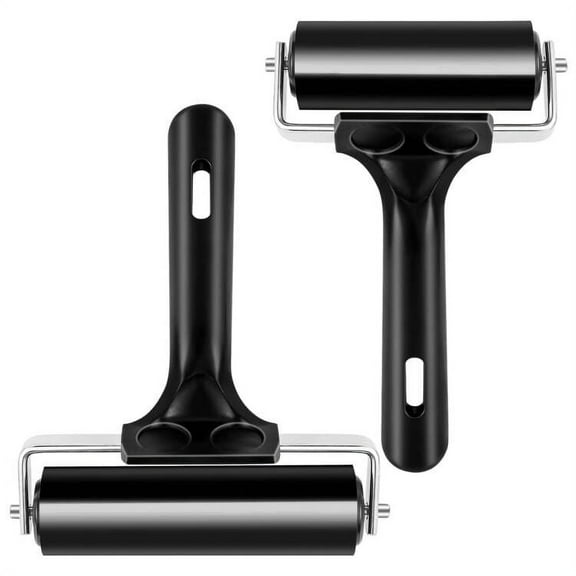
For block printing, you’ll usually need carving tools, brayer rollers, block printing ink, and a carved surface. For linocut, you’ll want linoleum cutters and sheets that hold crisp lines and detailed cuts.
If you’re comparing screen printing supplies, you should look for inks and surfaces made for mesh-based transfer. For monoprinting, you may prefer simpler setups that let you make one-of-a-kind pulls with smooth plates.
You can narrow choices faster when you compare these technique differences before you pick paper or ink. You’ll avoid mismatched materials and get a cleaner setup for your project style.
What to look for in block printing tools and linocut kits
You should compare product type next, because each tool changes how your design transfers. You’ll use brayer rollers to spread ink evenly, while carving tools shape lines, edges, and texture.
When you review linocut kits, you should check whether they include cutters, handles, ink, blocks, and practice sheets. You’ll get a smoother start when your kit covers the full process from carving to printing.
- You can choose brayer rollers when you want even ink coverage across flat carved surfaces.
- You can choose carving tools with varied tips when you want thin lines, wider cuts, or textured marks.
- You can choose printmaking paper when you want sheets that lift detail without distracting surface texture.
- You can choose kits when you want coordinated essentials for beginner or student projects.
You may also want separate tools if you already have ink or paper at home. You’ll get more control that way when you’re replacing one worn item instead of starting over.
For classroom or studio use, you should compare handle comfort, tool variety, and refill options. You’ll notice these details matter when you’re printing multiple copies in one session.
Choosing printmaking paper and block printing ink
You should check ink base before anything touches your paper, fabric, or block. You’ll usually compare water-based and oil-based formulas based on cleanup, dry time, and surface compatibility.
Water-based block printing ink often suits beginner and student setups because you can clean tools more easily. You’ll often like it for paper projects, practice sessions, and quick design changes.
Oil-based ink can appeal to experienced makers who want extended working time and rich coverage. You should confirm the surface type first, so your transfer matches your technique and project goals.
When you choose printmaking paper, you should look for sheets that accept ink evenly and show carved detail clearly. You’ll want the paper weight and texture to fit your pressure method.
Smoother paper can help you reveal fine lines from linoleum cutters and careful carving. Heavier sheets can support repeated pulls when you’re making small editions or classroom samples.
If you plan to print on fabric, you should confirm that your ink and surface are meant to work together. You’ll get a more reliable result when your materials are designed for the same application.
Matching skill level to your setup
You should also compare printmaking supplies by skill level, because your workflow changes as you gain experience. You’ll usually want simpler kits at the beginning and more specialized tools later.
As a beginner, you may prefer linocut kits with coordinated tools and easy-to-follow basics. You’ll spend less time piecing together parts and more time learning pressure, ink load, and carving control.
If you’re shopping for students, you should look for manageable tool assortments and versatile paper options. You’ll make group projects easier when supplies support practice, repetition, and simple cleanup.
For professional or advanced use, you may want separate brayer rollers, specific carving profiles, and technique-based inks. You’ll have more freedom to fine-tune line quality, coverage, and repeat consistency.
Using printmaking supplies for real projects
You can use printmaking supplies across many creative projects when you match the setup to your material. You’ll see different combinations work well for art prints, stationery, labels, posters, and fabric accents.
For handmade cards or posters, you might pair block printing tools with printmaking paper and water-based ink. You’ll get a straightforward process that supports repeated pulls and easy color testing.
For detailed art prints, you may choose linocut kits or individual linoleum cutters with smooth paper. You’ll be able to carve sharper edges and highlight small textures in repeated editions.
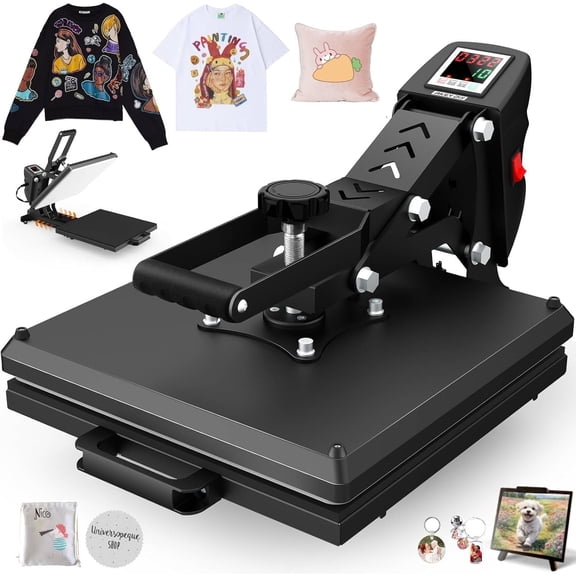
If you’re exploring fabric projects, you should compare surface-friendly inks before you print tote bags or textile panels. You’ll get clearer transfers when your ink is suited to fabric instead of paper.
For mixed media classrooms, you can keep options flexible with beginner kits, brayer rollers, and versatile paper packs. You’ll support practice sessions, demos, and short project timelines with fewer setup changes.
You can build a more organized creative routine when your technique, ink base, and surface all align. You’ll finish with tools and materials that fit the way you actually print.