

Polyester Ropes in Ropes







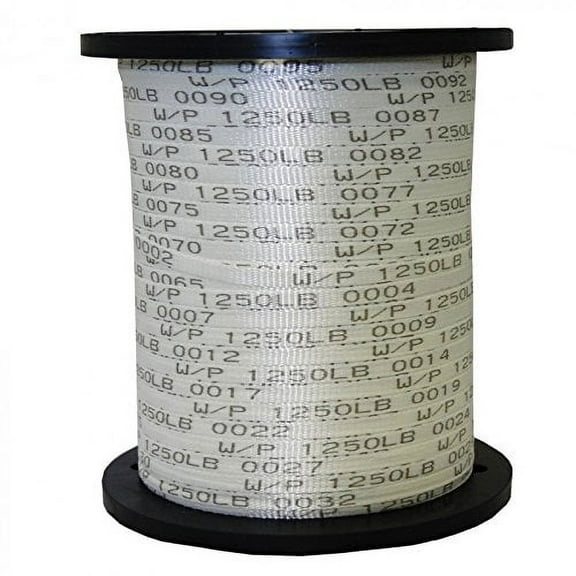
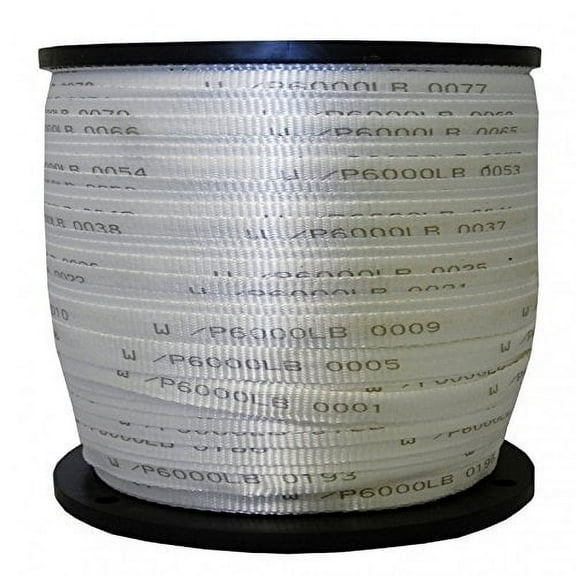
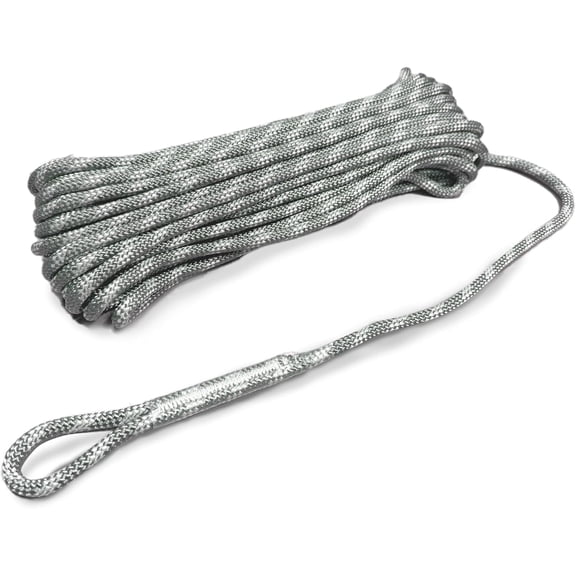


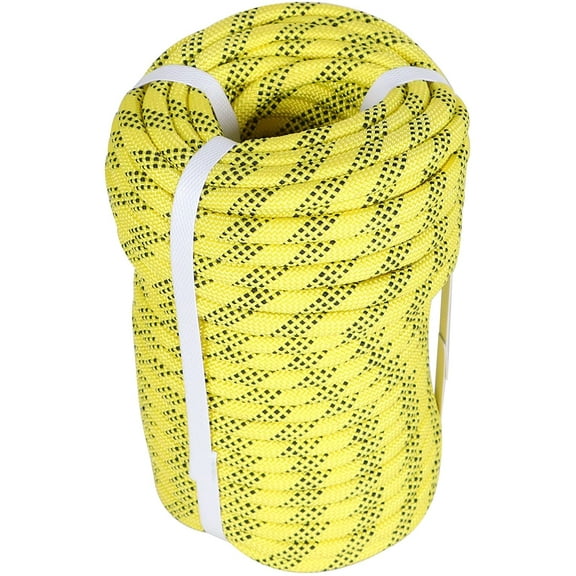
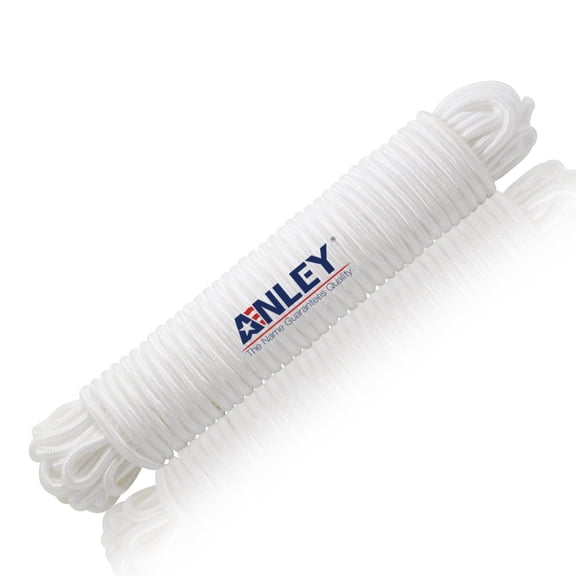
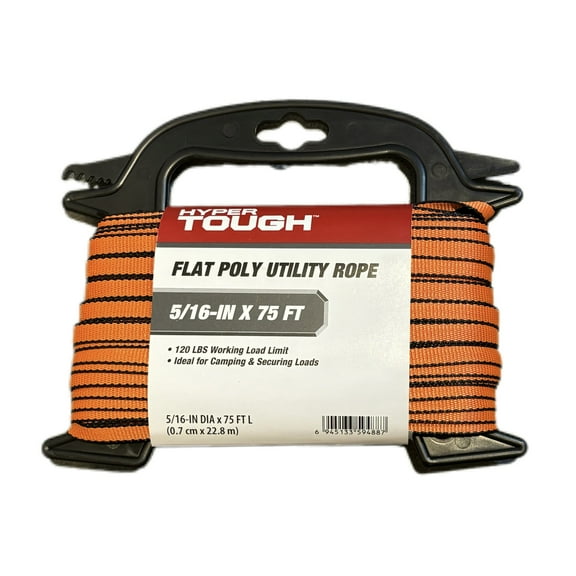


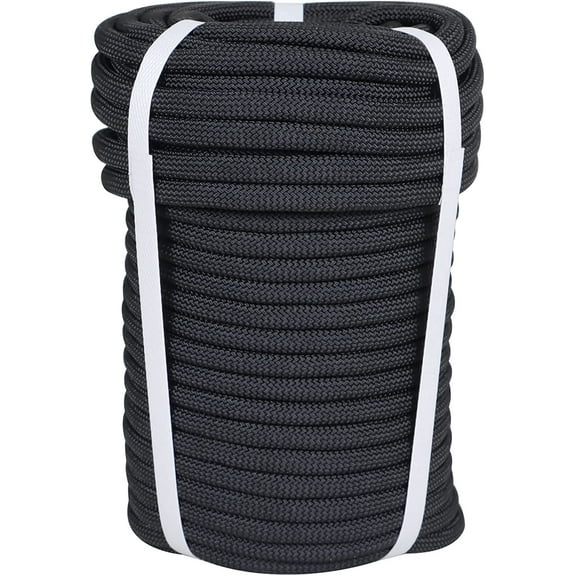
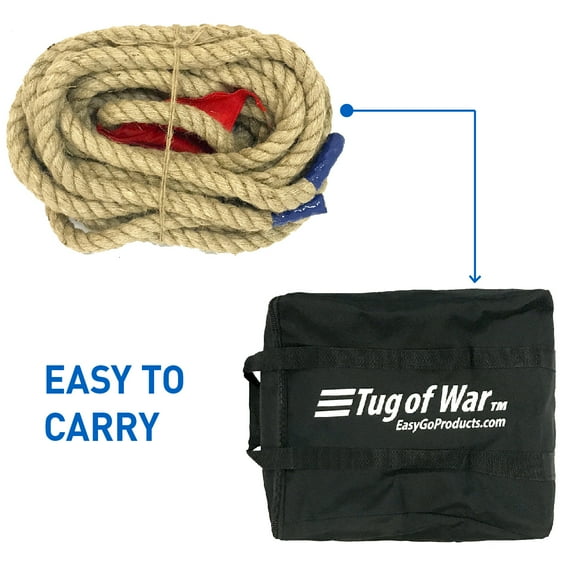
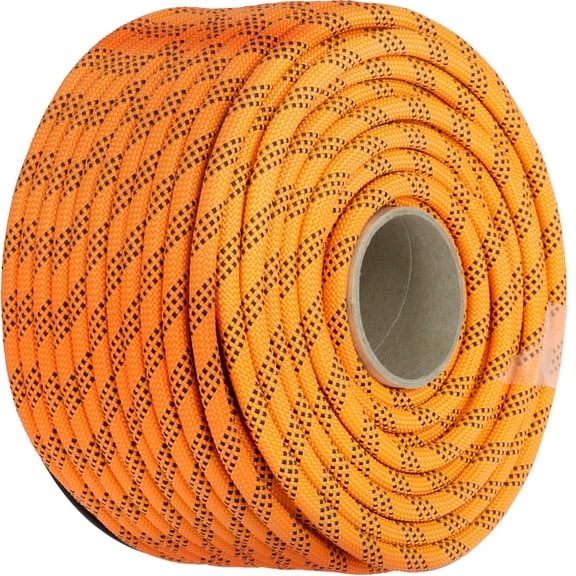


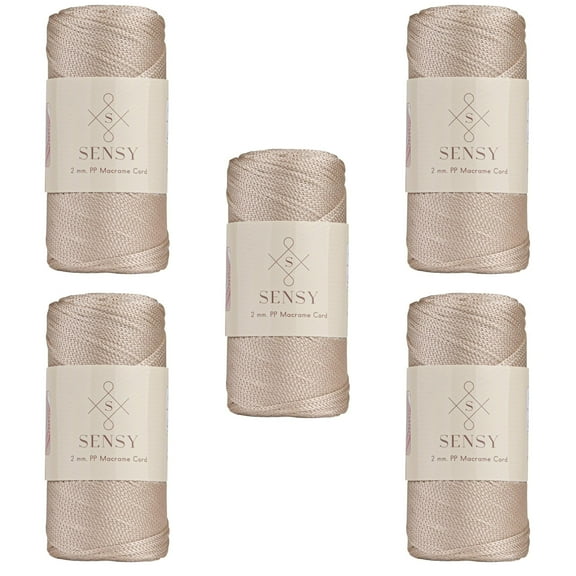


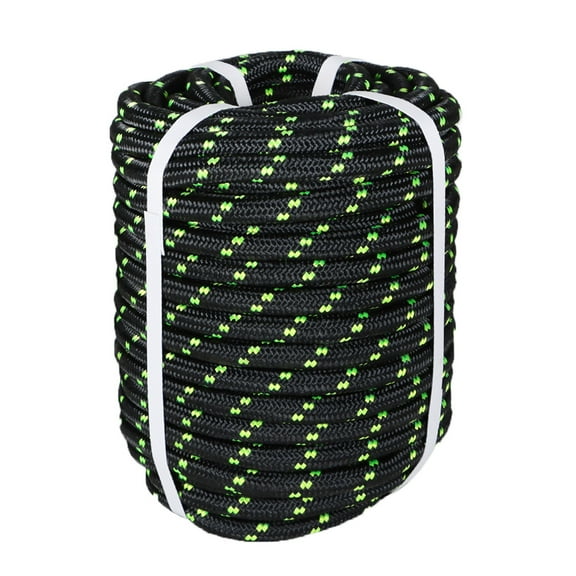


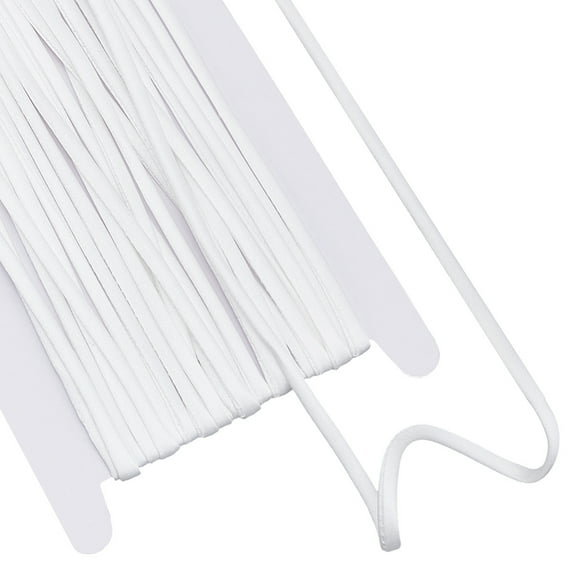



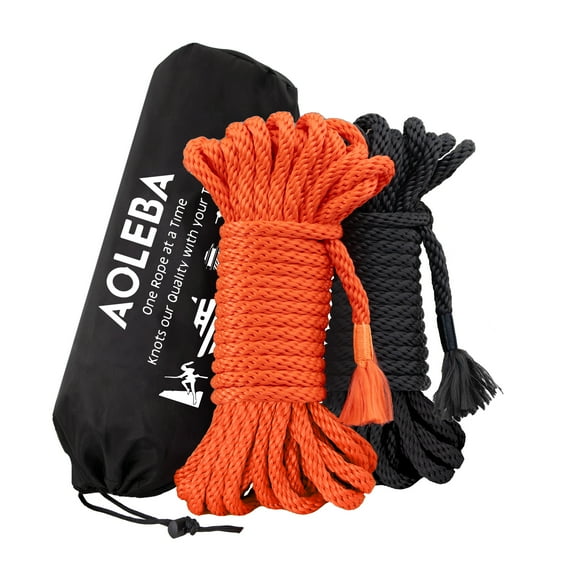


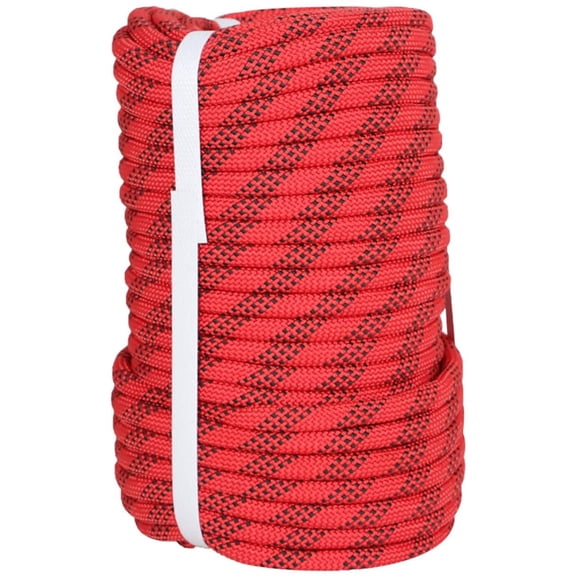
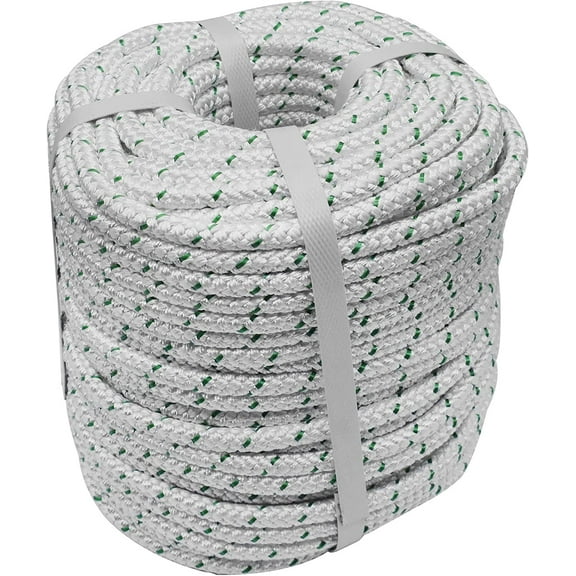




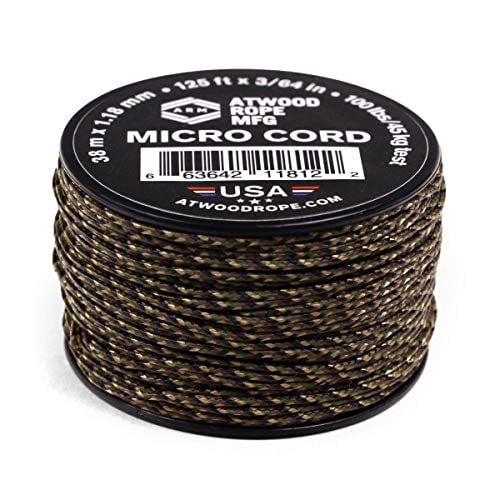
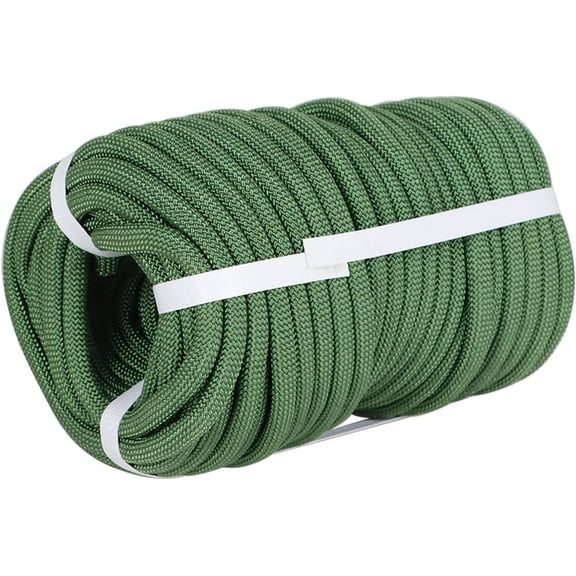


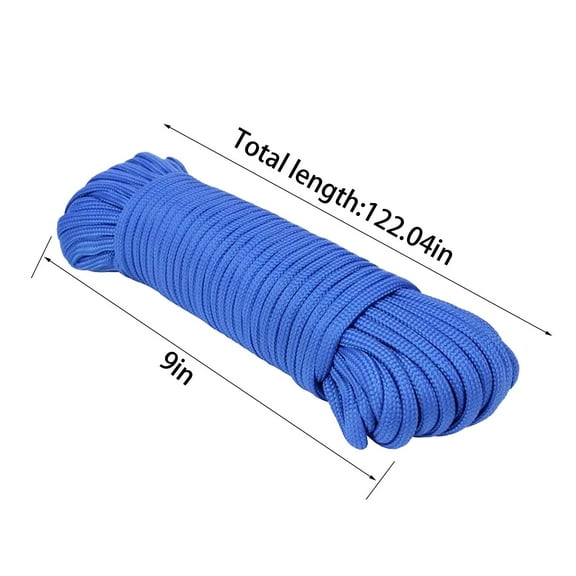
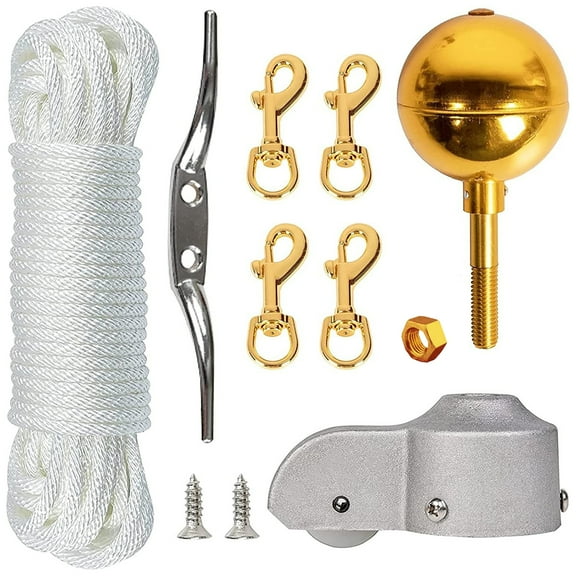


About Polyester Ropes in Ropes - Walmart.com
Polyester ropes give you dependable outdoor strength with low stretch, solid wet performance, and reliable handling for marine, rigging, utility, and camping tasks. You can compare construction, diameter, and length more easily when you know how each option changes grip, control, and setup.
How to choose polyester ropes by construction
You should start with construction because it changes how your line feels and performs. You can compare braided, twisted, and double braid styles based on pulleys, cleats, knots, and splicing.
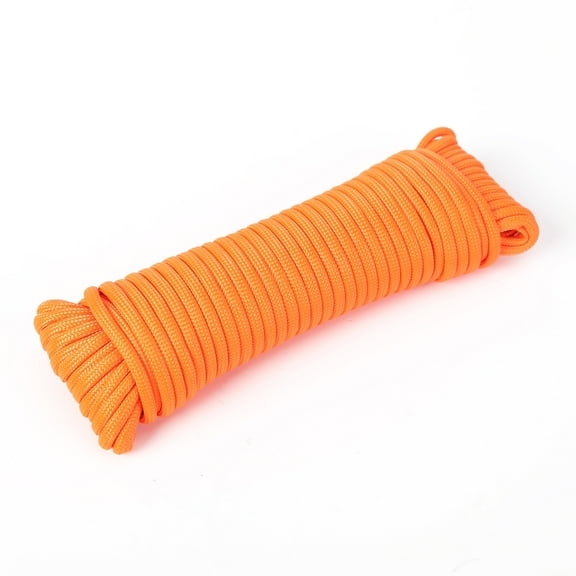
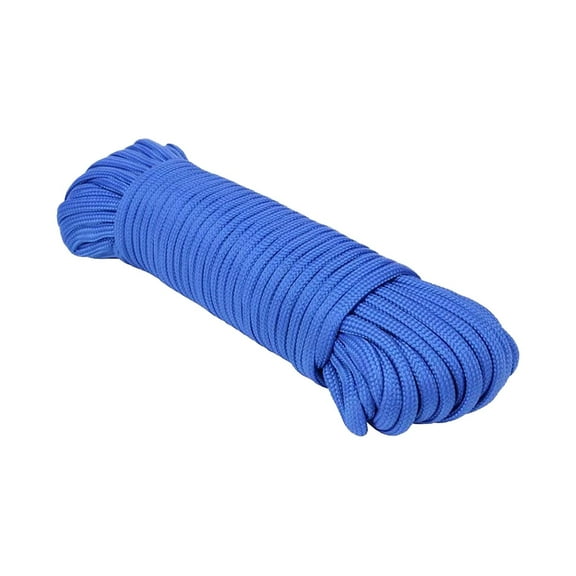
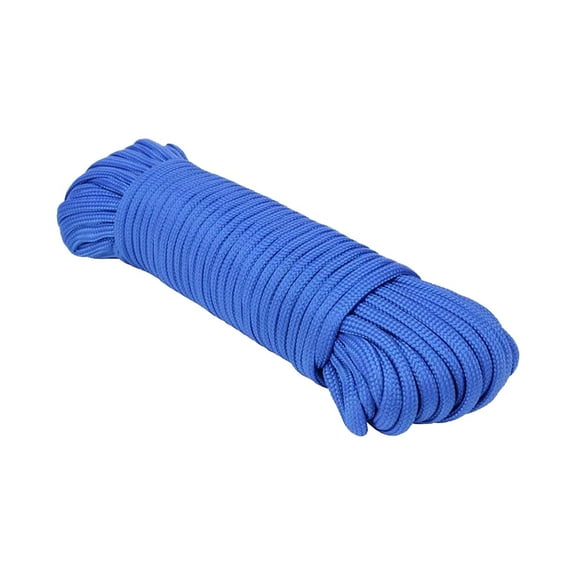
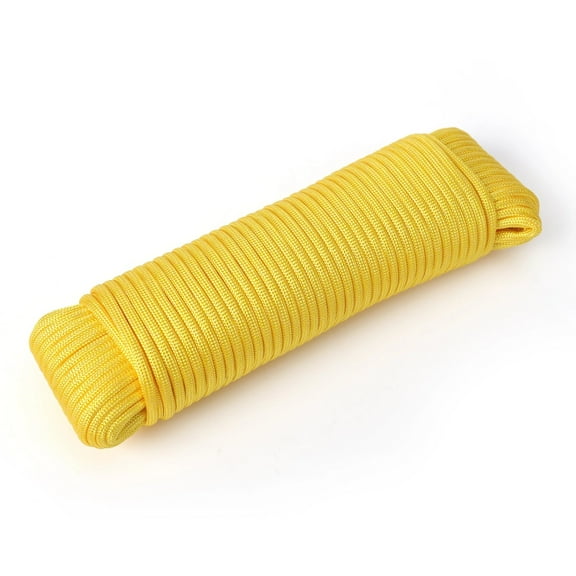
A braided polyester rope gives you a smoother surface and a rounder profile. You may prefer that feel when your rope runs through pulleys, blocks, or fairleads with frequent movement.
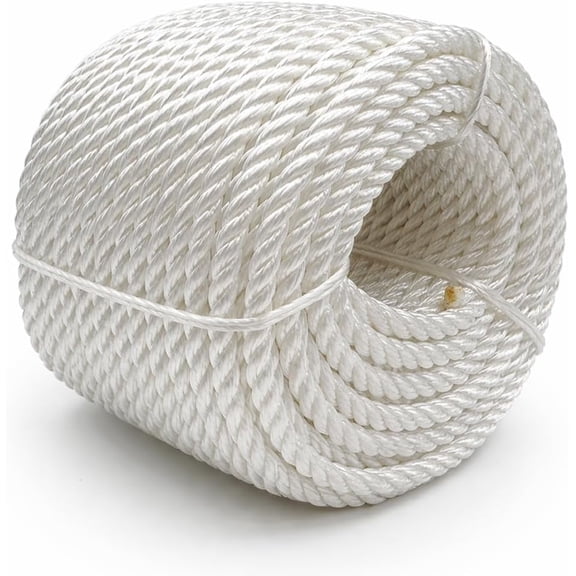
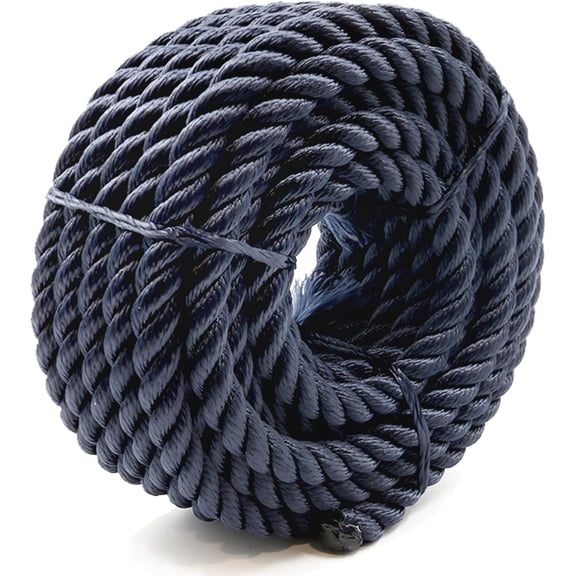
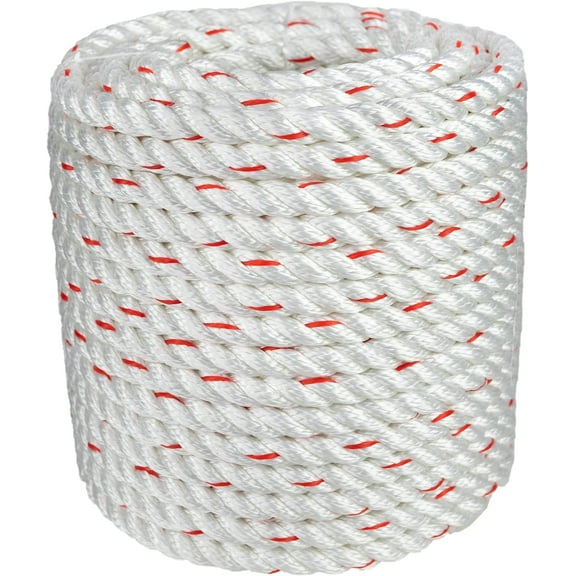
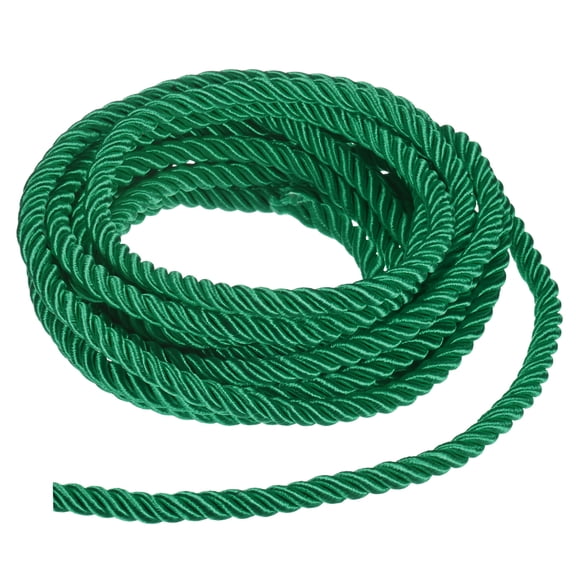
A twisted polyester rope gives you a traditional look and a firmer lay. You may find it easier to splice for utility setups, tie-down jobs, or straightforward outdoor projects.
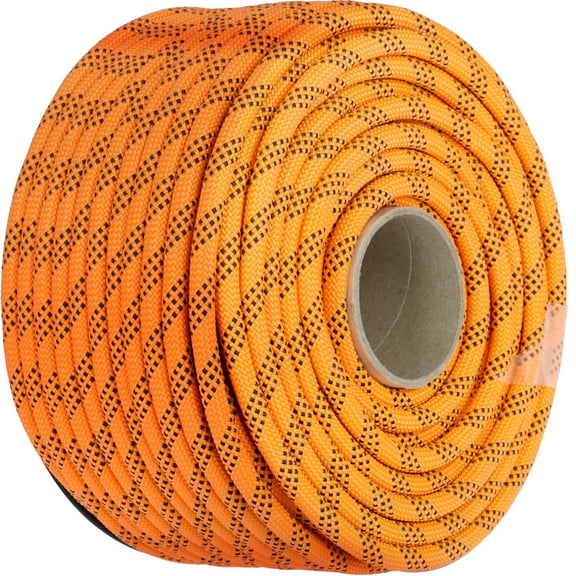
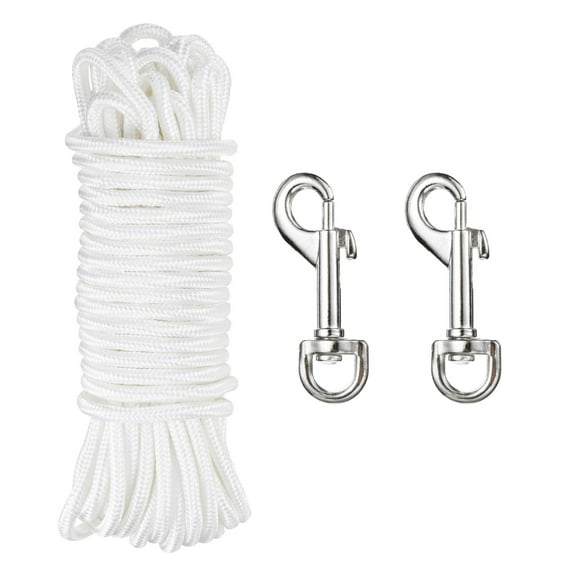
A double braid polyester rope gives you a braided core with a braided cover. You can choose that construction when you want balanced handling, flexibility, and steady performance in marine polyester rope setups.
What to look for in braided polyester rope and twisted polyester rope
You should compare handling first because rope construction affects daily use. You’ll notice braided styles usually feel smoother in your hands, while twisted styles often feel easier to grip quickly.
- You can use braided construction when your rope needs to move cleanly through hardware.
- You can choose twisted construction when your project calls for simple splicing and classic utility handling.
- You can consider double braid when you want a flexible line for repeated marine or rigging use.
- You’ll appreciate polyester fibers when your rope stays outdoors in sun, spray, or changing weather.
You also want polyester when low stretch matters to your setup. You can keep more consistent control when securing loads, tensioning lines, or managing boat tasks.
Outdoor use brings wear from rough surfaces and repeated contact points. You’ll benefit from polyester’s abrasion resistance when your rope rubs against docks, trailers, cleats, or gear.
Choosing the right diameter and tensile strength
You should check diameter next because it affects grip, flexibility, and the hardware your rope fits. You can compare common sizes like 1/4 inch, 3/8 inch, 1/2 inch, and 5/8 inch.
A 1/4 inch rope can suit lighter utility tasks where you want easy packing and less bulk. You may prefer 3/8 inch when you want a balance of control and hand feel.
A 1/2 inch rope gives you a thicker grip for repeated pulling or tying. You might choose 5/8 inch when your setup needs a larger handhold or heavier-duty handling.
You should also compare load limits and breaking strength before choosing a size. You can match the rope to your equipment, anchors, tie-down points, and working conditions with more confidence.
Choosing the right length for your project
You should measure your full route before picking a length. You can avoid extra joins when you compare 50 ft, 100 ft, 200 ft, and 600 ft spool options.
A 50 ft length works when you need shorter runs around a truck bed, campsite, or small dock task. You may step up to 100 ft for general-purpose utility and outdoor setups.
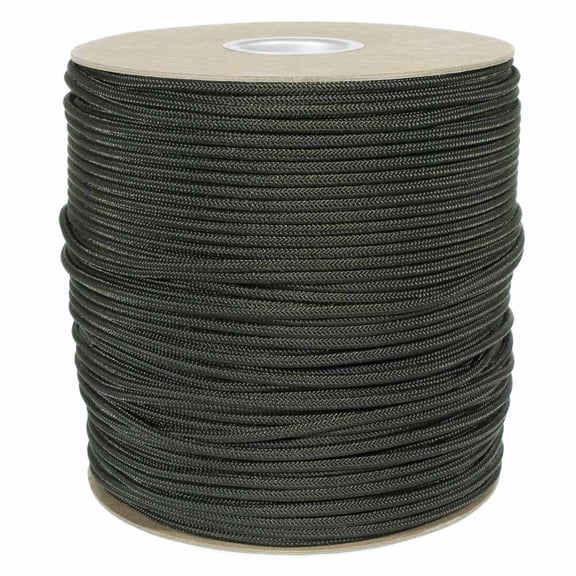
A 200 ft option gives you more reach for larger tie-down plans or longer marine runs. You can consider a 600 ft spool when you cut custom lengths for repeated jobs.
You should leave room for knots, wraps, and anchor points in your measurement. You’ll get a cleaner setup when your selected length supports the full path without forcing tight connections.
How polyester ropes fit marine, rigging, utility, and camping use
You can use marine polyester rope when you need dependable handling around water and sun exposure. You’ll often see polyester rigging rope chosen for halyards, dock lines, and general onboard tasks.
You can use a braided polyester rope for smoother travel through pulleys on small boats or shade systems. You may choose a twisted polyester rope for utility tying, securing tarps, or simple campsite setups.
Rigging work often calls for controlled stretch and steady line behavior. You’ll appreciate that polyester holds shape well when your line stays under regular tension.
Camping tasks can include guy lines, gear lashing, and canopy support where weather changes quickly. You can keep your setup organized when your rope stays manageable after damp mornings or long outdoor weekends.
Utility projects also benefit from clear size and construction choices. You can move from light bundling to more demanding tie-down work by matching diameter, handling, and length to the job.
Why polyester ropes are a practical category choice
You can narrow polyester ropes faster when you compare construction, diameter, use case, and length together. You’ll make a more accurate pick when your rope matches your hardware, your environment, and your handling needs.
That simple approach helps you choose a line that works smoothly, holds steady outdoors, and fits your project with fewer adjustments. You’ll get more consistent performance from the first tie to the final pull.