

Plates in Dining & Entertaining



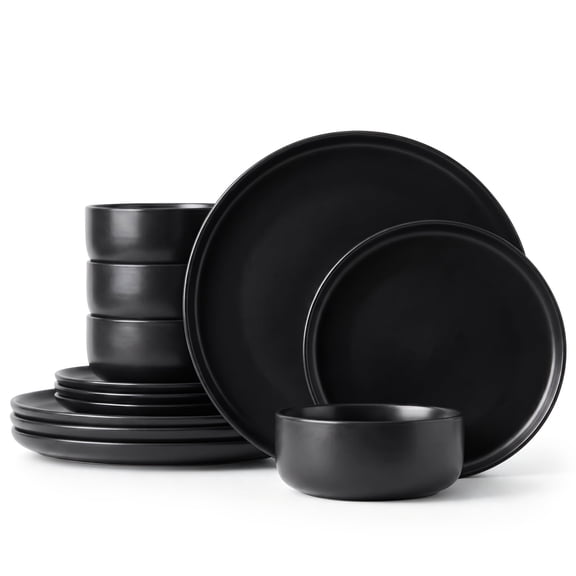


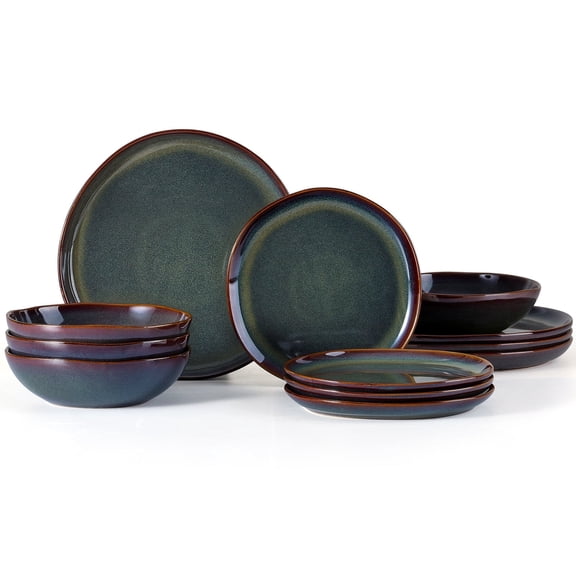


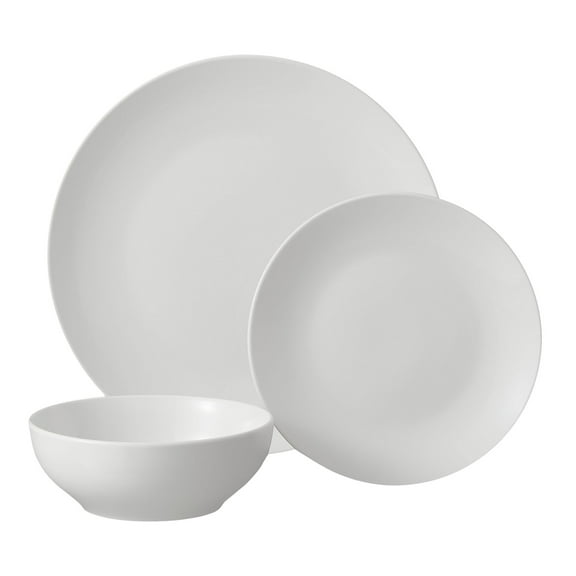


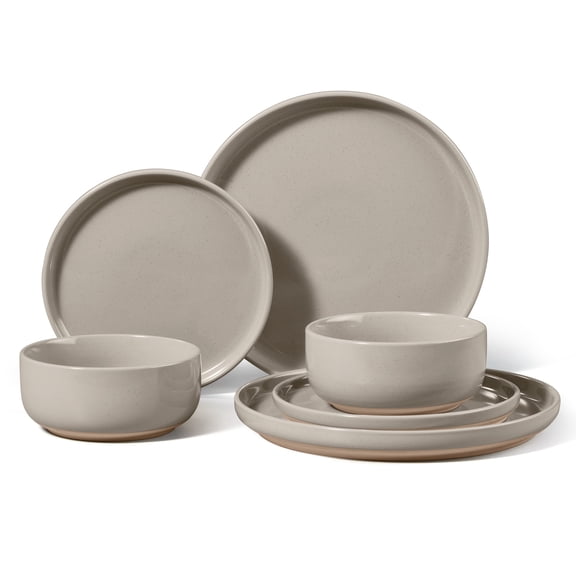


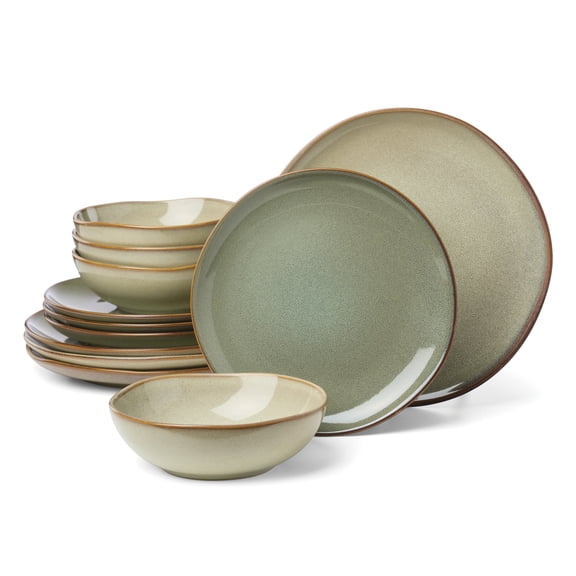
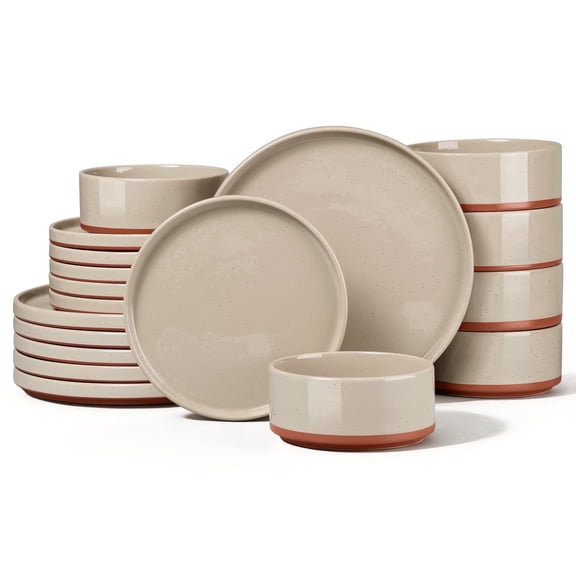


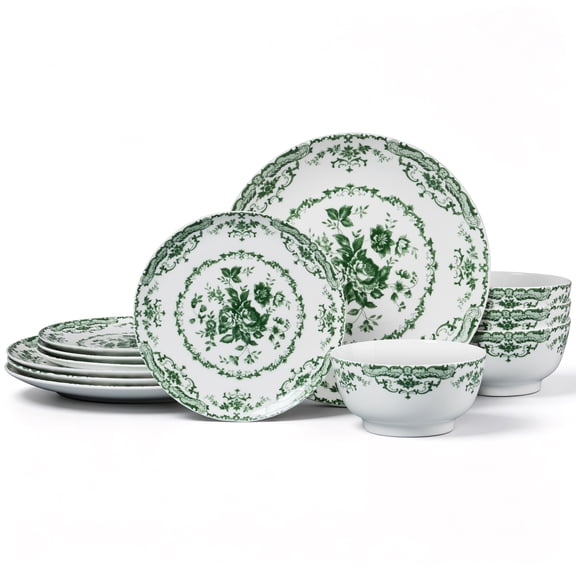


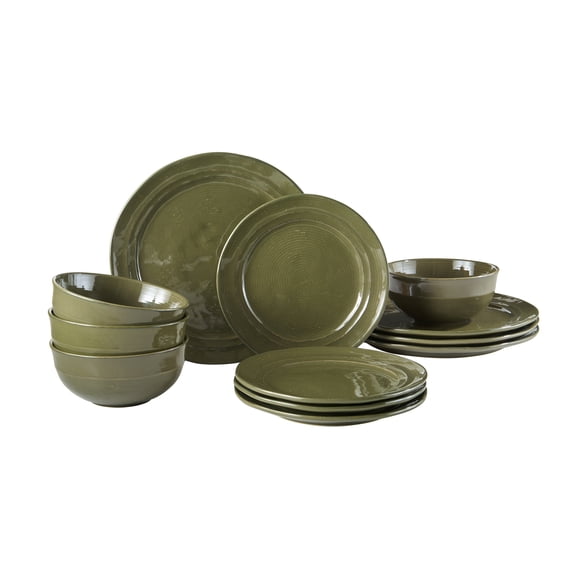


















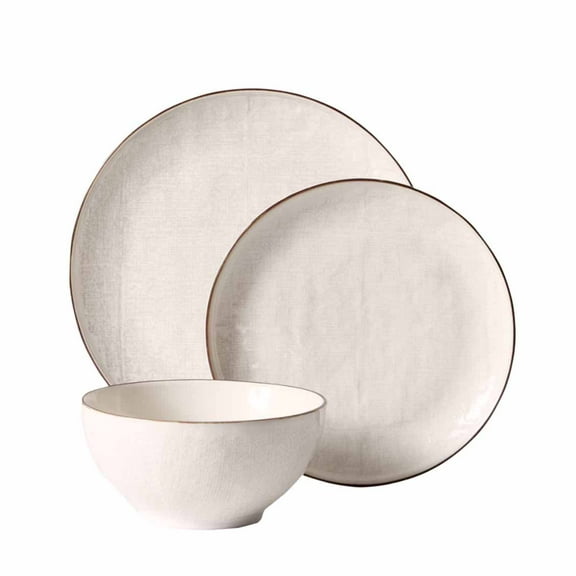
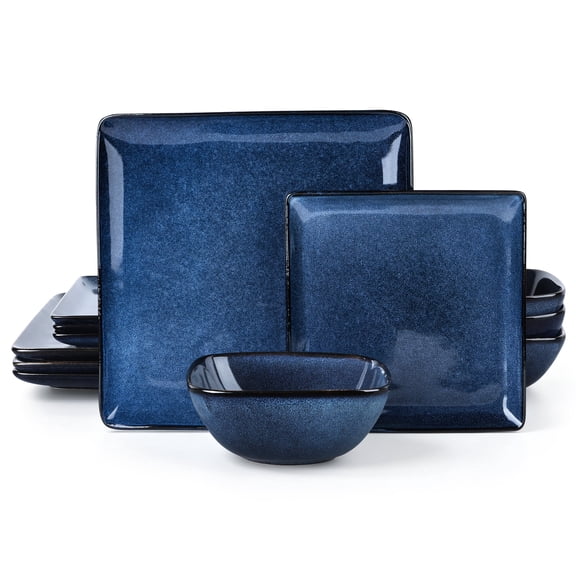


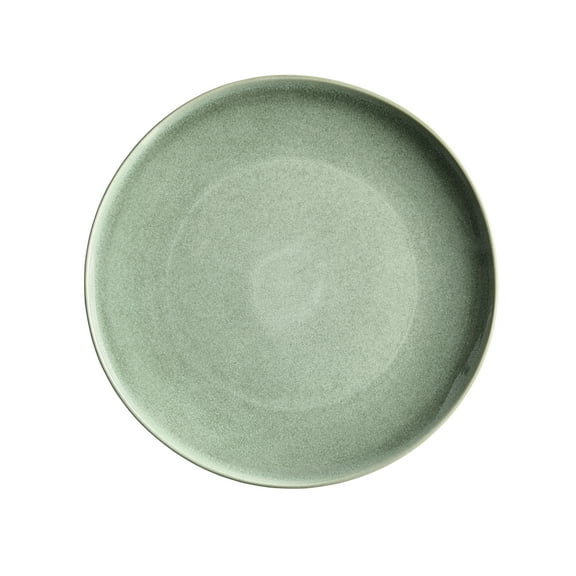


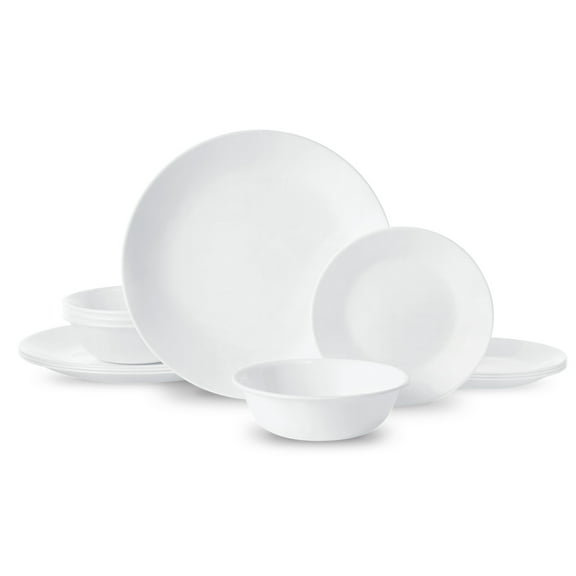


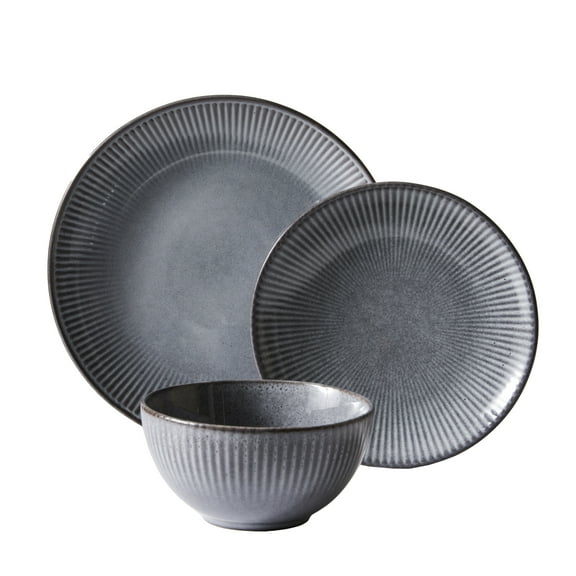


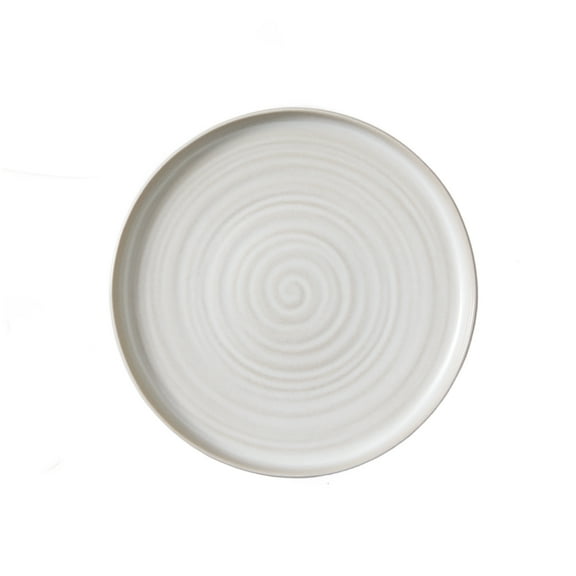


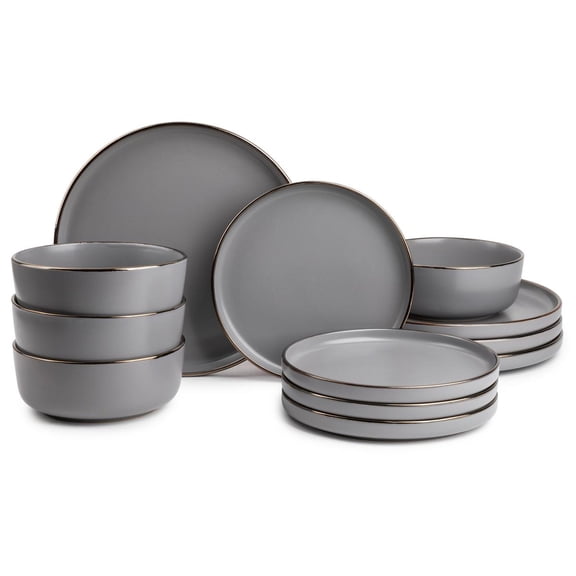
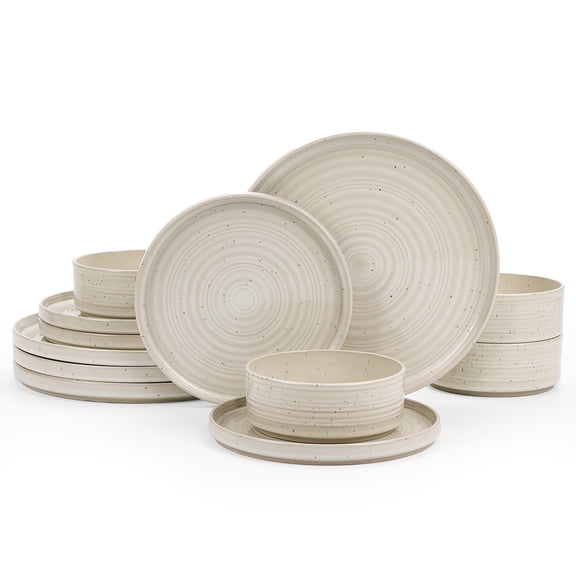


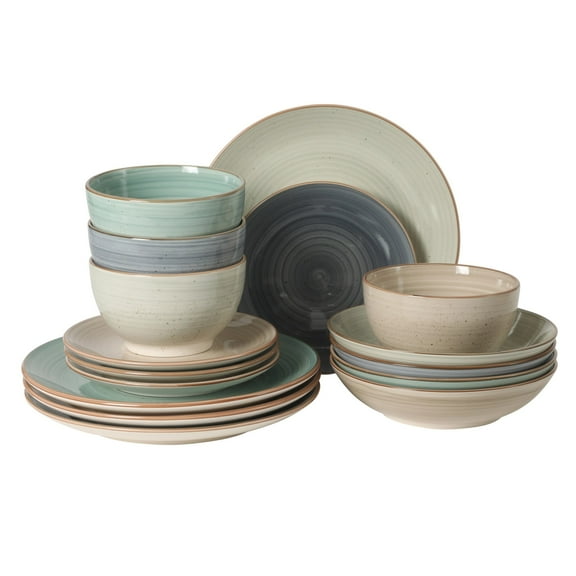


About Plates in Dining & Entertaining - Walmart.com
You can compare plates by material, size, and set count, so your table feels coordinated and your cabinets stay easy to organize. You’ll also find options for daily meals, outdoor dining, and special occasions without guessing which style fits your routine.
How to choose plates for your table
When you shop plates, you’ll want to start with how you eat most often and how you store your dishes. You can narrow your options faster by comparing dinner plates, salad plates, dessert plates, and appetizer plates.
For everyday use, you may prefer dinner plates that handle full meals and stack neatly in your kitchen. For lighter servings, you can add salad plates or dessert plates that help your place settings feel complete.
- You can build a matching table with single pieces or coordinated plate sets.
- You can choose materials that match your kitchen habits, from microwave use to outdoor meals.
- You can compare round, square, and oval shapes for serving style and cabinet fit.
- You can pick sizes that suit weeknight dinners, snacks, desserts, and entertaining.
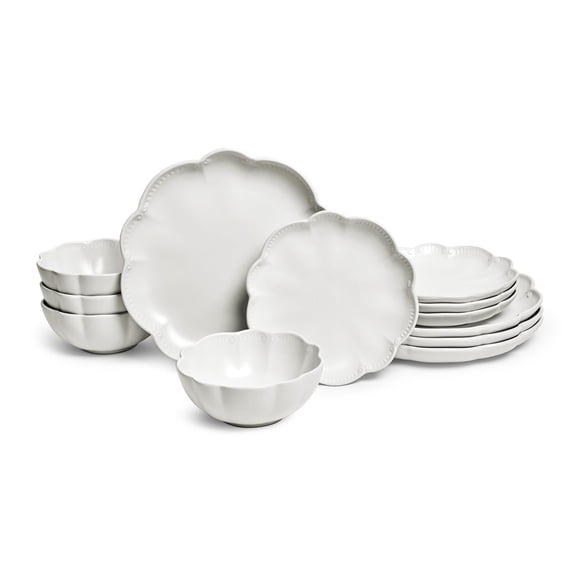
If you host often, you may want a set of 12 for a full table and easy backups. If you’re replacing a few favorites, you may prefer a single plate or a set of four.
Comparing ceramic plates, porcelain, melamine, glass, and stoneware
You can use material as your main decision point because it affects weight, appearance, and everyday handling. You’ll usually notice ceramic plates and stoneware feel more substantial, while melamine plates feel lighter in your hands.
If you want a classic table look, you may lean toward ceramic plates or porcelain with a smooth glazed finish. If you want lighter options for patios and picnics, you may prefer melamine plates for easy carrying.
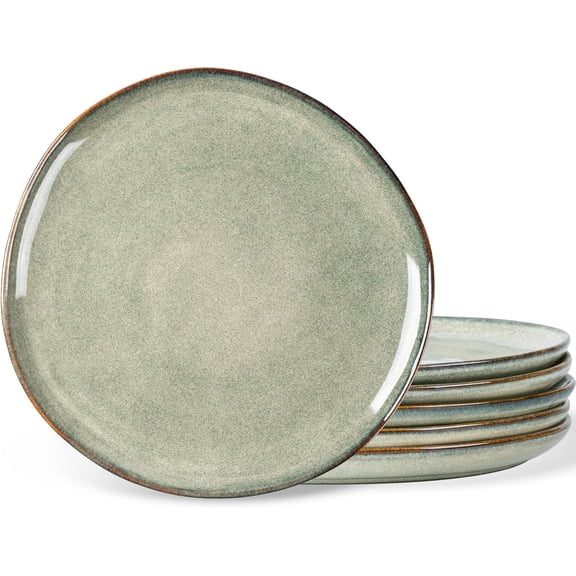
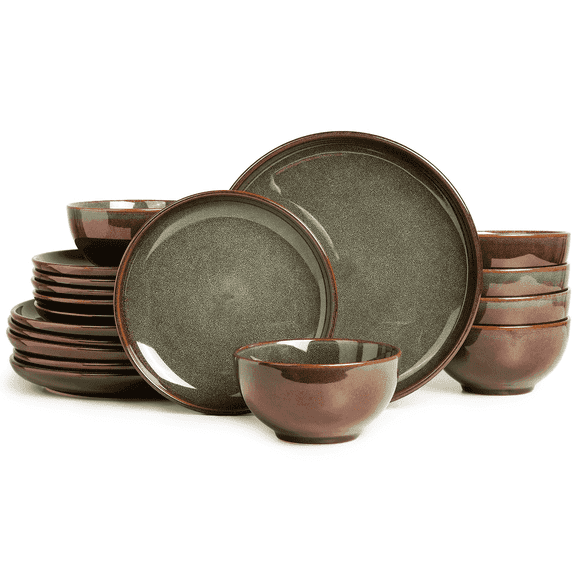
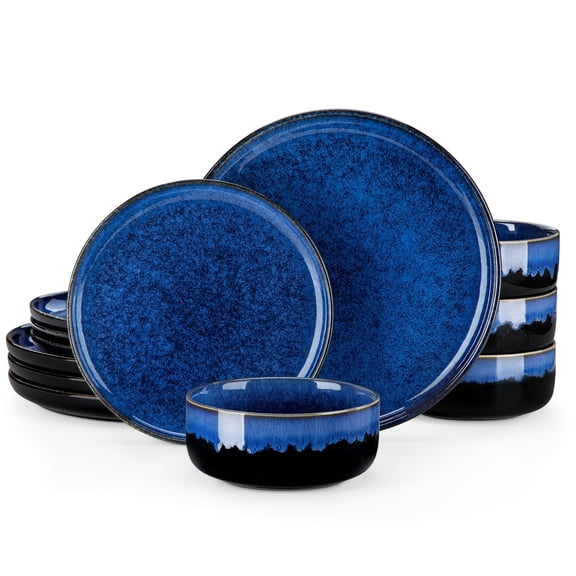
You can also consider glass plates when you want a clean, bright look that shows off colorful meals. If you like a handcrafted feel, you may choose stoneware for a thicker profile and earthy texture.
When you compare materials, you should check whether your plates are microwave safe plates and dishwasher friendly. You’ll also want glaze stability and thermal shock resistance, because those details help you understand everyday heating and cleaning compatibility.
For daily utensil use, you may also look for surfaces that stay looking neat after frequent meals. You’ll find scratch resistance matters when your forks and knives meet your plates every day.
Choosing dinner plates, salad plates, and plate sets
You can build your collection by plate type first, especially if your meals follow a regular pattern. Dinner plates usually handle entrees, while salad plates and dessert plates support smaller courses and snacks.
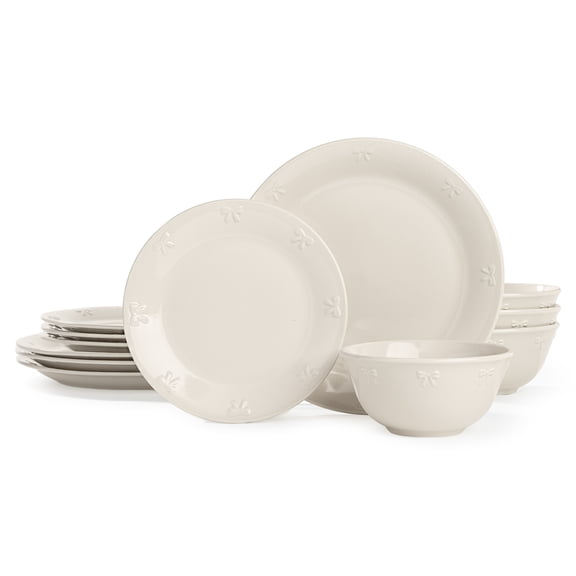
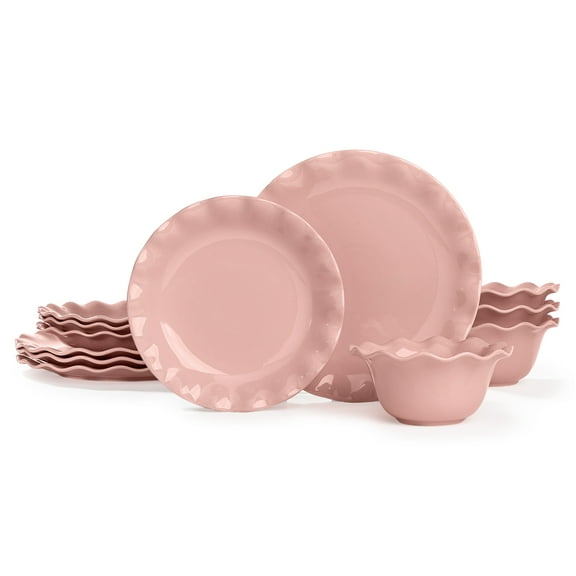
If your family serves mixed meals, you may want plate sets with more than one size included. You can keep your table looking consistent without piecing together separate shapes, colors, or finishes.
Set count also changes how your collection works in real life. You may choose a set of four for small households, a set of six for regular family meals, or a set of 12 for hosting.
You should also measure your cabinets before choosing wide dinner plates or taller stacks. You’ll avoid crowded shelves when your plate diameter and stack height match your kitchen storage.
Standard diameters can help you compare sizes with less guesswork. You’ll often see dinner plates around 10 to 11 inches, salad plates around seven to nine inches, and dessert plates slightly smaller.
Picking the right shape and care features
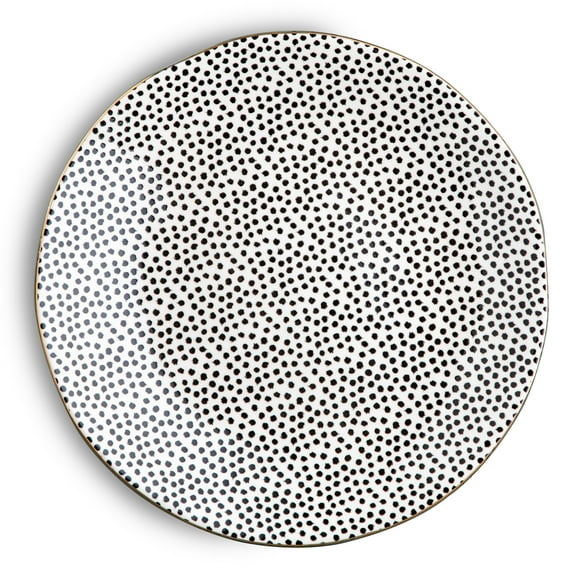
You can choose round plates for familiar place settings and easy stacking in most cabinets. If you want a more angular table look, you may prefer square plates for a modern presentation.
Oval plates can work well when you serve fish, grilled vegetables, or shared dishes with extra room. You may also find oval shapes useful when your meal needs more length than a standard round plate gives.
Care features matter just as much as appearance when your dishes stay in regular rotation. You should check dishwasher safety, microwave compatibility, and how each finish handles repeated use.
If you reheat leftovers often, you’ll want clear guidance on microwave use before you choose. If you wash dishes daily, you’ll appreciate finishes that clean up easily and keep their look over time.
Plates for everyday meals, parties, and outdoor dining
You can match your plates to the setting, which makes daily dining and hosting feel more practical. For weeknight meals, you may want sturdy dinner plates that move from table to dishwasher with little fuss.
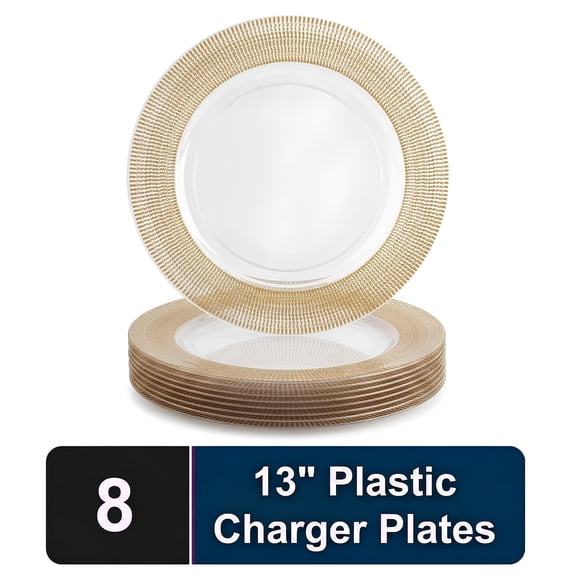
For birthdays, cookouts, or casual patio meals, you may prefer melamine plates or other reusable plates. You’ll get lighter pieces that are easier to carry outside with serving trays, drinks, and sides.
If you like layered table settings, you can pair dinner plates with salad plates and dessert plates for a more polished table. You can also mix shapes, like round mains with square appetizer plates, for visual contrast.
Paper plates may suit large gatherings with quick cleanup, while glass or ceramic can suit sit-down meals. You should choose based on the occasion, your serving style, and how often you’ll reuse each piece.
When you want one collection that handles many moments, you can focus on size range, material, and care instructions. You’ll end up with plates that fit your meals, your storage, and your routine with less trial and error.
You can feel more confident choosing plates when you compare material, plate type, shape, and pack size together. That approach helps your table look pulled together and keeps your everyday meals easier to serve.