

Pipes in Pipes, Fittings & Accessories























![Water Supply Line, 20 inch White Braided Nylon and Reinforced PVC Water Hose with 1/2 inch x 1/2 inch Female Plastic Nuts, For Faucets and Sinks [PLS 50 0808]](https://i5.walmartimages.com/seo/20-inch-Braided-PVC-Water-Supply-Line-1-2-Female-X-1-2-Female_5fec67fa-02ac-4dbe-9d45-4531bb32bd4d.707bd3e87ae5e47f6f54459e64841a64.jpeg?odnHeight=576&odnWidth=576&odnBg=FFFFFF)


About Pipes in Pipes, Fittings & Accessories - Walmart.com
Pipes help you build reliable plumbing, drainage, irrigation, and repair setups when you choose the right material, diameter, and connection style. You can compare rigid and flexible options for supply lines, drain runs, and replacement sections without guessing what fits your project.
If you're updating older plumbing or starting a new install, you need category guidance that matches real jobs. You can narrow your choice faster when you compare PVC pipes, PEX tubing, copper pipes, ABS options, and galvanized pipes by application.
How to choose pipes by material
Material is your first decision because it affects installation method, compatibility, and where your line belongs. You should match potable water, drainage, gas lines, or irrigation use to the material rating shown on the pipe.
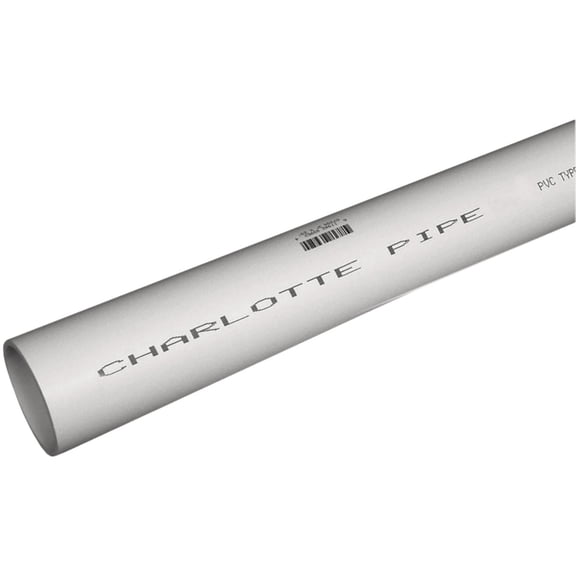
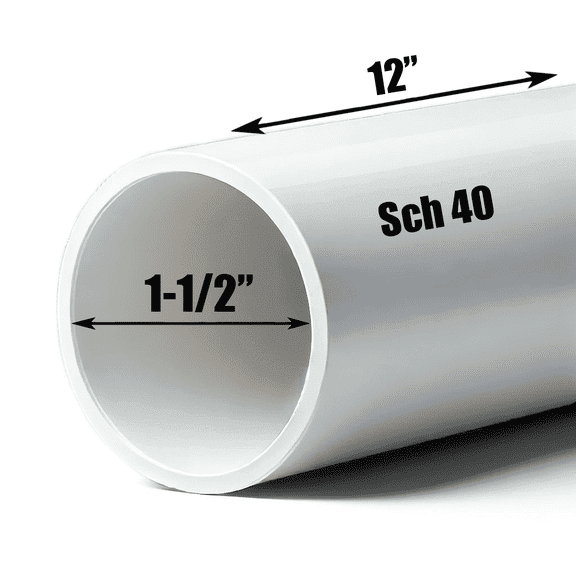
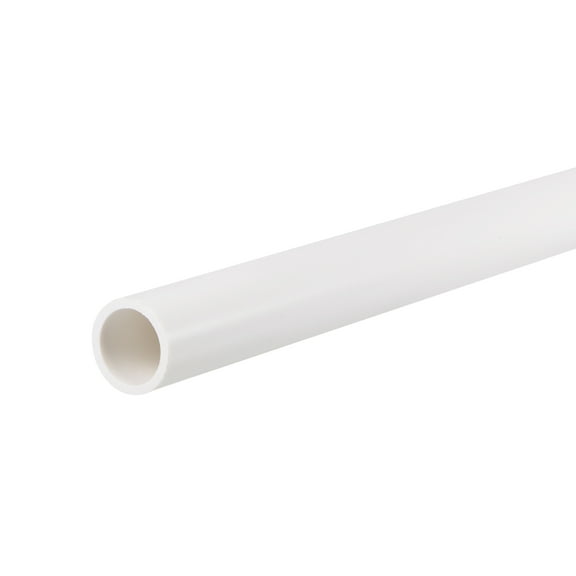
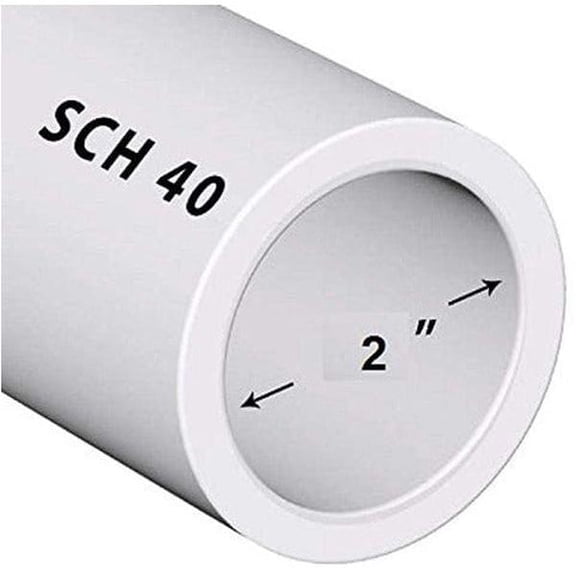
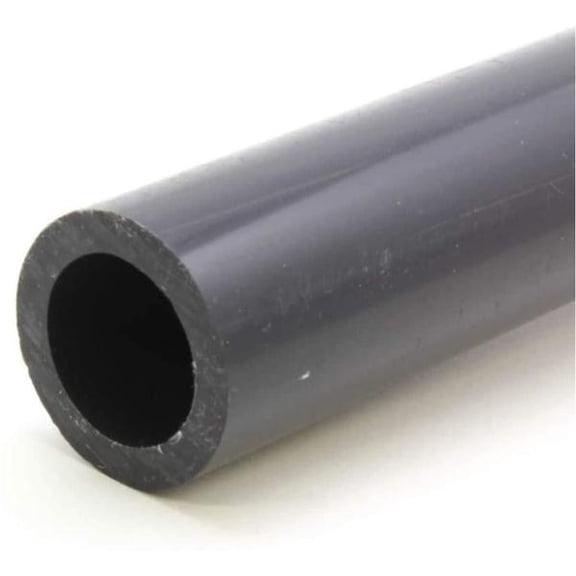
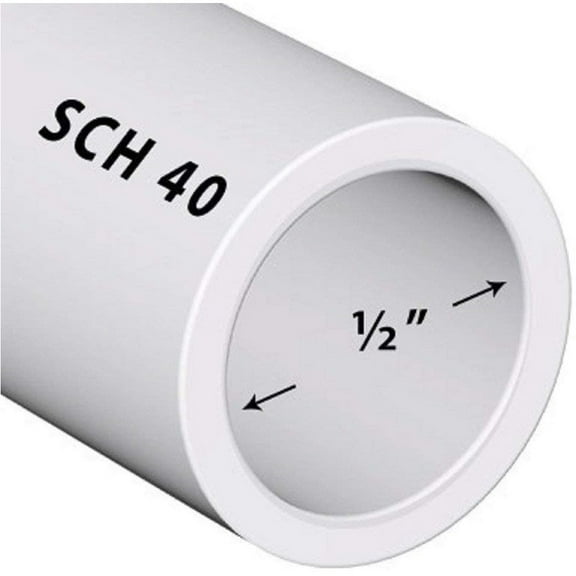
PVC pipes usually suit many cold water, irrigation, and drain setups, and you can often pair them with solvent weld connections. You should check whether your project calls for Schedule 40 or Schedule 80, because wall thickness affects pressure handling.
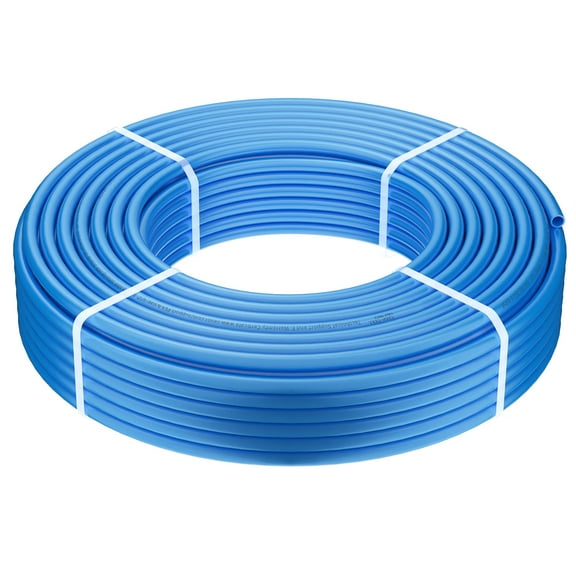
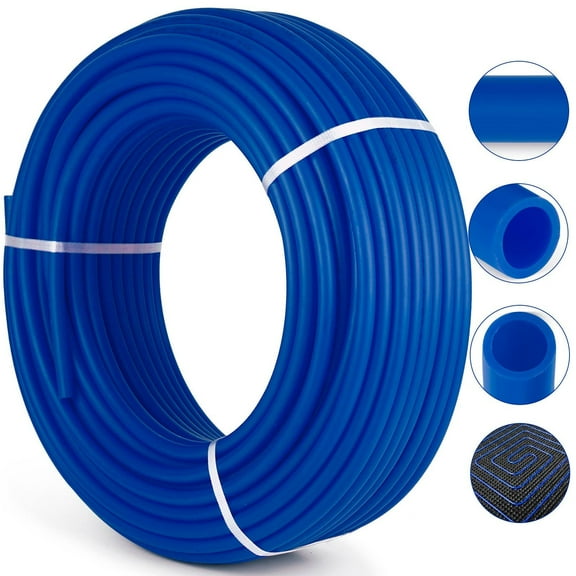
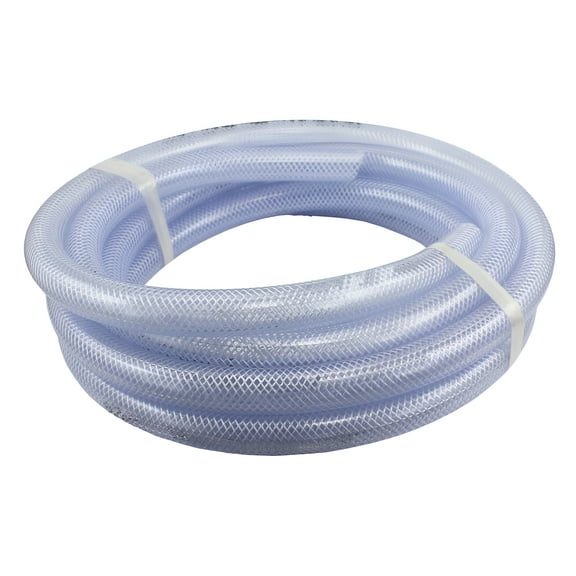
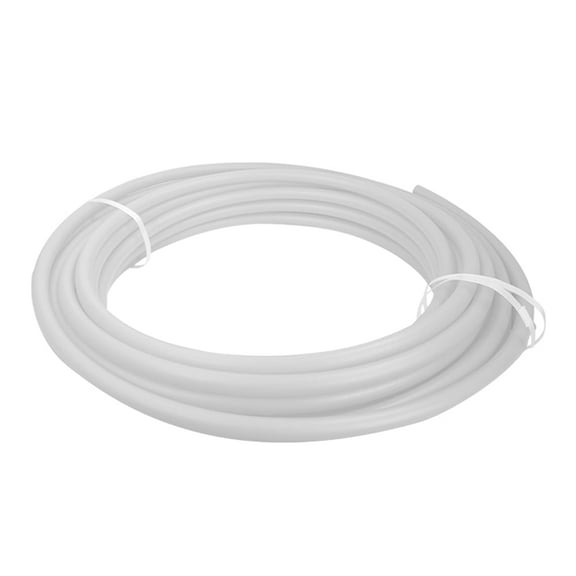
PEX tubing gives you a flexible option for routing around corners and through tight framing spaces. You can often install it with crimp or push-to-connect systems when your setup supports those connection types.
Copper pipes give you a rigid metal option that many shoppers choose for water supply lines. You should compare diameter, connection method, and compatibility with your existing pipes and fittings before replacing a section.
ABS and drain pipes are common choices for drainage and waste lines where rigid runs matter. You should confirm that your application matches the pipe label so your fittings, lengths, and material type stay consistent.
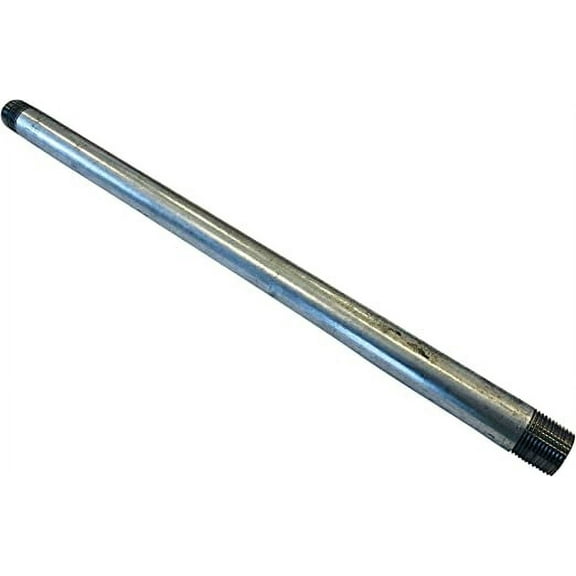
Galvanized pipes often appear in older homes, so you may need them when matching an existing threaded system. You should measure carefully and confirm thread style before you connect new sections to older plumbing pipes.
What to look for in plumbing pipes
You can make a clearer decision when you compare the jobsite benefits tied to each pipe type. Your project usually goes smoother when you match material, pressure rating, and connection style before installation starts.
- You can route flexible PEX tubing through tight spaces with fewer directional changes.
- You can use rigid PVC pipes and ABS options for straight drain runs and many irrigation layouts.
- You can match copper pipes or galvanized pipes to existing systems when replacement compatibility matters.
- You can choose the right wall thickness by checking Schedule 40 or Schedule 80 requirements.
- You can reduce fitting guesswork when your diameter matches your current pipes and fittings.
For potable water projects, you should look for labeling that identifies potable water rating and NSF certification where required. You can use that information to separate supply-line choices from drainage-focused materials.
When you compare drain pipes, you should focus on slope-friendly runs, compatible fittings, and the right diameter for flow needs. You can avoid confusion by sticking with the material family designed for that drainage system.
Choosing pipe diameter, pressure rating, and fit
Diameter affects flow, fitting compatibility, and replacement accuracy, so you should measure before you buy. You can check your existing line and fitting size first, then compare listed pipe dimensions on the product page.
You may see common sizes like 1/2 inch, 3/4 inch, 1 inch, 2 inch, and 4 inch. You should match the listed size to your system because supply lines and drain lines use different diameters.
When you measure, you should know that inner diameter and outer diameter aren't always the same thing. You can use the listed nominal size for compatibility, especially when you're replacing a section in an existing run.
Pressure rating matters for supply applications, and you should compare PSI guidance with your project needs. You can use Schedule 40 for many standard jobs, while Schedule 80 uses thicker walls for higher-demand setups.
Connection type also changes your installation plan because different systems need different tools and prep steps. You should check whether your project uses threaded, solvent weld, crimp, or push-to-connect connections before choosing materials.
Threaded options can help you match older metal systems, while solvent weld setups are common with certain plastic plumbing pipes. You can choose crimp or push-to-connect systems when your compatible PEX tubing layout calls for quicker assembly.
Matching pipes to your project
You can use material and flexibility together to narrow your options for everyday projects around the home. Your layout, access space, and existing fittings usually point you toward rigid, flexible, or semi-rigid choices.
For potable water lines, you should check the pipe labeling for potable water rating and NSF certification details. You can compare copper pipes, PEX tubing, and other approved options based on the connection system you plan to use.
For drainage and waste projects, you should focus on drain pipes, diameter, and fitting compatibility across the full run. You can use rigid materials like PVC pipes or ABS when your layout needs stable, straight sections.
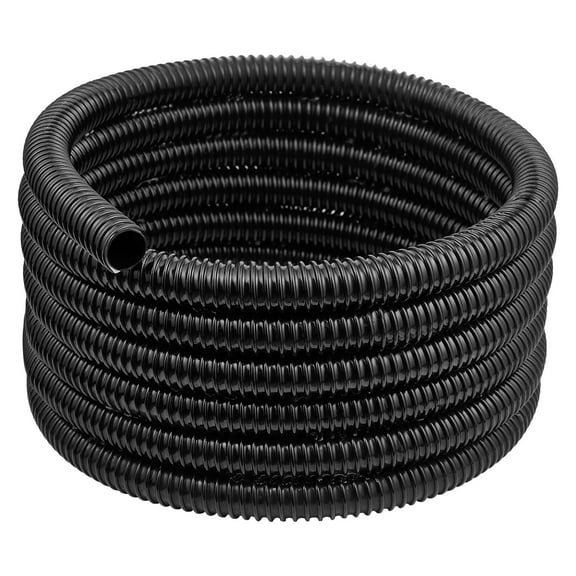
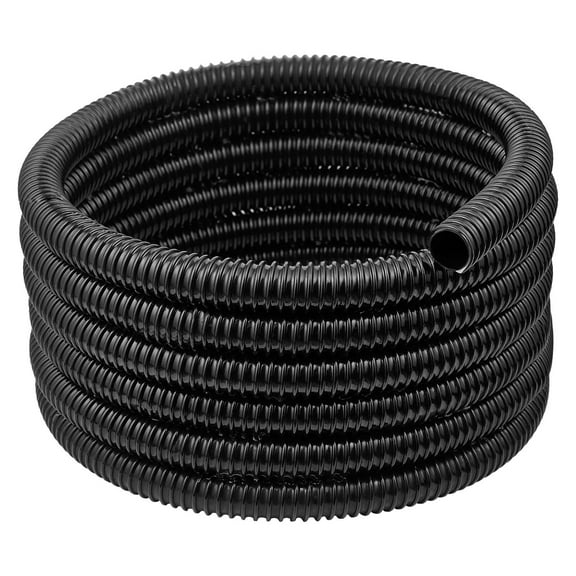
If you're working on irrigation, you should consider sun exposure, route length, and pressure needs before choosing materials. You can compare flexible and rigid options based on trench layout, bends, and connection points.
When you need to repair an older home, you may want galvanized pipes or threaded replacements that align with existing lines. You should confirm material transitions carefully so your adapters, fittings, and pipe sizes match.
For remodels with tight framing, you can use flexible or semi-rigid runs where bends and narrow spaces slow installation. You should still verify diameter, pressure rating, and approved application before choosing your final pipe type.
You can complete pipe projects with more confidence when your material, diameter, rating, and connection type all align. Your finished system is easier to plan when you compare pipes with the same measurements and intended application.