

Picture Framing in Scrapbooking































About Picture Framing in Scrapbooking - Walmart.com
You can simplify picture framing when you compare size, mat opening, material, and display type before you choose. You’ll also find options for family photos, posters, certificates, and gallery walls that fit your space.
How to choose picture framing for your space
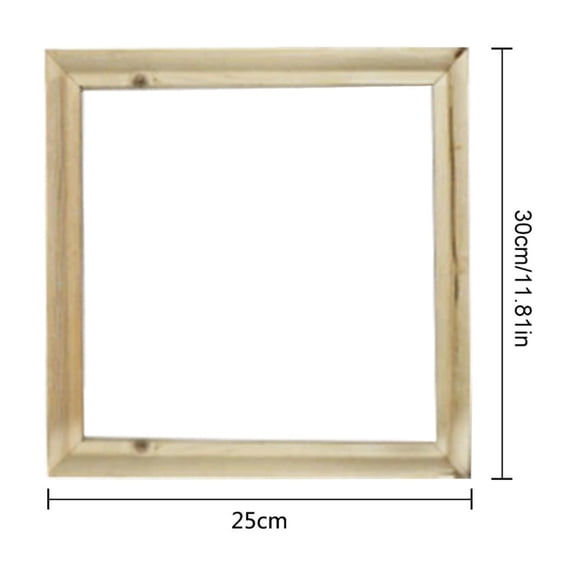
Start by measuring your photo or art piece first. You’ll want to compare that size with the listed frame opening and any mat opening details.
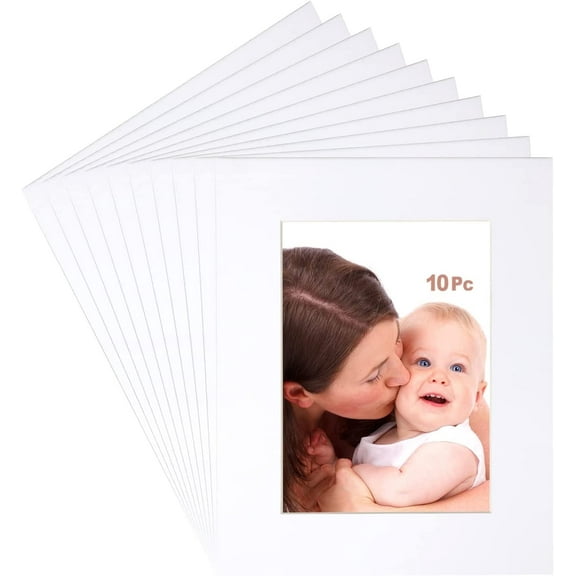
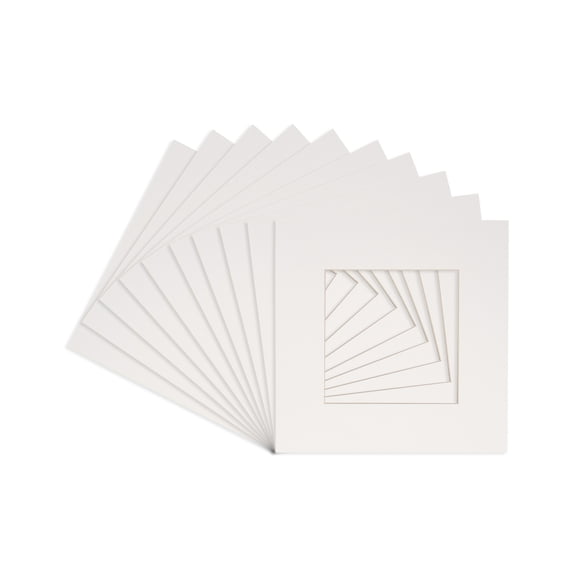
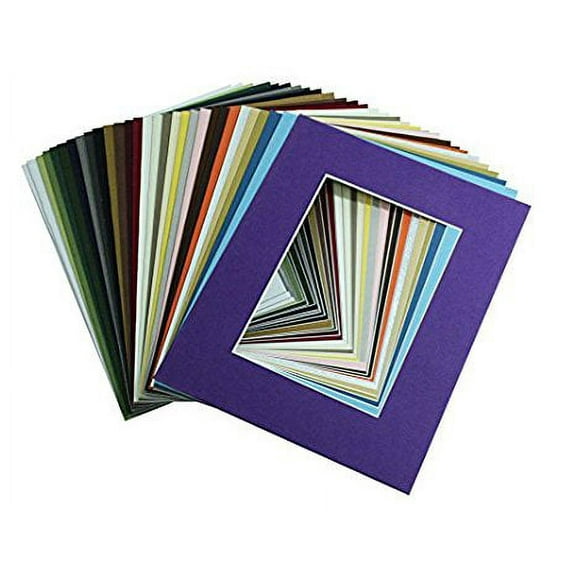
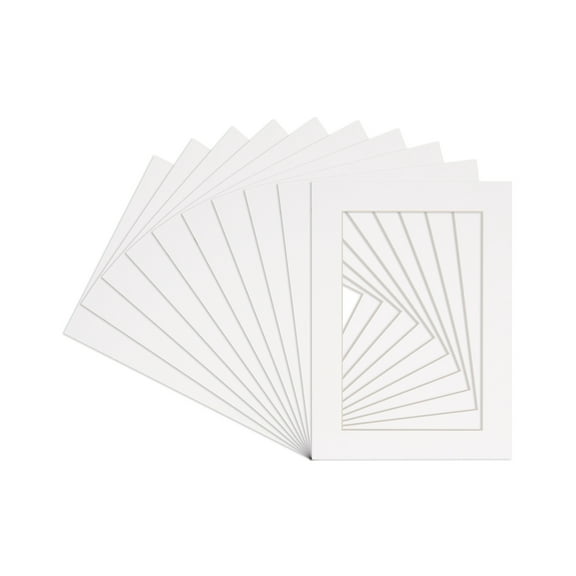
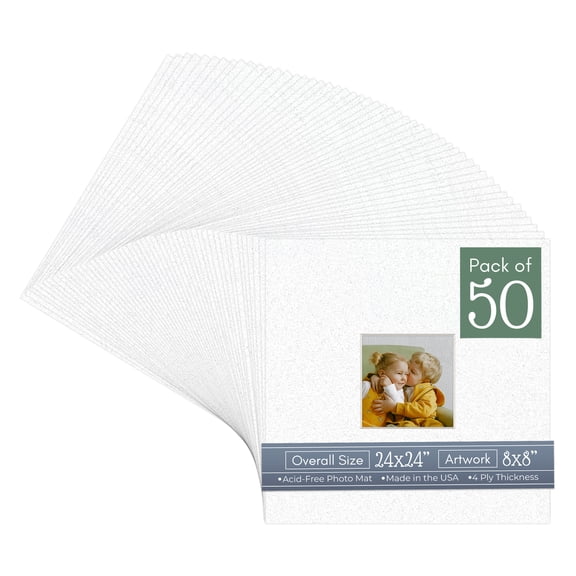
When you choose a mat, you’ll need the mat opening to match the visible area of your print. When you skip the mat, you’ll want the frame opening to fit your photo directly. You can avoid awkward gaps when you check both numbers carefully.
Many shoppers narrow choices faster by focusing on common sizes like 4x6, 5x7, 8x10, 11x14, and 16x20. You’ll often see these sizes used for portraits, art prints, and document displays.
- You can match standard photo sizes without extra trimming.
- You can compare matted and unmatted displays for a cleaner fit.
- You can build a coordinated wall with a gallery wall frame set.
- You can choose tabletop or wall mount styles for different rooms.
Choosing picture frames by size and display type
Before you pick a style, you should measure first and check whether your frame includes a mat. You’ll make a clearer choice when you compare print size, visible opening, and full frame size.
For desks, shelves, and mantels, you may prefer tabletop styles with an easel back. For hallways, bedrooms, and living rooms, you may prefer wall photo frames with hooks or hanging hardware.
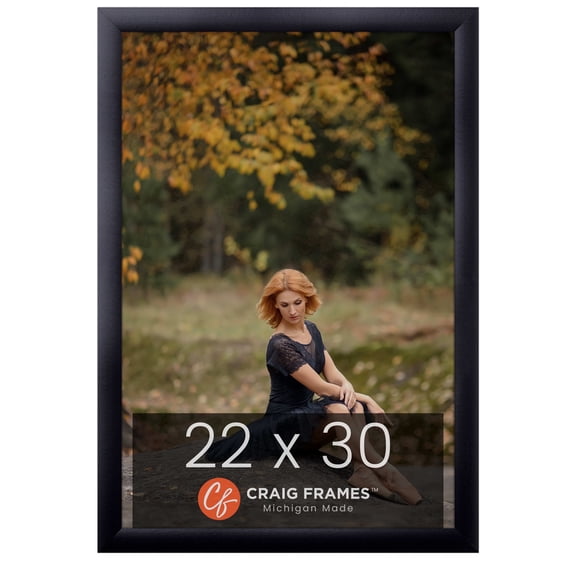
If you’re framing larger art, you may want poster frames with a slim profile. If you’re arranging several photos together, you may want picture frame sets for a balanced layout. Repeating sizes can help you create a cleaner wall display.
How to compare materials and frame style
Material and profile can change how your display looks in a room. You’ll notice wood, metal, plastic, and MDF each bring a different finish, weight, and overall feel.
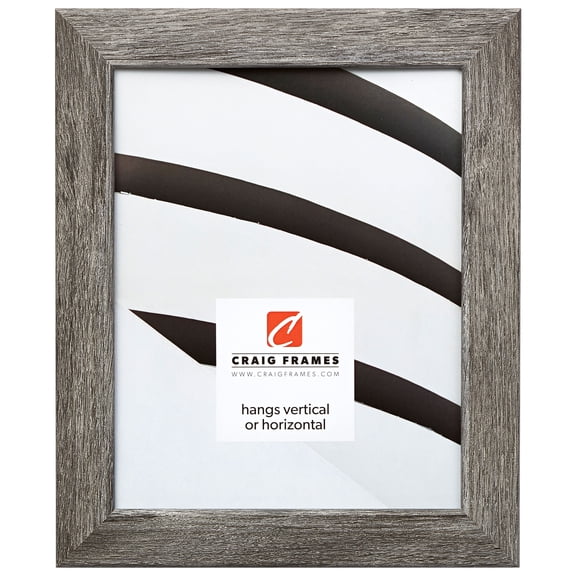
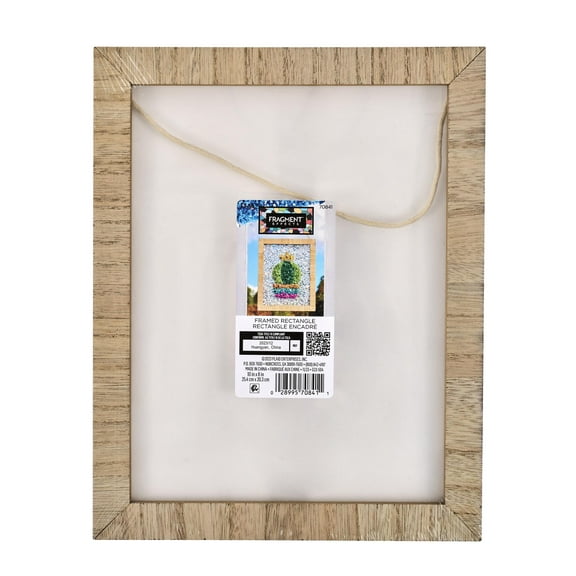
Wood picture frames can suit warm spaces and layered decor. Metal frames can fit cleaner lines and modern art. Plastic and MDF styles can help you keep a consistent look across several rooms.
You should also compare frame style, not just material alone. Modern profiles keep edges simple, rustic finishes add texture, and floating picture frames give your art an airy presentation.
What to check in covers and hardware
The front cover affects both appearance and handling, so you’ll want to compare it before you choose. Glass can give you a crisp look, while acrylic can feel lighter during setup.
If you want a lighter frame for frequent rearranging, you may lean toward acrylic. If you want a more traditional finish, you may prefer the clarity you often get with glass. You should also check whether the cover description mentions UV protection.
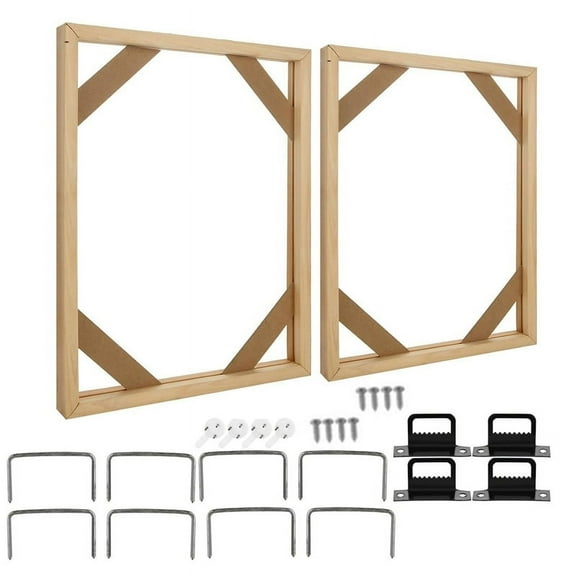
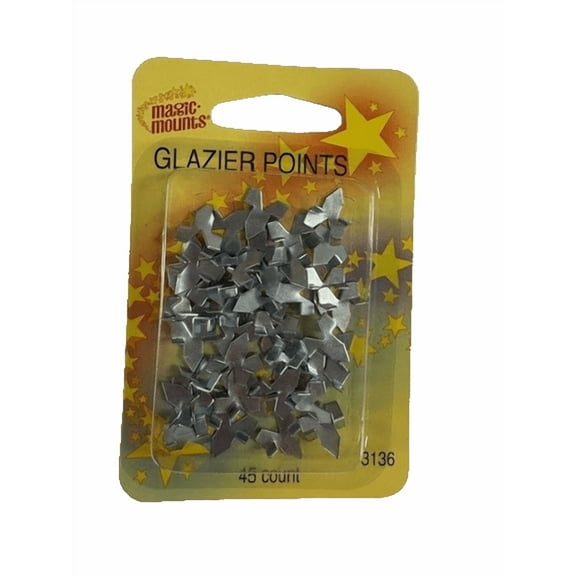
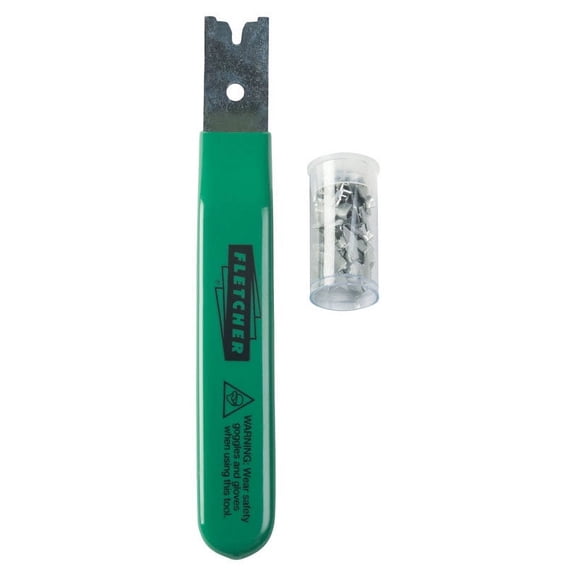
Hardware details matter before you choose a display spot. An easel back helps you place a frame on a table, while hanging hooks support wall placement. You can enjoy a smoother setup when the hardware matches your room plan.
When custom picture framing makes sense
Custom picture framing can help when your art doesn’t fit a common frame size. You’ll find this especially useful for posters, certificates, and prints with unusual dimensions.
In those cases, you should check whether you want exact size matching, a wider mat border, or a specific display style. You can create a more tailored presentation when standard sizes don’t fit your project cleanly.
You may also prefer a custom approach when you want a coordinated gallery wall with mixed print sizes. Consistent borders and proportions can help your arrangement look more intentional.
Matching frame choices to real rooms and projects
You can use wall picture frames to build a gallery display in a hallway, stairway, or living room. You’ll get a more organized result when finishes, spacing, and orientation work together.
For family photos, you may choose classic or wood finishes in 4x6, 5x7, or 8x10 sizes. For statement prints, you may choose 11x14 or 16x20 frames with wider borders. Larger pieces can help you create a stronger focal point.
If you’re styling a shelf, you may prefer tabletop frames that mix portrait and landscape views. If you’re framing event prints or posters, you may prefer larger formats with simple lines that keep attention on the image.
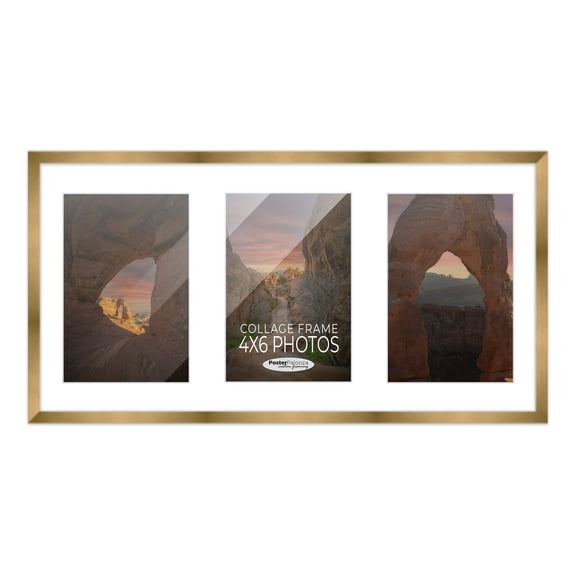
You can also combine collage picture frames, floating styles, and gallery sets when you want variety without visual clutter. A clear plan for color, size, and spacing can help your display look polished.
You can choose picture framing with more confidence when you compare sizing, mat openings, hardware, and finish together. This helps you find frames that fit your art cleanly and display your memories the way you want.