

Paint Applicators in Paint Supplies & Tools












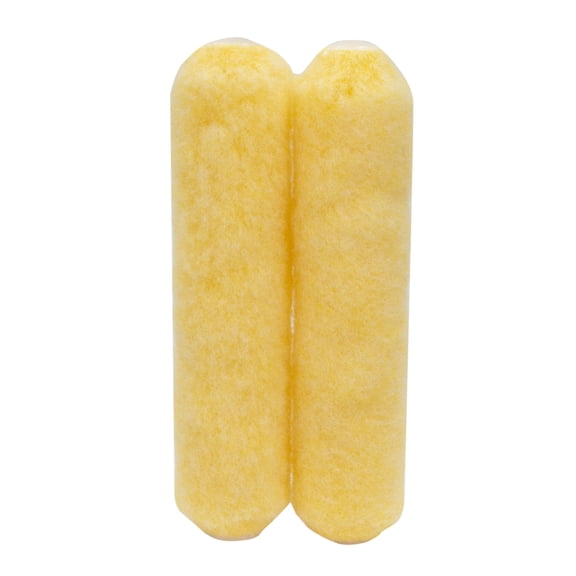


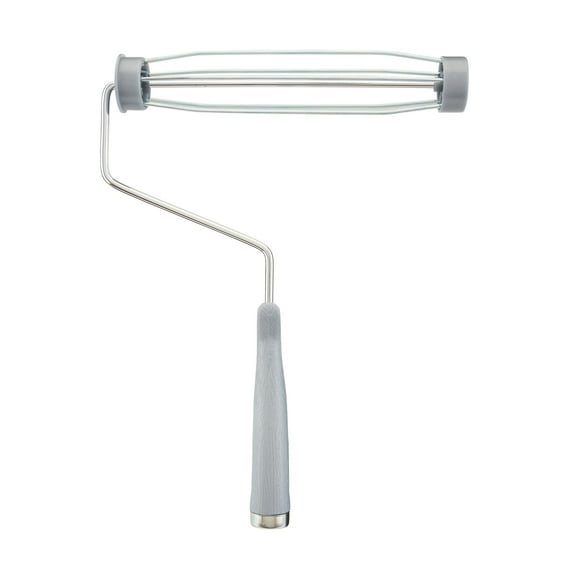
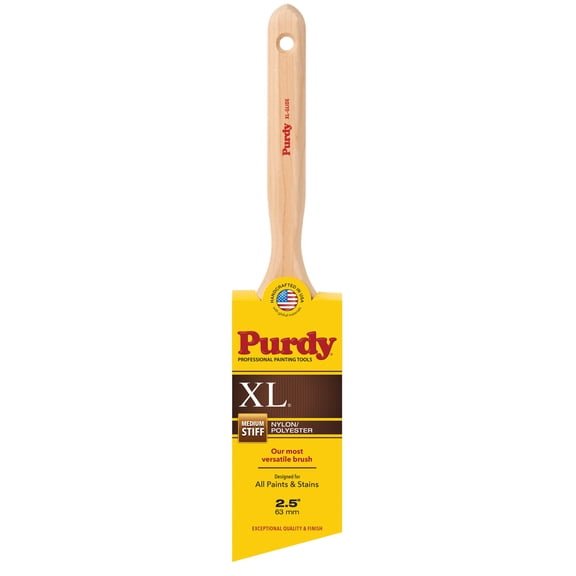
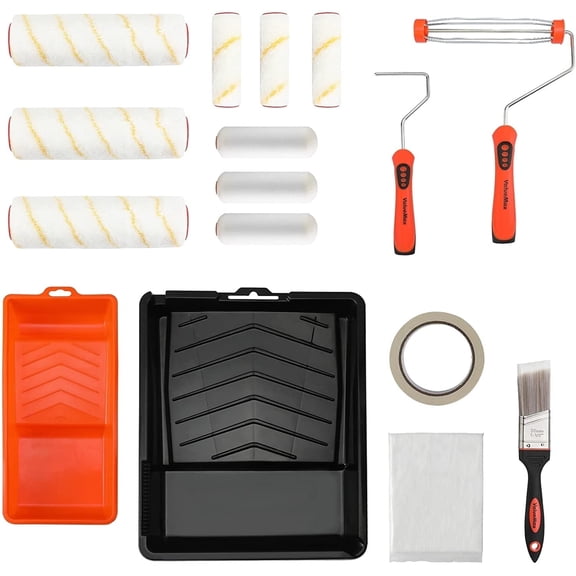



About Paint Applicators in Paint Supplies & Tools - Walmart.com
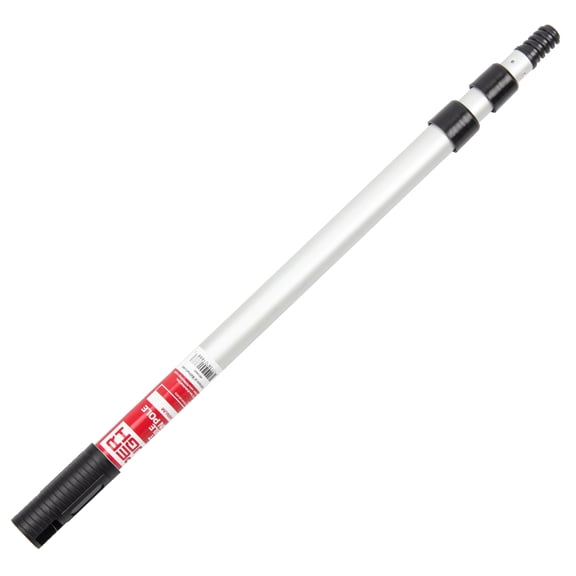
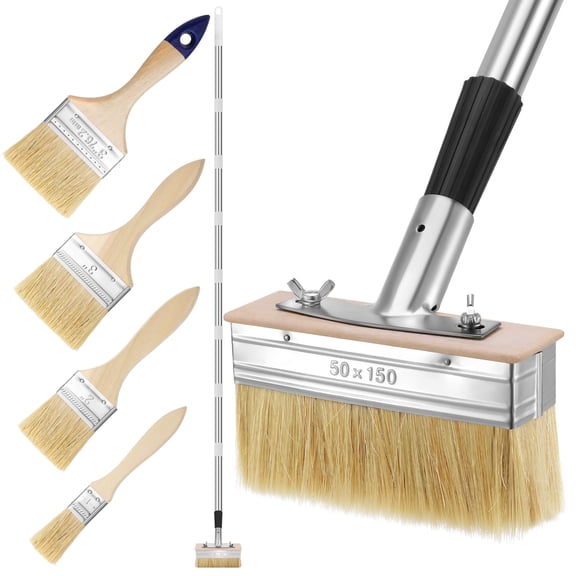
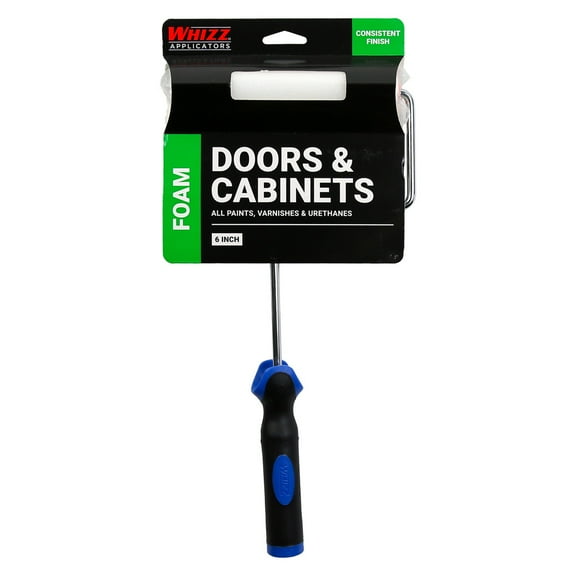
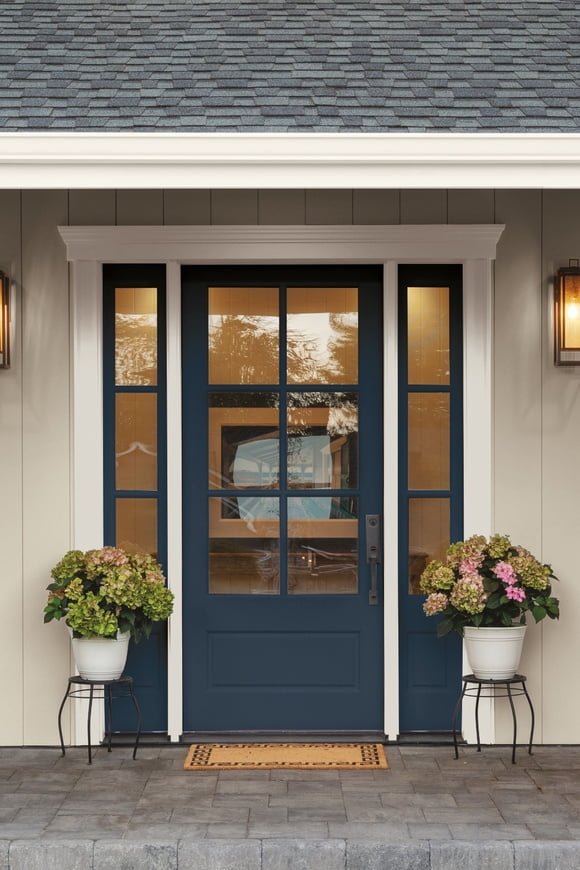
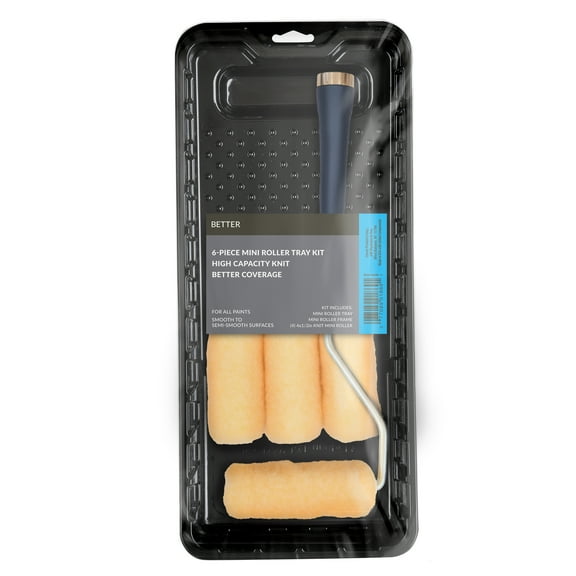
Paint applicators help you get cleaner lines, smoother coverage, and faster project progress when you match each tool to your surface and paint. You can compare rollers, brushes, pads, sponges, and sprayers by texture, material, and project scale before you start.
When you choose the right applicator, you reduce streaks on smooth walls and reach trim corners with less fuss. You also get more control over how paint lays down on ceilings, baseboards, furniture, and craft surfaces.
Choosing paint applicators by project and surface
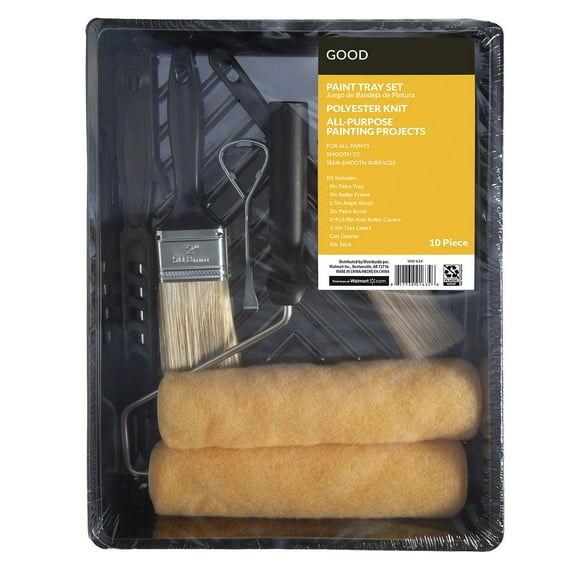
You should start with your project scale, because large walls need different tools than narrow trim. You can cover broad areas quickly with rollers, while you can guide a brush around edges and detail work.
Surface texture matters just as much, especially when you compare smooth drywall to rough masonry. You should look for roller nap thickness that matches your wall, because thicker nap reaches deeper texture.
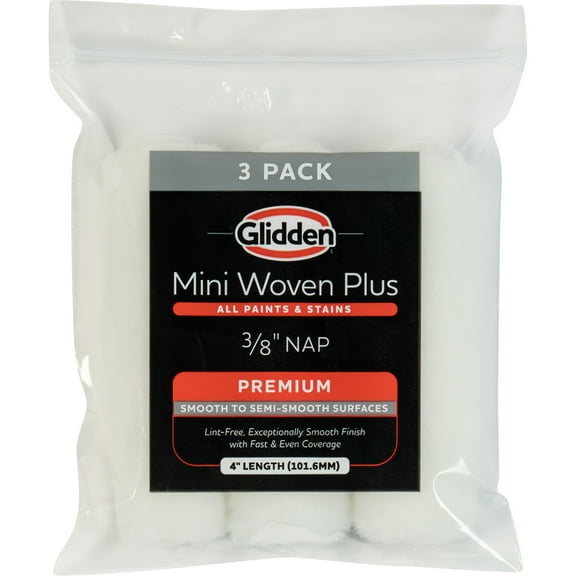
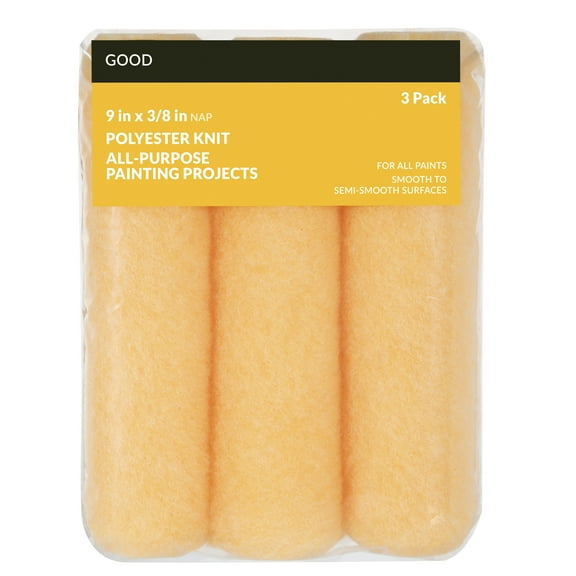
For smooth and semi-smooth surfaces, you can use shorter nap rollers for an even finish. For rough and very rough surfaces, you may need thicker nap rollers that hold more paint.
- You can use rollers for walls and ceilings when you want steady coverage across larger sections.
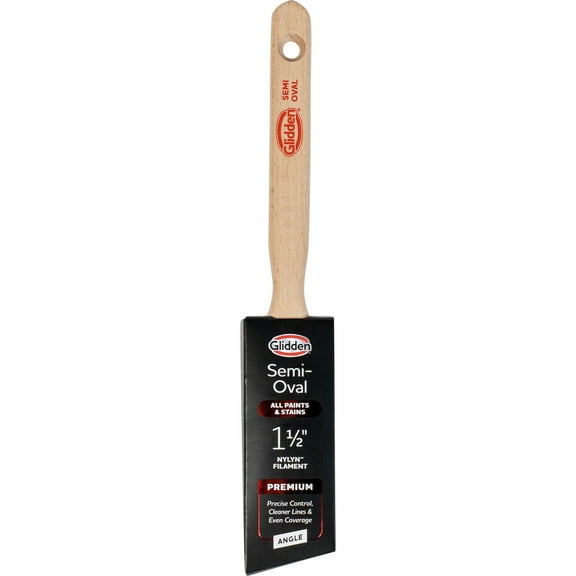
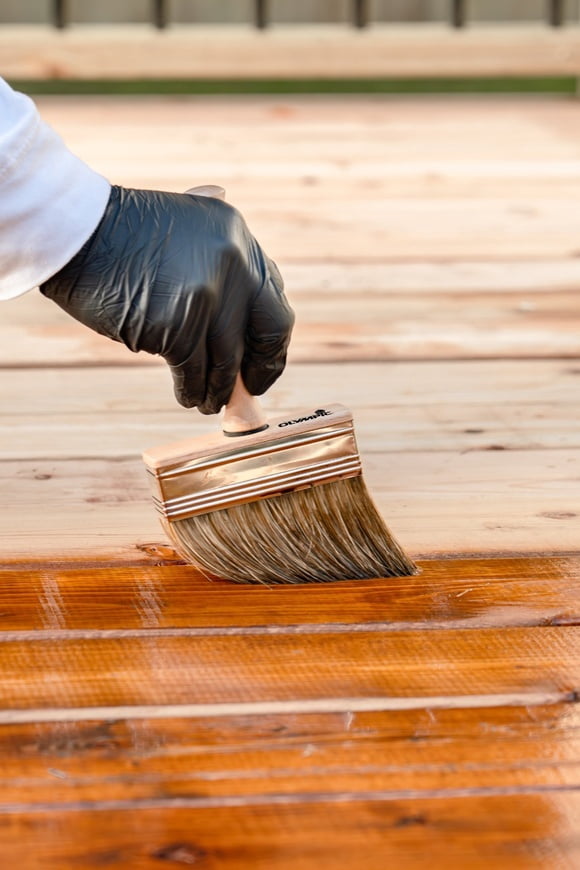
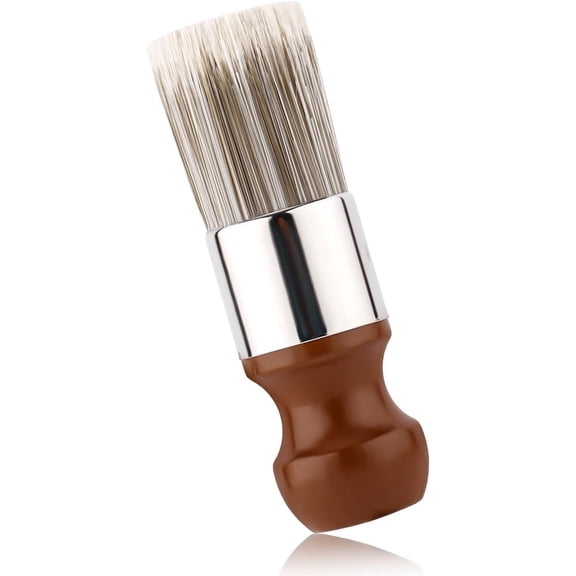
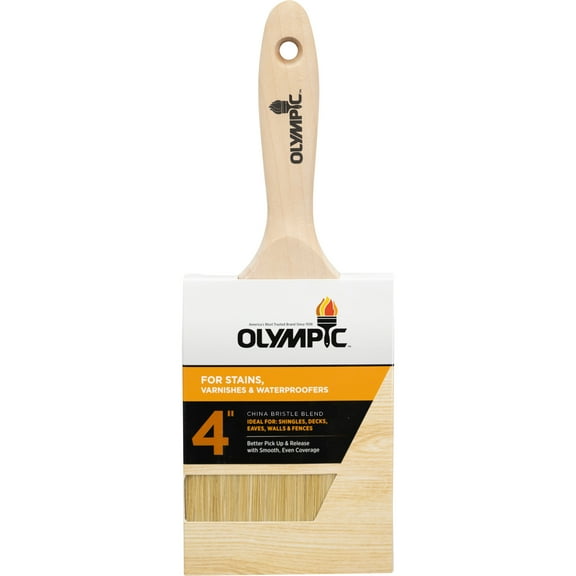
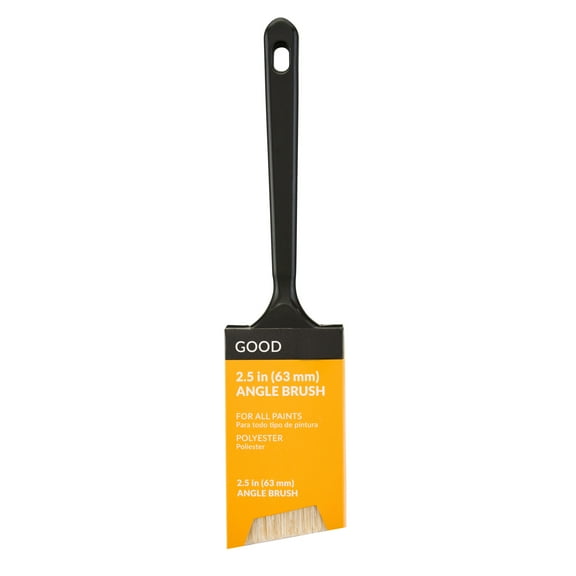
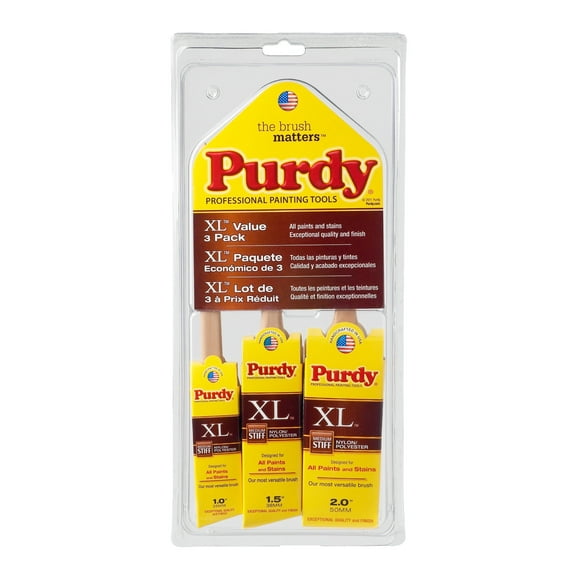
- You can use brushes for trim, baseboards, corners, and touch-ups that need careful control.
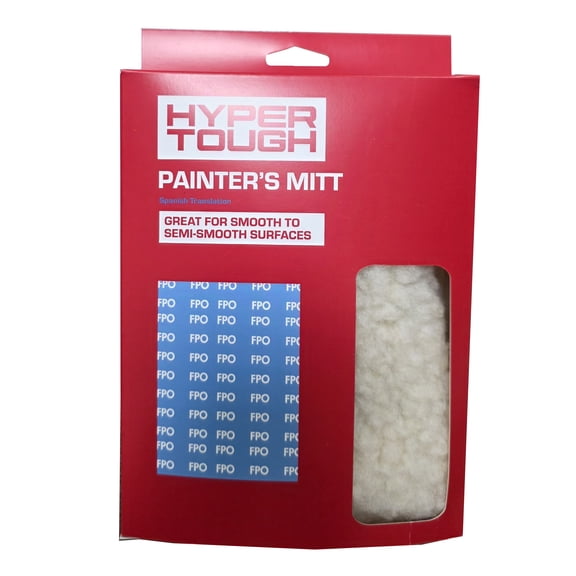
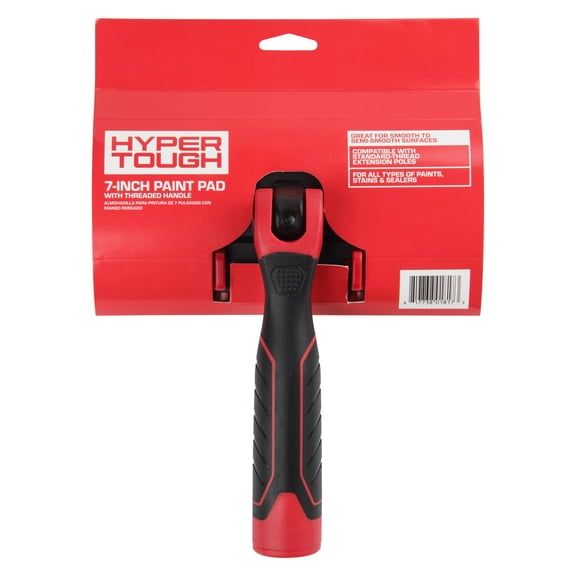
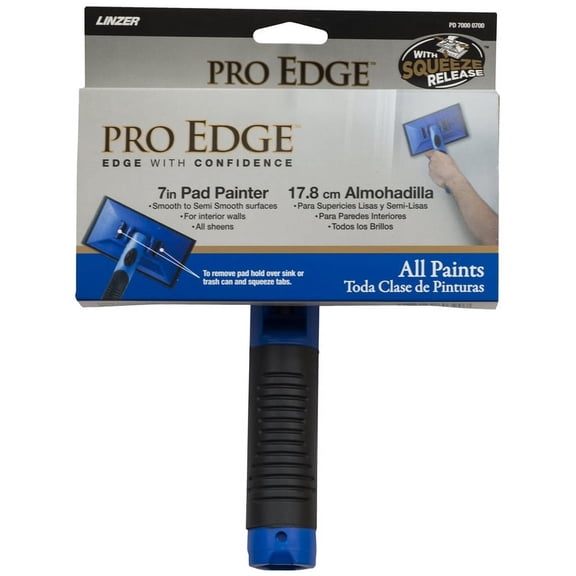
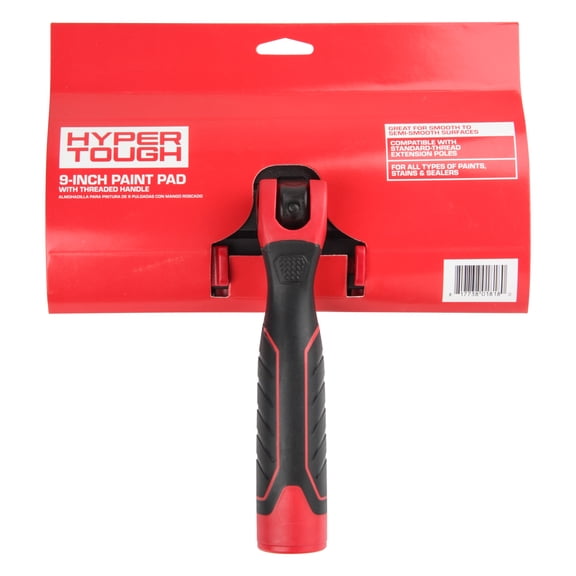
- You can use paint pads on flat areas when you want neat passes along edges and narrow spaces.
- You can use a corner paint applicator when you need extra reach where two walls meet.
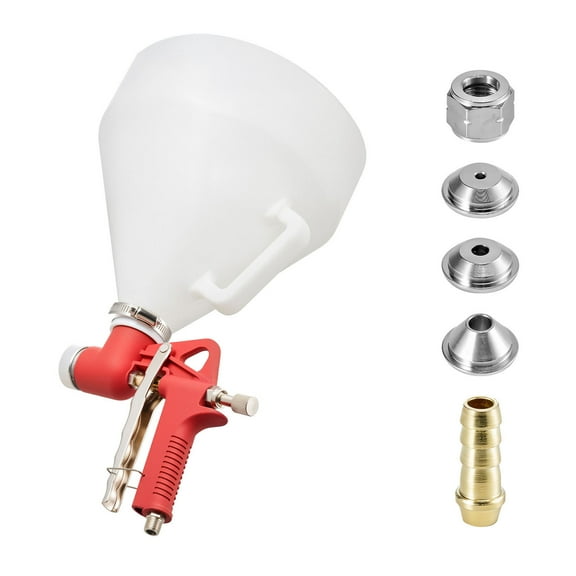
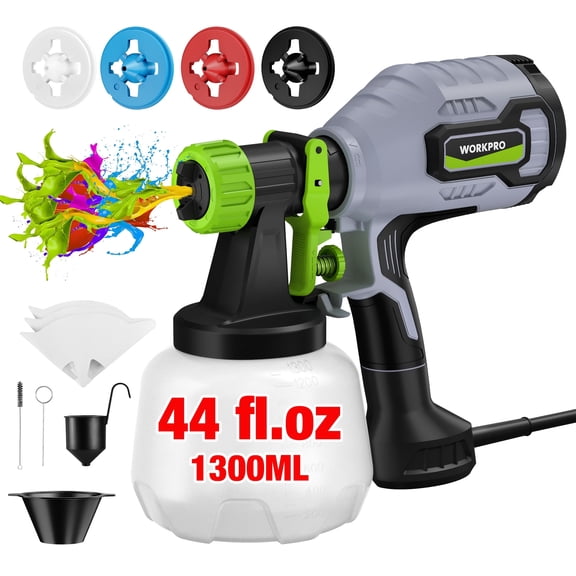
- You can use sponges and sprayers for decorative work, furniture updates, and projects with varied shapes.
How to compare paint rollers and brushes
You should compare paint rollers and brushes by the finish you want and the area you need to cover. You can roll paint across open spaces quickly, while you can brush around frames, molding, and corners.
Roller size affects speed and control, so you should measure your project before choosing. You can pick wider rollers for walls and ceilings, while you can use smaller frames for closets and tight sections.
Bristle stiffness also guides your choice, because softer bristles suit smoother finishes and lighter strokes. You can choose firmer bristles when you need more control on trim or textured spots.
Paint type compatibility is another key step, and you should check it before you begin. You can pair synthetic bristles with many water-based paints, while natural bristle often fits oil-based paint projects.
Roller material matters too, because foam and microfiber leave different results on different surfaces. You can use foam for very smooth surfaces, while microfiber can hold paint well across larger wall sections.
What to look for in paint edging tools and paint pads
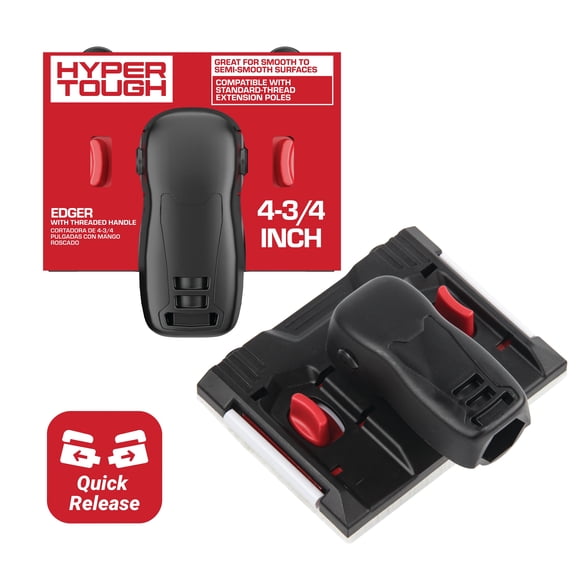
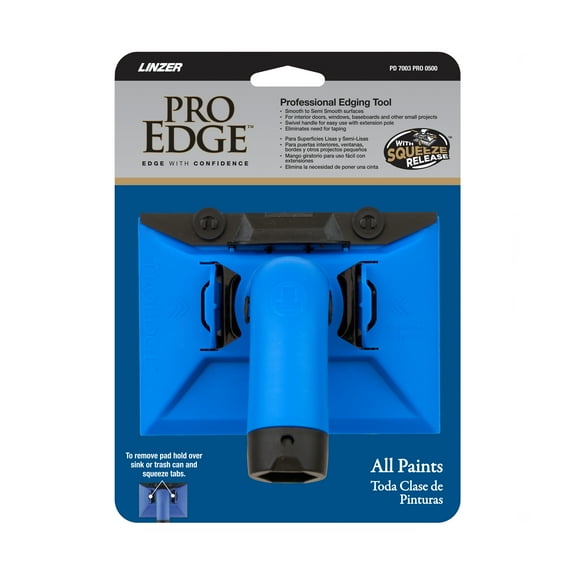
You should consider paint edging tools when you want a straighter line near ceilings, trim, or window frames. You can gain more control in narrow zones where a full roller feels too wide.
Paint pads can help you glide across doors, cabinets, and other flatter surfaces with steady contact. You should check pad size and handle shape, because those details affect comfort and reach.
If you’re painting corners, you may want a corner paint applicator built for tight angles. You can reach inside wall joints more easily, and you can keep coverage more consistent around edges.
For trim and baseboards, you should compare smaller brushes, edging tools, and narrow pads side by side. You can choose the tool that matches your line width, hand position, and the amount of detail.
Matching material and size to your paint project
You should compare foam, microfiber, synthetic bristle, and natural bristle as practical choices, not just labels. You can use each material differently depending on paint type, surface texture, and the finish you want.
Foam applicators often suit smoother surfaces where you want a sleek, even coat. Microfiber rollers can carry paint well, so you can move through larger rooms with fewer reloads.
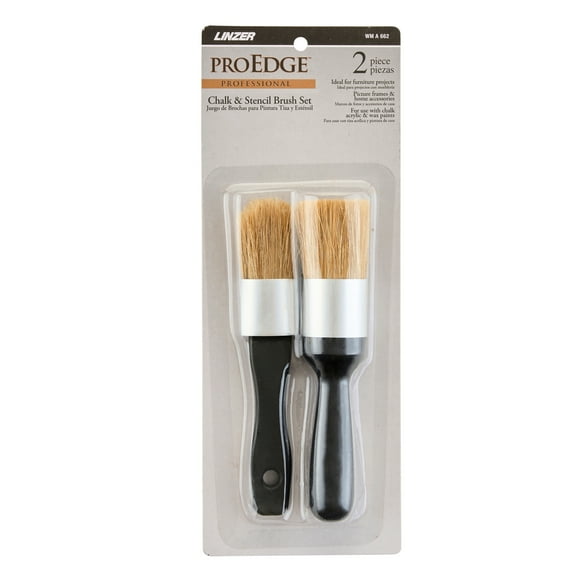
Synthetic bristle brushes usually fit many latex and water-based paint projects around the home. Natural bristle brushes often pair with oil-based coatings, so you should check your paint label before choosing.
Applicator size shapes your control, especially when your project includes both broad areas and detail zones. You can use larger rollers for walls and ceilings, while you can switch to smaller brushes for furniture spindles or crafts.
Using paint applicators for common home projects
You can approach walls and ceilings with a roller that matches your surface texture and room size. You should keep a brush nearby for corners, cut-in lines, and spots around vents or trim.
For trim and baseboards, you can use smaller brushes or paint edging tools for a neater path. You should focus on handle comfort and brush shape when you expect long sessions along narrow edges.
When you’re refreshing furniture, you can compare foam brushes, smaller rollers, and pads for flatter panels. You should also check material compatibility, because paint type changes how each tool performs.
For crafts and decorative projects, you can use sponges and small applicators for texture and detail. You can work on signs, shelves, and small wood pieces with more control than a full wall roller.
With the right paint applicators, you can match texture, paint type, and project size without guesswork. You finish with cleaner coverage, steadier edges, and tools that fit the job from the first coat.
Popular in Paint Applicators in Paint Supplies & Tools - Walmart.com
- Shur-line Paint Applicators
- Shur-line Touch Up Painter
- Premier Paint Roller LLC Collection
- Premier Paint Roller LLC Cleaning Tools
- Paint Brush Covers
- Premier Paint Roller LLC Paint Applicators
- Premier? Paint Applicators
- Paint Touch Up Brush
- Shur Line Handi Painter
- Clearance in Paint Applicators
- Linzer Products Paint Applicators
- The Paint Brush Cover Worth