

Midea in Home Improvement Shop by Brand












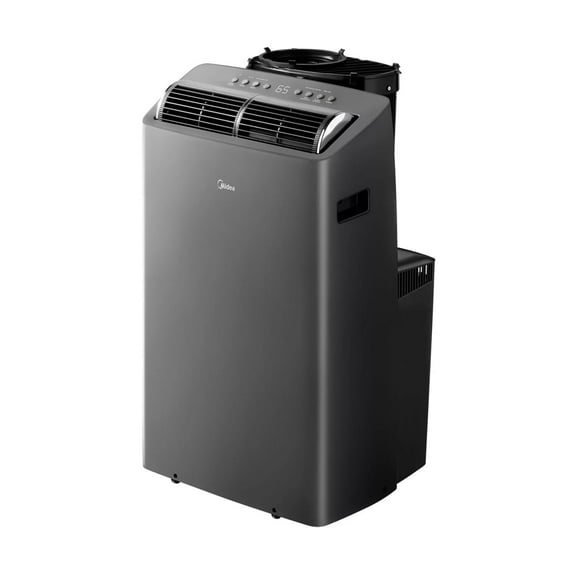
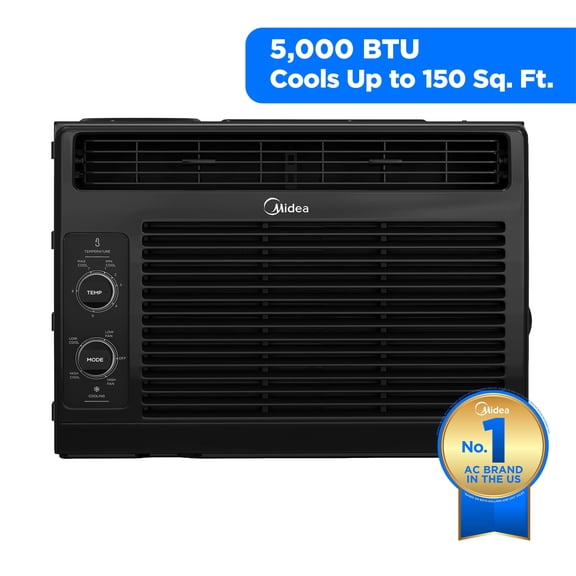
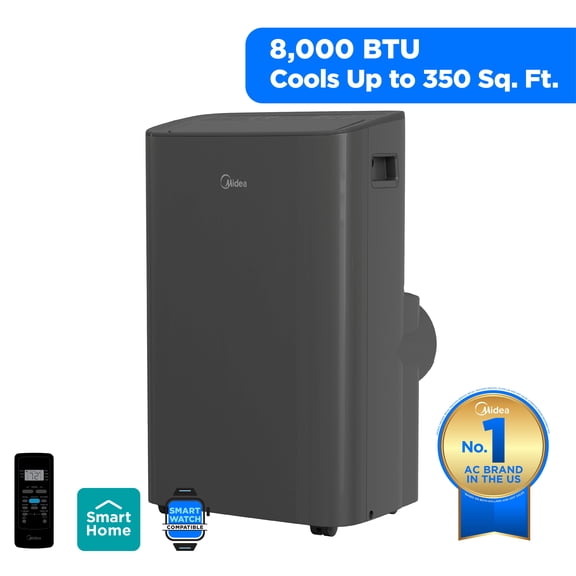
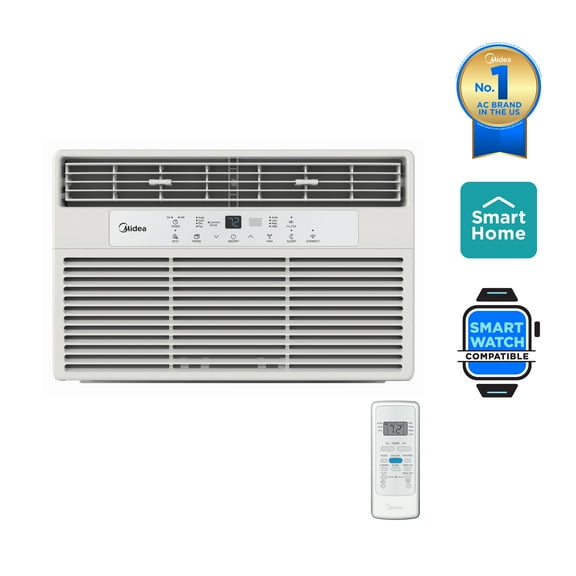











About Midea in Home Improvement Shop by Brand - Walmart.com
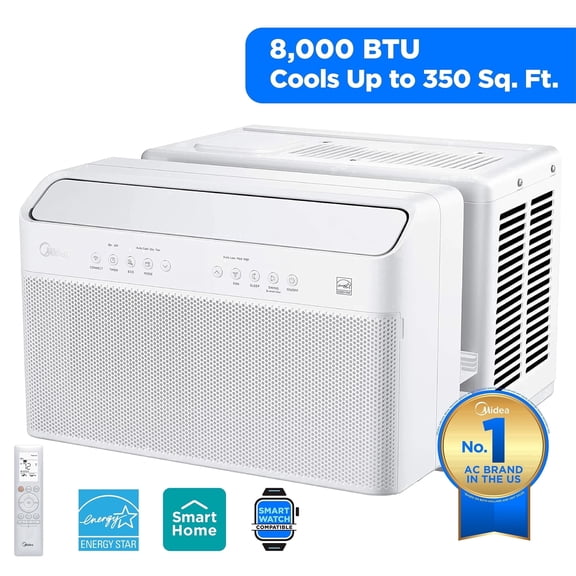
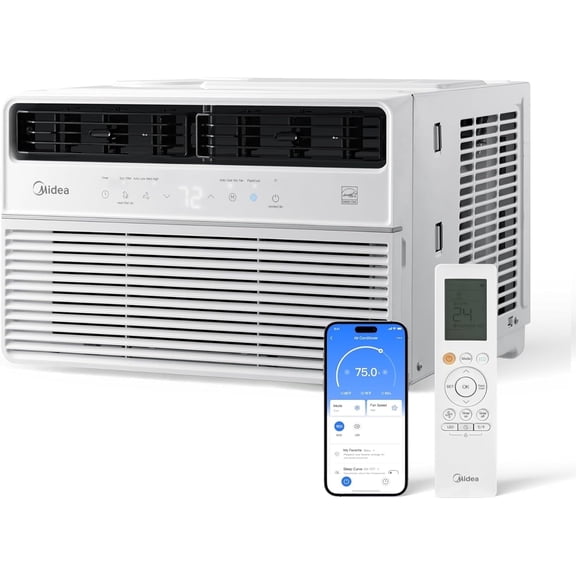
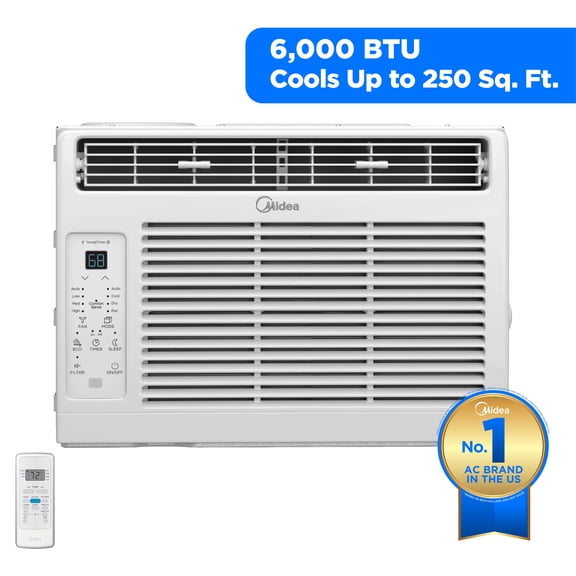
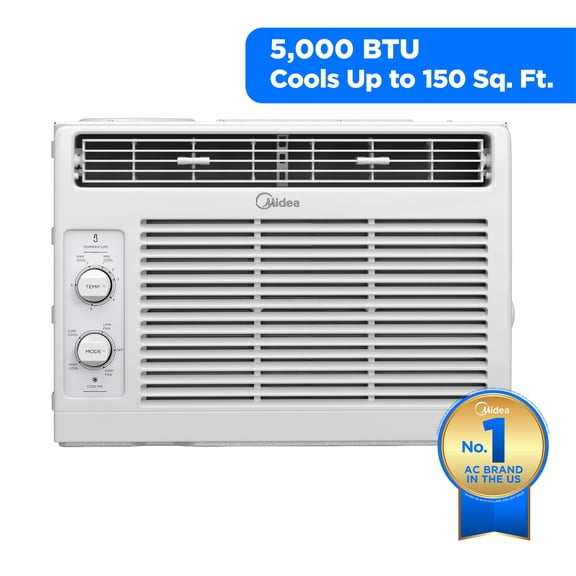
When you shop window ac midea models, you can compare U-shaped cooling, smart controls, and BTU options for different room setups. You'll also get a clear path to the right fit, because this category covers window units, wall-compatible options, and app-connected cooling.
If you're replacing an older room unit, you'll likely want quieter operation and convenient daily control. You can also compare compact 8,000 BTU choices with larger 12,000 BTU models without leaving the category.
How to choose window ac midea options
You should start with cooling capacity, because BTU ratings affect how your room feels during steady daytime use. You'll usually compare 8,000 BTU, 10,000 BTU, and 12,000 BTU models based on your square footage.
If your room is smaller, you may prefer an 8,000 BTU unit that fits bedrooms, offices, or guest spaces. If your room is larger, you may want 10,000 or 12,000 BTU output for broader coverage.
You should also compare chassis design before you choose a model for your window opening. You'll notice U-shaped units leave space for your window to move more normally than standard designs.
- You can match 8,000 BTU units to smaller rooms that need focused cooling.
- You can use 10,000 BTU or 12,000 BTU models when your layout needs wider airflow.
- You can compare U-shaped and standard window designs based on how your window opens.
- You can check whether a wall unit matches your installation plan before you choose.
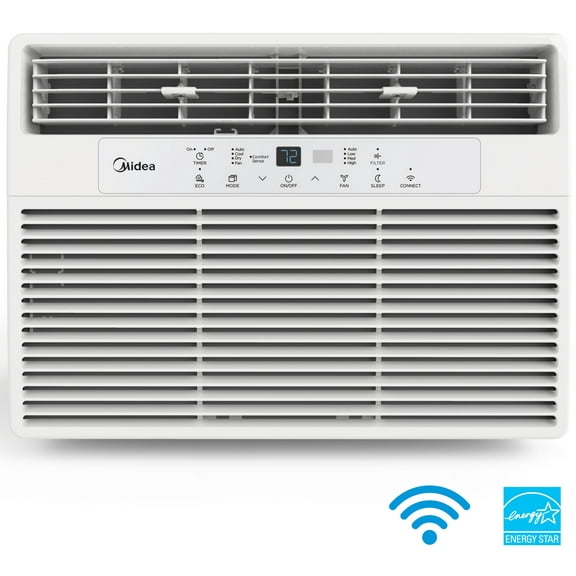
You may also want smart connectivity if you adjust settings throughout the day. You'll find Wi-Fi enabled and app-controlled options helpful when you want timer changes without walking to the unit.
Choosing capacity, design, and smart control
You should measure your room before you compare a midea 8000 btu air conditioner with larger models. You'll make a clear decision when you pair square footage with the BTU range you actually need.
If you want a model for a bedroom or office, you may focus on lower sound output and compact sizing. If you need coverage for a larger living area, you may look toward 12,000 BTU choices.
You should compare a midea ac u shape design with a standard window chassis based on window use. You'll appreciate the U-shaped layout when you still want access to more natural light and movement.
If you need built-in connected features, you can compare a midea wifi air conditioner with app-based controls. You'll be able to change temperature, fan settings, and schedules from your phone in many setups.
You may also compare a midea smart air conditioner if voice-assistant compatibility matters in your routine. You'll want to check your home network setup and preferred control method before choosing.
When you review compressor technology, you should look at how manufacturers describe a midea dual inverter air conditioner. You'll usually see dual inverter models associated with steady operation and less noticeable sound variation.
You can also review CEER details and dBA noise levels when those specs appear on product pages. You'll use those numbers to compare efficiency and everyday sound, especially for bedrooms or work spaces.
What to look for in wall and window installation
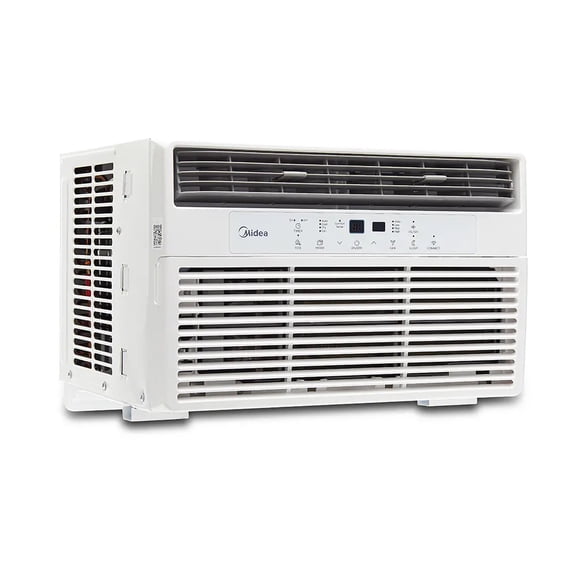
You should confirm whether your setup needs window mount installation or a through-the-wall format. You'll avoid fit issues when you compare opening dimensions, chassis style, and your planned placement.
If your project involves a midea air conditioner wall unit, you should check that the product is intended for that installation type. You'll want sleeve compatibility and dimensional guidance before moving forward.
You may prefer a standard window model if you want a familiar install and direct control access. You may prefer a U-shaped option if your priority is window function with a different chassis profile.
You should also think about cord reach, outlet placement, and where airflow will land in the room. You can get more useful cooling when furniture, curtains, or deep wall placement do not block your unit.
Matching Midea cooling choices to your space
If you're cooling a bedroom, you may want quieter operation, scheduling tools, and a size that fits a smaller window. You'll likely compare 8,000 BTU models with smart controls for overnight comfort.
If you're outfitting a home office, you may want app control during calls and focused airflow near your desk. You'll also benefit from checking dBA ratings when a quiet workspace matters.
When you're cooling a larger living room, you may need 10,000 BTU or 12,000 BTU output. You'll want broader air reach, stronger circulation, and settings you can adjust across the day.
If you want connected convenience, you can compare midea smart cool features with standard electronic controls. You'll notice Wi-Fi options are useful when your routine changes between morning, afternoon, and evening.
If your window design creates clearance concerns, you should compare U-shaped and standard cabinet layouts closely. You'll make an informed choice when you check sash movement, bracket needs, and overall dimensions.
You can approach this category as a decision guide instead of guessing between similar-looking units. You'll feel more confident when you compare BTU size, chassis design, smart features, and installation type together.
When you narrow those details first, you can choose a Midea air conditioner that fits your room, your window, and your daily routine. You'll end up with cooling that feels convenient to live with from setup through daily use.