

Locking Mailboxes & Lockable Mail Boxes | Walmart














About Locking Mailboxes & Lockable Mail Boxes | Walmart - Walmart.com
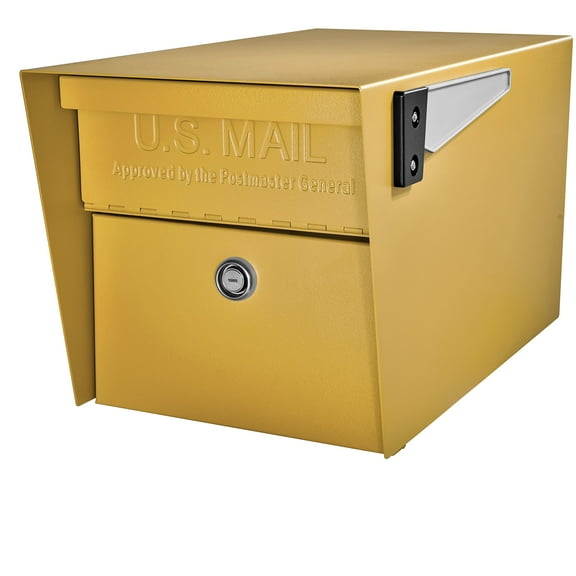
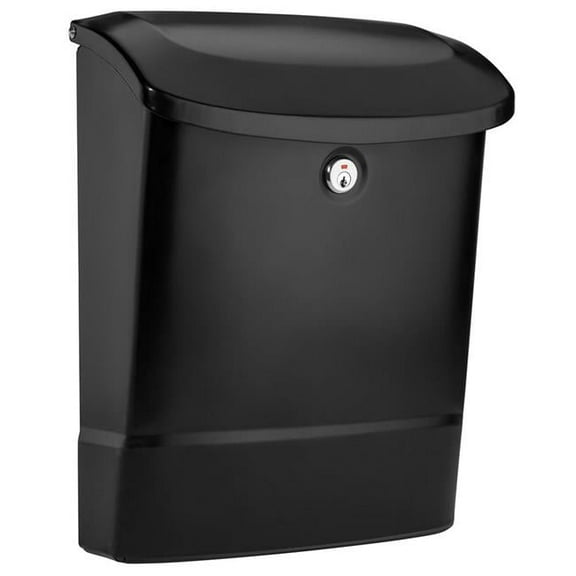
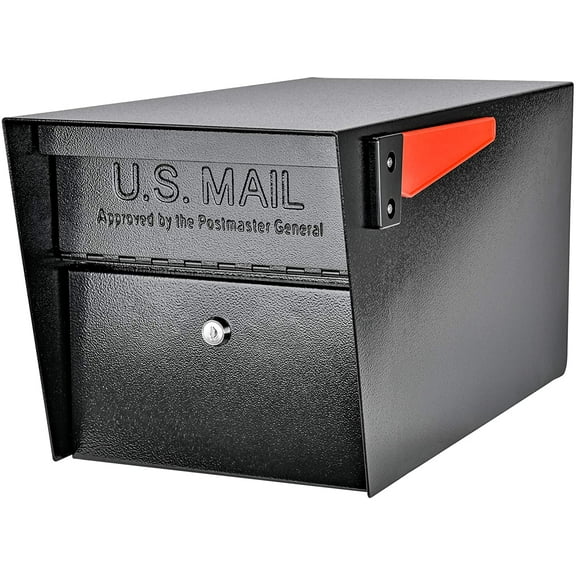
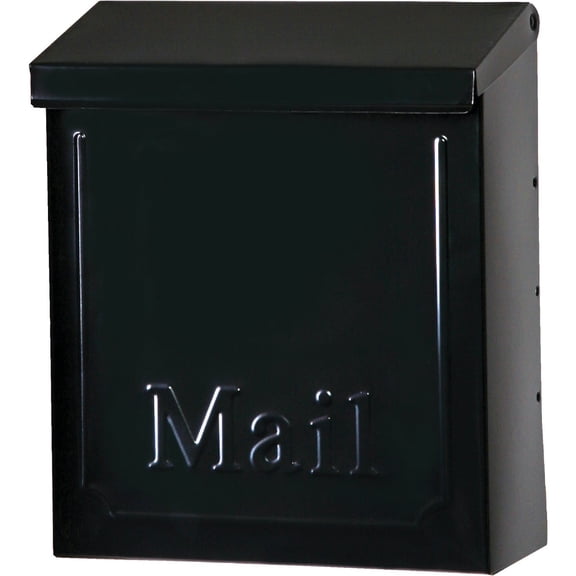
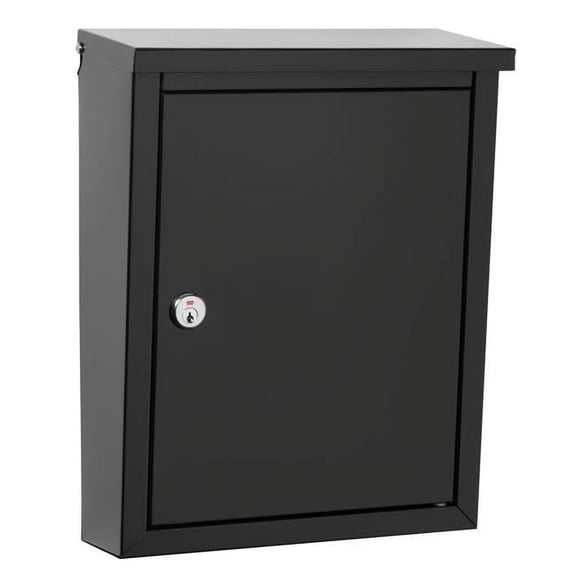
You can compare a locking mailbox by security, mounting, and material, so your daily mail stays protected and your entry setup stays organized. You’ll also find USPS approval details, weather-ready finishes, and designs that fit post, wall, column, or freestanding installation.
How to choose a locking mailbox
When you choose a locking mailbox, you’ll want to match your mail volume with the right opening and lock style. You’ll notice that small letter slots suit daily envelopes, while larger compartments fit magazines and small parcels.
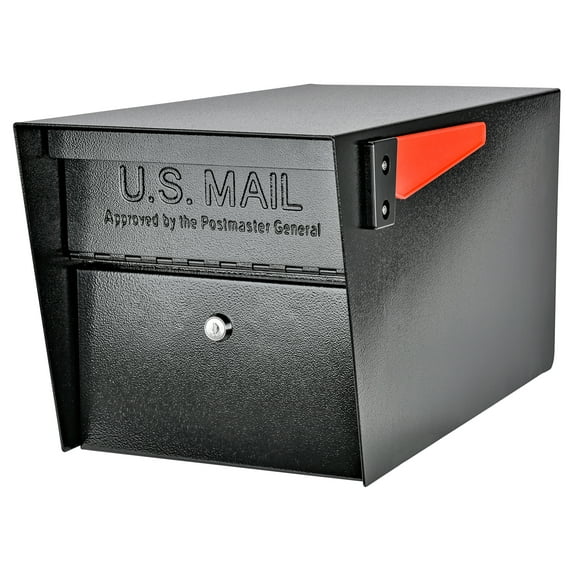
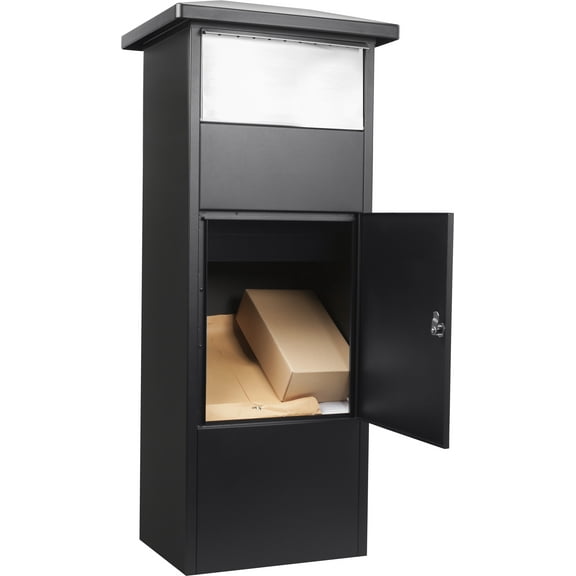
If you receive frequent deliveries, you may prefer mailboxes that lock with a baffle system. You’ll get a chute-like opening that helps accept mail while limiting hand access from the front.
For added security, you can compare an anti-pry latch, dual lock, or standard lock. You’ll usually want stronger latch coverage when your box sits close to a sidewalk or street.
Comparing materials and finishes
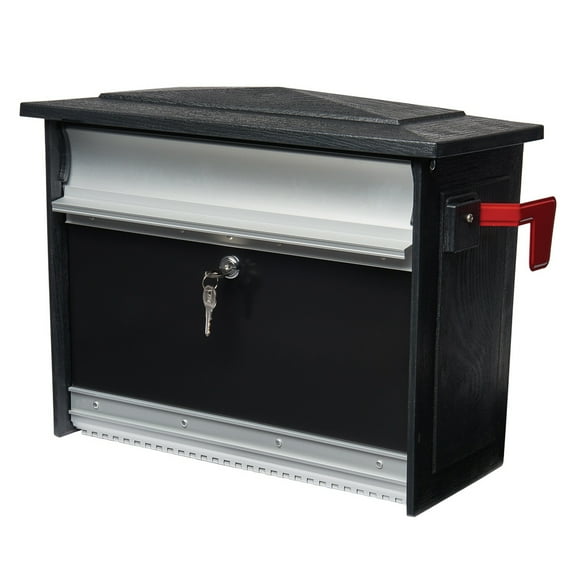
You can use material choice to balance appearance, rust resistance, and long-term outdoor use. You’ll often see stainless steel, galvanized steel, aluminum, and heavy duty plastic across this category.
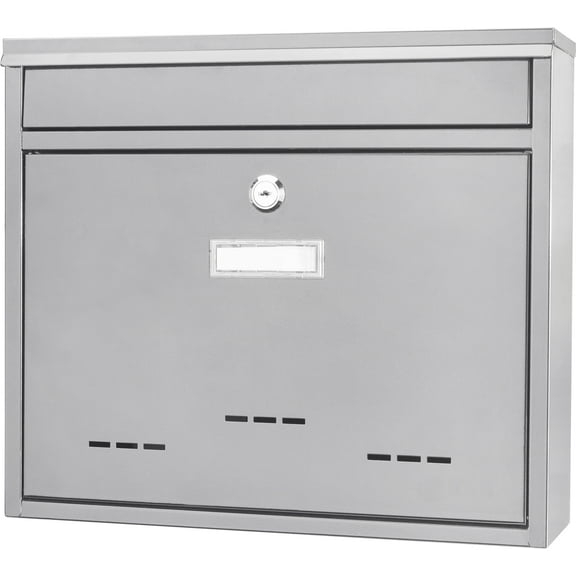
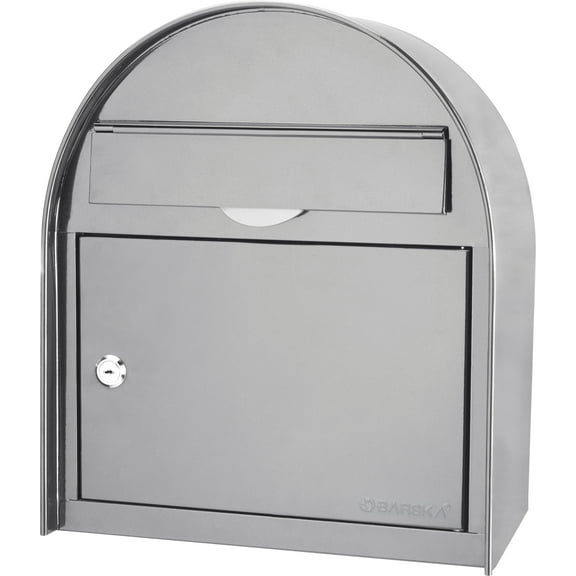
If you want a heavy duty stainless steel mailbox, you should look for sturdy panels and a finish that suits your exterior. You’ll often choose stainless steel when you want a clean look and dependable corrosion resistance.
Galvanized steel can give you a solid feel with a protective coating for outdoor placement. Aluminum can help you keep weight lower, which may simplify your installation on lighter supports.
Heavy duty plastic can work well when you want a lighter build and simple upkeep. You’ll also find finish choices like black, bronze, chrome, and satin nickel to coordinate with your trim.
- You can choose stainless steel for a sleek look and strong rust resistance.
- You can compare galvanized steel when you want a sturdy metal body with protective coating.
- You can pick aluminum when your setup needs lighter weight for easier handling.
- You can select heavy duty plastic when you want straightforward maintenance outdoors.
Choosing security features and USPS details
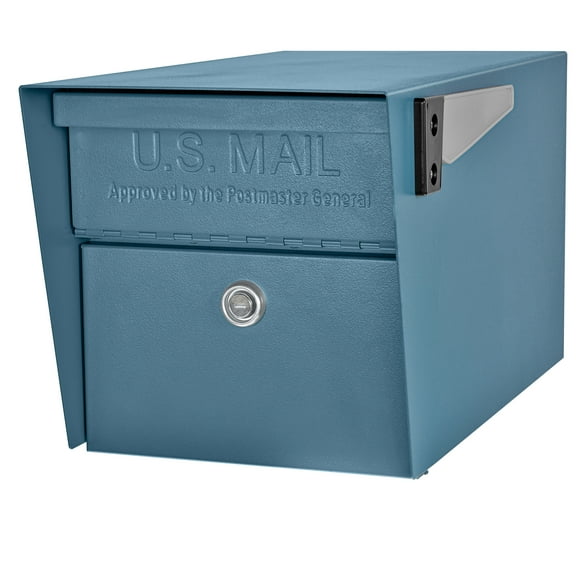
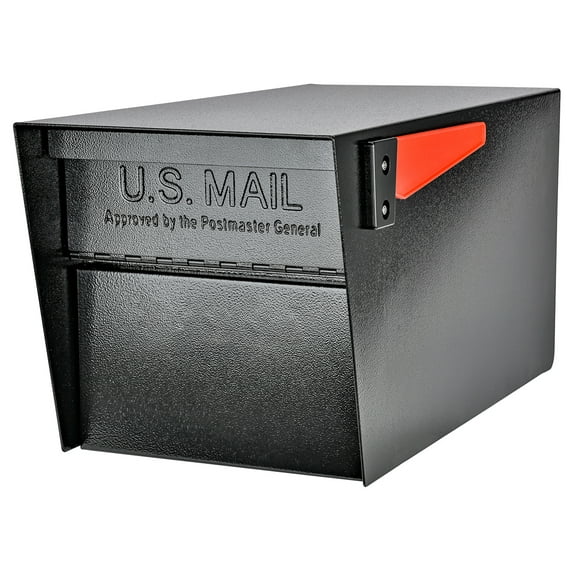
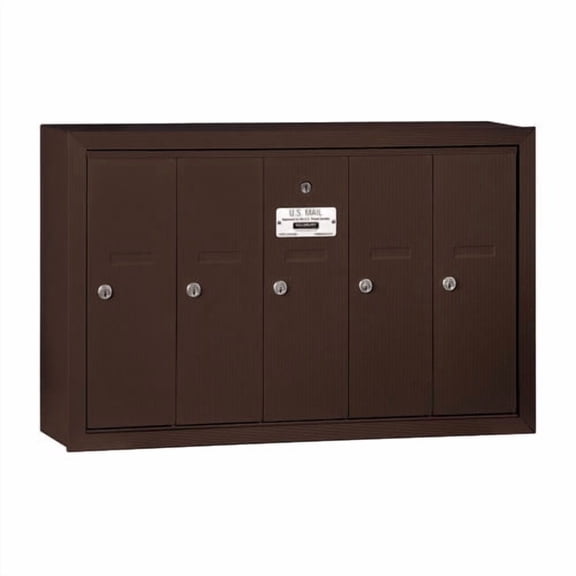
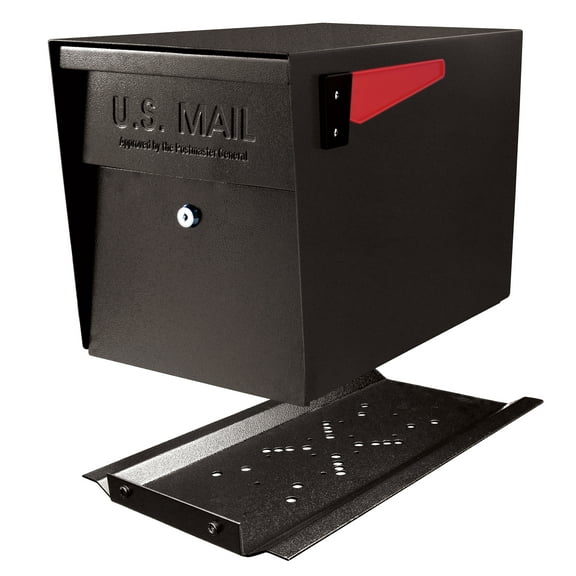
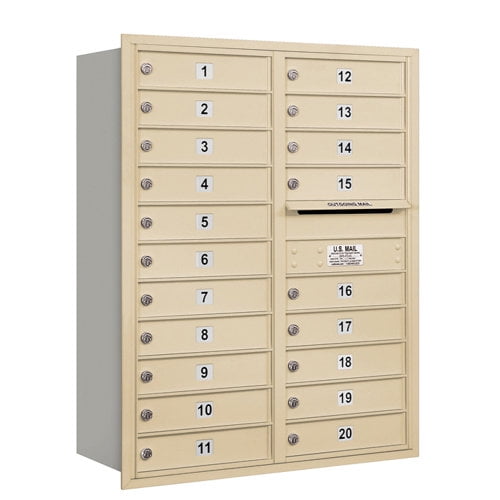
You should check whether your preferred box meets USPS Standard 7B or 7C when curbside delivery applies. You’ll want that approval because your carrier may require the right size, flag placement, and access format.
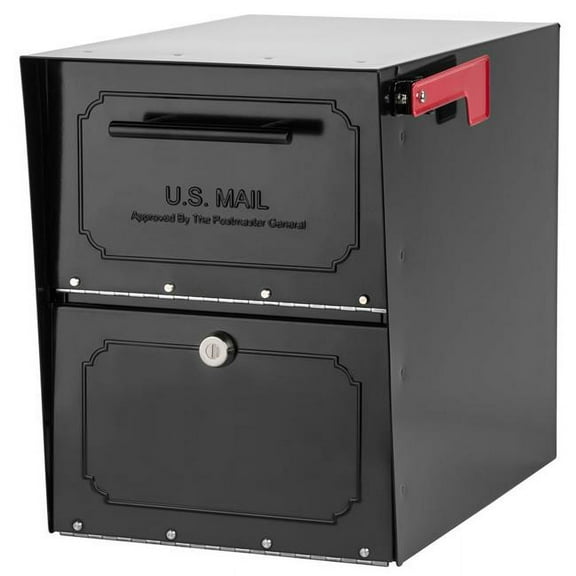
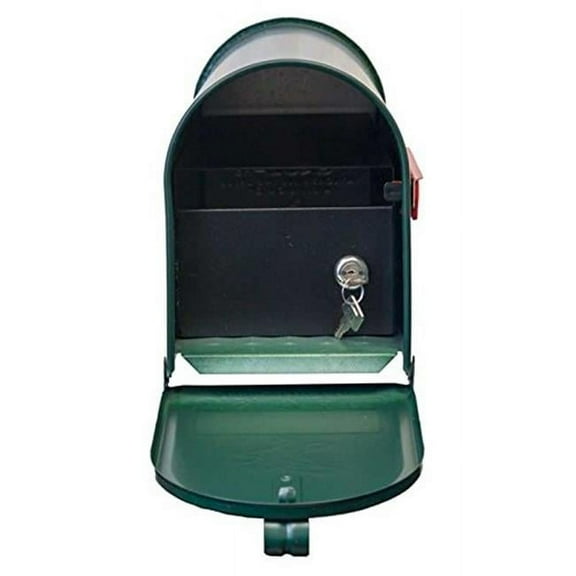
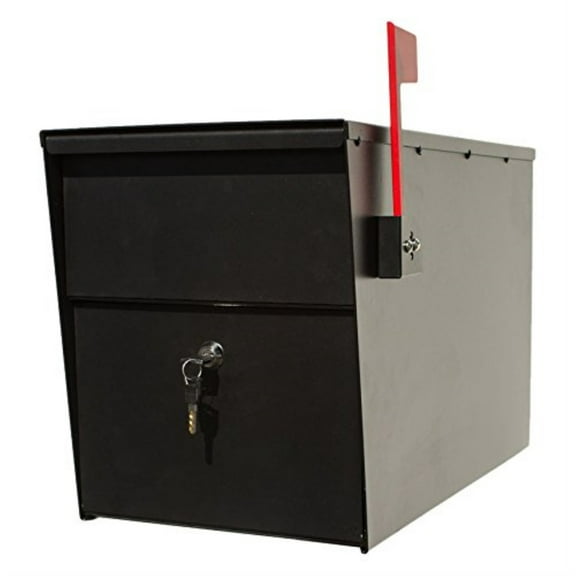
A lock on mailbox can include a rear access door, front retrieval door, or parcel compartment. You can compare how each layout affects your reach, your key access, and your placement near paths or porches.
If you get thicker envelopes and catalogs, you may want a wider incoming slot and a deeper body. You’ll benefit from that extra room because your mail can drop inside without forcing the door open.
You can also look for anti-pry bars and reinforced doors when security matters most. You’ll usually get tighter closure points that make casual tampering much harder.
Matching mounting type and installation
You should measure your location before you choose post mount, wall mount, column mount, or freestanding styles. You’ll avoid fit issues when you confirm height, clearance, and door swing space first.
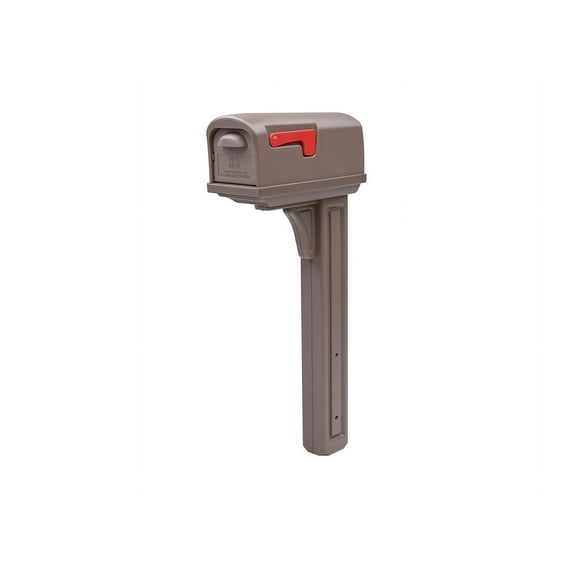
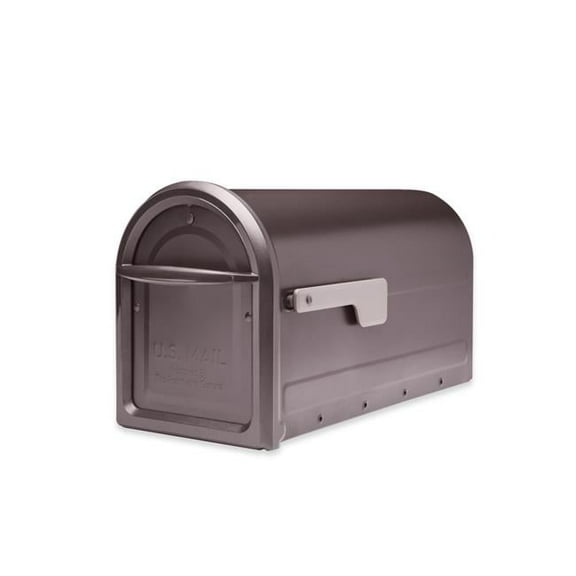
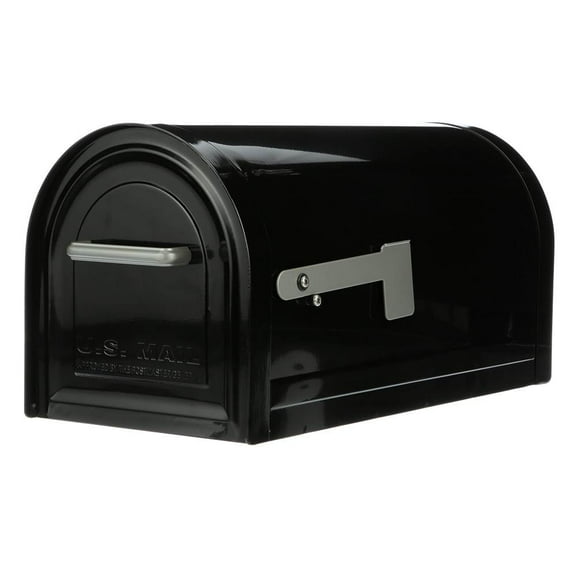
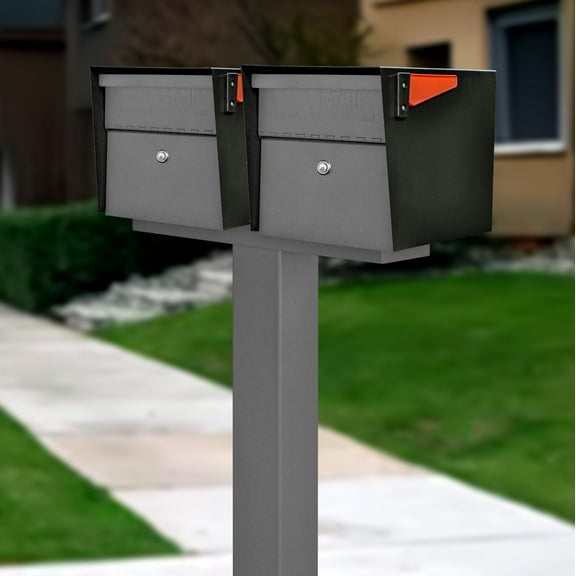
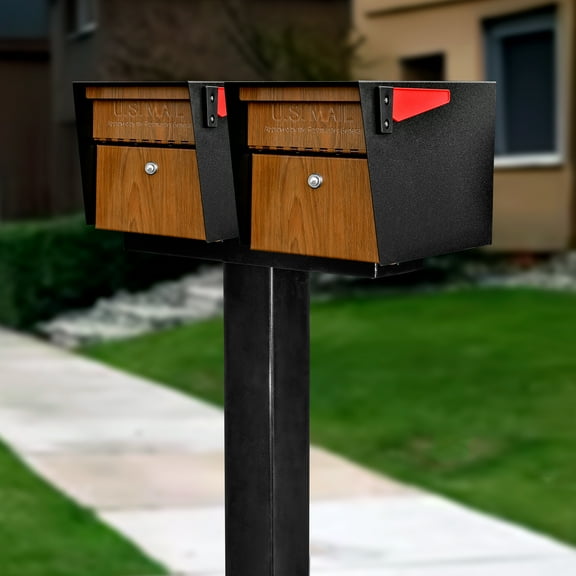
Post mount designs work well when you need curbside placement and common roadside compatibility. You should also check post compatibility and bolt patterns, because mounting plates can vary by brand and style.
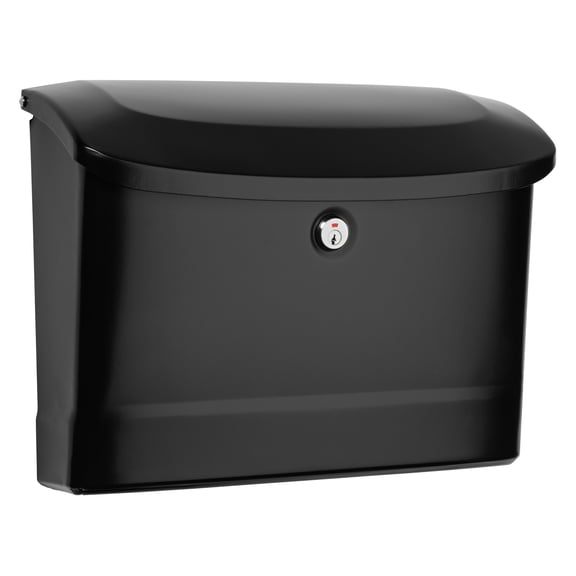
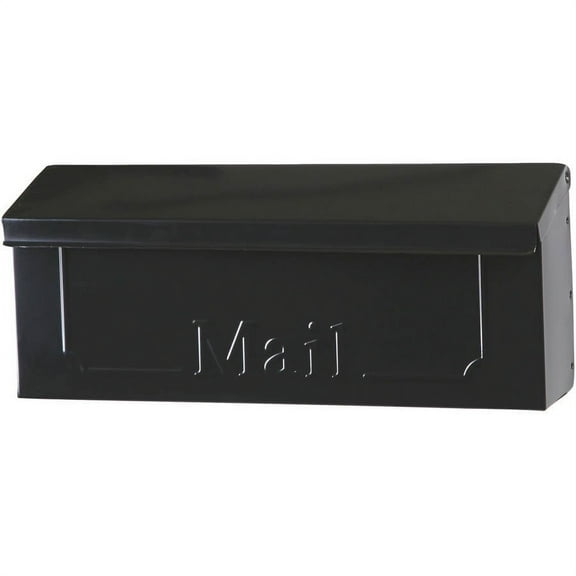
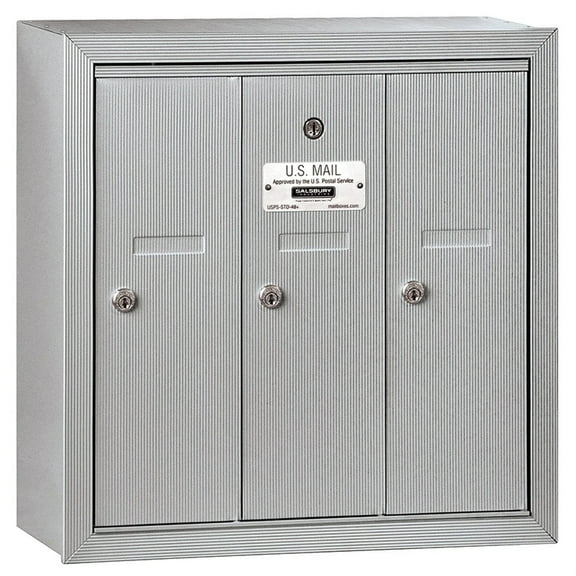
Wall mount options can suit porches, gates, and entry walls where you want mail close to your door. You’ll want to compare overall depth so your mailbox doesn’t crowd a walkway or screen door.
Column mount and freestanding styles can fit masonry entries or dedicated mailbox stations. You should verify anchor points and footprint dimensions so your installation feels stable and aligned.
Weather resistance and lockable mail box features
You can compare a lockable mail box by finish protection, drainage design, and seam coverage. You’ll want these details because rain, sun, and seasonal moisture can affect how the exterior looks over time.
Stainless steel helps you resist rust through the base material itself. Powder-coated steel adds a protective outer layer, so you should check for even coverage around edges, doors, and corners.
You may also want tight seams, raised doors, and covered locks that limit direct weather exposure. You’ll appreciate those features when your box sits fully exposed at the curb or near an open driveway.
If you’re comparing a stainless mailbox or chrome mailbox style, you should think about upkeep and fingerprints. You’ll often find darker finishes hide dust more easily, while brighter finishes create a polished exterior look.
Use cases for different mailbox setups
If you receive letters most days and occasional padded mailers, you may want a locking home mailbox with a medium compartment. You’ll get a practical balance between secure storage and a manageable footprint.
When your home uses curbside delivery, you should prioritize USPS approval, post compatibility, and visible flag access. You’ll also want a door design that lets your carrier deposit mail quickly and consistently.
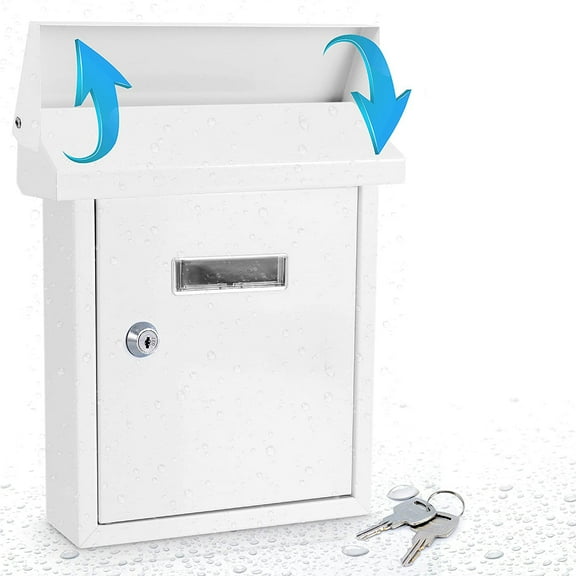
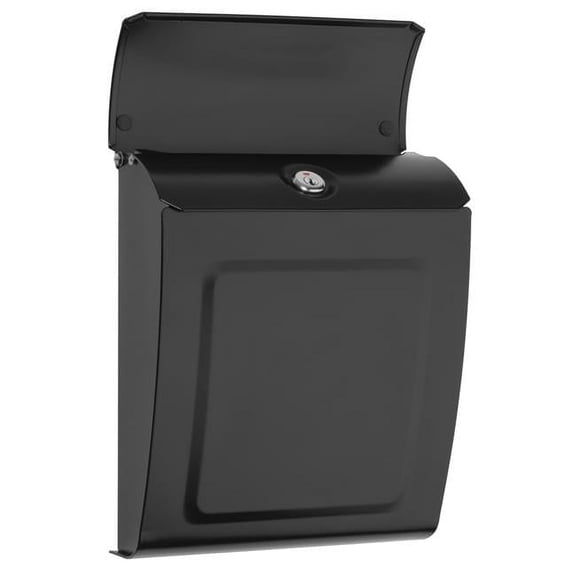
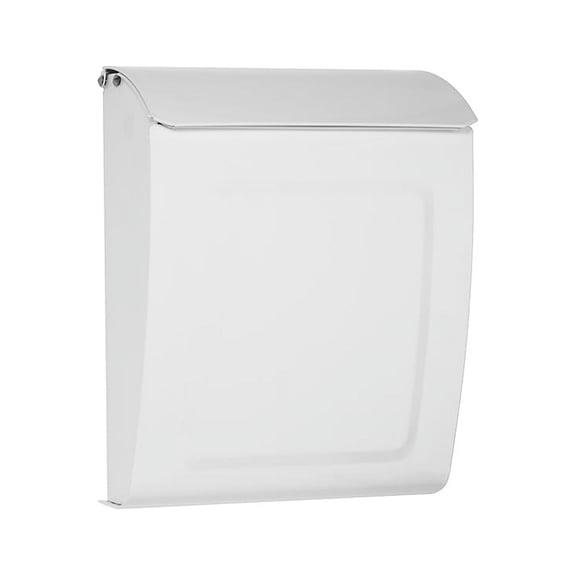
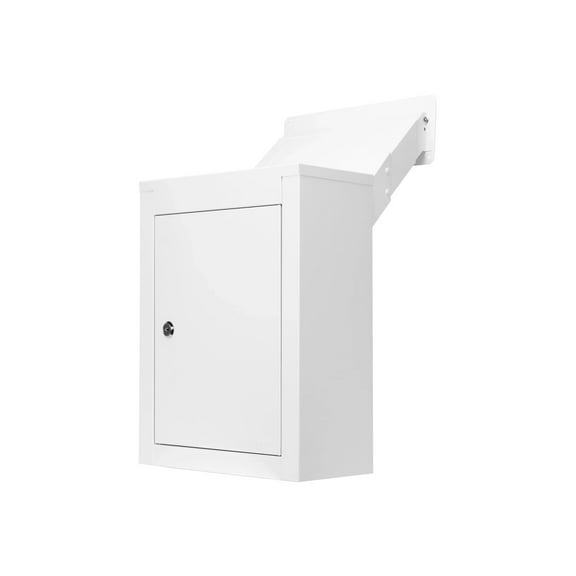
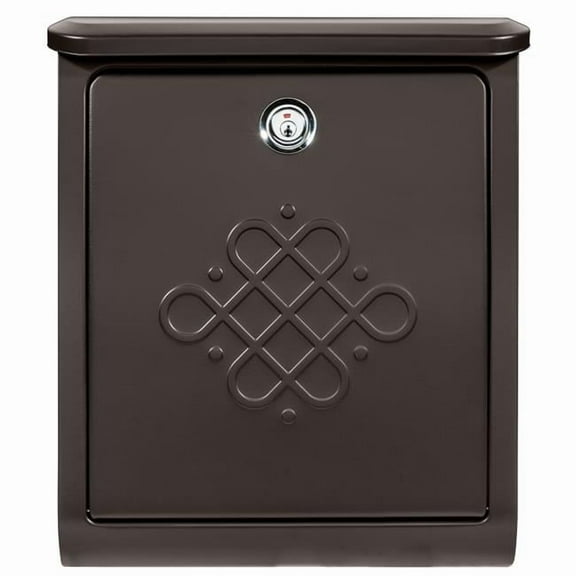
If your front entry has limited floor space, you may prefer a wall mount lockable mailbox. You’ll keep mail close to your door while using vertical wall space efficiently.
For exposed curb placement, you may want stainless steel or powder-coated galvanized steel with an anti-pry latch. You’ll get a setup that supports security goals and stands up well to changing weather.
If your household gets magazines, envelopes, and occasional small parcels, you should compare deeper bodies and baffle systems. You’ll gain easier mail acceptance without giving up controlled retrieval access.
What to look for before you decide
You should compare dimensions, USPS guidance, mounting hardware needs, and lock style before you commit. You’ll make a clearer decision when your mailbox matches your delivery pattern and your installation space.
With the right locking mailbox, you can protect everyday mail, maintain a neat exterior, and choose a finish that fits your home. You’ll end with a setup that supports secure, weather-ready mail delivery.