

Ladders in Ladders and Step Stools
































About Ladders in Ladders and Step Stools - Walmart.com
Ladders help you reach painting projects, storage shelves, gutters, and light fixtures with the right setup for your space. You can compare step ladders, extension ladders, multi position ladders, and telescoping ladders by reach, material, and duty rating.
How to choose ladders for your project
You should start with your job location, because indoor ceilings need a different setup than roof edges or tall exterior walls. You usually want a step ladder for quick indoor tasks and an extension ladder for higher outdoor reach.
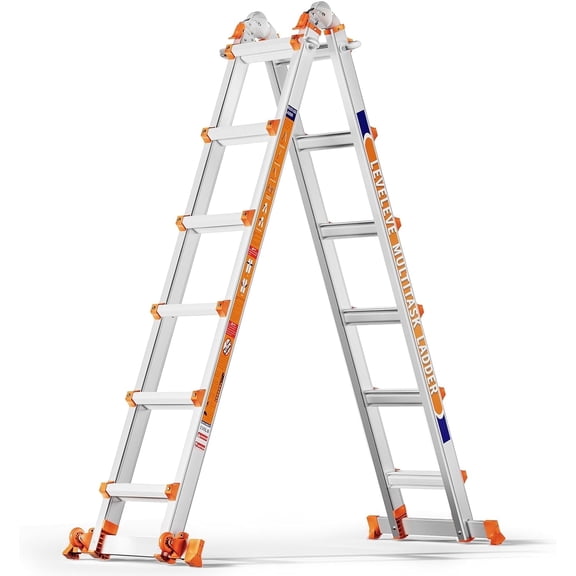
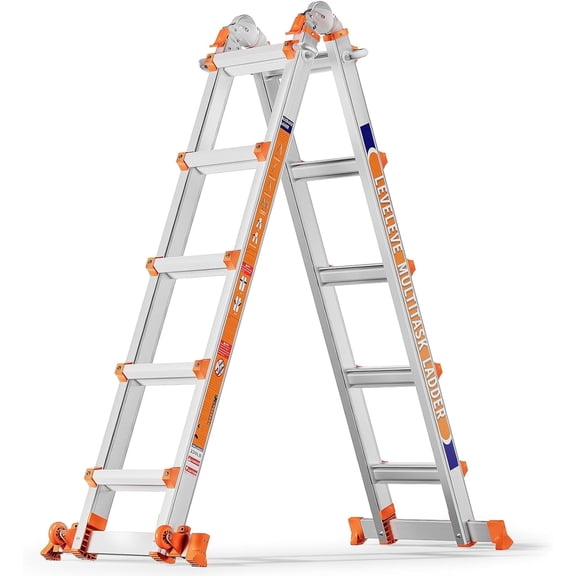
When you compare ladder type first, you can narrow your options faster and avoid extra bulk. You may prefer multi position ladders when your tasks change often and your storage space stays tight.
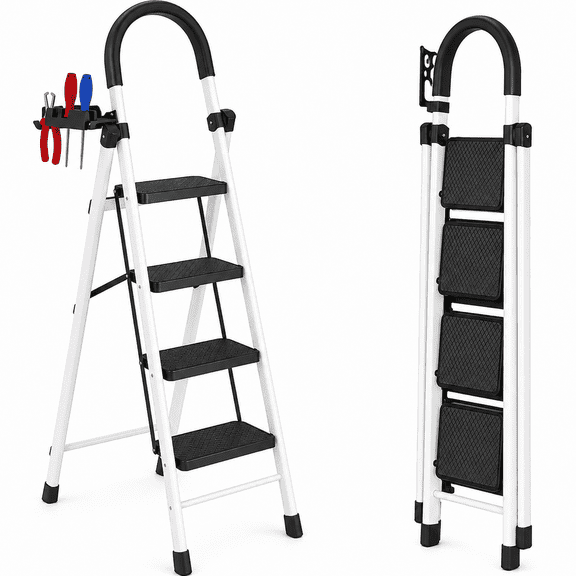
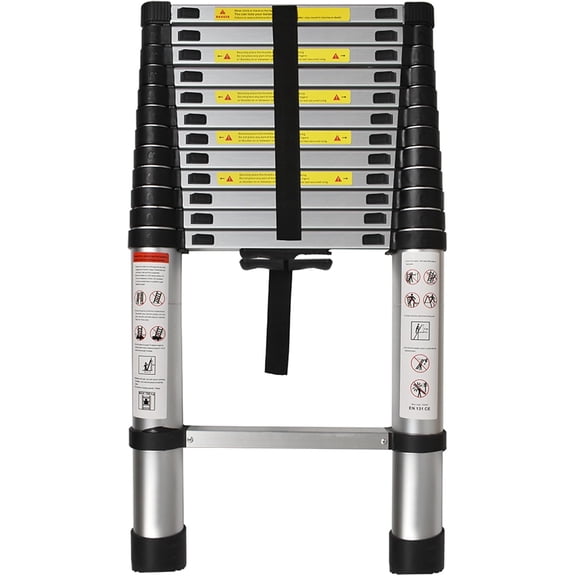
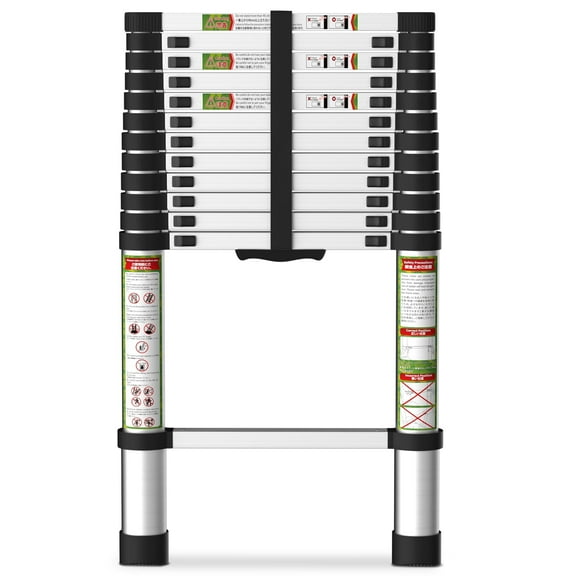
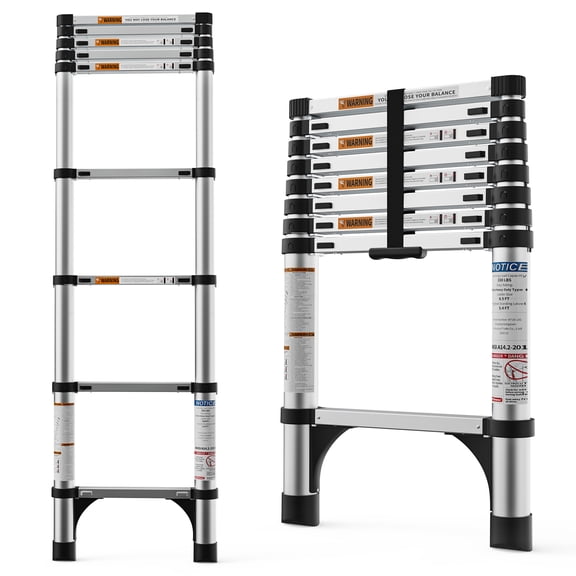
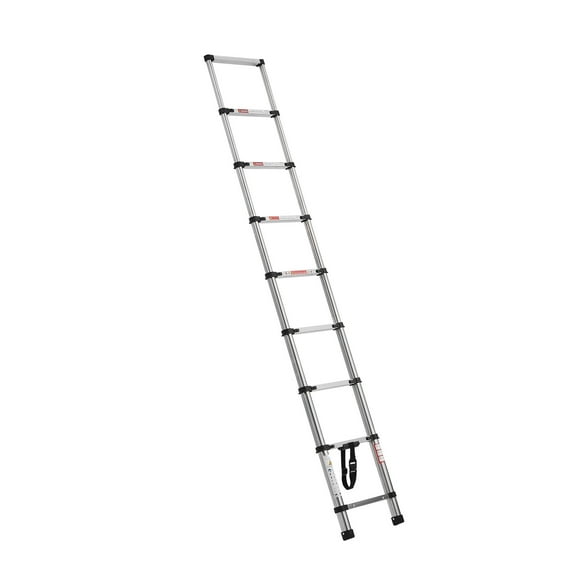
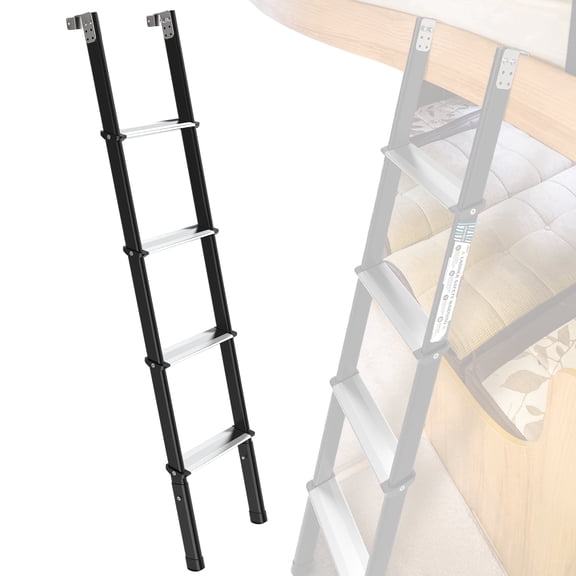
You can also look at telescoping ladders when portability is a key factor. You may find that folding designs work well when your vehicle cargo area or closet space feels limited.
Choosing between step ladders, extension ladders, and multi position ladders
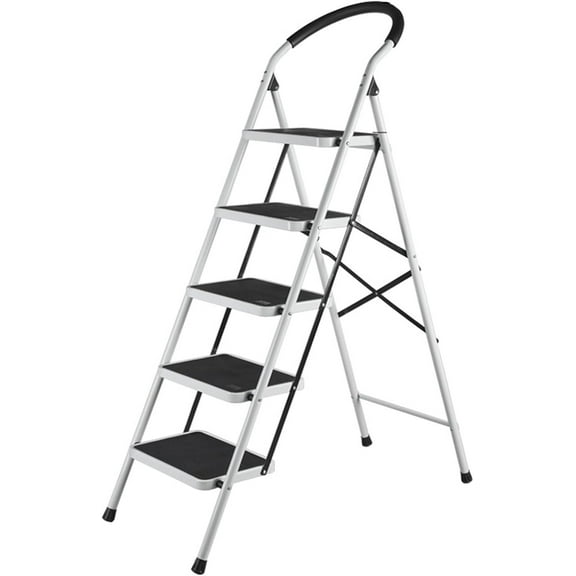
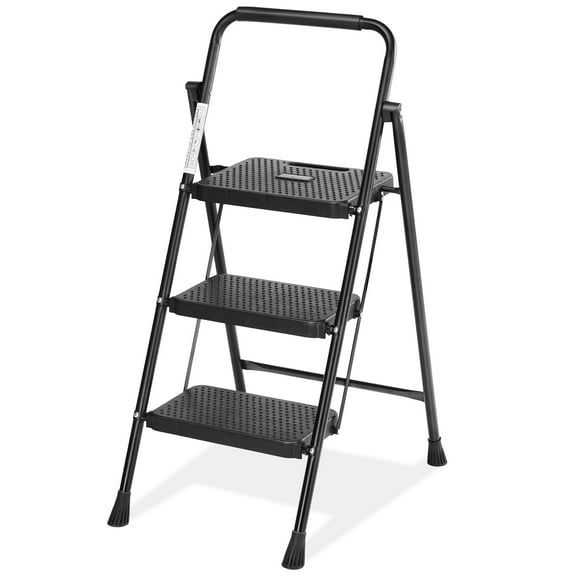
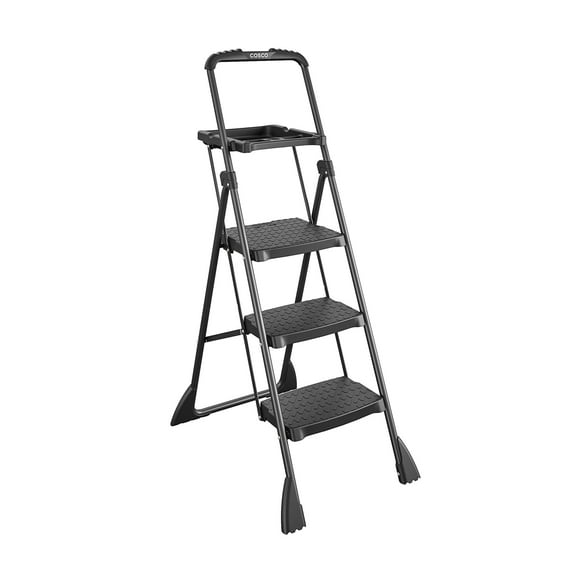
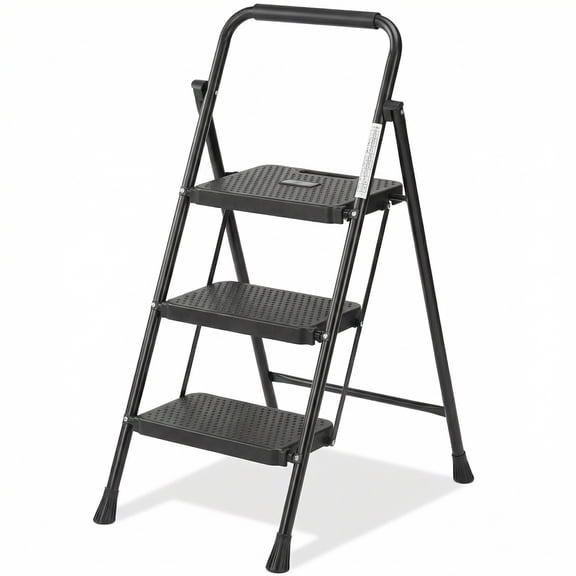
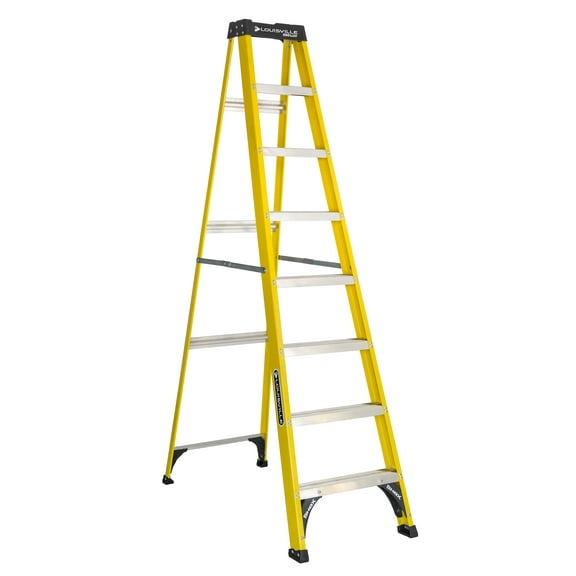
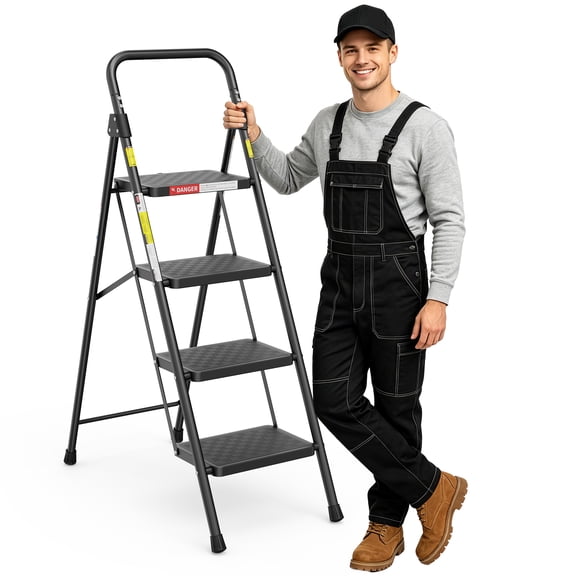
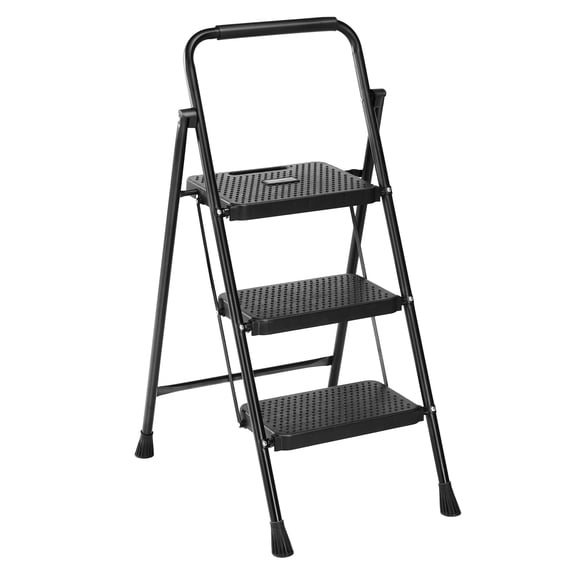
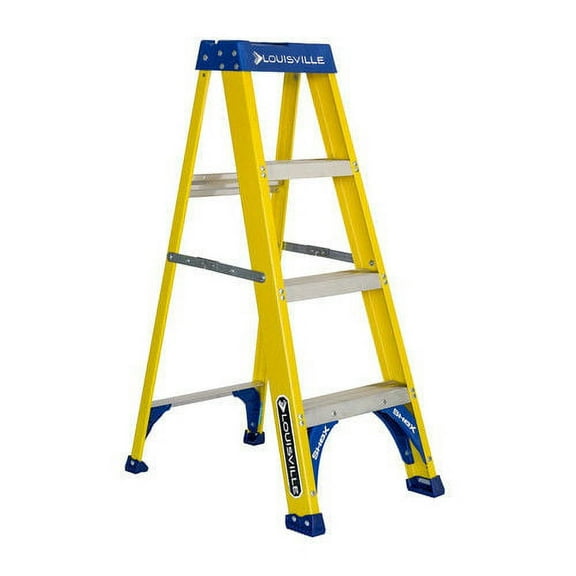
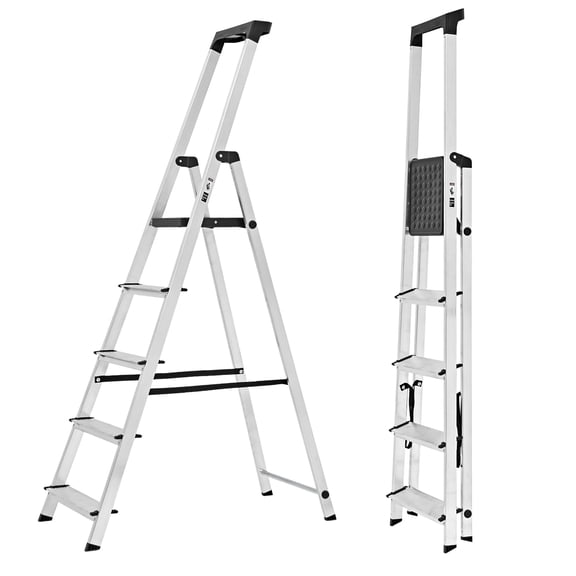
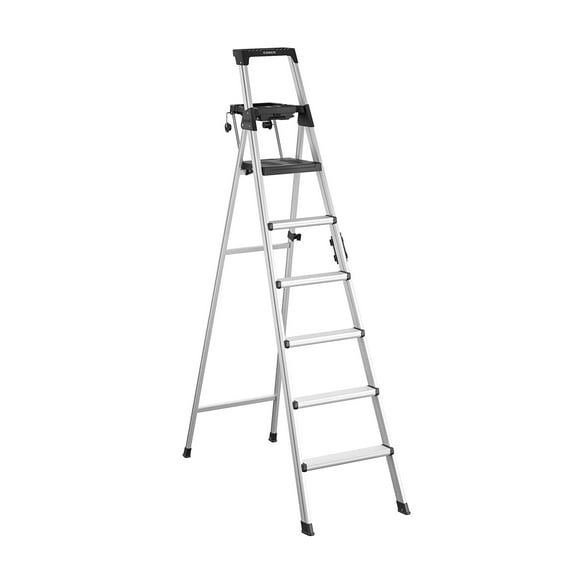
You can notice step ladders stand on their own, which helps when you work in rooms without a wall to lean against. You can use them for changing light fixtures, painting trim, or reaching upper kitchen cabinets.
Extension ladders give you added vertical reach for gutters, siding, and roofline projects. You should compare closed length and extended height, so your ladder fits both your work area and storage space.
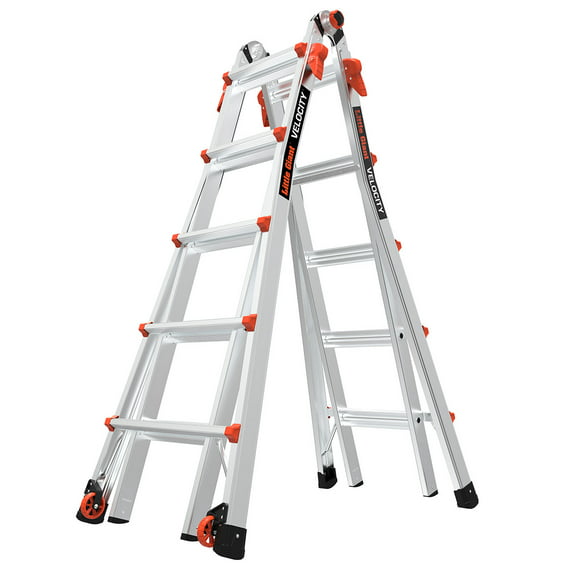
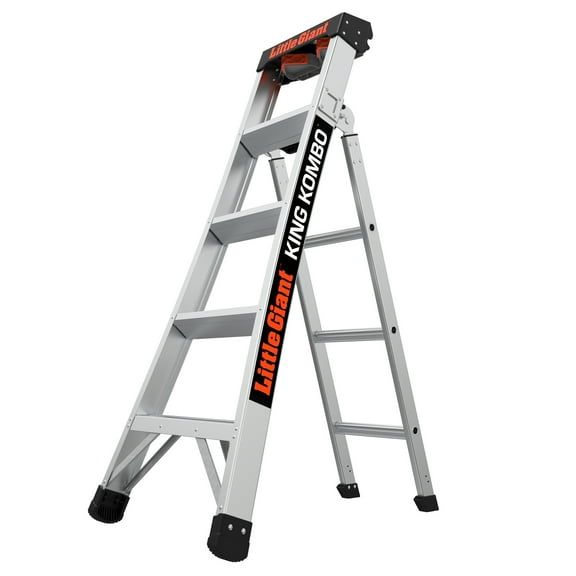
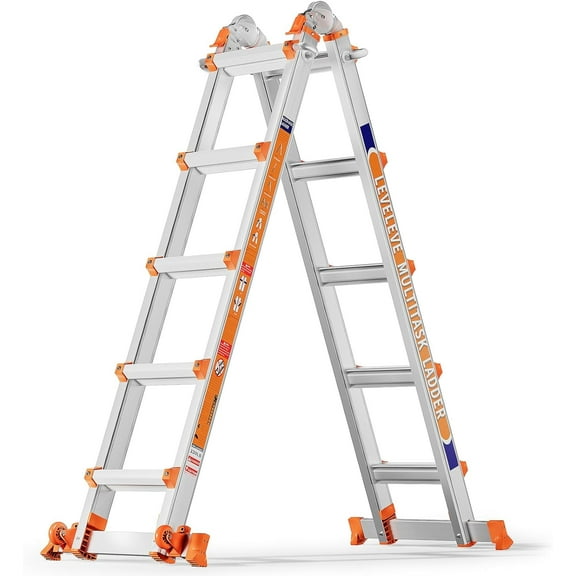
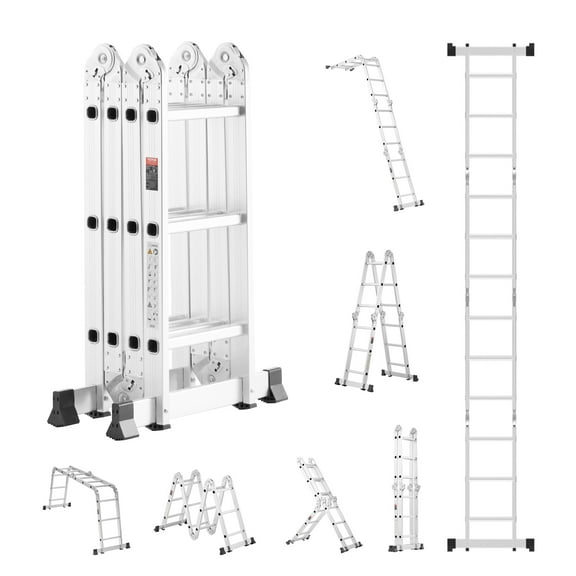
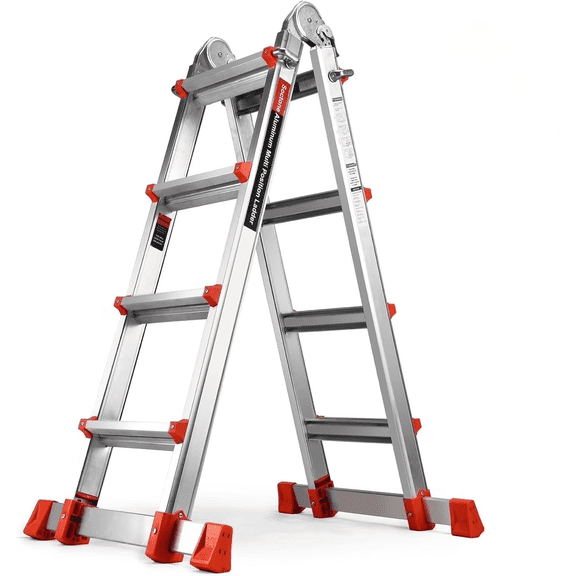
Multi position ladders let you switch between several configurations for stairs, walls, and uneven spaces. You may like that flexibility when your weekend projects vary from hallway painting to exterior touch-ups.
- You can choose step ladders for freestanding indoor jobs.
- You can choose extension ladders for higher outdoor reach.
- You can choose multi position ladders for varied tasks and compact storage.
- You can choose telescoping ladders when portability is a key factor.
How to compare fiberglass ladders and aluminum ladders
You should compare material carefully, because weight and job type can change your experience. You can often carry aluminum ladders more easily, while fiberglass ladders suit tasks around wiring and electrical equipment.
If your project involves electrical work, you should look closely at fiberglass ladders because the material is non-conductive. You can use that detail as a key decision point when your tasks include fixtures, panels, or overhead wiring.
Aluminum ladders can feel easier to move between rooms, garages, and outdoor spaces. You may prefer them when you want a lighter carry and quick setup for general household maintenance.
Steel and wood options may also fit specific preferences, though you’ll want to check weight and storage needs before choosing. You can use material as a practical filter, not just a style choice.
Choosing the right height and reach
You should measure your project before choosing ladder height, because your actual reach extends beyond the ladder’s listed height. You’ll want enough working height to reach comfortably without standing on the top cap or top rung.
For common indoor jobs, you may compare four ft, 6 ft ladders, and eight ft models first. You can often use a 6 ft ladder for ceiling lights, wall painting, and shelf access in standard rooms.
For outdoor tasks, you may need 20 ft or 24 ft extension styles depending on roofline height. You should compare your standing level, arm reach, and work area before deciding on a taller model.
When you choose the right reach, you can work with fewer position changes and less back-and-forth. You can also make storage planning easier when the ladder matches your home and project size.
Understanding duty rating and heavy duty ladders
You should check duty rating before anything else, because your body weight and tool load both count. You can use the rating label to match the ladder to the real load you’ll carry.
Type II ladders support 225 lbs, which may suit lighter household tasks with minimal gear. Type I ladders support 250 lbs, giving you extra room for tools and repeated home projects.
Type IA ladders support 300 lbs, which many shoppers consider when they want heavy duty ladders. You should compare that rating when your tasks involve tool belts, paint buckets, or longer work sessions.
If you choose too little capacity, you may feel restricted every time you carry supplies up a few steps. You can simplify your decision by adding your weight and typical tools before you filter options.
Matching ladder choices to real tasks
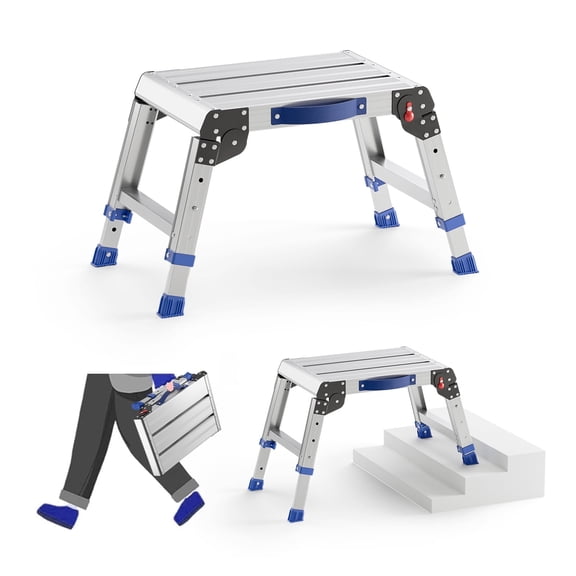
You may want a simple step stool or short step ladder for pantry access, closet organization, and quick bulb changes. You can keep those options nearby for everyday tasks that need only a few extra feet.
If you’re painting a foyer or cleaning second-story windows, you’ll likely compare taller step ladders or extension ladders. You should match the setup to your wall height, floor space, and storage room.
For contractors, renovators, and busy households, multi position ladders can cover several job types without taking over the garage. You can switch configurations when you move from stair landings to exterior walls.
When portability matters for apartments, service calls, or smaller vehicles, telescoping ladders can make transport easier. You may appreciate compact sizing when you need reach without carrying a long frame everywhere.
You can choose ladders with more confidence when you compare type, material, reach, and capacity together. Your project gets smoother when your ladder fits the job, the space, and the load you carry.