

Hex Nuts & Hexagonal Fasteners - Everyday Low Prices





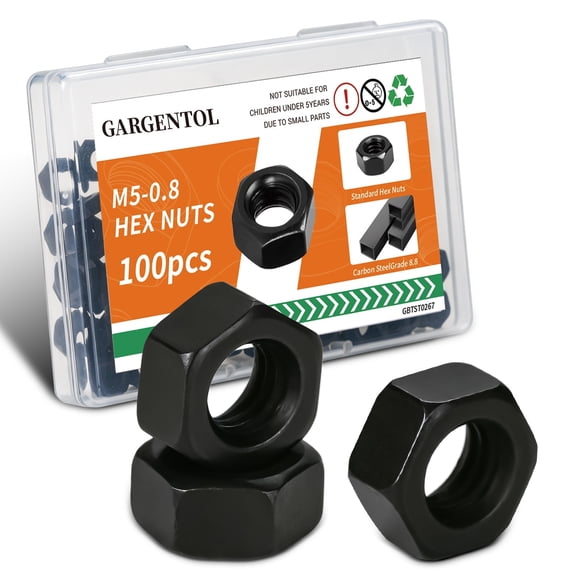
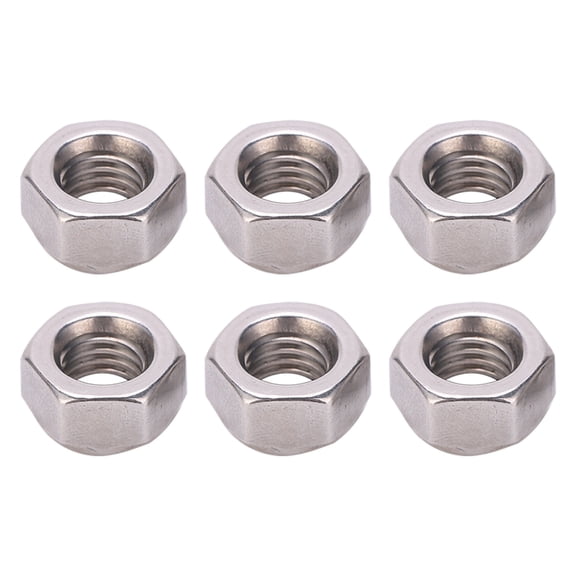
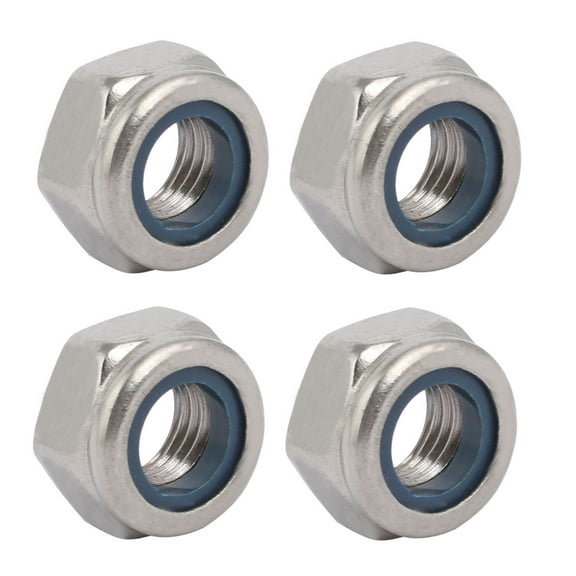
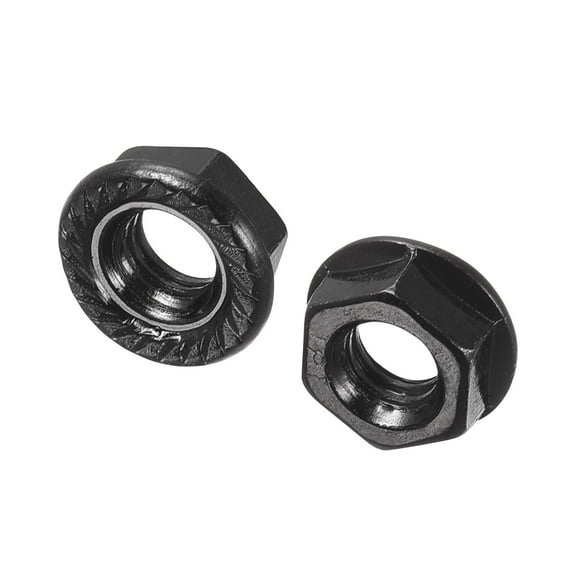














About Hex Nuts & Hexagonal Fasteners - Everyday Low Prices - Walmart.com
Hex nuts help you match bolts, threaded rods, and machine screws with the right thread, size, and material for a clean fit. If you're replacing hardware or finishing a build, you'll want sizing guidance that covers metric, inch, and Whitworth options.
Instead of guessing, you'll compare thread type, wrench fit, nut style, and pack size in one place. That approach helps your assembly start smoothly and tighten with the hardware your project already uses.
How to choose hex nuts
Start with thread compatibility, because your fastener needs an exact match before tightening begins. If your bolt has an M3 label, you'll need a matching metric nut rather than an inch-thread alternative.
Metric, UNC coarse, UNF fine, and Whitworth threads each serve different hardware systems. When you compare those standards first, you reduce cross-threading and keep your installation more precise.
- If your project uses M3, M4, or M14 markings, you'll want a matching metric thread.
- When your repair uses common inch hardware, you'll often compare UNC coarse and UNF fine threads.
- If you're restoring older equipment, you'll check for Whitworth screw thread compatibility before ordering.
- When your assembly faces movement, you'll consider a nyloc style or a flange design.
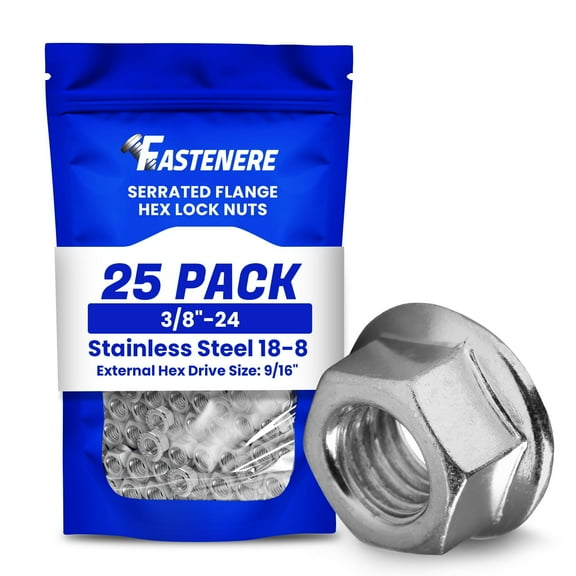
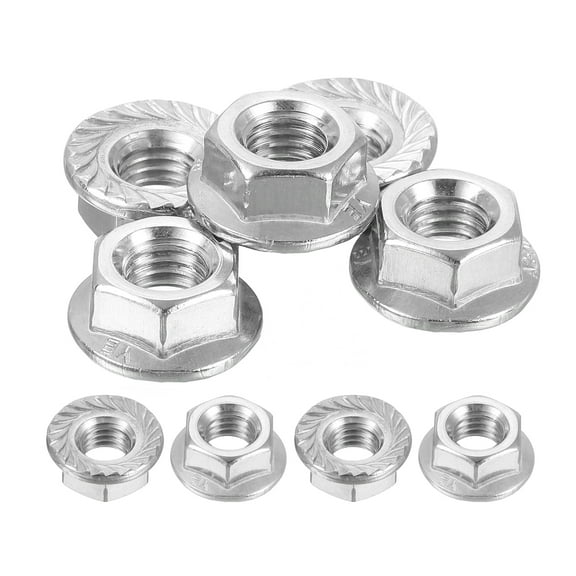
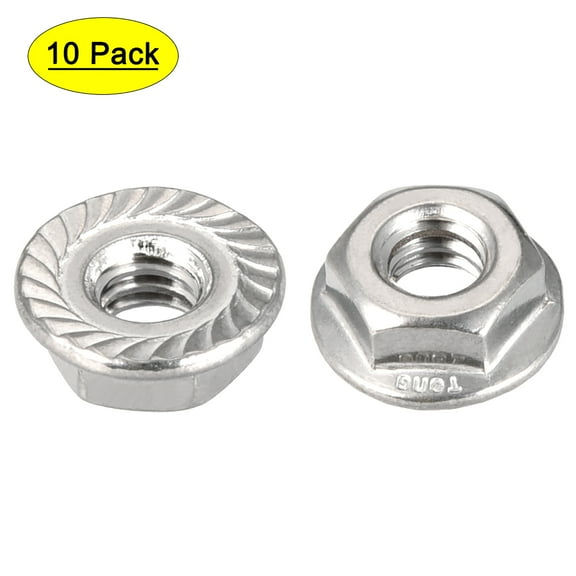
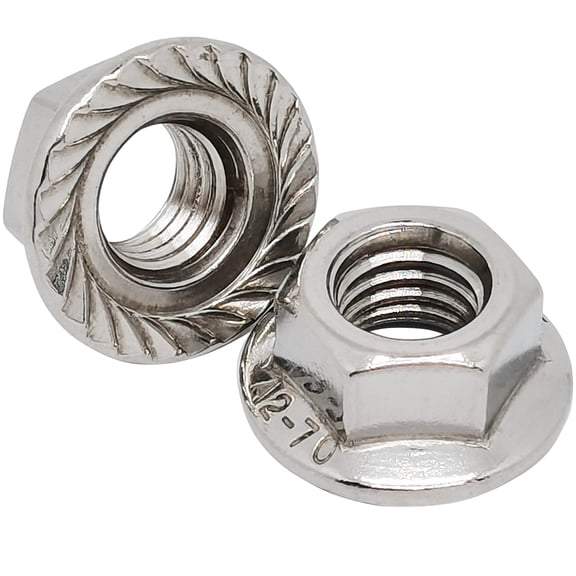
Next, consider how you will use your joint and how much surface support it needs. A standard hex shape fits general fastening, while a flange style spreads pressure across a wider area.
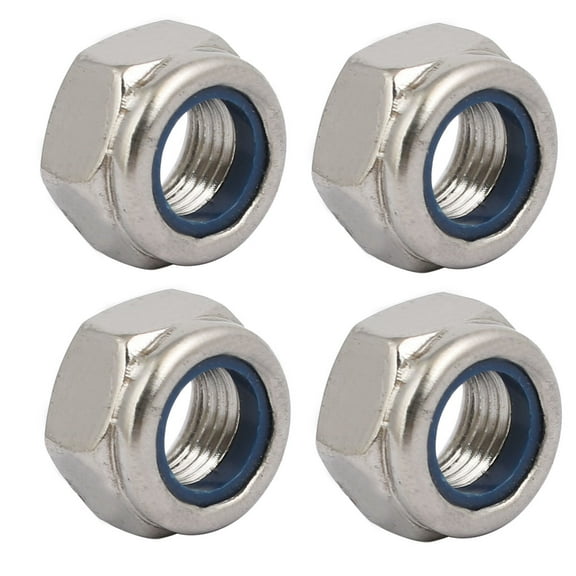
Heavy hex options give you a thicker profile for larger hardware and tougher assemblies. If repeated movement matters, you'll often look for a nylon insert that helps the nut stay engaged.
Understanding hex nuts sizes and thread types
Measure diameter and pitch before you choose, because both details affect how the nut starts and turns. With m3 nut size searches, you're usually matching small hardware for electronics, fixtures, or compact assemblies.
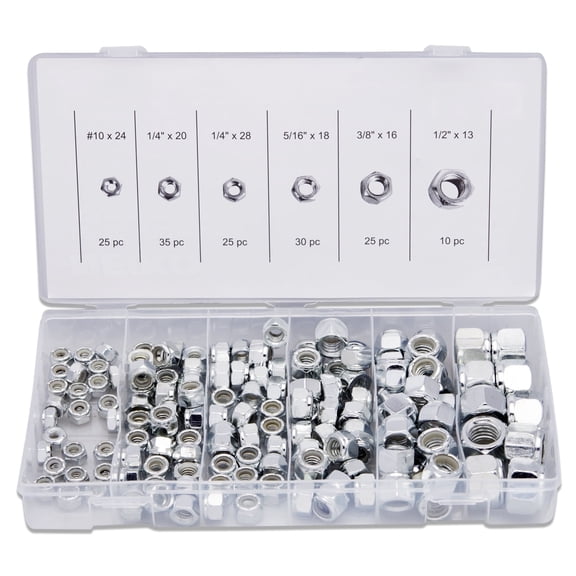
M14 points you toward a much larger metric fastener for equipment, frames, or other heavy connections. If your project uses 1/4-20 or 1/2-13 hardware, you'll need inch sizing that matches both diameter and thread count.
Thread pitch describes the spacing between threads, and that spacing changes how your parts fit together. When you compare coarse and fine threads, you'll notice they don't interchange even when diameters seem similar.
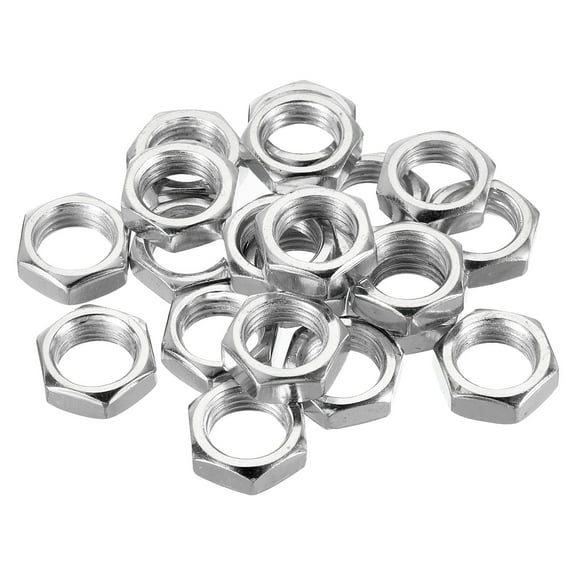
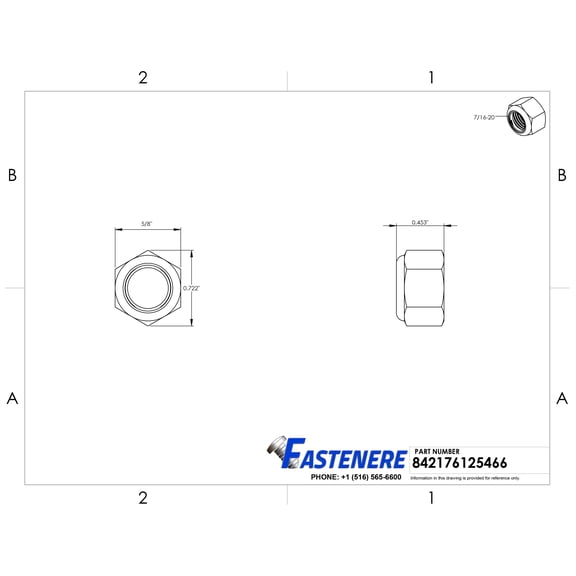
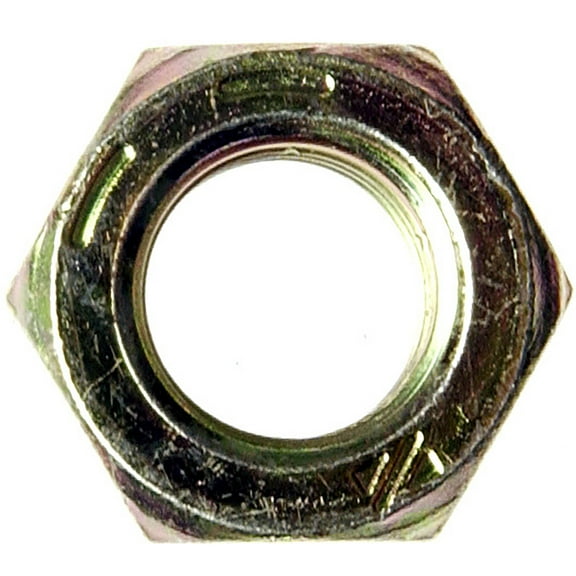
Across-flats size matters too, because your wrench or socket must grip the nut correctly. With a threaded hex nut, you'll use the six flat sides for steady turning during installation or removal.
If you're matching imported tools or older machinery, you may need Whitworth screw thread sizing. In that case, you'll want to check your original fastener spec or measure with a thread gauge.
Comparing materials, nut types, and pack sizes
Material choice affects where your hardware works and how it holds up over time. Stainless steel suits outdoor setups, while zinc-plated steel often fits general indoor fastening and utility repairs.
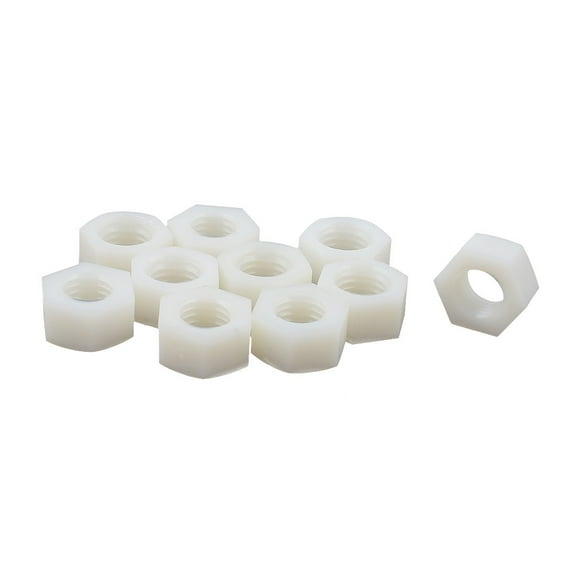
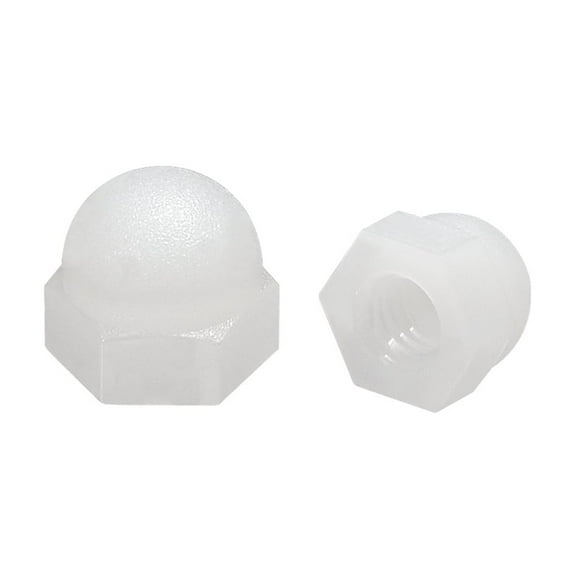
Brass can make sense when your project needs a distinctive finish or lighter-duty hardware. Nylon options work for select assemblies where you want a nonmetal nut and lighter overall weight.
Nut type also changes how your connection behaves during use. Standard hex nuts fit everyday fastening, while flange and heavy hex styles support broader contact or larger hardware.
Nyloc designs include a nylon insert that adds resistance during tightening and removal. If your project gets opened for service, you'll compare whether that extra holding action fits your routine.
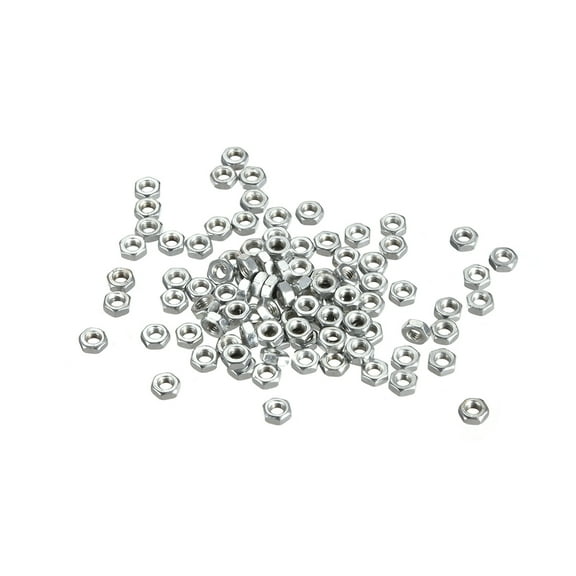
Pack size shapes how you buy for the job in front of you. A single piece handles a quick replacement, while 10-pack, 50-pack, and bulk box options support repeated repairs.
When you keep common sizes on hand, your maintenance work stays organized and easier to plan. That matters when your project uses the same nut hex size across brackets, fixtures, or shop equipment.
Matching hex nuts to real projects
Small metric hardware fits electronics housings, appliance panels, hobby builds, and compact brackets. If you're checking m3 nut size details, you're likely matching miniature bolts that need precise thread engagement.
Zinc-plated steel often suits shelves, utility racks, light framing, and indoor brackets around the home. When your hardware faces weather, you'll usually compare stainless steel for outdoor gates, fences, or equipment stands.
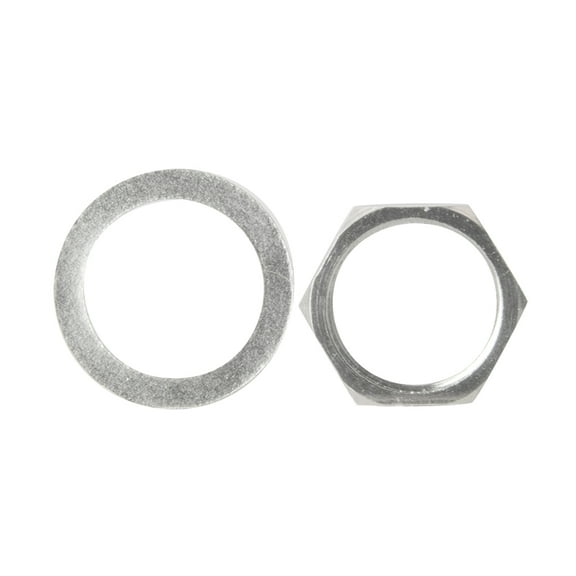
Larger sizes like M14 or 1/2-13 fit machinery, trailers, worktables, and heavier assemblies. In those cases, you'll often pair your nut with a washer and matching bolt to keep alignment consistent.
Restoration work may call for Whitworth hardware when modern inch threads won't match the original part. If you're handling older British tools or imported equipment, that detail keeps your replacement process accurate.
You may also search hex nut near me when your repair timeline depends on pickup or delivery convenience. Before you choose, you'll narrow your options faster by checking size, thread family, material, and pack count.
For repeat service work, extra stock can make routine replacements easier to manage. When you choose hex nuts with the right dimensions and thread standard, your hardware fits cleanly and your assembly stays on track.