

Heating in Heating, Cooling, & Air Quality































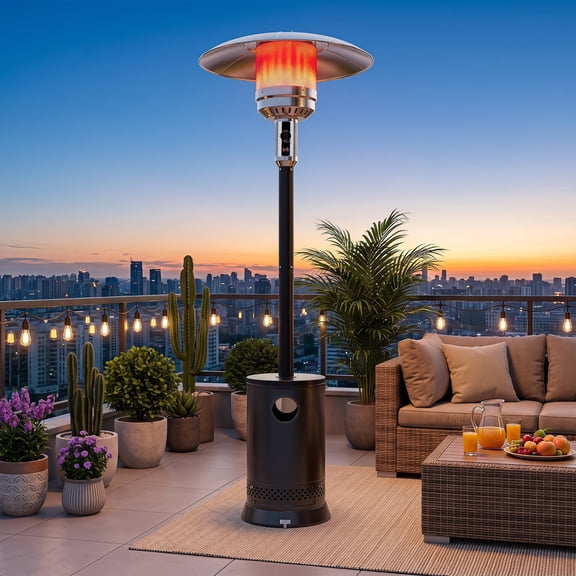


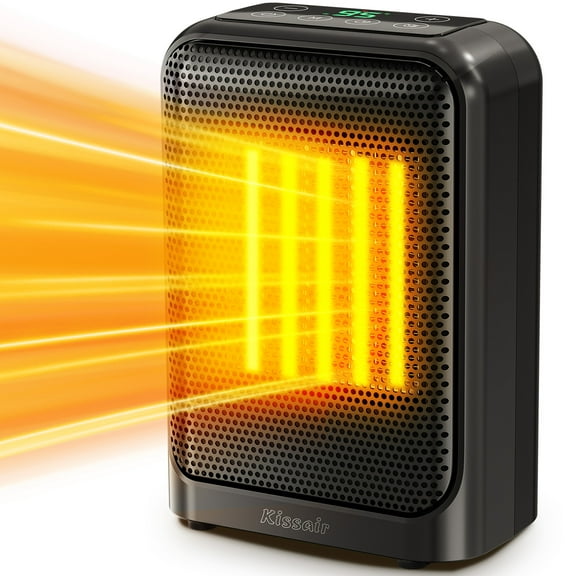
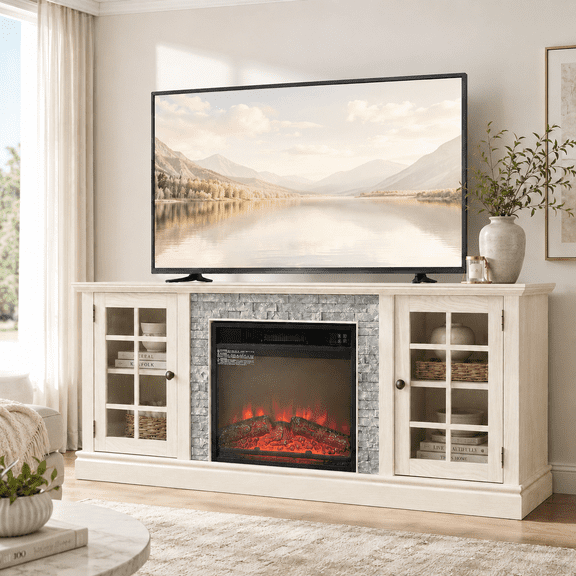


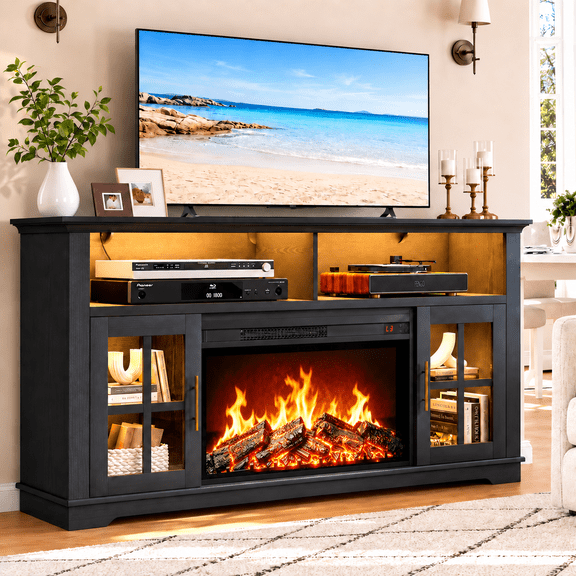


About Heating in Heating, Cooling, & Air Quality - Walmart.com
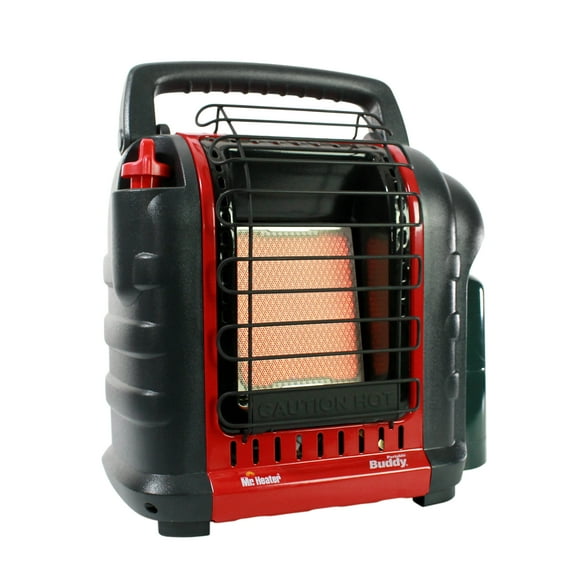
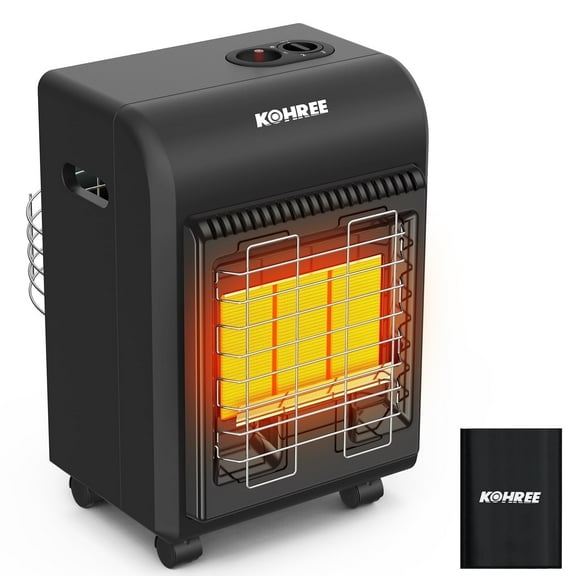
Gas heaters help you warm garages, workshops, sunrooms, and living areas with fuel-based heat. You can compare fuel type, venting, mounting, and BTU output to match your space.
How to choose gas heaters for your setup
Your first decision starts with fuel compatibility, because your connection determines which models fit. Instead of guessing, you can compare propane gas heaters with tank-based setups or natural gas units with fixed line access.
Before you narrow styles, measure your room and note ceiling height and openness. You can use BTU output as a simple guide for matching heat capacity to square footage.
Another key choice involves ignition type, because it shapes daily operation and startup style. For easier comparisons, check electronic ignition for quick starts or manual piezo pilot systems for familiar control.
What to look for in gas heaters
Clear decision points help your search move faster and stay focused. As you compare options, your room layout, fuel source, venting needs, and heat pattern should guide each step.
- Your propane setup may fit when you use refillable tanks instead of a fixed gas line.
- Your natural gas setup may fit when your room already has a dedicated household gas connection.
- Your wall-mounted option helps you keep walking space open in tighter layouts.
- Your freestanding option gives you more placement flexibility when your floor plan allows it.
- Your choice between blue flame gas heaters and infrared gas heaters changes how warmth moves through the room.
For enclosed rooms, your heater size and venting type deserve close attention. You can also check whether indoor gas heaters list thermostats, automatic shut-off, and oxygen depletion sensors.
In utility spaces, mounting style and heat pattern often matter as much as output. Your comparison gets clearer when those details match how you actually use the room.
Choosing between propane gas heaters and natural gas wall heaters
Fuel type affects installation, placement, and daily use in ways you should review early. You should check whether your home uses a natural gas line or liquid propane tanks.
For flexible placement, propane gas heaters may suit spaces where tank access fits your setup. For fixed utility connections, natural gas wall heaters may suit rooms with an existing gas line.
Connection details matter just as much as the fuel label in the title. You can review inlet placement, regulator requirements, and mounting notes before you build a shortlist.
Comparing ventless gas heaters and vented options
Venting type shapes where and how you install your heater. You should compare ventless gas heaters with vented designs early, because local codes may affect your options.
When you review ventless models, check whether the listing includes an oxygen depletion sensor and automatic shut-off. Those features help you monitor indoor operation when the product is designed for that use.
Vented units may fit setups that use a flue or direct vent path. You can confirm installation requirements in the product details and your local code information.
Choosing wall-mounted or freestanding placement
Mounting style changes how your heater fits your room and traffic flow. You can compare wall-mounted models for a fixed footprint or freestanding units for more flexible placement.
Natural gas wall heaters often make sense when your line connection and wall space already align. You should measure width, depth, and clearance areas so your layout stays practical.
Freestanding styles may fit utility rooms, workshops, or open areas with suitable floor space. Your final choice should reflect both room dimensions and connection location.
Understanding blue flame gas heaters and infrared heat
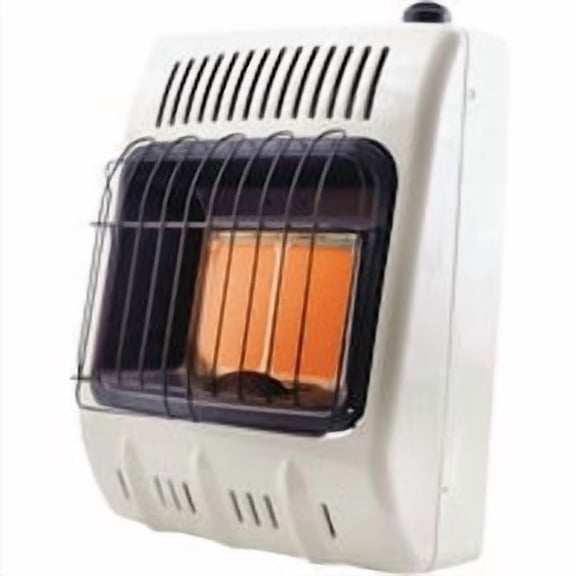
Heating technology affects how warmth moves through your space. Blue flame gas heaters warm surrounding air, while infrared gas heaters direct heat toward people and surfaces.
If your room is enclosed, convection-style warmth may fit the way you use the area. If your space has activity zones, direct radiant heat may suit where you spend time.
That comparison gets easier when you think about room shape and daily routine. You can choose a heat pattern that matches seating, work areas, or open floor sections.
Matching BTUs to room size and everyday use
BTUs tell you how much heat output a unit can deliver. You can compare BTU ranges against your room size instead of guessing from appearance alone.
A compact den may need a different output than a garage, workshop, or large sunroom. You should also consider ceiling height, insulation, and whether doorways leave the space more open.
When your heater capacity matches the room, your setup feels balanced and easier to manage. That makes BTU guidance a highly practical filter on this category page.
What to review before your final choice
Your checklist should include fuel type, venting method, BTU range, dimensions, and ignition style. You can also review thermostat controls, mounting hardware, and listed room compatibility.
Careful comparisons help your shortlist stay aligned with your connection, layout, and installation plans. Gas heaters fit more smoothly when your fuel source, venting needs, and heat pattern work together.
Popular in Heating in Heating, Cooling, & Air Quality - Walmart.com
- Pilgrim Heating, Cooling & Air Quality Fan Shop
- Ac Heater
- Clearance in Heating, Cooling & Air Quality Fan Shop
- Rollback in Heating, Cooling, & Air Quality
- Heat Controller Comfort Aire
- Clearance in Heating, Cooling, & Air Quality
- Perfect Aire Heater
- Comfort Zone Ac
- Honeywell Turbos
- Radiant Floor Heat Pump
- Heating Room
- Rheem Ton Ac